


The Worst CGI Re-Creations Of Actors’ Faces In Movies

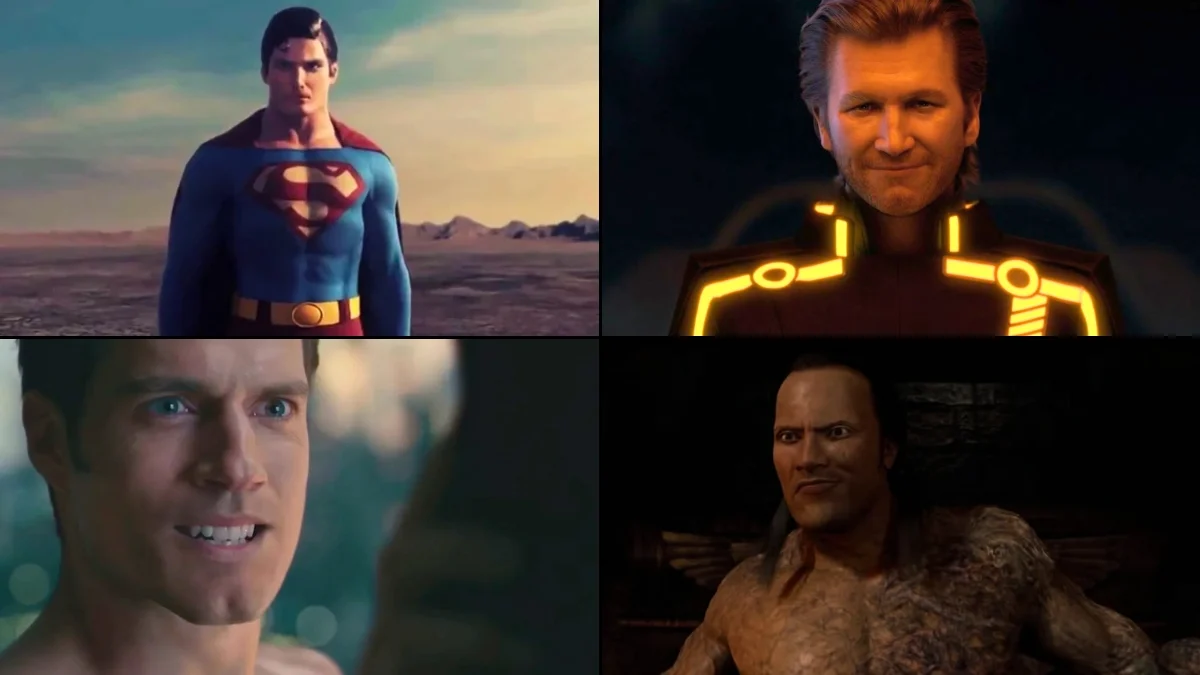


Computer-generated imagery has revolutionized filmmaking by allowing directors to visualize impossible worlds and de-age legendary actors. Studios invest millions of dollars into visual effects to bring deceased stars back to life or to make older performers look decades younger. The technology often falls short of reality and plunges the audience into the uncanny valley where the characters look almost human but not quite right. These digital missteps can ruin the immersion of a scene and become memorable for all the wrong reasons. The following examples represent the most jarring and poorly executed facial re-creations in cinema history.
‘Captain America: Civil War’ (2016)

The film introduces a binary augmented retro-framing technology to de-age Tony Stark for a pivotal flashback scene. Robert Downey Jr. performs the scene while visual effects artists smooth his features to resemble his younger self. Viewers often note that the character looks overly airbrushed and lacks the natural imperfections of human skin. The result is a visage that appears more like a plastic mannequin than a living breathing teenager.
‘X-Men: The Last Stand’ (2006)
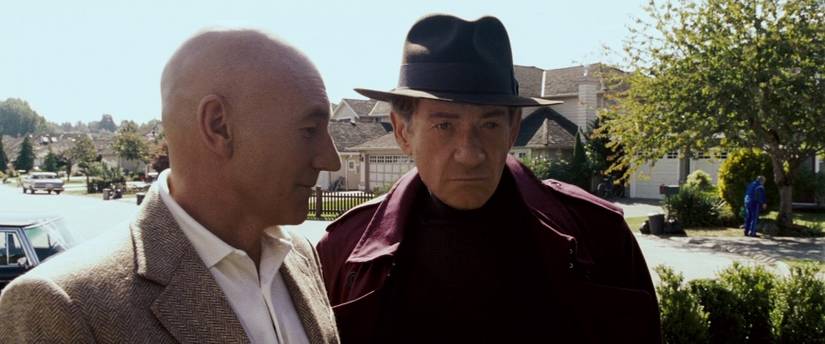
Patrick Stewart and Ian McKellen undergo digital skin smoothing in the opening prologue of this mutant ensemble film. Visual effects teams attempted to make the actors look twenty years younger by removing wrinkles and changing skin texture. The technology available at the time resulted in a strange glow that eliminated necessary facial definition. This early attempt at digital de-aging strips the actors of their ability to emote effectively.
‘Tron: Legacy’ (2010)
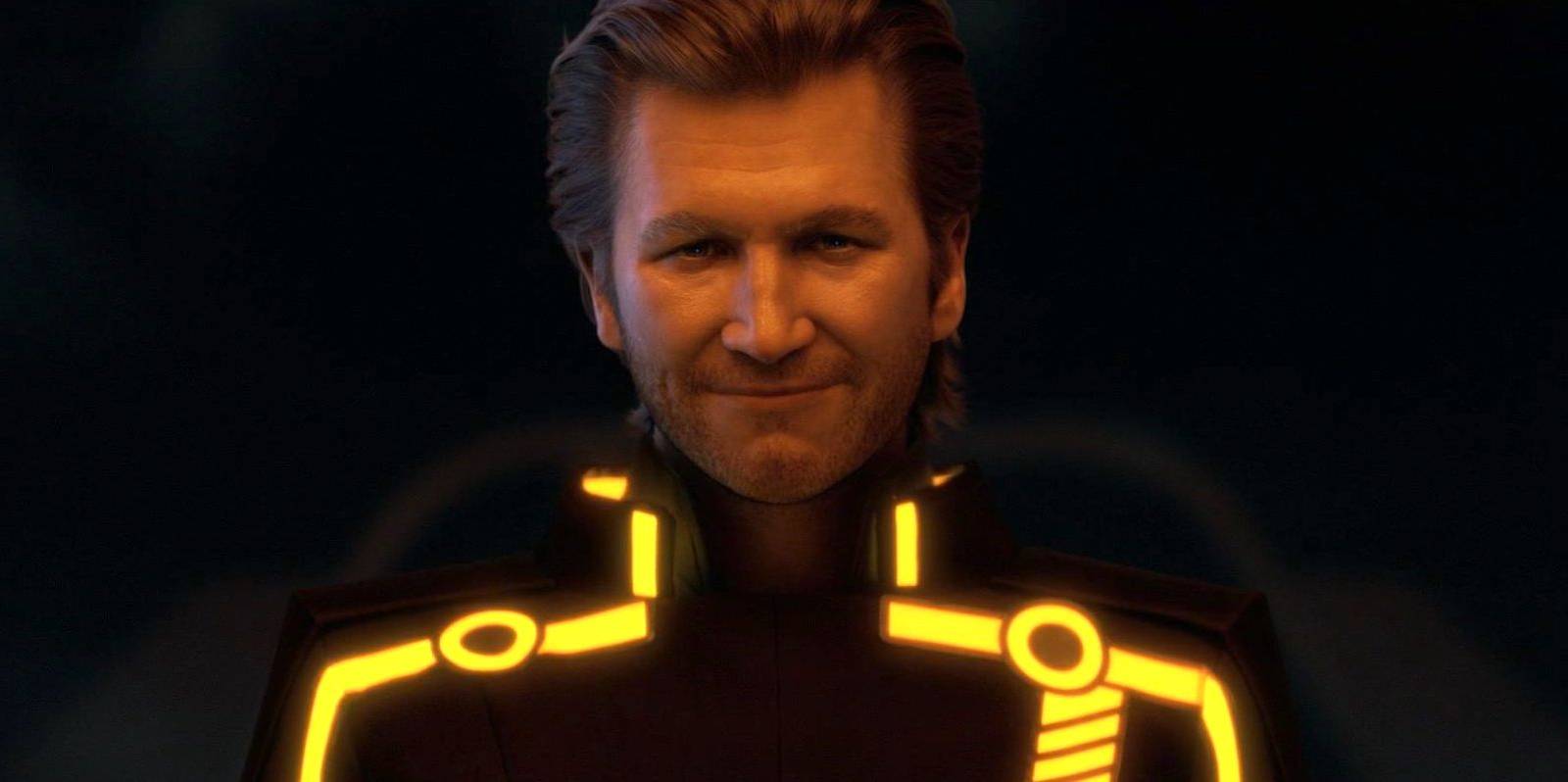
Jeff Bridges plays both the aging protagonist and his youthful digital clone named Clu in this sci-fi sequel. The younger character is entirely computer-generated based on the actor’s facial performance and vintage reference footage. While the movement is fluid the face often appears stiff and rubbery during dialogue scenes. The dead eyes of the character create an unsettling barrier that prevents the audience from fully accepting the villain as real.
‘Star Wars: The Rise of Skywalker’ (2019)
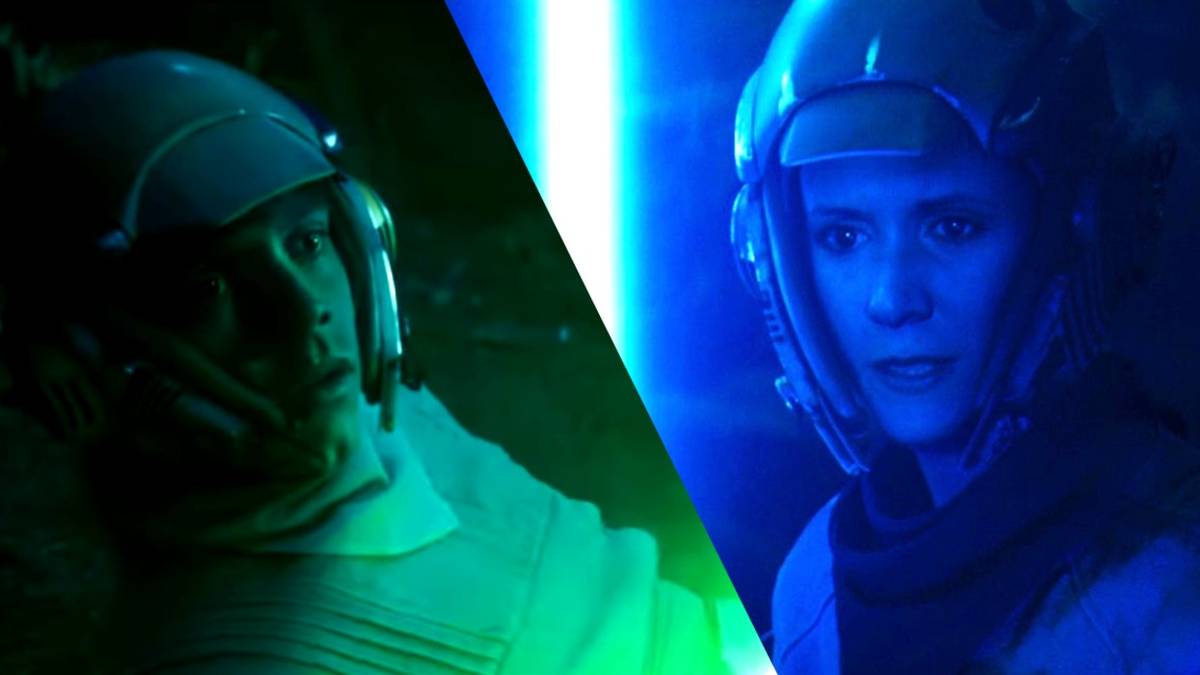
A flashback sequence requires the digital resurrection of young Luke Skywalker and Princess Leia Organa training together. Body doubles performed the physical stunts while artists composited younger faces of Mark Hamill and Carrie Fisher onto them. The lighting on the faces often fails to match the surrounding environment which makes them look like floating masks. It creates a jarring visual disconnect that pulls the viewer out of the narrative moment.
‘The Irishman’ (2019)

Martin Scorsese utilized expensive de-aging technology to allow Robert De Niro and Al Pacino to play their characters across multiple decades. The facial capture system smoothed out wrinkles but could not disguise the physical movements of the elderly actors. One scene features a young Frank Sheeran curbing a grocer while moving with the stiffness of a man in his seventies. This disconnect between the youthful face and the geriatric body language breaks the immersion.
‘Rogue One: A Star Wars Story’ (2016)

Peter Cushing passed away long before this prequel was filmed yet his character Grand Moff Tarkin returns as a primary antagonist. Industrial Light & Magic recreated his likeness by mapping a digital scan onto the performance of actor Guy Henry. The animation of the mouth and eyes often fails to capture the subtle nuances of the original actor. The character ends up looking like a high-resolution video game cutscene rather than a live-action performance.
‘Ghostbusters: Afterlife’ (2021)
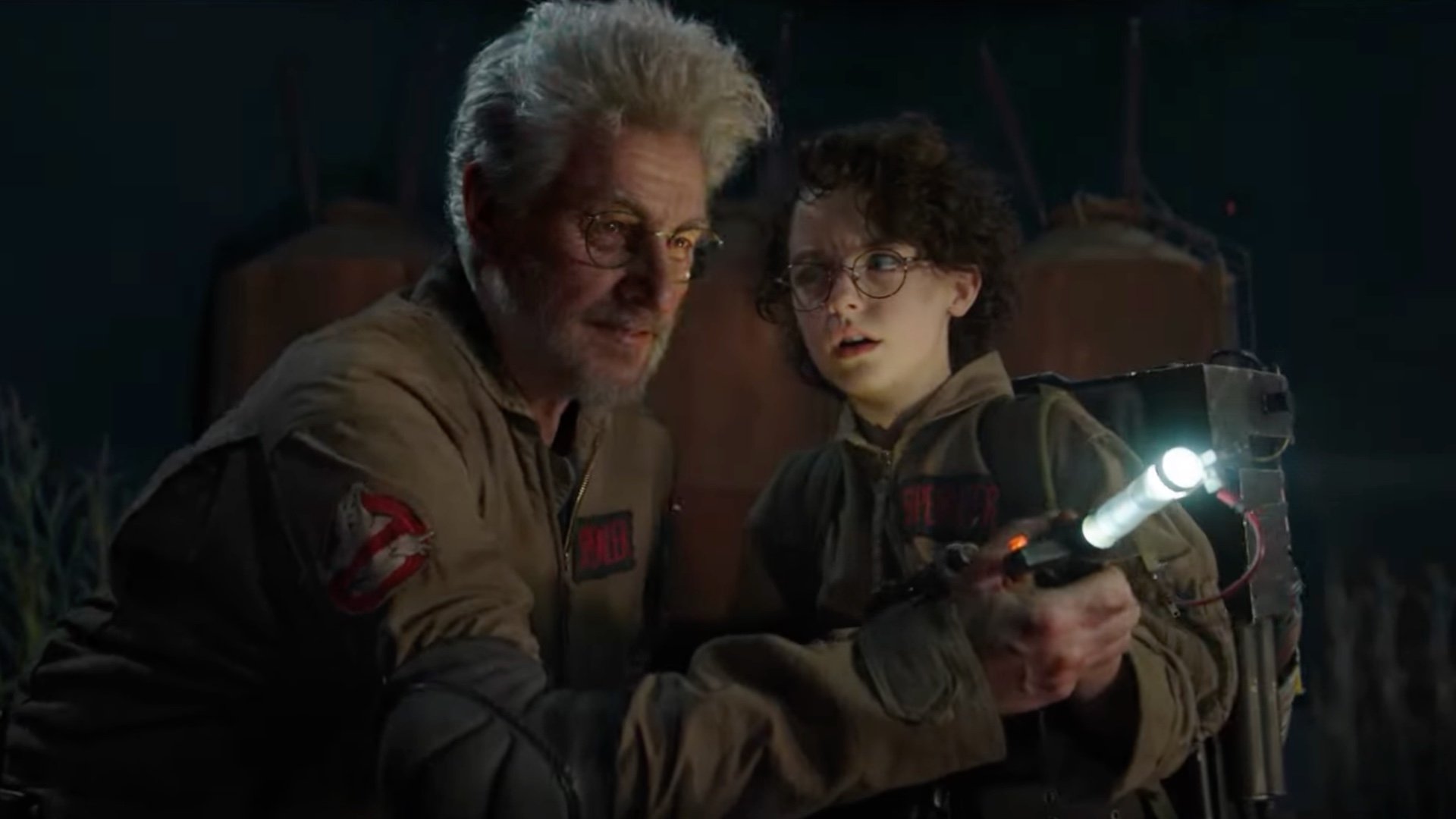
The filmmakers chose to bring back the late Harold Ramis as the ghostly Egon Spengler for the emotional climax of the movie. A digital head was created based on archival footage and composited onto a stand-in actor. The lack of dialogue helps hide some animation flaws but the facial expressions remain somewhat rigid and artificial. The silent performance relies heavily on nostalgia to distract from the uncanny valley effect of the re-creation.
‘Alien: Romulus’ (2024)

This installment features a damaged android named Rook that bears the likeness of the late Ian Holm from the original 1979 film. The production used animatronics combined with CGI enhancements to revive the deceased actor’s face. The mouth movements frequently desynchronize with the voice lines and the skin texture looks waxy under the harsh lighting. It serves as a distracting element that draws attention away from the tension of the horror sequences.
‘The Matrix Reloaded’ (2003)
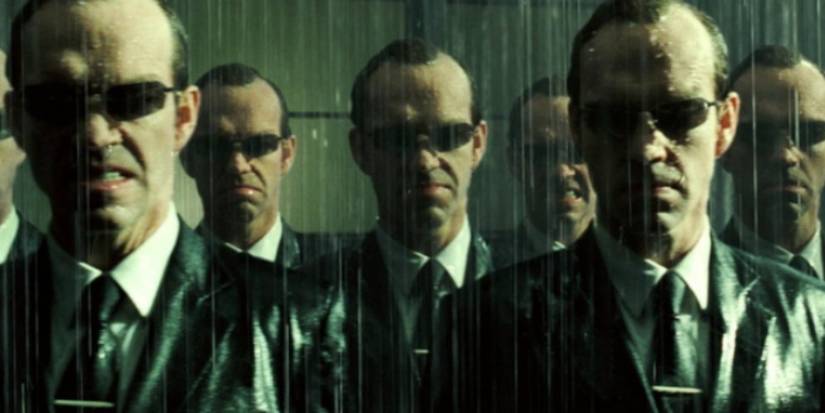
Keanu Reeves engages in a massive fight sequence against hundreds of Agent Smith clones known as the Burly Brawl. The scene transitions from live-action stunts to fully computer-generated characters to accommodate the impossible camera movements. The digital Neo looks distinctively rubbery with skin that does not react naturally to light or movement. This visual shift turns a high-stakes martial arts battle into something resembling a cartoon.
‘Air Force One’ (1997)

Harrison Ford plays the President of the United States who must escape a hijacking situation via a mid-air rescue. The final sequence involves the actor falling from the back of the plane into the water below. Limitations in budget and technology resulted in a face replacement that looks like a blurry painting pasted onto a stuntman. The chaotic camera motion fails to obscure the poor quality of the digital composite.
‘Green Lantern’ (2011)
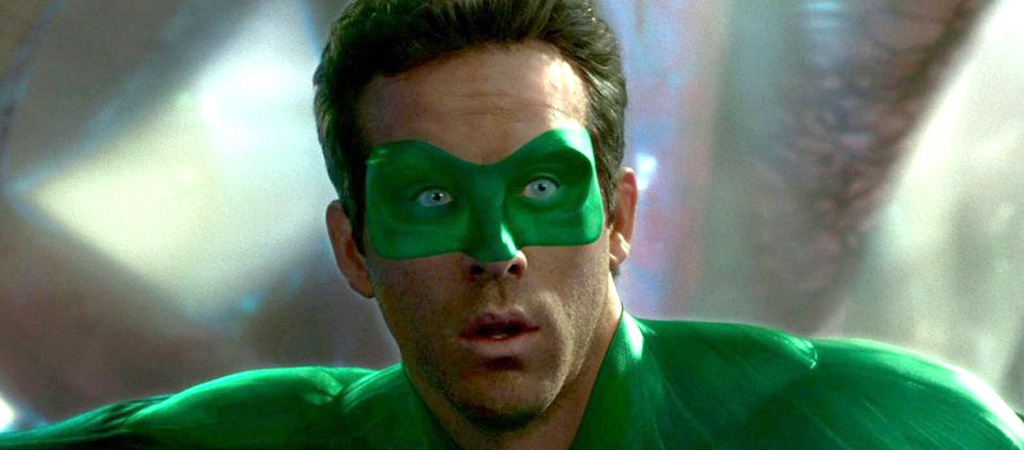
Ryan Reynolds wears a fully digital suit and mask that were created in post-production rather than as practical costumes. The domino mask over his eyes moves unnaturally with his facial expressions and often appears to float above his skin. This artistic choice prevents the actor’s eyes from properly conveying emotion during close-up shots. The glowing green aesthetic further highlights the artificiality of the facial effects.
‘Harry Potter and the Philosopher’s Stone’ (2001)

Daniel Radcliffe faces off against a mountain troll in the bathroom dungeon during the climax of the first film. A fully digital Harry Potter rides the shoulders of the creature while being thrashed around the room. The face of the young wizard is completely devoid of realistic texture or expression during the chaotic movement. It stands out as a primitive example of digital human replacement that has aged poorly.
‘Justice League’ (2017)

Henry Cavill was contractually obligated to keep a mustache for another film during the reshoots for this superhero team-up. Visual effects artists had to digitally remove the facial hair from every frame where he appeared as Superman. The result is a distorted upper lip that looks stretched and blurred in several key dialogue scenes. It became a widely mocked visual error that overshadowed the performance of the actor.
‘The Flash’ (2023)

The speed force sequence attempts to pay homage to past DC actors by resurrecting Christopher Reeve and George Reeves via CGI. These cameos appear as hollow wax figures that stare blankly ahead without any spark of life. The visual quality is surprisingly low and gives the characters a distinctively plastic appearance. Fans and critics alike criticized the sequence for its poor execution and questionable ethical implications.
‘The Mummy Returns’ (2001)
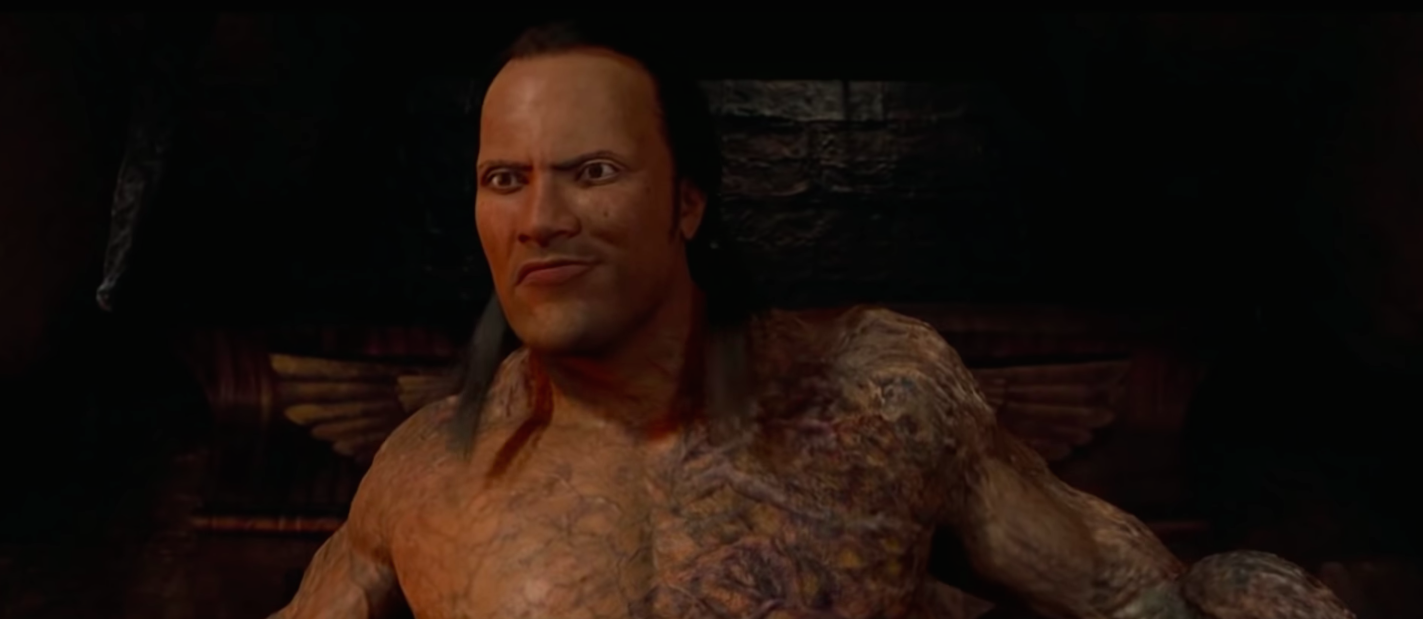
Dwayne Johnson appears as the Scorpion King in the finale as a half-human and half-scorpion hybrid creature. The camera zooms in for a close-up of the actor’s face which looks like a low-polygon video game character from that era. The lighting on the face does not match the environment and the mouth moves with mechanical stiffness. This sequence remains the gold standard for terrible digital re-creations in blockbuster cinema history.
Tell us which one of these digital disasters made you cringe the most in the comments.