The Worst Marvel Movie Actors Ever

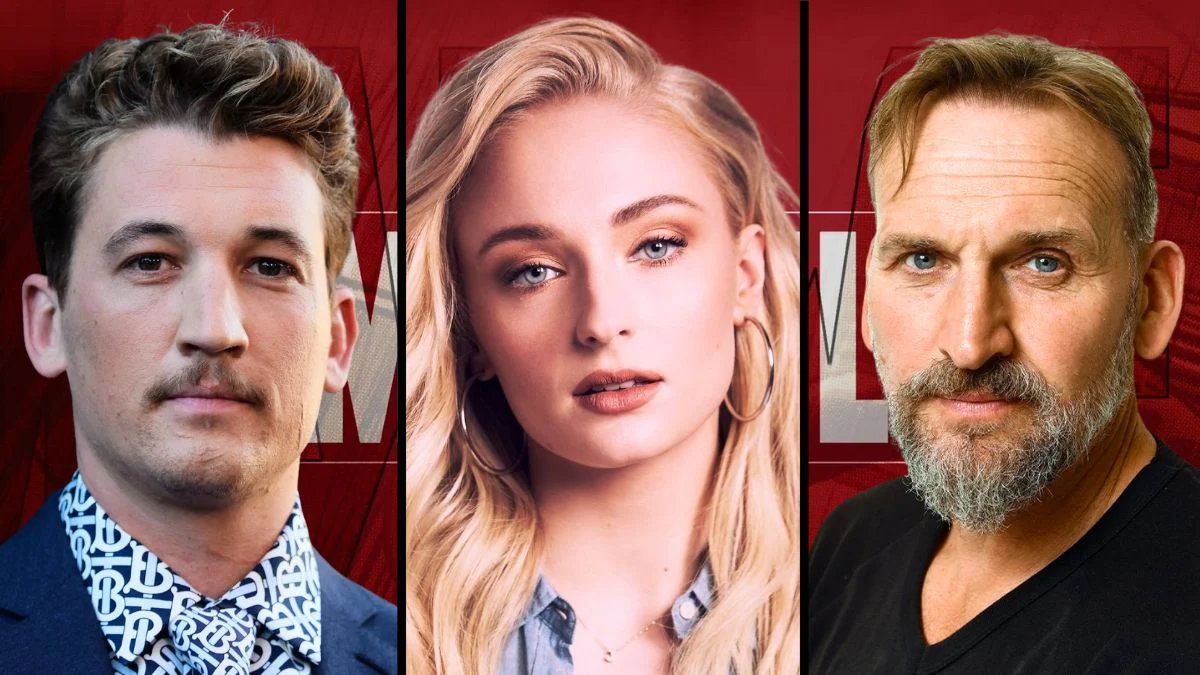

Not every trip into the Marvel universe ends with applause, and some performances get remembered more for the chaos around them than the characters on screen. Between studio interference, heavy prosthetics, baffling creative choices, and scripts that left little room to maneuver, a bunch of actors have their names attached to Marvel outings that struggled with critics and audiences. The titles below span the MCU, Sony’s Spider-Verse, Fox’s ‘X-Men’ era, and the pre-MCU years, showing that a rough superhero turn can happen in any corner of the multiverse. Here’s a look at who got stuck in the splash zone and why their Marvel gigs became cautionary tales.
Jared Leto
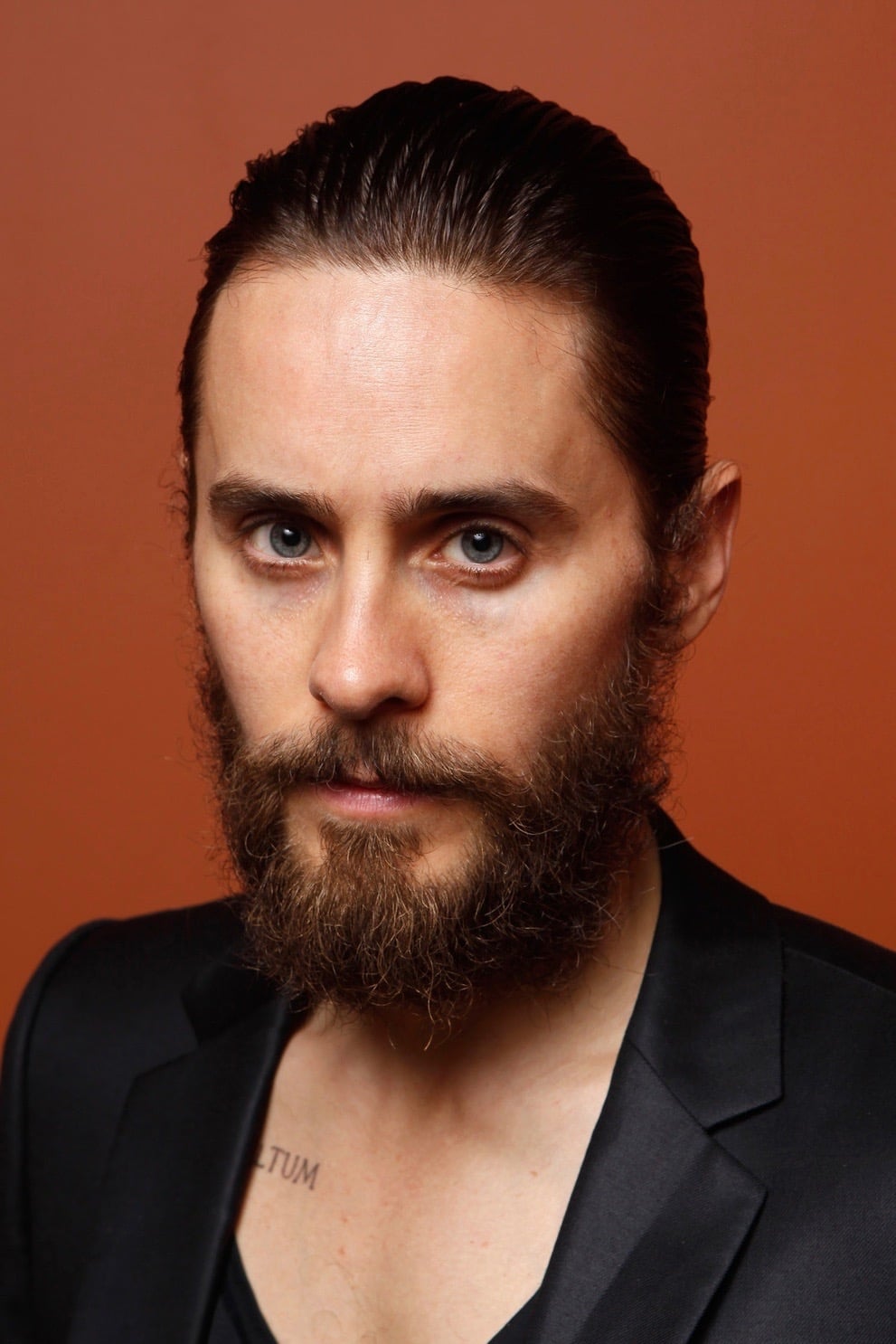
In ‘Morbius’, Jared Leto tackled the Living Vampire in a film that was delayed multiple times and finally released to poor reviews and soft ticket sales. The movie’s marketing and the “It’s Morbin’ time” meme overshadowed the character’s comic roots and the story’s medical-thriller setup. Reports of an overly serious method approach contrasted with a campy final cut that leaned on CG showdowns. A re-release sparked by internet jokes only drew minimal interest, turning the project into a case study in misaligned expectations.
Jamie Foxx
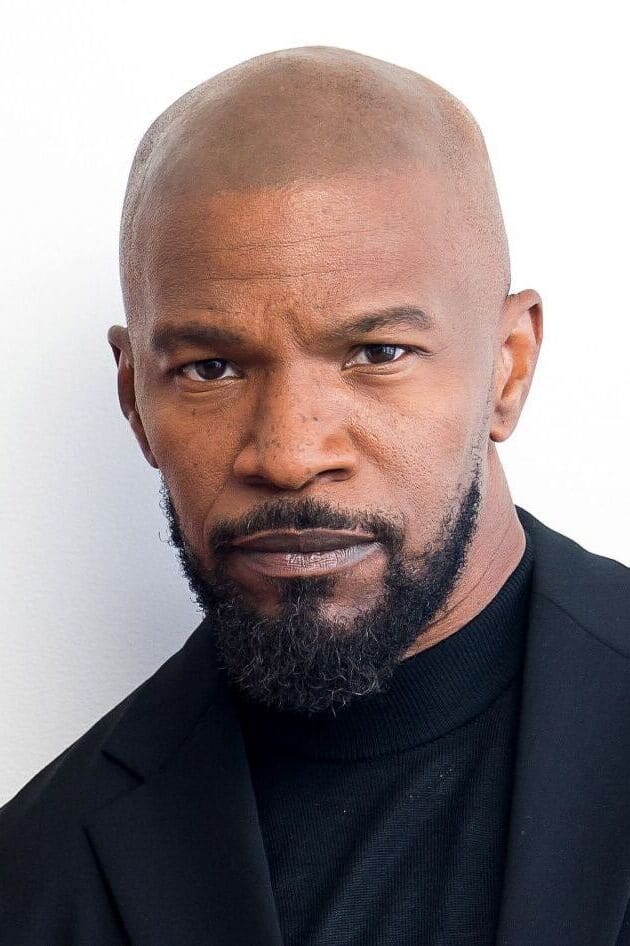
Jamie Foxx’s Electro arrived in ‘The Amazing Spider-Man 2’ with a blue, effects-heavy design that became the visual symbol of the franchise’s overstuffed sequel. The film split its attention between Oscorp machinations, a romance arc, and multiple villains, which limited the character’s development. Foxx later returned in ‘Spider-Man: No Way Home’ with a redesigned look and a cleaner motivation that many viewers found easier to follow. His first swing remains linked to a universe reset that stopped Sony’s initial plans in their tracks.
Jennifer Garner
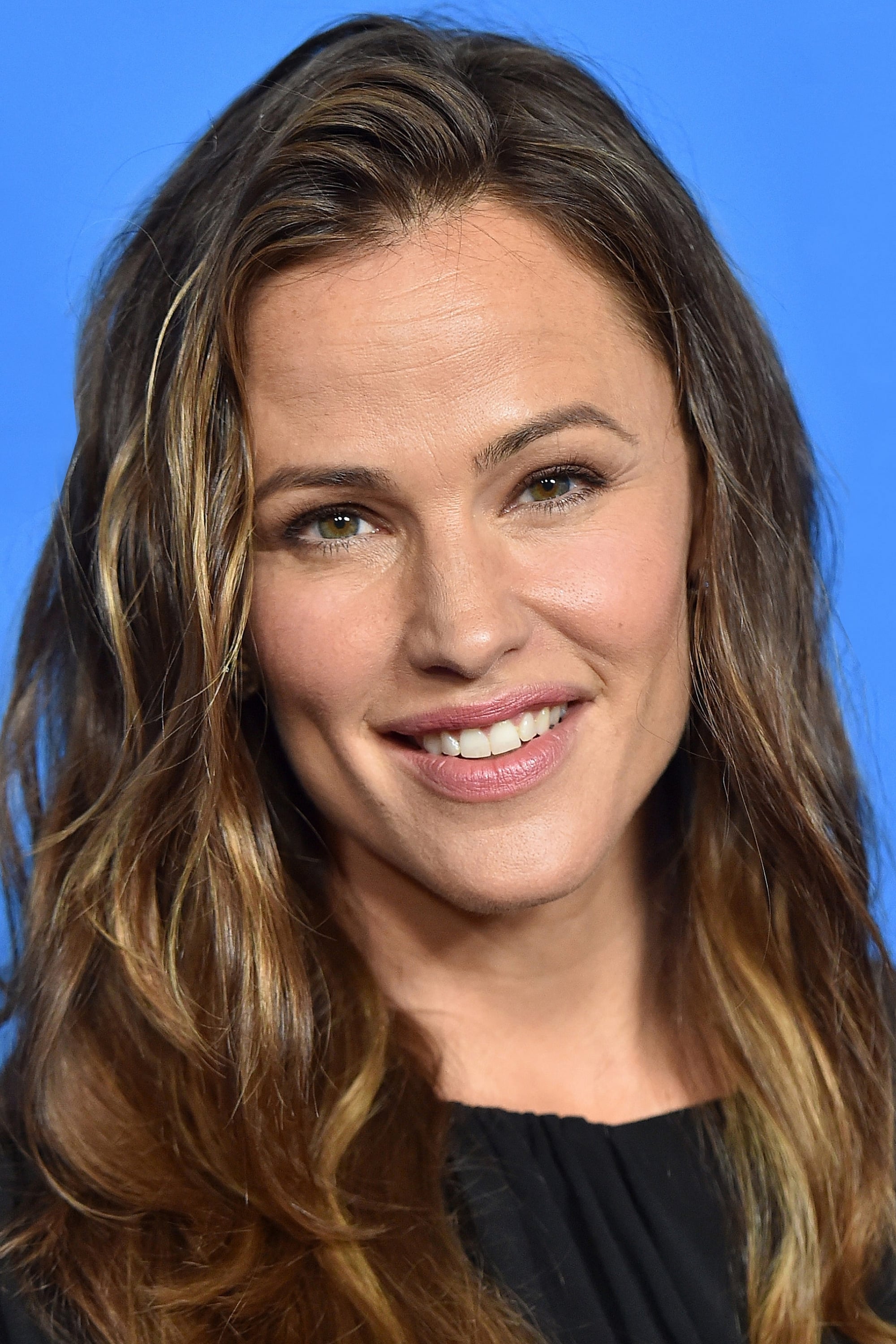
‘Elektra’ spun off from ‘Daredevil’ and tried to anchor a darker, assassin-led story around Jennifer Garner’s character. The production emphasized stylized action and mysticism but struggled to build momentum with critics. The film picked up multiple Razzie nominations, which kept it in the headlines for the wrong reasons. Its cool reception helped stall early-2000s attempts to widen Fox’s Marvel slate beyond ‘X-Men’.
Ben Affleck
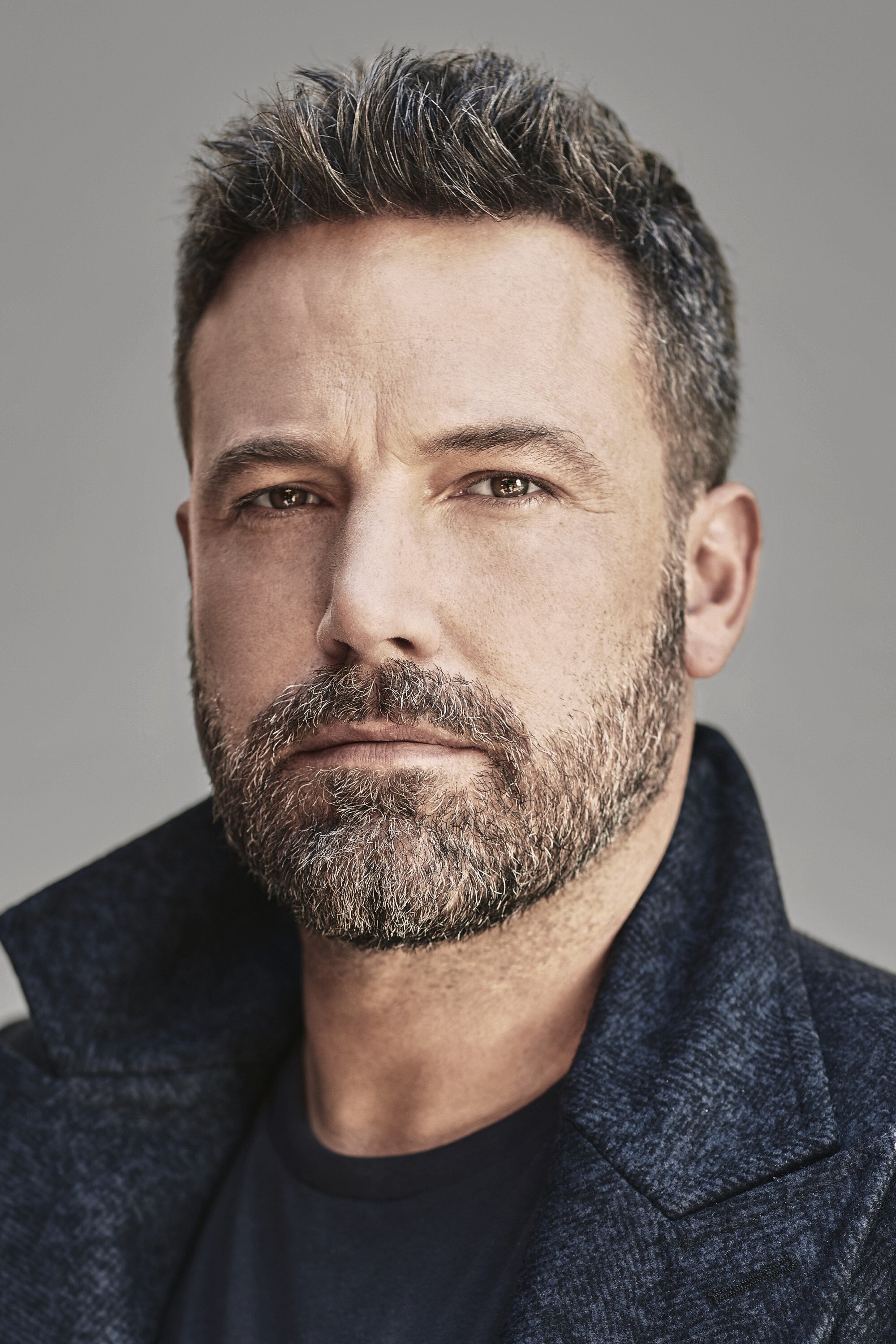
Ben Affleck’s ‘Daredevil’ landed in the early wave of modern superhero experiments, pairing a theatrical cut that critics panned with a later director’s cut that some viewers preferred. The theatrical version leaned on needle-drop soundtrack moments and quick-cut action that dated fast. Affleck has spoken candidly about not loving the final product. The film’s reception, together with ‘Elektra’, marked a dead end for that version of Hell’s Kitchen.
Topher Grace
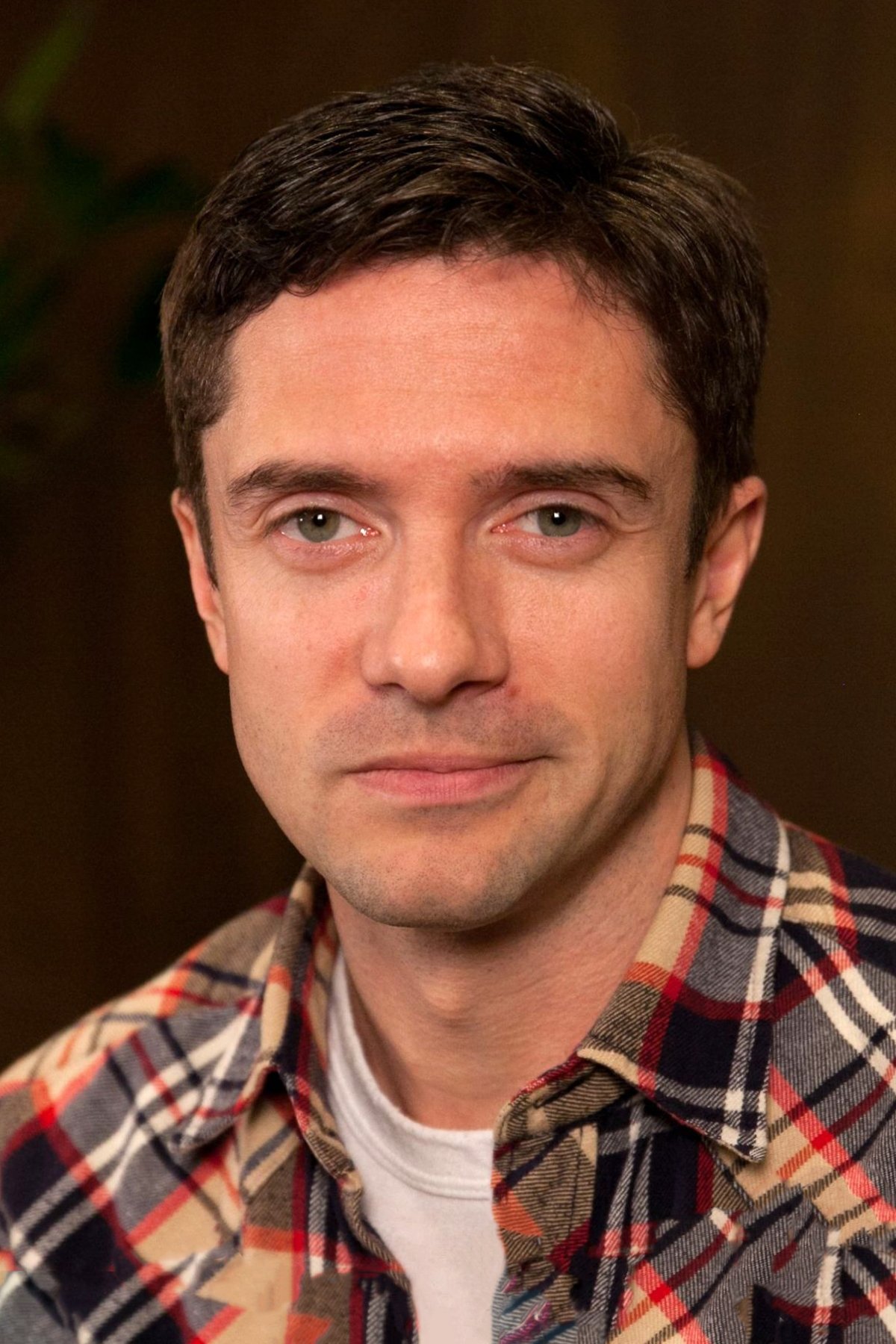
Topher Grace’s turn as Eddie Brock in ‘Spider-Man 3’ arrived in a sequel already juggling Sandman, the symbiote, and a Peter–MJ–Harry triangle. Director Sam Raimi has said the Venom inclusion came from studio pressure, which limited time to build the character. The movie’s dense plot left Brock’s transformation to Venom as a late pivot with little runway. The portrayal became a reference point for franchise bloat and franchise-mandated villains.
January Jones

As Emma Frost in ‘X-Men: First Class’, January Jones had the telepath’s diamond form and 1960s spy glamour but limited narrative space. The film’s ensemble structure focused primarily on Charles, Erik, and Raven, leaving fewer character beats for the Hellfire Club. Emma’s comic-book backstory and complex loyalties barely surfaced beyond a handful of set pieces. The role’s small footprint kept the character from gaining traction in later entries.
Oscar Isaac
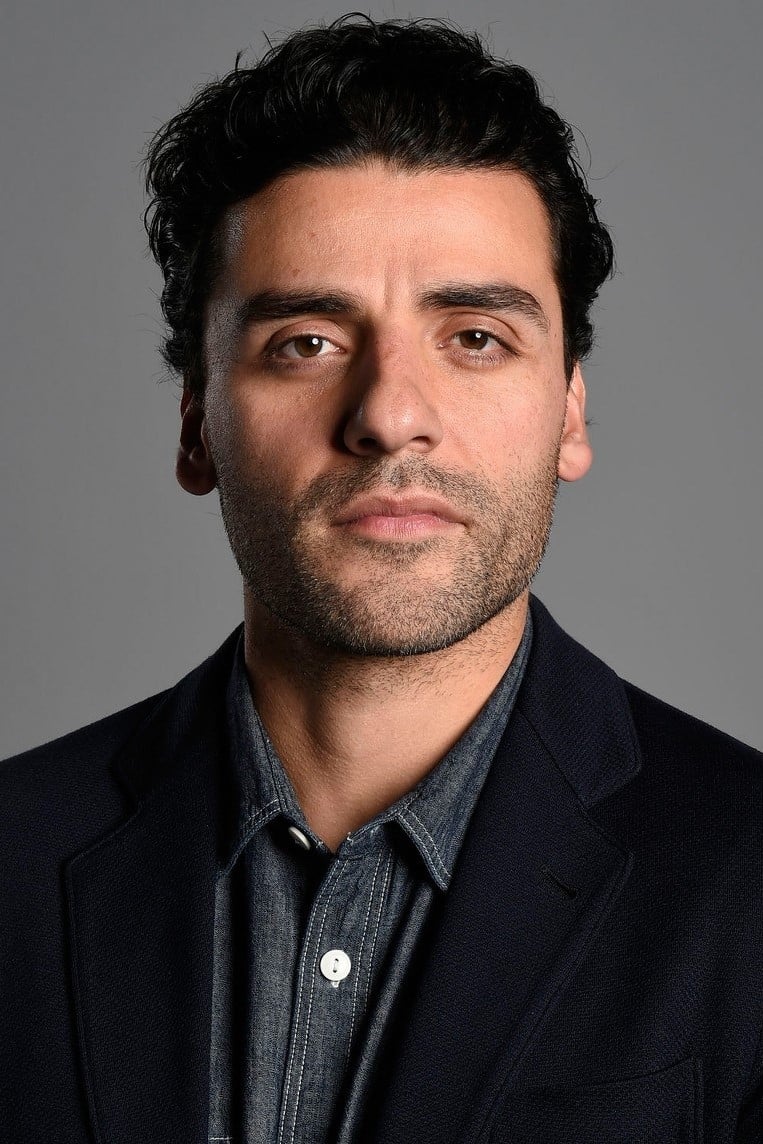
‘X-Men: Apocalypse’ buried Oscar Isaac inside extensive prosthetics and voice processing to play the ancient mutant. The design made expressive acting difficult and pushed most of the character’s presence into ADR and effects. The script framed Apocalypse as a world-ending force but spent significant time reintroducing younger versions of the core team. Isaac has since described the production demands as physically punishing, underlining how the costume shaped the final performance.
Sophie Turner

Sophie Turner’s Jean Grey stepped into ‘X-Men: Apocalypse’ and then led ‘Dark Phoenix’, a film that went through notable reshoots and date changes. The adaptation compressed one of Marvel’s most famous arcs into a brisk runtime that trimmed major cosmic elements. Turner’s tenure coincided with the Fox–Disney transition, which limited future planning for the cast. The two-film run closed the door on that era’s Jean without a fully realized Phoenix saga.
Dane DeHaan
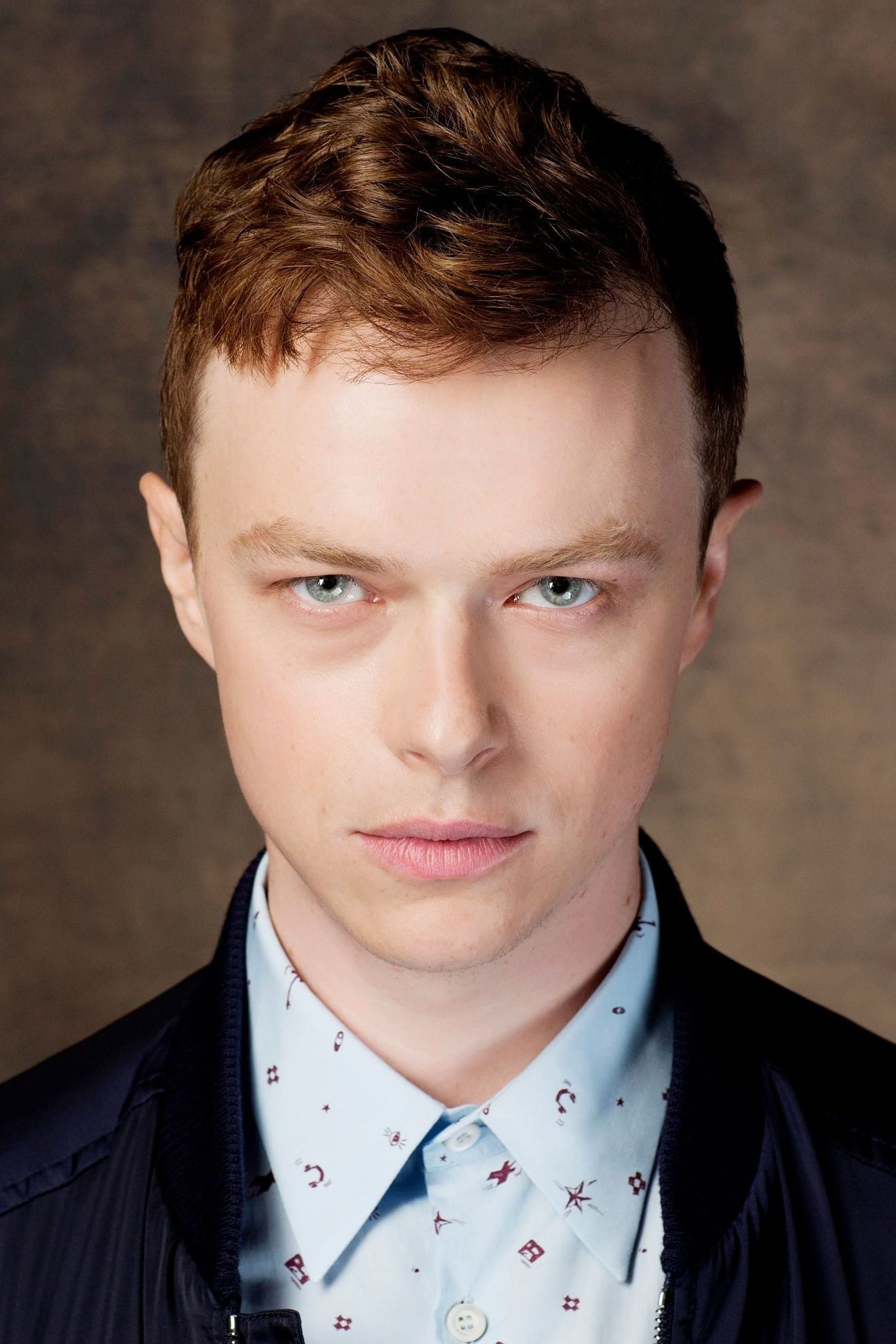
Dane DeHaan’s Harry Osborn in ‘The Amazing Spider-Man 2’ navigated an illness subplot, a strained friendship, and a rapid Green Goblin turn. The film’s crowded narrative meant the transformation hit late, giving little time to establish his version of the Goblin’s menace. Visual effects did much of the heavy lifting during the final battle with minimal character groundwork. Plans for spin-offs fizzled when the franchise pivoted after the movie’s reception.
Paul Giamatti
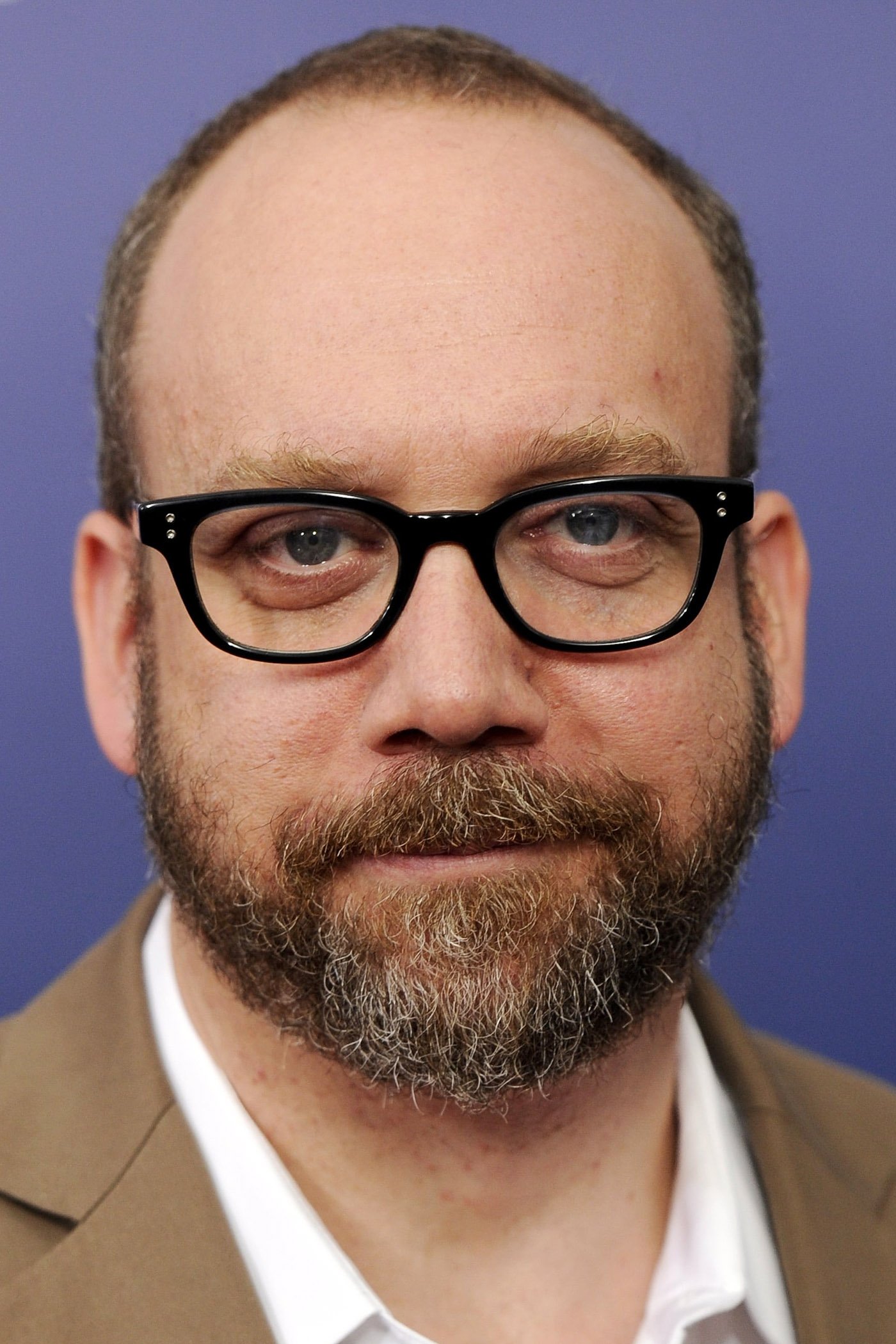
Paul Giamatti’s Rhino showed up in ‘The Amazing Spider-Man 2’ as a bookend gag more than a full villain arc. The armored-mech suit design and a brief finale tussle teased sequels that never materialized. His scenes became shorthand for how the movie tried to plant seeds for a larger universe without earning them. The character’s quick in-and-out appearance turned into a trivia note about the franchise’s aborted direction.
Nicolas Cage
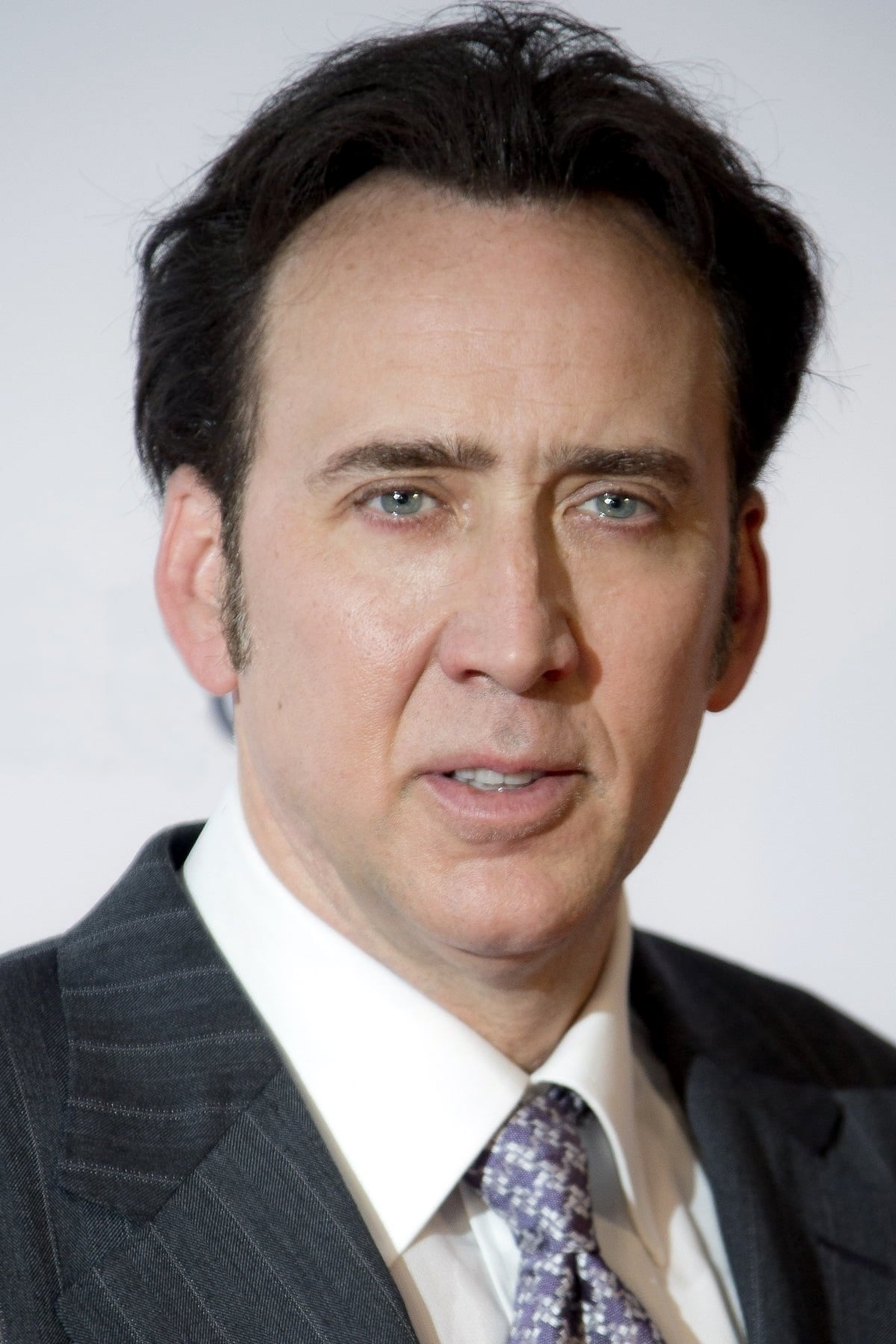
Nicolas Cage headlined ‘Ghost Rider’ and ‘Ghost Rider: Spirit of Vengeance’, two pre-MCU entries that leaned into supernatural spectacle. Both films drew weak critical marks while maintaining modest brand recognition on home video. The PG-13 approach softened the horror elements that define the character in the comics. The uneven effects and tonal whiplash left the bike and the flaming skull more memorable than the man beneath them.
Taylor Kitsch
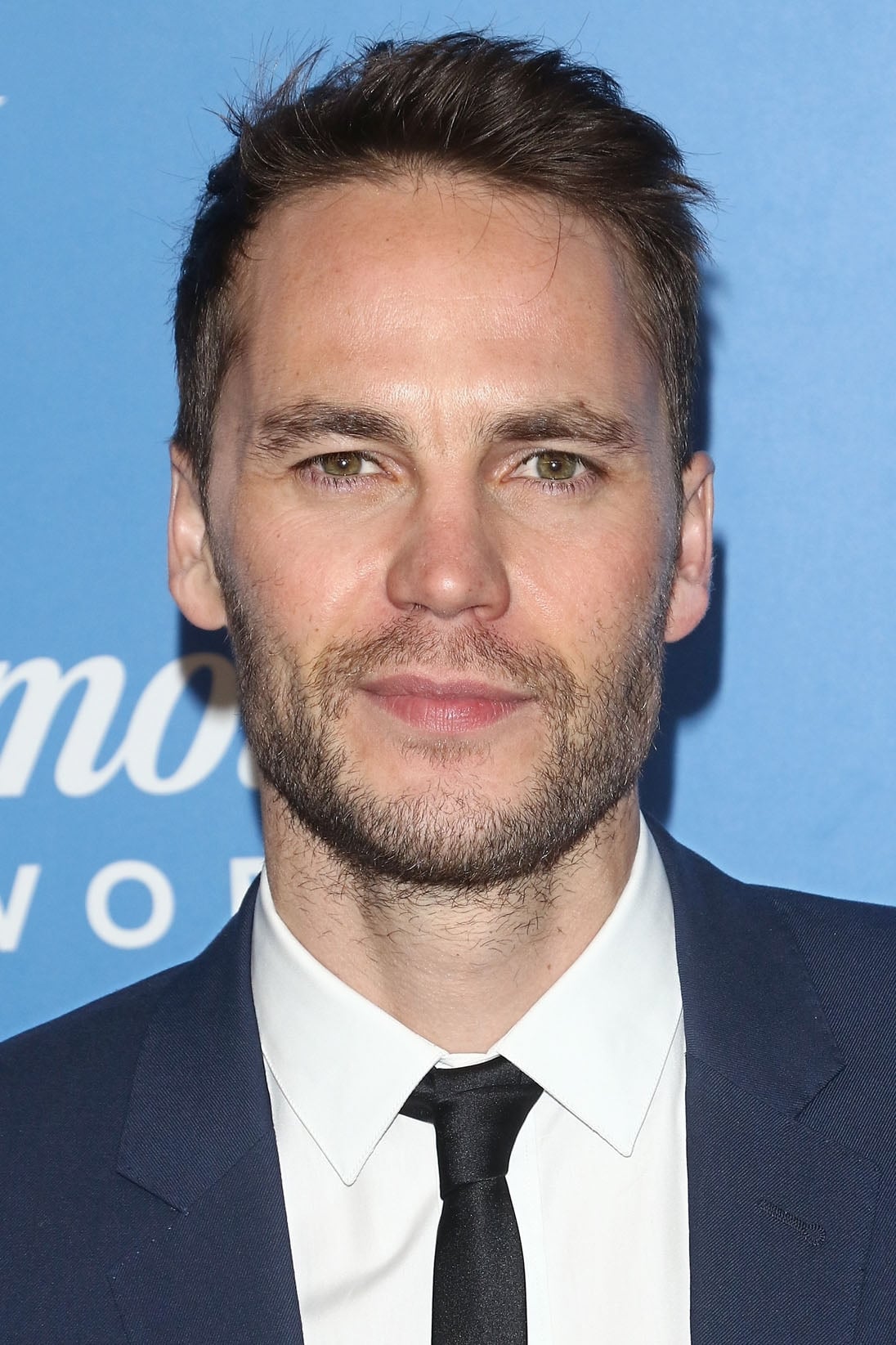
Taylor Kitsch introduced Gambit in ‘X-Men Origins: Wolverine’, a movie remembered for early workprint leaks, heavy CGI, and a crowded roster. The card-throwing mutant arrived for a short mid-film detour without a clear follow-up plan. Accent work and signature moves appeared in flashes rather than a sustained showcase. The character went back on the shelf as Fox reshuffled its ‘X-Men’ priorities.
Will.i.am
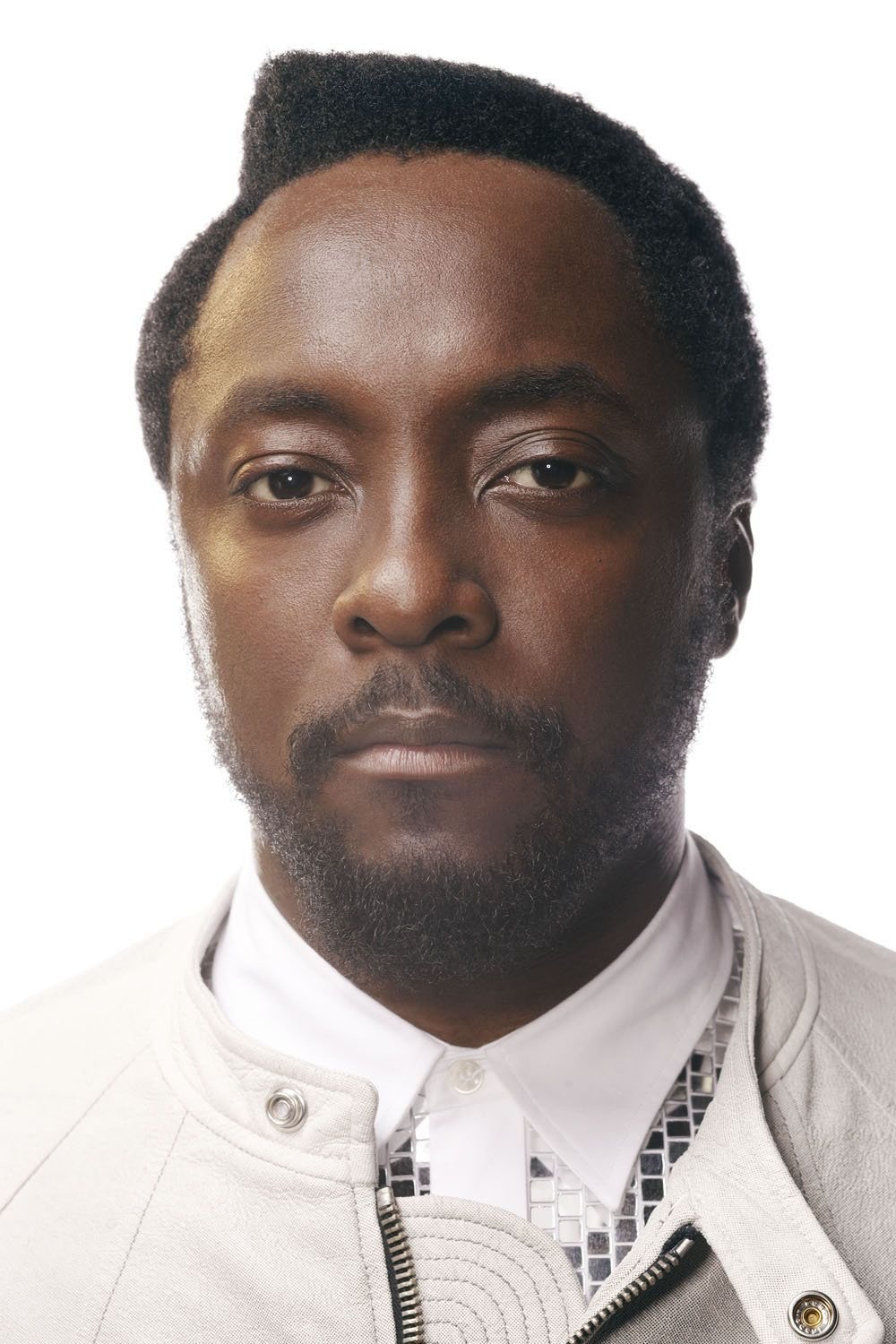
Will.i.am’s John Wraith in ‘X-Men Origins: Wolverine’ joined Team X as part of the film’s flashback structure. The role gave the musician a few teleportation cues and ensemble banter but little characterization. Limited screen time and a focus on Logan, Victor, and Stryker kept Wraith on the margins. The part is mostly remembered as a celebrity cameo from the franchise’s most criticized entry.
Vinnie Jones
Vinnie Jones’s Juggernaut in ‘X-Men: The Last Stand’ came with a catchphrase that overshadowed the character’s comic history. The film’s rush to adapt the Cure storyline and the Dark Phoenix plot left little room for nuanced antagonists. Practical suit work and quick fights emphasized physical gags over depth. The take became a pop-culture meme while later versions rethought the character entirely.
Jessica Alba

Jessica Alba’s Sue Storm led the family dynamic in ‘Fantastic Four’ and ‘Fantastic Four: Rise of the Silver Surfer’. Studio notes and a breezy tone shaped both films, which critics saw as lightweight compared with other superhero fare. Alba has since discussed difficult on-set experiences that affected the role. The movies landed financially but didn’t build a lasting continuity for that cast.
Kate Mara
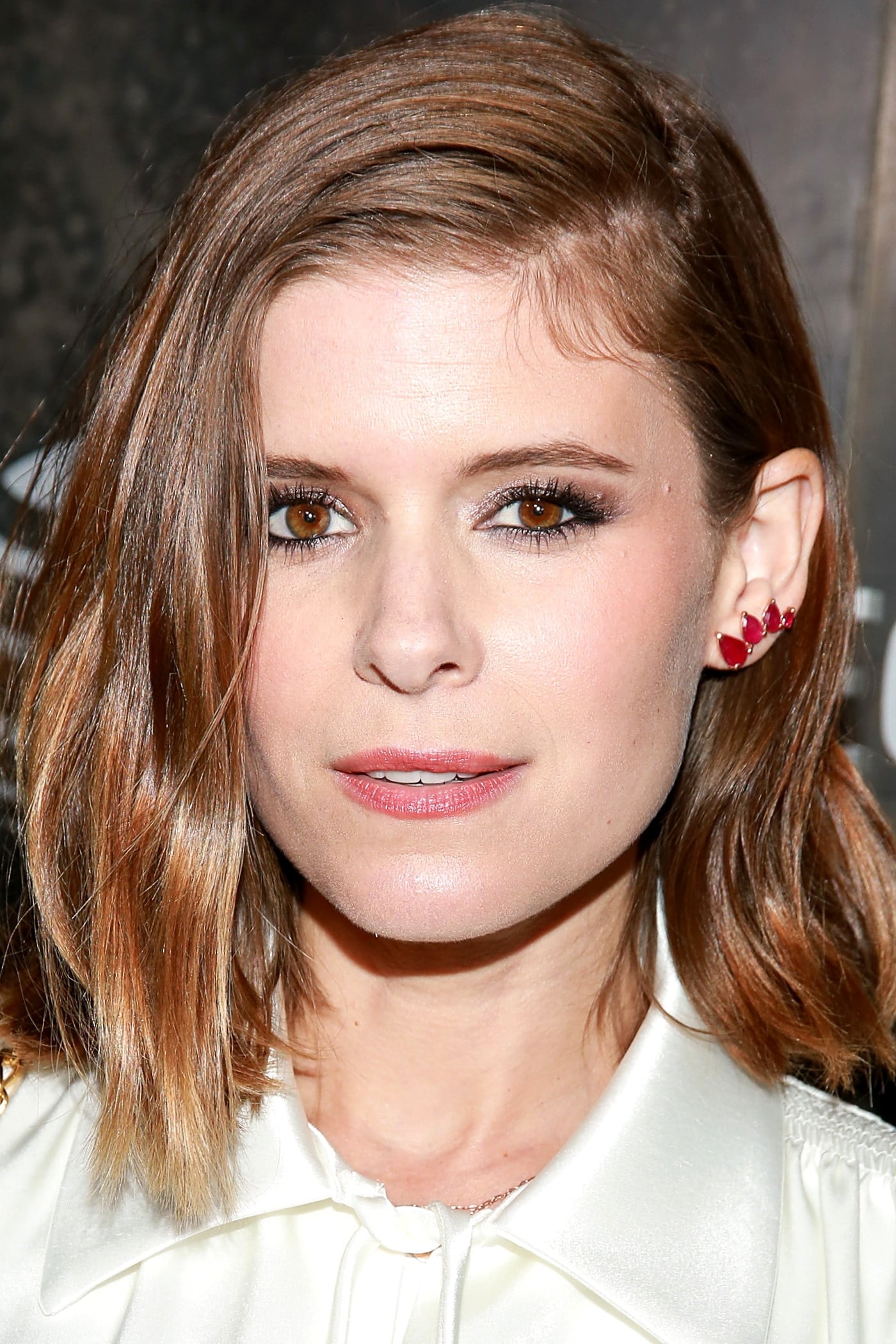
Kate Mara’s Sue Storm in ‘Fantastic Four’ (2015) faced a production marked by reshoots, tone clashes, and a publicized behind-the-scenes tug-of-war. A noticeable wig in later scenes highlighted the patchwork reshoot schedule. The finished cut moved from grounded sci-fi to rushed third-act action, leaving character arcs unfinished. The film’s box-office failure shut the door on sequels for that lineup.
Miles Teller
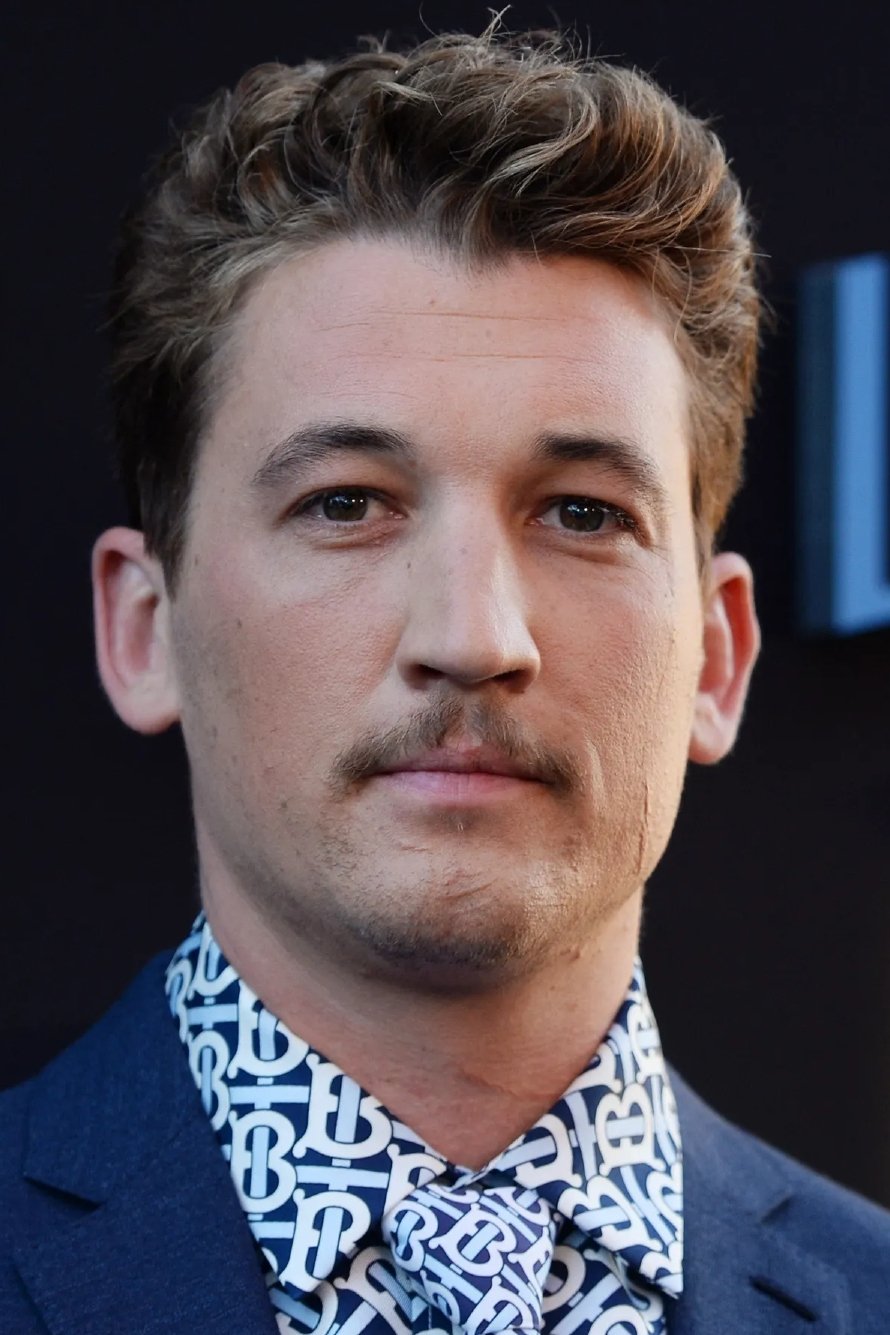
Miles Teller’s Reed Richards in ‘Fantastic Four’ (2015) anchored a younger, science-first angle that the studio later reshaped. Early marketing leaned into a somber vibe before late changes pushed toward conventional spectacle. Teller’s Reed spends much of the back half separated from the team, limiting the ensemble chemistry. Interviews after release acknowledged that the experience was rocky for everyone involved.
Christopher Eccleston
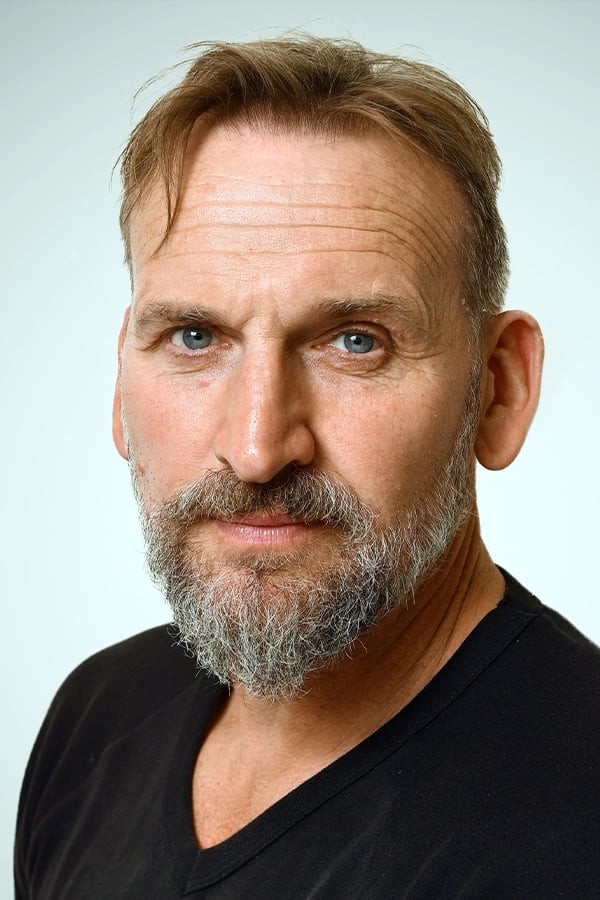
Christopher Eccleston’s Malekith in ‘Thor: The Dark World’ became a prime example of an underwritten MCU villain. The role required extensive makeup and Elvish dialogue while the script prioritized Asgard’s broader politics and the Aether. Eccleston has spoken about long prosthetic sessions and frustrations with the process. The character never returned, and later projects recast the Aether’s legacy without him.
Mickey Rourke
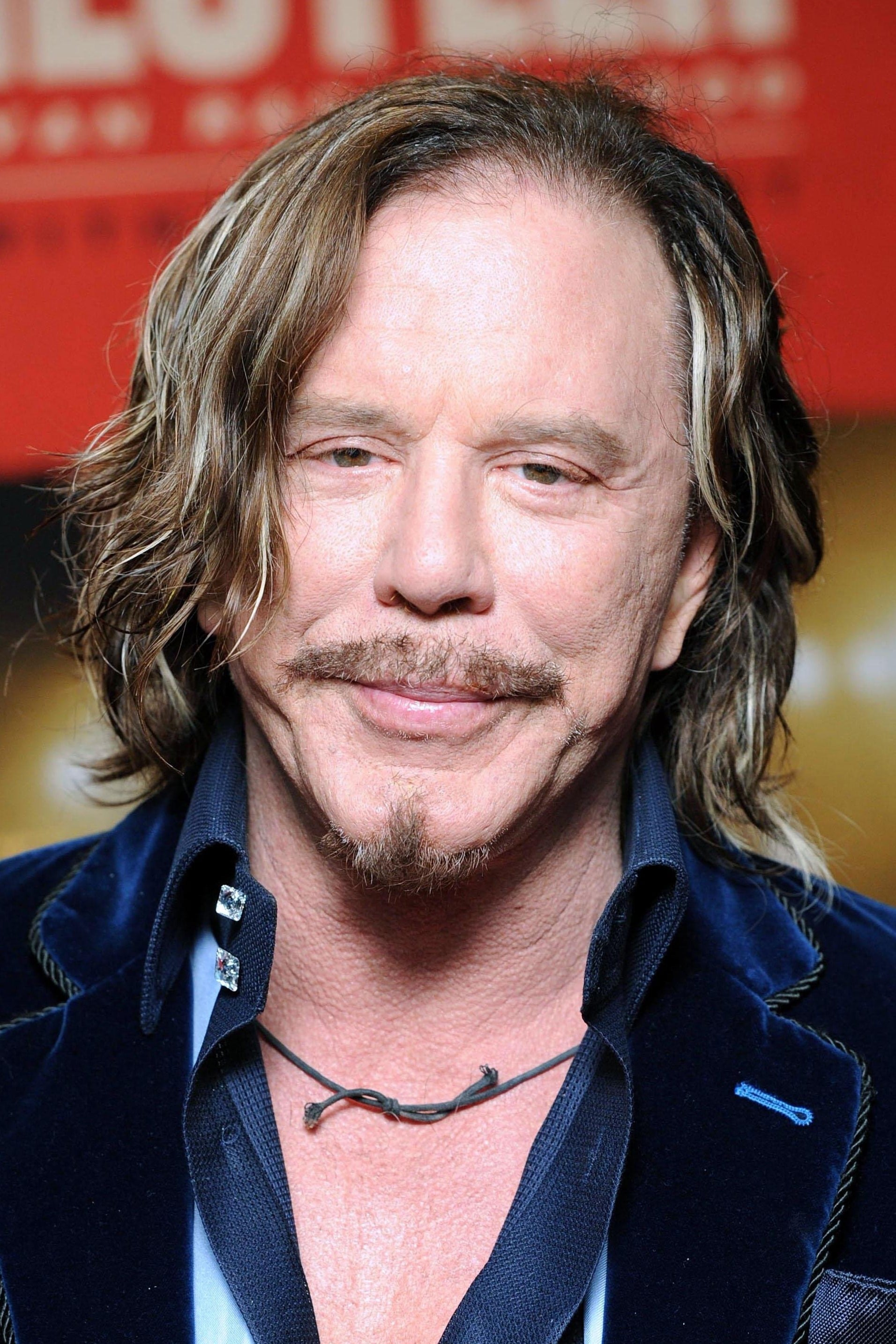
Mickey Rourke’s Whiplash in ‘Iron Man 2’ arrived during a sequel that juggled a new villain, a corporate rival, and S.H.I.E.L.D. world-building. Rourke has said that quieter character moments he filmed were cut in favor of action. The bird motif and Monaco attack gave him standout visuals but little narrative payoff by the finale. The movie’s busy agenda kept Anton Vanko from evolving beyond a revenge blueprint.
Eric Bana
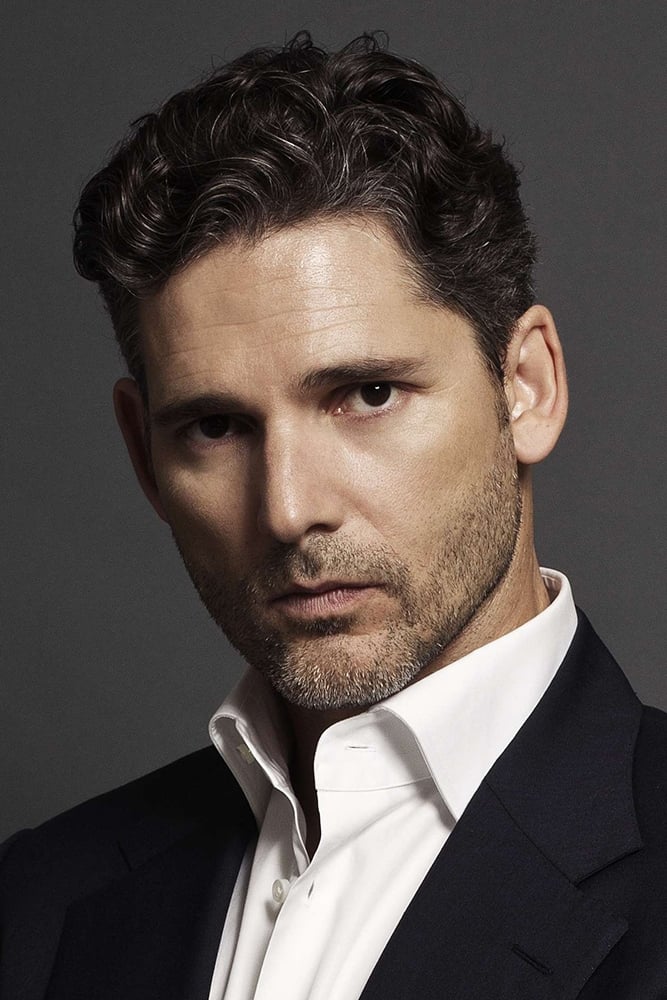
Eric Bana’s Bruce Banner in ‘Hulk’ came in a contemplative take that used split-screen editing and long character beats. Ang Lee’s stylistic choices split audiences and slowed momentum at the box office. Universal’s standalone path ended after this film as Marvel Studios later recast the role within the MCU. Bana’s version remains a one-off that never connected to the continuity that followed.
Share your picks and the performances you think deserve a second chance in the comments.