


These 20 Movies Made People Walk Out of the Theatre




Some films push buttons so hard that audiences head for the exits, whether because of graphic violence, shocking themes, or challenging storytelling. Others spark walkouts due to relentless intensity, disorienting style, or long stretches with little dialogue. Sometimes it is the marketing that lures in the wrong crowd, other times it is festival buzz that underplays how extreme the experience really is. Whatever the reason, these titles earned real reputations for people leaving mid-screening.
‘The Exorcist’ (1973)

This possession horror became infamous for reports of fainting and vomiting during early screenings, and some theaters even kept paramedics on hand. The film’s medical procedures and exorcism sequences were unusually explicit for mainstream audiences at the time. Several cities saw lines of curious viewers wrap around blocks, yet many did not stay to the end. The controversy only boosted word of mouth and helped the film become a box office powerhouse.
‘A Clockwork Orange’ (1971)
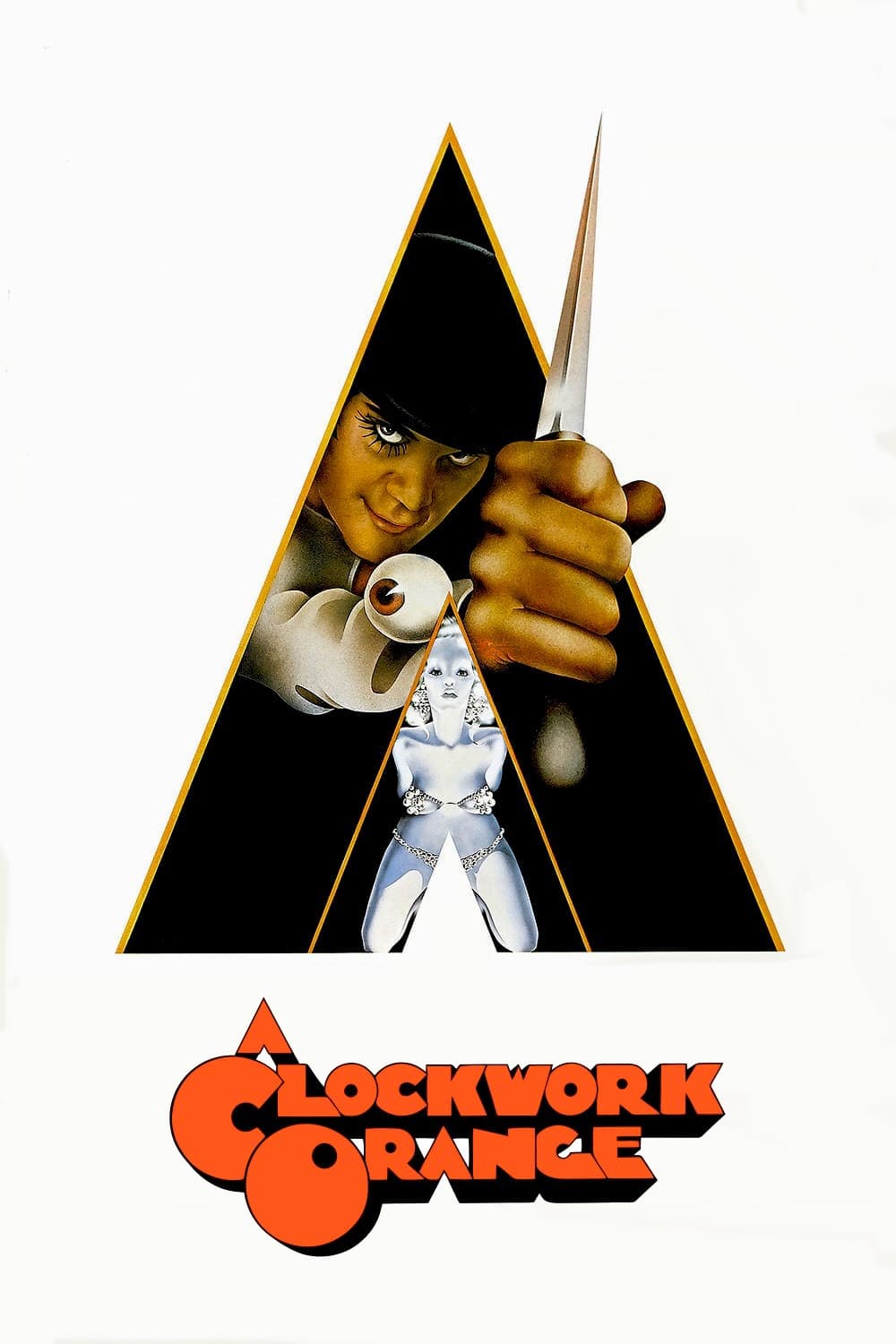
Early audiences were confronted with stylized depictions of ultraviolence set to classical music, which led to walkouts in multiple territories. The film was withdrawn from general circulation in the UK for years after concerns about copycat behavior. Its depiction of behavioral conditioning also stirred debate among psychologists and politicians. Despite the backlash, it influenced fashion, music videos, and discussions about media effects.
‘Salo, or the 120 Days of Sodom’ (1975)

This adaptation of de Sade transposes cruelty and abuse to a political setting, and screenings often clear out before the final acts. Censorship boards in several countries banned or heavily cut the film for public exhibition. Home video releases were seized in some markets, and legal battles stretched on for years. Today it is frequently cited in academic writing about power and representation.
‘Cannibal Holocaust’ (1980)
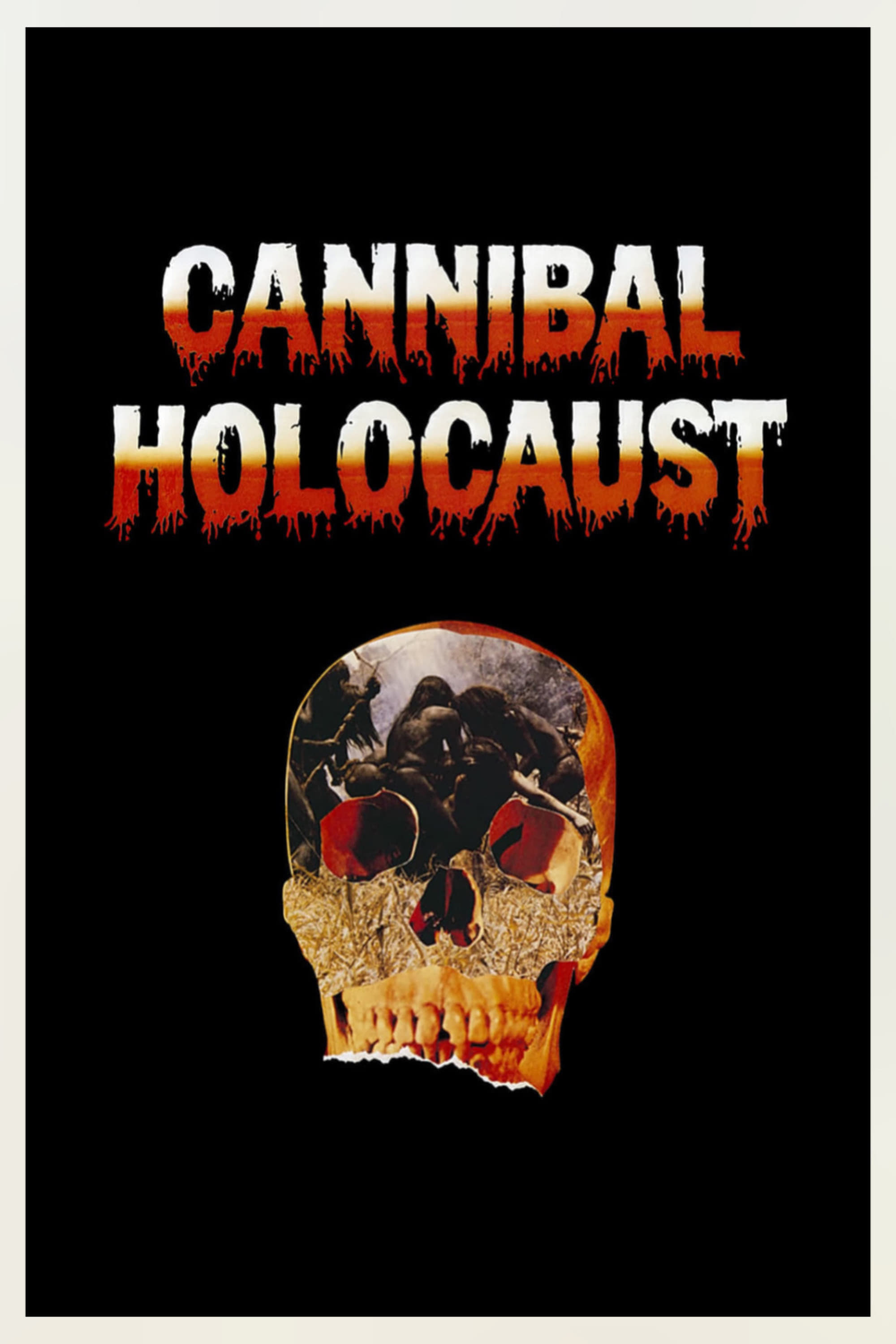
This found footage precursor stirred walkouts due to intense gore and real animal killings captured on camera. Italian authorities confiscated the film and arrested the director, who had to prove his actors were alive. Many theaters refused to book it, while others programmed late shows with warnings posted at the door. Debates over ethics and exploitation still surround its legacy.
‘Pink Flamingos’ (1972)
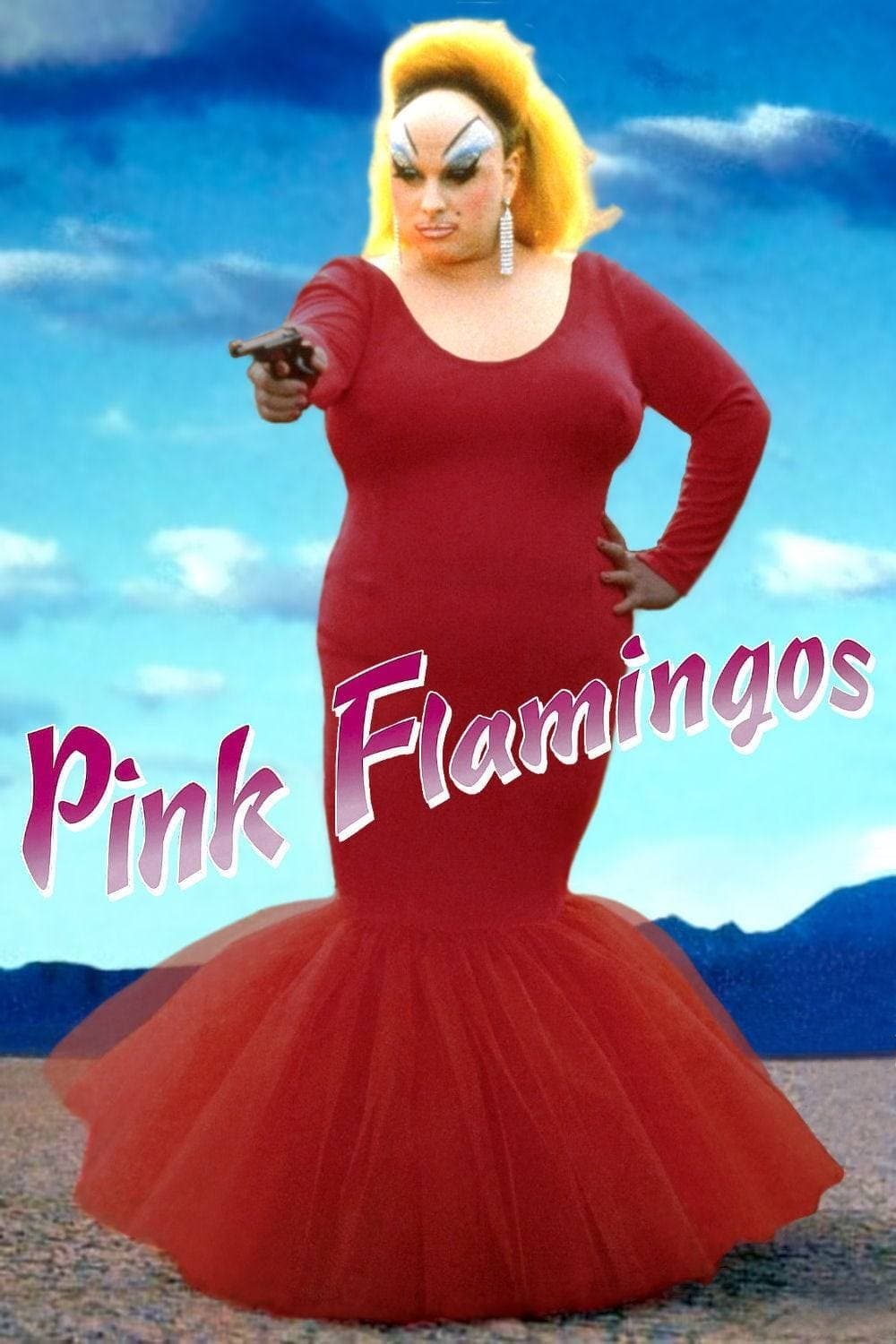
Midnight audiences were divided by its deliberate shock value, and many bolted during notorious set pieces. Art house cinemas leaned into the uproar, supplying barf bags and cheeky signage. The film became a cult staple that toured repertory circuits despite constant local pushback. Its success helped launch a wave of transgressive underground comedies.
‘Natural Born Killers’ (1994)
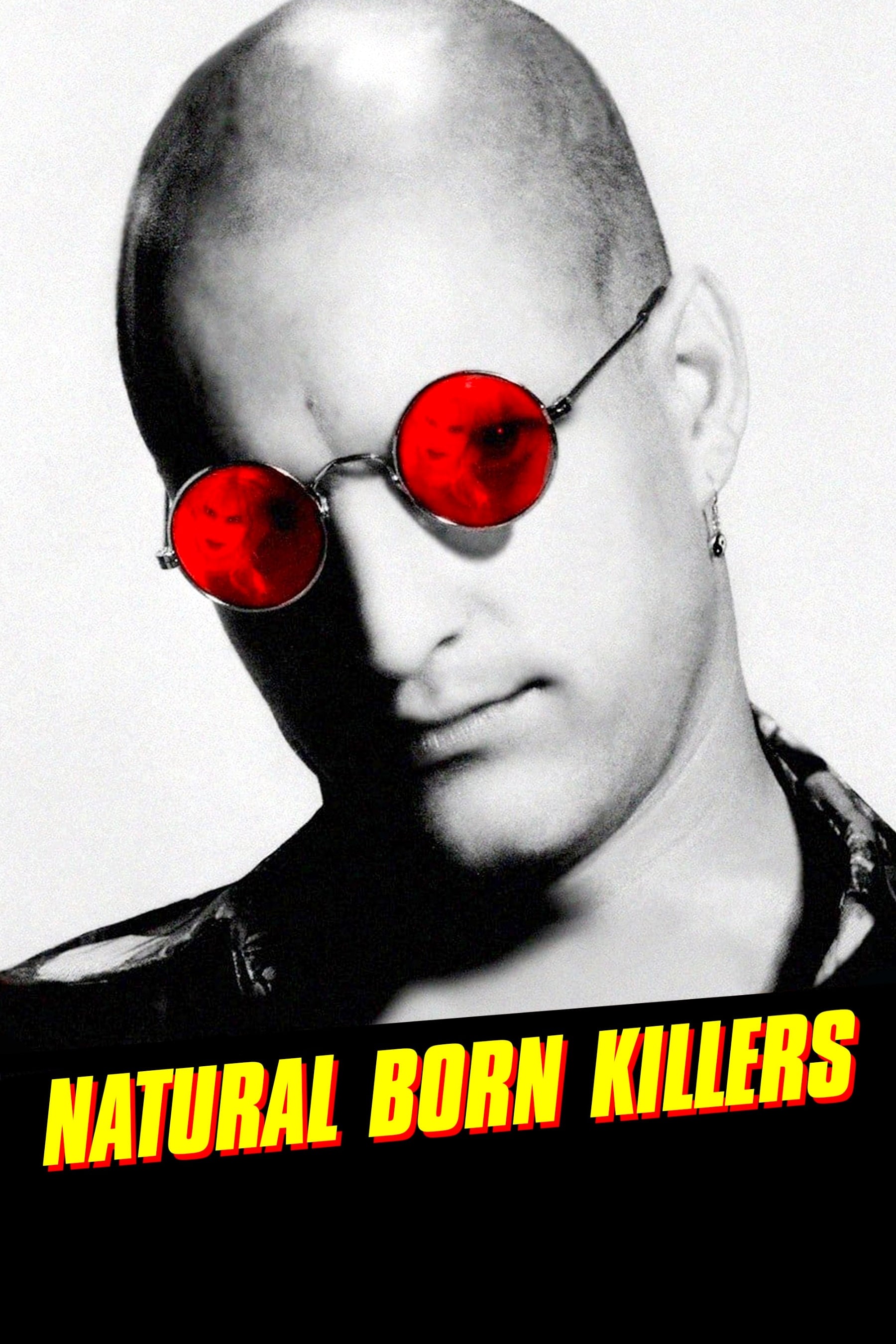
The collage style editing, rapid cuts, and violent satire sent some viewers out of multiplexes within the first half hour. Several countries demanded edits or applied restrictive ratings that limited advertising. The movie became tied to media debates about sensational coverage of crime. Soundtrack sales and television specials kept the controversy in the spotlight long after release.
‘The Passion of the Christ’ (2004)
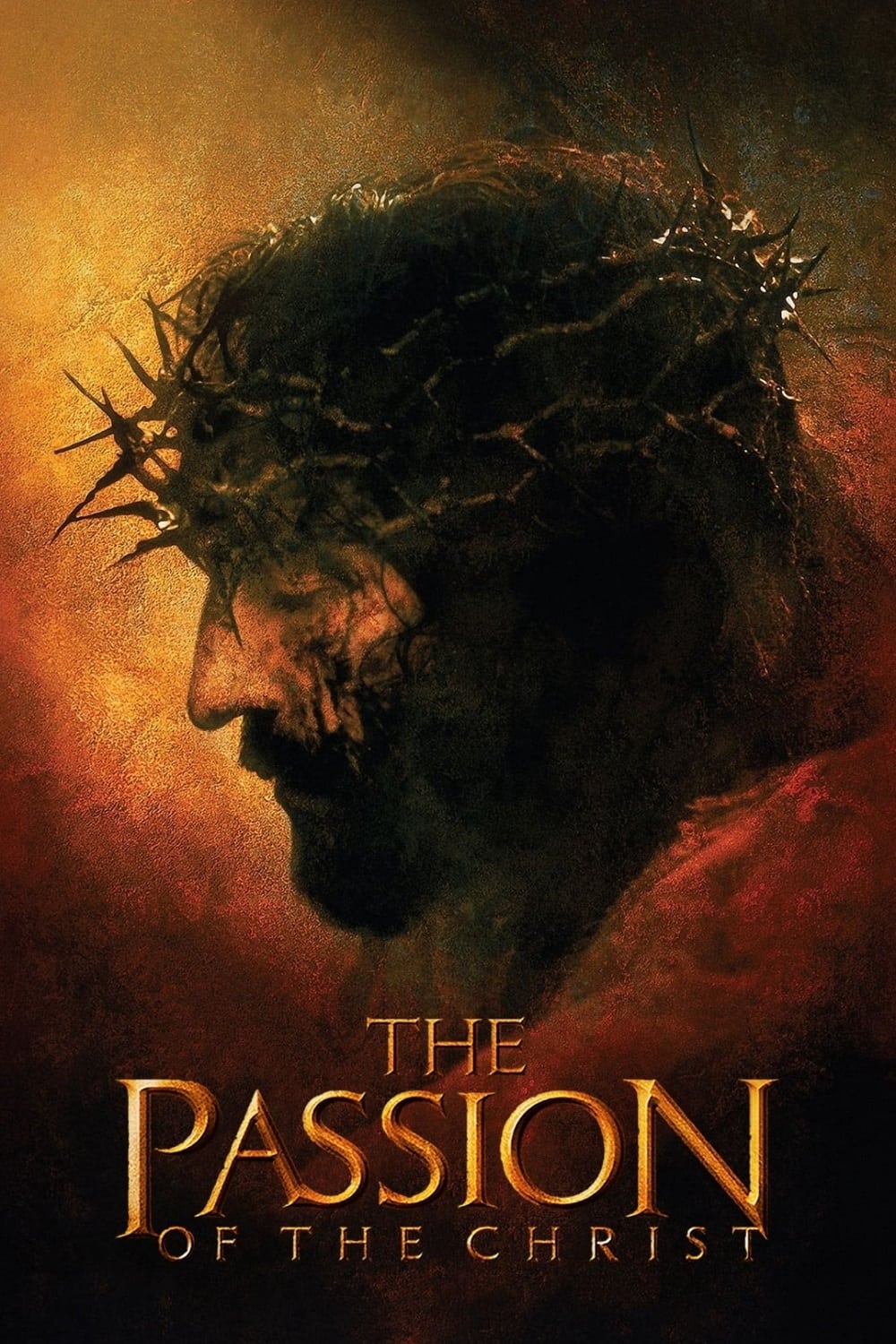
Graphic scourging and crucifixion sequences led some audience members to leave during key passages. Religious groups organized group screenings that filled theaters while also drawing protests outside. The film’s dialogue in ancient languages used subtitles throughout, which surprised casual viewers expecting a different format. It went on to set records for R-rated releases in multiple markets.
‘The Texas Chain Saw Massacre’ (1974)

Despite relatively restrained on-screen blood, the documentary style sound design and relentless tone pushed people out of the aisles. Censors trimmed or blocked it in many regions, producing a patchwork of versions. Drive-in showings generated stories of patrons abandoning cars mid feature. Its low budget production methods became a template for independent horror.
‘Irreversible’ (2002)
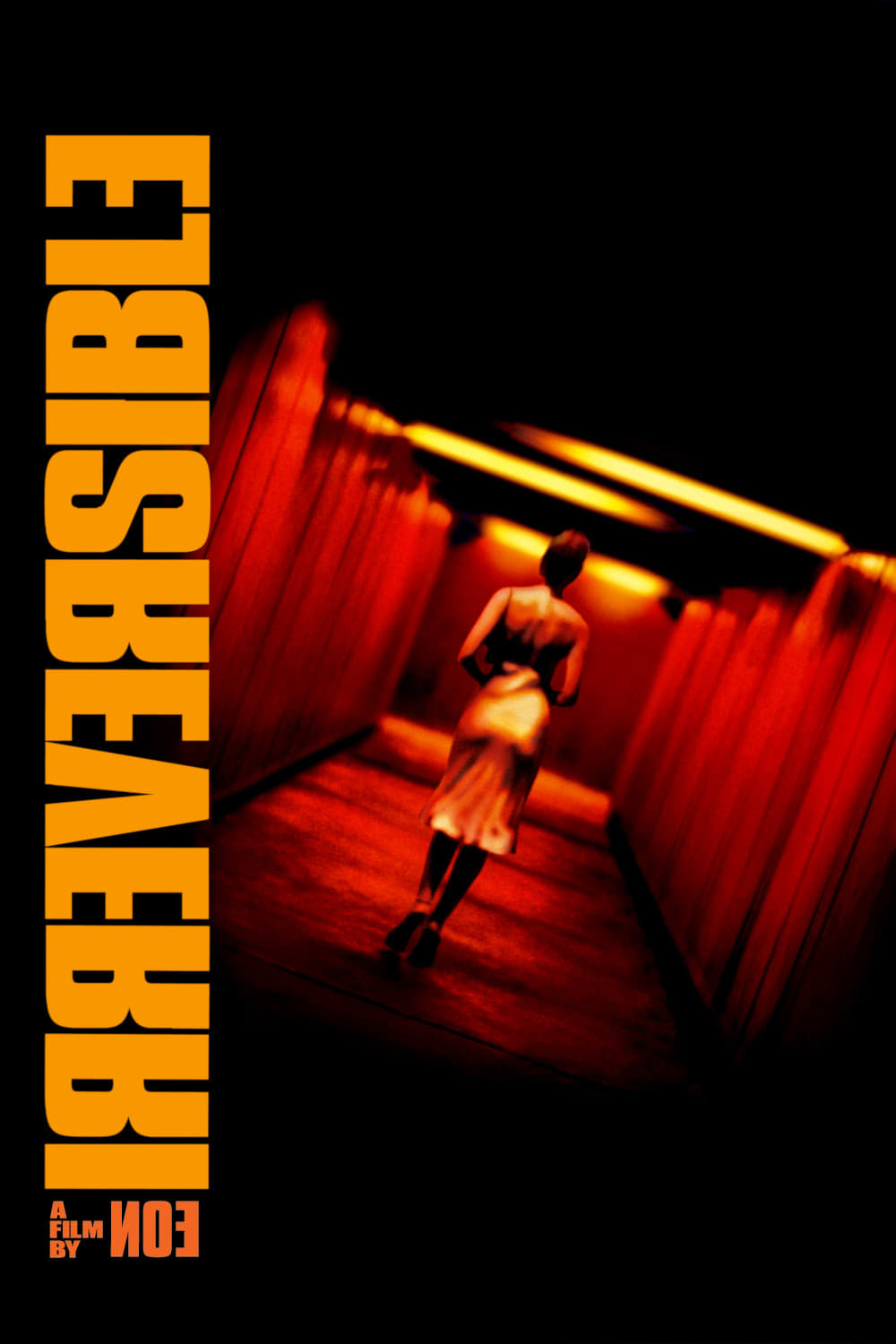
Festival screenings saw widespread walkouts during a prolonged attack sequence presented with minimal cuts. The sound mix used low frequency tones that made some viewers physically uncomfortable. The story unfolds in reverse chronology, which made the brutality feel more immediate. Discussions about consent and representation dominated coverage after the premiere.
‘Antichrist’ (2009)
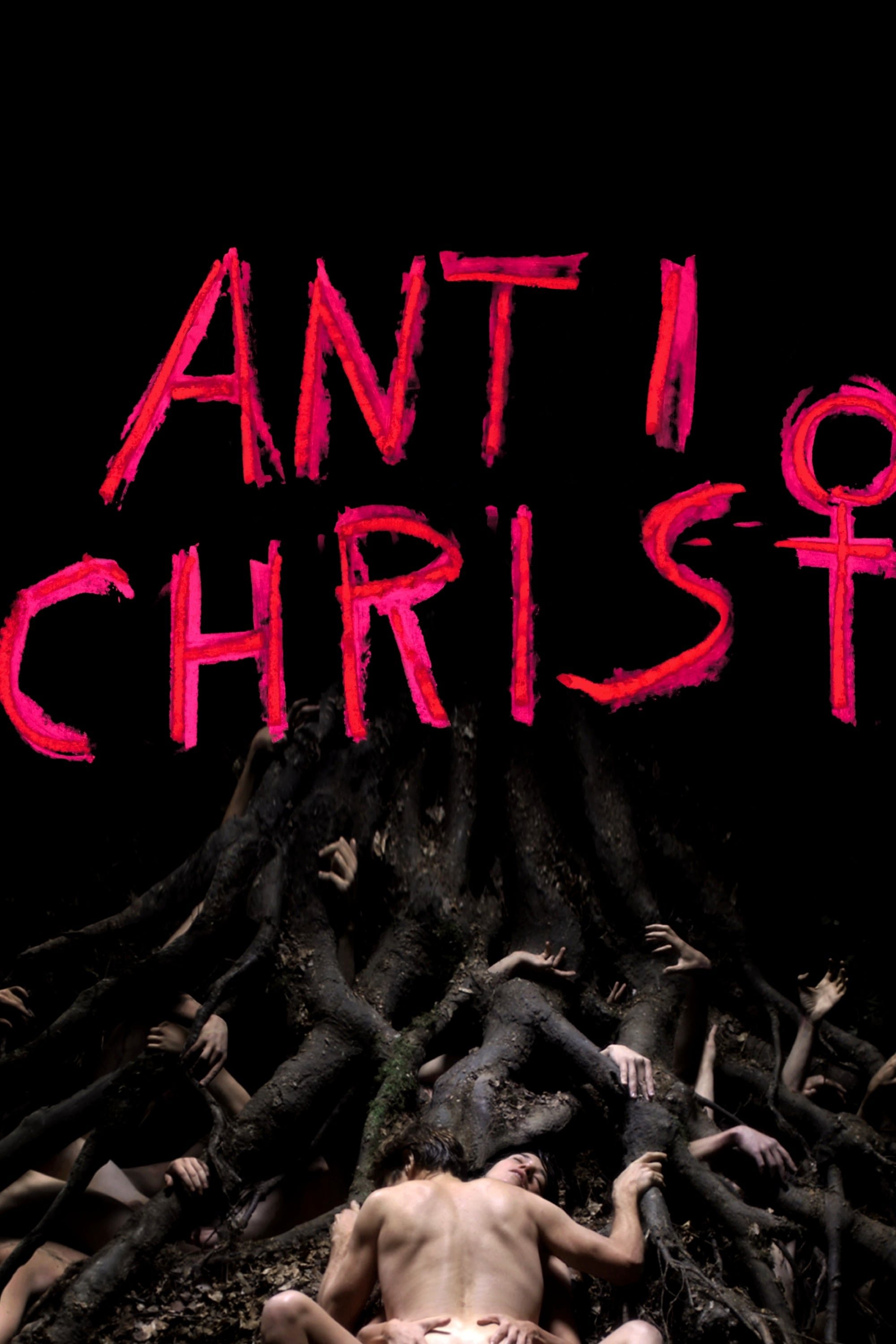
The film’s mix of grief drama and explicit body horror prompted exits at major festivals. Content advisories were posted by several art house chains as it rolled out to wider cities. Critics debated whether the imagery served the themes or simply provoked. The lead performances still won prizes on the festival circuit.
‘A Serbian Film’ (2010)
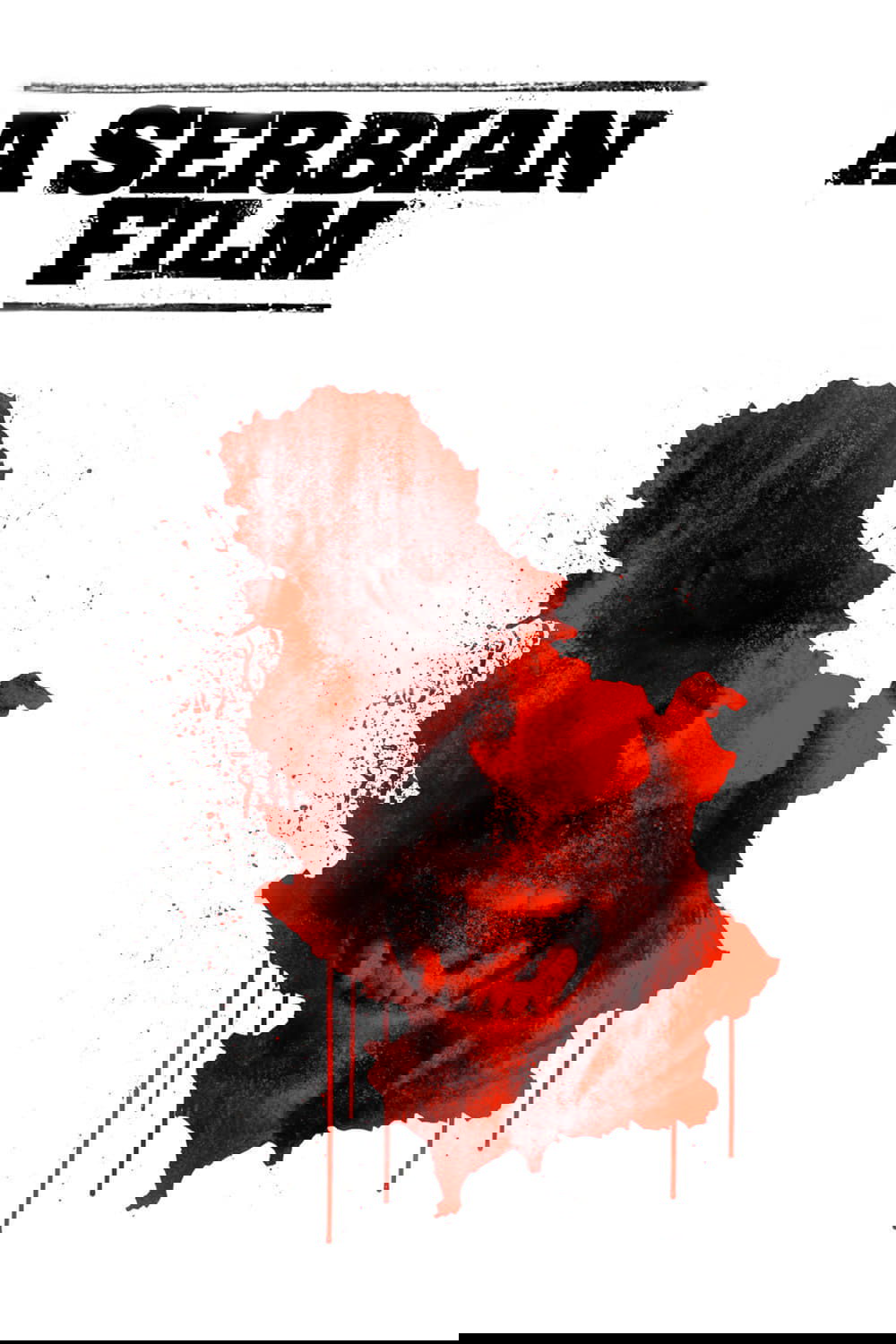
Extreme scenes involving sexual violence caused rapid departures from screenings and intense public outcry. Multiple festivals appended warnings or canceled planned showings after legal reviews. Heavily cut versions circulated in some territories while others refused classification altogether. It became a flashpoint in conversations about what ratings boards should allow.
‘The Human Centipede’ (2009)

The central premise alone led many to step out once the surgical storyline became clear. Marketing focused on shock value, which drew curious crowds and quick retreats. Independent theaters sometimes paired it with Q and A sessions that discussed practical effects. Sequels expanded the concept and faced similar reactions.
‘The House That Jack Built’ (2018)
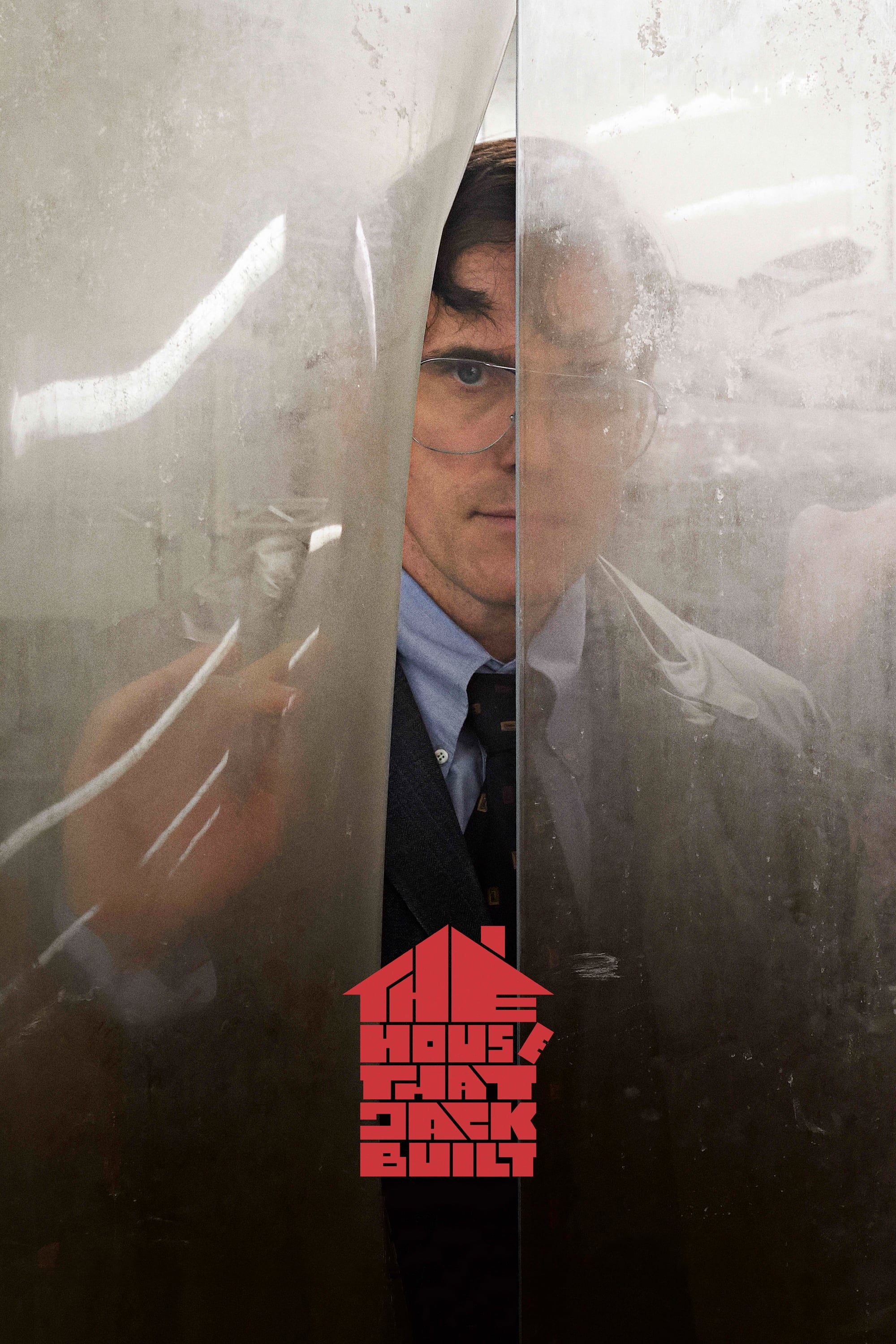
At its Cannes debut, a large number of attendees left during scenes of calculated cruelty. The project was released in both an uncut event version and a wider theatrical edit. Distributor messaging warned about disturbing content while still positioning it as darkly comic. The split reception fueled coverage across film trades and mainstream press.
‘Raw’ (2016)
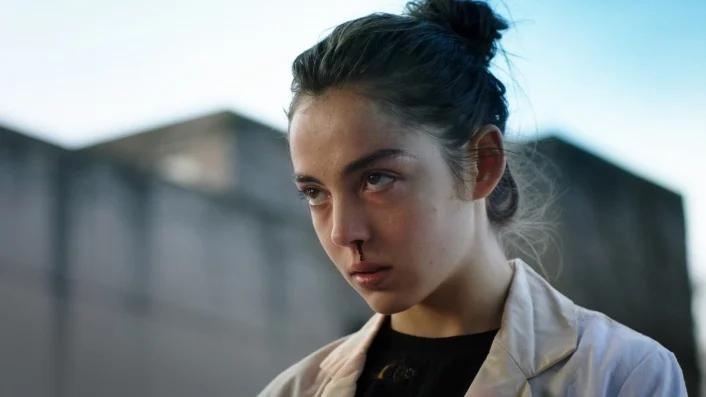
Reports of fainting and nausea emerged from festival screenings during graphic hazing and cannibalism scenes. Publicists equipped some venues with medics and provided audience advisories. Limited runs sold out in urban markets even as some patrons left early. The film gained a reputation for mixing coming of age drama with body horror.
‘The Green Inferno’ (2013)
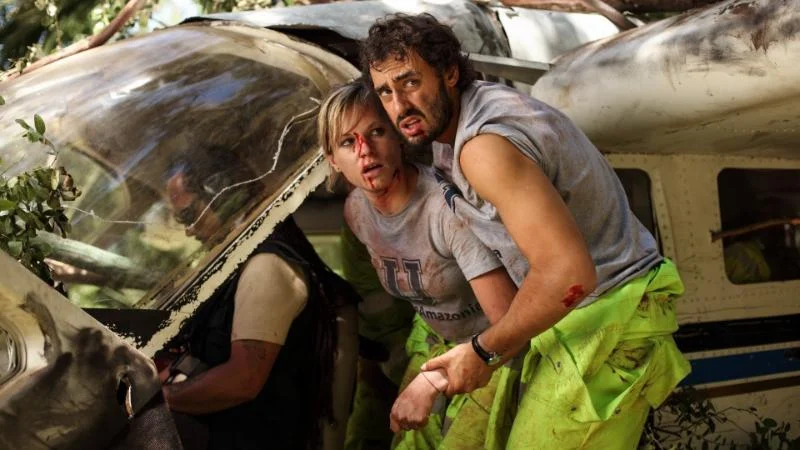
Homage to jungle shockers brought explicit gore that sent casual viewers to the exits. Release plans shifted after test screenings and distribution changes, creating a long path to theaters. Advocacy groups criticized depictions of indigenous communities, which added to the conversation around it. Specialty cinemas used late night slots and warning cards to frame expectations.
‘Mother!’ (2017)

Wide releases logged scattered walkouts as viewers encountered allegorical storytelling rather than a traditional thriller. The film earned one of the harshest audience grades from a major polling service. Trailers highlighted home invasion elements that do not reflect the full narrative, which shaped expectations. Discussions afterward focused on symbolism and environmental themes.
‘Requiem for a Dream’ (2000)
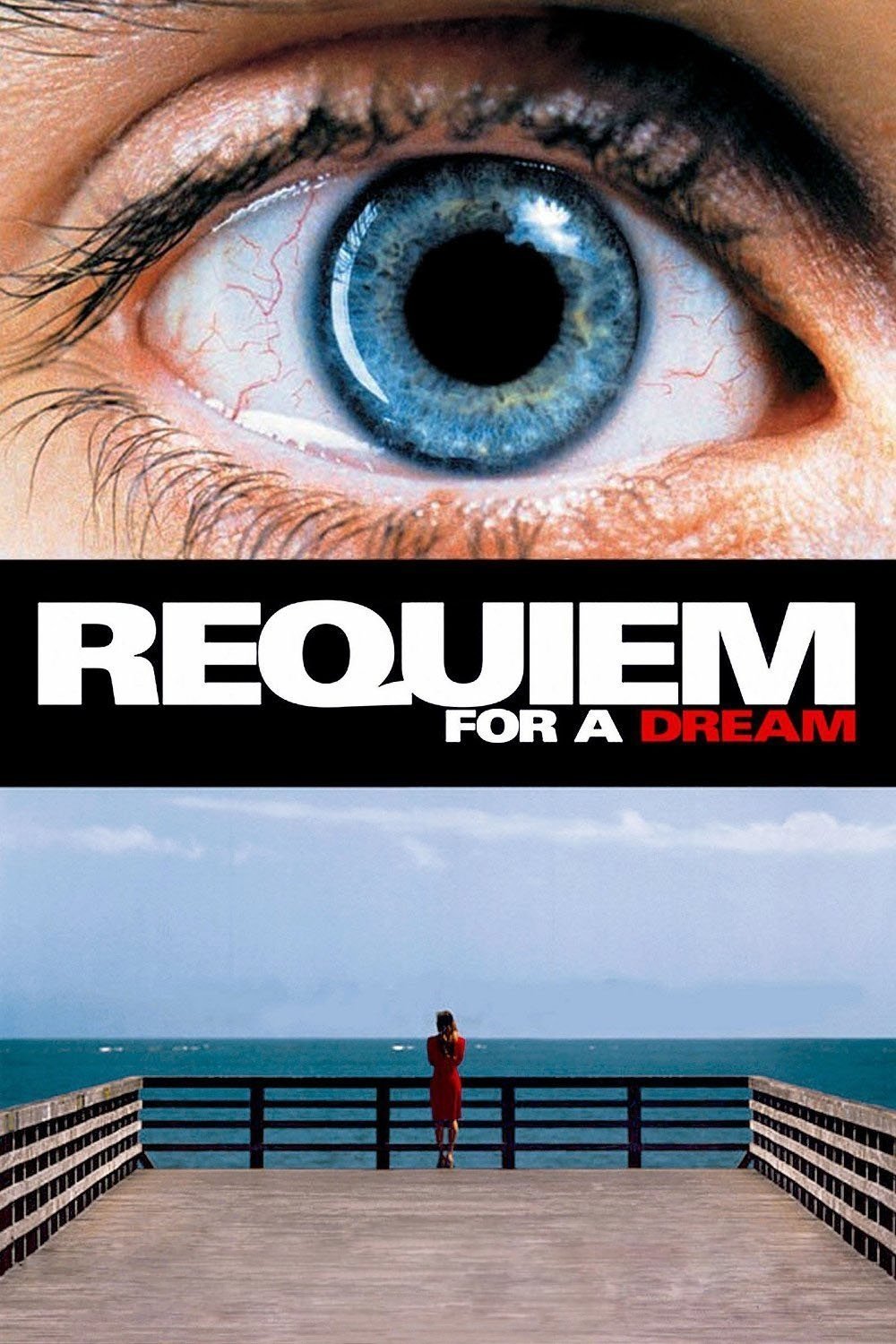
The unflinching portrayal of addiction, coupled with intense montage sequences, caused some to leave during the final act. The original cut received an adults only rating, and many theaters played it unrated. Health organizations used it in education settings while acknowledging its disturbing impact. Home releases included content warnings that advised viewer discretion.
‘The Tree of Life’ (2011)
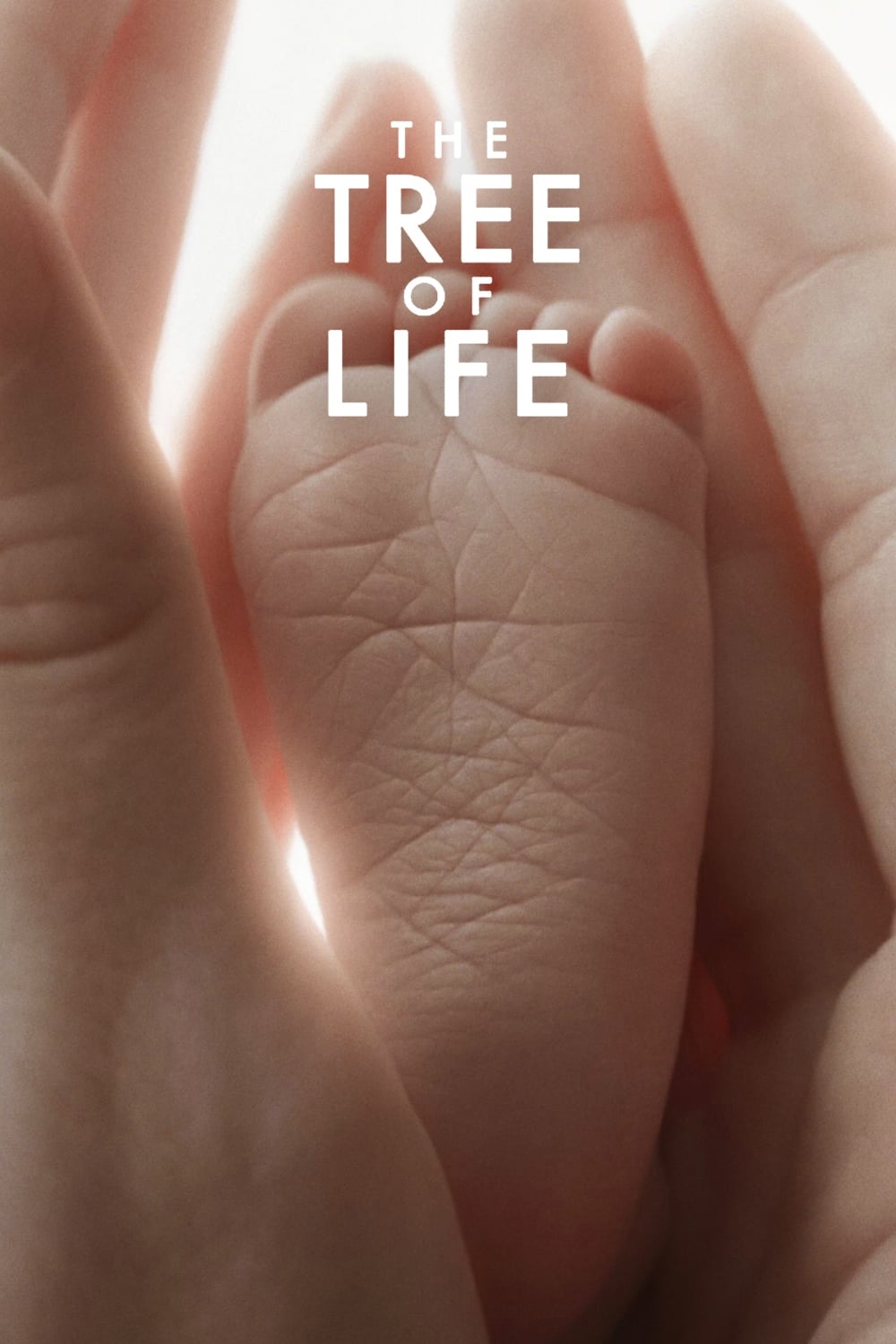
Some moviegoers left due to a meditative pace and long passages with minimal dialogue. The film alternates family scenes with cosmic imagery that surprised mainstream audiences. Art house venues posted notes urging patience and attention for the experience. Awards recognition later drew new crowds who still split on the approach.
‘Titane’ (2021)
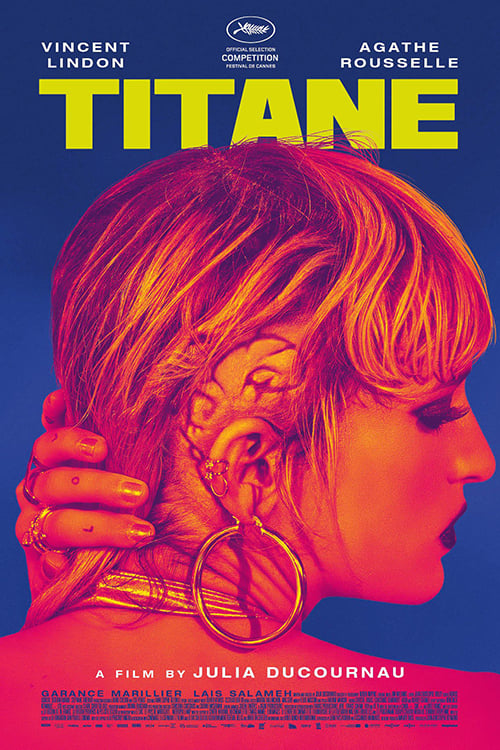
Premier screenings reported fainting and exits during body modification and surgery sequences. The film blends crime elements with transgressive family drama, which challenged viewers expecting a genre piece. Festival juries awarded top honors, intensifying curiosity and debate. Limited theatrical runs leaned on strict content advisories.
‘Bone Tomahawk’ (2015)
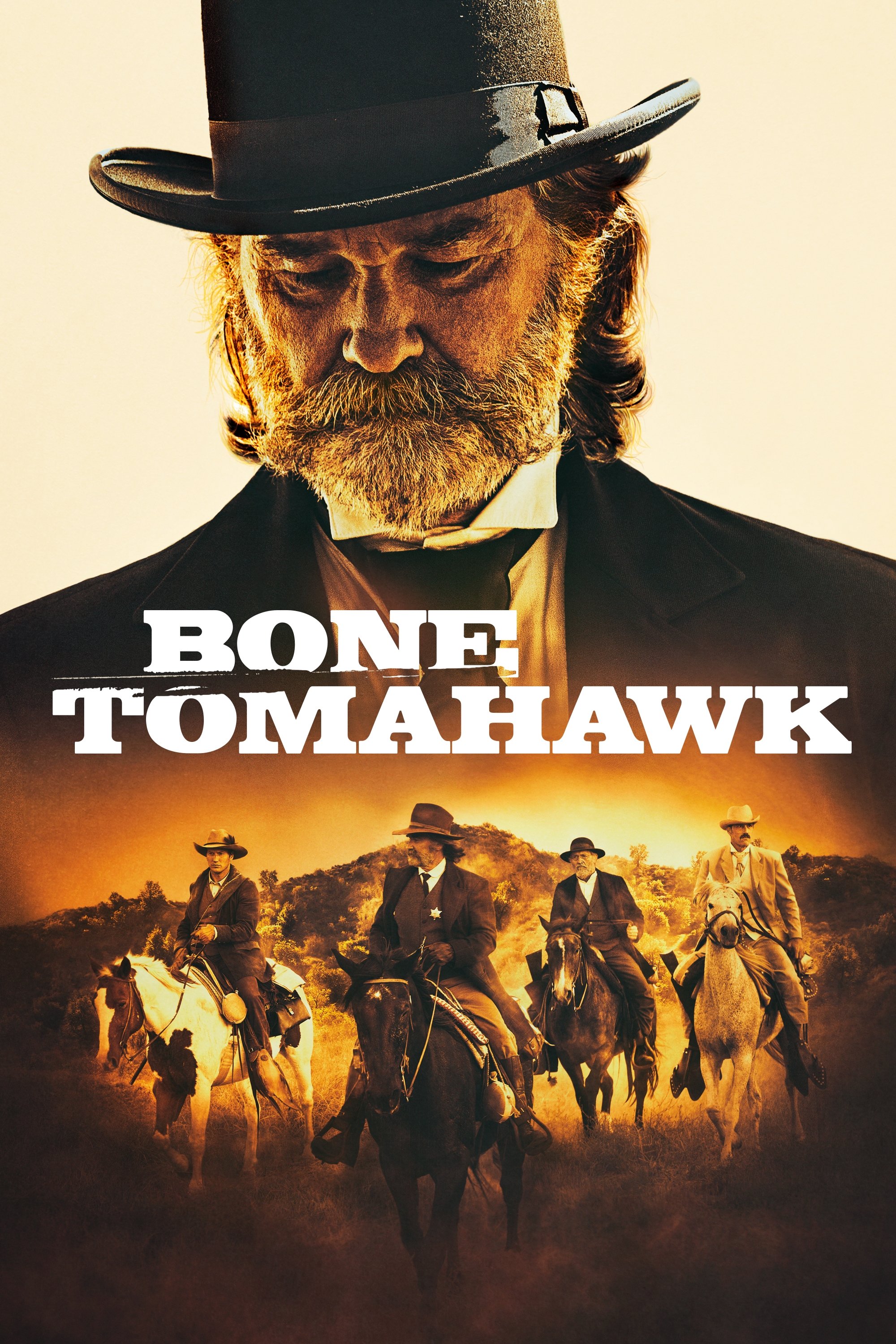
A frontier rescue story turns into graphic survival horror, and several viewers left during a notorious set piece. Early word of mouth emphasized a slow build that erupts into sudden brutality. Small theaters used late night programming to reach the right audience. Over time it became a fixture on lists of modern cult westerns.
‘The Blair Witch Project’ (1999)
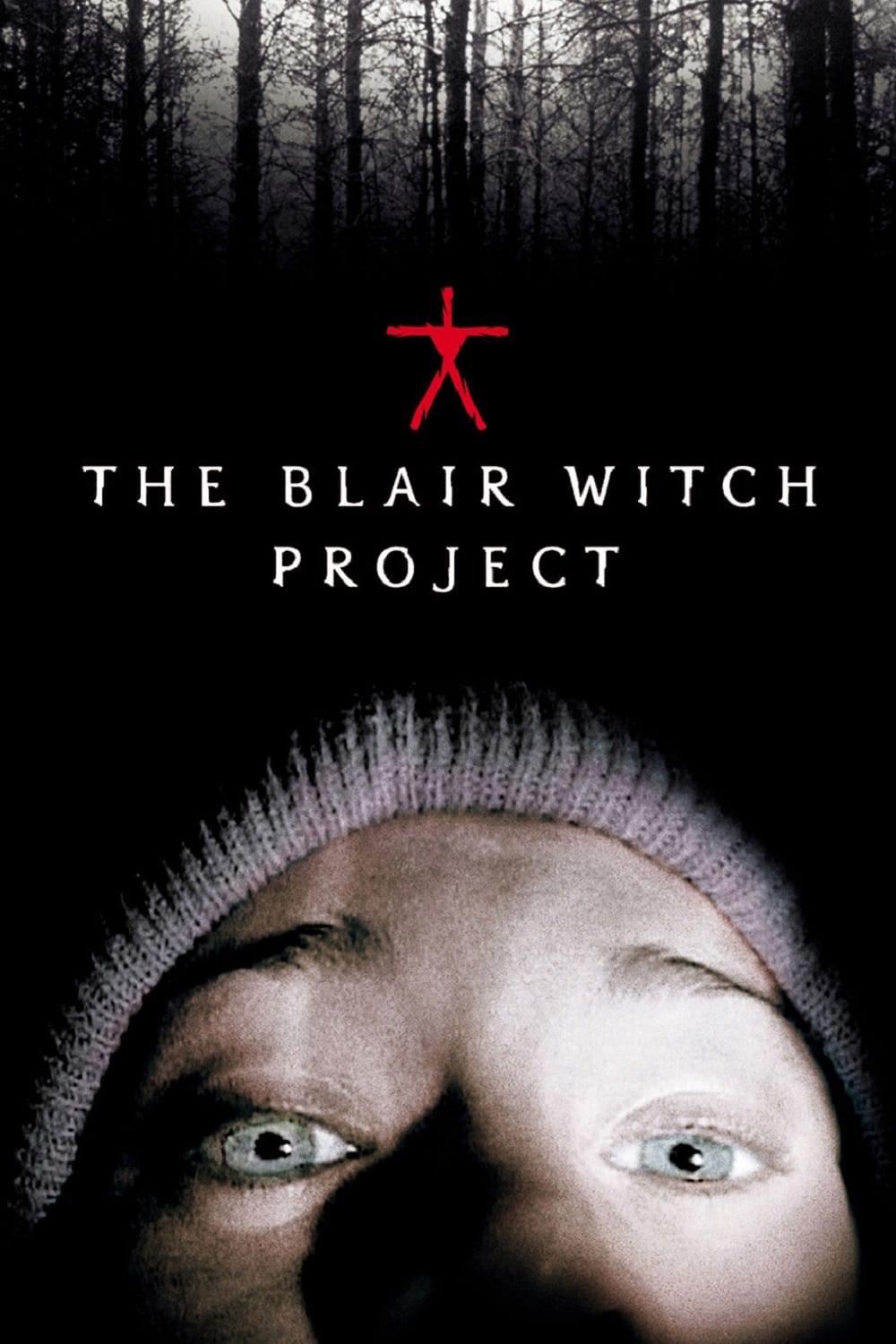
Handheld camerawork and prolonged disorientation led some people to leave with motion sickness. The viral marketing campaign blurred fact and fiction, drawing in crowds not prepared for the format. Midnight shows sold out nationwide, while ushers reported a steady trickle of walkouts. The success reshaped low budget distribution strategies for years after.
Tell us the wildest walkout you witnessed or heard about in the comments.