


5 Things About ’28 Days Later’ That Made Zero Sense and 5 Things That Made Perfect Sense

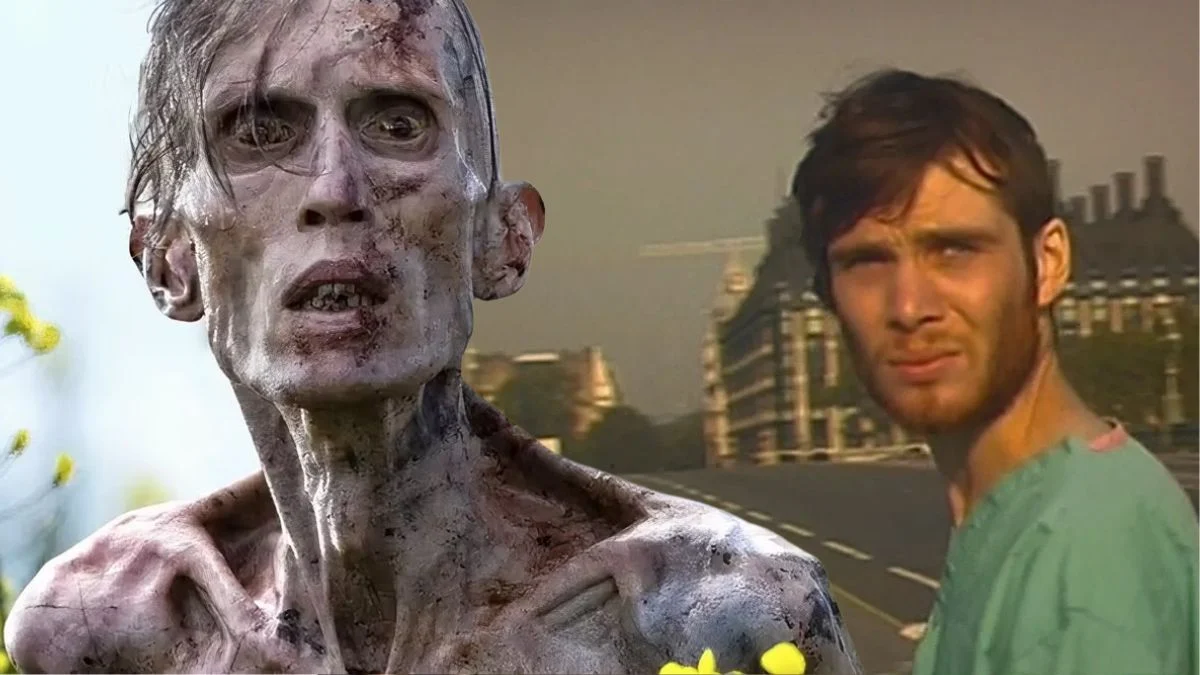


A virus tears through Britain. A few survivors fight to stay alive. The movie is tense, bold, and different from many zombie films. It also sparks debates about what does and doesn’t add up.
Some choices feel grounded. Others make you scratch your head. Here are five things that made zero sense, and five that made perfect sense—taking turns between the two.
Zero Sense: Jim Survives Alone in the Hospital
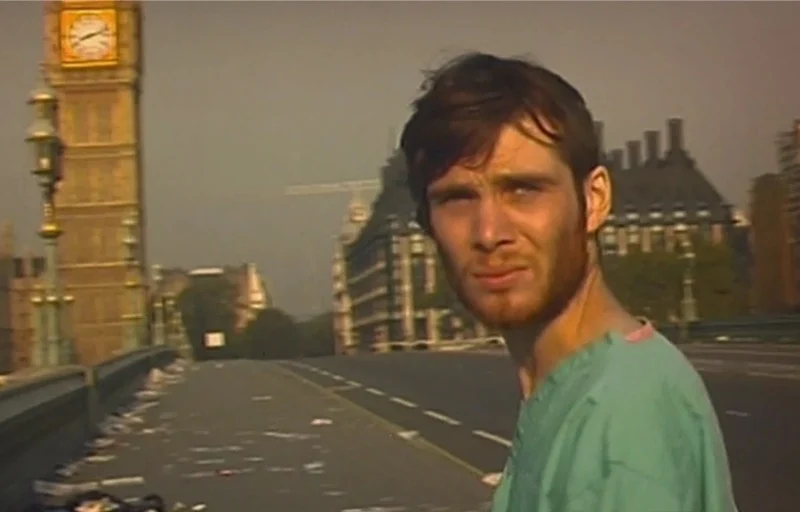
Jim wakes from a coma and walks out of a silent ward. He has no nurse, no fluids, and no food. Yet he looks fine and stands up quickly. That strains belief.
A person cannot last long without water. Bedsores, infections, and weakness would set in fast. His smooth recovery feels like pure plot magic.
Perfect Sense: The Infected Are Fast and Tireless
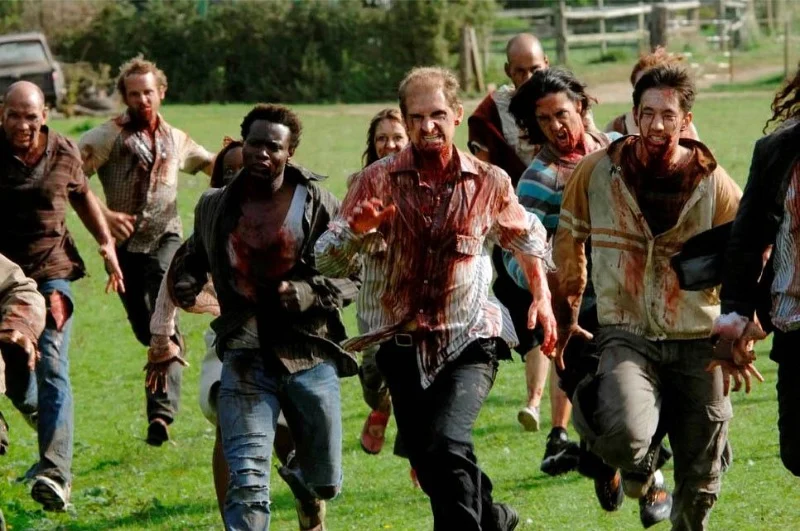
The infected are not undead. They are living humans driven by rage. Fast movement and sudden bursts of energy fit that idea.
They do not shuffle or groan. They sprint, swarm, and crash through doors. This makes the threat immediate and believable.
Zero Sense: A Biohazard Lab With Paper-Thin Security
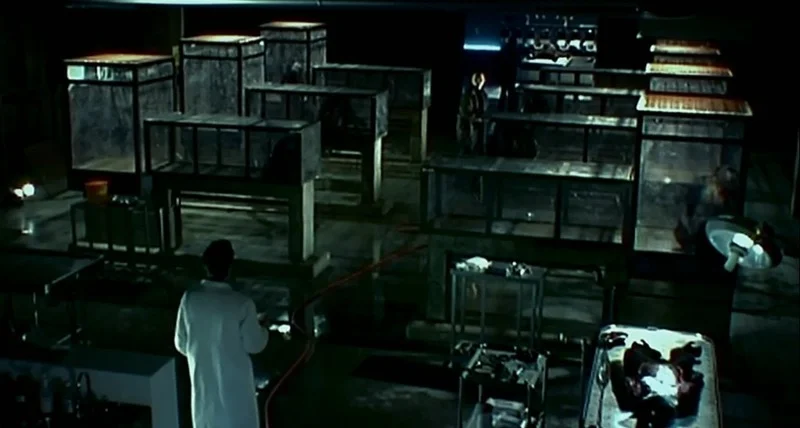
Activists break into a primate lab with shocking ease. They reach dangerous animals and open cages. There is little sign of strict protocols or layered locks.
Real high-risk labs use multiple barriers. Staff wear full gear and follow rigid steps. The film’s lab looks too casual for a virus this extreme.
Perfect Sense: A Virus Spread by Blood and Saliva
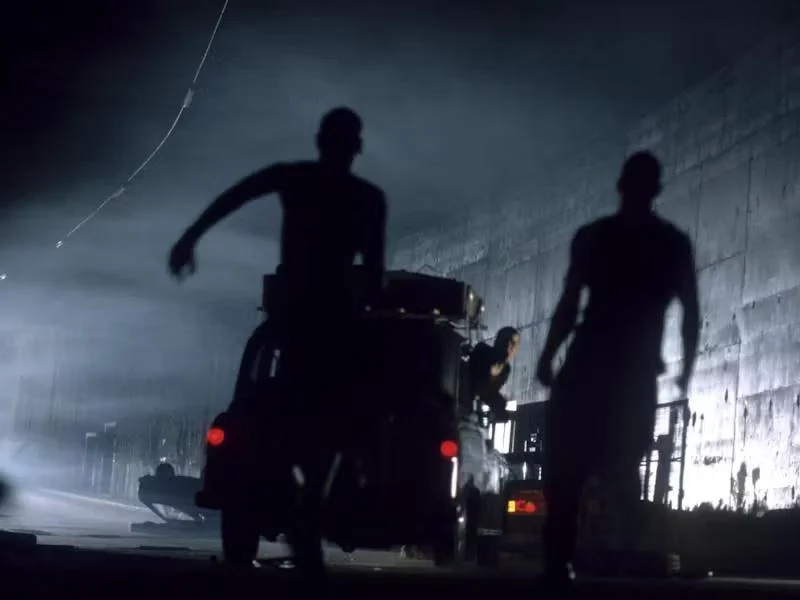
Close contact spreads the infection in seconds. Blood in the eye, a bite, or a splash can do it. That aligns with many fast-transmission risks in real outbreaks.
It also explains why melee fights are deadly. Even a small cut or drop can end you. Survivors avoid contact or strike from a distance.
Zero Sense: London Is Too Empty, Too Soon
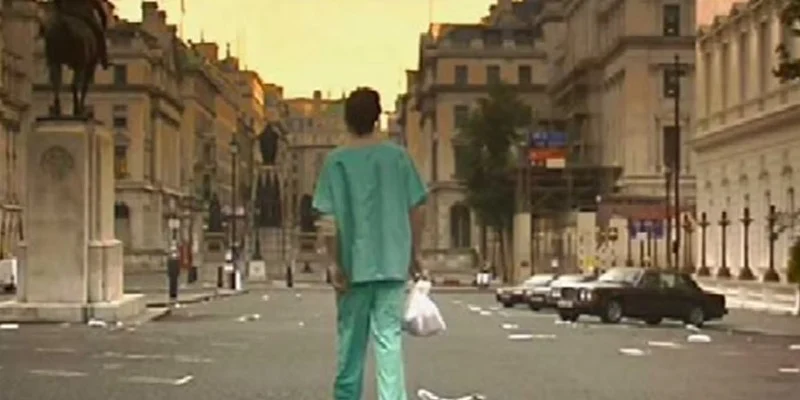
Jim walks through a city with almost no bodies, stalled cars, or gridlock. Streets are clean enough to stroll. That emptiness looks striking but not realistic.
A sudden collapse would leave traffic jams, visible casualties, and chaos in public places. The near-blank cityscape looks more like a dream than a disaster scene.
Perfect Sense: An Island Nation Gets Sealed Off
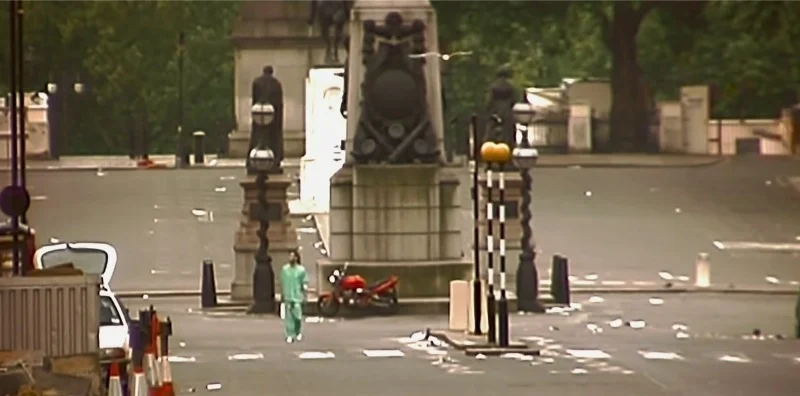
Britain is an island with controlled borders. In a crisis, outside forces could restrict flights and ships. That explains why help does not roll in.
The world could watch from a distance and keep the infection contained. Isolation becomes both the country’s shield and its prison.
Zero Sense: The Tunnel Route Was an Awful Choice
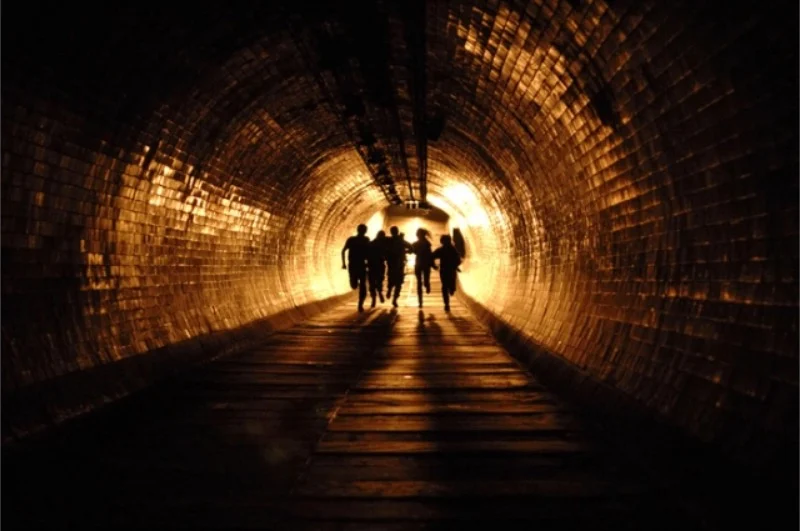
Choosing a dark, debris-filled tunnel makes no sense. It adds nails, blocked lanes, and blind spots. One flat tire later, the danger is obvious.
Safer surface roads likely existed. Any cautious group would avoid tight spaces with no escape. This was needless risk for a small payoff.
Perfect Sense: Ruthless Survival Rules Keep You Alive
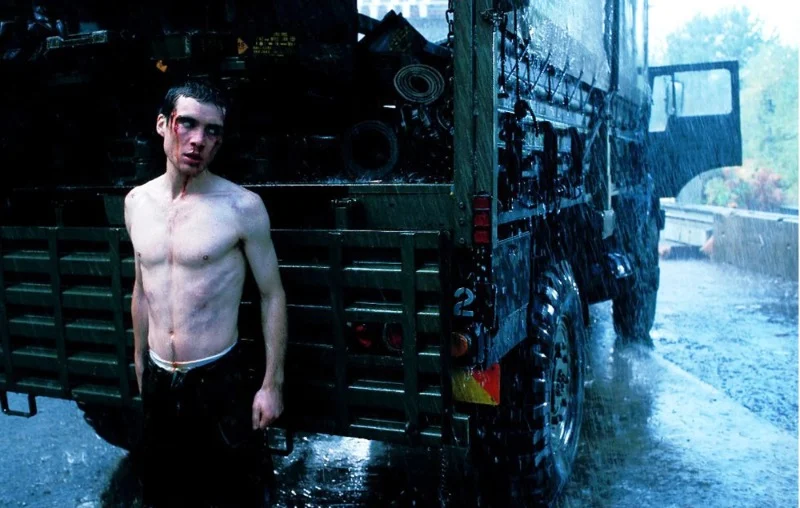
Selena’s hard rule—act fast or die—tracks with crisis logic. Hesitation gets people killed. Mercy can spread the infection.
Clear roles, quick decisions, and strict hygiene help. In this world, kindness without caution is a liability. Her approach, while cold, fits the threat.
Zero Sense: The Soldiers’ Plan Endangered Everyone
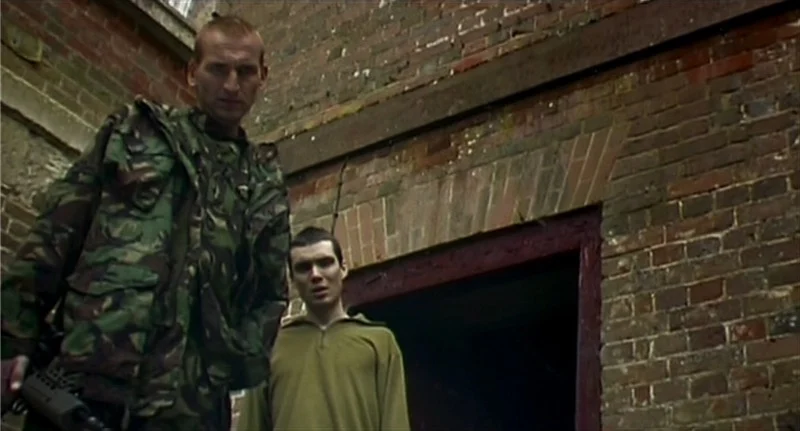
Broadcasting a beacon invites survivors—and the infected—to their doorstep. The unit also fixates on a cruel “solution” that fractures trust. That tension weakens security.
A good plan would focus on supplies, defense, and clear rules. Instead, internal conflict and reckless signals put the whole base at risk.
Perfect Sense: The Infected Would Starve Without Food
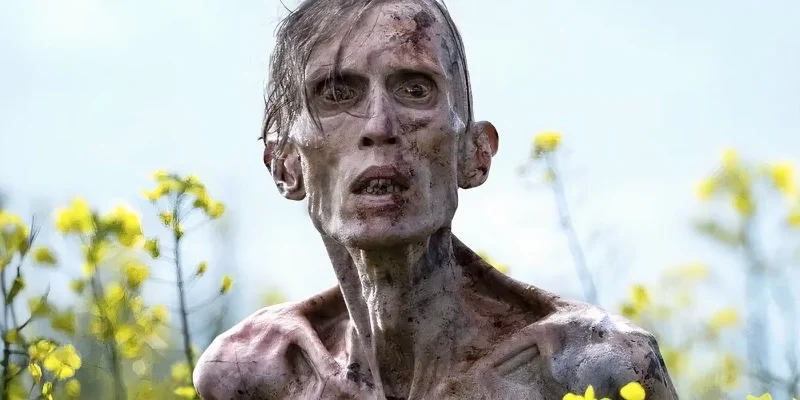
The infected are living bodies. They need rest and calories. Without steady food, they weaken over time and become easier to evade.
This idea supports a patient strategy. Hide, conserve energy, and wait for the threat to thin out. Time becomes a real tool for survival.
Share your own “made sense” vs “no sense” moments from 28 Days Later in the comments—I’m curious which scenes you’ll defend or dismantle.