


5 Things About ‘Alien’ That Made Zero Sense and 5 Things That Made Perfect Sense

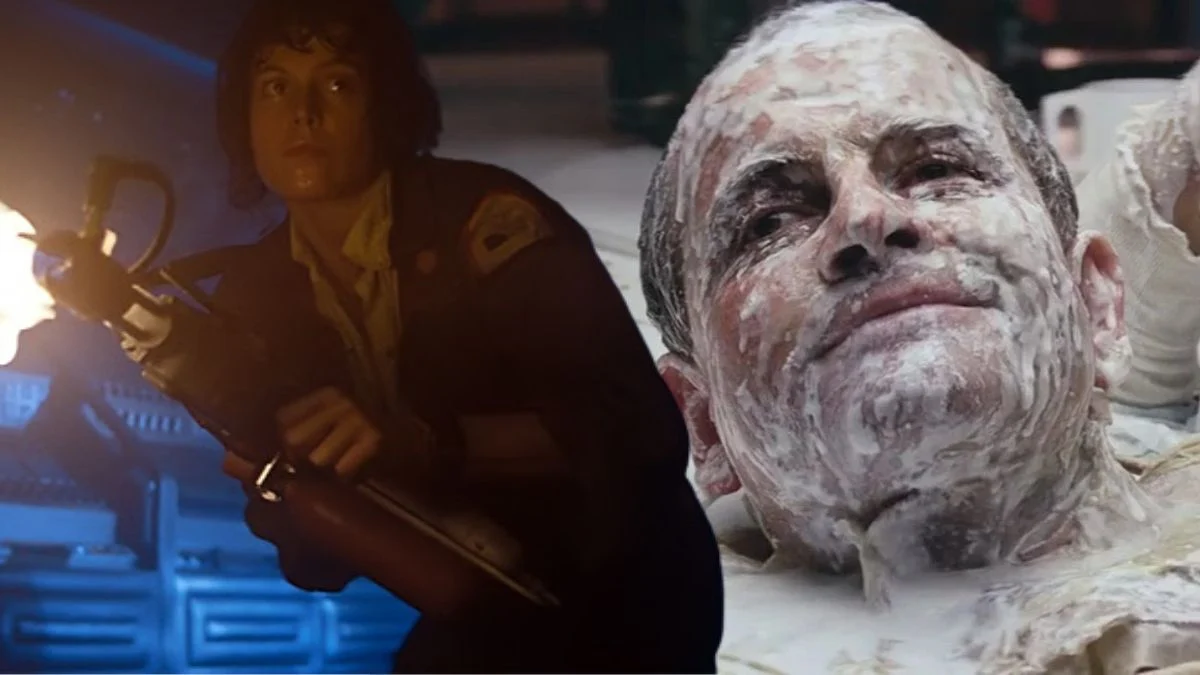


The 1979 film Alien is a sci-fi horror classic that still grips audiences with its tense atmosphere and groundbreaking design. Directed by Ridley Scott, it follows the crew of the Nostromo as they face a deadly extraterrestrial creature, blending suspense, horror, and science fiction in a way few films have matched.
However, like any movie, Alien has moments that leave viewers scratching their heads or nodding in appreciation. Below, we dive into five things that made zero sense and five that made perfect sense, exploring what worked and what didn’t in this iconic film.
The Crew’s Casual Response to the Facehugger (Zero Sense)
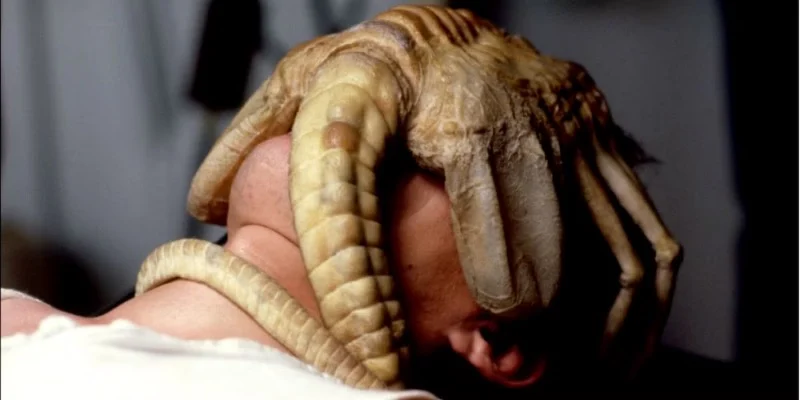
The Nostromo crew finds an alien organism attached to Kane’s face, and they barely react. They don’t quarantine him properly or seem overly concerned about an unknown creature gripping his head. This feels reckless for a crew trained for space missions. Why didn’t they follow stricter protocols or at least show more panic?
Even after the facehugger detaches, they don’t investigate it thoroughly. They just assume Kane is fine without running serious medical tests. For a group of professionals in a high-stakes environment, their laid-back attitude defies logic and basic survival instincts.
The Xenomorph’s Design (Perfect Sense)
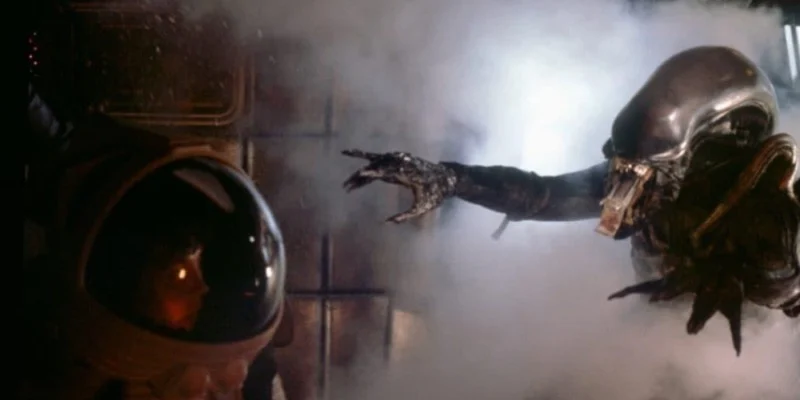
The alien, or Xenomorph, is a terrifying blend of biology and nightmare. Its sleek, biomechanical look, created by H.R. Giger, feels both organic and alien, making it instantly unsettling. The creature’s acid blood, retractable jaws, and silent movement amplify its threat, perfectly suited for horror.
Every detail of the Xenomorph’s design serves a purpose. It’s a predator built to hunt and survive, which explains why the crew struggles to fight it. The design grounds the film’s horror in something believable yet otherworldly, making every encounter chilling.
Ash’s Secret Mission (Zero Sense)
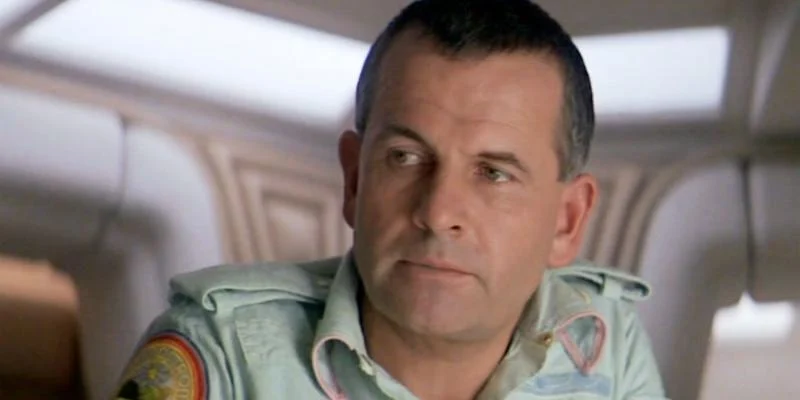
Ash, the ship’s science officer, is revealed as an android with a hidden agenda to prioritize the alien’s survival over the crew’s. The company, Weyland-Yutani, programmed him to bring the creature back, but this plan feels absurdly risky. Why send an android to secretly sabotage a crew without their knowledge?
The bigger issue is how Ash’s actions are impractical. He lets the facehugger situation spiral out of control and doesn’t warn anyone about the company’s true motives. His secrecy causes chaos, making the mission less likely to succeed, which feels like a plot hole.
The Nostromo’s Gritty Realism (Perfect Sense)
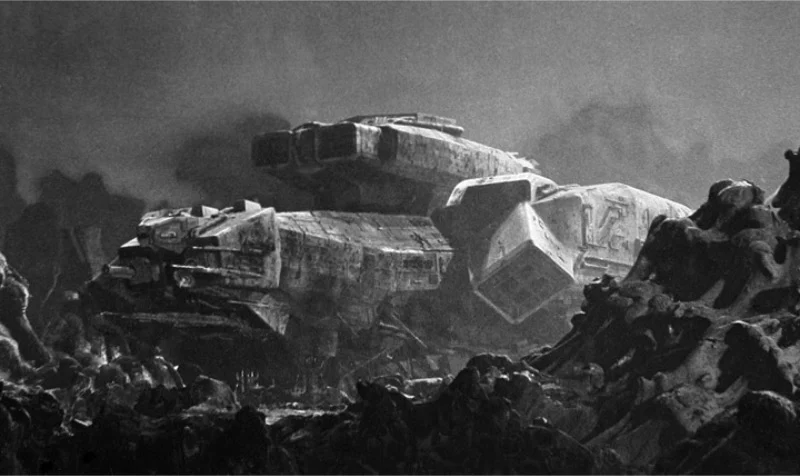
The Nostromo feels like a real, lived-in spaceship. Its cluttered halls, outdated tech, and industrial design make it seem like a working-class vessel, not a sleek sci-fi fantasy. This gritty setting grounds the film and makes the horror feel closer to reality.
The crew’s casual banter and complaints about pay add to this authenticity. They’re not heroes; they’re regular people doing a tough job. This realism makes the Xenomorph’s intrusion even more jarring, as it invades a believable, relatable world.
The Facehugger’s Acid Blood Surprise (Zero Sense)
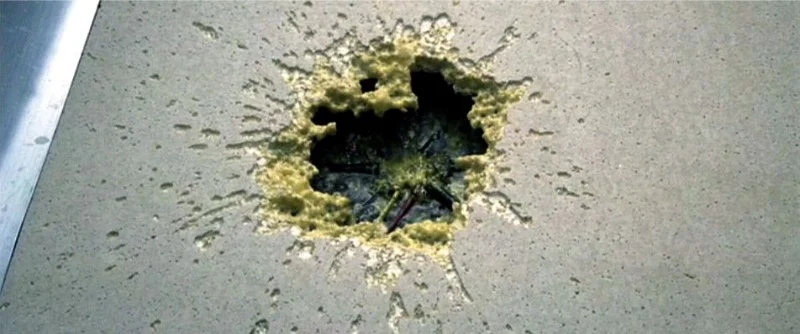
When the crew tries to cut the facehugger off Kane, its acid blood burns through the ship’s floor. This shocks everyone, but it’s strange that no one considered the creature might have defenses. They’re dealing with an unknown alien, yet they act without caution.
The acid’s extreme potency also raises questions. If it can melt through multiple decks, why doesn’t it cause more damage later? The film never explains this inconsistency, leaving the acid blood’s rules unclear and convenient for the plot.
Ripley’s Survival Instincts (Perfect Sense)
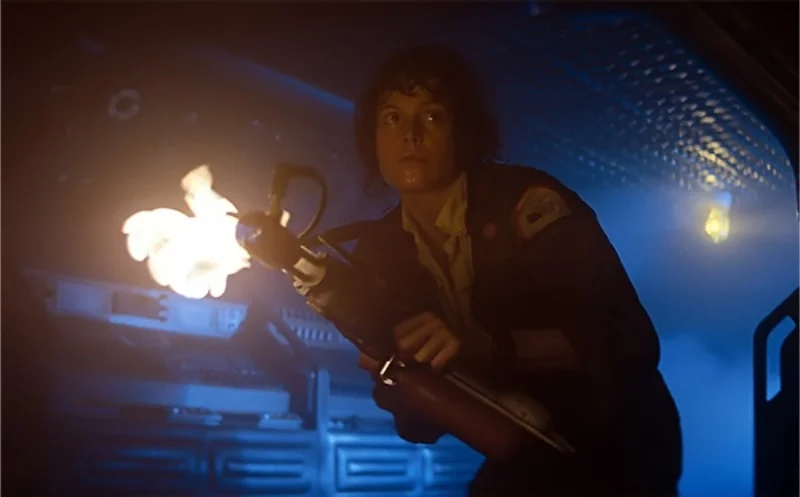
Ellen Ripley, played by Sigourney Weaver, shines as a smart and resourceful survivor. She questions decisions, follows protocols, and stays calm under pressure, making her leadership believable. Her insistence on quarantine early on shows her foresight, even if others ignore it.
Ripley’s actions, like setting the ship to self-destruct, feel logical and driven by survival. Her toughness and quick thinking make her a compelling hero, grounding the film’s chaos in a character who feels real and relatable.
The Company’s Vague Motives (Zero Sense)
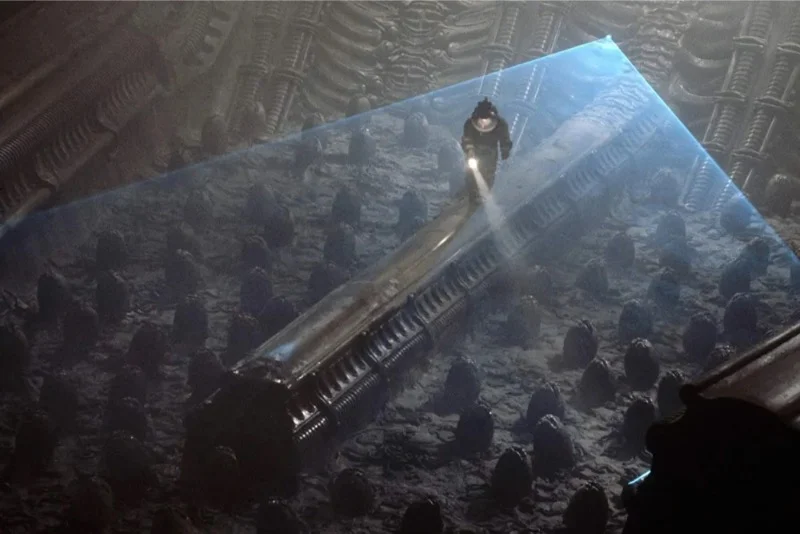
Weyland-Yutani’s obsession with capturing the Xenomorph is a key plot point, but their motives are murky. Why risk an entire crew for a creature they know little about? The film suggests it’s for profit or research, but the plan feels half-baked and reckless.
The lack of clarity about the company’s goals makes their actions hard to buy. Sending a crew into danger without a clear strategy or explanation feels like a plot device to create conflict, not a realistic corporate decision.
The Claustrophobic Atmosphere (Perfect Sense)
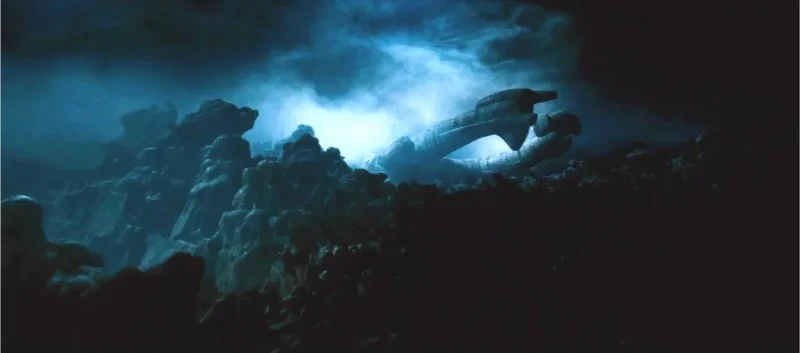
The film’s tight, dark corridors and dim lighting create a suffocating sense of dread. Every scene feels confined, trapping the crew with nowhere to run. This claustrophobia amplifies the Xenomorph’s threat, as there’s no escape from its presence.
The sound design, with its eerie hums and distant clanks, adds to this tension. The atmosphere makes every moment feel like the alien could strike at any time, keeping viewers on edge and perfectly matching the story’s horror.
Kane’s Quick Recovery (Zero Sense)
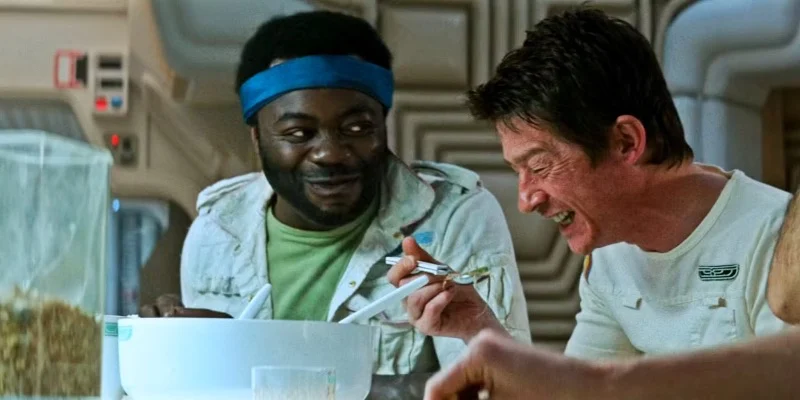
After the facehugger detaches, Kane wakes up and seems perfectly fine. The crew accepts this without much worry, despite the alien having been attached to his face for hours. This lack of caution feels unrealistic for a space-faring team.
Even more baffling, no one questions what the facehugger might have done to Kane. The crew’s failure to investigate or monitor him closely ignores basic medical logic, setting up the chestburster scene but feeling forced and careless.
The Chestburster Scene (Perfect Sense)
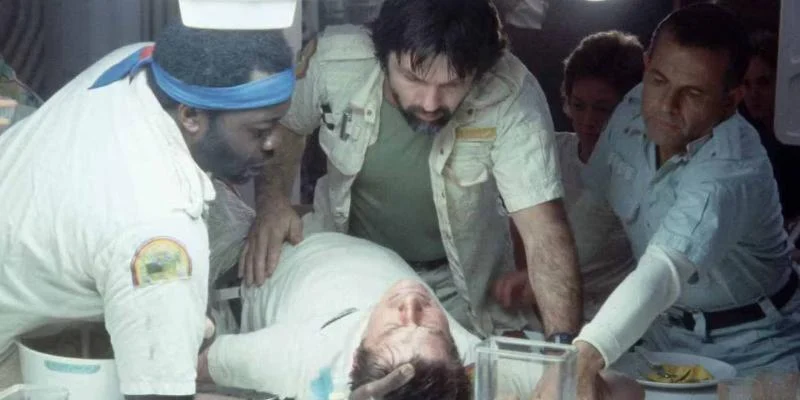
The chestburster moment is one of the most iconic scenes in film history. Its shock value comes from its suddenness and the crew’s unpreparedness, mirroring the audience’s horror. The practical effects, with the creature bursting from Kane’s chest, look disturbingly real.
This scene sets the tone for the Xenomorph’s life cycle, showing its brutal and unpredictable nature. It’s a perfect blend of pacing, effects, and storytelling that makes the alien’s threat unforgettable and sets up the film’s escalating terror.
What’s your take on Alien’s mix of brilliance and baffling moments? Share your thoughts in the comments!