


5 Things About ‘Aliens’ That Made Zero Sense and 5 Things That Made Perfect Sense

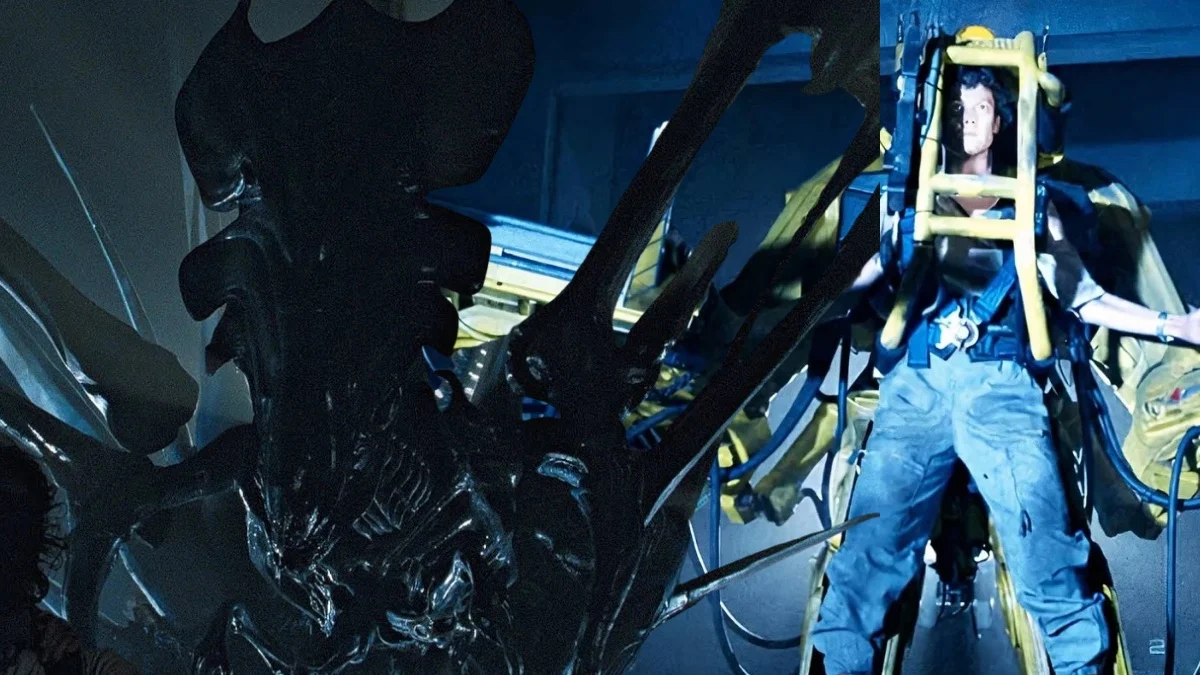


Aliens (1986), directed by James Cameron, is a sci-fi action classic that thrilled audiences with its intense battles and gripping story. It’s a sequel to Alien (1979), following Ellen Ripley as she faces the terrifying Xenomorphs again, this time with a squad of tough marines. Fans love its fast pace and iconic moments, but not everything in the movie adds up. Some parts leave you scratching your head, while others feel spot-on and grounded.
This list dives into five things in Aliens that made no sense at all and five that worked perfectly. We’ll explore plot holes, character choices, and moments that either confused viewers or nailed the story’s logic. Let’s break it down, alternating between the head-scratchers and the brilliant bits.
Colonial Marines’ Poor Training (Zero Sense)
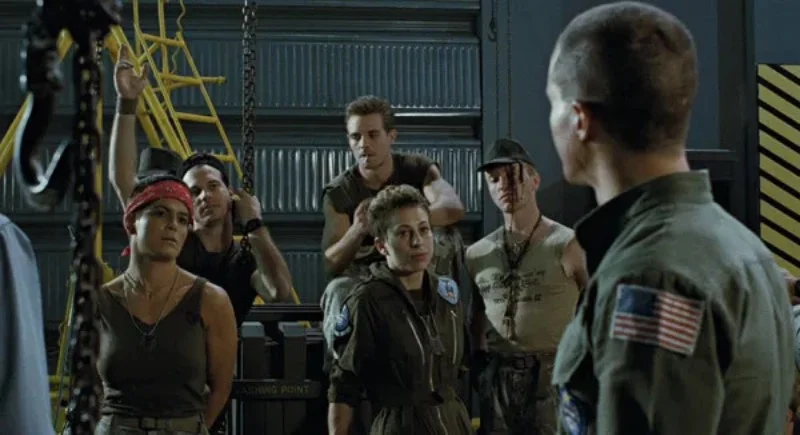
The Colonial Marines are supposed to be elite soldiers, but their training seems awful. They charge into danger without proper scouting, ignore Ripley’s warnings about the Xenomorphs, and fire weapons recklessly, causing explosions that trap them. Their overconfidence and lack of discipline make no sense for a supposedly professional unit.
Even basic tactics, like securing an area or communicating clearly, are missing. For a team sent to investigate a dangerous situation on a remote planet, their sloppy behavior feels unrealistic and forced to push the plot forward.
Ripley’s Survival Instincts (Perfect Sense)

Ripley’s ability to stay calm and think fast under pressure is a highlight. She’s not a soldier, but her experience from the first film makes her sharp and resourceful, like when she figures out how to use the power loader to fight the Alien Queen.
Her instincts drive her to protect Newt, the young survivor, and make smart calls, like sealing doors to slow the Xenomorphs. This grounded strength makes her a believable hero who earns the audience’s respect.
Burke’s Betrayal Plan (Zero Sense)
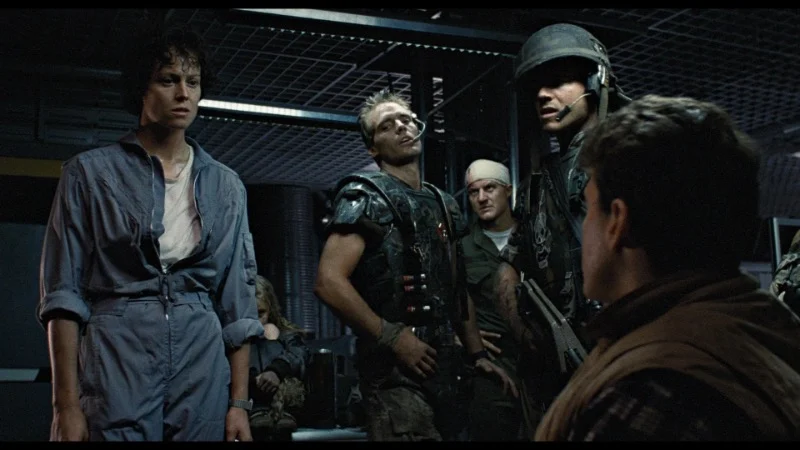
Carter Burke, the shady company man, plans to smuggle Xenomorphs back to Earth for profit, but his scheme is absurdly risky. He knows how dangerous the creatures are, yet he thinks he can control them without a clear plan or containment strategy.
His actions, like locking Ripley and Newt in with facehuggers, are reckless and poorly thought out. For a corporate guy who’s supposed to be cunning, his betrayal feels more like a plot device than a logical choice.
Xenomorphs’ Relentless Nature (Perfect Sense)
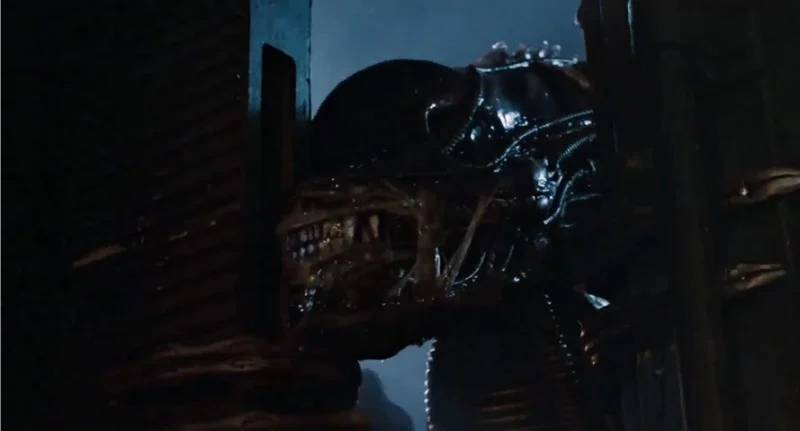
The Xenomorphs are terrifying because they never stop hunting. Their single-minded drive to kill and reproduce fits their role as perfect predators, designed to survive at all costs.
Every move they make, from stalking silently to overwhelming the marines with numbers, feels like a natural extension of their biology. This consistency makes them a believable and horrifying threat.
The Colony’s Lack of Defenses (Zero Sense)
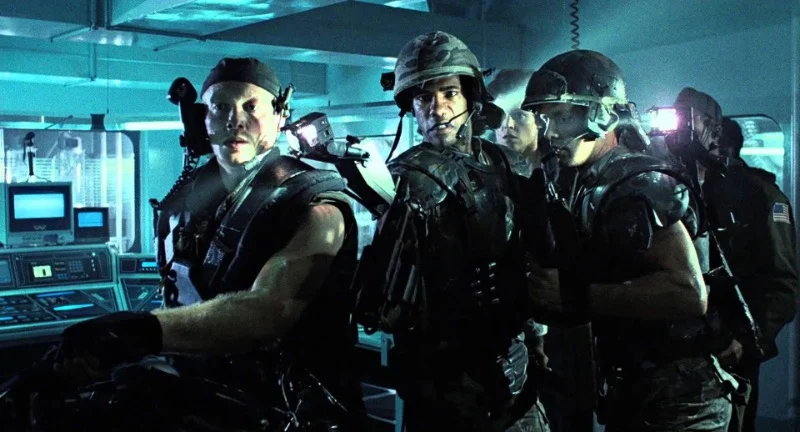
The Hadley’s Hope colony gets wiped out before the marines arrive, but it’s hard to believe they had no defenses. A remote outpost on a hostile planet should have weapons, security systems, or at least an emergency plan.
Instead, the colonists seem unprepared for any threat, letting the Xenomorphs overrun them easily. This lack of basic protection feels like a convenient setup for the story’s chaos.
The Atmosphere Processor Explosion (Perfect Sense)

The colony’s atmosphere processor going critical after taking damage is a solid plot point. It’s a massive, complex machine, so it makes sense that a firefight and Xenomorph attacks would destabilize it, leading to a countdown to disaster.
This ticking clock adds tension and forces the survivors to act fast. It’s a realistic consequence of the chaos that feels organic to the story’s high-stakes setting.
Gorman’s Incompetence (Zero Sense)
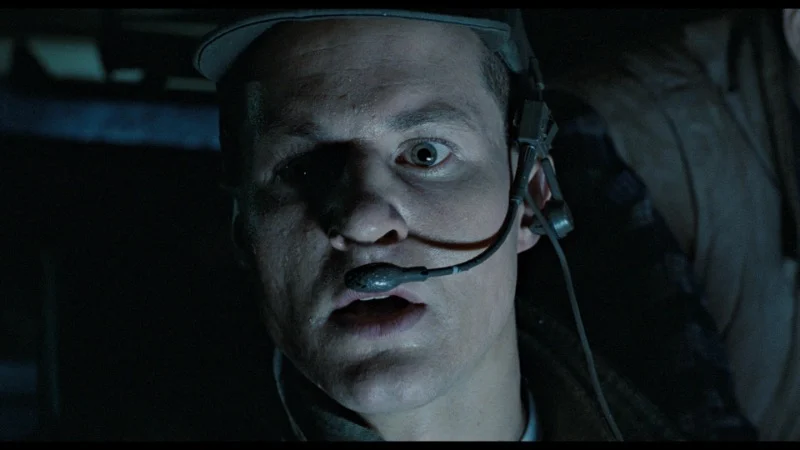
Lieutenant Gorman, the marines’ leader, is shockingly bad at his job. He freezes under pressure, gives vague orders, and loses control of his team almost immediately.
For someone in charge of a critical mission, his lack of leadership skills and inability to adapt make no sense. His incompetence feels exaggerated to make Ripley shine, which weakens the story’s credibility.
Newt’s Survival Skills (Perfect Sense)
Newt, the young girl who survives alone in the colony, is a standout. Her ability to hide in vents and stay quiet to avoid Xenomorphs shows cleverness and resilience that fit her desperate situation.
Her bond with Ripley also feels natural, as she clings to the only adult who protects her. This makes her a compelling character whose survival adds heart to the film.
The Queen’s Sudden Intelligence (Zero Sense)
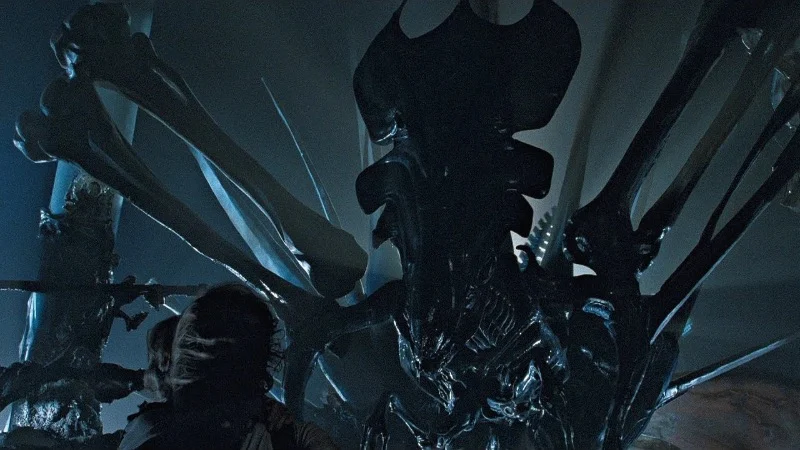
The Alien Queen is a formidable enemy, but her sudden display of human-like intelligence is jarring. She understands how to use an elevator and seems to plot revenge against Ripley, which feels like a stretch for a creature driven by instinct.
This shift from animalistic behavior to strategic thinking isn’t explained and breaks the established rules of the Xenomorphs. It’s a cool moment but doesn’t quite add up.
The Power Loader Fight (Perfect Sense)
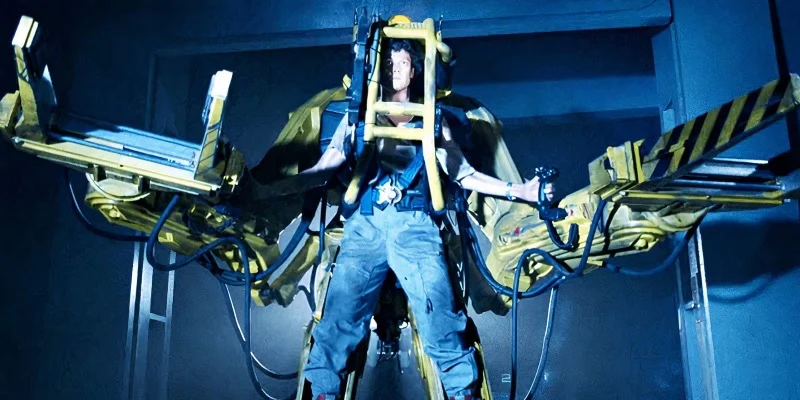
The climactic fight where Ripley uses the power loader to battle the Alien Queen is iconic and logical. The loader is introduced early as a tool the colonists use, so its appearance in the finale feels earned, not random.
Ripley’s quick thinking to use it as a weapon matches her resourceful nature. The scene delivers a thrilling payoff that ties the story’s elements together perfectly.
What’s your take on these moments in Aliens—any other head-scratchers or perfect bits you’d add to the list? Share your thoughts in the comments!