


5 Things About ‘Avatar: The Legend of Korra’ That Made Zero Sense and 5 Things That Made Perfect Sense.

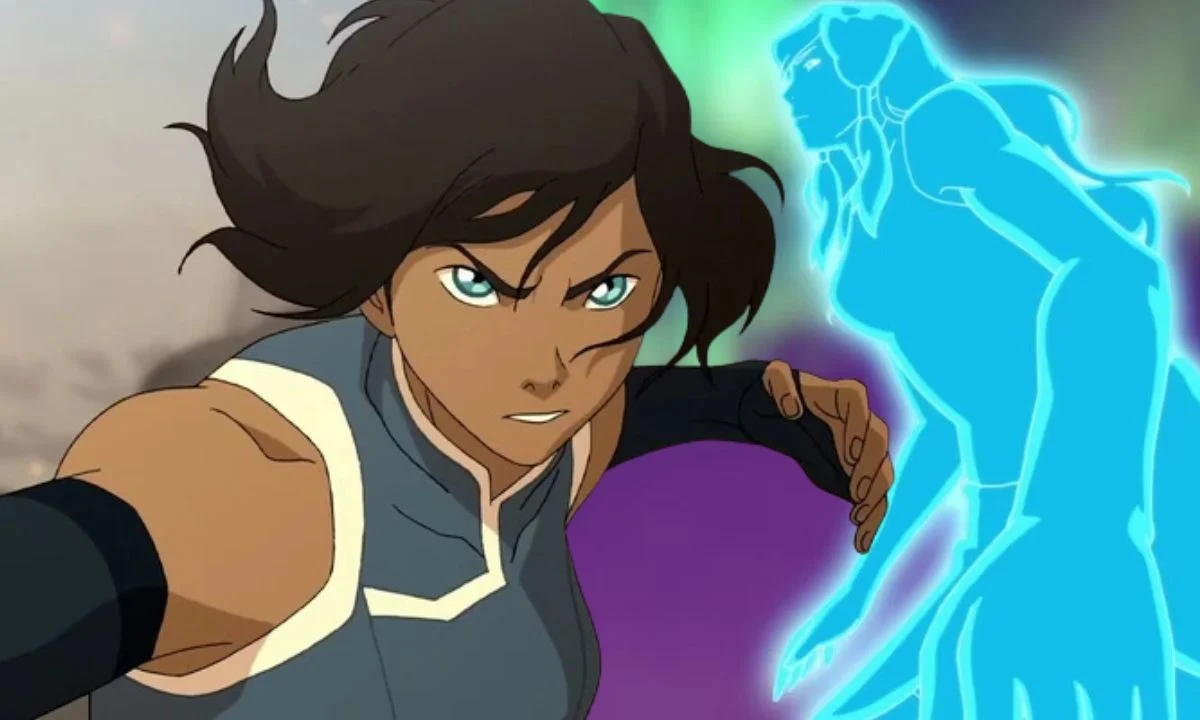


‘Avatar: The Legend of Korra’ (2012-2014) is a bold sequel to the beloved ‘Avatar: The Last Airbender’ (2005-2008), diving into a new era with Korra, a headstrong Avatar from the Southern Water Tribe. It’s packed with stunning animation, complex characters, and a world that feels alive, but it’s not without its stumbles. Some moments left me scratching my head, while others felt like perfect extensions of the universe.
The show tackles mature themes and a modernized setting, which makes it stand out. Yet, its ambition sometimes led to choices that didn’t quite land, alongside others that clicked beautifully. Let’s break down five things that baffled me and five that worked like a charm.
Korra’s Avatar State Overuse Made Zero Sense
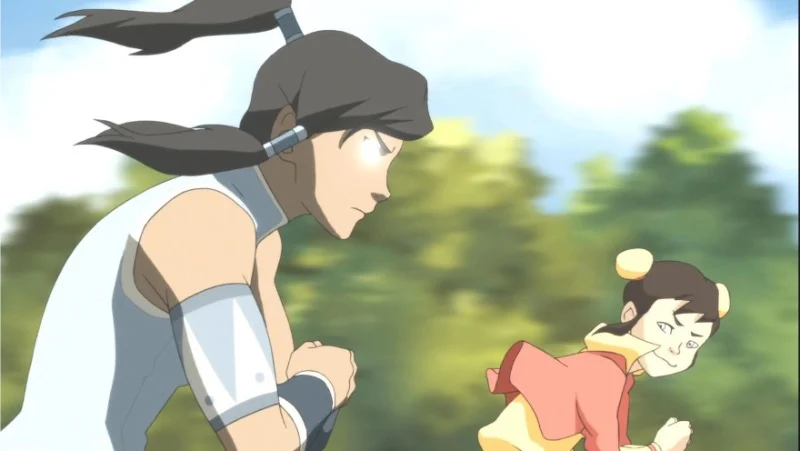
Korra’s frequent use of the Avatar State feels like a cheap power-up. In ‘Avatar: The Last Airbender’, Aang’s Avatar State was a rare, almost uncontrollable force, saved for desperate moments. Korra, however, pops into it constantly, even for minor fights, which waters down its awe. It’s like using a sledgehammer to crack a walnut—why make it so casual?
This choice strips away the mystique that made the Avatar State special. It’s hard to feel the stakes when Korra can just glow and win. The show tries to justify it with her brash personality, but it feels like a shortcut that doesn’t match the established lore.
Korra’s Personality Shift Made Perfect Sense
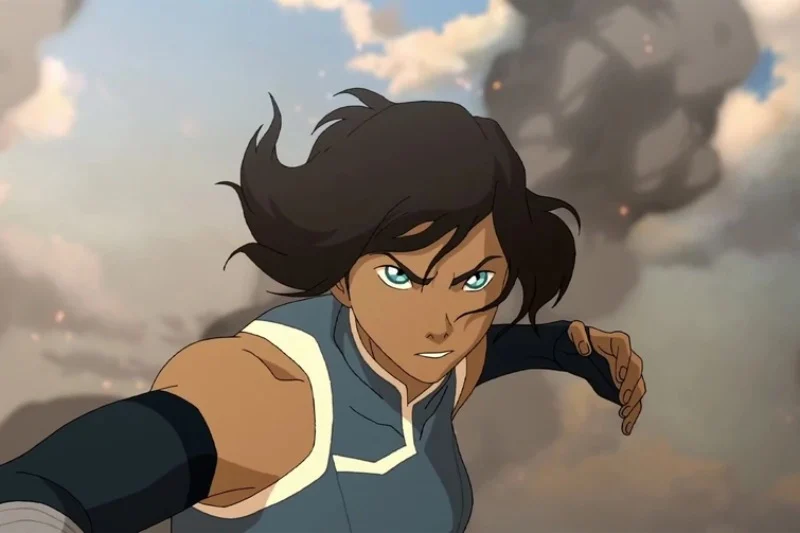
Korra’s fiery, impulsive nature is a breath of fresh air compared to Aang’s calm demeanor. She’s a brawler, mastering water, earth, and fire as a kid, but struggles with airbending and spirituality. This contrast feels true to her Water Tribe roots and sets up her growth as she learns balance.
Her headstrong attitude drives the story, clashing with mentors like Tenzin. It’s a realistic take on a teenager thrust into a huge role. I loved how her flaws—arrogance, impatience—shape her journey, making her a unique Avatar who earns her wisdom the hard way.
The Love Triangle Made Zero Sense
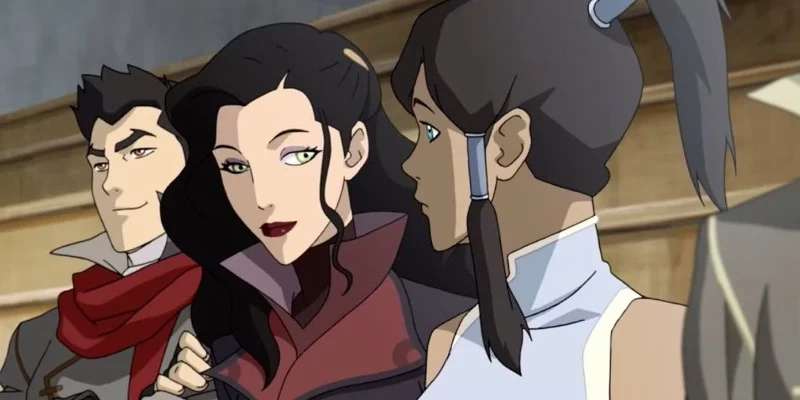
The romance between Korra, Mako, and Asami is a messy tangle. Korra falls for Mako instantly, despite his relationship with Asami, leading to a love triangle that feels forced and soapy. It’s awkward when Korra kisses Mako, knowing he’s taken, and the drama drags without adding depth.
The show spends too much time on this when it could focus on friendships or Korra’s Avatar duties. Bolin’s brief crush on Korra adds more clutter. It feels like a teen drama trope shoved into a story about saving the world, and it never gels.
Pro-Bending’s Introduction Made Perfect Sense
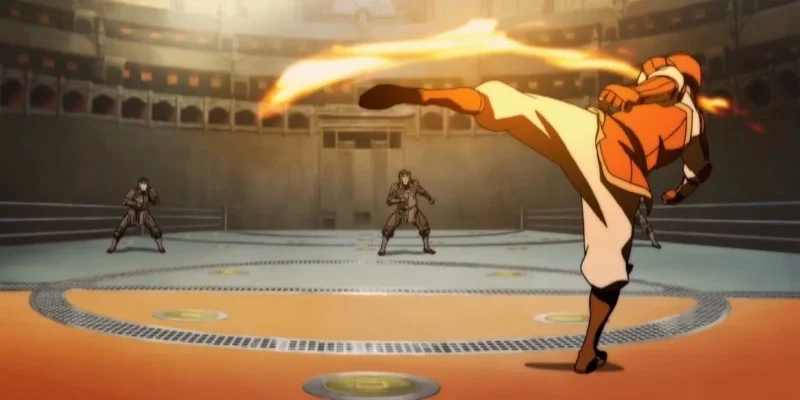
Pro-bending, a fast-paced sport where teams of benders compete, is a brilliant addition to Republic City. It’s like MMA meets elemental magic, showing how bending evolves in a modern world. The rules—three benders per team, each using one element—make fights dynamic and easy to follow.
It also gives Korra a way to connect with Mako and Bolin, building Team Avatar. The arena’s energy, with cheering crowds and slick moves, captures the city’s vibe. I enjoyed how it grounded the show’s urban setting while showcasing creative bending.
Amon’s Bloodbending Power Made Zero Sense
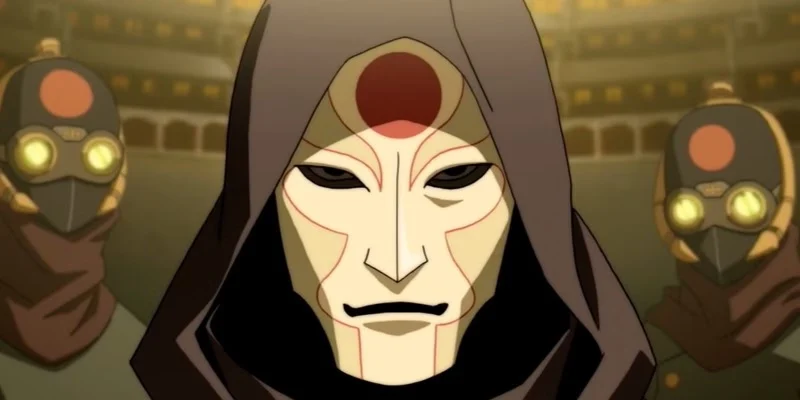
Amon’s ability to take away bending with bloodbending is a head-scratcher. In ‘Avatar: The Last Airbender’, only the Avatar could remove bending, using energybending. Amon, a waterbender, somehow blocks chi to strip bending permanently, which feels like a leap that breaks the rules.
The show explains it as advanced bloodbending, but it’s a stretch. Why can a non-Avatar do this? It undermines the Avatar’s unique role and makes Amon’s power feel like a plot device to raise stakes, without enough groundwork to back it up.
The Spirit World Expansion Made Perfect Sense
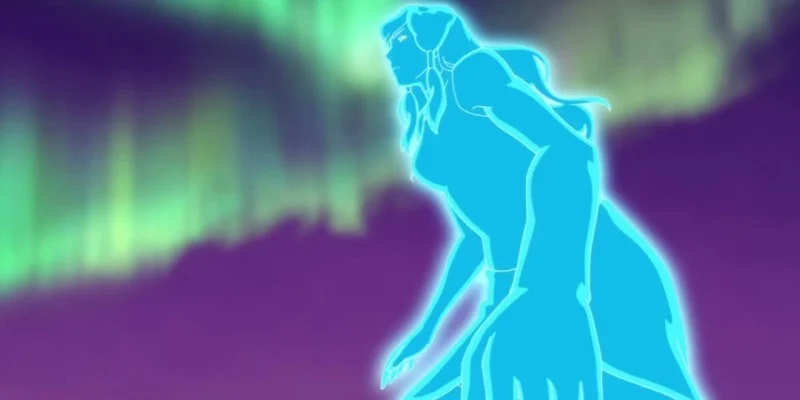
The deeper dive into the Spirit World in ‘The Legend of Korra’ is a highlight. Book Two explores the origins of the Avatar through Wan, showing how he fused with Raava, the light spirit. This adds rich lore, explaining the Avatar’s purpose as a bridge between worlds.
Korra’s struggles with spirituality make her interactions with spirits compelling. Her decision to open the spirit portals, despite controversy, reflects her growth and the show’s theme of change. It’s a bold move that expands the universe in a way that feels earned.
Korra’s Past Lives Loss Made Zero Sense
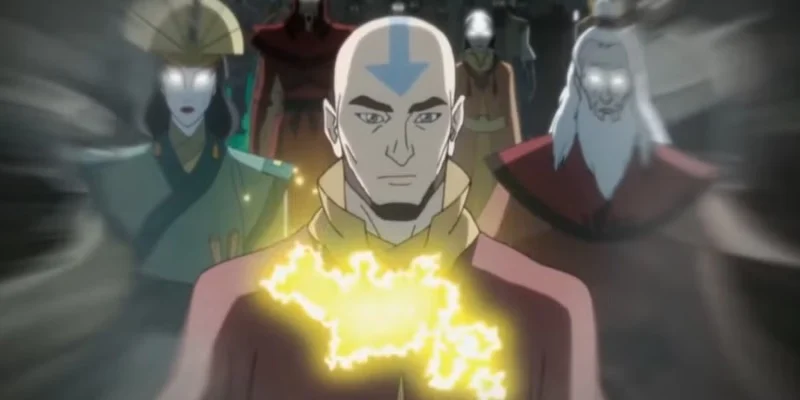
Korra losing her connection to past Avatars in Book Two is a gut punch that doesn’t add up. When Unalaq and Vaatu destroy Raava, Korra’s link to Aang and others is severed. Even after Raava’s revival, the connection stays gone, which feels like a forced tragedy.
The Avatar’s wisdom comes from past lives, so losing them diminishes Korra’s role. It’s a dramatic choice, but lacks logic—why can’t Raava retain those memories? It feels like a way to isolate Korra, but it breaks the core of what makes an Avatar special.
Korra’s PTSD Arc Made Perfect Sense
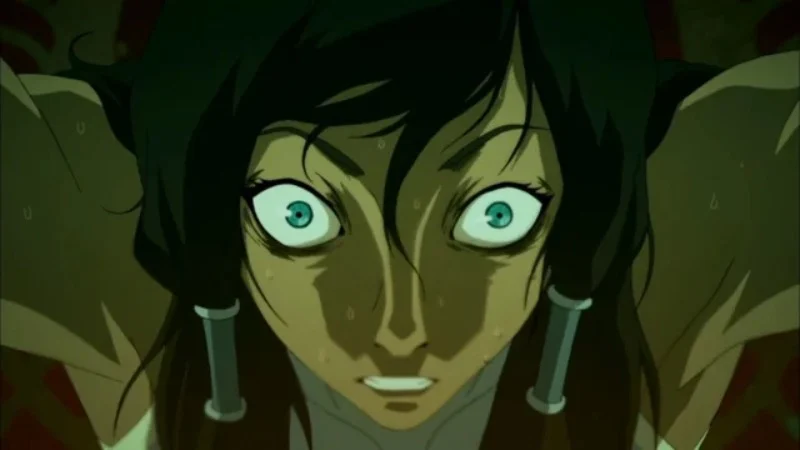
Korra’s struggle with trauma in Book Four is one of the show’s strongest arcs. After surviving poison and near-death against Zaheer, she grapples with fear and self-doubt. Her slow recovery, guided by Toph in the swamp, feels raw and human.
This arc makes Korra relatable, showing even heroes can break. Her bending the poison out of her body symbolizes overcoming her fears. It’s a mature take on mental health, handled with care, and I appreciated how it gave her depth beyond being a fighter.
Technology’s Rapid Leap Made Zero Sense
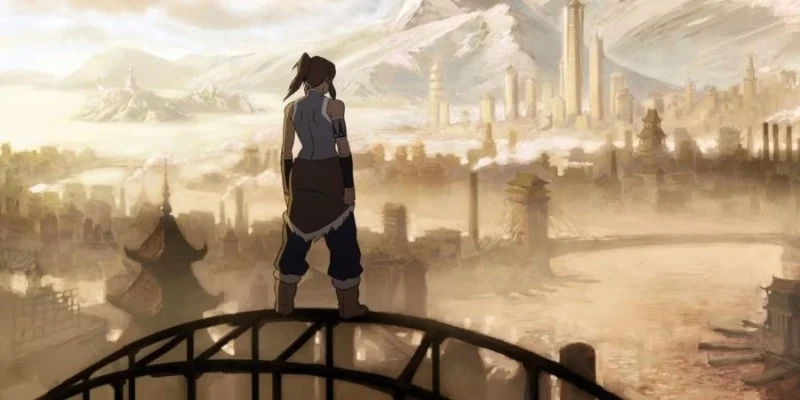
The industrial boom in Republic City feels jarring. In just 70 years since ‘Avatar: The Last Airbender’, the world has cars, radios, and skyscrapers. While bending could speed things up, the jump from a pre-industrial era to this feels too fast.
It’s hard to buy that a world recovering from war could modernize so quickly. The tech, like airships and mechs, overshadows bending at times, making the show feel less like its predecessor. It’s a cool aesthetic, but the pace strains belief.
Villains’ Complex Motivations Made Perfect Sense
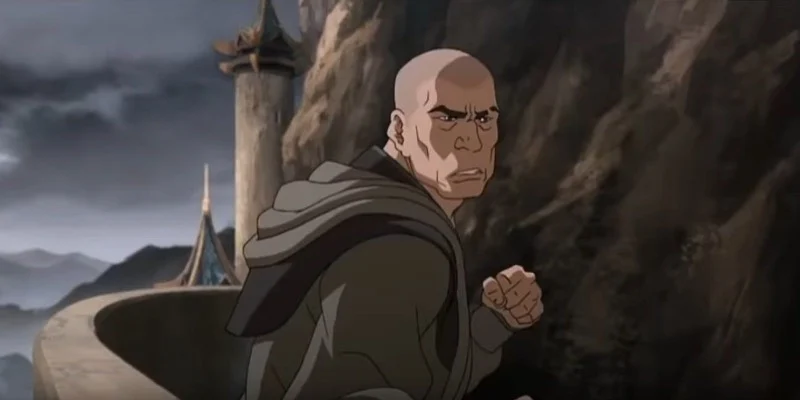
The villains in ‘The Legend of Korra’—Amon, Unalaq, Zaheer, and Kuvira—are a standout. Each has clear motives, like Amon’s fight against bending inequality or Zaheer’s quest for freedom. Their backstories, like Amon’s abusive childhood, make them more than cartoon bad guys.
These complex foes challenge Korra in ways Aang’s enemies didn’t. They force her to question her role as Avatar in a changing world. I loved how their philosophies, though twisted, spark real debates about power and balance.
What’s your take on ‘The Legend of Korra’—which moments confused you or felt spot-on? Drop your thoughts in the comments!