


5 Things About ‘Better Call Saul’ That Made Zero Sense and 5 Things About It That Made Perfect Sense

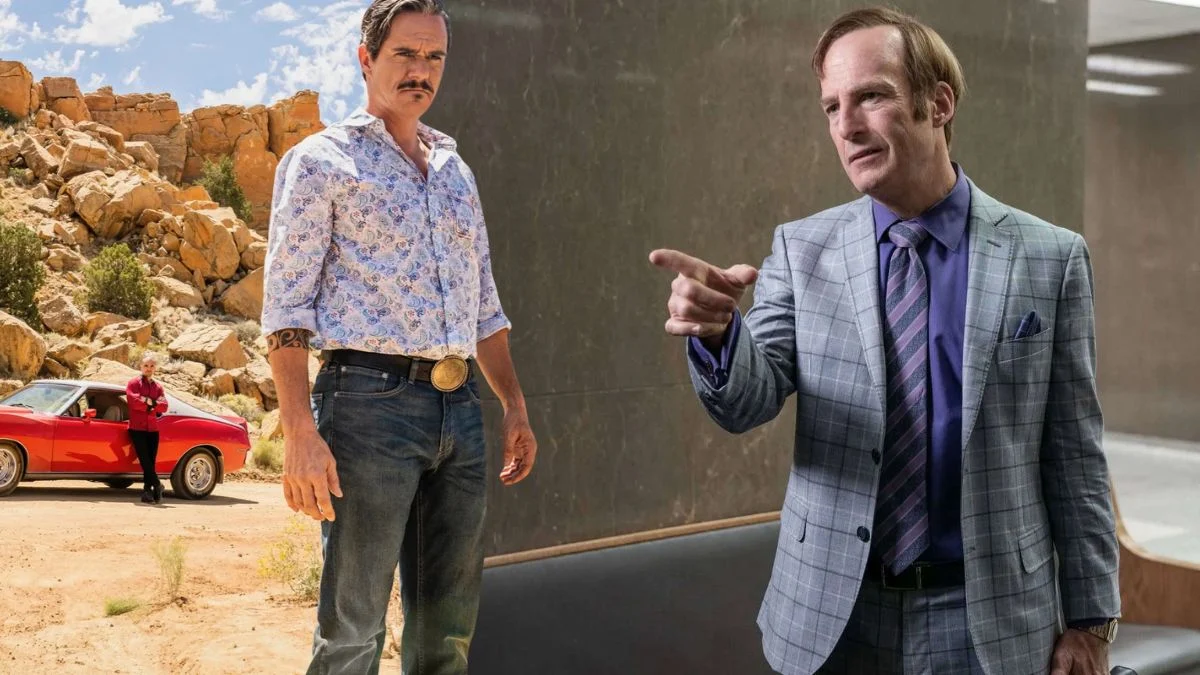


‘Better Call Saul’ traces Jimmy McGill’s transformation into Saul Goodman through courtrooms, con games, and cartel crossfire. The series ties directly into ‘Breaking Bad’ with overlapping characters, locations, and timelines that explain how the criminal defense world in Albuquerque came together. The show mixes legal procedure with organized crime logistics and uses long arcs to show how choices compound over years.
Across six seasons, some plot turns hinge on real legal standards while others stretch procedure and plausibility. The items below focus on concrete events, timelines, and professional rules shown on screen. Each entry points to specific steps taken by the characters and how those steps connect to documented processes in law, law enforcement, or cartel operations that the series depicts.
Zero Sense: The Howard takedown plan
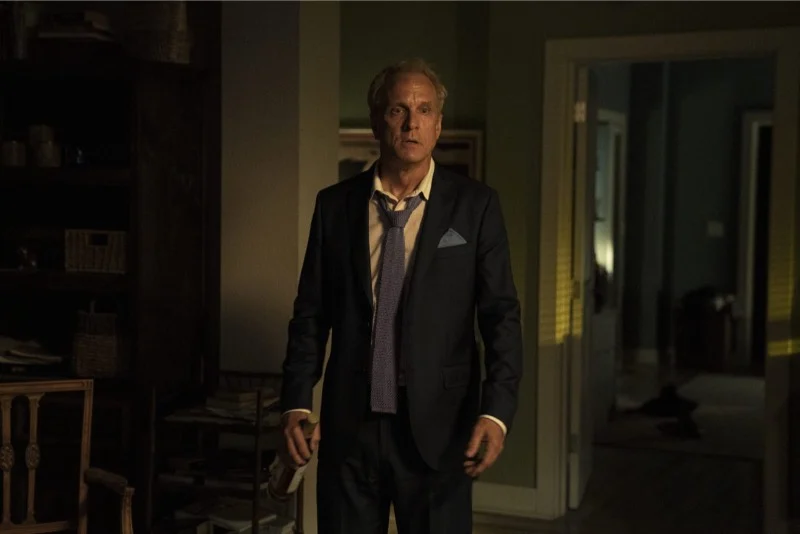
The scheme to push the Sandpiper case to settlement relied on damaging Howard Hamlin’s reputation through staged incidents that suggested drug use. The operation involved doctored photos, a planted substance, and a manipulated meeting with a mediator. The plan assumed a single day of confusion would move a certified class action toward an immediate resolution, even though large class cases usually follow formal valuation, notice, and approval steps before settlement is final.
The fallout shows a major firm accepting the insinuation without demanding independent testing or a fitness for duty evaluation. Corporate clients, malpractice carriers, and co-counsel are shown reacting within hours rather than using internal reviews. The rapid chain from a chaotic mediation to a definitive payout compresses multiple stages that courts normally schedule over weeks with written submissions and judicial oversight.
Perfect Sense: Jimmy’s path to cartel clients
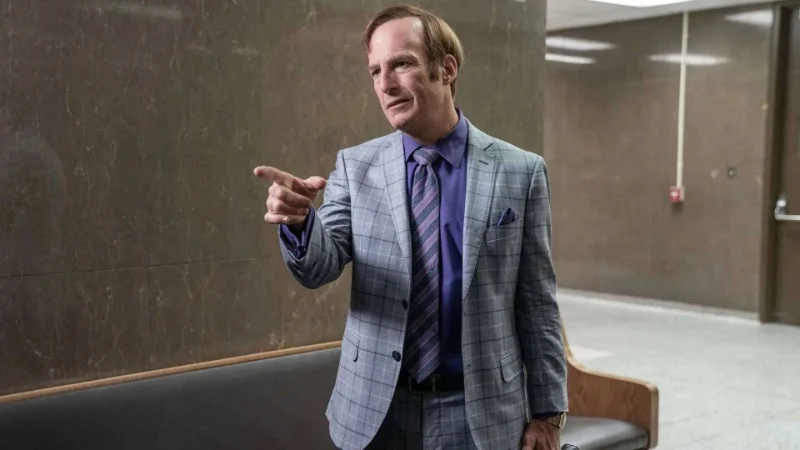
Jimmy’s marketing shift from elder law to criminal defense tracks with what the series shows about his client base and cash flow. The billboard stunt, late night TV ads, and courthouse hallway presence build a pipeline of low fee cases that create daily volume. The move to the Saul Goodman persona aligns with the need to signal quick results and discretion for defendants who pay in cash.
The series connects that pipeline to cartel referrals through bondsmen, street dealers, and the courthouse back corridors. The show details how one bail motion leads to introductions, then to emergency phone calls, and finally to direct retainers from figures tied to ‘Breaking Bad’. The steps are incremental and grounded in the way repeat players in a local criminal docket learn which lawyer answers the phone after midnight.
Zero Sense: Lalo’s easy border moves
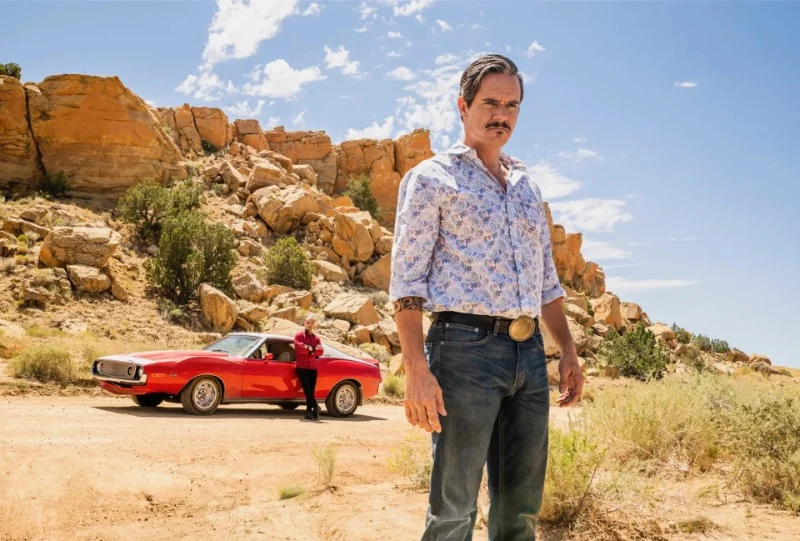
Lalo Salamanca travels between New Mexico and Mexico while facing active homicide scrutiny after the events at his compound. He uses the name Jorge de Guzmán and appears in court with that identity, then exits the country after posting bail. The show depicts limited coordination between agencies despite a serious violent crime and a known organized crime network.
After the assassination attempt at his home, he reenters the United States and operates near Albuquerque with minimal visible surveillance pressure. The absence of alerts at ports of entry, immigration holds, or cross checks on known associates is presented as a continuing gap. The timeline compresses investigative steps that would normally trigger alerts once a violent felony defendant flees and is linked to cartel activity.
Perfect Sense: Chuck’s bar case mechanics
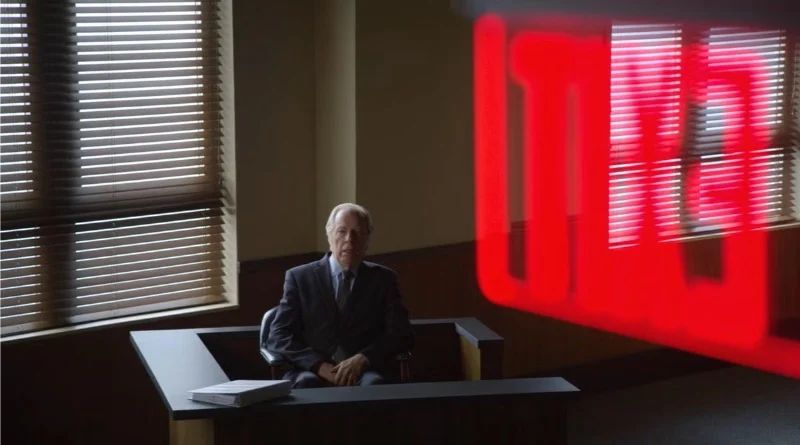
The disciplinary hearing against Jimmy uses a recorded admission about document tampering in the Mesa Verde matter. The show presents chain of custody for the tape, motion practice about admissibility, and the strategy to bait Jimmy into mishandling evidence during the hearing. These are recognizable moves within attorney discipline where intent and credibility weigh heavily.
The insurance angle also fits what the series shows about professional liability carriers. Chuck’s disclosure about increased risk raises premiums for the firm and pressures Howard to change their partnership structure. The sequence demonstrates how a carrier’s risk evaluation can drive internal law firm decisions when a partner’s condition and a misconduct allegation intersect.
Zero Sense: Practicing as Saul after discipline
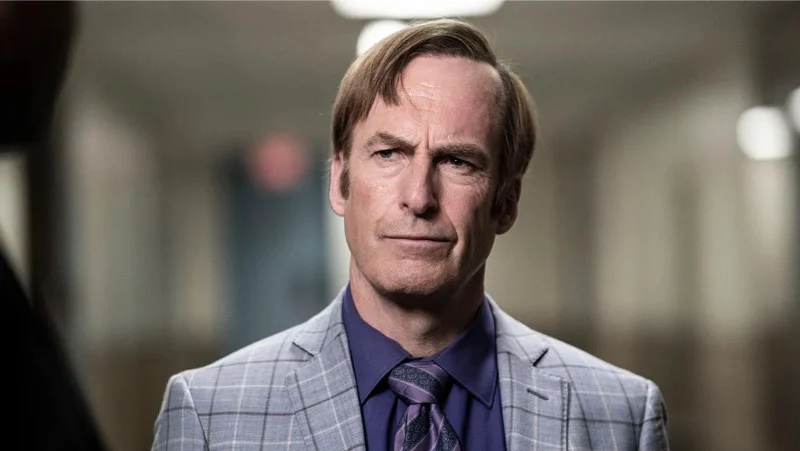
After suspension, Jimmy returns to practice under the Saul Goodman brand and quickly markets aggressive services. The show presents limited scrutiny from the bar on the new trade name and the high volume advertising that follows recent discipline. In many jurisdictions, lawyers must document trade names, ownership, and disclaimers with specificity, and recent sanctions often trigger closer review.
The timeline from reinstatement to heavy televised promotion appears immediate. The series shows minimal post reinstatement monitoring and no audits of client trust accounting while Saul expands to cash intensive defense and referral relationships. The speed and scale of the marketing rollout with a fresh persona occur without the compliance steps that bar regulators often require from recently sanctioned attorneys.
Perfect Sense: Building the superlab link
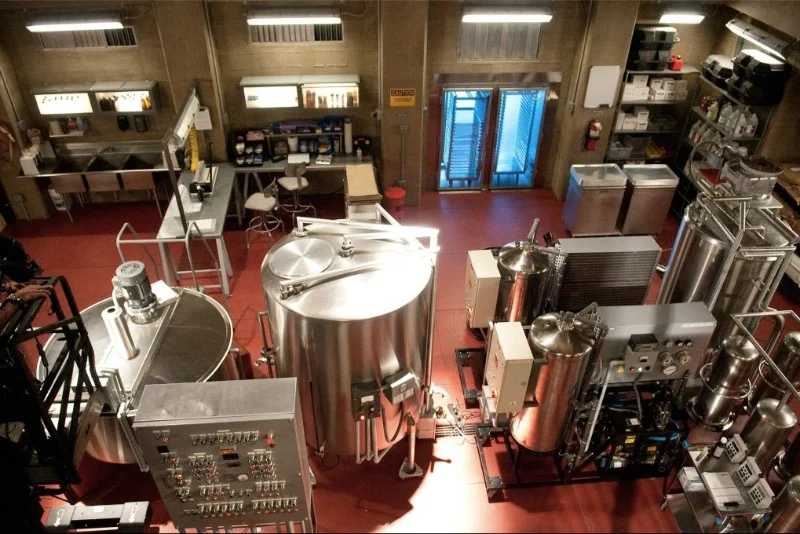
Gus Fring’s construction project under the laundry uses a crew led by Werner Ziegler, anonymous housing, and controlled transport. The show details site access protocols, confiscated phones, and strict schedules. Mike’s role includes countersurveillance, vetting, and controlled payments that match the methods later visible in ‘Breaking Bad’.
The handoff from the excavation phase to a sealed shell under the laundry explains how the facility exists fully formed in ‘Breaking Bad’. The show places the laundry, the dead drops, and the supply routes on screen and ties them to Gus’s restaurant front. The logistics and the spending pattern line up with a long term capital project that a cartel backed enterprise would hide inside a legitimate business.
Zero Sense: Gene’s risky Omaha heists
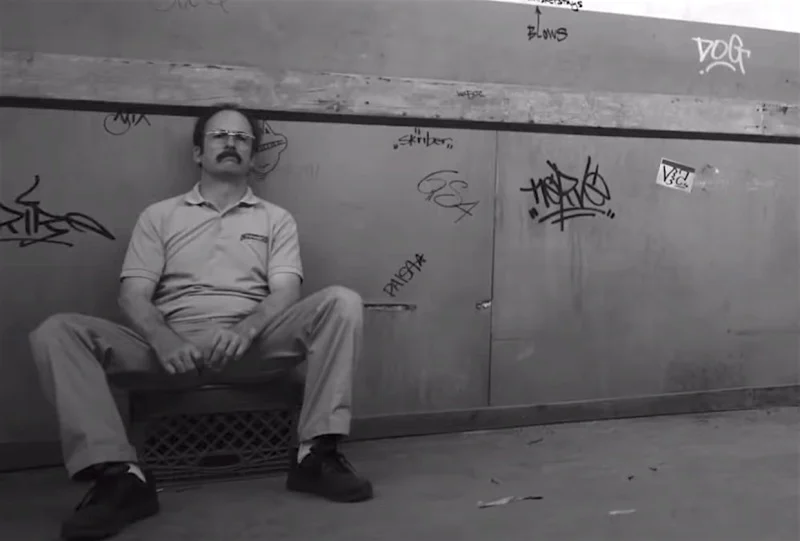
In the Omaha timeline, Gene targets a department store night guard, then escalates to identity theft against a man with a serious medical condition. The operation involves a long in home scouting session and collection of financial data. These actions increase exposure while Gene is already a fugitive who has been warned by the vacuum repair contact to remain invisible.
The plan also requires local accomplices with criminal records and creates a trail inside retail loss prevention systems. The use of multiple stolen identities and high dollar online orders is more likely to trigger bank fraud teams and federal attention. The risk profile shown on screen rises far above the low key routine that had protected Gene since he left Albuquerque.
Perfect Sense: Kim’s exit from the law
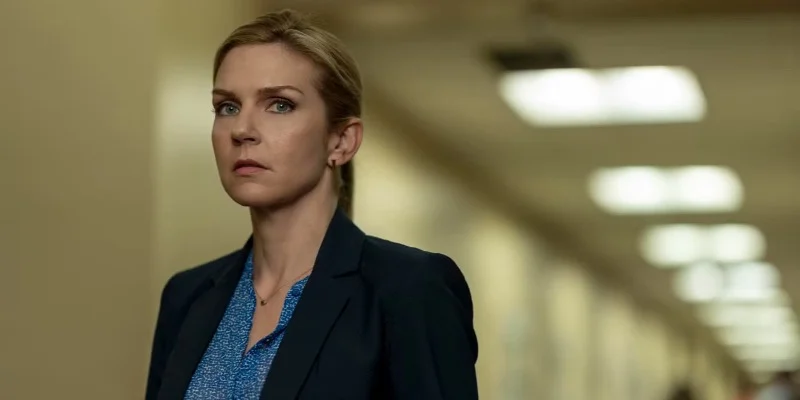
After Howard’s death, Kim withdraws from practice and steps away from her career. The series shows how an attorney facing potential civil exposure and professional duty concerns would minimize risk to clients and to the justice system by stopping active representation. Withdrawal protects current clients from conflicts and from a lawyer whose personal legal situation could impair judgment.
Her later affidavit in Florida aligns with how a witness can memorialize facts to address potential liability and to clarify her role. The narrative shows her seeking a pro bono setting far from prior clients and cartel contacts. The move reduces contact with former matters that could create new conflicts and keeps her outside the circle of people tied to the Sandpiper fallout.
Zero Sense: The desert shootout fallout
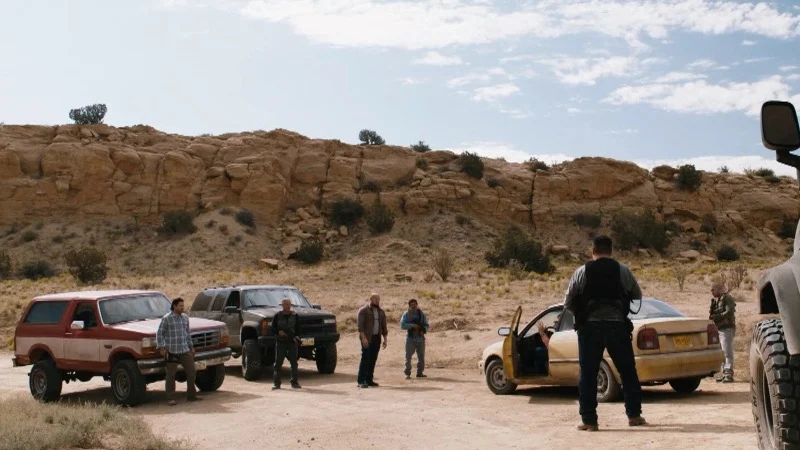
The ambush during the money pickup leaves burned vehicles and a large number of spent casings in a remote area. Jimmy and Mike traverse the desert with visible injuries and carry bags that were part of a major cartel transfer. The show presents no detailed follow up from local or federal agencies on ballistic evidence or missing currency flagged by financial surveillance.
Cartel money of that size often intersects with bank reporting and informant networks that would draw task force attention. The lack of canvas for witnesses, recovery of vehicles, or mention of coordinated searches leaves the incident isolated on screen. The quick return to normal court routines for Jimmy after such an event appears disconnected from how multi agency investigations usually proceed after a mass casualty shootout.
Perfect Sense: The final plea and sentence
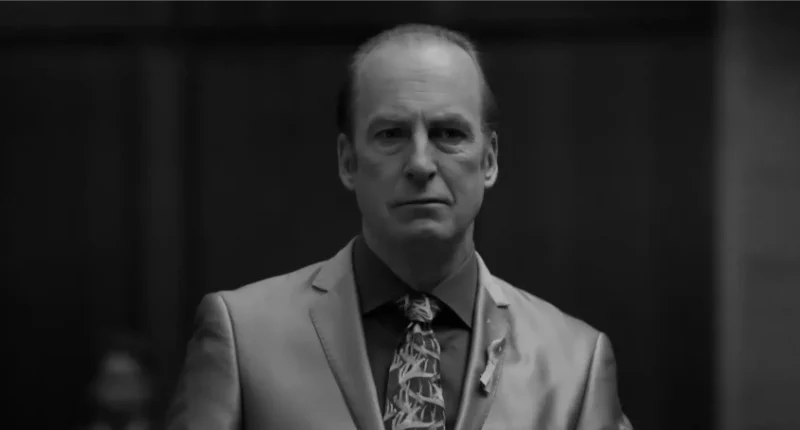
Saul negotiates a favorable plea by leveraging his knowledge of larger cases tied to ‘Breaking Bad’. The series shows him stacking concessions across multiple federal counts with a proposed term that is unusually low for the charged conduct. In the final hearing, he reverses course and provides a full account that removes the basis for the lenient deal.
Once he allocutes to broader responsibility, the court imposes a sentence that reflects the true scope of the offenses, including money laundering and conspiracy tied to violent outcomes. The change in his statement allows the judge to disregard the earlier agreement. The result places him in federal custody for a term that aligns with the cumulative penalties shown across the timeline of both series.
Share your own picks from ‘Better Call Saul’ in the comments and tell everyone which moments you would add to each side.