


5 Things About ‘Black Mirror’ That Made Zero Sense and 5 Things About It That Made Perfect Sense

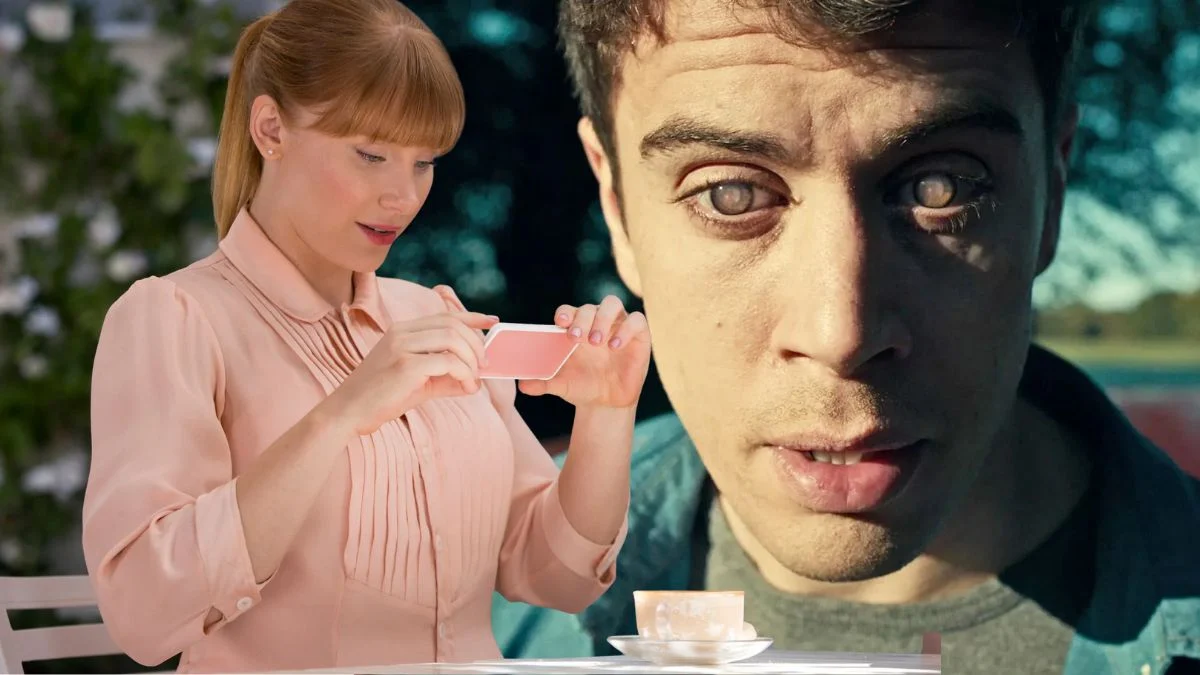


‘Black Mirror’ loves to push technology to its breaking point, and that is part of why it sticks in people’s heads. Some ideas feel like they could be rolled out tomorrow with tools that already exist, while others leap past what biology, law, or logistics can realistically support.
Here are ten clear cases from across the anthology. Each point focuses on how the tech would actually work in practice or fail under basic constraints, using concrete details from the world we live in and the way systems are built today.
Zero Sense: DNA makes a perfect digital clone
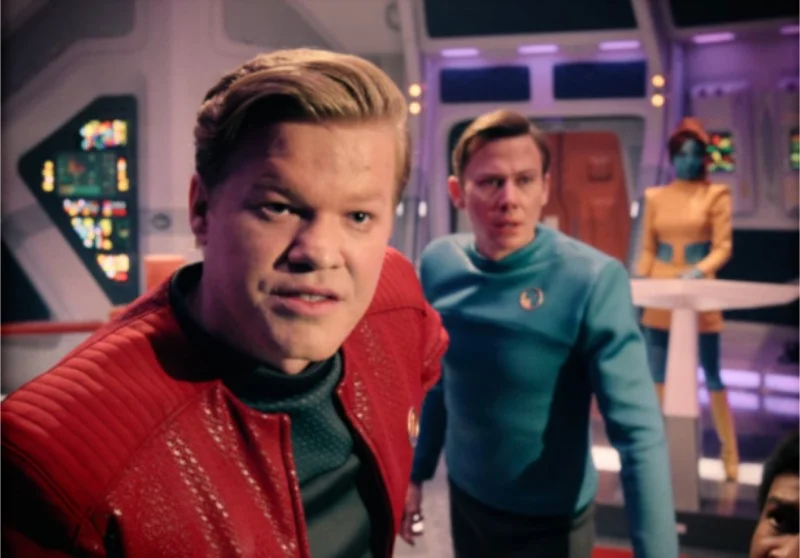
In ‘USS Callister’ a strand of hair yields a copy with full memories, personality, and lived experiences. A genome encodes biological traits and the recipe for building a brain, not a record of memories or the wiring that forms over a lifetime. Memory lives in changing synapses and neural activity, which DNA does not capture.
To reconstruct a mind with memories you would need high resolution brain data or long term behavioral traces that reveal preferences and history. A coffee cup or a lollipop could not supply the information density required to recover episodic memory, learned skills, or private knowledge.
Perfect Sense: Chat logs can train a convincing replica
In ‘Be Right Back’ a service builds a digital companion from messages, posts, and recordings. Text archives contain a person’s vocabulary, common turns of phrase, and reply timing, which are all signals modern language models use to mimic style and topic choices. With enough samples, a bot can produce writing that feels consistent with a user’s past messages.
Voice cloning systems can learn speech patterns from short clips and synthesize audio that matches pitch and cadence closely. Add a library of photos and videos and the result can power an avatar that looks and sounds familiar, even if it lacks genuine memory and real emotional understanding.
Zero Sense: One score controls flights, housing, and jobs overnight
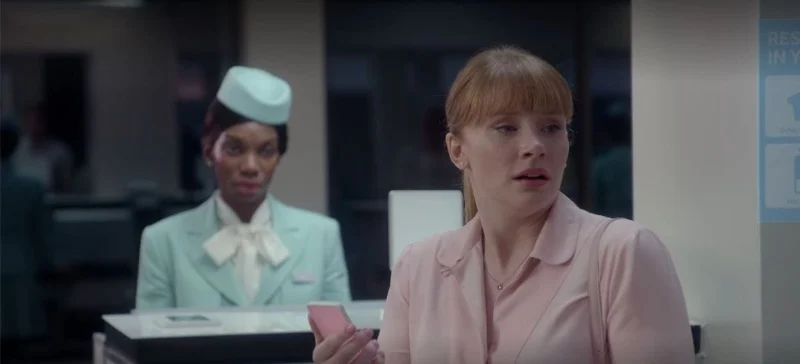
‘Nosedive’ shows a single reputation number that every airline, landlord, and employer accepts instantly. A cross sector identity layer would require verified accounts, standard data formats, shared risk policies, and legal agreements for data exchange among many industries. Those layers take years to design, test, and certify, and they break whenever one major player refuses to participate.
Real time enforcement at gates and counters also needs robust fraud checks, clear dispute channels, and safeguards for bias and error. Companies face liability for adverse decisions based on external scores, which creates strong incentives to keep internal criteria and avoid full dependence on a universal rating.
Perfect Sense: Ratings already shape access and price

The world already runs on scores and reviews in smaller silos. Rides, room bookings, marketplace sales, and even restaurant bookings rely on two way ratings that raise or lower visibility, fees, and acceptance. Customer histories influence credit limits and risk checks that change the experience at checkout.
Recommendation systems push well rated accounts and demote those flagged for policy issues. The combined effect changes who gets offers, who waits longer, and who pays more. It is not a single number across life, but the practical outcome still looks like a reputation dragnet that follows you between familiar services.
Zero Sense: Memory implants spread with no trials or safeguards
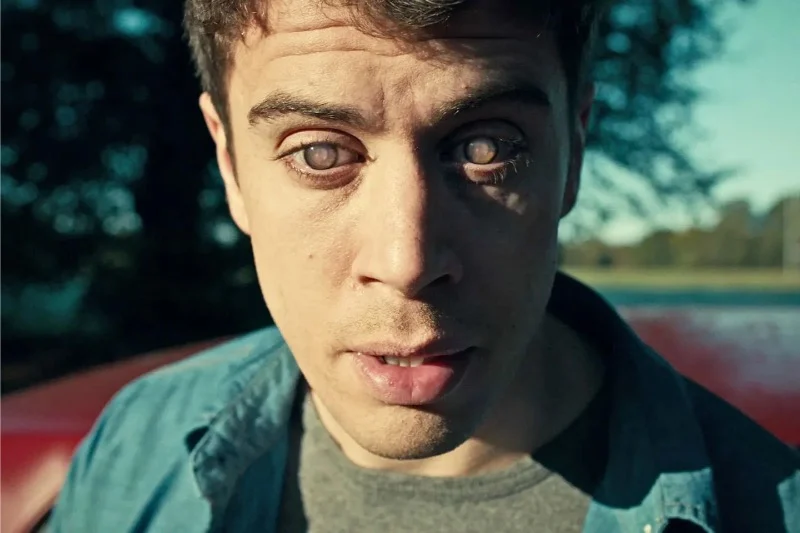
In ‘The Entire History of You’ near universal adoption of memory grains is shown among healthy adults with few barriers. Any invasive neural device needs extensive preclinical work, staged human trials, and long surveillance for adverse events before broad use. Brain surgery carries infection and rejection risks, and implant longevity and removal procedures must be proven in controlled settings first.
The show also presents wireless playback to nearby screens without authentication. Real systems require secure pairing, encryption, and access controls to prevent interception or injection. A product that streams intimate footage without visible permissions would fail basic security reviews and likely violate privacy laws in more than one jurisdiction.
Perfect Sense: Lifelogging is already here without implants
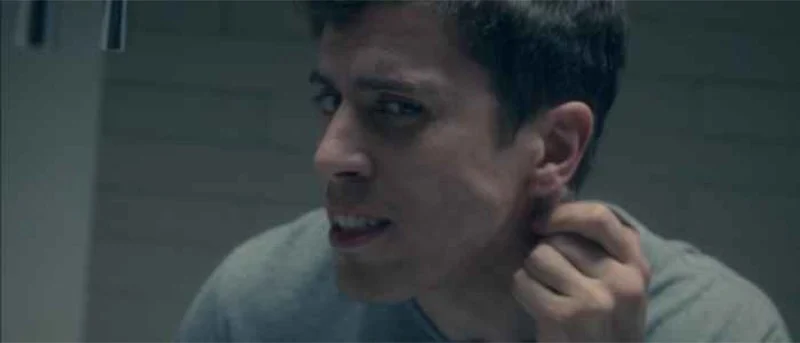
Continuous capture does not need a chip when phones, action cameras, and smart glasses record video, audio, and location with high fidelity. People already store travel paths, conversations, and photos that can be searched by time and place, which makes reconstruction of an evening or a meeting straightforward when the files are organized well.
Home devices and car dash cams add multi angle coverage that fills gaps in memory. Cloud backups keep the data available across devices, and face and object recognition make specific moments easy to find. The social and legal consequences seen in the episode follow naturally once recordings exist and can be replayed on demand.
Zero Sense: A punishment park runs daily without legal collapse
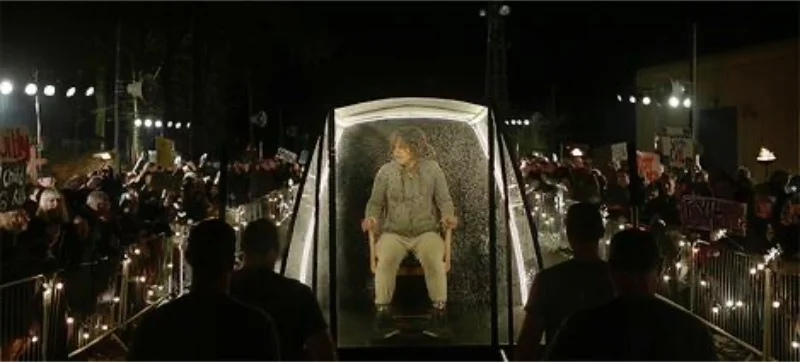
‘White Bear’ depicts a spectacle of punishment that resets memory and invites crowds to participate. Modern justice systems require due process, proportionality, and protections against degrading treatment, which a public theater of harm would breach immediately. Medical procedures to wipe or alter memory introduce further consent and safety issues that would not withstand basic review.
Operating such a venue would create safety and insurance exposure on every front. Injuries to participants, staff misconduct, and evidence mishandling would trigger investigations and shutdowns. The infrastructure needed to rebuild the set every day and to control thousands of visitors would overwhelm any plausible budget or oversight plan.
Perfect Sense: Platforms hold data police often need
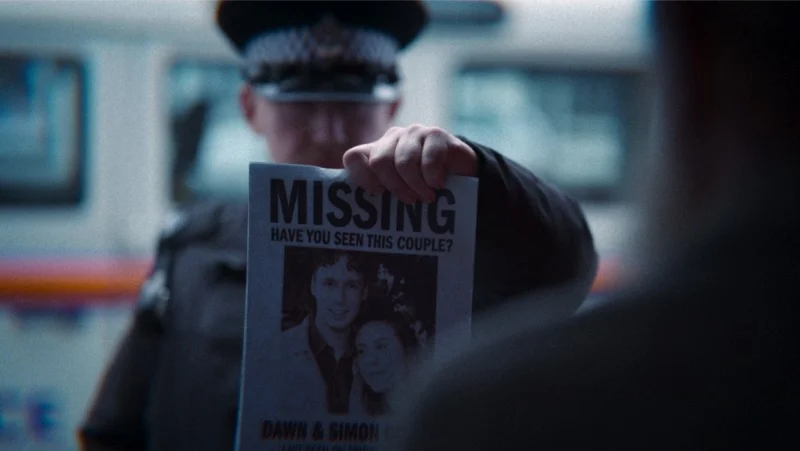
In ‘Smithereens’ investigators turn to a social platform to locate a suspect, and the company can narrow the search quickly. Large platforms log sign ins, device fingerprints, IP addresses, and location hints that can help identify a user or place a phone near a road at a specific time. Many companies maintain emergency request channels that respond faster when life is at risk and normal legal processes would take too long.
The episode also centers on notification pressure and compulsive checking during a drive. Phone use while moving is a known crash factor, which is why many regions enforce hands free rules and why operating systems now include driving modes that silence alerts. The chain from attention capture to unsafe behavior is a direct and observable link.
Zero Sense: Mass blackmail runs flawlessly across devices and cities

‘Shut Up and Dance’ portrays a criminal network that records webcams, tracks phones, and orchestrates complex tasks for many victims at once. Modern systems signal camera use with lights and permission prompts, and silently bypassing those protections across diverse hardware would require multiple rare exploits that are hard to acquire and keep secret.
At scale the operation would face coordination costs that grow quickly. Different carriers, time zones, and urban layouts introduce friction that generates missed rendezvous and police exposure. Criminal groups tend to automate money theft and data resale instead of micromanaging dozens of risky in person errands on a tight schedule.
Perfect Sense: Terms can let a service dramatize your life

‘Joan Is Awful’ leans on broad content licenses that users accept when they sign up. Many services ask for rights to store, adapt, and create derivative works from uploads, and those clauses can cover training and output of generative systems that build new media from user data. People rarely read the full contract, yet the grant can still be enforceable.
Generative models can already produce video that matches a prompt and a reference style, while synthetic voices and faces can be controlled by text. A daily stream that mirrors every event would strain cost and compute, but scheduled episodes that remix recent activity are well within the reach of a large platform with access to user files and a production pipeline.
Share your picks in the comments about what in ‘Black Mirror’ felt like Zero Sense and what made Perfect Sense.