


5 Things About ‘Captain America: Brave New World’ That Made Zero Sense and 5 Things About It That Made Perfect Sense

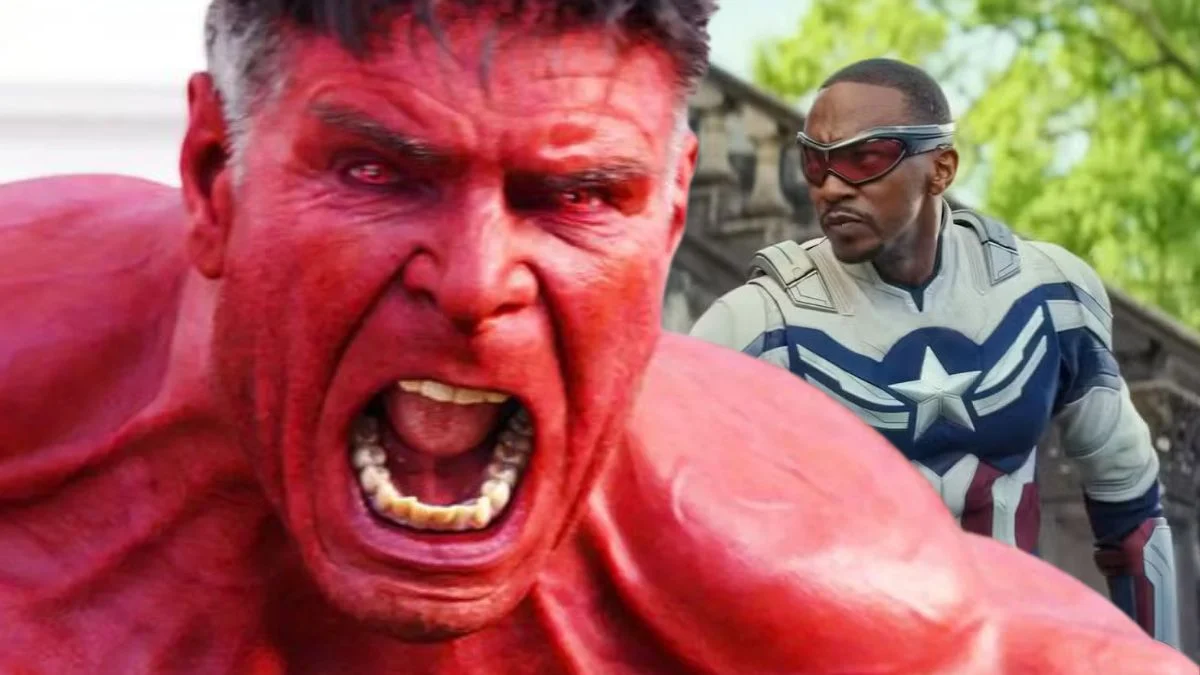


‘Captain America: Brave New World’ brings Sam Wilson fully into the role while pulling threads from earlier stories in ways that connect to the wider saga. It mixes grounded action with government intrigue and returning faces, which means there are lots of moving parts that tie into earlier events and technology across the series.
That also means some details line up neatly with what came before while others raise eyebrows when set against established rules, timelines, and real world procedures. Here are five things that do not add up cleanly and five choices that track with character histories, on screen tech, and prior political fallout across the story universe.
Zero Sense: Elastic Shield Physics
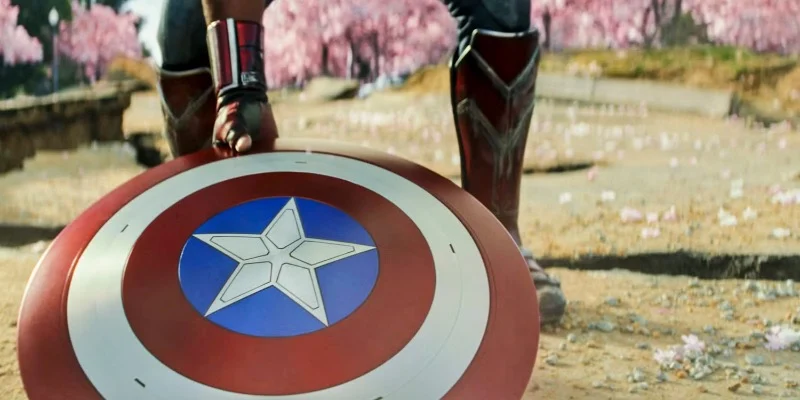
Vibranium is shown across films to absorb and redistribute kinetic energy, with the shield bouncing in predictable arcs in ‘Captain America: The Winter Soldier’ and retaining momentum when struck in ‘Avengers: Endgame’. In several sequences here, the shield completes long multi angle returns after glancing hits without a clear energy input from Sam’s suit or a visible change in edge angle, which complicates the previously consistent ricochet logic. The film also shows mid air course corrections that appear to occur after the final impact rather than during flight, which is not supported by earlier depictions of the shield’s behavior.
Sam’s upgraded flight pack can add thrust and torque, yet the moments in question are staged when the pack is either idle or oriented away from the spin axis. Earlier entries communicate when the shield gets magnetically caught or redirected by tech, as seen with Stark hardware in ‘Spider Man: Homecoming’, while those visual cues are not present here. Without on screen actuators or magnetics attached to the rim, the returning path shown in a few beats does not match the toolset demonstrated in prior stories.
Perfect Sense: Human Scale Tactics

Sam operates without a super soldier serum, and his combat style in ‘The Falcon and the Winter Soldier’ relies on air superiority, gadgets, and coordinated support rather than brute force. The film continues that model with layered entries that pair vertical positioning, drone scouting, and staged distractions that create openings for takedowns. This fits training shown in earlier scenes across the series, where Sam uses timing and terrain knowledge to offset strength gaps.
Mission layouts also mirror real flight doctrine that favors observation before engagement. The film shows Sam establishing comms, identifying choke points, and using short controlled bursts from the wings to reposition. That approach aligns with his rescue first priorities established earlier, where extraction and civilian safety are put ahead of pursuit.
Zero Sense: Federal Security Gaps

Events set in and around executive sites are staged with limited perimeter layers even during elevated threat conditions. Publicly available outlines of protective posture describe multiple concentric cordons, layered access credentials, air defense identification, and hardened routing for motorcades. The film often displays single gate points and minimal secondary screening, which understates the redundancy expected for those locations.
The same sequences depict open roof access and nearby unsealed vantage points during active alerts. Prior entries have shown quick lockdowns and rapid rerouting when high value officials are at risk. Here, response units arrive after extended action beats without the staged road closures, drone sweeps, or counter sniper coverage that are standard in comparable portrayals within the series.
Perfect Sense: Post Blip Governance Fallout
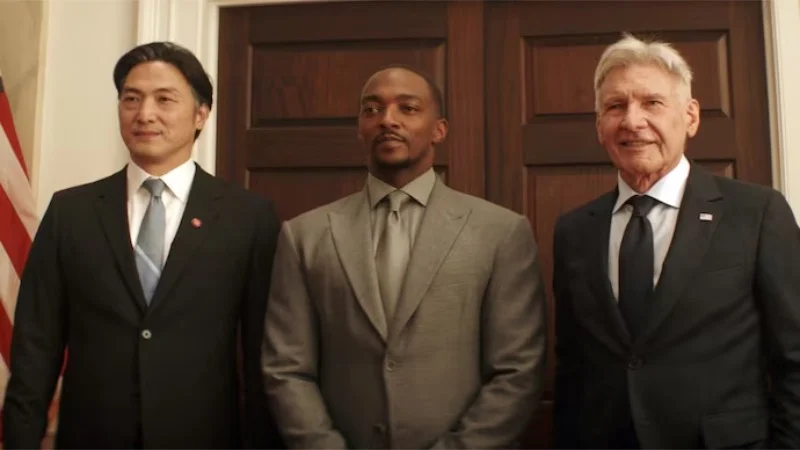
‘The Falcon and the Winter Soldier’ introduced rapid policy swings after mass returns, along with the Global Repatriation Council and disputes over borders and aid. The film reflects that climate by showing contested bills, emergency authorities, and public friction over security versus civil liberties. That continuation connects to prior hearings and press briefings seen across related stories, where leaders try to restore legitimacy while facing unrest.
It also maps cleanly to the way agencies in the series struggle with jurisdiction after earlier crises. Interagency overlap and privatized security assets are shown competing for control of events, which echoes turf battles seen in ‘Captain America: Civil War’ and later projects. The film’s paperwork, chain of command discussion, and televised narratives follow those threads.
Zero Sense: Antagonist Timelines

Key antagonistic actions depend on perfect simultaneity across distant sites with limited rehearsal and shifting variables. The story presents complex hacks and synchronized insertions that require exact signal timings while the team is still reacting to new intel. Prior entries that feature similar operations usually show seed access, dry runs, or insider tools that make timing plausible, which are not fully documented on screen here.
Travel windows in the same stretch compress to minutes despite urban traffic and controlled zones. In earlier films, comparable cross city hops are shown with cutaways to staging, refueling, or handoffs that lend credibility. The absence of those buffers makes the schedule look tighter than the infrastructure and oversight would allow.
Perfect Sense: Legacy And Symbol Work

Sam’s public position is rooted in earlier debates about what the shield means and who gets to define it, which ‘The Falcon and the Winter Soldier’ explored through veterans, communities, and media. The film builds on that by showing outreach, ceremonies, and quiet meetings that address service records and historical omissions, including figures whose contributions were buried. That follows the thread of acknowledging prior harm while updating the role’s meaning.
Uniform updates and insignia placement underscore that continuity. The design keeps visibility for flight safety while leaning into colors and geometry connected to earlier iconography. That balance of function and symbol aligns with how the series treats uniforms as working gear first and messaging second, which fits Sam’s approach.
Zero Sense: Injury Recovery Windows

Several characters sustain impacts and falls that exceed what non enhanced bodies have previously endured without advanced treatment. In earlier chapters, comparable trauma leads to hospital time, braces, or visible recovery aids. Here, characters return to full motion within hours, with only minor field dressings, which does not reflect the rehabilitation timelines shown for non powered allies across the saga.
Medical tech in the world ranges from Stark med pods to Wakandan advances, yet the scenes do not show the devices or personnel that would justify rapid recovery. Where prior films place triage teams, biometric scans, and stabilization before redeployment, the film often jumps from injury to renewed combat with no documented intervention.
Perfect Sense: Tech Stack Evolution

Sam’s wing rig and Redwing platform have been iterated across appearances, with improved thrust vectoring, better fold geometry, and modular mounts. The film shows incremental changes rather than a total reset, including cleaner transition between gliding and hover, and attachment points for mission specific payloads. That tracks with how upgrades usually appear in the series, where function gains come in measured steps.
Sensor fusion is presented through clearer HUD overlays that combine thermal, visual, and acoustic cues, which follows trends introduced in earlier entries. The data is displayed in layers that reduce clutter and call out threats with simple shapes and ranges, which is consistent with prior human factors choices used in flight UIs across the story world.
Zero Sense: Comms And Encryption Shortcuts

Opposing forces intercept secure channels moments after first contact without prior key exposure. Earlier films show man in the middle attacks, stolen credentials, or compromised hardware when eavesdropping occurs at that speed. Here, the interception appears instantaneous without setup, which leaves the method undocumented on screen.
The same stretch includes a full system lockdown that restores within seconds across multiple agencies. Prior depictions of recovery after network wide hits include staged restarts, manual overrides, and on site technicians. The rapid return to normal function without those steps runs against the more process based network operations shown before.
Perfect Sense: Rescue First Mission Design

Sam’s history centers on extraction, de escalation, and limiting collateral damage, which frames many of his choices in this story. The film shows corridor clearing, corridor marking, and room to room checks that prioritize civilians, along with controlled pursuit that hands suspects to local authorities when possible. That approach mirrors his work with veterans and support groups seen earlier, where people come before headlines.
The finale stages layered evacuation routes and redundant lifts rather than a single path, which reflects disaster planning seen in prior installments. Crowd control, triage zones, and clear signage appear in wide shots, matching earlier depictions of coordinated response when cities are under strain. Those details maintain consistency with the character’s training and values.
Share the moment that worked best for you and the bit that did not in the comments so everyone can compare notes.