


5 Things About ‘Casino’ That Made Zero Sense and 5 Things About It That Made Perfect Sense

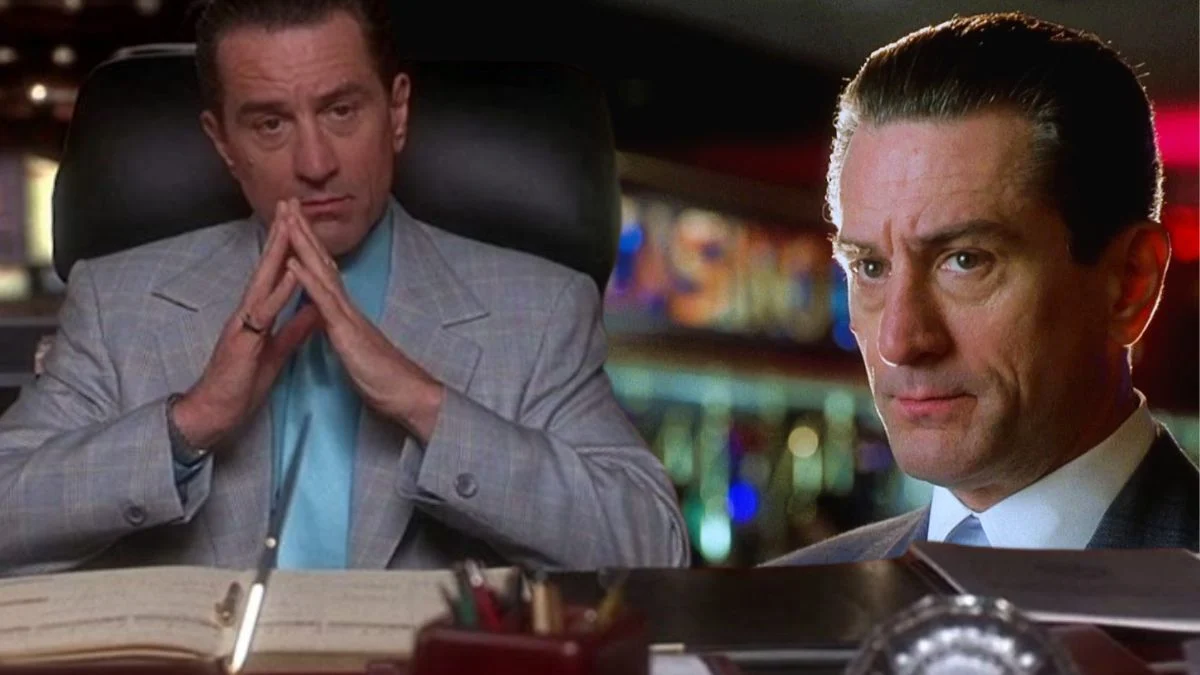


‘Casino’ tells the story of Sam Rothstein running the Tangiers while mob interests pull strings from the Midwest. It lays out casino operations, cash flow, and power structures with a focus on procedures, surveillance, and enforcement. The film presents specific methods used to manage games, move money, and maintain control inside a high volume cash business.
The story is built from real figures and events with names changed, including Sam based on Frank Rosenthal and Nicky based on Anthony Spilotro. It explains how the skim worked, how loans reached Las Vegas through union funds, and how regulators documented violations. Along the way it also shows choices and coincidences that raise questions when compared with the procedures it carefully outlines.
Zero Sense: TV host while unlicensed
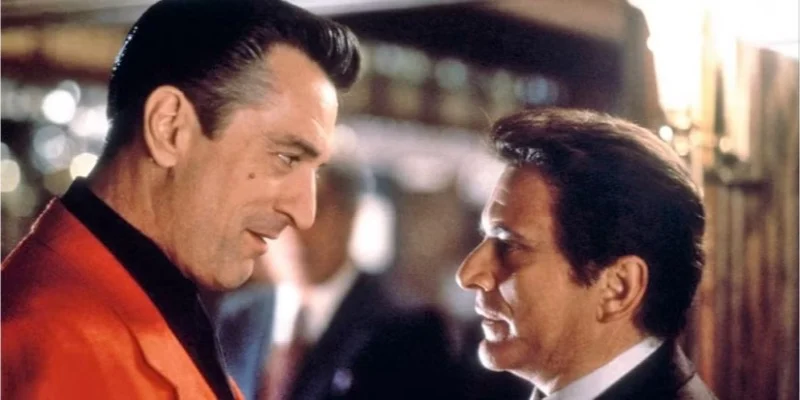
The film shows Sam denied a gaming license yet continuing to act as the de facto boss of the Tangiers under a food and beverage title. He then hosts a television segment that criticizes local officials and gaming authorities and he promotes the casino on the air. The broadcasts are portrayed as regular programming in the market with production crews and an audience.
Nevada regulators in the story collect files and hearing transcripts on Sam and they treat on camera statements as part of the record. The same scenes show him managing floor decisions, hiring, and surveillance policy without the license he sought. The public show and the active management are presented together which heightens the documentation against him inside the narrative.
Perfect Sense: How the skim actually moves
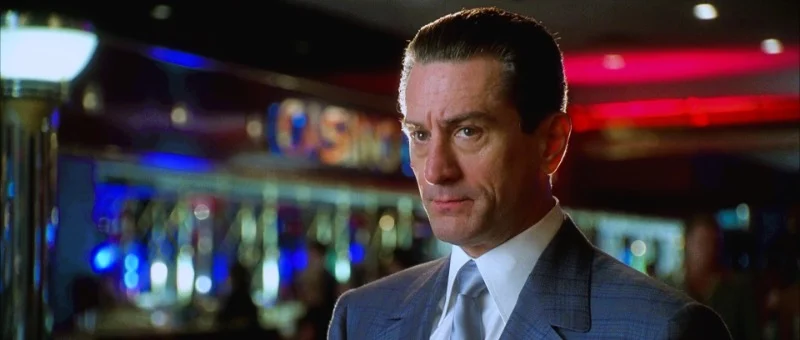
The movie details how cash leaves the floor before it can be counted and recorded. It walks through the drop, the count room, and the unrecorded pull that never reaches the books. Couriers then carry the bundles to trusted intermediaries for pickup by the bosses out of state.
The count room is shown with controlled entry, mirrored stations, and steady stacks of currency. The skim takes place before any state reporting kicks in. The story shows how this prevents tax and oversight systems from ever seeing the diverted money and how the delivery chain keeps names of high level recipients away from the casino’s official paperwork.
Zero Sense: Nicky stays visible under constant watch
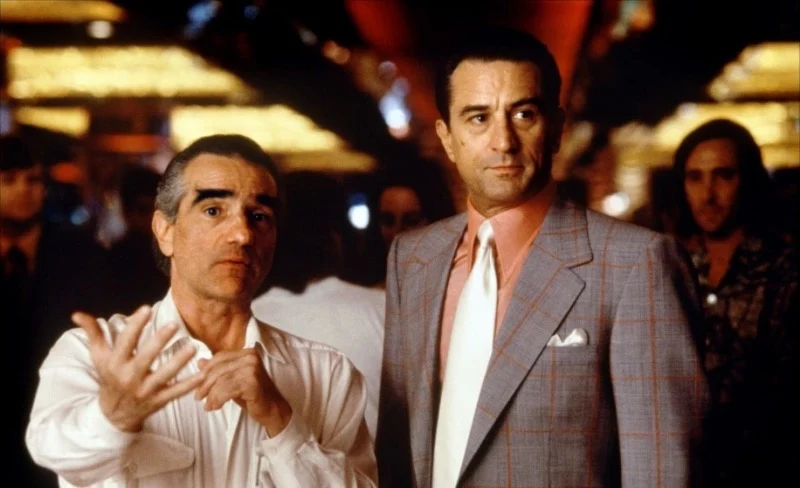
Nicky is barred from casinos in Las Vegas yet remains in town and sets up a front business while building a crew. The film includes scenes of street robberies, beatings, and shakedowns tied to his network along with a jewelry store base that becomes a meeting point.
Agents and detectives in the story track him with photos, bugs, and tail cars while casino security passes along names and incidents. The same montage shows him returning to public spots repeatedly, which increases attention on the Tangiers and on out of state contacts tied to the skim. The continued visibility sits beside continuous surveillance within the plot.
Perfect Sense: Front men and job titles
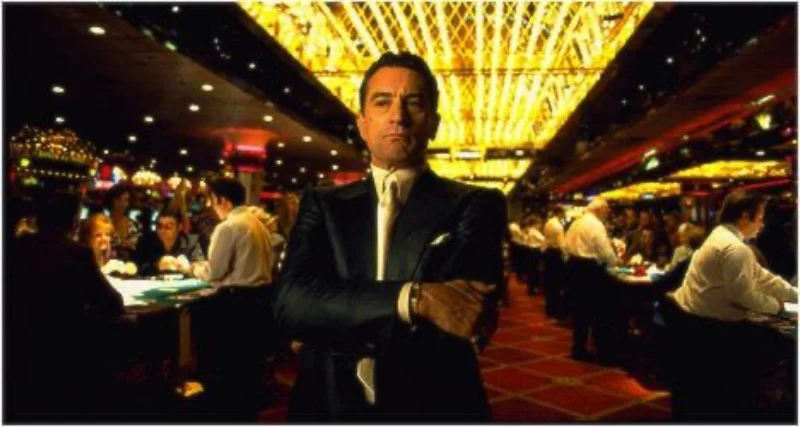
The Tangiers uses clean faced front men to present acceptable ownership and management to the state while real control sits elsewhere. The film shows corporate layers and filings that satisfy licensing on paper while decisions are routed through trusted insiders.
Sam works under a food and beverage designation that lets him direct games and staffing while avoiding the formal title that regulators target. Board meetings, memos, and interviews in the story demonstrate how a legitimate structure can provide cover for day to day control without placing the real decision maker in a licensed seat.
Zero Sense: Ginger moves the child past layers of security
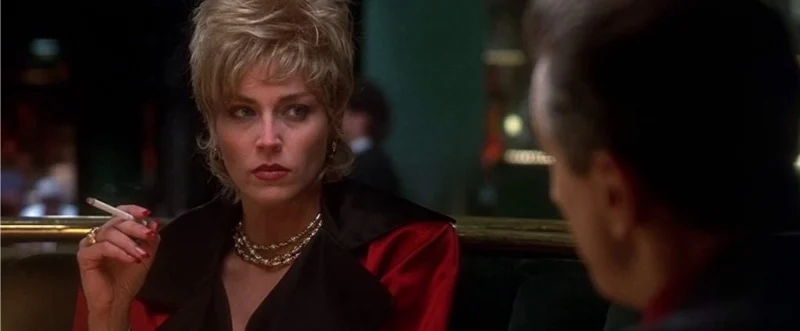
Ginger repeatedly withdraws cash from Sam and maintains contact with Lester while drivers and guards appear throughout the family’s routine. Later she picks up their daughter and attempts to leave despite the home and hotel scenes showing controlled access and staff positioned to prevent exactly that outcome.
The same sequences establish that Sam uses bodyguards, surveillance, and scheduled car movements. Ginger still manages to create a window that bypasses the people meant to watch the residence and the child. The events place a successful removal of the child next to an earlier portrayal of strict protocols inside the household.
Perfect Sense: Teamsters pension money as a funding pipeline
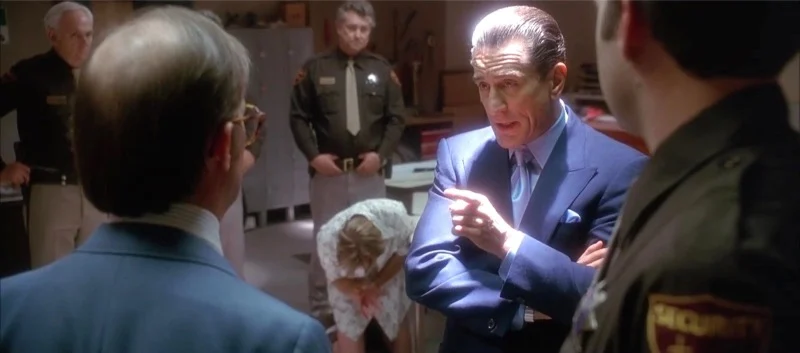
The story explains how casino projects receive financing through loans from a union pension fund. The bosses approve loans by influencing trustees and intermediaries who sign off on distributions that move from the fund to construction and operations.
The explanation connects the loan approvals to the ongoing skim by showing how payments and favors return to the same decision makers. Meetings in back rooms and restaurants lay out which signatures are needed and how a small group can clear large sums while keeping their names away from the casino’s daily ledgers.
Zero Sense: A slot dispute triggers a broad power fight
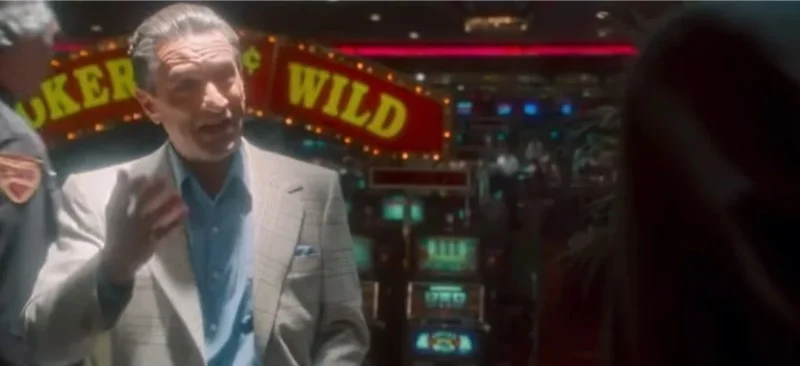
A scene shows three jackpots from a single player on the same bank of machines and Sam fires the slot manager for missing a cheating pattern. The manager’s relation to a county official becomes the motive for pressure on Sam to reverse the decision, which begins a series of hearings and sanctions that reach his signage and license status.
The chain of events ties a personnel decision to a political backlash that affects the operation of the entire property. The film then links that backlash to hearings where prior incidents and conduct are read into the record. The escalation folds a specific pit issue into a wider battle that affects the skim and the Midwest chain of command.
Perfect Sense: How investigators build cases
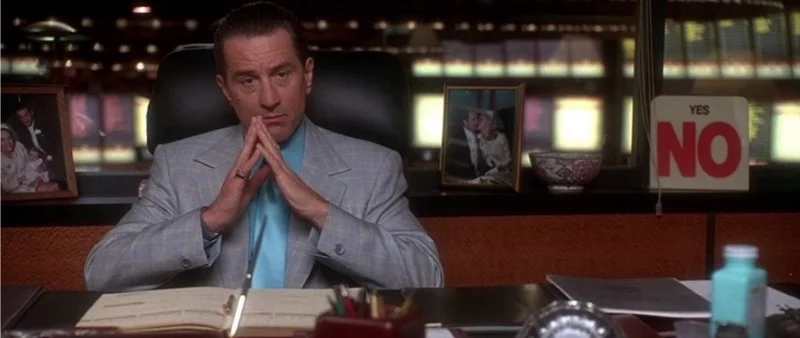
The movie shows agents planting microphones in back rooms, recording phone calls, and tailing suspects across airports, restaurants, and hotel suites. Conversations are captured in vehicles and over meals where participants assume privacy.
Transcripts, photographs, and recorded names are then assembled into timelines that connect Las Vegas incidents to out of state meetings. The case building uses cross checked dates, room numbers, and repeated voices to link casino decisions to mob families. The story shows how cumulative pieces of surveillance create leverage even when a single recording is not enough on its own.
Zero Sense: The bombing outcome hinges on a single car detail
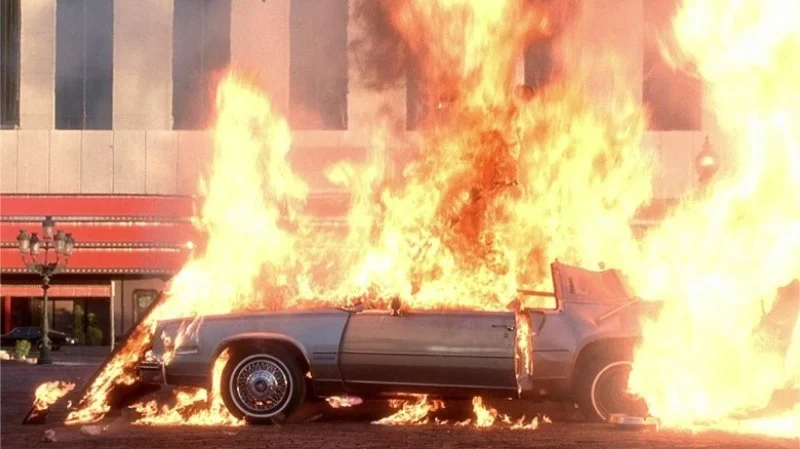
A bomb detonates under Sam’s car and he survives because of a reinforced metal plate under the driver’s seat. The blast flips the vehicle and burns the interior while leaving him alive with injuries.
The narrative attributes his survival to that plate and presents it as the decisive element that redirects the force of the explosion. The sequence places a highly specific vehicle feature at the center of a major turning point and ties the aftermath to renewed scrutiny from law enforcement and the Midwest bosses.
Perfect Sense: The shift from mob joints to corporations

The closing stretch shows older casinos imploded and replaced by large themed properties run by public companies. It describes a change from cash heavy rooms to corporate accounting and compliance with shareholder oversight.
The film places Sam back in a suit at a sportsbook while explaining that executives and analysts now fill the roles once held by outfit lieutenants. The narration presents a city where paperwork, audited results, and marketing departments replace the informal systems that once moved envelopes through the count room.
Share your take on which parts of ‘Casino’ seemed airtight and which parts raised questions in the comments.