

5 Things About ‘Dragon Ball Z’ That Made Zero Sense and 5 Things About It That Made Perfect Sense

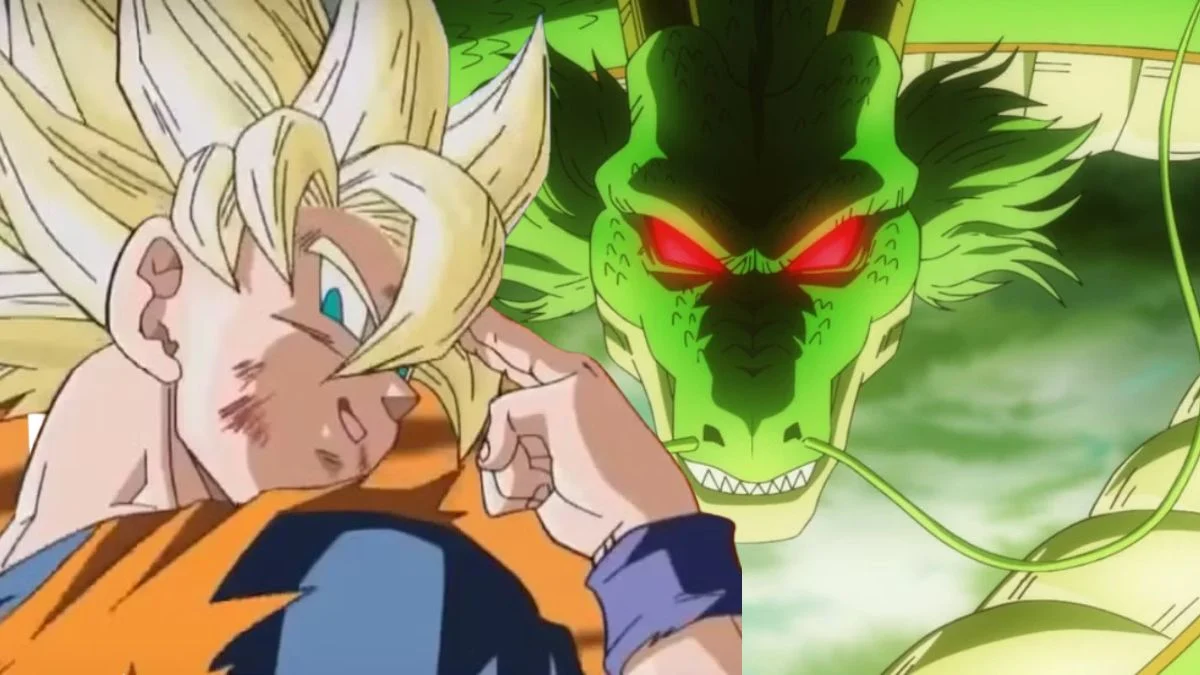


‘Dragon Ball Z’ builds a huge universe of rules around ki, combat growth, and wish granting, then keeps raising the stakes with new ideas. Along the way it sets up systems that sometimes look airtight and sometimes wobble when the story needs a faster path forward. That mix is part of what makes the series so memorable.
Here are five head scratchers and five rock solid explanations that live right inside the text of the show. Each point sticks to what is shown or stated on screen, with clear examples from the Saiyan, Namek, Android and Majin arcs.
Zero Sense: Power levels vanish after driving early story beats
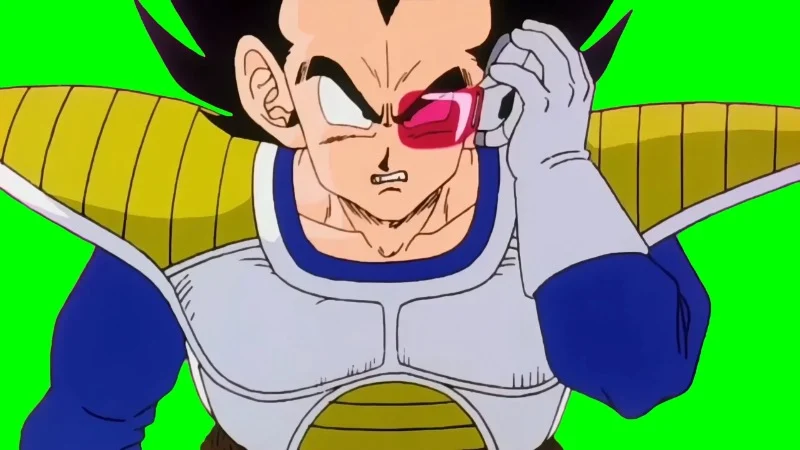
Early episodes lean on scouters that output precise numbers for fighters, with Raditz, Nappa, and the Ginyu Force all reading and comparing figures. Battles hinge on those readings, and entire strategies rely on the devices, including surprise over suppressed ki and sudden jumps during Kaio Ken.
As the series moves beyond Namek, numeric readings stop appearing while fights still escalate. Enemies from the Android arc onward never use numbers to measure threats even when they come from science heavy backgrounds, which leaves an on screen system introduced as vital without a clear exit moment.
Perfect Sense: Ki sensing and suppression make scouters obsolete
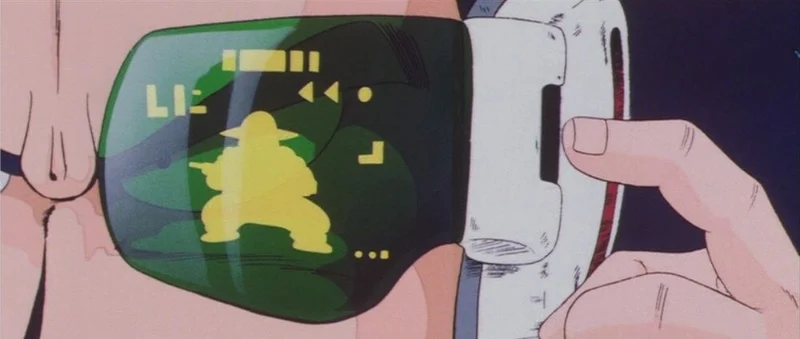
Z Fighters learn to sense ki directly, then suppress or flare it at will, which removes the value of a device that only reads what a fighter is broadcasting. Vegeta and others comment on the ability to hide a true level, and scouters even fail or break when sudden spikes occur, which is a clear limit on the tool.
By the time the Android arc begins, human and Saiyan fighters read each other and mask themselves without gear. That skill set explains the drop in numeric readouts, since trained sensing is faster, cannot be jammed by suppression in the same way, and does not alert an opponent with beeps or chatter.
Zero Sense: Resurrection limits change from arc to arc
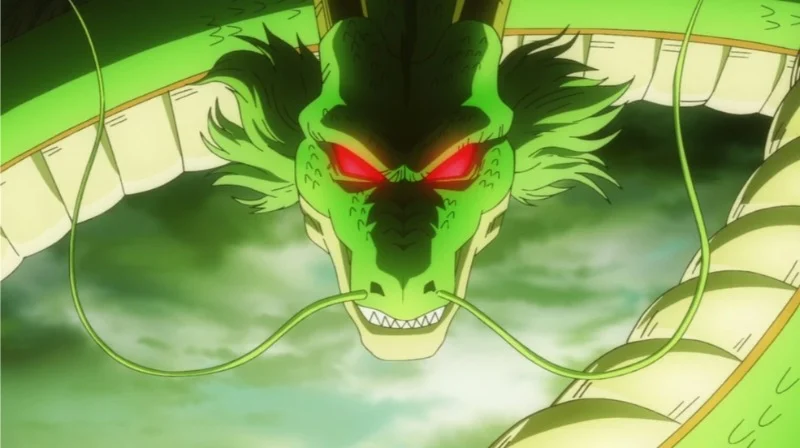
The Earth Dragon Balls first revive only one person at a time and a person only once, which drives the plan to use Namek’s set for mass revival after the Saiyan fight. The Namekian dragon works differently and can bring back many people across separate wishes, which creates different playbooks across arcs.
Later, after the Guardian of Earth changes, the Earth set gains new abilities that lift earlier limits, including mass revival for groups and repeat revival for individuals. The same stones on the same planet suddenly solve problems they could not handle before with no matching effort shown to balance the cost.
Perfect Sense: Different creators set different Dragon Ball rules
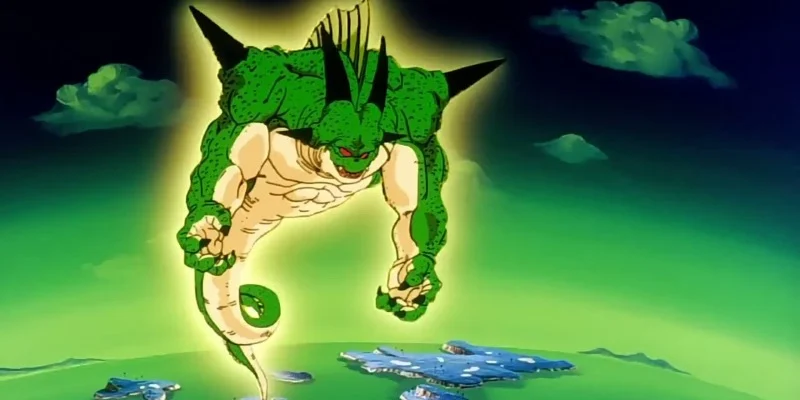
The story states that each set reflects the power and intent of its creator, which is why Earth and Namek give different results. Kami creates the original Earth set, Guru oversees the Namekian set, and Dende upgrades Earth’s dragon after becoming Guardian, which explains new wish structures without contradicting earlier scenes.
Namek’s Porunga and Earth’s Shenron also carry distinct clauses, such as the rule about natural death and the one wish per person limit that once existed on Namek. When the creator changes or modifies the dragon, the wish logic changes too, which matches what the characters plan for during the Namek and Cell cleanups.
Zero Sense: Instant Transmission is not used to remove allies from danger

Goku learns Instant Transmission after Namek and uses it to hop across worlds, yet during the Cell Games he does not pull Gohan or the bystanders to safety before the self destruction plan triggers. During the Buu battles, similar windows appear where instant movement could isolate the threat or move civilians faster than any ship.
The technique appears in clutch moments, such as reaching King Kai or fetching allies, then disappears during other life or death scenes within the same fights. The uneven use looks like a gap between what the move can do and how often it is applied to simple evacuations that would shorten a battle.
Perfect Sense: Instant Transmission needs a clear ki lock and drains the user

The move requires a target ki to lock onto, which is stated on screen and shown every time Goku touches his forehead to focus. In the Cell fight he locks onto King Kai because that signal is strong and familiar, and after the blast he is dead and cannot return to Earth on his own, which removes the tool from further use in that moment.
During the Buu saga he uses the move when he can feel an ally such as Dende, Gohan, or Vegeta, and cannot use it when there is no clear beacon. The technique also consumes energy and focus, so long chains of jumps during battle are limited by stamina and by the need to avoid landing near civilians or weak signatures.
Zero Sense: Fusion timers behave inconsistently under pressure

The dance fusion is presented as a stable thirty minute window, yet Gotenks defuses far sooner when he uses higher levels during the fight with Buu. Potara fusion is introduced as permanent for mortals, but Vegito splits apart inside Buu with no prior warning that an active battle zone could undo earrings that otherwise never expire.
These shifts change tactics inside fights in ways that earlier rules did not suggest. A shorter than expected window undermines plans that depend on a set duration, and an unexpected split for Potara removes a supposedly unbreakable advantage during the most dangerous part of the Buu conflict.
Perfect Sense: Stated conditions show why fusion ends early

The show explains that massive energy output can shorten the dance fusion window, which matches what happens when Gotenks jumps to higher levels in combat. The drain is visible on screen and lines up with the idea that maintaining a combined form depends on a shared pool of stamina that falls faster under heavy strain.
For Potara, the split occurs inside Buu after the heroes enter a body that warps magic and matter, which provides an in world reason for an event that otherwise would never occur. Later material outside ‘Dragon Ball Z’ adjusts Potara rules further, but the events inside this series are already covered by the conditions presented during that rescue.
Zero Sense: Time travel spawns events that appear to contradict themselves
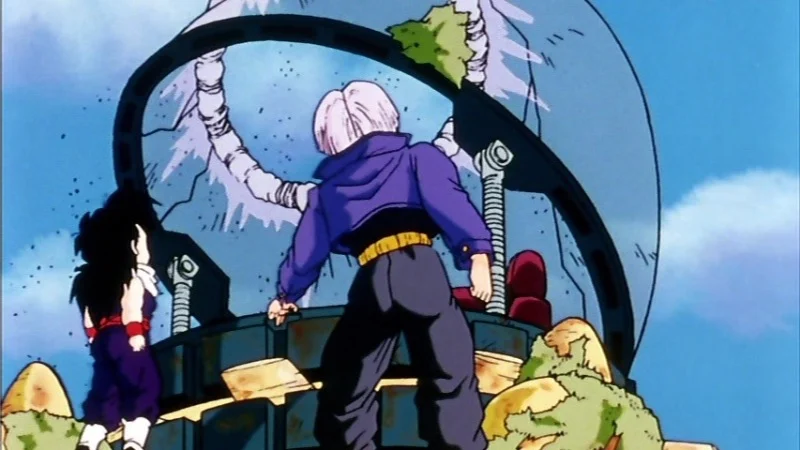
Future Trunks arrives from a ruined world to warn about Androids 17 and 18, yet the versions that appear in the main timeline differ in behavior and power from those in his future. Cell also steals a time machine and travels to a period before Trunks first visit, which appears to loop causes and effects across arcs.
This web creates scenes where identical characters exist with different histories and where a victory in one period does not fix the version of Earth that sent Trunks. Without a clear model given up front, viewers encounter events that look like a single loop but behave like multiple tracks that are hard to map in real time.
Perfect Sense: Branching timelines explain duplicate Android and Cell histories

‘Dragon Ball Z’ shows that every jump creates a new branch rather than rewriting a single line. Trunks helps save the main timeline yet returns to his own future to defeat its Androids because his world remains unchanged by his trip, which proves the split model on screen without charts or off screen notes.
Cell comes from another branch where he kills Trunks and takes the machine, then lands in the past of the main timeline, which is why two different Cells exist across stories. With branching in place, every difference in Android behavior, Goku’s health, and the presence or absence of Z Fighters follows from which branch created the scene.
Share the moments from ‘Dragon Ball Z’ that made you cheer or scratch your head in the comments and keep the debate going.