


5 Things About ‘Fargo’ That Made Zero Sense and 5 Things About It That Made Perfect Sense

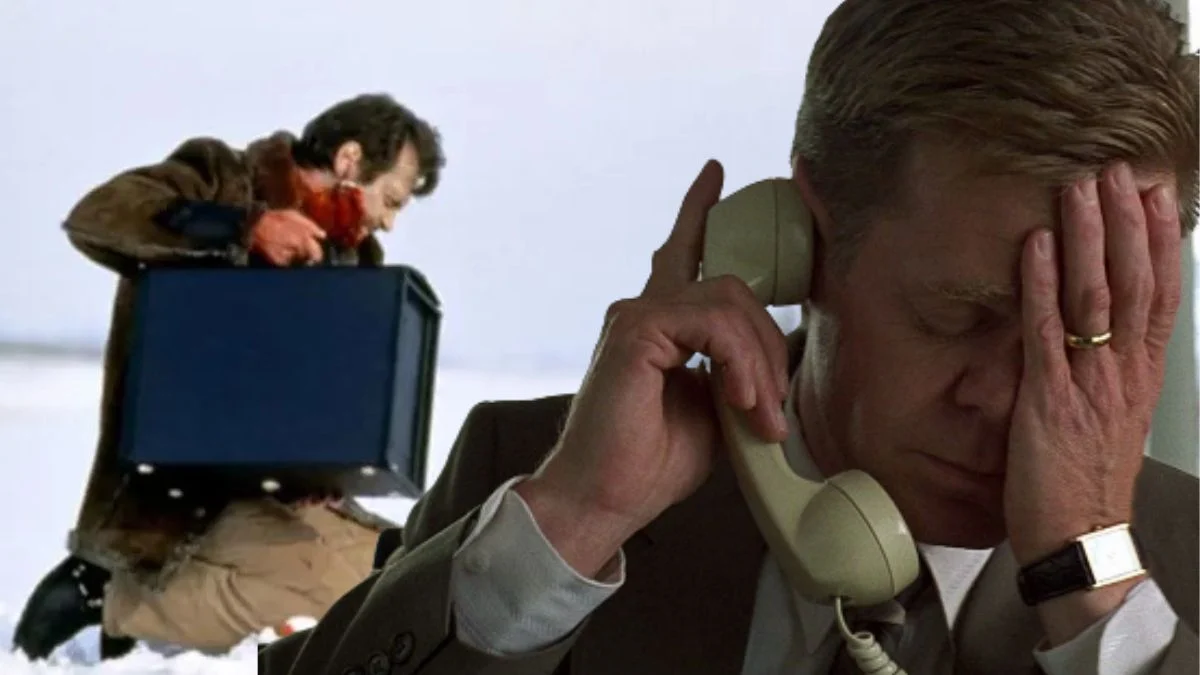


‘Fargo’ blends a small town police investigation with a desperate money scheme that spins out of control. The story moves from a quiet car lot to icy highways and remote cabins, tying together a ransom plot, a string of violent mistakes, and a calm detective who keeps following the facts. It looks simple on the surface while packing in moving parts that keep the case alive from one clue to the next.
Some choices in the story feel airtight because they show how ordinary procedure and stubborn details solve crimes. Other choices look shaky when you consider how businesses, lenders, and law enforcement usually operate. Here are five moments that made zero sense and five that made perfect sense, all grounded in how these situations typically work in real life.
Zero Sense: Jerry’s kidnap plan depends on a clean ransom handoff

Jerry hires two men to snatch his wife so her father will pay. The plan assumes a private drop with no police, no serial number tracking, and no interference from security. It also assumes the criminals will stay quiet, follow instructions, and avoid extra violence.
Ransom cases commonly involve recorded bills, hidden trackers, and controlled communication that can pull in trained negotiators. A wealthy businessman often brings in security advisors who insist on protocols that protect the victim and capture the offender. Jerry’s own money problems with the dealership also make a sudden pile of cash hard to hide from lenders and auditors who already monitor his accounts.
Perfect Sense: A routine traffic stop exposes a larger crime
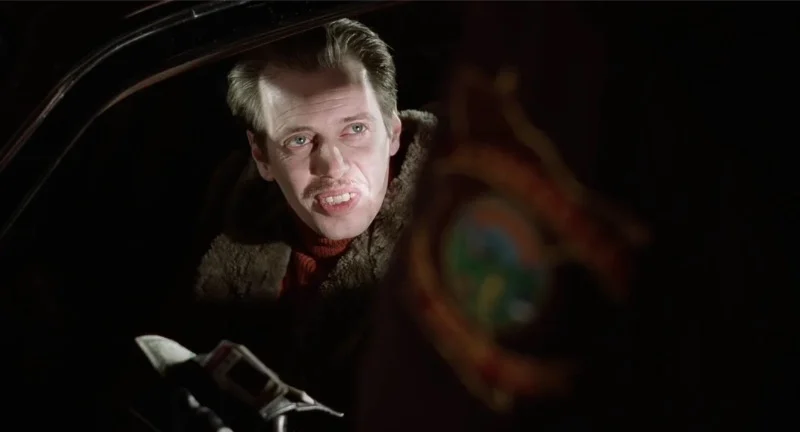
A state trooper stops the tan Sierra for a tag issue and sees behavior that does not line up. That interaction spirals when the driver panics, and the stop becomes the start of the wider case that reaches Brainerd.
Across the United States, many arrests for serious offenses begin with basic traffic stops when a simple violation uncovers weapons, fugitives, or stolen goods. Registration problems and temporary plates draw attention because they help officers notice stolen vehicles and fraudulent paperwork, which is exactly how small clues open bigger investigations.
Zero Sense: The phantom car loans should have collapsed sooner
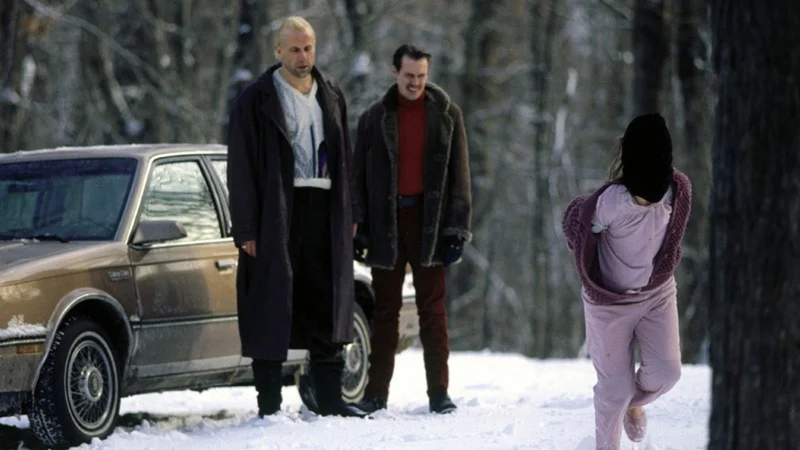
Jerry tries to finance nonexistent cars by submitting falsified numbers to the lender. The oversight group flags mismatched serials, which means the audit trail is already active before the crime spree even begins.
Floor plan lenders conduct surprise inspections that match vehicle identification numbers to titles and manufacturer statements. Dealers sign agreements that allow inventory counts on short notice, and discrepancies trigger immediate freezes or demands for repayment. Someone in Jerry’s situation would face phone calls, site visits, and limited access to funds that make his timeline and confidence look unrealistic.
Perfect Sense: Marge’s interviews show real police technique
Marge talks to witnesses and employees in a measured way, asks open questions, and repeats details to lock in memory. She writes down the make and color of the suspect truck and notes the odd use of dealer tags connected to a recent request.
Simple, friendly interviews are a standard way to collect reliable information because people recall more when they do not feel pressured. Confirming small details like plate types and service requests narrows the field. That is how one officer’s notes can direct a search across rural counties where a few data points cut hundreds of possibilities to a small list.
Zero Sense: Carl buries most of the ransom beside a snow fence

Carl hides the money in a drift near a fence and marks the spot with a red ice scraper. He chooses a feature that repeats for miles and a marker that will vanish after the next storm or cleanup pass.
Prairie winters bring shifting snow, plow piles, and thaws that move surface markers and reshape drifts. A simple tool stuck in the snow will tilt, sink, or blow away long before spring. Using a roadside fence as a landmark is also unreliable because the posts look identical across long stretches, which makes the cache nearly impossible to relocate.
Perfect Sense: The criminals act like impulsive offenders, not planners

Carl and Gaear fight, improvise, and draw attention with loud choices that create witnesses and evidence. They take a known vehicle, talk to known associates, and react to stress in ways that leave a trail.
Many violent offenses are impulsive rather than strategic. Offenders often escalate during arguments or panic after small setbacks, which leads to extra crimes and sloppy exits. Calls from familiar numbers, visits to familiar workplaces, and the use of a newly obtained vehicle tie actions together for investigators who already watch those circles.
Zero Sense: Wade personally walks into the ransom meeting
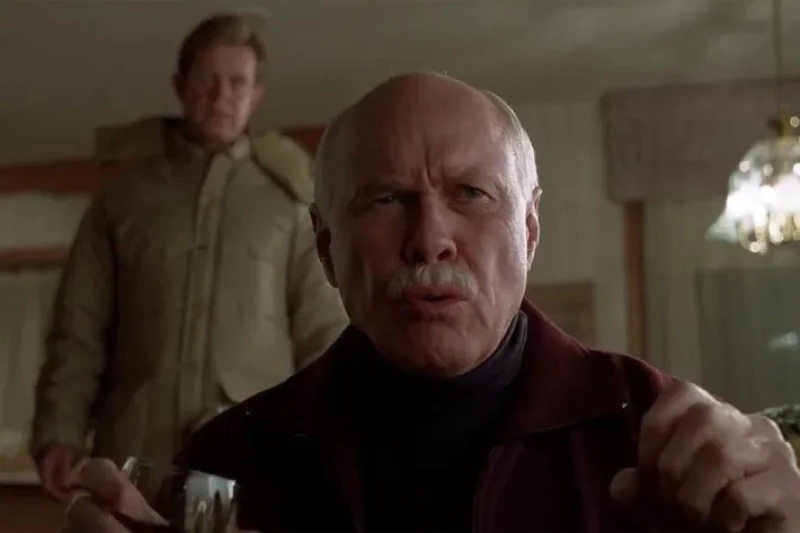
Wade brings a gun to the parking deck and tries to handle the handoff himself. Personal involvement increases the chance of confusion and violence, especially when the other side expects a different messenger.
Extortion response guidelines push families to keep negotiations structured and to let trained people control timing, location, and proof of life. Solo meetings raise the risk of misread signals and sudden confrontations. A business owner with resources usually relies on professionals who can track the money and record the exchange rather than stepping in alone.
Perfect Sense: The tan Sierra becomes a reliable anchor for the case
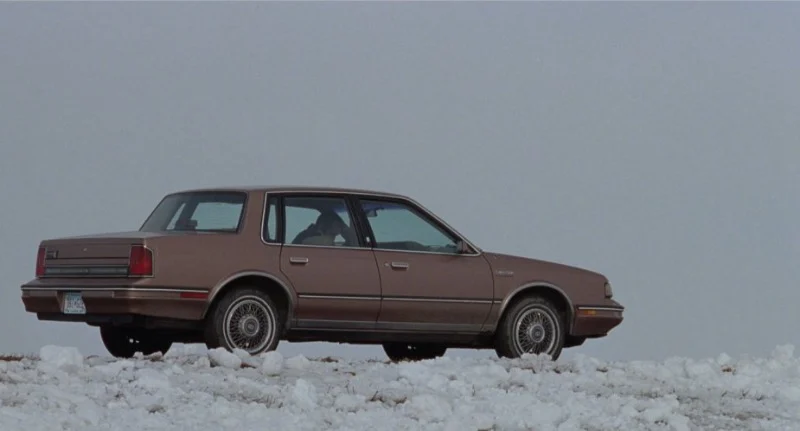
The investigation turns on a specific truck with a color, make, and dealer plate detail that stands out. Marge traces the request for a matching vehicle through local dealer records to find who had access.
Even without a full plate number, officers can combine make, model, paint, and recent sales to reduce a search to a short list. Dealer logs, service tickets, and test drive sheets identify who took a car and when. In smaller markets, a single unusual request for a tan Sierra during the right week is often enough to point to the buyer.
Zero Sense: Jerry keeps working at his desk after the murders hit the news

Jerry stays in place while investigators start asking about the exact vehicle his contacts obtained. Remaining at the lot exposes him to routine questions that connect his business to the crime.
White collar offenders usually limit exposure once a violent link appears. Corporate records, phone logs, and payroll notes create a map of who called whom and when, and a dealership front office stores all of it in one reachable space. Staying put leaves a trail that investigators can follow without even seeking a warrant in the early stages.
Perfect Sense: The ending returns to ordinary life as the moral frame

Marge goes home to a steady partner, a simple meal, and the next day’s work. The case closes inside a picture of routine life that shows what the violence tried to disrupt.
Crime stories often resolve by placing domestic stability beside criminal chaos so viewers can understand what was at stake for the community. A grounded home, a pregnancy, and a job done with care show how public safety connects to daily lives, which is why one solved case matters far beyond the arrest totals.
Share your favorite detail from ‘Fargo’ in the comments and tell us which moment you think the movie captured best.