


5 Things About ‘How I Met Your Mother’ That Made Zero Sense and 5 Things About It That Made Perfect Sense

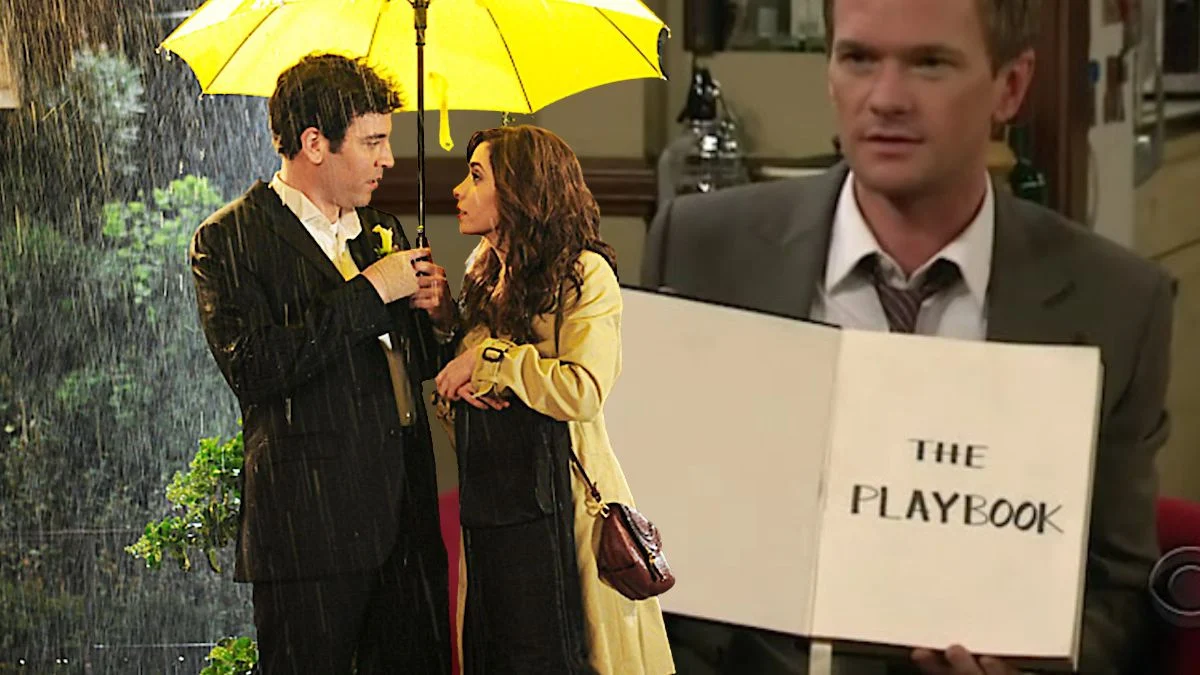


‘How I Met Your Mother’ captured audiences with its mix of comedy, heartfelt storytelling, and quirky narrative structure. Told as a long flashback from Ted to his kids, the series balanced romance and humor with deeper themes about friendship and growing up. The show gave us unforgettable characters, running gags, and clever twists, all wrapped in the unpredictability of modern relationships.
At the same time, fans couldn’t help but notice moments that felt inconsistent or downright confusing. Some storylines seemed unrealistic, while others broke the rules the show itself had set. Still, for every baffling detail, there were elements that perfectly clicked, making the show memorable and emotionally impactful. Let’s dive into what didn’t add up and what worked brilliantly.
Zero Sense: The Timing of Ted’s Story
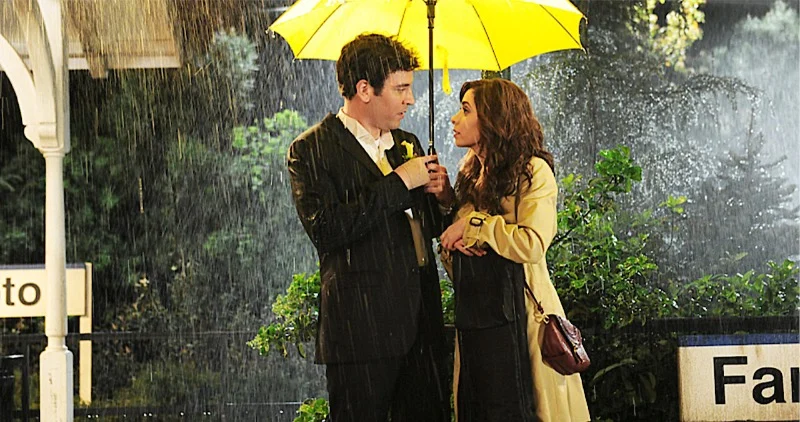
Ted’s story to his kids supposedly happens in one evening, but the amount of detail he provides is so extreme it would take days, if not weeks, to tell. The narrative spans years of his life, filled with side stories, tangents, and moments unrelated to meeting their mother. Realistically, no teenager would sit through that much detail in one sitting.
The show’s structure also bends logic because Ted’s memory of conversations and events is impossibly accurate. He recalls exact dialogue, people’s inner thoughts, and moments he wasn’t even present for. While it makes for entertaining television, it makes little sense as a story being told from memory to his kids.
Perfect Sense: The Friendship at the Core

Despite all the romantic ups and downs, the real strength of the show was the group of friends at its center. Ted, Marshall, Lily, Barney, and Robin created a believable dynamic where humor and loyalty balanced out disagreements. Their bond provided stability even when their personal lives were chaotic.
This sense of family among friends resonated with viewers. Whether it was late-night bar hangs, goofy bets, or supporting each other through big life moments, the friendships reflected how chosen families often matter just as much as biological ones. The show’s emotional pull relied on this core, and it worked perfectly.
Zero Sense: Barney’s Character Arc

Barney’s transformation from a commitment-phobic womanizer to someone who supposedly finds lasting love didn’t quite add up. The series spent years showing him resist real change, only to have him marry Robin and then divorce shortly after. It undermined years of development and made his growth feel temporary and inconsistent.
Adding to the confusion, Barney instantly reverts to his old habits post-divorce, only to suddenly change again when he has a child. The abrupt swings in his character arc felt forced and left fans questioning whether the writers truly knew how to resolve his story.
Perfect Sense: Marshall and Lily’s Relationship
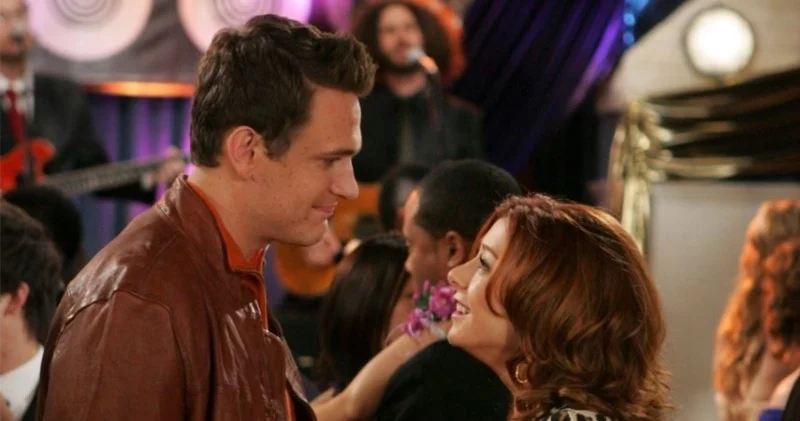
Among the chaos of dating and breakups, Marshall and Lily’s love story stayed consistent and grounded. They were portrayed as a couple that had flaws, arguments, and doubts but ultimately worked through them with honesty and support. Their partnership gave the show a sense of stability.
Their journey also mirrored the real-life progression of relationships. They dealt with financial stress, career changes, and parenting challenges in ways that felt authentic. The strength of their marriage made sense in contrast to the instability of the other characters’ love lives.
Zero Sense: The Pineapple Incident

One of the most famous mysteries of the show, the pineapple incident, became a running joke but was never fully resolved within the main storyline. Ted wakes up with a pineapple next to his bed and no memory of how it got there. Years later, the answer was revealed only in a deleted scene, which left fans frustrated.
By teasing it as a long-running mystery, the show set an expectation for payoff. Instead, it left viewers hanging, showing how the writers sometimes prioritized gags over meaningful resolutions. For a show built on long-term story arcs, leaving the pineapple unanswered made little sense.
Perfect Sense: Running Gags and Callbacks
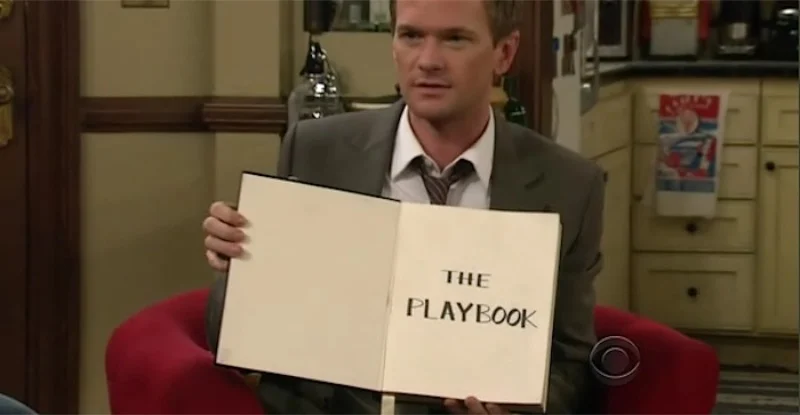
The show thrived on running jokes like the slap bet, Robin Sparkles, and Barney’s catchphrases. These recurring bits gave the series continuity and rewarded long-time viewers who followed every season closely. They added layers of humor that made rewatching the show more fun.
Callbacks also reinforced the characters’ quirks and bonds. When the group referenced past antics or long-standing traditions, it created a lived-in feeling that made the world of the show feel real. This approach tied the humor together across multiple seasons in a satisfying way.
Zero Sense: Ted and Robin’s On-and-Off Romance

From the beginning, the show established that Robin was not the mother, yet the series kept returning to their romance. By the finale, the story circled back to Ted ending up with her anyway, making years of buildup feel contradictory. It cheapened the introduction of the actual mother.
This constant back-and-forth made Ted’s feelings seem inconsistent and unrealistic. Instead of moving on, he spent years pining for Robin, which clashed with his supposedly deep love for the mother. It made the show’s emotional payoff confusing and divisive.
Perfect Sense: The Character Growth Over Time

Even with inconsistencies, the characters did grow in ways that made sense across nine seasons. Marshall became a responsible father, Lily balanced her ambitions with family life, Robin embraced her career independence, and Ted matured into someone ready for a serious relationship.
This progression reflected real adulthood, where people evolve through trial and error. The show demonstrated that growth is not always linear, but over time, the characters faced their flaws and found paths that worked for them. That balance of humor and realism was one of the series’ greatest strengths.
Zero Sense: The Finale’s Execution

The finale tried to tie everything together but ended up undoing years of storytelling. Killing off the mother after building her up for almost a decade felt abrupt and unfair. On top of that, the sudden shift to Ted pursuing Robin again left many viewers disappointed.
The rushed pacing also didn’t help. Years of character development were wrapped up in a single episode, giving little time for the storylines to breathe. It made the carefully crafted journey of nine seasons feel contradicted by the last-minute conclusion.
Perfect Sense: The Theme of Storytelling

At its heart, the show was about how people tell the story of their lives. Ted’s narration, with all its embellishments and tangents, emphasized that memories are messy and subjective. It wasn’t just about the mother but about the journey, the friends, and the lessons along the way.
This framing device gave the show its uniqueness. It explained why some details seemed exaggerated or overly detailed and why the journey mattered more than the destination. It made perfect sense that the series was more about how Ted lived than just who he ended up with.
What did you think were the most confusing parts of ‘How I Met Your Mother’ and the moments that worked best? Share your thoughts in the comments!