


5 Things About ‘Interstellar’ That Made Zero Sense and 5 Things That Made Perfect Sense

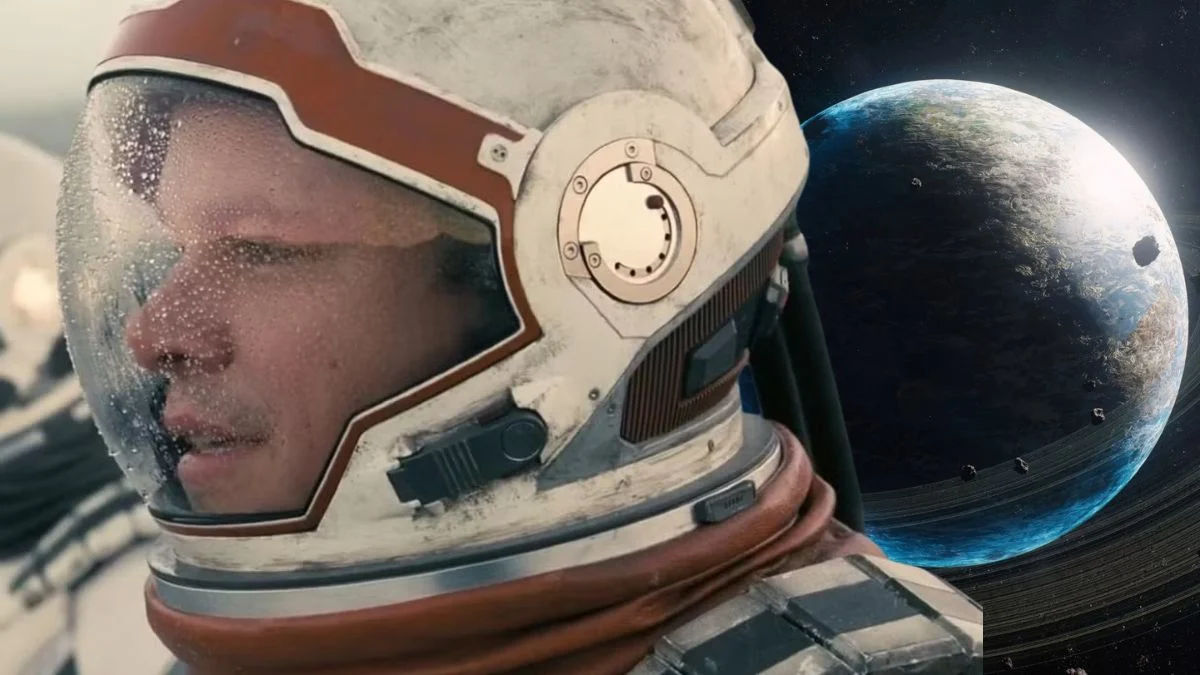


Interstellar (2014) is a bold sci-fi epic that blends space exploration with human emotion, earning praise for its ambition and visuals. Directed by Christopher Nolan, it tackles big ideas like love, sacrifice, and survival, but not every piece of the puzzle fits neatly.
Some moments in the film leave viewers confused, while others feel grounded and powerful. Here’s a breakdown of five things in Interstellar that didn’t add up and five that hit the mark perfectly.
The Blight’s Sudden Impact (Zero Sense)

The film’s Earth is dying due to a mysterious blight that wipes out crops, but its origin and rapid spread are barely explained. A global catastrophe this severe needs more context to feel real.
We’re told it’s unstoppable, yet no one seems to know why it started or how it works. This vagueness makes the stakes feel artificial and convenient for the plot.
The Emotional Core of Love (Perfect Sense)

The bond between Cooper and his daughter, Murph, drives the story and feels deeply human. Their connection, especially through time and space, grounds the film’s high-concept ideas.
Jessica Chastain and Matthew McConaughey deliver raw, heartfelt performances. This emotional thread makes the cosmic journey relatable and moving.
The Wormhole’s Convenient Placement (Zero Sense)
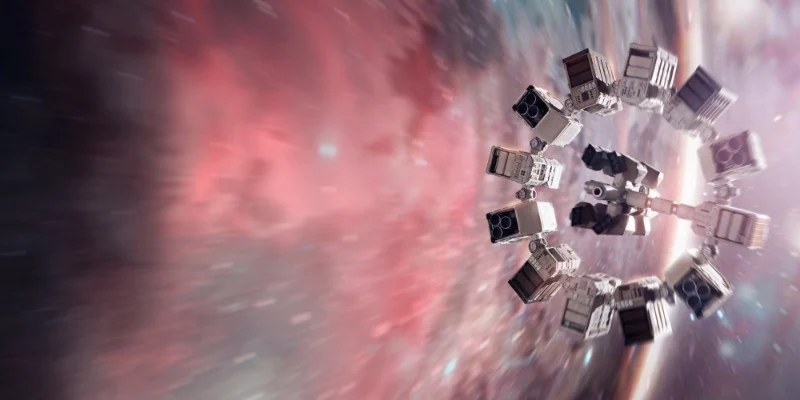
A wormhole near Saturn appears just when humanity needs it, but its origin is murky. The film hints at future humans placing it, yet this creates a paradox that’s never resolved.
Why it’s so close to Earth feels too convenient. Without clearer rules, the wormhole seems like a plot device to kickstart the space mission.
The Visuals of Space Travel (Perfect Sense)

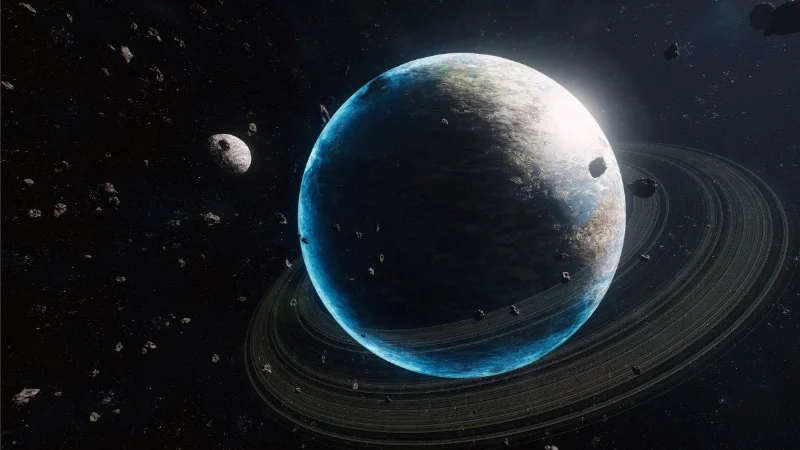
The film’s depiction of space, from the wormhole to the black hole, is stunning and realistic. The visuals, guided by physicist Kip Thorne, make the cosmos feel vast yet tangible.
Every planet, ship, and starfield looks meticulously crafted. This attention to detail immerses viewers in the awe and danger of space exploration.
Dr. Mann’s Betrayal (Zero Sense)
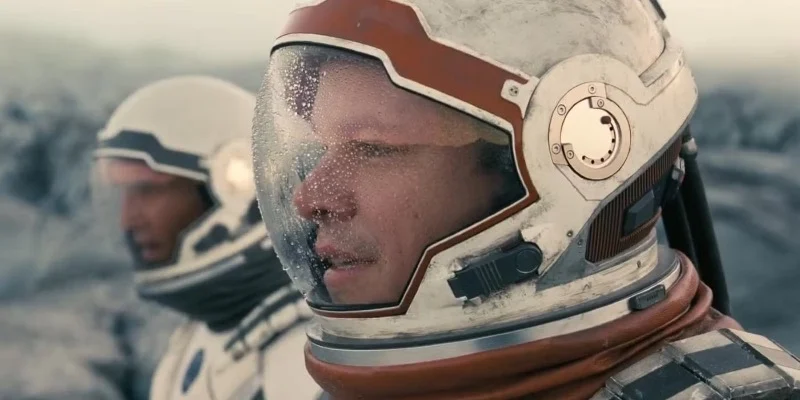
Dr. Mann, a respected scientist, turns villainous and tries to sabotage the mission, but his motives feel weak. His sudden shift to selfishness doesn’t match his earlier heroism.
The film doesn’t build up his desperation enough to justify this twist. It feels like a forced way to add drama to the story.
The Soundtrack’s Emotional Weight (Perfect Sense)
Hans Zimmer’s score, with its haunting organ and soaring strings, perfectly captures the film’s mix of hope and dread. It elevates every scene, from quiet moments to intense action.
The music ties the story’s emotional and cosmic elements together. It’s a powerful force that makes key moments unforgettable.
The Time Dilation Paradox (Zero Sense)

The time dilation on Miller’s planet, where hours equal years, is dramatic but raises questions. The crew spends little time there, yet the math feels inconsistent with the extreme time shift.
The film glosses over how this affects the mission’s logistics. It’s a cool idea that doesn’t hold up under scrutiny.
Cooper’s Sacrifice and Survival (Perfect Sense)

Cooper’s choice to enter the black hole to save the mission is a gripping, selfless act. His survival inside the tesseract, while fantastical, ties to the film’s theme of human resilience.
The moment he connects with Murph across time is earned and emotional. It’s a bold payoff that fits the story’s heart.
The Fifth-Dimensional Beings (Zero Sense)

The film suggests future humans or mysterious beings create the tesseract, but their nature is never clear. This vague explanation feels like a cop-out for the film’s complex ideas.
Without more clarity, the fifth-dimensional plot feels like a convenient way to resolve the story. It leaves viewers with more questions than answers.
The Plan B Colony Setup (Perfect Sense)
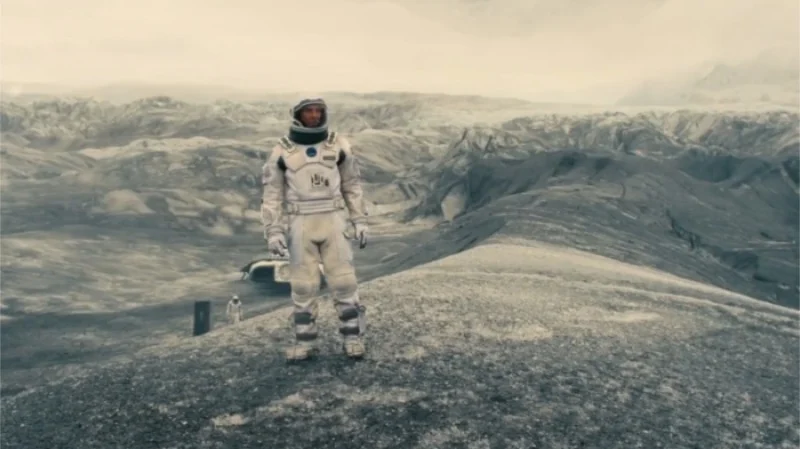
The idea of a backup plan to colonize a new planet using embryos is practical and believable. It shows humanity’s determination to survive, even if the main mission fails.
The focus on scientific solutions, like the Lazarus missions, grounds the story in realistic stakes. It’s a smart detail that adds depth to the plot.
What parts of Interstellar left you puzzled or blew you away? Drop your thoughts in the comments!