


5 Things About ‘Jaws’ That Made Zero Sense and 5 Things That Made Perfect Sense




Jaws is a classic movie that scared millions and changed how people saw the ocean. Directed by Steven Spielberg, it’s a gripping tale of a small beach town facing a killer shark, but not everything in the film adds up, while some parts feel spot-on.
This article dives into five moments in Jaws that leave you scratching your head and five that feel totally real. Let’s explore what doesn’t work and what makes this film a masterpiece.
The Barrel Plan (Zero Sense)

The idea to track the shark with barrels seems clever but falls apart. Attaching barrels to a massive great white to slow it down or make it surface sounds good, but sharks can dive deep and drag heavy objects without much trouble. A few barrels wouldn’t faze a creature that size.
Plus, the barrels pop up conveniently for the plot. In reality, a shark could swim far away, and the barrels might not stay visible or even attached. The plan feels more like a movie trick than a practical way to catch a shark.
The Shark’s Fear Factor (Perfect Sense)

The shark in Jaws terrifies because it feels real. Great whites are powerful predators, and the film uses that to build dread. Every time the shark’s fin cuts through the water, you feel the panic of the characters.
Spielberg’s choice to show the shark sparingly makes it scarier. The unseen threat, paired with John Williams’ iconic score, taps into primal fears of what lurks below. This approach makes the shark’s presence hauntingly believable.
Brody’s Boat Choice (Zero Sense)

Chief Brody, a man afraid of water, goes after the shark on a small, rickety boat called the Orca. Why pick such a flimsy vessel for a dangerous mission? A bigger, sturdier boat would’ve made more sense for hunting a giant shark.
The Orca’s constant breakdowns add drama but feel unrealistic. A seasoned fisherman like Quint would likely have a better-equipped boat. It’s hard to buy that they’d risk their lives on something so unreliable.
Quint’s Obsession (Perfect Sense)

Quint’s intense hatred for sharks drives the story and feels authentic. His backstory as a survivor of the USS Indianapolis, where sharks attacked stranded sailors, explains his obsession. It gives him depth and makes his actions believable.
His stubbornness to keep hunting the shark, even when things go wrong, fits his character. Quint’s mix of skill and recklessness shows a man shaped by trauma. This makes his role in the film grounded and compelling.
The Shark’s Strength (Zero Sense)

The shark in Jaws seems like a superhero villain. It smashes through boats, pulls heavy objects with ease, and keeps attacking despite injuries. Real great whites are strong, but this one feels like a monster with endless energy.
It also eats way more than a real shark would. Devouring multiple people and destroying equipment in a short time pushes believability. The shark’s exaggerated power feels like a stretch for dramatic effect.
The Town’s Panic (Perfect Sense)

The chaos in Amity Island when the shark attacks feel spot-on. People scream, run, and pull their kids from the water, which matches how real crowds react to danger. The fear spreads fast, just like in real life.
The town’s leaders arguing over closing the beach also rings true. They worry about money and tourism, ignoring the danger. This conflict shows human nature under pressure, making the story relatable.
Exploding the Shark (Zero Sense)

The final scene where Brody shoots an oxygen tank to blow up the shark is iconic but absurd. Oxygen tanks don’t explode like bombs when shot. Even if they did, the chances of hitting one in the shark’s mouth are slim.
This moment prioritizes Hollywood flair over logic. A real shark wouldn’t be defeated so easily, and the explosion feels like a convenient way to wrap up the film with a bang.
Hooper’s Expertise (Perfect Sense)

Matt Hooper, the marine biologist, brings knowledge that feels real. His explanations about shark behavior and biology ground the film. He knows great whites are territorial and aggressive, which matches actual science.
Hooper’s tools, like the shark cage, add realism. His role as the voice of reason contrasts with Quint’s bravado, making their dynamic believable. His expertise helps the audience trust the story’s stakes.
The Mayor’s Denial (Zero Sense)
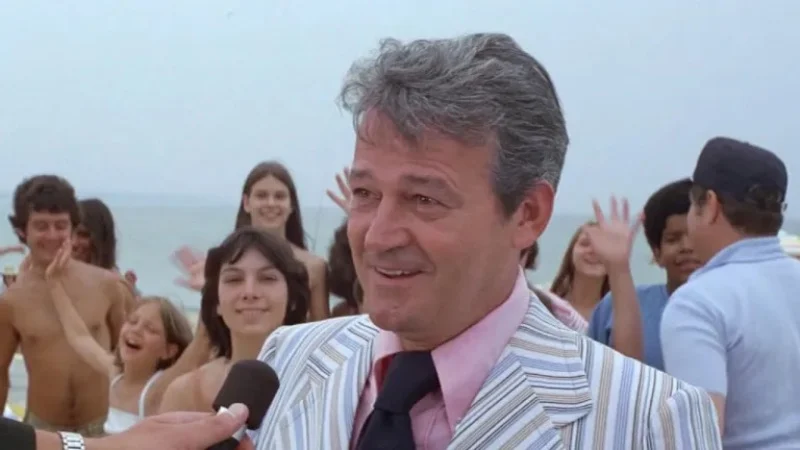
Mayor Vaughn’s refusal to close the beaches despite clear evidence of a shark is frustratingly illogical. People are dying, yet he prioritizes tourism over safety. Even for a politician, this feels like a cartoonish level of denial.
His decision to keep the beaches open after multiple attacks defies common sense. A real mayor would face too much pressure to act, making this choice feel like a plot device to keep the story going.
The Ocean’s Terror (Perfect Sense)

The ocean in Jaws feels like a character, vast and unpredictable. Spielberg uses wide shots of endless water to make it seem alive and threatening. This captures the real fear of the unknown that oceans inspire.
The way the characters are isolated at sea, with no help in sight, mirrors real maritime dangers. The ocean’s power to hide the shark and trap the characters makes every scene tense and believable.
What’s your take on the moments in Jaws that felt off or spot-on—share your thoughts in the comments!