


5 Things About ‘John Wick Chapter 3 – Parabellum’ That Made Zero Sense and 5 Things That Made Perfect Sense

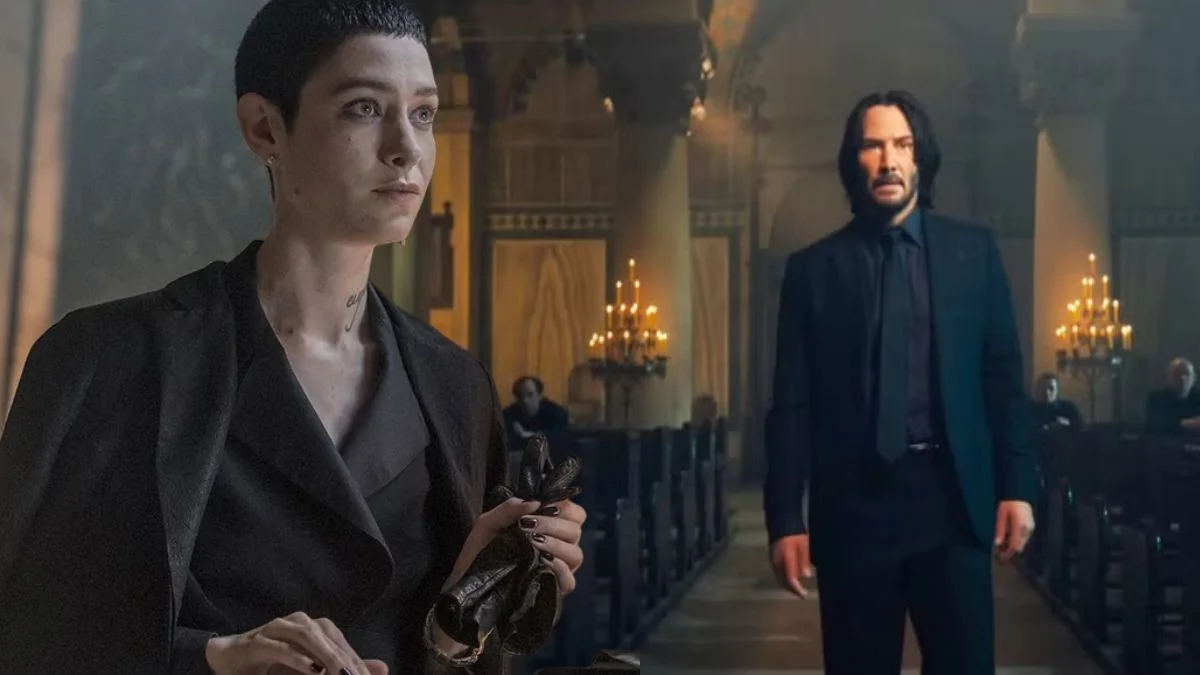


The third chapter expands the world and raises the stakes. It also leans harder into rules, codes, and deals. The action is sharp and the lore gets deeper.
But some choices push logic to the edge. Others fit the story like a glove. Here are five that made zero sense, and five that made perfect sense—one after the other.
Zero Sense: Excommunicado Rules That Bend on Cue
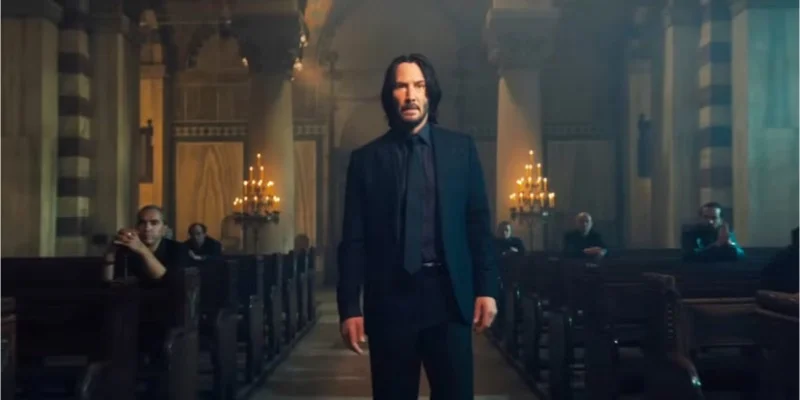
John is excommunicado, yet help finds him fast. The doctor still treats him. Old contacts still open doors. The system looks strict, but it bends when the plot needs it.
The fallout is uneven too. The doctor gets hurt to hide the help, but others face no lasting hit. The hard rule feels soft, which weakens the threat.
Perfect Sense: The Adjudicator and Real Consequences
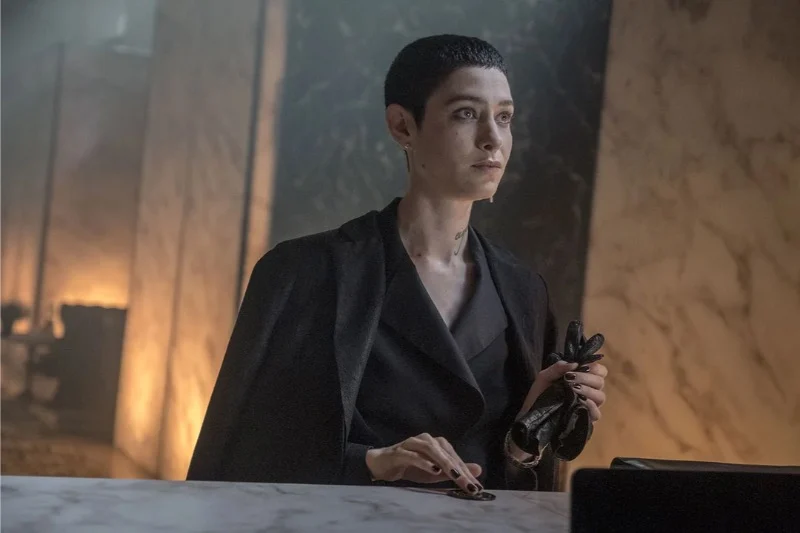
The Adjudicator brings order to chaos. They do audits, set terms, and punish anyone who broke the code. That makes the world feel controlled, not random.
Their moves push the plot. They pressure the Continental, the Bowery King, and John. Actions have prices, and the prices are clear.
Zero Sense: The Pilgrimage to the Elder

Finding the Elder by walking into a desert and “collapsing at the right spot” is pure luck. It looks cool, but it reads like a myth, not a plan.
John survives long enough to be found by the one person he needs. The odds are tiny. The shortcut breaks the grounded tone the series built.
Perfect Sense: Blood Markers and Debts Drive Choices
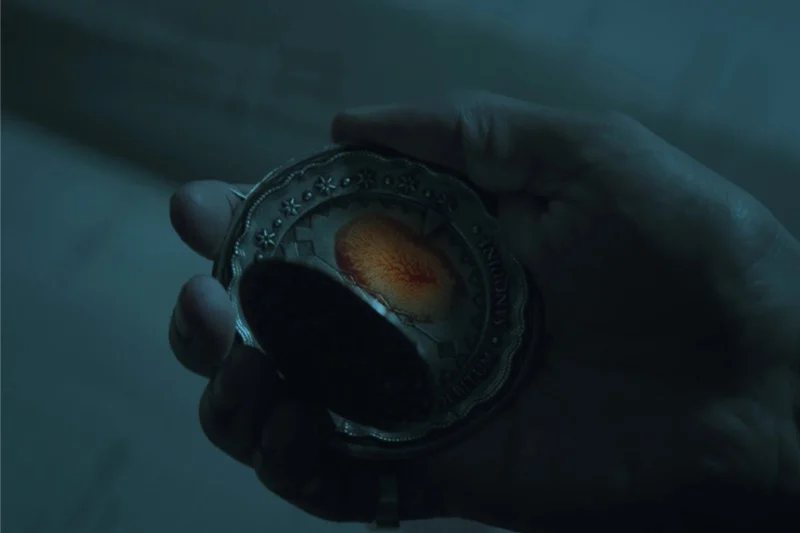
Debt is the fuel of this world. A marker brings Sofia in. She does not help because she wants to; she helps because she must.
This keeps motives clean. People act to pay what they owe. That creates tension without long speeches.
Zero Sense: Finger Sacrifice With No Staying Power
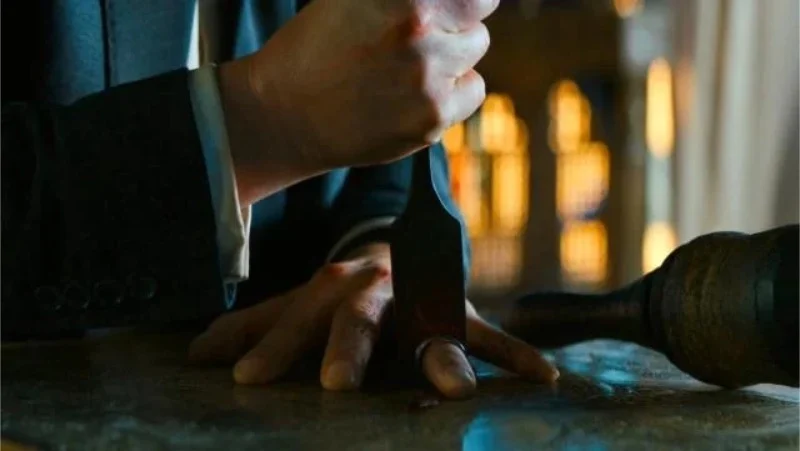
Cutting off a finger to show loyalty looks final. But the pledge falls apart fast when John flips sides again.
Such a heavy price should bind him longer. The quick turn makes the gesture feel like shock value instead of character truth.
Perfect Sense: Dogs as Tactical Partners

Sofia’s dogs wear vests, take commands, and hold targets in place. They help control angles and buy time. That is smart team tactics.
Their presence changes how fights play. Enemies must track fast, low threats as well as shooters. The chaos favors Sofia and John.
Zero Sense: The Glass Room Fight Logic
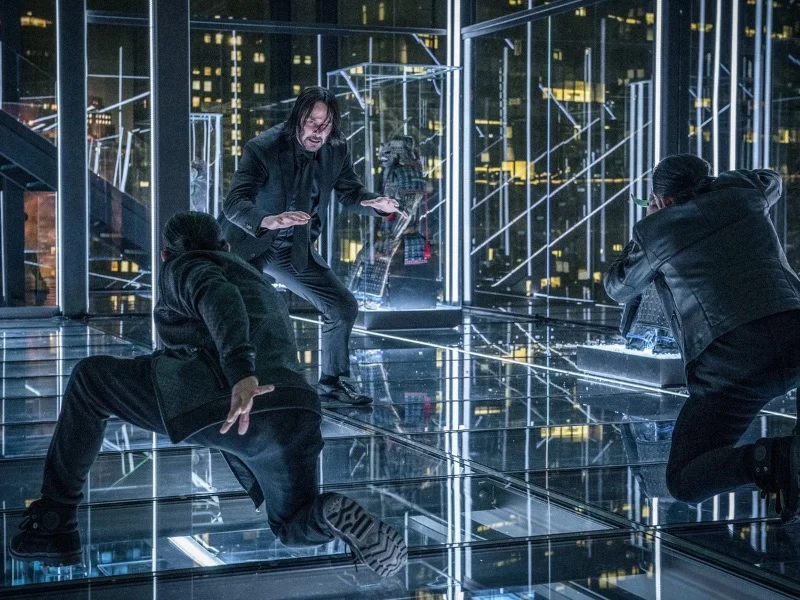
In the glass exhibit, foes who know John’s armor still shoot center mass. They repeat what does not work instead of changing aim.
They also toy with him when they could finish the job. It looks stylish, but the choices break combat sense.
Perfect Sense: Gear Shifts to Match the Enemy
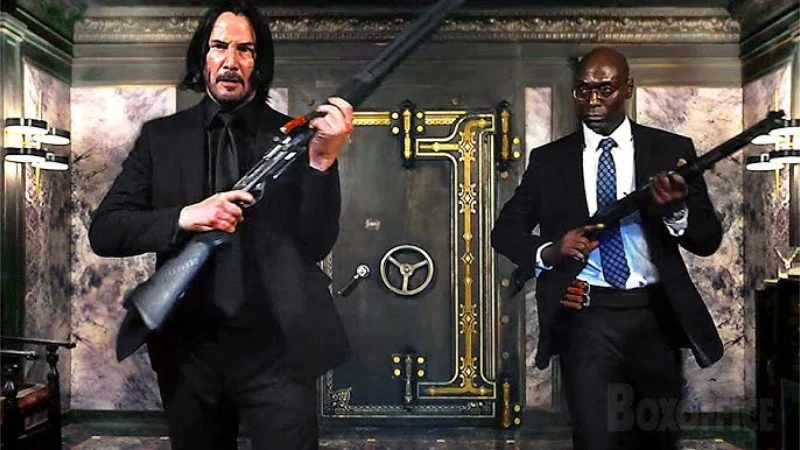
When armor stops handgun rounds, John adapts. He grabs shotguns with hard-hitting slugs. He switches to tools that solve the problem.
This keeps the action clear. The audience sees the threat, then sees the fix. The cause and effect lands.
Zero Sense: The Fall That Should Have Ended It
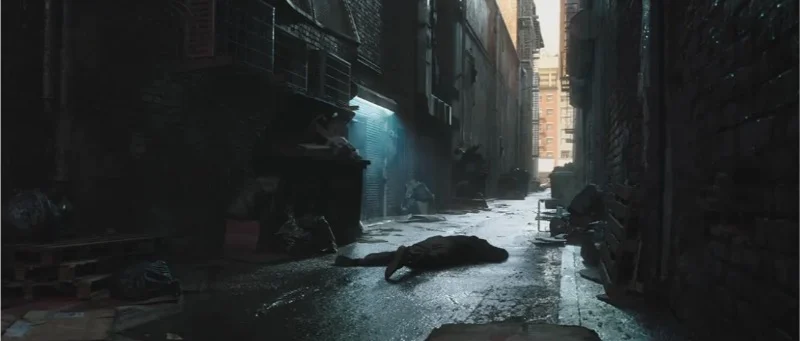
John falls many stories, hits metal rails, and slams the ground. He is bloodied, but mobile soon after. That is beyond tough.
The series sells pain and recovery as real. This one fall dents that promise. It feels like plot armor, not body armor.
Perfect Sense: The Continental as a Power Broker
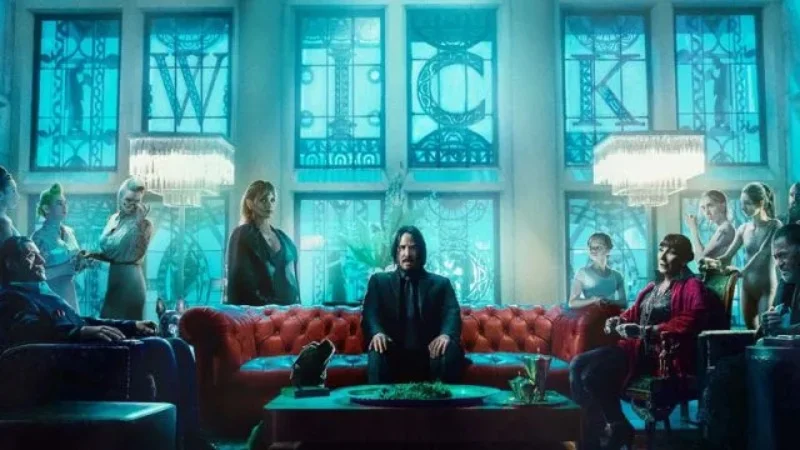
Neutral ground is not just a rule; it is leverage. Winston uses the hotel to bargain and to stall. He turns a building into a throne.
This sets up a larger war. The Continental is more than a backdrop. It is a player with its own survival plan.
Share the scenes that made you cheer or groan in the comments—what made perfect sense to you, and what made zero sense?