

5 Things About ‘Naruto’ That Made Zero Sense and 5 Things About It That Made Perfect Sense

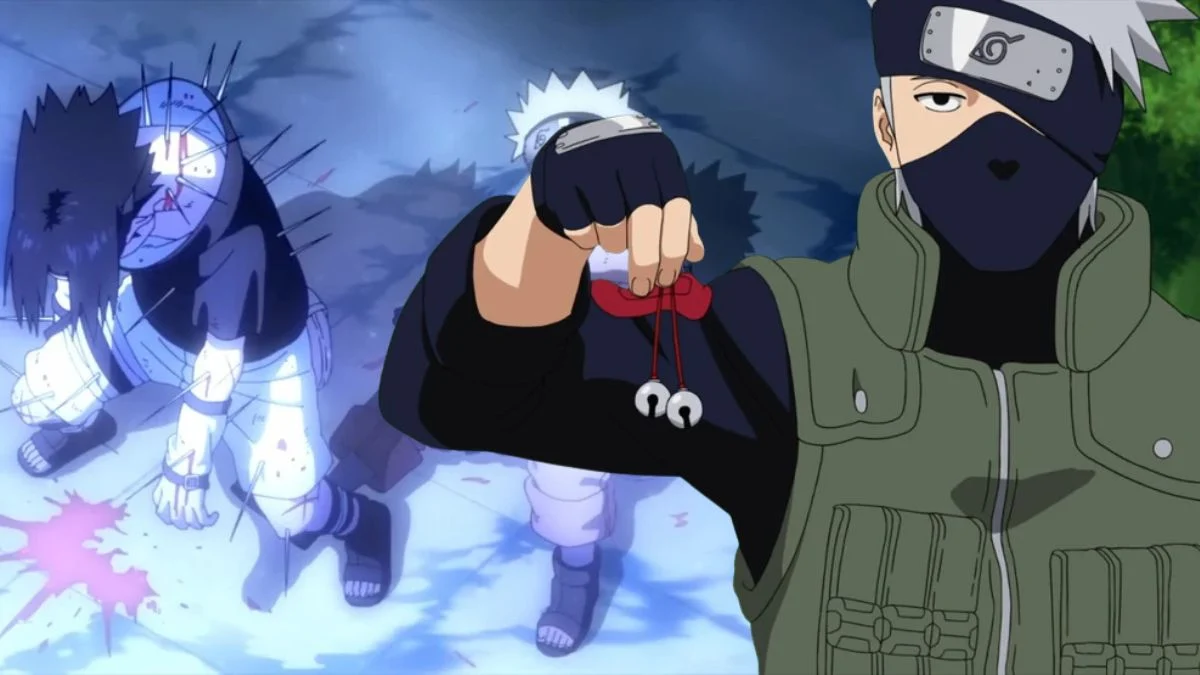


The original run of ‘Naruto’ built a world full of training arcs, village politics, and dangerous missions that pushed young shinobi far beyond the classroom. It mixed grounded rules with sudden power surges and surprise twists, which is a big part of why it hooked so many viewers from the start. The same systems that gave the story weight also created moments that felt hard to square with what the show had already set up.
This list looks at both sides from the early academy days through the Chunin Exams and the Land of Waves and invasion arcs. Each entry points to clear events, rules, and outcomes shown on screen, so you can line up what happened and see how the pieces fit together across the original series.
Zero Sense: Chunin Exam rules
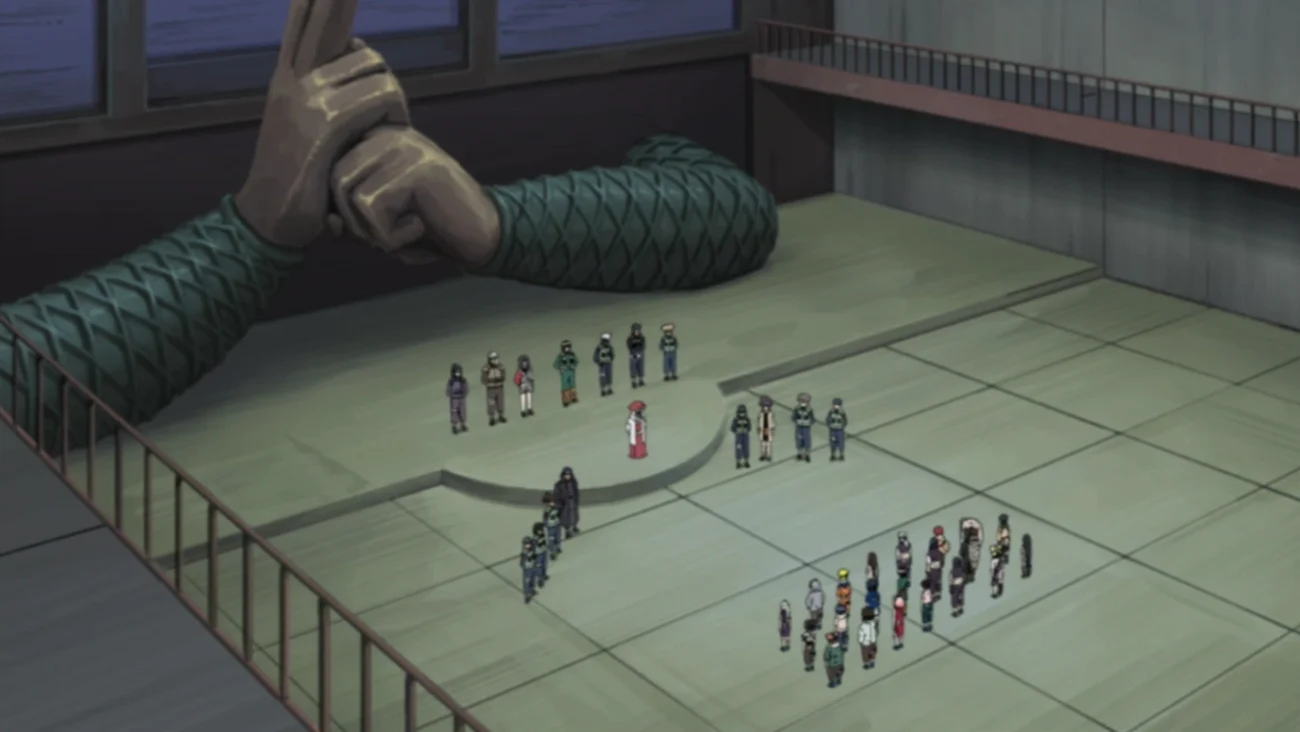
The Chunin Exams are presented as a multistage process that starts with a written test about intelligence gathering and ends with one on one matches in the arena. The proctors explain that promotions are based on overall ability and judgment, yet the format builds audience expectations around clear winners in fights that look like decisive qualifiers. The exam is then interrupted by an invasion, which halts formal decisions for many of the candidates who advanced.
Shikamaru is promoted even after a tactical forfeit against Temari, while Naruto defeats Neji in a clean match and still remains a genin. The stated criteria for promotion are leadership and decision making more than victory in a single bout, but the way matches are framed during the finals and preliminaries creates a mismatch between the public tournament structure and the actual evaluation process that village leaders use behind the scenes.
Perfect Sense: Bell test teamwork
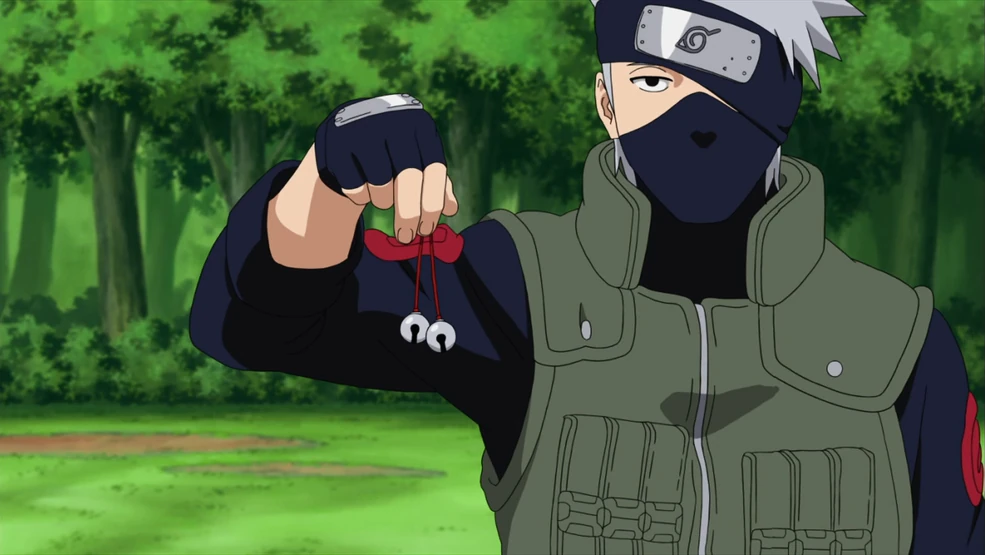
Kakashi’s bell test sets two bells as the only visible goal, with the threat of sending at least one trainee back to the academy. The team is told not to feed Naruto if he fails to get a bell, creating pressure to act alone and chase individual performance. The test location and timing emphasize stealth, timing, and coordination rather than flashy techniques.
The real pass condition is teamwork, which the group proves when they share food and plan around each person’s strengths. This matches the village doctrine shown later during missions where survival depends on cooperation, intel sharing, and flexible roles. The lesson connects classroom rules with field reality, which is exactly what a jounin squad leader is supposed to teach on day one.
Zero Sense: Orochimaru’s easy disguise
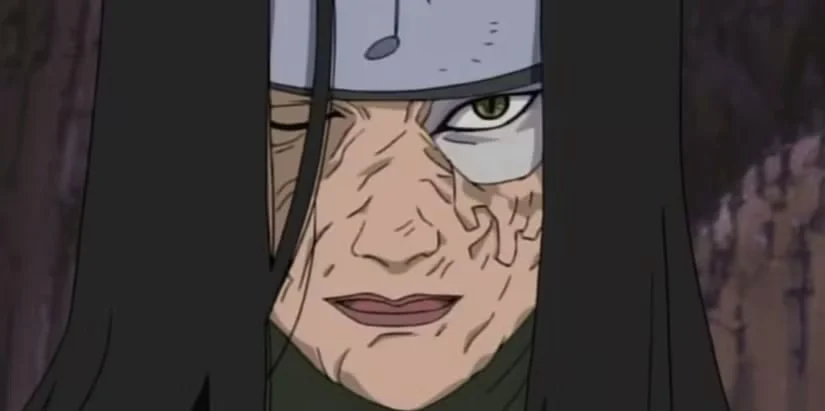
Orochimaru murders the Fourth Kazekage before the finals and takes his place in the VIP stand with the Third Hokage. He crosses barriers with a mask and formal robes during a major diplomatic event that has high level security and foreign delegations in attendance. The setting includes proctors, Anbu, and allied dignitaries, yet the substitution is not caught until the fight on the rooftop is already underway.
The invasion then unfolds inside the stadium with a large scale genjutsu that puts crowds to sleep while the Sound Four erect the Four Purple Flames Formation around the Hokage. The plan depends on a successful impersonation at the highest level of protocol and the swift neutralization of visible guardians, and the show presents both as accomplished without any prior identity check or verification that would normally be expected at a summit of hidden villages.
Perfect Sense: Shikamaru’s promotion criteria
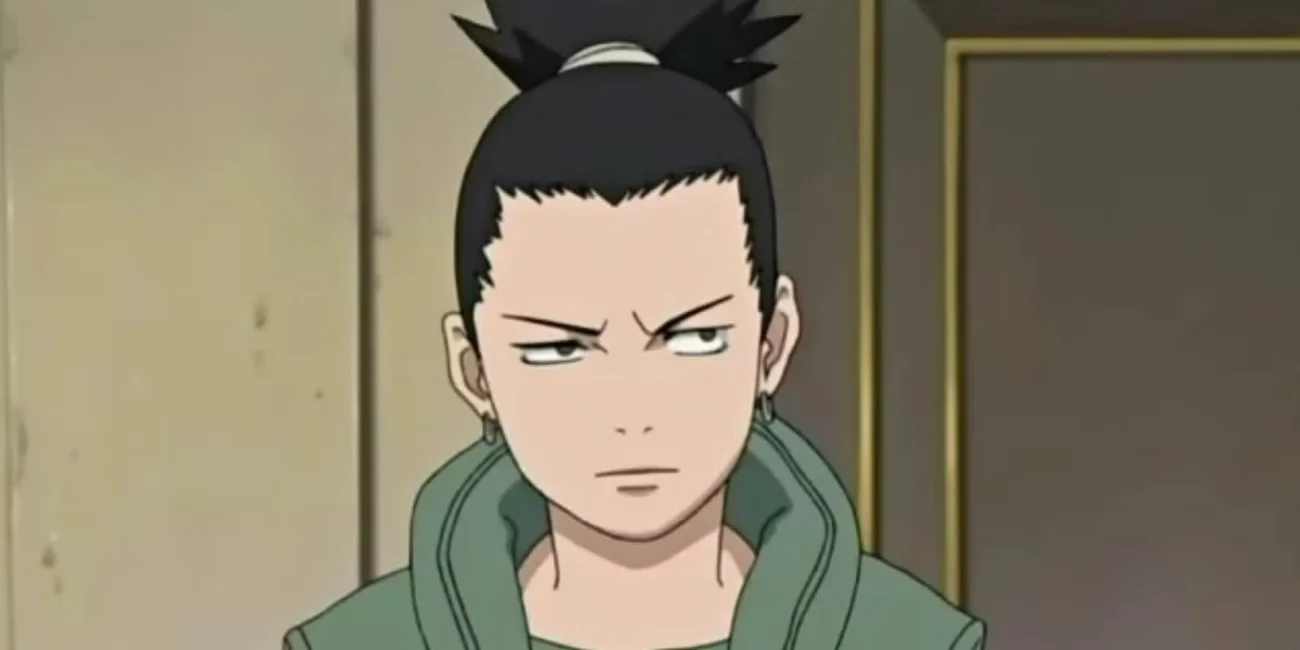
Examiners state that a chunin must demonstrate leadership under pressure, sound judgment, and the ability to assess risk in the moment. During his match with Temari, Shikamaru uses terrain mapping, shadow length prediction, and baiting to steer the fight into a trap that he prepared while conserving chakra. His forfeit shows he understands resource limits and mission prioritization rather than chasing a short term win.
After the exams he receives assignments that put him in charge of peers, which is the practical effect of chunin rank inside the village structure. He coordinates roles, sets contingencies, and makes retreat calls that reflect the same criteria used by the exam panel. The promotion aligns the job description with the skills he displayed, which is exactly how a professional corps would choose a junior officer.
Zero Sense: Academy grading versus field potential
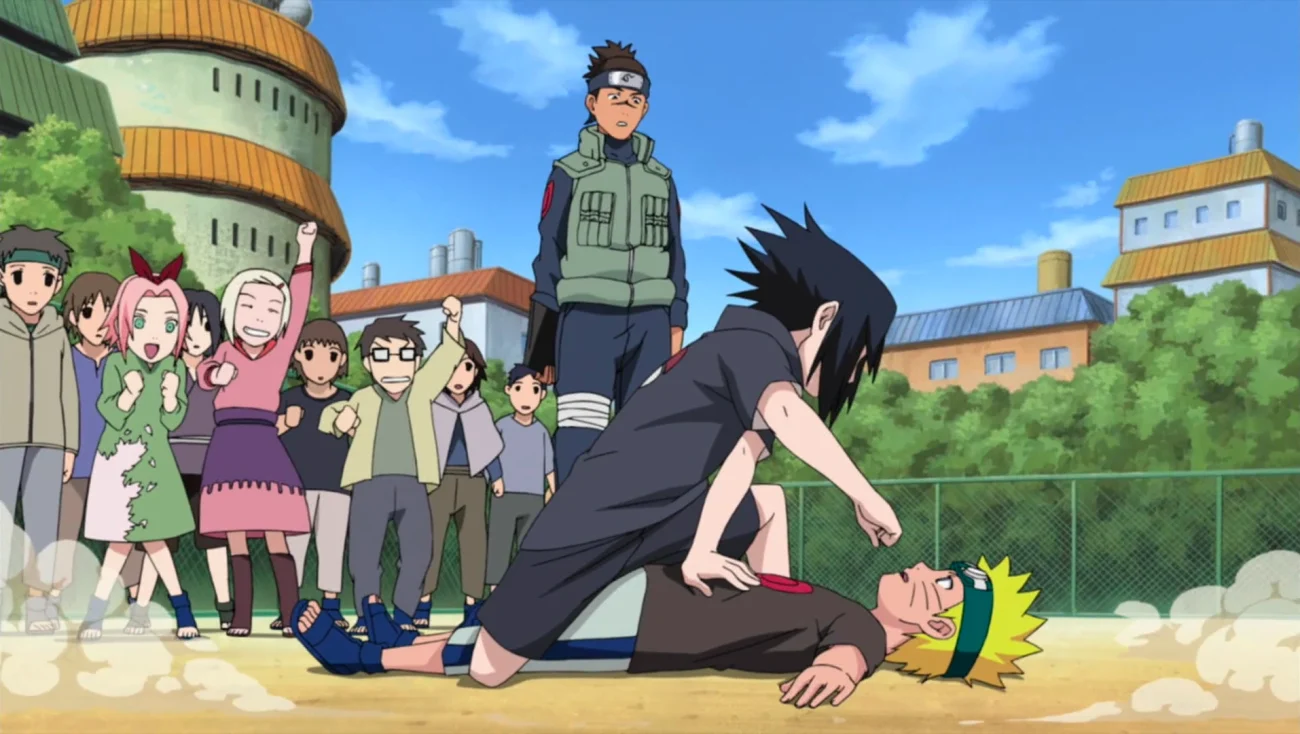
The academy evaluates graduates with techniques like the Clone Technique and Transformation, along with written basics and team exercises. Naruto repeatedly fails the Clone Technique due to poor chakra control and imbalance, which keeps him labeled as the class underperformer despite strong stamina and determination shown in other drills. The grading scheme leaves little room for a student whose power profile does not fit the standard mold.
When he takes the Scroll of Seals he learns the Multi Shadow Clone Technique in a single night and uses hundreds of bodies to defeat Mizuki. The technique is expressly forbidden for ordinary use, yet it becomes the basis for his graduation after Iruka witnesses the result. The shift from required academy basics to acceptance through a forbidden jutsu creates a gap between formal curriculum and what the village accepts as proof of readiness.
Perfect Sense: Shadow clone training payoff
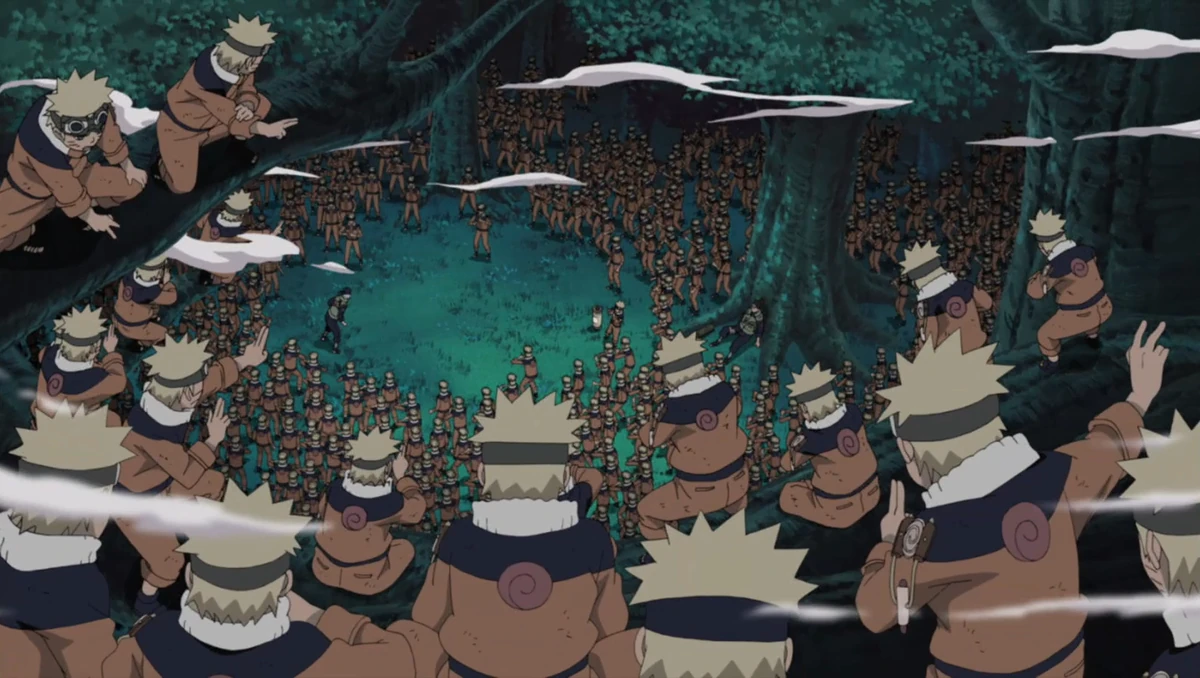
Shadow clones can perform tasks at the same time and disperse back into the user when dismissed or destroyed. Naruto uses multiple clones to manage the steps of forming the Rasengan faster than a single learner could do alone. The method lets him test and correct hand positioning and chakra rotation repeatedly in a short period.
This approach fits the structure of jutsu practice already shown across the series, where repetition and feedback are the path to mastery. By multiplying attempts and consolidating outcomes, he speeds up the cycle that every shinobi needs to go through to refine control. The training advantage explains how he catches up on specific skills without breaking established limits on stamina and focus.
Zero Sense: Handling of Sasuke’s curse mark
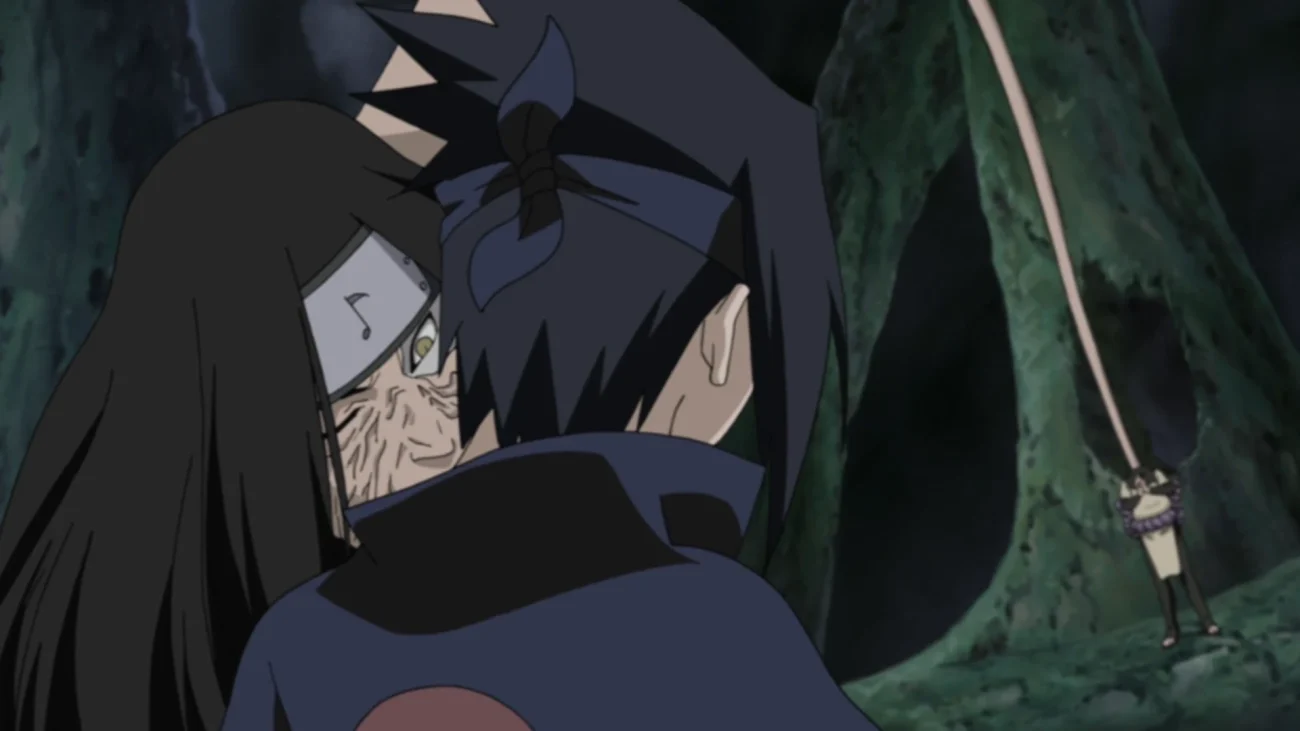
Sasuke receives the curse mark during the Forest of Death and experiences uncontrolled surges of power and pain. Anko identifies the mark as a dangerous seal from Orochimaru and Kakashi later applies the Evil Sealing Method to suppress it, which requires additional conditions to stay effective. Despite this known instability, he is cleared to fight in the preliminaries and then in the finals with only a temporary seal in place.
His participation exposes opponents and teammates to potential loss of control during live combat in front of proctors and village leaders. The village recognizes the mark as a direct threat created by an enemy who has infiltrated the exams, yet the approach in the arena proceeds with limited additional safeguards. The policy shown on screen does not match the level of containment typically expected for a seal tied to an S rank criminal.
Perfect Sense: Gaara’s automatic defense
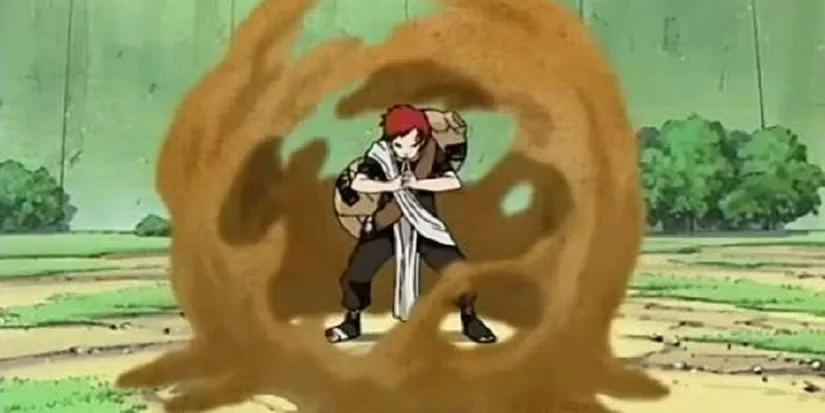
Gaara’s sand responds on its own to incoming threats, forming a shield that moves faster than his conscious reaction. The show ties this defense to chakra infused sand carried in his gourd and to the influence of Shukaku, which gives him protection even when he is unaware of an attack. This mechanic explains why direct strikes often fail unless they exceed a certain threshold or bypass the guard.
His traumatic upbringing and isolation inside his village explain his aggressive posture during the exams and the invasion. Multiple assassination attempts, the instability of the tailed beast inside him, and the role assigned to him by his superiors all push him toward extreme self preservation. The combination of an automatic defense and a hostile environment fully accounts for his combat behavior during the original series.
Zero Sense: Land of Waves mission risk
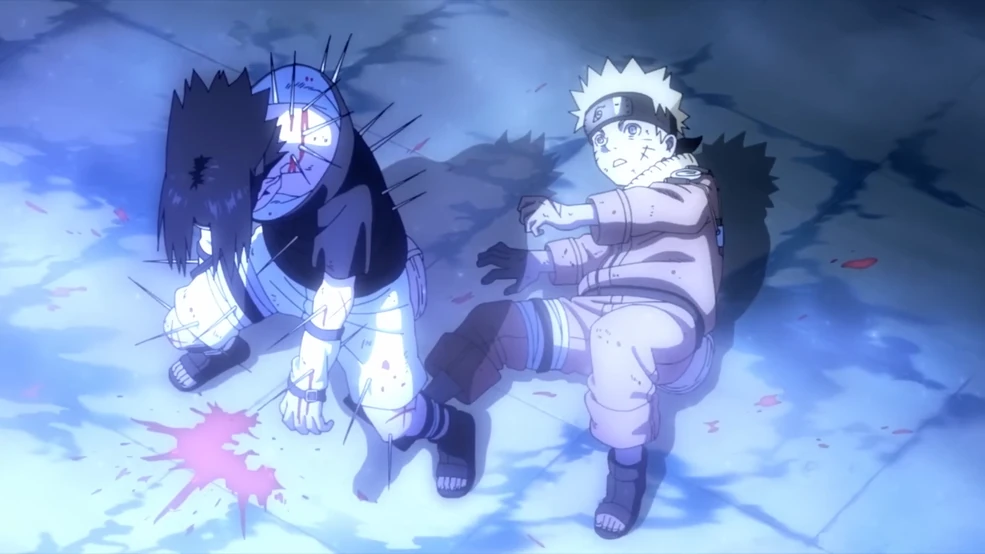
Team Seven accepts a C rank escort for Tazuna based on the client’s limited funds and incomplete disclosure of the danger. The mission quickly escalates when the Demon Brothers attack, revealing that the true threat involves Gato’s criminal network and the rogue ninja Zabuza. The team then proceeds despite the clear jump to a higher risk category intended for more experienced squads.
The Hokage later explains that missions can be reclassified when new information surfaces, but the decision to continue leaves genin facing a jounin level enemy and a prodigy like Haku. The situation puts the teacher in a constant triage between training and survival during a job that began as a basic escort. The contrast between the posted rank and the realized risk makes the initial acceptance hard to square with the intended safeguards for new graduates.
Perfect Sense: Summoning rules and big toads
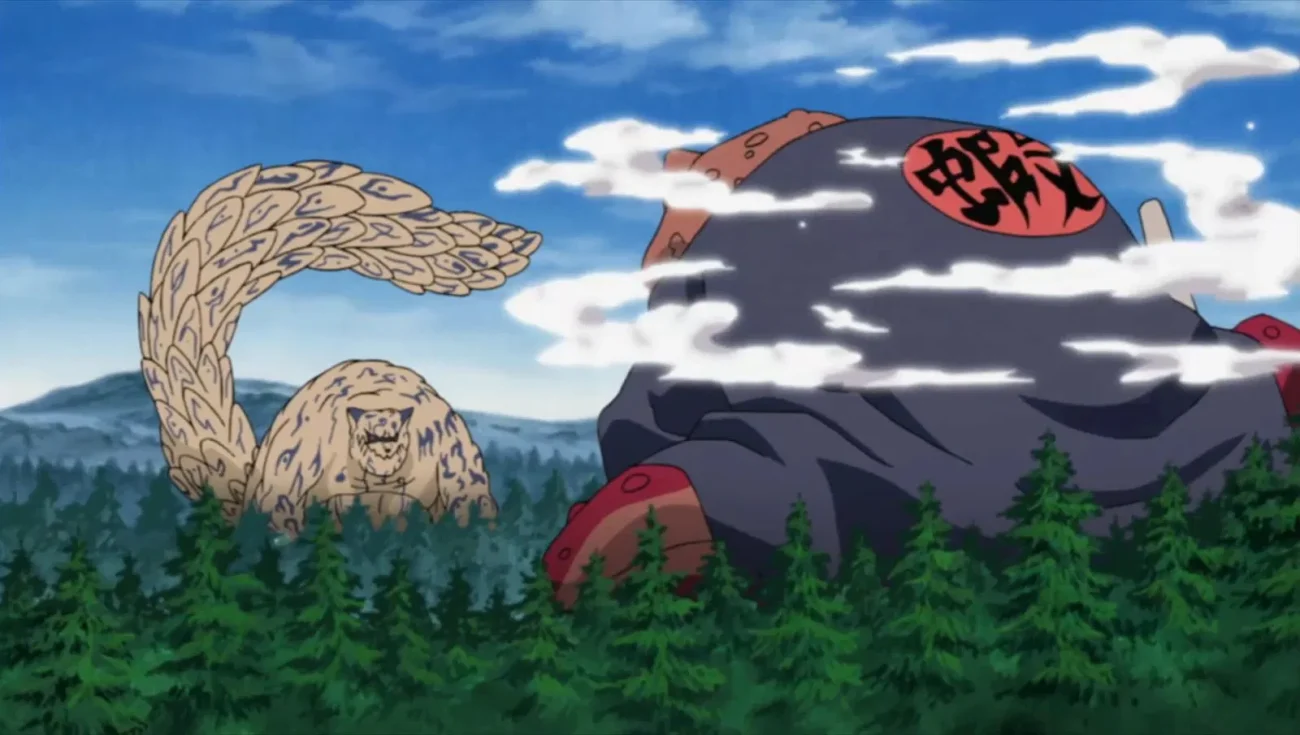
Summoning requires a signed contract with a species, a blood offering to key the technique, and enough chakra to bring out a creature of a given size. Jiraiya has Naruto sign the toad contract and drills him through repeated attempts that result in small toads when his output is low. The show then pushes him into a crisis where he draws on the Nine Tails and produces Gamabunta.
The toads recognize the contract holder and respond proportionally to the chakra supplied, which is why the same hand signs can yield very different results at different moments. Naruto proves the bond to Gamabunta through stubborn persistence while injured, matching the rules the series lays out for summons and pacts. The scene stays consistent with the mechanics of contracts and chakra volume already established in the story.
Share your own zero sense and perfect sense moments from the original run of ‘Naruto’ in the comments.