

5 Things About ‘One Punch Man Anime’ That Made Zero Sense and 5 Things About It That Made Perfect Sense

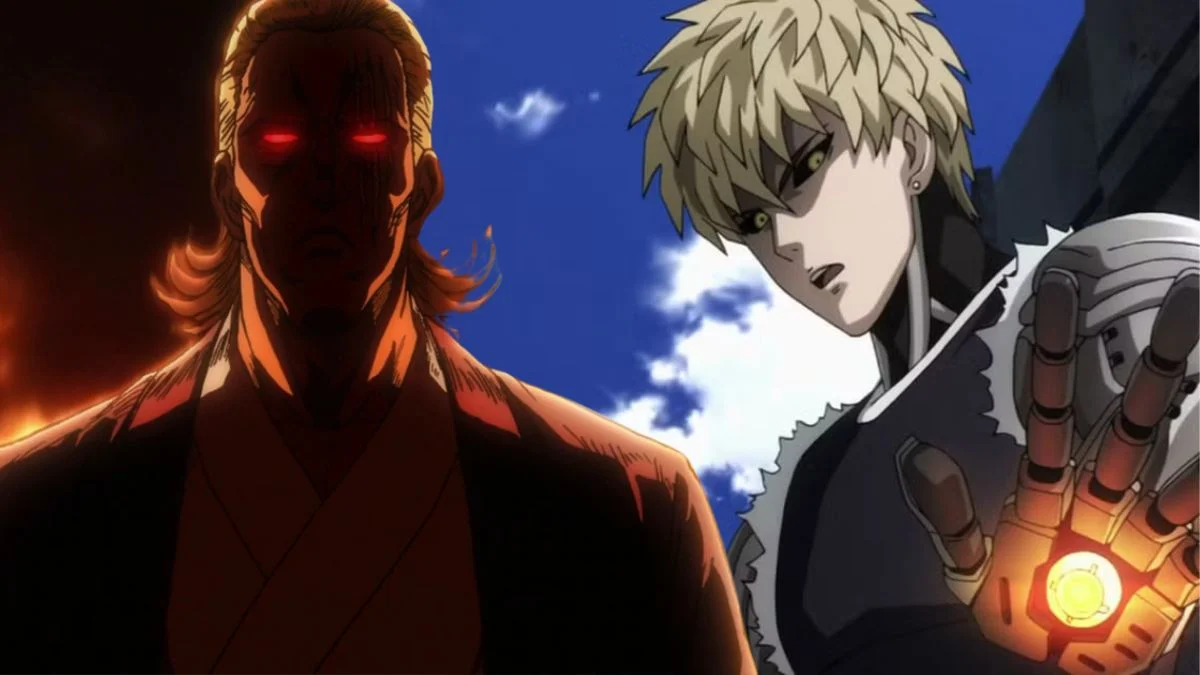


‘One Punch Man’ built a world where bureaucrats track hero points while city sized threats show up before lunch. It mixes polished action with deadpan gags and still packs in a lot of specific rules about ranks, disasters, and how heroes get credit. That blend produces moments that feel off on paper yet line up cleanly once you look at the systems inside the story.
Here are five parts that clash with everyday logic and five that follow the internal rulebook. Each entry focuses on the concrete mechanics and events that the anime shows on screen, from how the Hero Association moves people around to how a single punch ends a fight that was set up as a crisis.
Zero Sense: Hidden Power
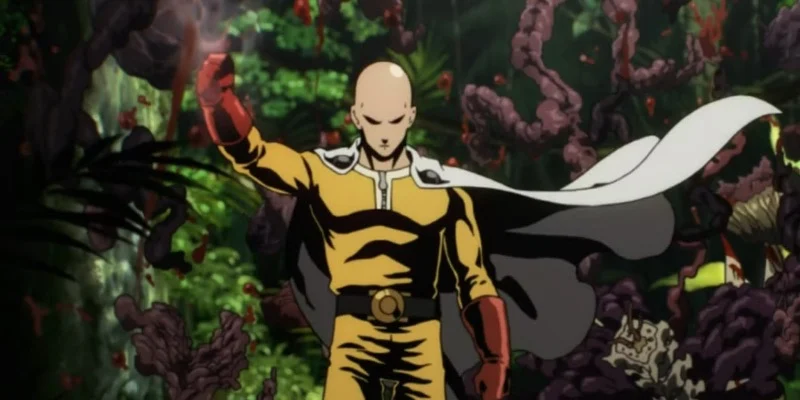
Saitama begins as a C Class hero even though the Hero Association records show physical test results that break every chart. His written score is low, so he is placed at the bottom and has to complete routine quotas to avoid removal. The anime shows him clearing cases quickly while other heroes receive most of the public credit because crowds and officials rarely witness his decisive blows.
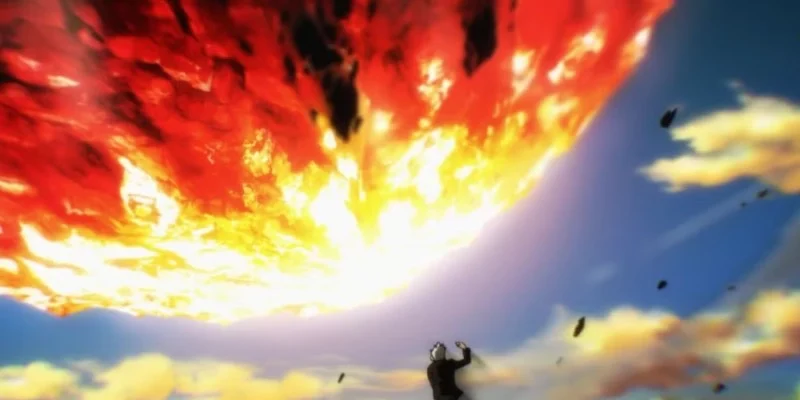
Large scale events keep repeating this pattern. The meteor over City Z is destroyed by Saitama while the fallout damages buildings and turns public opinion against him. The Deep Sea King incident ends with Saitama declaring he finished it as a late arrival so that higher ranked heroes keep their standing, which leaves his real ability off the record again.
Perfect Sense: Hero System

The Hero Association operates with named classes and numbered ranks that rise and fall with activity and public approval. Heroes take an admission exam that combines a written test and a physical test and they receive official hero names after review. The anime tracks points earned by completed cases, collateral outcomes, and survey response from citizens to update the list.
Cities use letters from A to Z and the Association assigns patrols, evacuations, and relief based on those zones. Mobile communications update heroes during incidents and specific requests go out to the nearest ranks that match a predicted threat. This structure explains why some heroes rush into events first while others are formally dispatched after a brief assessment.
Zero Sense: Power Scale
Monsters and heroes use labels and rankings, yet fight outcomes can look uneven from scene to scene. The Deep Sea King defeats multiple A Class heroes and damages Genos heavily, then Saitama ends the fight instantly. Elder Centipede forces coordinated retreats from experienced fighters, then Saitama removes it the moment he arrives.
Visual build up can suggest a long battle while the strongest character reduces it to one strike, which compresses the expected arc of escalation. The show presents matchups where techniques and effort matter for everyone except Saitama, so the usual step by step ladder of strength does not apply once he is in frame.
Perfect Sense: Threat Levels
Disasters receive a clear scale that runs from Wolf through Tiger and Demon to Dragon and God. City alerts, shelter orders, and dispatch priorities map to those levels so viewers see why patrol units withdraw or hold a line while higher ranks gather. Civil defense messages and public address systems repeat the level and the zone so citizens know when to evacuate.
The Association bases its calls on potential scope rather than a single opponent. Demon covers a city level hazard while Dragon implies damage to multiple cities even if only one creature appears. That framework explains why entire regions empty out for a single arrival and why response teams change when the estimated impact shifts during a fight.
Zero Sense: City Rebuilds
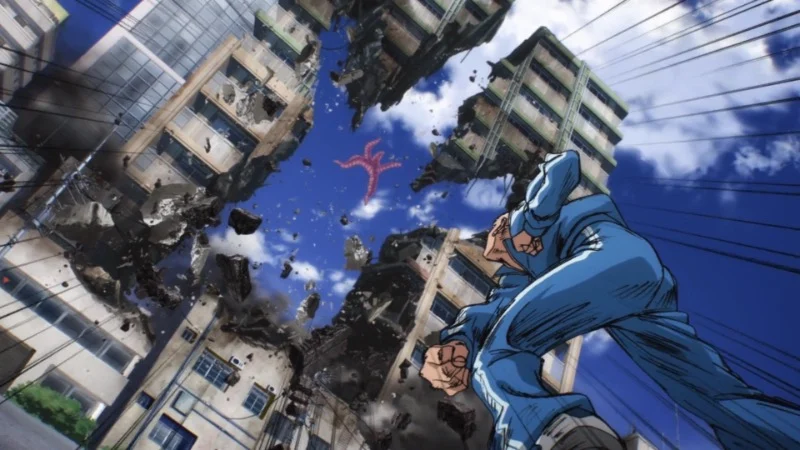
Entire districts are lost in minutes and yet daily life resumes with remarkable speed. City A is erased during the alien invasion and the Association relocates headquarters to a new fortress in City Z while continuing regular hero assignments. The scale of destruction would normally halt services for months, but the story moves back to routine patrols almost immediately.
City Z itself is shown with an inner area that citizens have abandoned due to constant monster activity while a ring of neighborhoods still functions. The flow of commuters, supply deliveries, and housing support after major battles happens with minimal disruption on screen, which softens the real world logistical load that such events would create.
Perfect Sense: Martial Arts
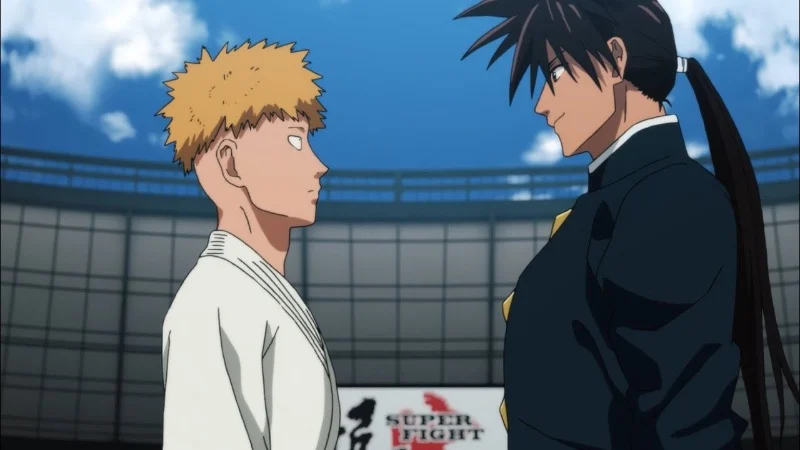
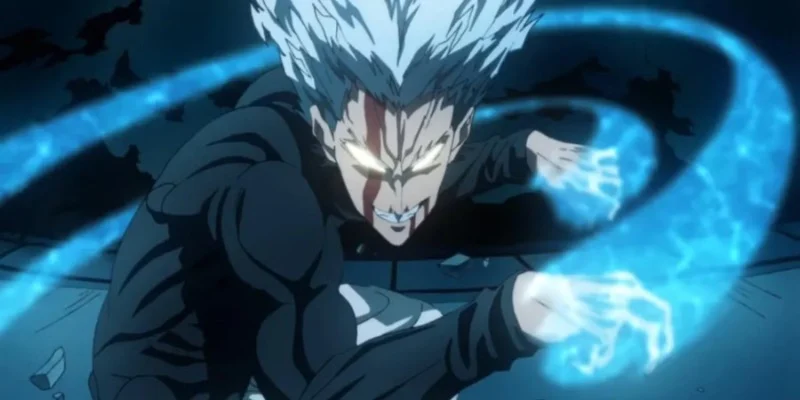
The martial arts tournament arc introduces formal styles with named principles and training lineages. Water Stream Rock Smashing Fist and Whirlwind Iron Cutting Fist are presented with stances, guard patterns, and counter rules that characters explain during matches. Garou studies these flows and adapts to them in real time by reading rhythm, angle, and recovery frames.
Suiryu demonstrates a modern sport oriented style that focuses on speed, distance control, and ringside awareness. The tournament provides a map for technique versus raw output, which clarifies why certain fighters cause problems for others who rely on straight line offense. The anime uses those details to label openings and to show why a form wins or loses in a given exchange.
Zero Sense: King Credit
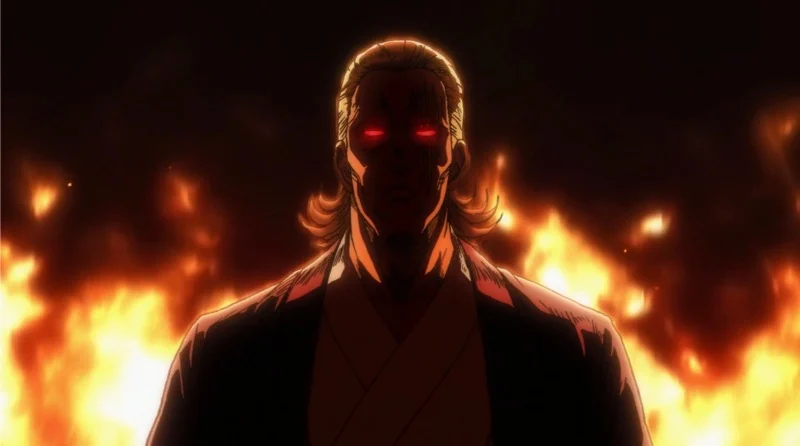
The public calls King the strongest man alive and treats his arrival as a guarantee of victory. The anime shows that the legend comes from repeated coincidences where monsters fall just before onlookers notice who landed the punch. King receives ranking points and fame while the actual work happened off camera thanks to Saitama.
King avoids combat and relies on reputation to defuse encounters and buy time for real fighters to appear. He maintains friendly ties with top heroes and the Association considers him a core asset despite zero verifiable feats. The gap between his recorded status and his actual ability remains unexplained inside the ranking system that is supposed to track performance.
Perfect Sense: Genos Upgrades
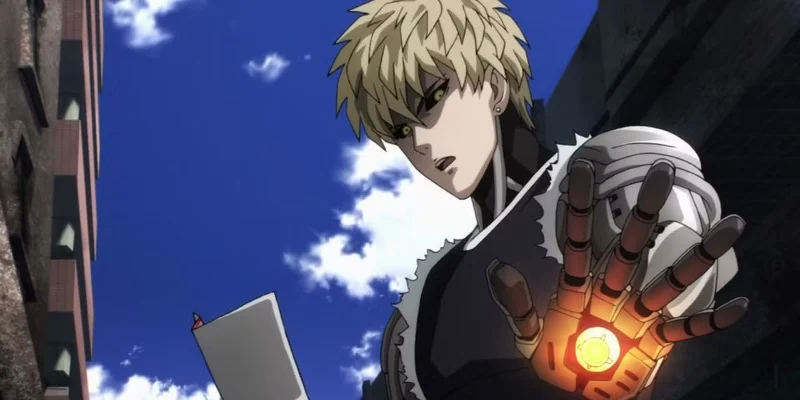
Genos treats every defeat as a data point and returns with new hardware from Dr Kuseno. The anime catalogs changes to his core, arms, and propulsion systems after specific battles, with visible differences in casing, emitters, and heat control. He switches loadouts to match mission needs and accepts tradeoffs between mobility, armor, and sustained output.
Each rebuild references the prior failure and addresses a defined limit. After encounters where humidity and durability matter he receives reinforced housings and revised cooling channels. After range problems he adds modular cannons and improved targeting. The upgrade loop explains why he keeps pace with rising threats even if he still falls short of the top spot.
Zero Sense: Mumen Rider
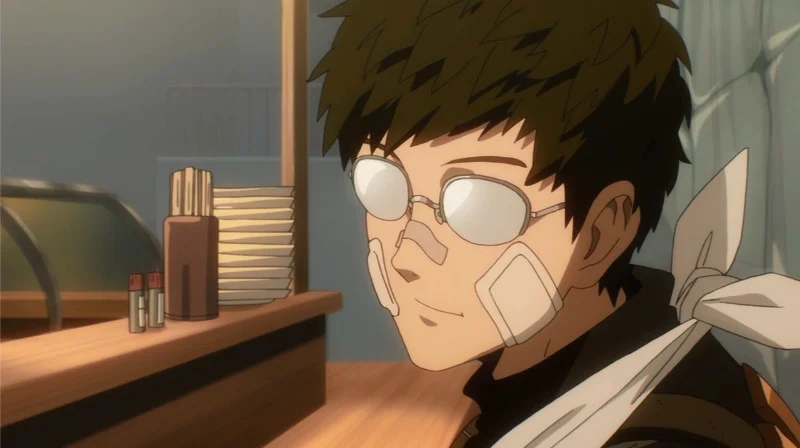
Mumen Rider is a C Class hero with no enhancements who rides a bicycle to scenes that feature city level threats. He engages the Deep Sea King and survives a direct beating that would normally end a human combatant in seconds. He returns to active duty soon after and continues to appear in similar scale incidents.
His kit is a helmet, basic armor, and a folding bike, yet he reaches locations during evacuations that stop most citizens. The anime treats his body as resilient enough to stand up and move after heavy impacts that hospitalize trained fighters with gear. The timeline between injuries and his next appearance runs faster than medical protocols would support.
Perfect Sense: Visual Timing
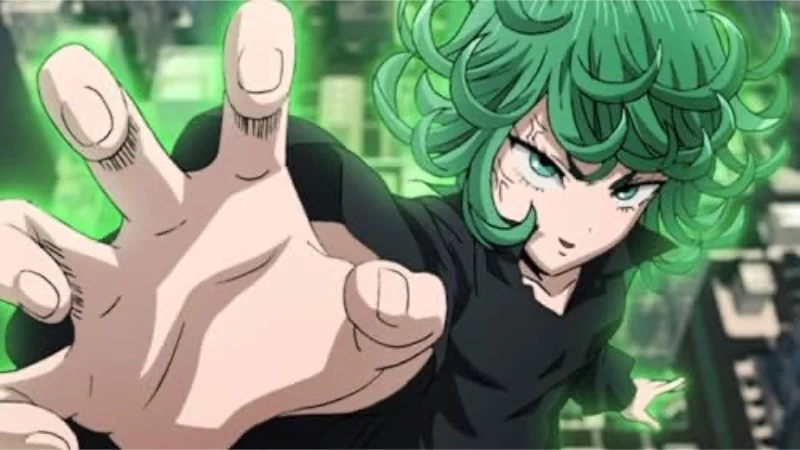
Season one by Madhouse leans on sudden cuts, smears, and hold frames to flip from a serious buildup to a simple knockout. Impact frames, speed lines, and crisp background art help sell distance and mass so a single punch lands with clear weight. The show also uses quiet inserts like a blank stare or a drifting plastic bag to set up a punchline without dialogue.
Season two by J C Staff shifts layout and staging but keeps that timing in place with more dialogue driven scenes and quick reaction shots. Both seasons match sound effects to specific frame changes so the audience reads the win the moment the cut hits. The consistency of that editing approach explains why jokes land cleanly even when the outcome is certain.
Share the moments in ‘One Punch Man’ that confused you and the ones that clicked right away in the comments.