


5 Things About ‘Prey’ That Made Zero Sense and 5 Things That Made Perfect Sense

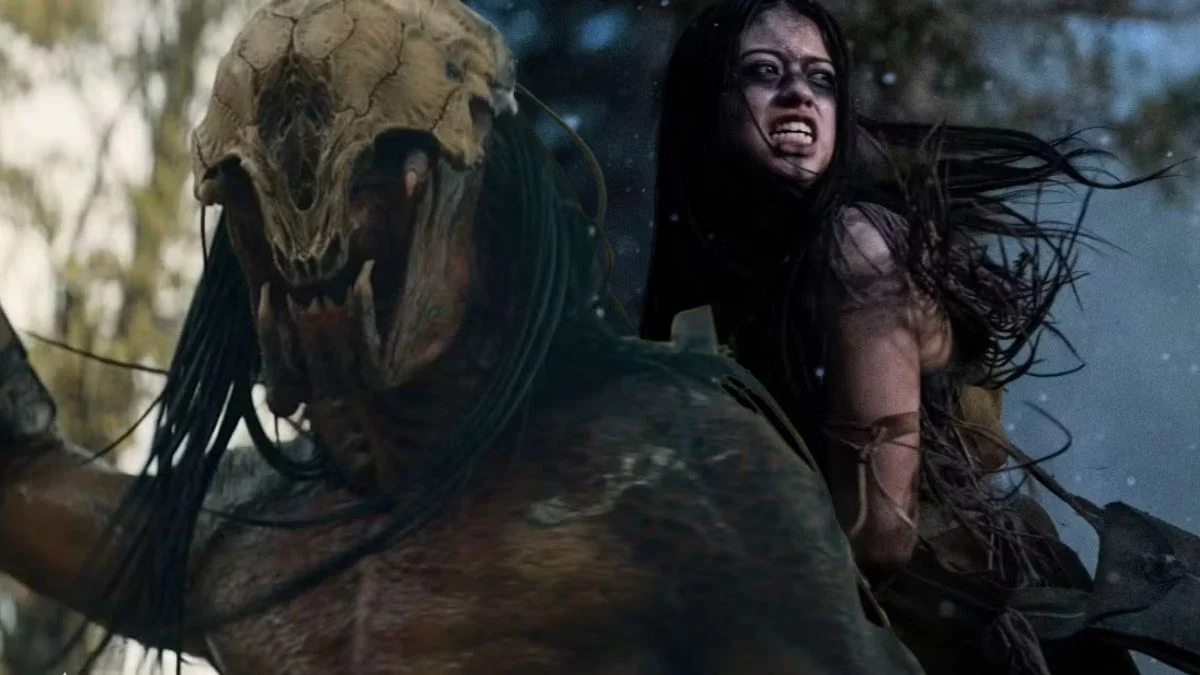


“Prey” is a tight, clever survival story. It brings the Predator into a fresh setting and tells a clear, fast tale. The film looks great and moves with purpose.
But even good movies have choices that make you pause. Here are five things that felt off, and five that felt exactly right.
Zero Sense: The “cold flower” hiding body heat
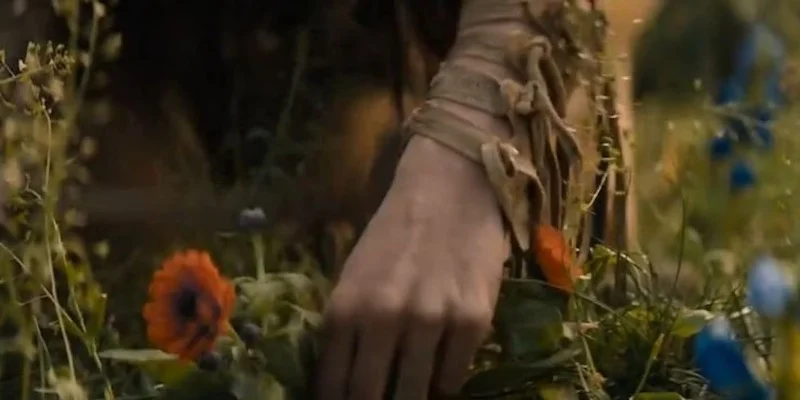
The orange flower that drops a person’s body temperature works like magic. It makes Naru invisible to the Predator’s thermal vision within minutes. That is not how human bodies work. A rapid drop like that would be dangerous.
The idea helps the plot. But it asks for a big leap. Medicine that fast and that strong breaks the film’s grounded tone.
Perfect Sense: The Predator’s older gear fits the 1700s
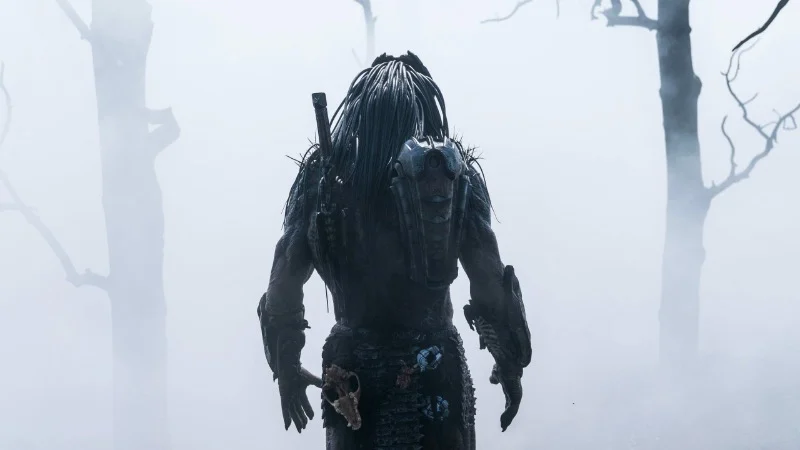
This Predator uses simpler weapons. No shoulder plasma. It favors a bolt gun, blades, and a mask that guides tracking darts. That fits an earlier era of the species.
Older tech also levels the field. Humans in 1719 have bows, traps, and muskets. A less advanced Predator keeps the fight fair and tense.
Zero Sense: Naru masters the rope-tomahawk too quickly
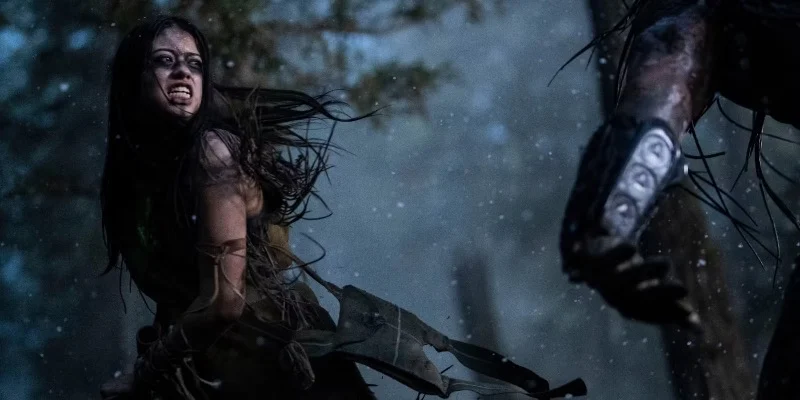
Naru invents a tether for her tomahawk and becomes an expert fast. She throws, yanks, and rethrows with perfect control. That skill would take long training.
It looks cool on screen. But mastery overnight stretches belief. The film could have shown more practice time.
Perfect Sense: Naru’s tracking and survival know-how

Naru’s core skills make sense. She reads tracks, knows animal patterns, and uses herbs. She notices details others miss. That is the edge a hunter needs.
Her tactics are also practical. She studies the threat, tests ideas, and adapts. The final plan grows from what she has learned all along.
Zero Sense: The trappers’ bait plan is badly thought out

The French trappers use Naru and Taabe as bait, then stand in the open. They already saw the creature shrug off shots. Yet they crowd close and waste ammo.
A smarter plan would use distance, fire, and traps in depth. Their approach looks like panic, not a plan. It mainly serves to raise the body count.
Perfect Sense: The Predator climbs the food chain
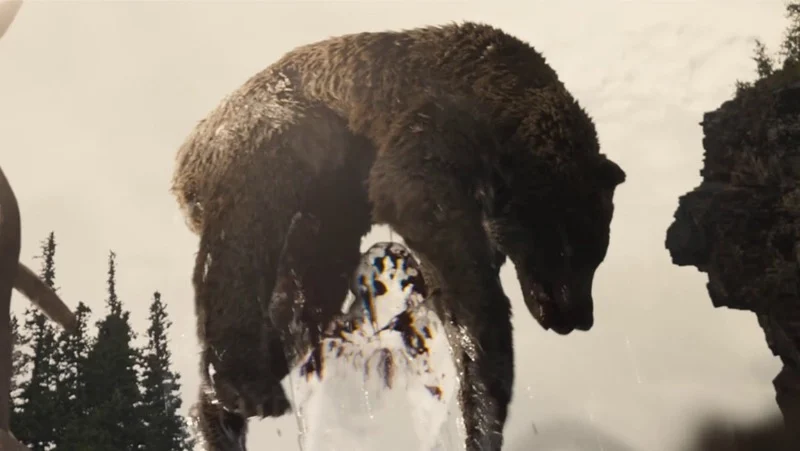
The Predator studies the new land by fighting its top animals first. Snake. Wolf. Bear. It learns the rules and the risks.
That is clean hunter logic. Test yourself, then seek the most worthy prey. By the time it turns to humans, it knows the terrain.
Zero Sense: The mask auto-aim backfire is too convenient

The final kill depends on the mask’s targeting beams. Darts follow the dots straight back to the Predator’s head. It is a neat twist.
But why would a warrior use aim points that can point at his own face? One slip and it is fatal. The design flaw feels built for the ending.
Perfect Sense: Water and mud breaking the cloak
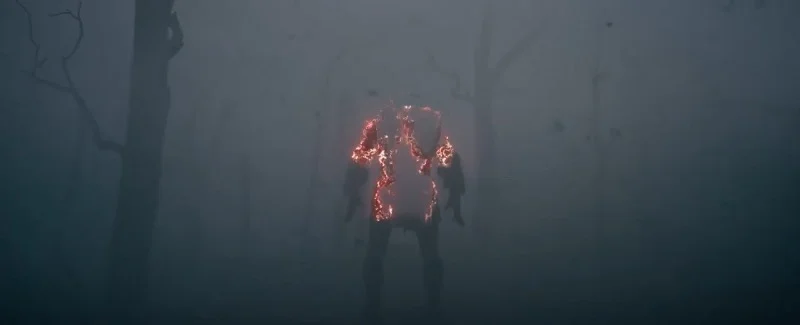
The river and mud expose the Predator. The cloak flickers and fails when wet or coated. That visual rule is simple and clear.
It also gives Naru a tool. She learns when the creature is blind and plans around it. The movie sets a rule and sticks to it.
Zero Sense: No self-destruct failsafe at the end

In other stories, a wounded Predator triggers a bomb to erase the scene. Here, nothing like that happens after it loses. The cleanup never comes.
You can say this hunter lacked that device. Or chose not to use it. Still, it feels odd given the code the species often follows.
Perfect Sense: The flintlock pistol linking the lore
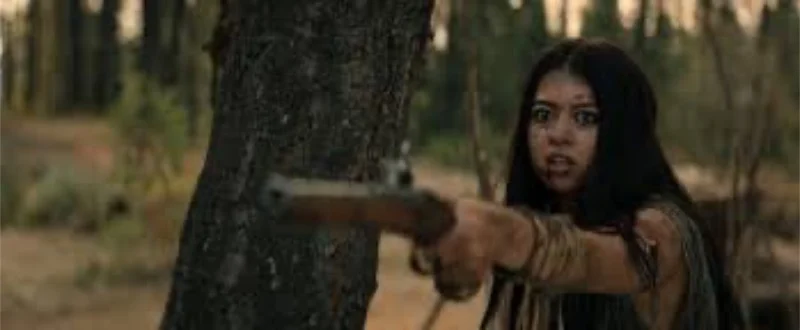
The flintlock pistol passed between characters ties into a known piece of franchise lore. It shows how the weapon changed hands. It connects this tale to the wider world.
The moment is quick and not showy. It rewards fans but does not confuse new viewers. That is smart franchise writing.
Share your hunt: tell us which parts of “Prey” you thought were sharp and which parts missed, down in the comments.