


5 Things About ‘Raiders of the Lost Ark’ That Made Zero Sense and 5 Things About It That Made Perfect Sense

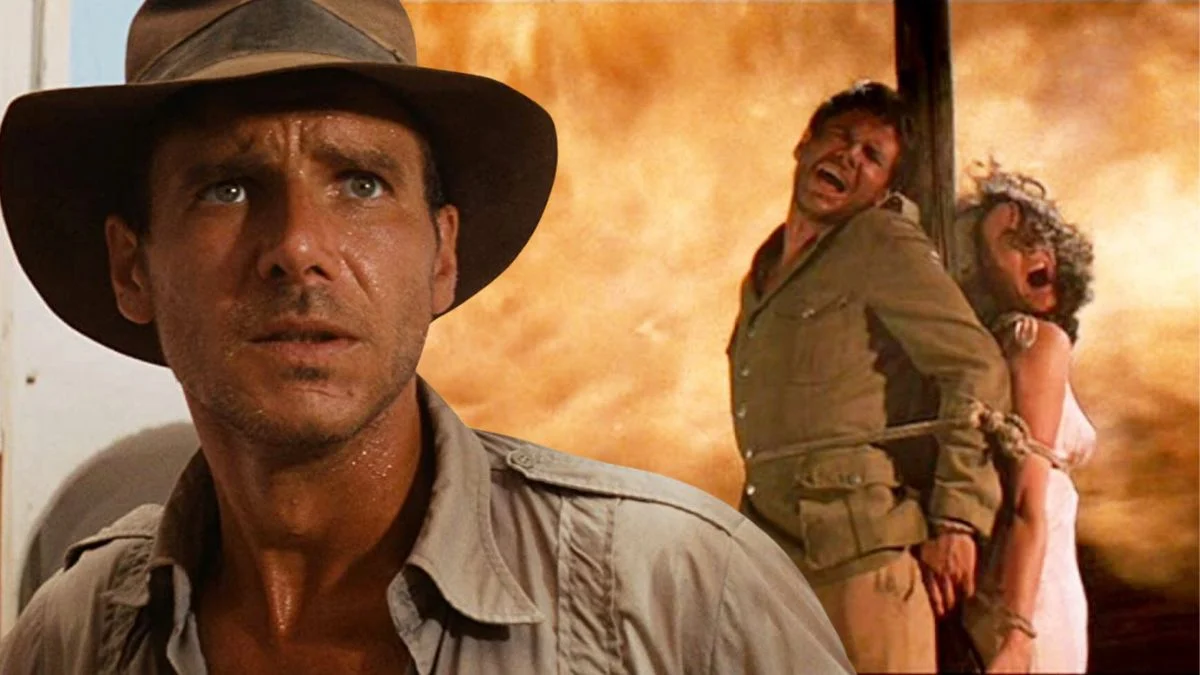


‘Raiders of the Lost Ark’ is packed with razor sharp set pieces, globe trotting puzzle solving, and a treasure hunt that folds real world lore into classic movie adventure. It moves so fast that details can blur, which is part of its charm and also why fans still pick apart the tiny gears that make the story tick.
This breakdown stacks the wildest head scratchers against the cleanest pieces of internal logic. Each entry sticks to what the film shows on screen, from dialogue and props to geography and timing, so you can see how the puzzle either clicks neatly into place or leaves a few pieces under the couch.
Zero Sense: Indy’s Impact
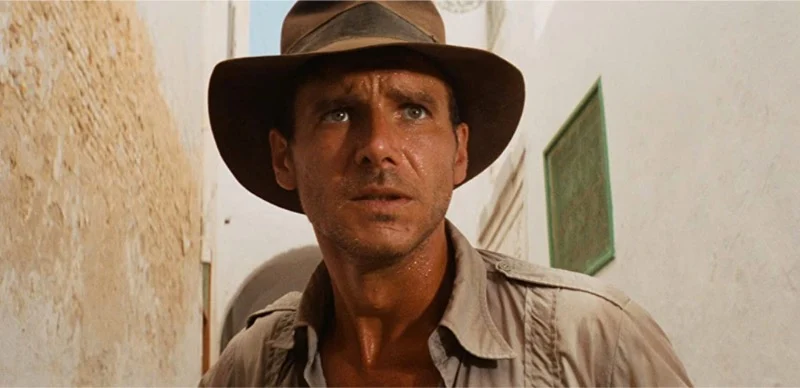
The story ends with the Ark opening and destroying the Nazi expedition while Indy and Marion survive. The sequence of events shows that the Nazis seize the Ark after Indy digs it up, transport it, then open it during a ceremonial test. The outcome of that test does not depend on whether Indy recovered the Ark first or whether they found it by another path, since the same leaders conduct the same ritual and suffer the same fate.
Indy’s actions change who reaches the Ark first and where the opening takes place, yet the film’s climax occurs because the villains decide to open it in a controlled setting under their command. The artifact returns to secrecy afterward, so the net result of the finale mirrors what would have happened once the same people chose to test the Ark without proper safeguards.
Perfect Sense: Staff Height Fix

The headpiece to the Staff of Ra carries instructions on both sides. The front gives the staff length used to set the crystal at the correct height over the map room model. The reverse adds the temple specific reduction that must be subtracted to honor the gods. Indy uses the complete inscription and a full headpiece, so his staff height matches the requirement.
The rival team works from a partial copy taken from a burned imprint that lacks the reverse instruction. Their staff ends up too tall because they never apply the reduction. That error shifts the sun beam to the wrong spot at the critical time, which explains why their large scale dig misses the Well of Souls until Indy’s correctly measured shot reveals it.
Zero Sense: Ancient Temple Traps
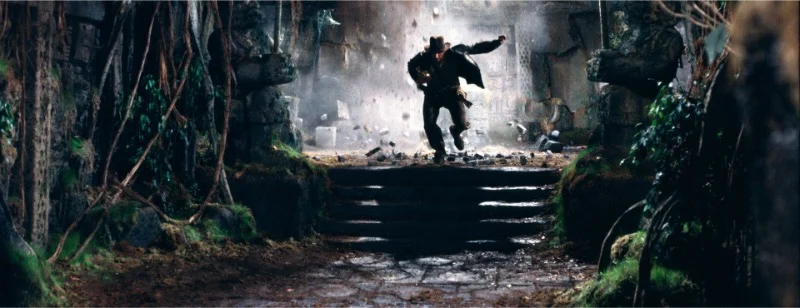
The Chachapoyan temple presents spring loaded darts, collapsing floors, and a rolling boulder that all function perfectly after centuries without maintenance. Mechanical traps rely on tension from fibers, wood, or metal and on moving parts that need lubrication and protection from moisture. Long exposure to humidity and soil usually weakens cords, corrodes metal, and clogs channels with sediment.
The pedestal pressure plate reacts instantly to a small weight change and resets a sequence that releases the boulder. Without caretakers, replacement parts, or climate control, the system performing flawlessly strains credibility for a jungle ruin that has endured earthquakes, plant roots, and seasonal flooding.
Perfect Sense: Sunlight Map Method
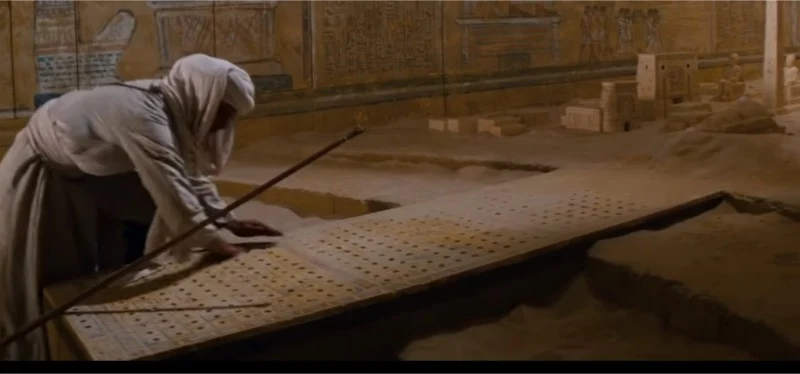
The map room is a scale city with cardinal orientation. The headpiece crystal focuses a sunbeam through the morning light at a date chosen for the field work. When the correct staff height and exact time align, the beam lands on the model point that marks the dig site. This uses known solar position at that latitude, which is predictable and consistent.
The film shows Indy checking time and date and waiting for the sun to reach the target angle, then the beam pins a single building location. The result is a practical surveying method that converts celestial timing into ground coordinates, which explains why one precise measurement succeeds where wide area trenching fails.
Zero Sense: Sand Bag Idol Swap
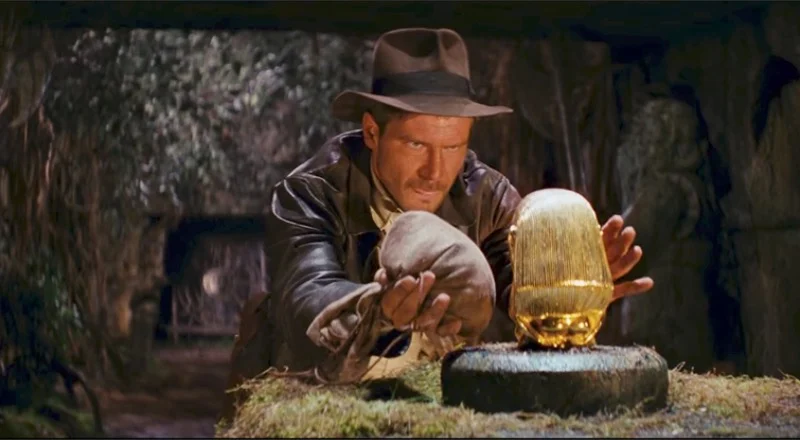
The golden idol sits on a sensitive pressure plate. Indy estimates the idol’s mass by eye and fills a leather bag with sand in seconds. Gold has a much higher density than sand, so a bag that matches size will still weigh far less than the solid object it replaces. The mechanism reacts almost at once, which indicates the difference crosses the plate’s threshold.
The room’s response supports the idea that the pedestal tolerances are tight. A small shortfall in mass would be enough to release the trap, and a leather sack is not a stable weight because sand shifts as it settles. The instant slump in the bag lowers effective pressure at the point of contact, which triggers the system.
Perfect Sense: Swordsman Shortcut
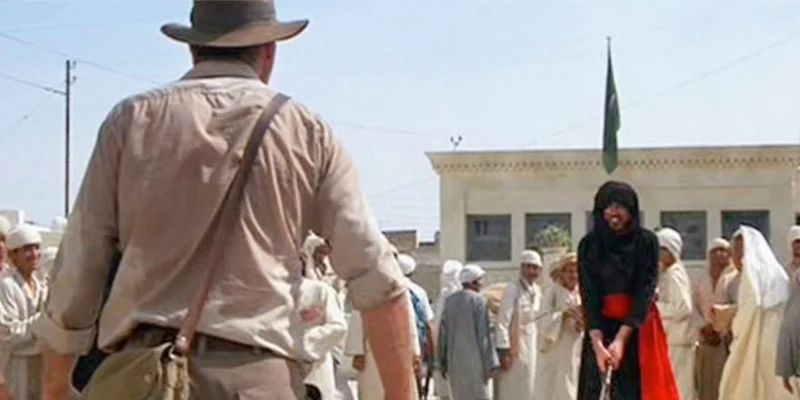
In the Cairo market sequence, Indy faces a highly skilled swordsman in open space while multiple hostiles close in. He carries a sidearm with limited ammunition, and the objective is to find Marion as quickly as possible in a crowded area. One shot ends the immediate threat and clears a path without a prolonged duel that would draw more attackers.
The choice matches fieldcraft the film establishes for Indy. He improvises, uses the tool that gives the highest chance of survival in the moment, and moves. It also fits the urban environment where a long fight invites encirclement. The quick resolution keeps him mobile and reduces risk to bystanders in a chaotic setting.
Zero Sense: Submarine Ride Feat
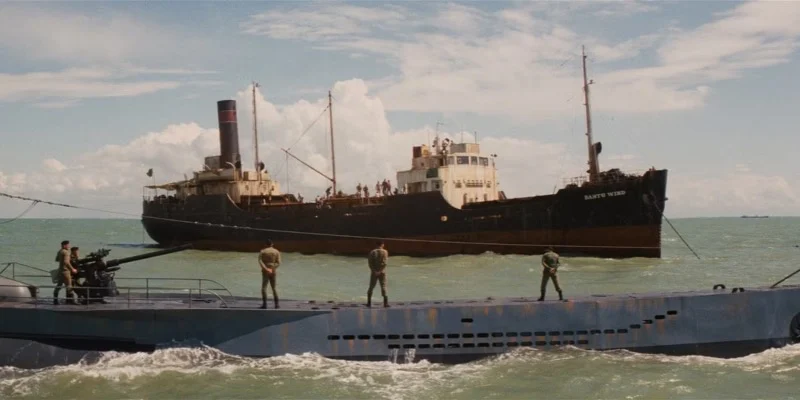
After the truck chase, Indy boards a U boat and is shown clinging to the conning tower as it leaves the harbor. Open sea transits expose a person to constant spray, wind, and cold water. Even at moderate speed the duration between the island and the destination base would require continuous grip and endurance without rest, shelter, or food.
The shot language also implies the submarine submerges, which would make external travel impossible for any meaningful distance. The film cuts from departure to arrival without showing a practical method for Indy to remain attached or stowed, which leaves a gap between what the environment demands and what a human body can withstand.
Perfect Sense: Belloq’s Practical Test
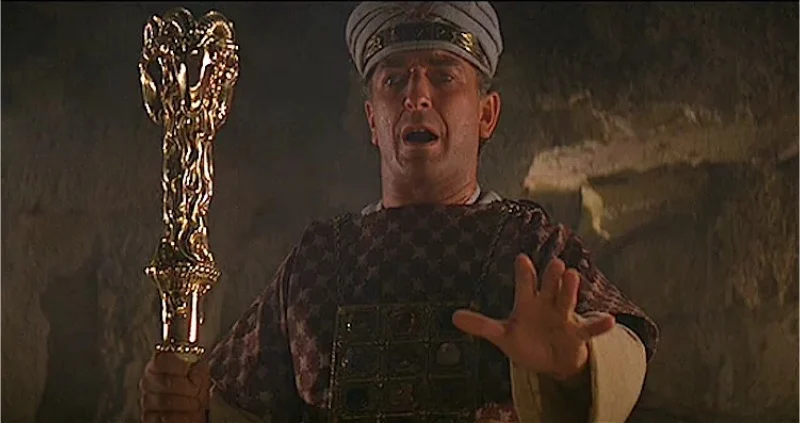
Belloq argues for a ceremonial opening before delivery to the political leadership. He secures a remote Aegean site under military control, brings cameras and scientific instruments, and sets a formal ritual. The plan serves two goals at once, since it verifies the Ark’s power and stages a demonstration that he can present as a triumph.
Dialogue shows tension between immediate transport and validation, and Belloq wins that debate by framing the opening as a necessary proof. The island location reduces risk to the national leadership and keeps the discovery under the expedition’s authority. Within the chain of command shown on screen, this is a sound operational choice.
Zero Sense: Warehouse Storage Choice
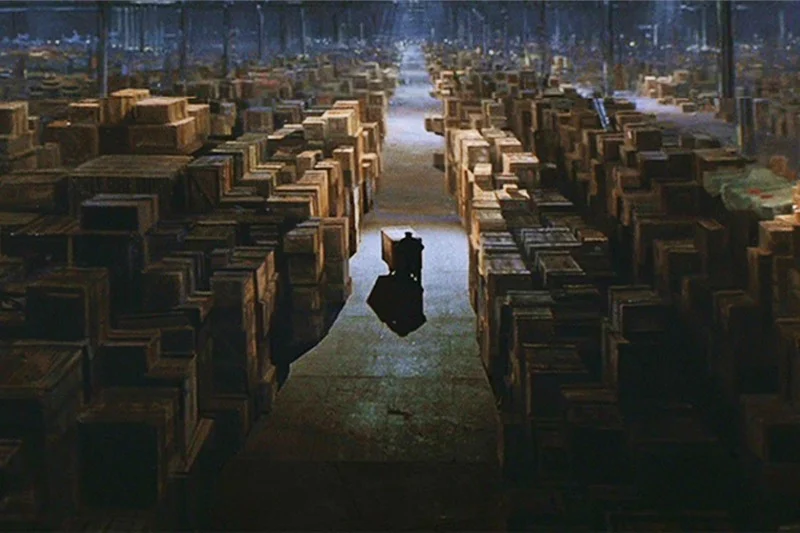
After witnessing lethal and unpredictable effects, the artifact is sealed in an ordinary crate and sent to a generic government warehouse. The package receives a standard stencil and disappears among countless boxes without a clear hazard category, isolation chamber, or scientific containment visible on screen.
The handling suggests routine intake rather than a protocol tailored for a volatile object that vaporized an entire unit. No quarantine, escort of specialists, or dedicated facility is shown. The contrast between the field experience and the final storage scene leaves a gap in how a dangerous find would be documented, secured, and monitored.
Perfect Sense: Eyes Shut Rule
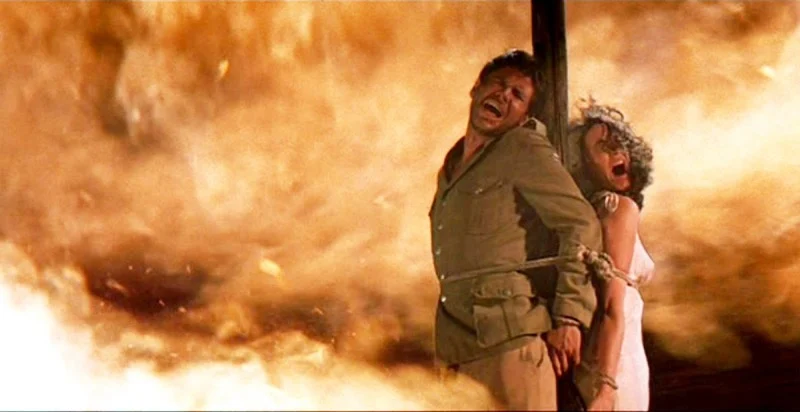
The Ark’s power destroys those who gaze at the manifestation during the ceremony. Indy tells Marion to keep her eyes shut and they both avert their gaze while the energy releases. The film foreshadows this boundary through legends and warnings about the Ark’s sanctity and the consequences of improper handling.
By aligning with that rule at the crucial moment, Indy and Marion survive without shielding or distance. The scene establishes a clear condition that separates observers from victims. The outcome follows the story’s own supernatural logic and matches the way sacred objects are treated in the lore the characters discuss earlier.
Share your own zero sense and perfect sense moments from ‘Raiders of the Lost Ark’ in the comments and let everyone know which scenes you would add to the list.