


5 Things About ‘Reservoir Dogs’ That Made Zero Sense and 5 Things About It That Made Perfect Sense

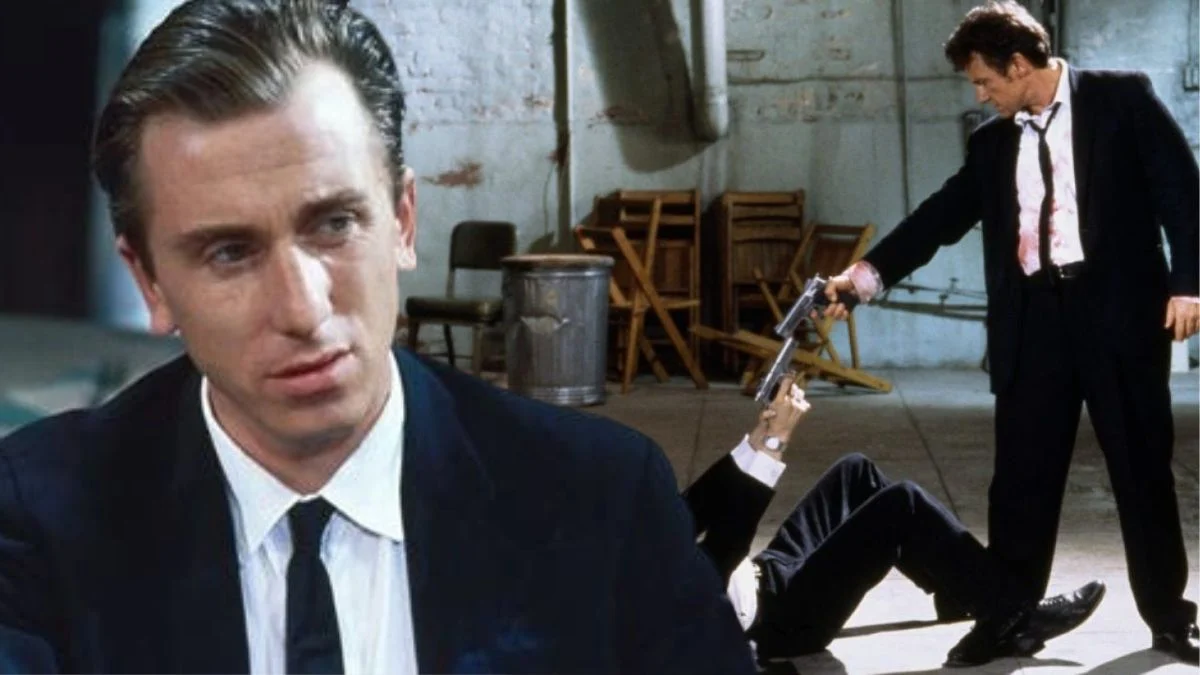


Quentin Tarantino’s debut crime thriller ‘Reservoir Dogs’ follows a group of professional thieves whose diamond heist collapses before they even reach the getaway phase. The story jumps between the aftermath and character backstories to show how a police infiltration tears the crew apart from the inside. That structure turns a simple job into a puzzle about loyalty, procedure, and the limits of criminal professionalism.
Some choices in ‘Reservoir Dogs’ look airtight when you examine the planning and the rules the boss lays down. Others feel shaky once the bullets start flying and tempers override protocol. Here are five things that do not add up when you look closely at the crew and their methods, paired with five that fit the world of seasoned operators who live by codes that keep them alive.
Zero Sense: The Crew’s Thin Vetting of Mr. Orange
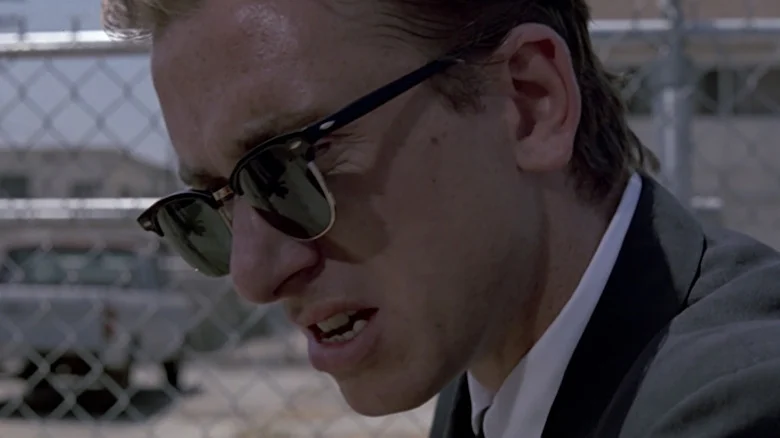
Joe brings in Mr. Orange through a trusted referral and arms him for the job without catching that he is an undercover cop. The crew receives color names and minimal personal details, yet they accept him into the circle with access to the plan and the rendezvous location. That suggests a gap in verification given the financial stakes and the history of police pressure on these operations.
Mr. Orange passes as a reliable driver and shooter during the prep stage with little pushback from senior members beyond casual tests of nerve. The job briefing does not include a step where the new guy is isolated from the most sensitive information until after he proves himself on a smaller run. That lack of staged access gives an infiltrator everything needed to sink the operation in one move.
Perfect Sense: Code Names That Protect Identities
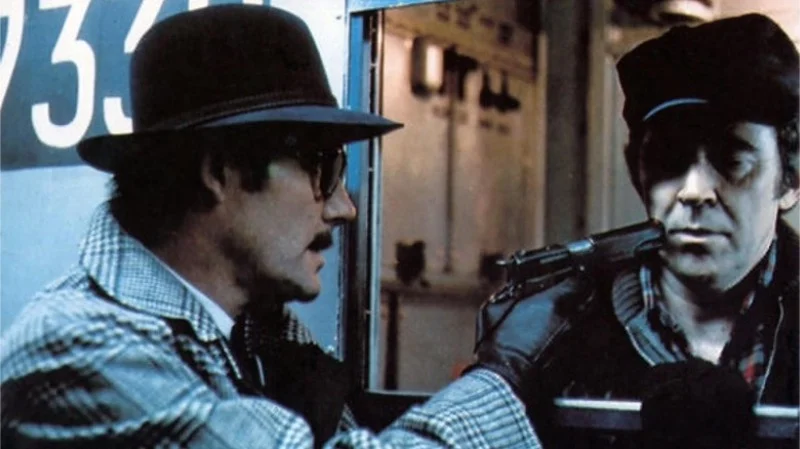
Joe assigns color names to keep real identities off the table in case someone gets grabbed or flips. The system limits personal chatter and creates a buffer between what anyone knows and what police can force out of them. That is a standard risk control in crews that expect surveillance and interrogation after a high profile robbery.
The rule also stops long term grudges that come from names and backgrounds. No one can trace a surname to a family or a past case file if they never hear it in the first place. Even with slipups during the day, the framework reduces the paper trail and makes it harder for investigators to map the crew beyond general descriptions and nicknames.
Zero Sense: The Warehouse Rendezvous With No Safeguards
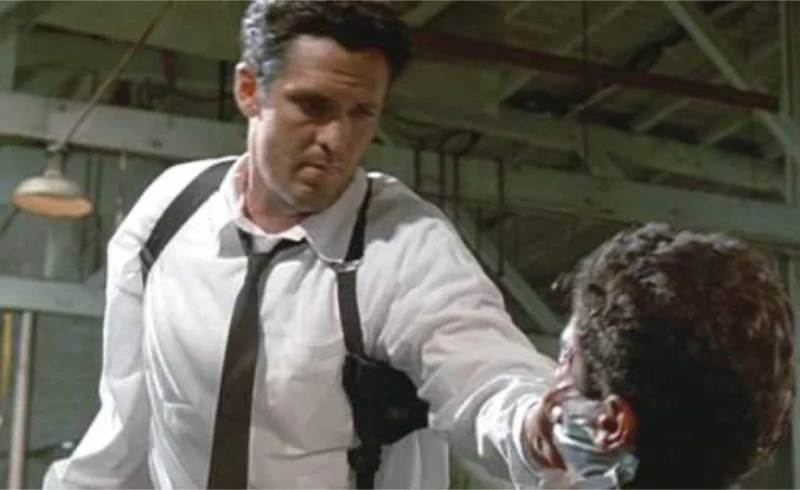
The crew uses a single warehouse as the fallback point right after a public and chaotic shootout. There is no secondary safe house and no timed rotation to throw off a tail. The plan funnels wounded and panicked participants into one fixed address that can be canvassed by police looking at nearby industrial spaces.
Inside the space there is no medical kit beyond improvised towels, no scanner to track police radio movement, and no posted lookout on the perimeter. Vehicles are parked in plain view rather than rotated or staged for a staggered exit. The location acts as a trap once the situation goes bad, which compounds losses after the first emergency.
Perfect Sense: The Nonlinear Timeline That Builds Clues
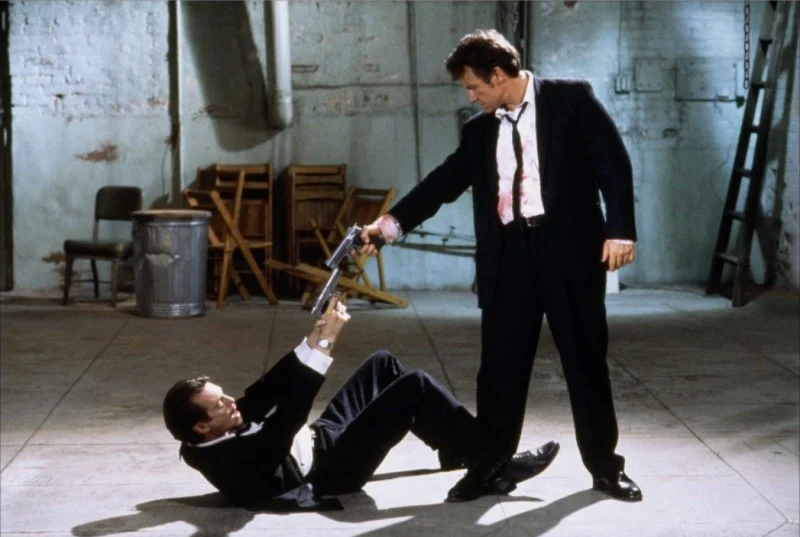
The film reveals the failed heist through jumps that fill in key steps like recruitment, rehearsal, and the first hints of a leak. That layout mirrors how detectives and surviving criminals reconstruct events after the fact. Each cutback supplies exact details about who knew what and when, which lets viewers piece together causation rather than watch a straight timeline.
By holding the robbery itself offscreen, the story focuses on logistics that matter in a takedown such as movement routes, stress tells, and who breaks protocol under pressure. The structure also explains why specific characters distrust one another long before the final confrontation, since the audience learns about earlier choices that planted those seeds.
Zero Sense: Mr. Blonde’s Loud Torture In A Hot Zone
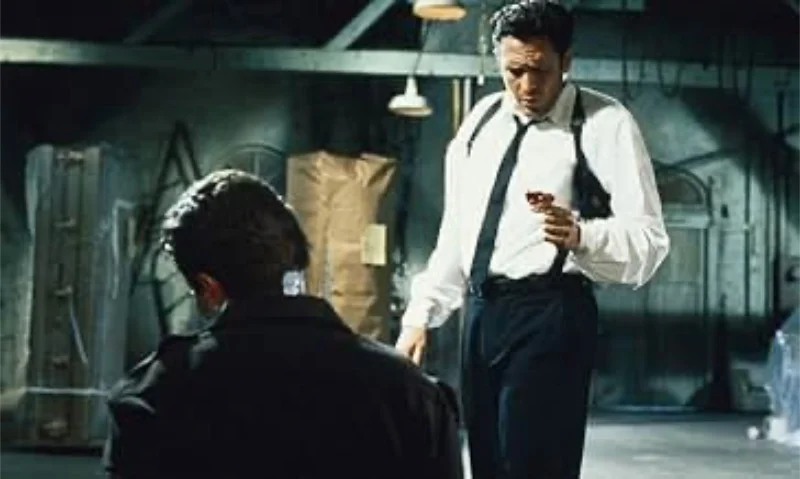
Mr. Blonde escalates exposure by playing music, taunting a captive officer, and cutting him in a building already linked to the crew. The noise level and prolonged violence increase the chance that nearby workers or patrols notice activity in a usually quiet space. A crew trying to lay low after gunfire in the streets would avoid anything that attracts fresh attention.
The gasoline trip from the car back to the victim adds a fire hazard and leaves the captive alive during a lapse in watch. That choice ignores the possibility of a second unit arriving or a tracker being active. A high discipline team would either relocate or keep the scene silent while preparing a clean exit, not widen the footprint with spectacle.
Perfect Sense: Why Joe Trusts Mr. Blonde After Prison

Joe treats Mr. Blonde as dependable muscle because he refused to inform during a prior case and served his time without bargaining. That record signals a clear code that many crews value above raw skill. A leader will often reward silence with immediate work and a share to reinforce that loyalty for future operations.
Joe also knows Mr. Blonde’s habits and limits from earlier jobs, which lowers the uncertainty that comes with new recruits. In a business built on risk, a known quantity with a proven history is easier to manage than an untested outsider. That explains why he is included in the lineup even if his temper later creates complications.
Zero Sense: The Three Way Standoff That Escalates Everything
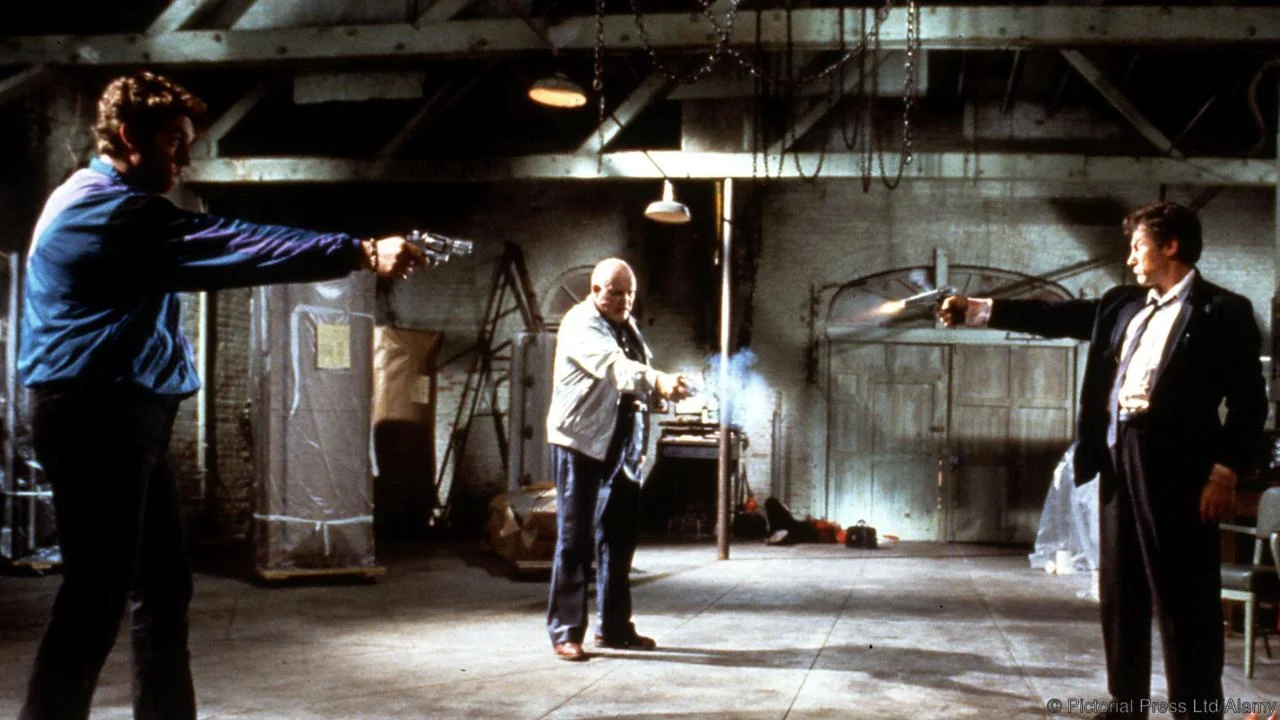
The final showdown turns into a triangle of drawn guns between Joe, Nice Guy Eddie, and Mr. White. Each man states a position without proposing a safe search of the suspect or a controlled disarmament. No one suggests a temporary separation into corners of the room or a quick frisk followed by a hold, which would reduce reflex shooting.
The geometry places every shooter across open lines of fire with a wounded man on the floor. That setup guarantees fatalities once anyone flinches. A crew that has run big jobs should know how to stage a room to avoid crossfire, yet they argue face to face and stand within close range, which invites the worst outcome.
Perfect Sense: Mr. Orange’s Undercover Prep And Cover Story

Mr. Orange rehearses a detailed bathroom story with sensory beats, characters, and timing so it plays as a lived experience. He runs the lines until he can deliver them under pressure without slipping. That is standard practice for deep cover work, where a polished anecdote gives credibility during bonding moments with criminals who test for inconsistencies.
He also builds a routine with his handler that covers gear, pickups, and the timing for moves on the day of the job. The plan positions patrols and surveillance to close in once the robbery kicks off, which is how officers arrive fast enough to intercept. The coordination shows how a single embedded cop can aim a larger operation without exposing himself too early.
Zero Sense: Mr. Pink’s Fate After The Sirens

Mr. Pink slips out with the diamonds and exits the warehouse while police sirens close in. The film leaves his outcome unclear, which raises a question about the exit plan for a runner who still needs a clean car and a safe drop location. Without a dedicated wheelman or a relay point, the chance of a stop outside the building is high.
The audio hints at a confrontation offscreen with shouted commands and shots, but the story does not show whether he escapes or surrenders. That gap matters because the job revolves around the stones and the person who last holds them. The lack of a visible handoff or dead drop makes the chain of custody hard to follow after he leaves.
Perfect Sense: Mr. White’s Street Protocols Under Pressure
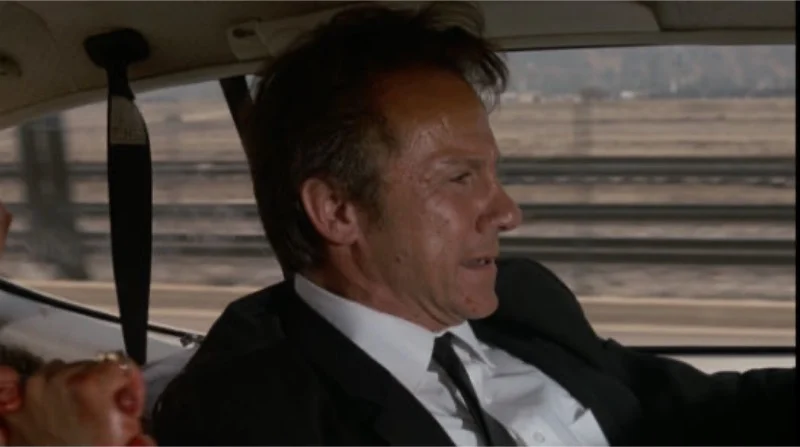
Mr. White treats wounds with direct pressure, keeps a gun on the door, and tries to manage who holds information as he waits for the boss. Those are practical steps for a getaway site where seconds count and panic spreads. He also maintains discipline about not using real names early on, which limits exposure when tempers rise.
He questions timelines, checks who saw what, and tries to map the leak by tying stories to specific intersections and police response times. That approach reflects an operator who has processed post job chaos before and knows how to triage facts. Even when emotions break through, his habits show a system that aims to keep a bad situation from getting worse.
Share your favorite head scratching or airtight moment from ‘Reservoir Dogs’ in the comments so everyone can compare notes.