


5 Things About ‘Rogue One: A Star Wars Story’ That Made Zero Sense and 5 Things That Made Perfect Sense

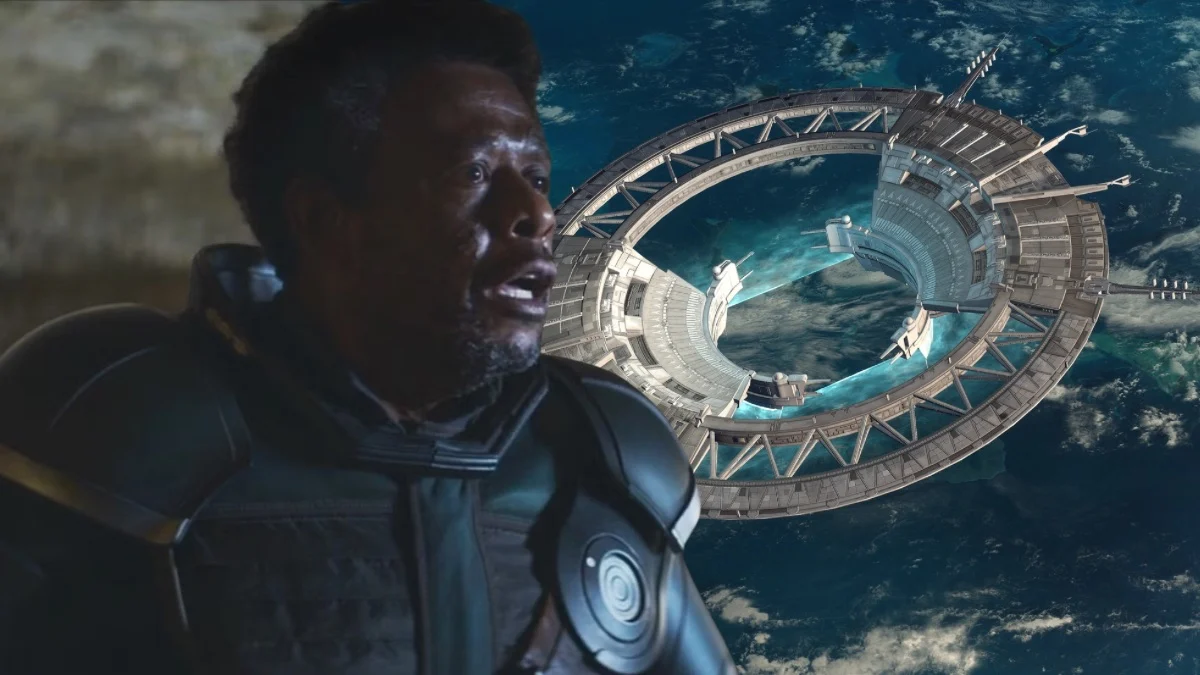


Rogue One: A Star Wars Story (2016) is a gritty, standalone chapter in the Star Wars universe, diving into the mission to steal the Death Star plans. It’s packed with intense action, new characters, and ties to A New Hope, but not everything lands perfectly, and some moments shine brighter than others.
Fans love its darker tone and bold choices, yet certain plot points leave you scratching your head, while others fit like a glove in the saga. Let’s break down five things that made no sense and five that worked flawlessly.
Jyn’s Sudden Leadership Role (Zero Sense)
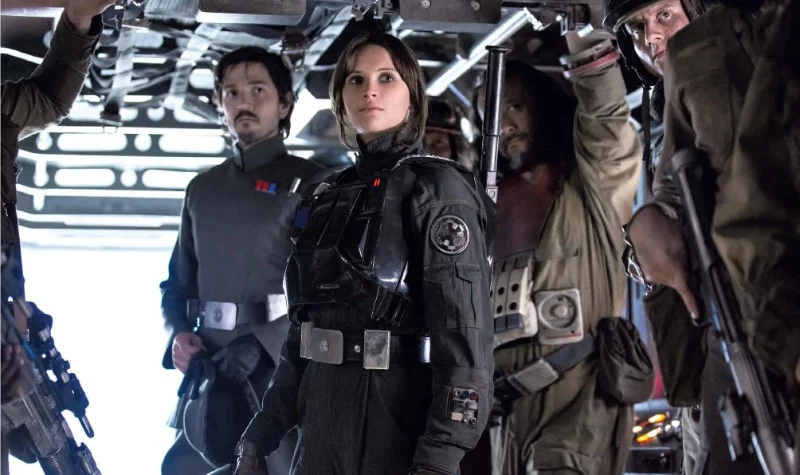
Jyn Erso starts as a reluctant drifter, skeptical of the Rebellion and its cause. Her shift to inspiring leader feels rushed and unearned. In one scene, she’s cynical and detached; in the next, she’s giving a rousing speech to rally the troops. There’s little buildup to show why the rebels would trust her so quickly.
Her backstory as a criminal doesn’t hint at leadership skills. The film skips over her growth, making her sudden command jarring. It’s a leap that feels forced to push the story forward, leaving her arc hollow.
The Team’s Sacrifice (Perfect Sense)
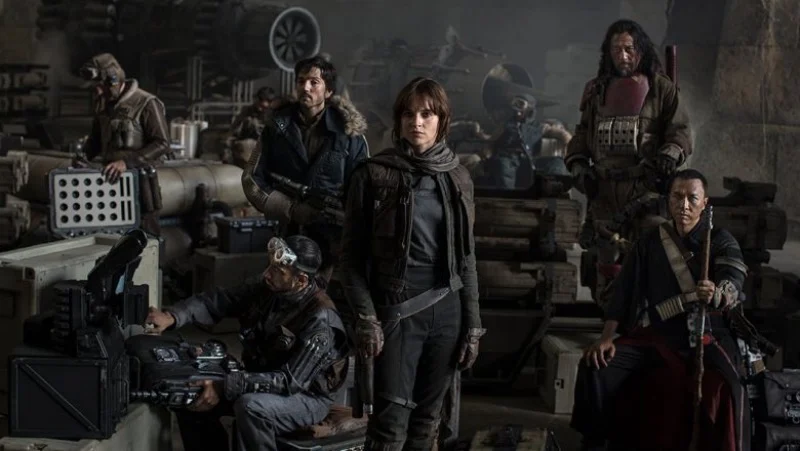
The entire Rogue One crew dying to secure the Death Star plans hits hard and feels right. Their mission is a desperate, high-stakes gamble, and the cost reflects the Rebellion’s struggle. Each character’s death, from Jyn and Cassian to K-2SO, carries weight and purpose.
It grounds the story in sacrifice, showing the price of hope. This bold choice avoids a tidy ending, making their victory bittersweet and tying perfectly into the stakes of A New Hope.
Galen’s Message Delivery (Zero Sense)
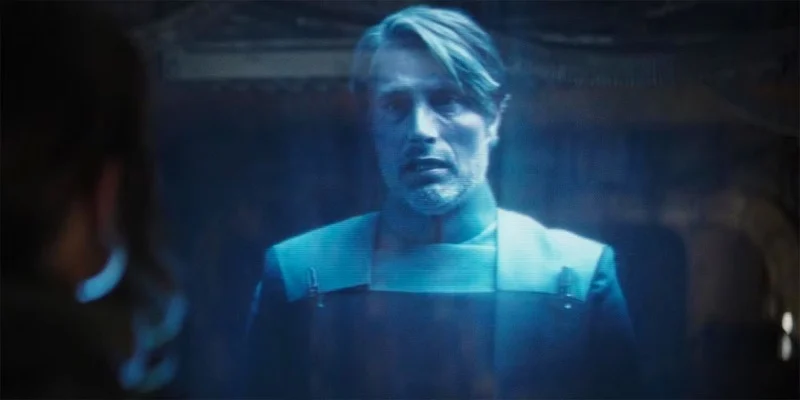
Galen Erso’s hologram message to Jyn is a clunky plot device. He sends a pilot, Bodhi, to defect with a message that’s overly complicated and risky, banking on it reaching Jyn through a maze of connections. Why not a simpler method, like a hidden data chip?
The message’s existence also raises questions. How did Galen record it under Imperial watch? The setup feels contrived, leaning on coincidence to drive the plot instead of a logical plan.
K-2SO’s Humor and Loyalty (Perfect Sense)
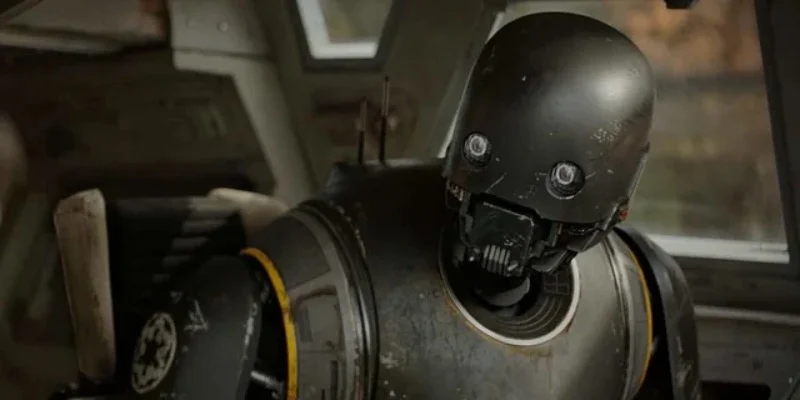
K-2SO, the reprogrammed Imperial droid, steals scenes with his dry wit and fierce loyalty. His blunt sarcasm, like calling out Jyn’s odds of betrayal, adds levity without breaking the film’s grim tone. His bond with Cassian, shown through small gestures, feels authentic.
His sacrifice to protect the team is heartbreaking yet fitting. K-2SO’s mix of humor and heart makes him a standout, grounding the crew’s dynamic in a way that resonates with fans.
The Scarif Shield Gate (Zero Sense)
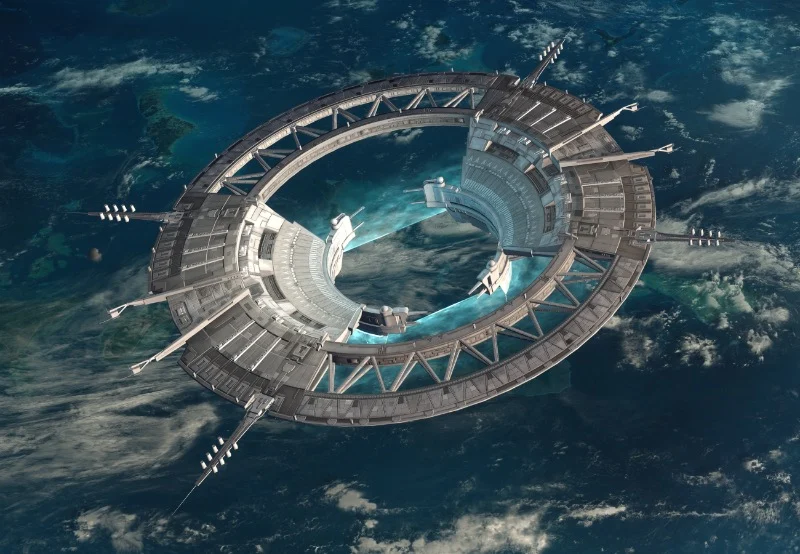
The planetary shield gate on Scarif is a confusing plot hurdle. The Empire’s top-secret base has a single entry point, yet the rebels sneak through with a stolen shuttle and forged codes too easily. If security is so tight, how does this work?
Later, the shield’s rules get murky. Ships can’t transmit data through it, but physical objects pass fine? The inconsistent mechanics feel like a lazy way to raise stakes without clear logic.
Vader’s Final Scene (Perfect Sense)
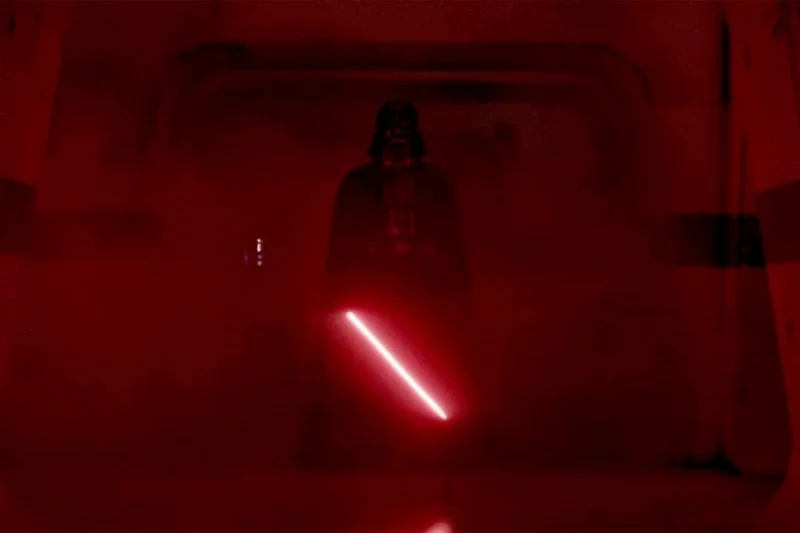
Darth Vader’s hallway massacre is a chilling highlight. His raw power, cutting through rebels like a force of nature, shows why he’s feared across the galaxy. The scene’s brutal intensity captures his menace perfectly.
It also ties directly into A New Hope, showing the urgency of passing the Death Star plans. This moment delivers fan service that feels earned, cementing Vader’s legacy in a single, unforgettable sequence.
Saw Gerrera’s Paranoid Base (Zero Sense)
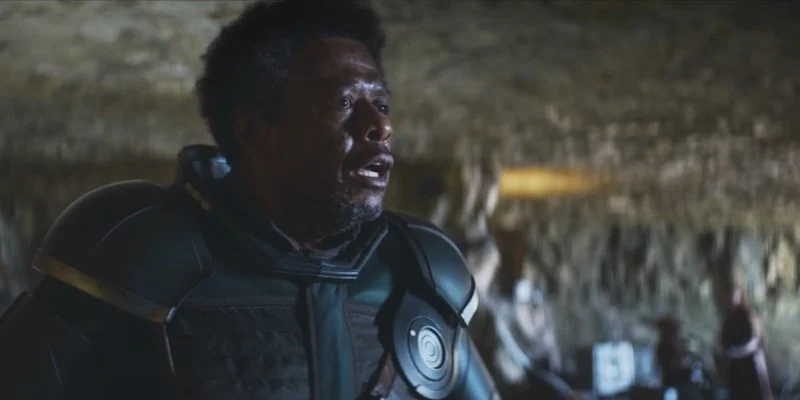
Saw Gerrera’s hideout is a mess of paranoia and traps, yet it’s oddly ineffective. His group captures Bodhi and others but fails to verify their story or secure the base properly. For a seasoned rebel, Saw’s setup feels sloppy.
His extreme caution doesn’t match the ease with which the heroes escape. The base’s chaotic vibe seems designed to look cool rather than make sense, undermining Saw’s reputation as a cunning leader.
The Death Star’s Weakness (Perfect Sense)
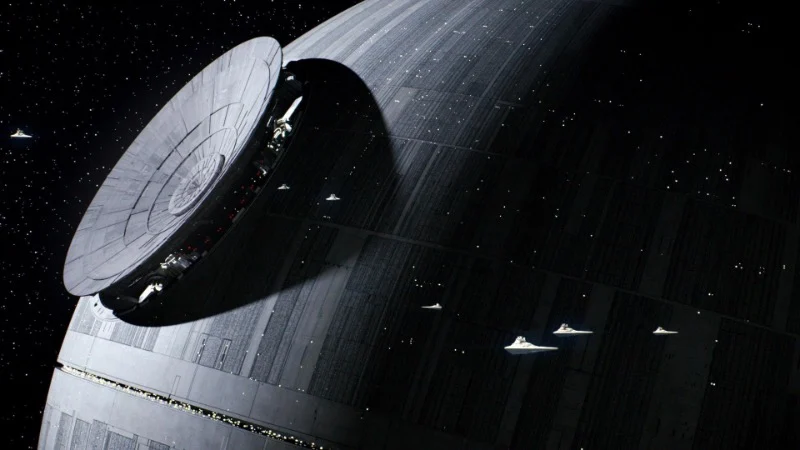
Galen Erso planting a flaw in the Death Star is a brilliant tie-in to the original trilogy. His sabotage, a hidden exhaust port, explains why such a massive weapon has a fatal vulnerability. It’s a clever retcon that adds depth to the saga.
The film shows Galen’s moral struggle, risking everything to undermine the Empire. This detail makes the Rebellion’s eventual victory in A New Hope feel like a direct result of his quiet heroism.
Bor Gullet’s Mind-Reading (Zero Sense)
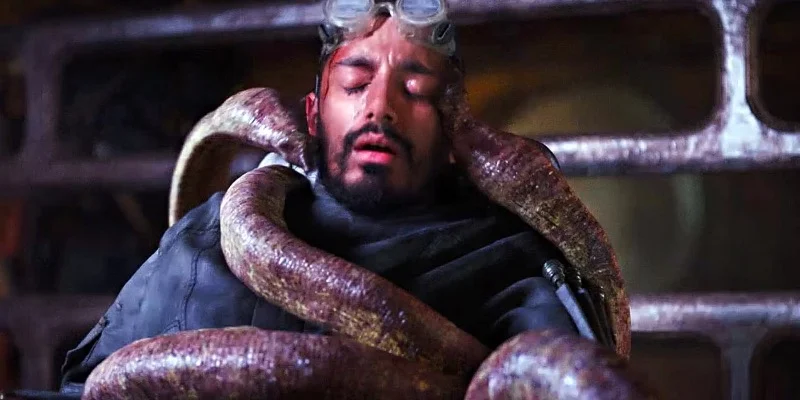
Saw Gerrera’s use of Bor Gullet, a tentacled creature that reads minds, comes out of nowhere. It’s a random sci-fi gimmick that feels disconnected from the Star Wars universe. Why does Saw rely on this bizarre method instead of traditional interrogation?
The creature’s effect on Bodhi, leaving him dazed, adds little to the story. It’s a weird detour that wastes time and feels like a cheap plot device to show Saw’s desperation.
The Battle of Scarif (Perfect Sense)
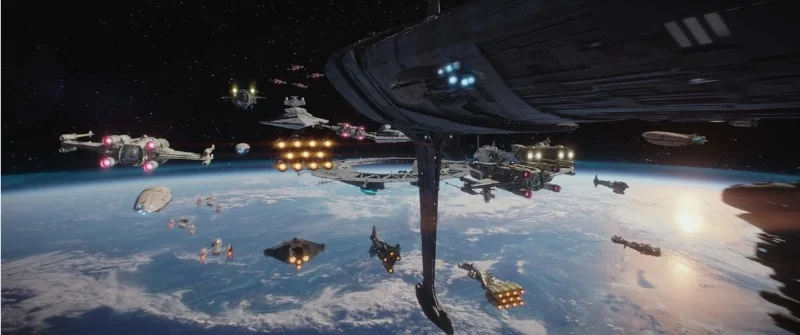
The climactic battle on Scarif is a visual and emotional triumph. The ground assault, paired with the space fight above, feels chaotic yet purposeful, with every character contributing to the mission. The stakes are clear: get the plans or the Rebellion falls.
The mix of gritty combat and desperate heroism captures the film’s heart. It’s a spectacle that honors Star Wars’ legacy while standing on its own, making the victory feel hard-won.
What’s your take on Rogue One’s highs and lows—drop your thoughts in the comments!