


5 Things About ‘Solo: A Star Wars Story’ That Made Zero Sense and 5 Things That Made Perfect Sense




Solo: A Star Wars Story (2018) dives into the backstory of Han Solo, one of the most iconic characters in the Star Wars universe. Fans were excited to see how a young Han became the scruffy smuggler, but the movie left some scratching their heads while also delivering moments that clicked perfectly.
The film balances thrilling action with character-driven storytelling, but not every plot point landed smoothly. Here’s a look at five things that made no sense and five that fit like a glove.
Han’s Last Name (Zero Sense)
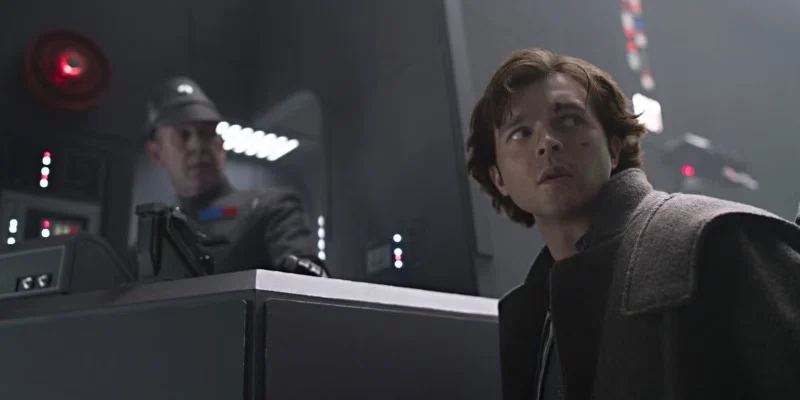
The movie explains that Han gets his last name, Solo, because he’s alone when enlisting in the Imperial Navy. An officer randomly assigns it to him.
This feels forced and unnecessary. Han’s last name didn’t need an origin story, and the idea that it’s just a label for being a loner lacks depth and seems like a lazy writing choice.
Han and Chewbacca’s First Meeting (Perfect Sense)
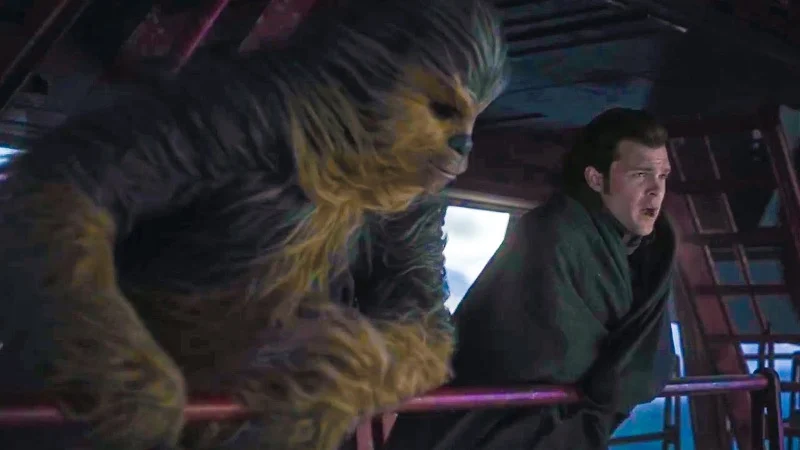
Han meeting Chewbacca in a muddy pit while escaping Imperial forces is a highlight. Their instant chemistry, built on desperation and trust, feels authentic.
The scene sets up their lifelong friendship perfectly. Han’s quick thinking and Chewie’s loyalty shine, making it a believable start to their iconic partnership.
The Kessel Run in 12 Parsecs (Zero Sense)
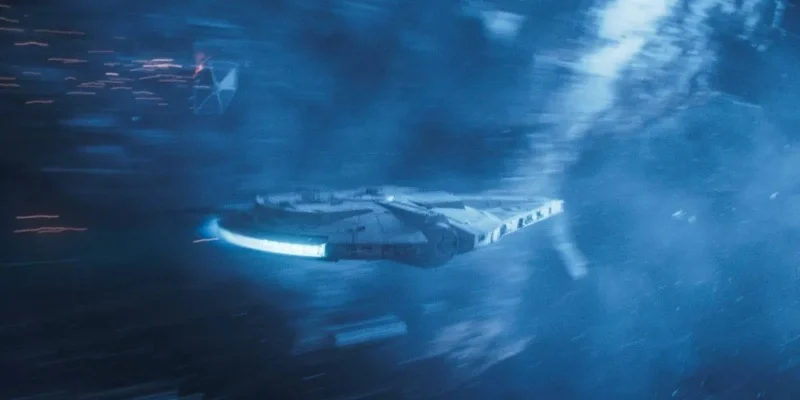
The film shows Han completing the Kessel Run in 12 parsecs, a nod to his boast in the original trilogy. But the explanation—a dangerous shortcut through a nebula—feels tacked on.
Parsecs measure distance, not time, so the focus on “12 parsecs” as a speed record is confusing. It tries too hard to justify a throwaway line from decades ago.
Lando’s Charm and Betrayal (Perfect Sense)
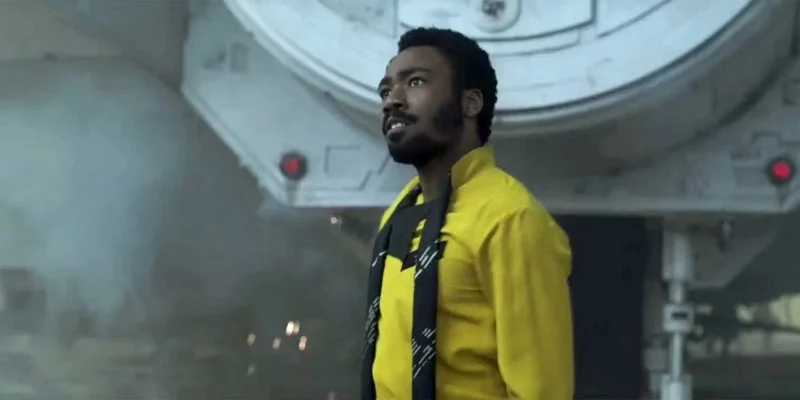
Lando Calrissian, played by Donald Glover, is smooth, charismatic, and just shady enough. His double-dealing nature comes through when he betrays Han but later helps him.
This fits Lando’s character from the original films. It shows his knack for playing both sides while keeping his charm, making his arc feel true to the source.
The Fuel Heist Plan (Zero Sense)
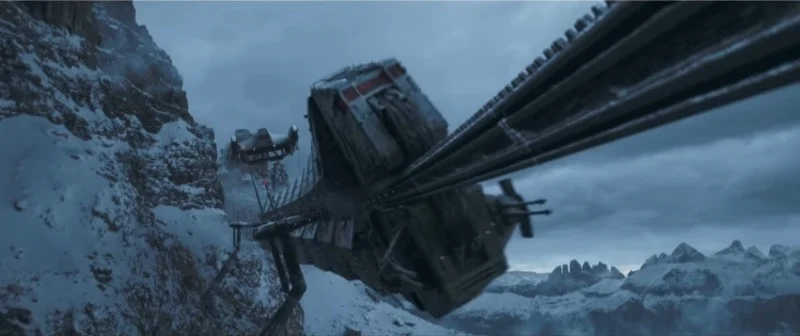
The crew’s plan to steal coaxium from a train on Vandor is overly complicated and poorly thought out. They board a moving train, fight off enemies, and barely escape.
The heist ignores simpler solutions, like sabotaging the tracks earlier. It feels like the plan was designed for action scenes, not logic, and falls apart under scrutiny.
Han’s Smuggler Instincts (Perfect Sense)
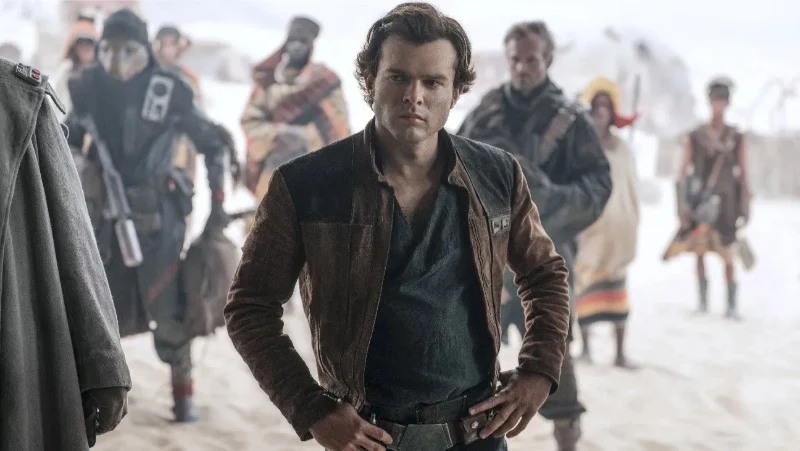
Han’s quick wit and resourcefulness shine during high-stakes moments, like outsmarting enemies in the Kessel mines. His ability to improvise under pressure defines him.
This trait aligns with the Han we know from the original trilogy. It shows his growth into a cunning smuggler who thrives in chaotic situations.
Qi’ra’s Sudden Power Grab (Zero Sense)
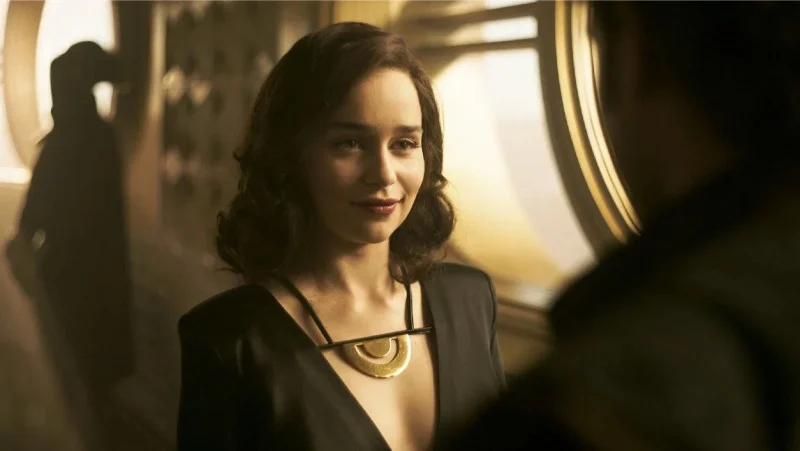
Qi’ra’s decision to take over Crimson Dawn after betraying Han feels abrupt. She goes from loyal ally to cold-blooded leader in a single scene.
Her shift lacks buildup or clear motivation. It’s hard to buy that she’d abandon Han so quickly, making the twist feel unearned and confusing.
The Sabacc Game (Perfect Sense)
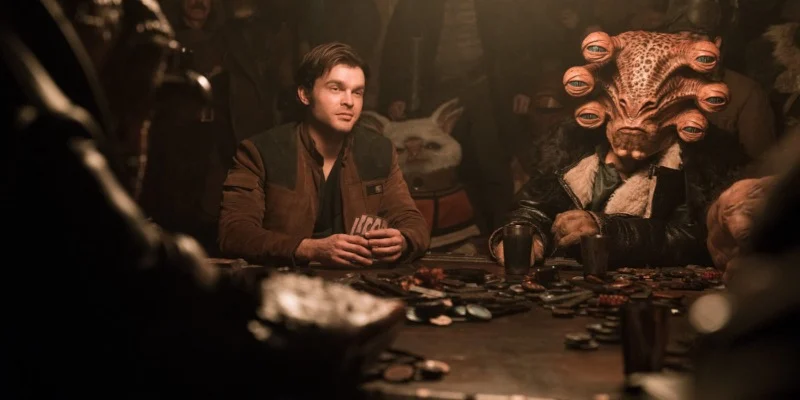
The high-stakes sabacc game where Han wins the Millennium Falcon from Lando is a standout. The tension, cheating, and Han’s cleverness make it gripping.
It perfectly captures Han’s gambling spirit and sets up his ownership of the Falcon. The scene feels like a natural piece of his legend.
The Droid Rebellion (Zero Sense)
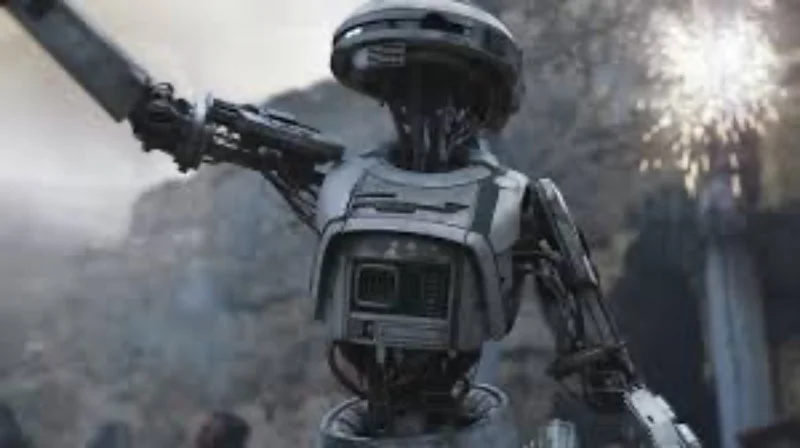
L3-37, Lando’s droid, sparks a rebellion among enslaved droids in the Kessel mines. It happens fast and feels out of place in the story.
The uprising is chaotic and doesn’t tie well into the main plot. It’s a rushed attempt to give L3 a big moment, but it feels forced and disconnected.
The Millennium Falcon’s Personality (Perfect Sense)
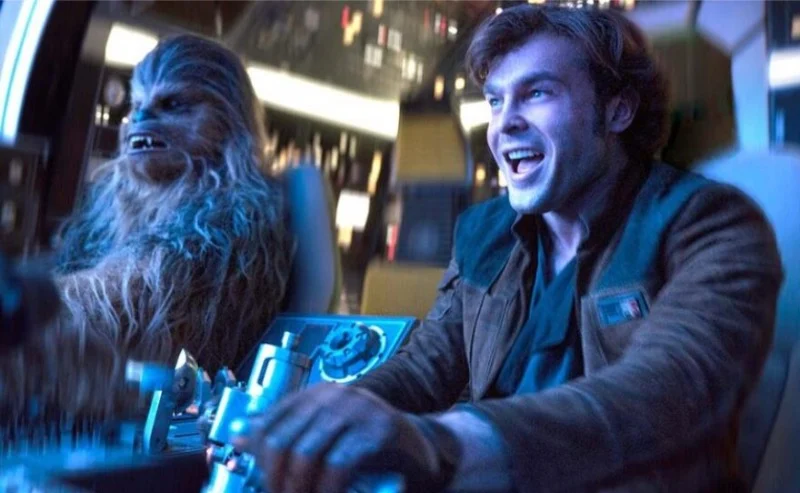
The Falcon’s quirks, like its finicky controls and unique design, are showcased as Han and crew navigate tough situations. It feels like a character itself.
This matches the ship’s role in the original films. Showing its personality early on reinforces why Han loves it, grounding the movie in Star Wars lore.
What’s your take on Solo: A Star Wars Story—which moments made sense to you, and which left you puzzled? Share in the comments!