


5 Things About ‘Terminator 2: Judgment Day’ That Made Zero Sense and 5 Things That Made Perfect Sense

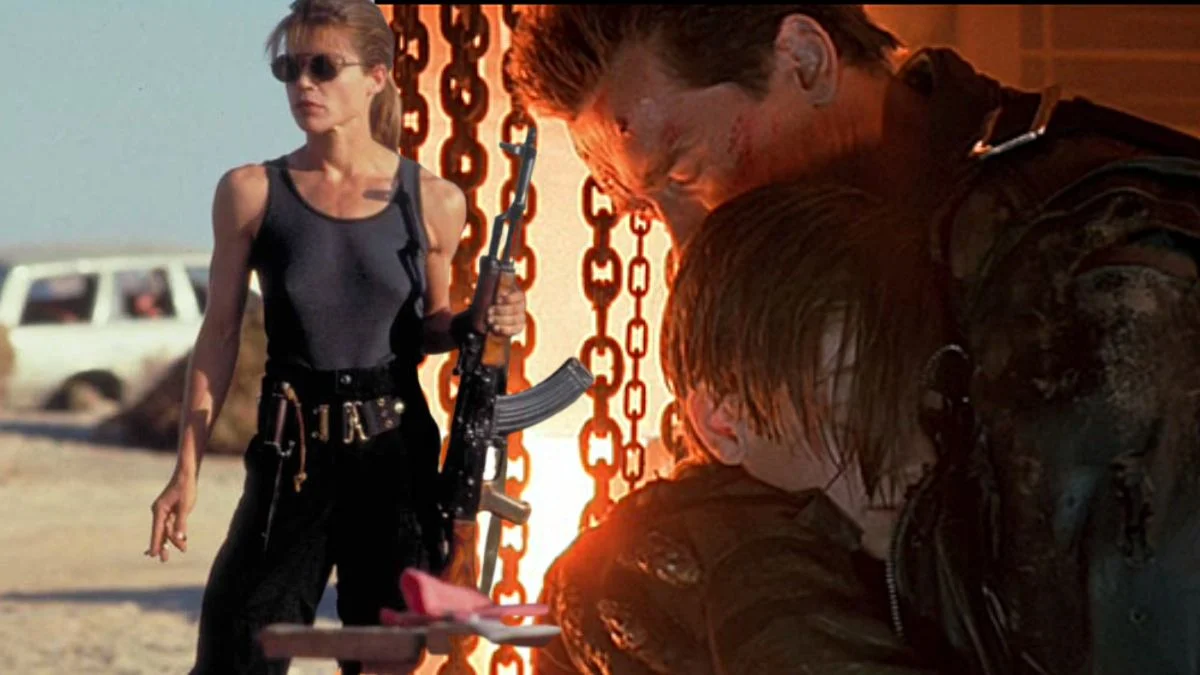


Terminator 2: Judgment Day (1991) is a sci-fi classic that thrilled audiences with its action, effects, and story. Fans love its mix of heart-pounding chases and emotional moments, but not everything in the movie adds up.
Some plot points leave you scratching your head, while others feel rock-solid. Let’s dive into five things that made no sense and five that worked perfectly.
Time Travel Rules (Zero Sense)
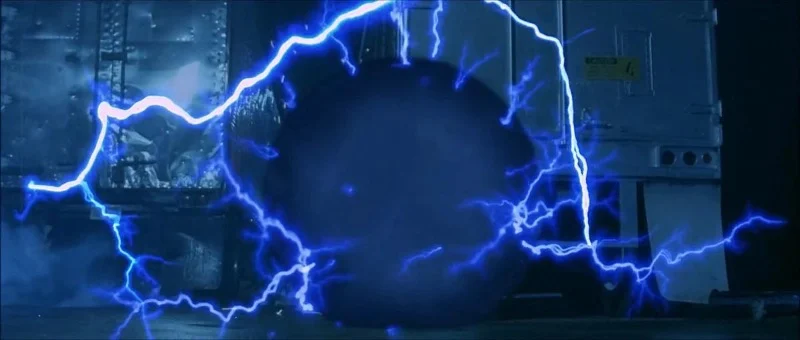
The movie’s time travel rules are messy. Skynet sends a T-1000 to kill John Connor, but the resistance sends a T-800 to protect him. How can both sides keep changing the past without creating paradoxes that break the timeline?
It’s never clear why changing the past doesn’t instantly alter the future. The movie brushes this off, leaving viewers confused about how time travel actually works in this world.
Sarah Connor’s Strength (Perfect Sense)

Sarah Connor’s transformation from a scared waitress to a tough survivor is believable. Her intense training and focus on protecting John show her determination and growth.
Her character feels real because she’s driven by love for her son and fear of the future. Linda Hamilton’s performance makes Sarah’s strength and grit shine through.
T-1000’s Shapeshifting Limits (Zero Sense)
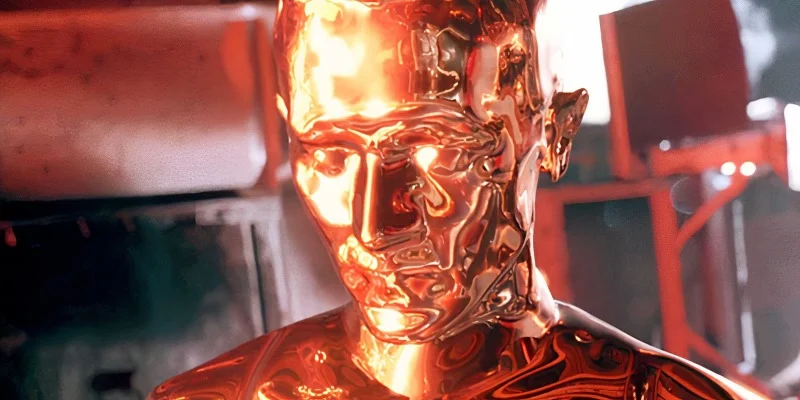
The T-1000’s ability to shapeshift is cool but inconsistent. It can turn into people or objects, but why can’t it mimic complex machines like guns or cars?
The movie never explains these limits, making the T-1000’s powers feel random. This vagueness weakens the stakes when the rules aren’t clear.
John Connor’s Leadership (Perfect Sense)

John Connor as a young rebel who grows into a leader makes sense. His rough upbringing and knowledge of the future shape him into someone who can inspire others.
His bond with the T-800 shows his natural ability to connect and lead. Edward Furlong’s performance captures John’s mix of teenage attitude and budding hero.
T-800’s Learning Ability (Zero Sense)
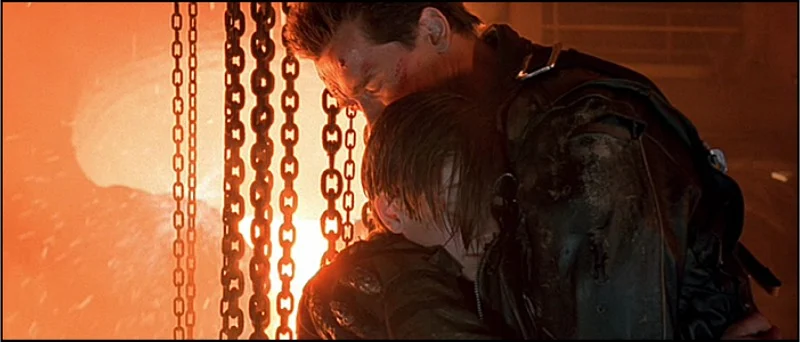
The T-800 learning to be more human feels forced. It’s a killing machine, yet it picks up emotions and slang from John way too fast.
Why would a robot built for combat have the capacity to mimic human behavior so well? This shift feels like a plot convenience rather than a logical trait.
The T-800’s Sacrifice (Perfect Sense)
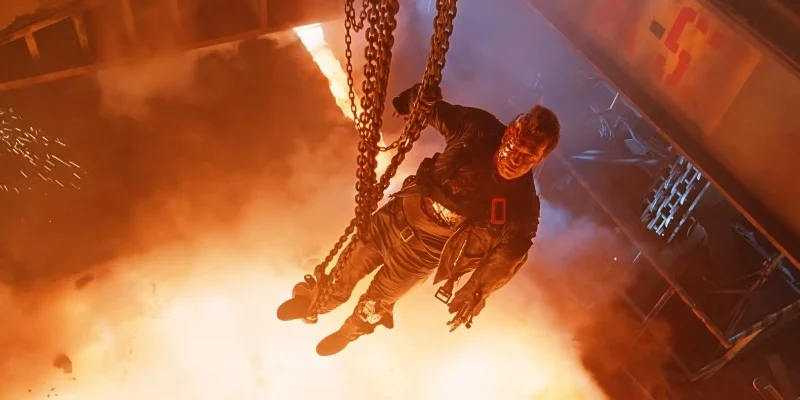
The T-800’s decision to destroy itself to prevent Judgment Day is powerful. It shows the machine has learned the value of human life through John.
This moment ties the story together, blending action with heart. Arnold Schwarzenegger’s stoic yet emotional goodbye makes it unforgettable.
Nuclear War Vision (Zero Sense)

Sarah’s dream of a nuclear explosion is intense but doesn’t fit. If she’s seen the future, why is this vision so vague and only shown once?
It feels like a dramatic scare tactic rather than a clear warning. The movie could’ve used this to explain her knowledge better.
Cyberdyne’s Destruction (Perfect Sense)
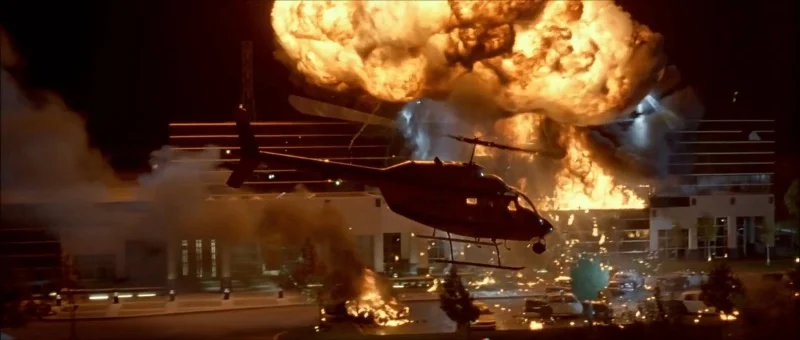
Blowing up Cyberdyne to stop Skynet’s creation is a smart plan. It shows Sarah, John, and the T-800 taking action to change the future.
The mission is tense and logical, raising the stakes. It’s a clear step toward preventing Judgment Day, making the plot feel focused.
T-1000’s Survival (Zero Sense)

The T-1000 survives insane damage, like being frozen and shattered, but keeps coming back. Why does it only die in molten steel?
The movie doesn’t explain why some attacks work and others don’t. This makes the T-1000 feel unstoppable in a way that’s more convenient than consistent.
Emotional Stakes (Perfect Sense)

The bond between John and the T-800 grounds the movie. Their relationship adds heart to the action, making you care about their fight to save the world.
This emotional core keeps the story relatable. It’s why the ending hits so hard when they say goodbye.
What’s your take on Terminator 2’s mix of logic and confusion—share your thoughts in the comments!