


10 Things About ‘The Last of Us’ TV Series That Made Absolutely No Sense

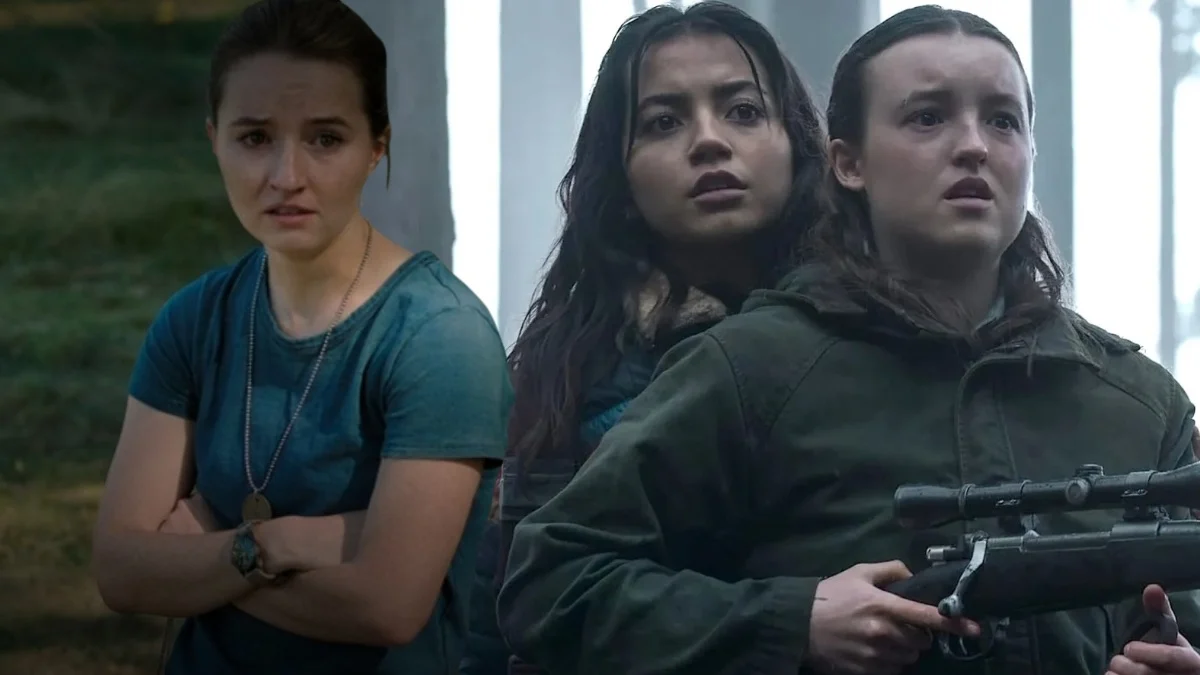


The Last of Us TV series, a gripping adaptation of the beloved video game, has captivated audiences with its post-apocalyptic drama and heartfelt character arcs. Set in a world ravaged by a fungal infection, the show follows Joel and Ellie as they navigate dangers and form a deep bond.
However, despite its acclaim, some moments in the series leave me puzzled, as they seem to stray from logic or the established rules of the world. Here are ten things in the show that don’t quite add up, exploring choices that feel off in the narrative or world-building.
10. Ellie’s Swimming Oversight
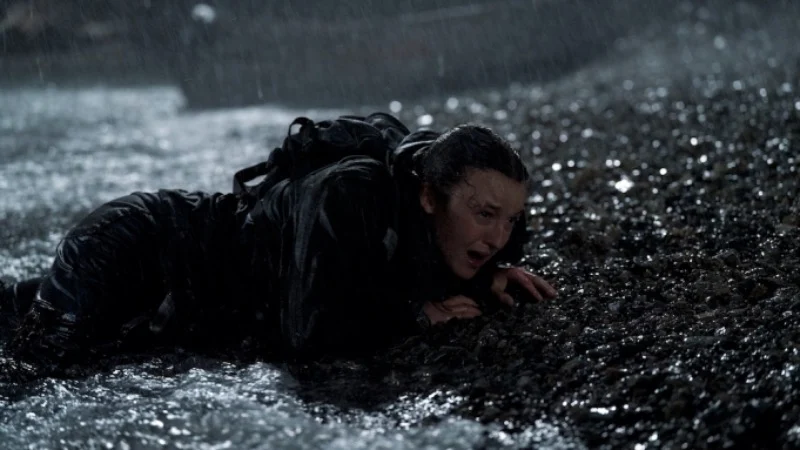
In the game, Ellie’s inability to swim is a key plot point, creating tense moments like when Joel nearly loses her in rushing water. The show skips this entirely, having the Fireflies capture them instead, which feels less dramatic and personal.
This change weakens a critical moment of vulnerability for Ellie, making the stakes feel lower. It’s odd to remove such a defining trait, especially when it could have added depth to her reliance on Joel in a visual medium.
9. Joel’s Quick Recovery
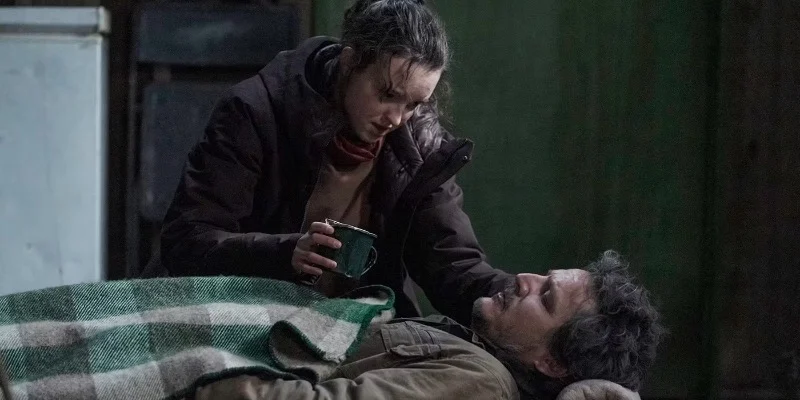
Joel suffers a severe injury in season one, stabbed and left near death. Yet, he bounces back remarkably fast, fighting off enemies and trekking across the country soon after.
The show’s timeline suggests weeks pass, but the speed of his recovery feels unrealistic for a gritty, realistic world. A slower healing process would have grounded the stakes and made his survival more believable.
8. Inconsistent Infected Threat
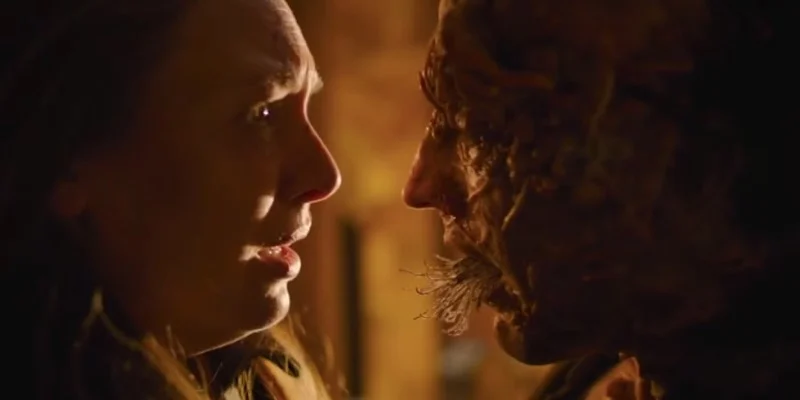
The infected, driven by the Cordyceps fungus, are a terrifying force in the game, but the show reduces their presence to build tension. This choice makes encounters feel sporadic and less threatening than expected.
When infected do appear, like in the ‘Endure and Survive’ cul-de-sac scene, they’re overwhelming, yet other episodes barely feature them. This inconsistency makes the world feel less dangerous, undermining the apocalyptic setting.
7. Ellie’s Casting Controversy
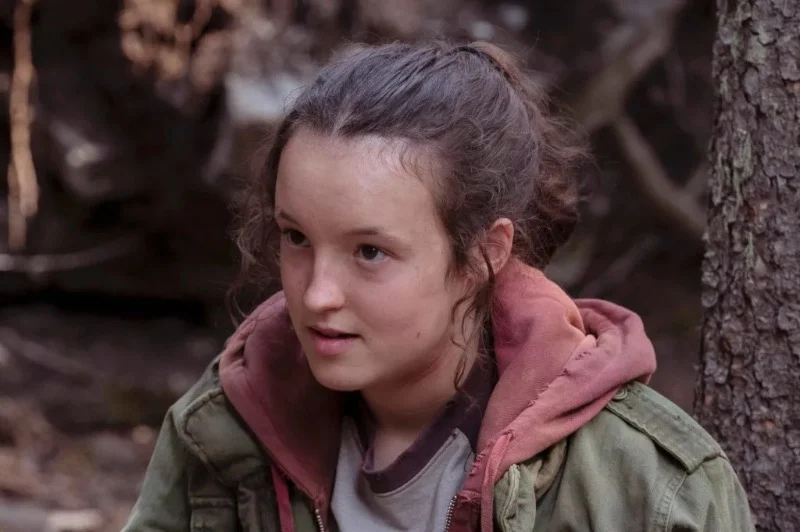
Bella Ramsey’s portrayal of Ellie sparked debate, as some felt she didn’t capture the character’s lively, nuanced personality from the game. Her performance often seems flat, lacking the emotional range of the original Ellie.
While Ramsey’s acting isn’t bad, the choice to cast someone who doesn’t fully embody Ellie’s quirks and energy feels like a misstep. It’s a disconnect that stands out, especially for fans familiar with the source material.
6. Abby’s Late Introduction
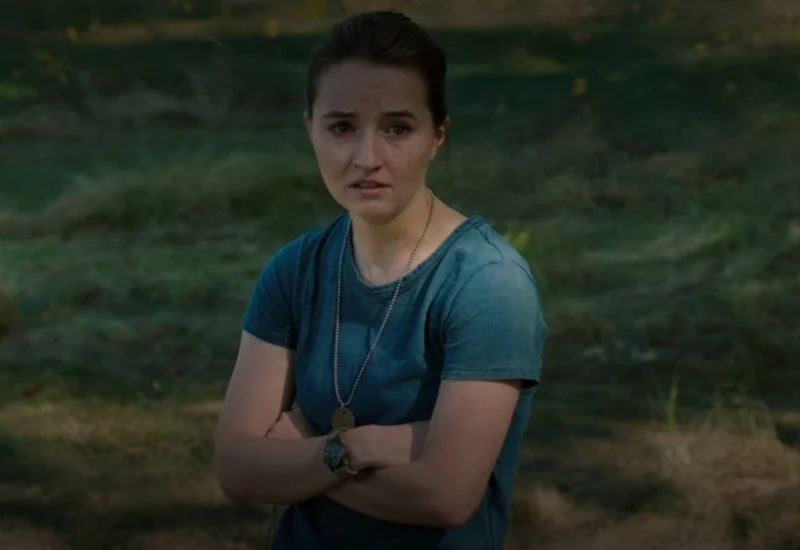
In season two, Abby, a pivotal character from ‘The Last of Us Part II,’ only appears in the final scene, setting up future conflicts. This delays her arc, leaving the season feeling incomplete and one-sided.
The game weaves Abby’s perspective earlier, adding emotional depth. The show’s choice to postpone her story makes the narrative feel like it’s stalling, missing the complexity that made the game’s story compelling.
5. Fireflies’ Questionable Plan
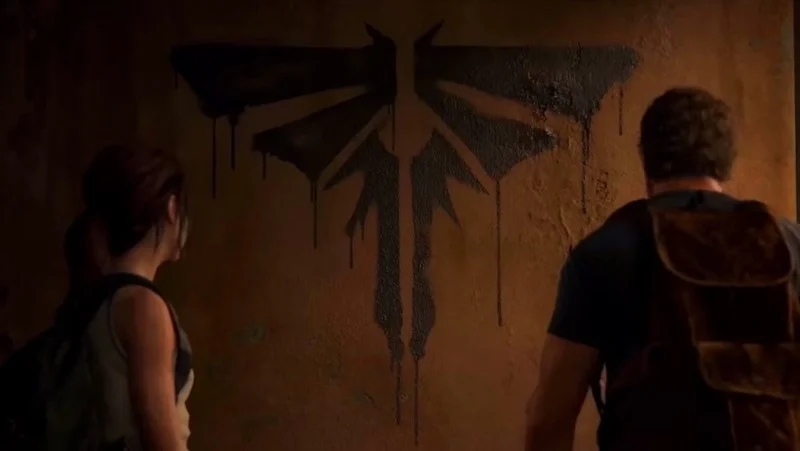
The Fireflies’ plan to kill Ellie for a potential cure in season one raises ethical and practical questions. They believe her immunity holds the key, but there’s no guarantee their method would work.
Rushing to sacrifice a child without exploring alternatives feels reckless for a group portrayed as strategic. The show doesn’t address this ambiguity, leaving their decision-making process murky and hard to buy.
4. Joel’s Moral Choice
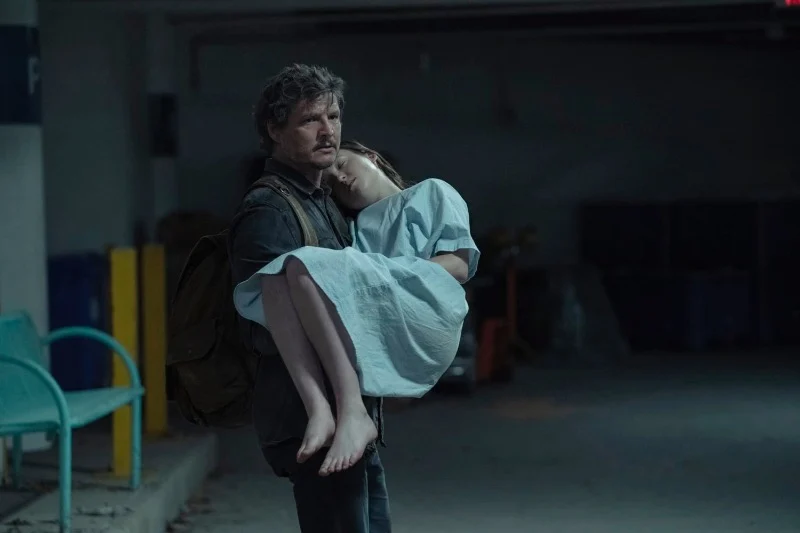
Joel’s decision to save Ellie by killing the Fireflies, including a doctor, is a bold move, but lying to her afterward feels out of character. The show doesn’t fully explore why he hides the truth, making his actions seem selfish.
This choice drives the plot but lacks clarity in the show’s context. It’s a moment that feels more shocking than justified, leaving me questioning Joel’s reasoning compared to the game’s deeper exploration.
3. Pacing Issues in Season Two
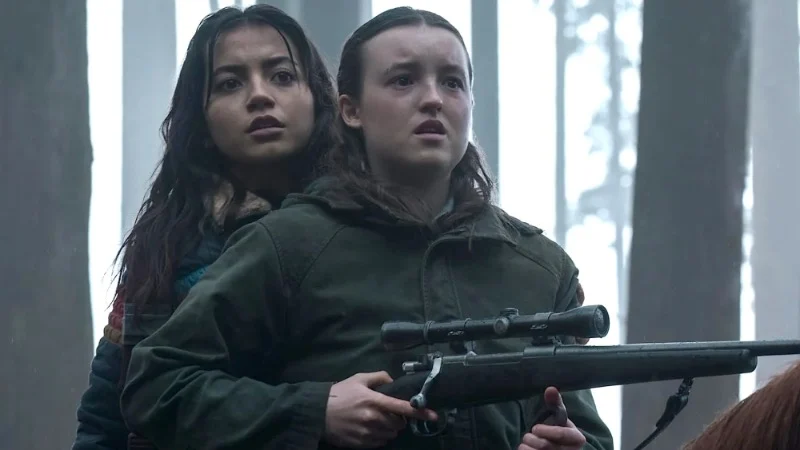
Season two shifts focus to teen drama and human conflicts, slowing the pace compared to the action-packed first season. Episodes linger on emotional beats, but the momentum feels lost.
This shift makes the show resemble a generic drama rather than the intense survival tale it started as. The sluggish pacing detracts from the urgency that defined the world’s stakes.
2. Underdeveloped Supporting Characters
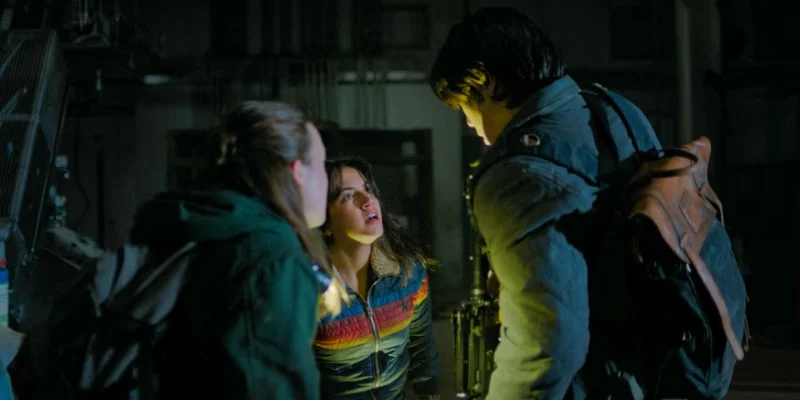
Characters like Dina and Jesse in season two are introduced but feel one-dimensional, lacking the depth to make me care about their fates. Their roles feel secondary to Ellie’s arc, reducing their impact.
The game gives these characters richer backstories, making their choices resonate. The show’s failure to flesh them out wastes potential for emotional weight in the story.
1. Abandoning the Game’s Brutal Realism
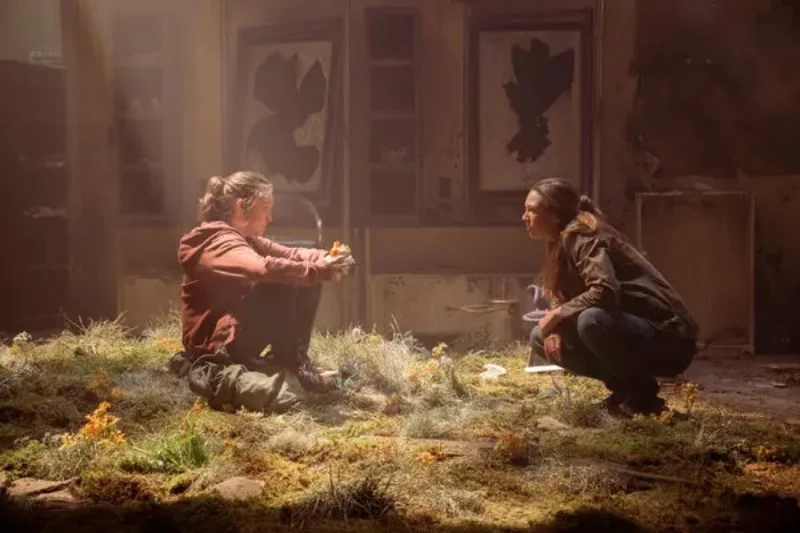
The show leans into a stylized, coming-of-age tone in season two, moving away from the game’s gritty realism. This shift romanticizes a world meant to be harsh and unforgiving, diluting its core identity.
Moments like extended zombie battles or quiet exploration scenes feel more like video game filler than a cohesive narrative. This departure makes the show less grounded, leaving me disconnected from its stakes.
What’s the most confusing moment in ‘The Last of Us’ TV series for you, or did I miss a head-scratcher worth mentioning? Drop your thoughts in the comments!