


5 Things About ‘The Lord of the Rings: The Return of the King’ That Made Zero Sense and 5 Things That Made Perfect Sense

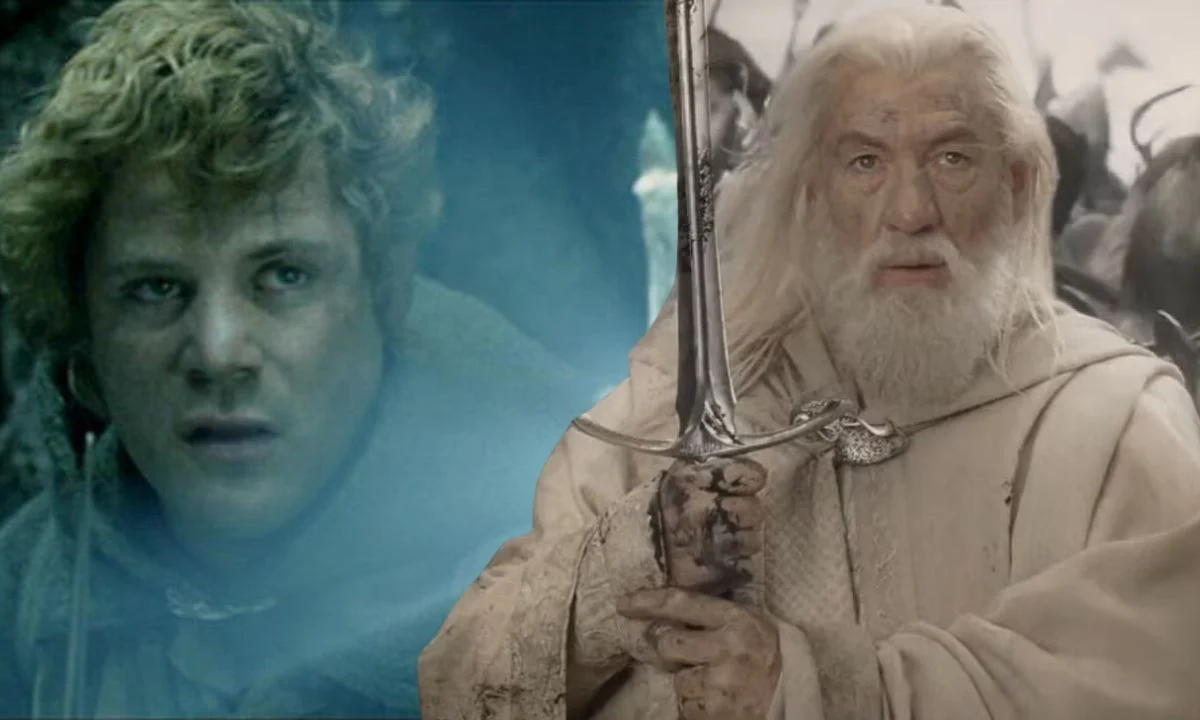


The epic finale of Peter Jackson’s trilogy, ‘The Lord of the Rings: The Return of the King’ (2003), is a cinematic triumph that wraps up an unforgettable journey. Its sprawling battles, heartfelt character arcs, and stunning visuals have captivated audiences for years.
Yet, like any massive story, some moments leave you scratching your head, while others feel like they were crafted with flawless precision. Below, I dive into five things that made no sense and five that absolutely did, alternating between the two to balance the magic and the mysteries of this beloved film.
Made Zero Sense: The Army of the Dead’s Overpowered Victory
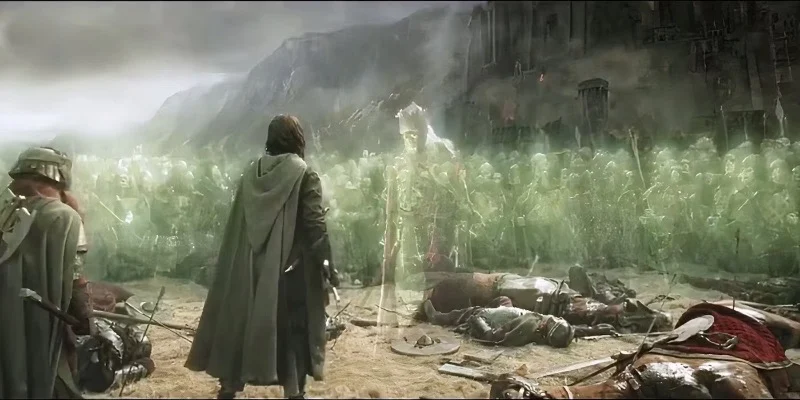
The Dead Men of Dunharrow swoop into the Battle of the Pelennor Fields and decimate Sauron’s forces in minutes. Their ghostly power feels like a cheat code, wiping out orcs and oliphaunts with zero resistance.
It’s jarring because the film builds up this massive, desperate battle, only for the dead to solve it instantly. Why didn’t Aragorn use them earlier or keep them longer? Their brief, all-powerful cameo undermines the stakes and feels too convenient for such a grounded story.
Made Perfect Sense: Aragorn’s Coronation and Leadership Arc
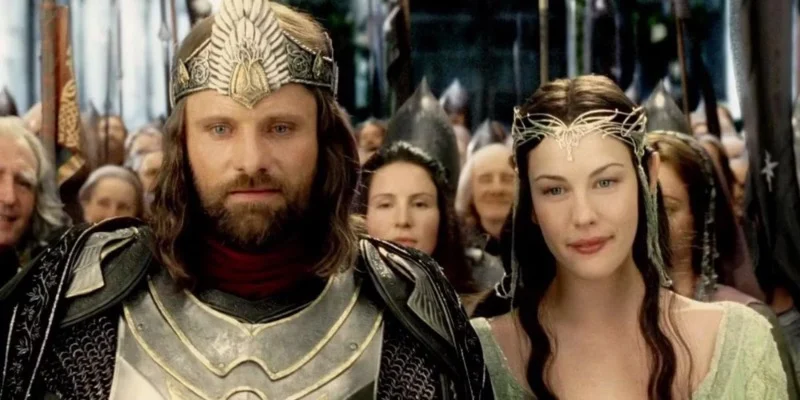
Aragorn’s journey from reluctant ranger to crowned king is a highlight of the film. His coronation scene, filled with quiet dignity and hope, perfectly caps his growth into a leader who unites Middle-earth.
The way he earns loyalty—through courage in battle and humility with allies like Frodo—feels earned. Every step, from wielding Andúril to rallying the armies, shows a man stepping into his destiny, making his crowning moment deeply satisfying.
Made Zero Sense: Frodo’s Sudden Distrust of Sam
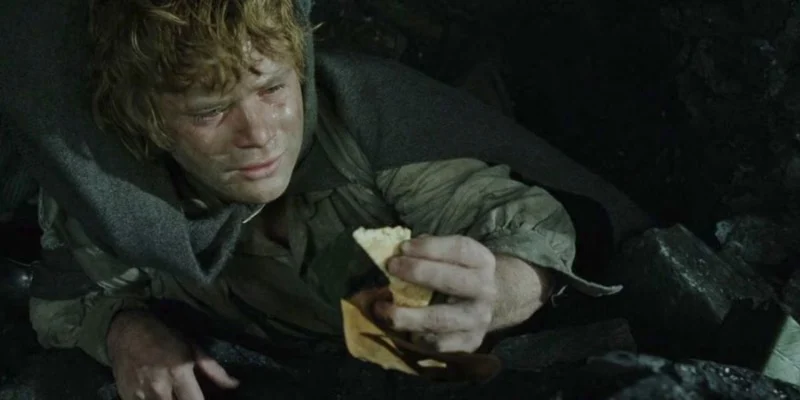
Frodo turning on Sam, his most loyal friend, feels forced. Gollum’s manipulation leads Frodo to send Sam away, but it’s hard to buy that Frodo would so quickly doubt someone who’s been by his side through everything.
This betrayal clashes with their bond, built over three films. It’s meant to show the Ring’s corruption, but Frodo’s snap judgment feels unnatural, especially since he trusts Gollum, a known schemer, instead. The drama feels contrived for tension’s sake.
Made Perfect Sense: The Emotional Weight of Frodo’s Departure
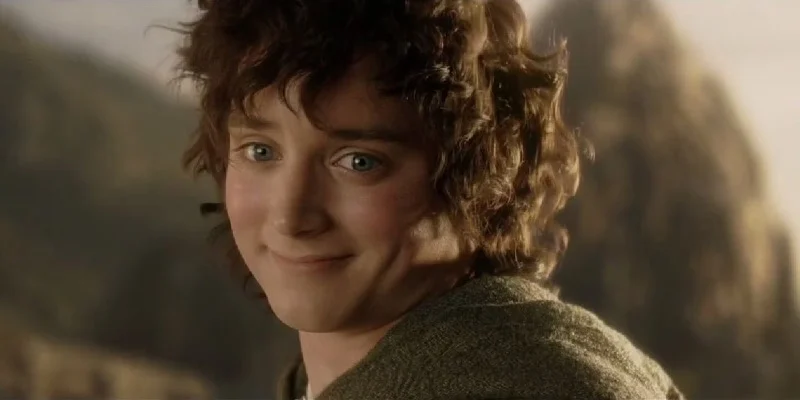
The Grey Havens scene, where Frodo leaves Middle-earth, hits hard. His quiet farewell to Sam, Merry, and Pippin captures the toll of his journey and the bittersweet need for healing beyond the Shire.
It’s a perfect close to his arc, showing that some wounds, like those from the Ring, don’t fully heal. The tender performances and serene visuals make this moment a poignant reflection on sacrifice and closure.
Made Zero Sense: Denethor’s Cartoonish Villainy
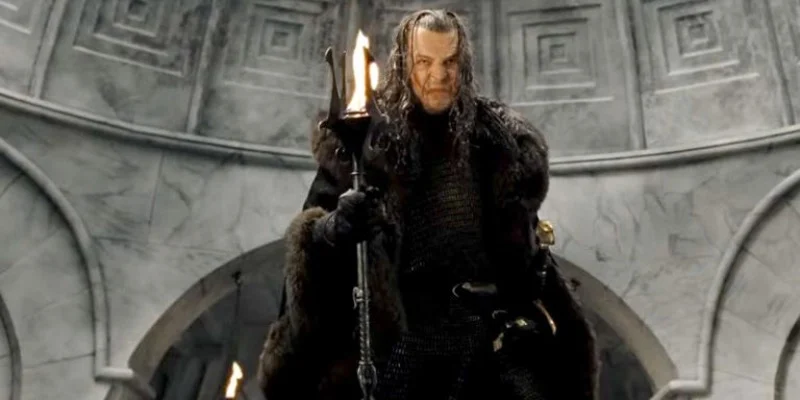
Denethor, Gondor’s steward, descends into madness too abruptly. His obsession with despair, burning Faramir alive, and ignoring the city’s defense make him feel like a caricature rather than a complex leader.
His actions—eating messily while sending men to die—seem exaggerated for shock value. A more layered portrayal of grief and pressure would have made his downfall tragic rather than absurdly over-the-top.
Made Perfect Sense: The Battle of the Pelennor Fields’ Scale
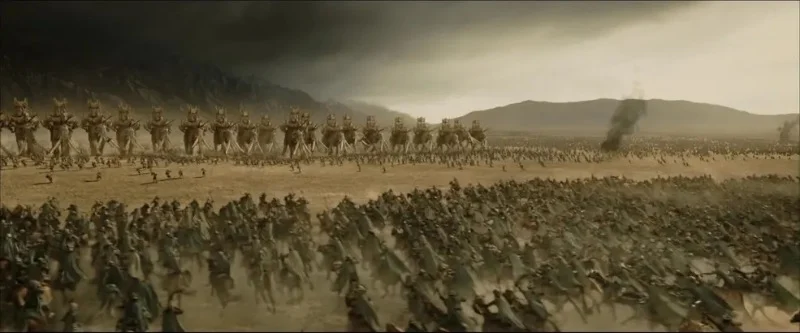
The massive clash outside Minas Tirith is a masterclass in epic filmmaking. From the Rohirrim’s thunderous charge to the oliphaunts’ chaos, the battle feels grand yet grounded, with every moment clear and impactful.
It balances spectacle with character beats, like Éowyn’s stand against the Witch-king. The sheer scope, paired with emotional stakes, makes it a defining sequence that captures the story’s heart and intensity.
Made Zero Sense: The Ring’s Destruction Logistics
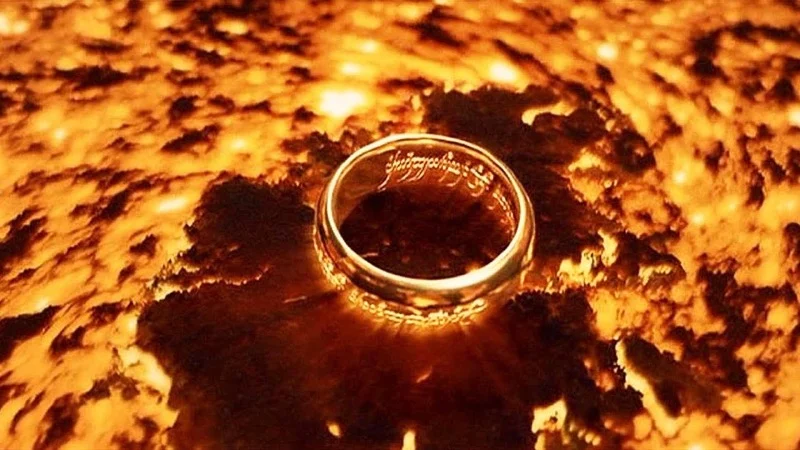
Frodo finally reaches Mount Doom, but the Ring’s destruction feels oddly convenient. Gollum’s accidental fall into the lava after a scuffle saves the day, not Frodo’s choice or strength.
It’s strange that the fate of Middle-earth hinges on a clumsy stumble. The buildup to this moment is intense, but the resolution feels random, undercutting Frodo’s agency and the Ring’s immense power.
Made Perfect Sense: Éowyn’s Defeat of the Witch-king
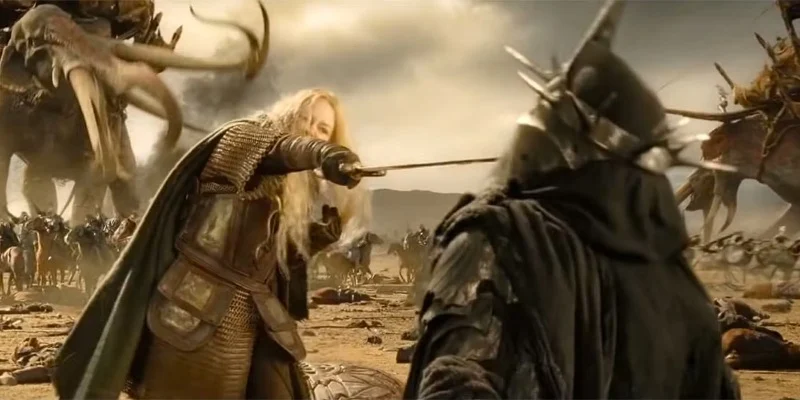
Éowyn’s showdown with the Witch-king is a standout. Her defiance, paired with the reveal that she’s ‘no man,’ delivers a thrilling twist that honors her courage and subverts expectations.
The moment is earned through her arc of seeking purpose beyond her role in Rohan. It’s empowering, beautifully shot, and ties perfectly into the story’s themes of bravery against impossible odds.
Made Zero Sense: Gandalf’s Inconsistent Power
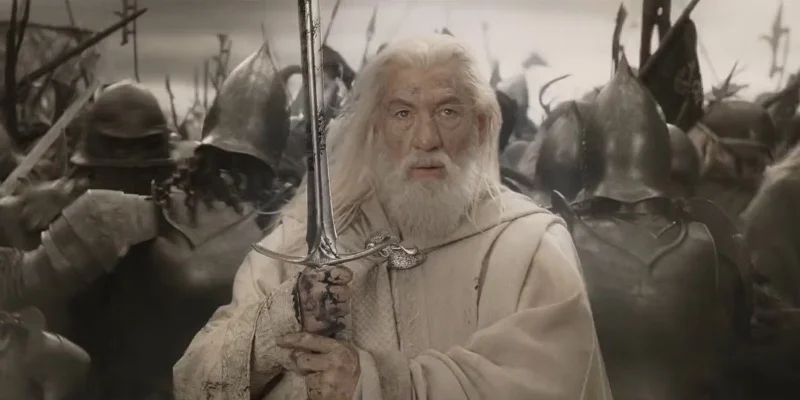
Gandalf’s abilities fluctuate wildly. He’s a powerhouse in some scenes, like facing the Balrog in the previous film, but in others, he’s oddly passive, like when he’s knocked off his horse by the Witch-king.
This inconsistency makes his role confusing. Is he a mighty wizard or just an advisor? The film never clarifies his limits, leaving his power level a frustrating mystery.
Made Perfect Sense: Sam’s Unwavering Loyalty
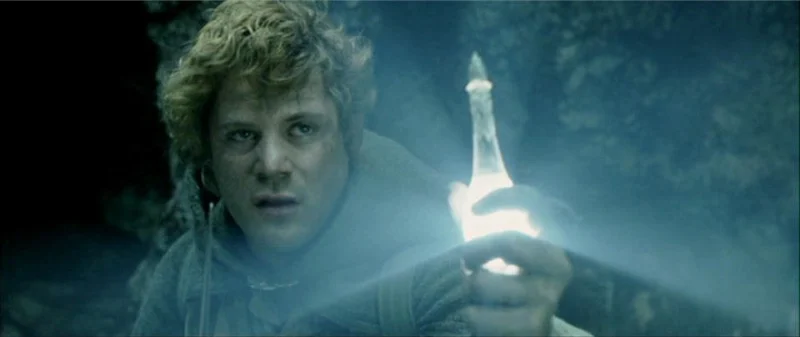
Samwise Gamgee shines as the heart of the story. His steadfast support for Frodo, especially carrying him up Mount Doom, embodies true friendship and resilience.
Every scene with Sam feels authentic, from his heartfelt speeches to his quiet acts of care. His strength grounds the film’s emotional core, making him the unsung hero who ties the epic together.
Which moment in ‘The Lord of the Rings: The Return of the King’ confused you the most, or which felt absolutely perfect? Share your thoughts in the comments!