


5 Things About The Matrix: Reloaded That Made Zero Sense and 5 Things That Made Perfect Sense




The Matrix: Reloaded (2003) is the second film in the Wachowski sisters’ iconic sci-fi trilogy. It dives deeper into the digital world of the Matrix, with stunning action and complex themes, but not everything lands smoothly. Some moments left fans scratching their heads, while others clicked perfectly with the story’s logic and vibe.
This article breaks down five things in The Matrix: Reloaded that made no sense and five that worked brilliantly. From plot holes to standout scenes, we’ll explore what confused us and what felt spot-on in this ambitious sequel.
Neo’s Power Surge in the Real World (Zero Sense)
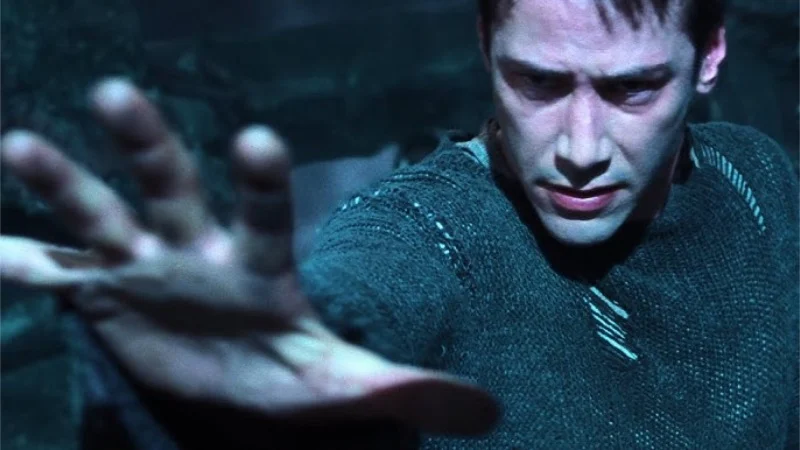
Neo stopping Sentinels with his mind in the real world was a head-scratcher. In the Matrix, his powers make sense—he’s the One, bending the digital rules. But outside, in the supposed real world, how does he control machines with a wave of his hand? The movie never explains this, leaving a big plot hole. It feels like a stretch to make Neo seem godlike without grounding it in the story’s rules.
This moment undermines the clear line between the Matrix and reality. If Neo can do this, is the real world even real? The lack of clarity frustrated fans and muddied the trilogy’s stakes. It’s a cool visual, but it needed a better explanation to fit the established world.
The Architect’s Revelation (Perfect Sense)

The Architect’s speech about the Matrix’s cycles was a brilliant twist. He reveals Neo isn’t the first “One” and that the system has rebooted multiple times to maintain control. This adds depth to the Matrix, showing it’s a calculated trap, not just a simulation. It fits the story’s themes of control versus freedom perfectly.
The scene also explains Zion’s role as a pressure valve for human rebellion. It’s complex but logical, rewarding attentive viewers with a clearer picture of the machines’ long game. The Architect’s cold, calculated tone seals it as a standout moment that elevates the sequel’s stakes.
The Keymaker’s Convenient Keys (Zero Sense)
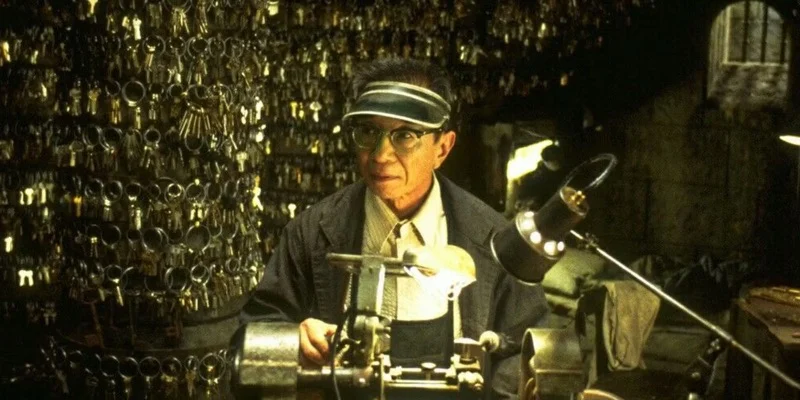
The Keymaker has a key for every door, which feels like a lazy plot device. Need to access a secret room or escape a trap? He just pulls out the perfect key. It’s too convenient and makes tense moments feel cheap, like the story is cheating to move forward.
This setup also raises questions about the Matrix’s design. If the machines control everything, why do these keys even exist? The Keymaker’s role is cool, but his endless supply of solutions lacks depth and makes the challenges feel less serious.
The Freeway Chase (Perfect Sense)
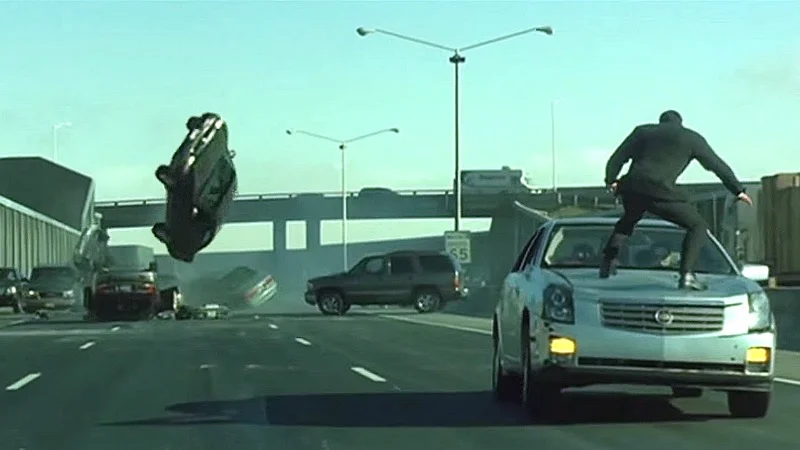
The freeway chase is one of the most thrilling action scenes in the trilogy. Morpheus, Trinity, and the Keymaker dodging Agents and cars while fighting on a speeding truck is pure adrenaline. The choreography, stunts, and pacing are flawless, making it a high point of the film.
It also ties into the story well. The chase is about saving the Keymaker, a critical piece of Neo’s mission. Every move feels purposeful, and the scene balances raw action with the urgency of their goal, keeping viewers glued to the screen.
The Merovingian’s Pointless Role (Zero Sense)
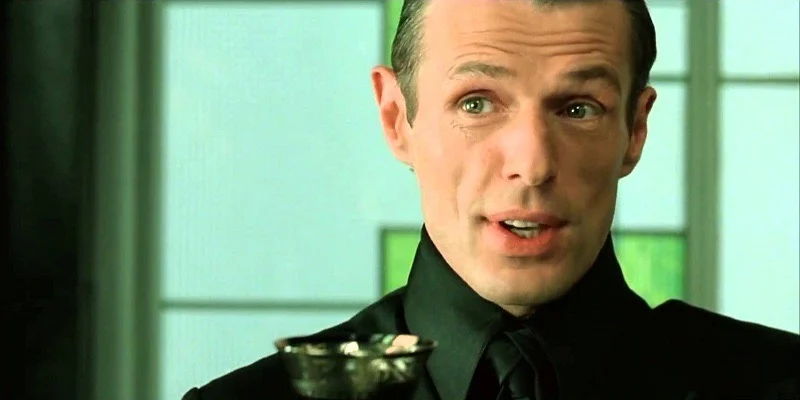
The Merovingian’s long-winded scene feels like a waste of time. He rambles about causality and power, but his role in the plot is vague—he’s just a gatekeeper for the Keymaker. His smug attitude and drawn-out dialogue don’t add much to the story or themes.
His wife, Persephone, ends up being more useful by betraying him to help Neo. The Merovingian’s presence feels like an excuse for a fancy set piece rather than a meaningful part of the narrative. It’s style over substance, and it drags the movie down.
Trinity’s Resurrection (Perfect Sense)
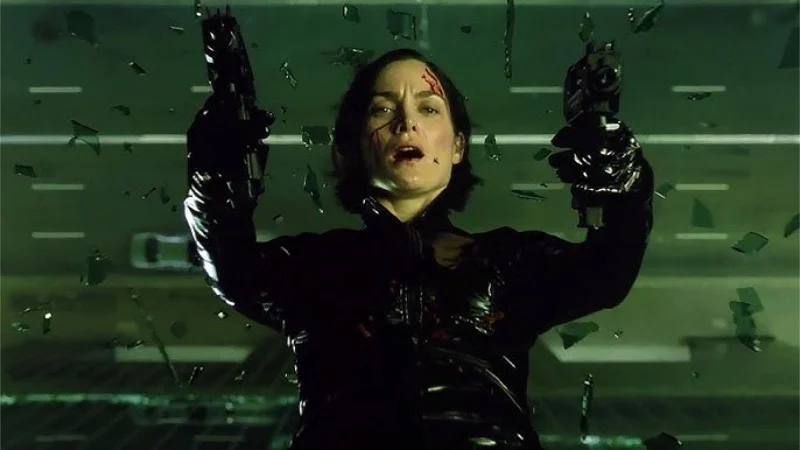
Neo reviving Trinity after she’s shot is a powerful moment. His love for her drives him to push his powers as the One, restarting her heart in the Matrix. It’s emotional, intense, and shows how deeply their bond shapes Neo’s journey.
This scene also reinforces Neo’s growth. He’s not just a program or a savior; his human emotions give him strength. The moment is dramatic but earned, tying love and sacrifice into the story’s core themes without feeling forced.
The Twins’ Invincibility (Zero Sense)
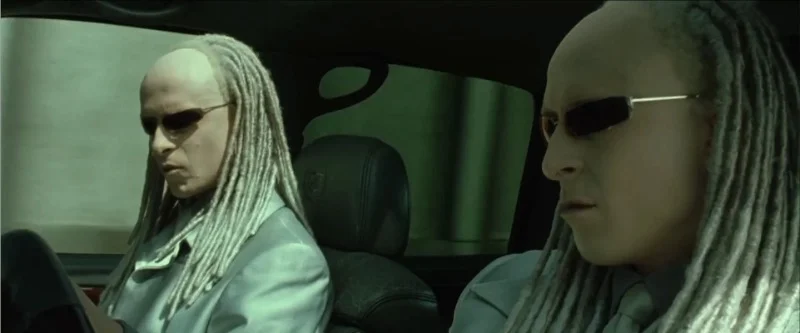
The Merovingian’s henchmen, the Twins, can turn ghostly and dodge attacks, but it’s never clear why. Their powers don’t match the rules of the Matrix, where Agents follow strict limits. Why do these random goons have such unique abilities? The movie doesn’t bother to explain.
Their invincibility also makes fights less exciting. If they can phase through anything, the stakes feel low until the plot conveniently finds a way to beat them. It’s a cool visual but feels like a gimmick that doesn’t fit the world’s logic.
Morpheus’ Faith in Neo (Perfect Sense)
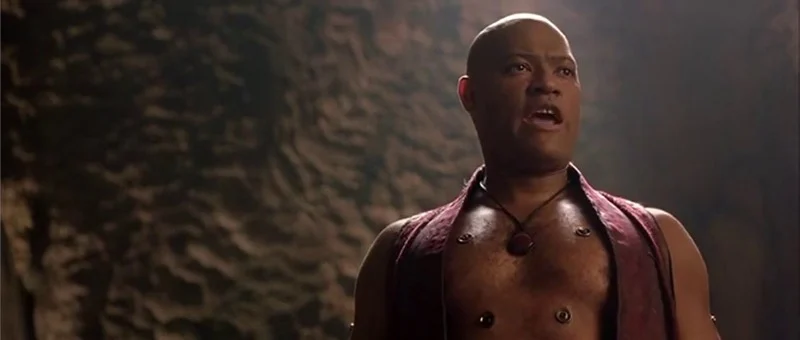
Morpheus’ unwavering belief in Neo as the One shines in Reloaded. His speeches and actions show absolute trust, even when others doubt. This conviction drives the team’s mission and makes Morpheus a compelling leader, grounding the story in hope.
This faith also ties into the film’s themes of belief versus reality. Morpheus’ certainty isn’t just blind; it’s a choice to fight for freedom. His dynamic with Neo feels authentic and gives the story heart, especially in tense moments like the Zion defense plans.
The Oracle’s Vague Advice (Zero Sense)
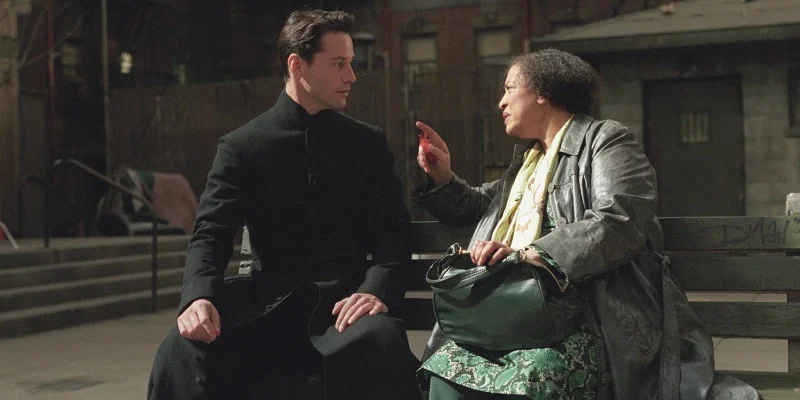
The Oracle’s cryptic guidance to Neo feels more confusing than helpful. She tells him to make choices but doesn’t explain what’s at stake or how to approach them. Her vagueness seems like a cheap way to keep the plot mysterious without adding depth.
This lack of clarity makes her scenes frustrating. If she’s meant to guide Neo, why does she talk in riddles? It feels like the movie is hiding its own lack of answers, which weakens her role compared to the first film.
Zion’s Dance Party (Perfect Sense)
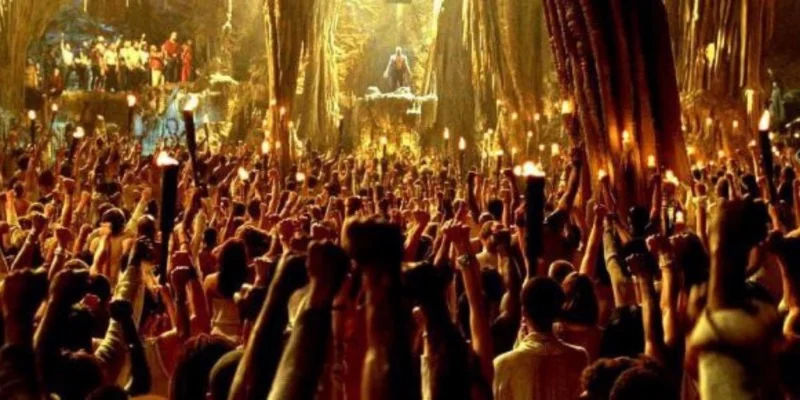
The Zion rave scene, where humans celebrate in their underground city, is a bold and fitting moment. It shows humanity’s defiance and joy despite the machine threat. The music, energy, and visuals capture a culture fighting to stay alive and free.
It also contrasts with the cold, controlled Matrix, highlighting what’s at stake. The scene grounds the story in human resilience, making Zion feel like a real, vibrant community worth saving. It’s a brief but powerful break from the action.
What’s your take on The Matrix: Reloaded—did these moments confuse you or click perfectly? Share your thoughts in the comments!