


5 Things About ‘The Matrix Revolutions’ That Made Zero Sense and 5 Things That Made Perfect Sense




The Matrix Revolutions (2003) wrapped up the iconic sci-fi trilogy with intense action and big ideas. Fans loved the visuals but often scratched their heads at some plot points, while other moments tied the story together neatly.
This article breaks down five things in the movie that confused viewers and five that clicked perfectly. We’ll look at what didn’t add up and what worked well, keeping things clear and simple.
Neo’s Blindness Powers (Zero Sense)
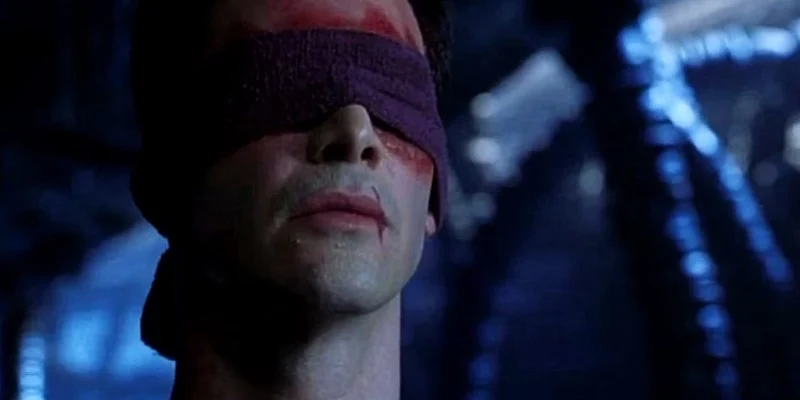
Neo gets blinded by Bane/Smith during a fight, yet somehow gains the ability to see machines as glowing orange figures. This power comes out of nowhere with no explanation, feeling like a convenient plot device to keep him active in the story.
The movie never hints at why blindness would unlock this vision or how it connects to his role as the One. It’s a cool visual but leaves you wondering why it even happens.
Trinity’s Death (Perfect Sense)
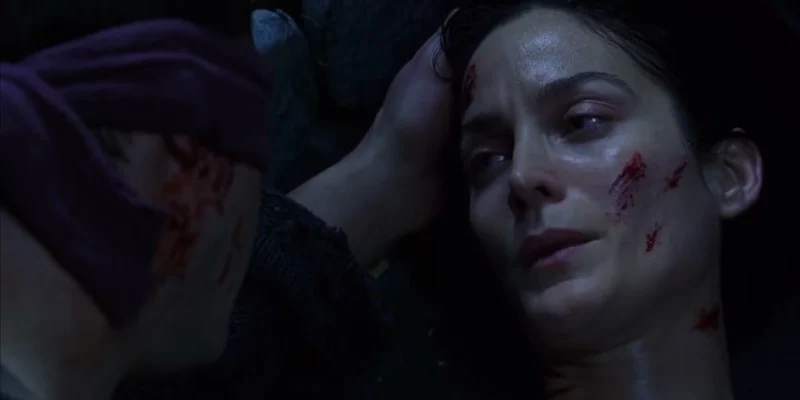
Trinity’s death is a heartbreaking but fitting end to her arc. She sacrifices herself to help Neo reach the Machine City, showing her loyalty and love.
Her death gives Neo the emotional push to make his final deal with the machines. It’s a logical and emotional payoff that ties her story to the trilogy’s themes of sacrifice.
The Merovingian’s Role (Zero Sense)
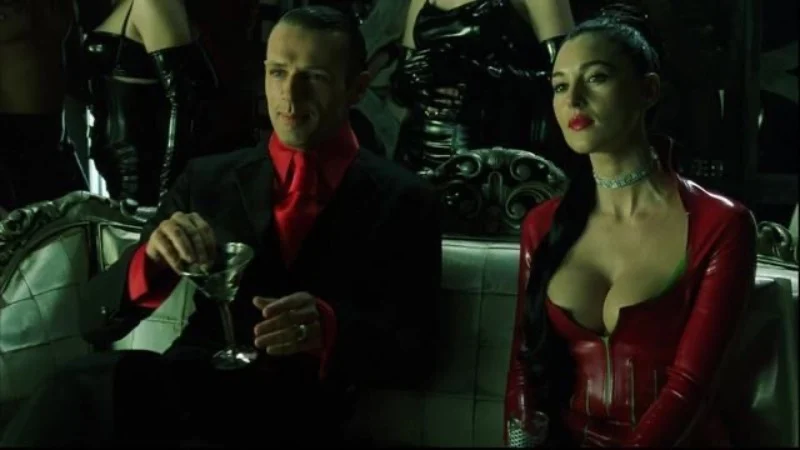
The Merovingian, a smug program with a French accent, feels pointless in this movie. His scenes in Club Hel and the train station drag on without adding much to the main plot.
He’s built up as a major player, but his actions don’t impact the story’s outcome. His presence seems like leftover baggage from the second film, confusing rather than advancing the narrative.
Zion’s Last Stand (Perfect Sense)
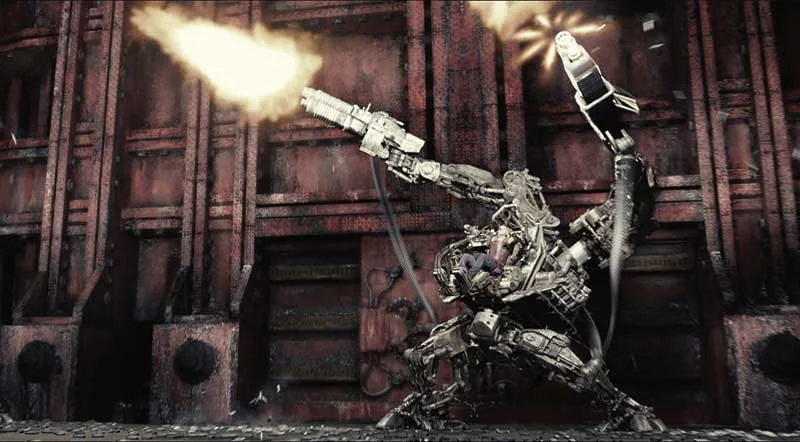
The battle for Zion is a high-stakes, gritty fight that shows humanity’s desperation. The machines’ invasion and the humans’ defense with mech suits feel intense and believable.
It grounds the story in a real sense of danger. The visuals and pacing make it clear how much is at stake, tying the human world to Neo’s mission.
Agent Smith’s Overpowered Nature (Zero Sense)

Agent Smith becomes a virus that takes over everyone in the Matrix, but how he gets so powerful is unclear. The movie doesn’t explain why he can overwrite entire programs or people without limits.
His strength overshadows Neo’s role as the One, making the final fight feel unbalanced. It’s hard to buy that one rogue agent could threaten the entire system without a clearer reason.
Neo’s Sacrifice (Perfect Sense)
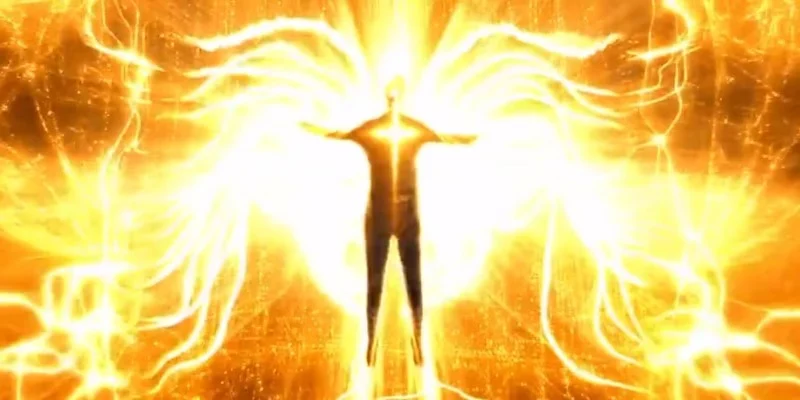
Neo’s choice to sacrifice himself to stop Smith and save both worlds is a strong conclusion. It fits his arc as a messianic figure who balances human and machine needs.
His deal with the machines to defeat Smith shows growth from rebellion to cooperation. The emotional weight of his death lands because it resolves the trilogy’s core conflict.
The Oracle’s Vague Plan (Zero Sense)
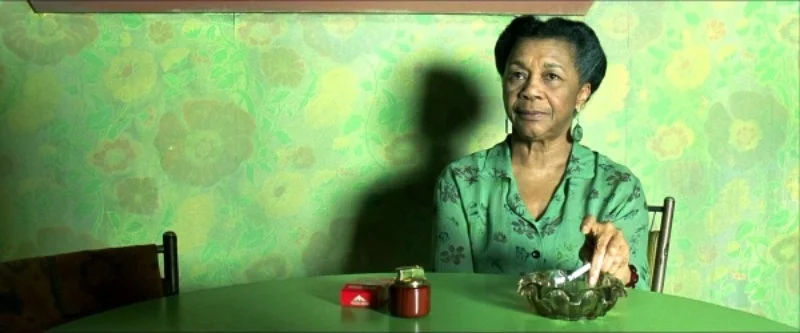
The Oracle knows everything but never explains her plan clearly. Her cryptic advice to Neo and others feels like a lazy way to move the plot without giving solid reasons.
Her role in guiding the resistance is crucial, but the movie doesn’t show how her actions connect to the endgame. It leaves you frustrated, wondering why she’s so vague.
Morpheus’ Faith (Perfect Sense)
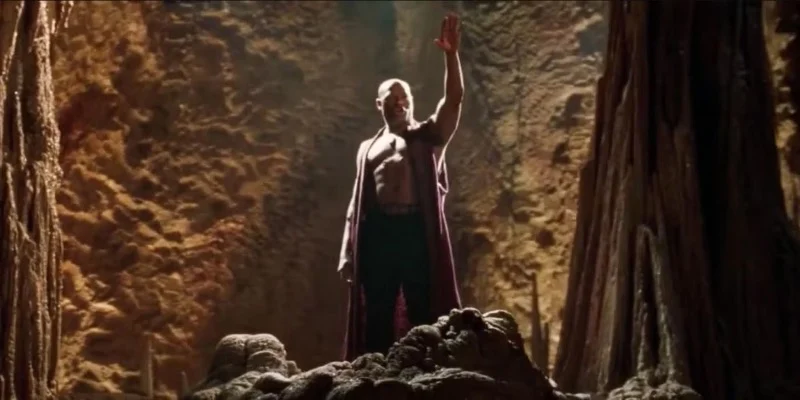
Morpheus’ unwavering belief in Neo pays off in the final battle. His trust, even when doubted, drives the resistance to keep fighting.
This consistency makes his character a rock for the story. It shows how faith in a cause can inspire others, grounding the film’s themes in human hope.
The Train Station (Zero Sense)
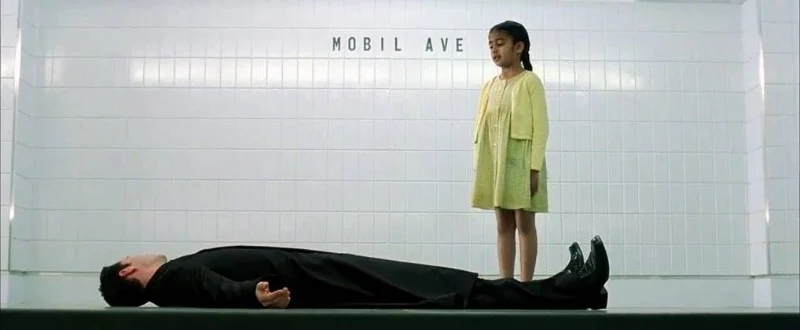
The train station, controlled by the Merovingian, traps programs like Sati in a weird limbo. It’s never clear why this place exists or how it fits into the Matrix’s rules.
The concept feels random and disconnected from the main story. It’s a confusing detour that doesn’t explain its own purpose or add to the plot.
The Peace Treaty (Perfect Sense)
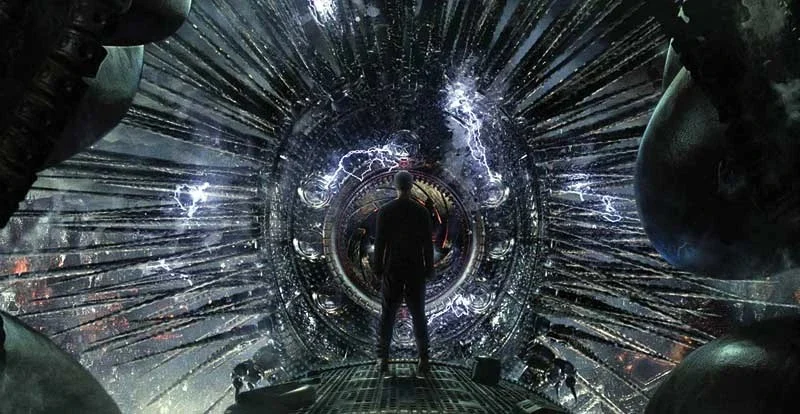
The peace between humans and machines at the end feels earned. Neo’s deal ensures Zion’s survival and a truce, giving the trilogy a hopeful close.
It ties up the story’s themes of balance and coexistence. The final scene with the Architect and Oracle discussing peace feels like a natural resolution.
What’s your take on The Matrix Revolutions—any plot points you loved or couldn’t figure out? Share in the comments!