


5 Things About ‘The Matrix’ That Made Zero Sense and 5 Things That Made Perfect Sense




The Matrix (1999) blew minds with its wild ideas about reality, technology, and human existence. It’s a sci-fi classic that still sparks debates, but not everything in it adds up, and some parts are just brilliantly clear.
This article dives into five things in The Matrix that leave us scratching our heads and five that click perfectly. Let’s break it down, from the confusing to the crystal-clear.
The Human Battery Concept (Zero Sense)
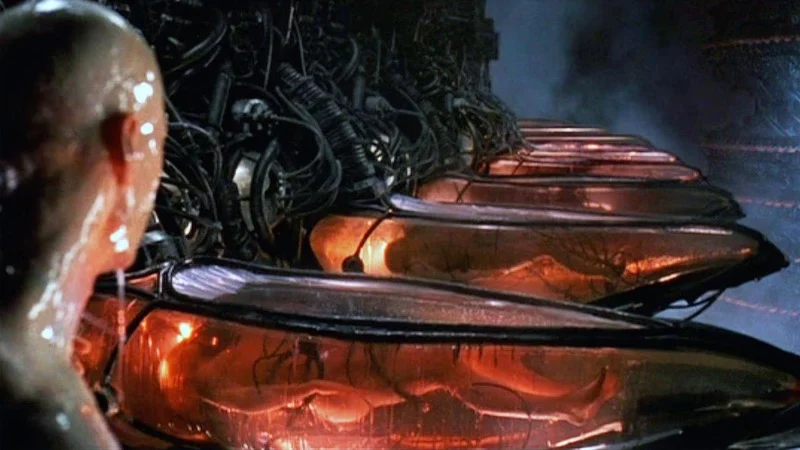
Machines using humans as batteries sounds cool but falls apart fast. The human body doesn’t produce enough energy to justify the effort of keeping billions alive in pods.
It’s also unclear why machines wouldn’t use something simpler, like solar power or nuclear energy. The whole setup feels like a plot device that doesn’t hold up under scrutiny.
The Simulated Reality (Perfect Sense)
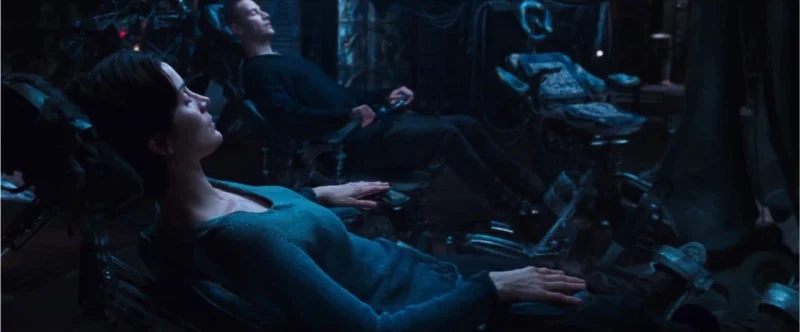
The idea of a simulated world controlled by machines is chilling and believable. It taps into real fears about technology outpacing human control, especially with AI advancements today.
The Matrix’s virtual reality feels plausible because it mirrors how we already lose ourselves in digital worlds. The film nails the unsettling question: what if our reality isn’t real?
Why Only One Exit? (Zero Sense)
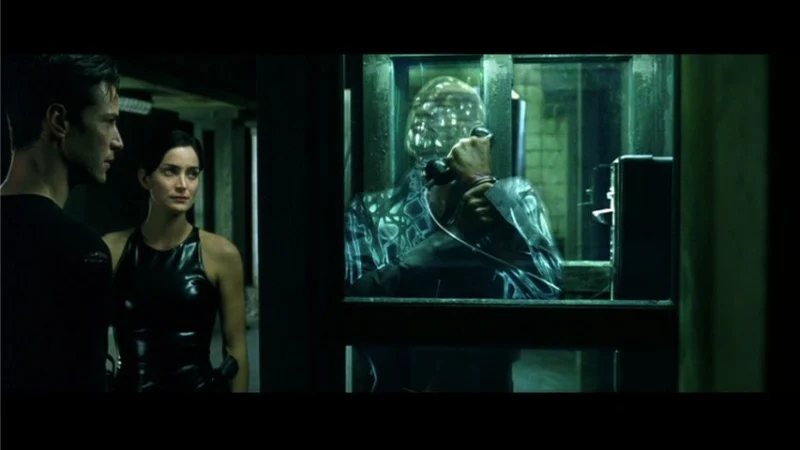
The resistance uses old phone lines to exit the Matrix, but why is there only one way in and out? It’s a huge risk for rebels to rely on a single, clunky system.
If the machines control the Matrix, they could easily monitor or block these exits. The plot ignores simpler solutions, like multiple access points, which makes no sense.
Neo’s Journey of Self-Belief (Perfect Sense)
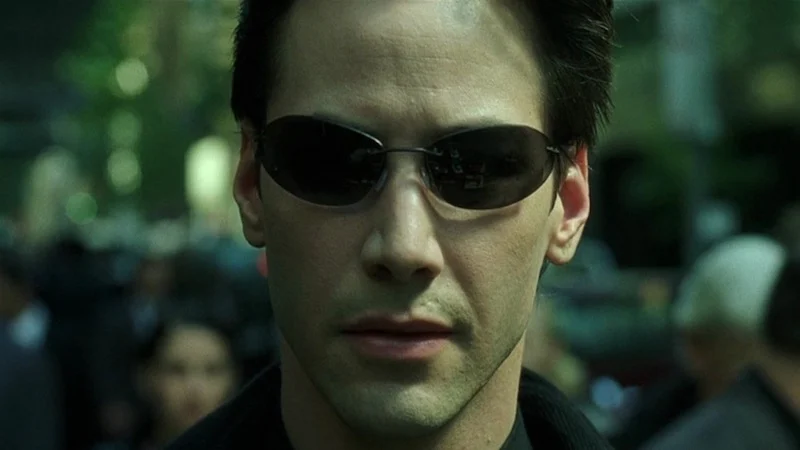
Neo’s transformation from a confused hacker to a confident “One” feels authentic. His struggle to believe in himself reflects universal human doubts and growth.
The way he slowly embraces his role, especially in the final fight, is emotionally gripping. It’s a classic hero’s journey that resonates deeply with viewers.
The Architect’s Overcomplicated Plan (Zero Sense)

The Architect’s speech in the sequels about balancing the Matrix with anomalies is a mess. His plan to control humans through cycles of destruction and rebirth is needlessly complex.
Why not just make the Matrix perfect to avoid rebellion altogether? The convoluted explanation feels like the writers trying too hard to sound clever.
Agent Smith’s Evolution (Perfect Sense)
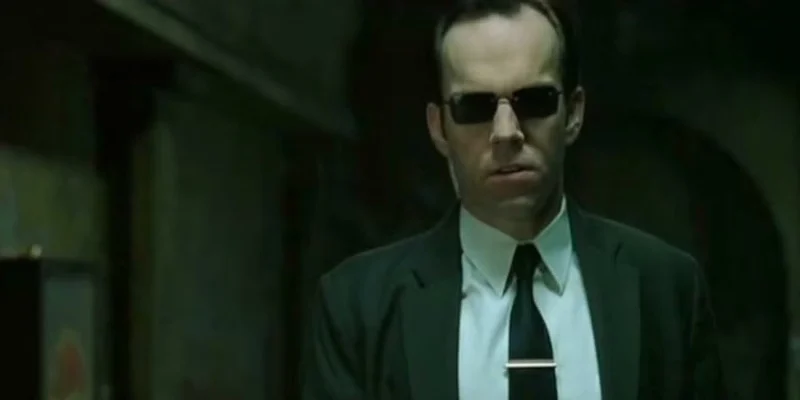
Agent Smith’s growth from a simple program to a rogue, multiplying threat is brilliant. It shows how even AI can develop flaws, like obsession or ego, making him a compelling villain.
His transformation mirrors real-world fears about technology becoming unpredictable. It’s a smart way to humanize a machine while keeping him terrifying.
Why Train in Kung Fu? (Zero Sense)

The resistance learns martial arts to fight in the Matrix, but why bother? If the Matrix is a simulation, they could program any skill or weapon instantly.
Physical training feels pointless when they could just hack the system to win fights. It’s a cool visual but doesn’t make practical sense in a digital world.
The Red Pill vs. Blue Pill Choice (Perfect Sense)
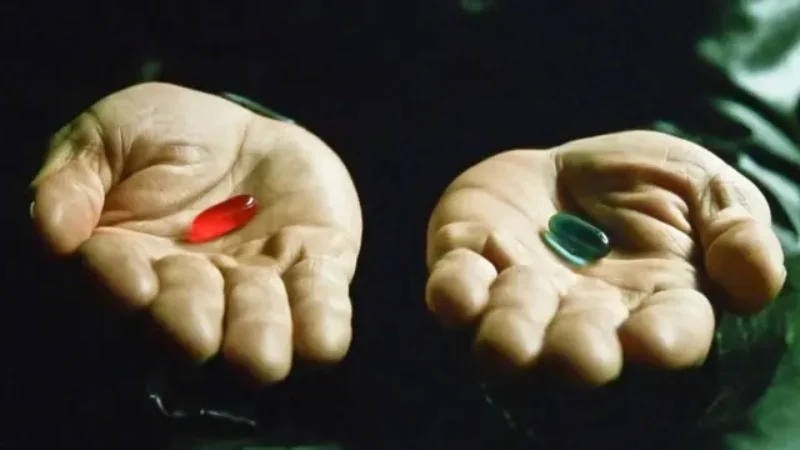
The red pill and blue pill choice is a powerful metaphor for truth versus comfort. It captures the hard reality of choosing to face harsh truths or stay in blissful ignorance.
This moment sticks with audiences because it’s relatable. We all face choices between easy lies and tough realities, making it a timeless concept.
The Oracle’s Vague Prophecies (Zero Sense)

The Oracle’s cryptic predictions drive the plot but feel like lazy writing. If she knows the future, why not give clear warnings to avoid disasters?
Her vague advice creates unnecessary confusion for Neo and the team. It’s a plot trick that frustrates more than it adds depth to the story.
The Power of Love (Perfect Sense)
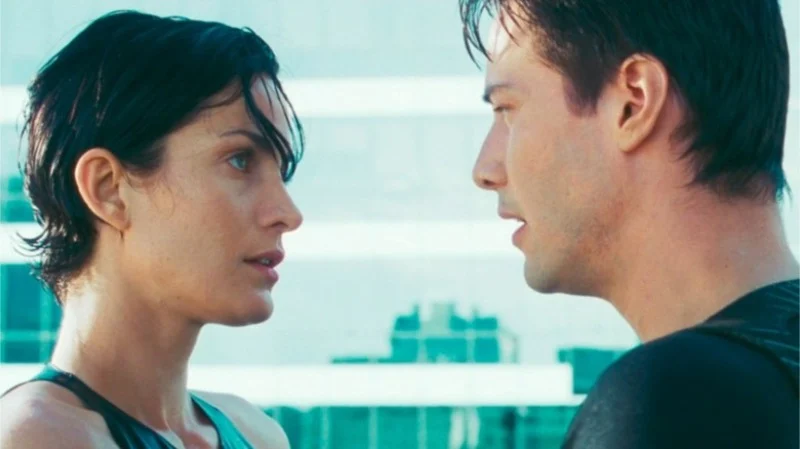
Trinity’s love for Neo bringing him back to life is cheesy but works. It grounds the high-tech story in something human and relatable, like the strength of connection.
The emotional payoff when Neo revives feels earned because their bond builds naturally. It’s a reminder that even in a digital world, human emotions matter.
What’s your take on the wild and wonderful moments in The Matrix—share your thoughts in the comments!