


10 Things About ‘The Sandman’ That Made Absolutely No Sense

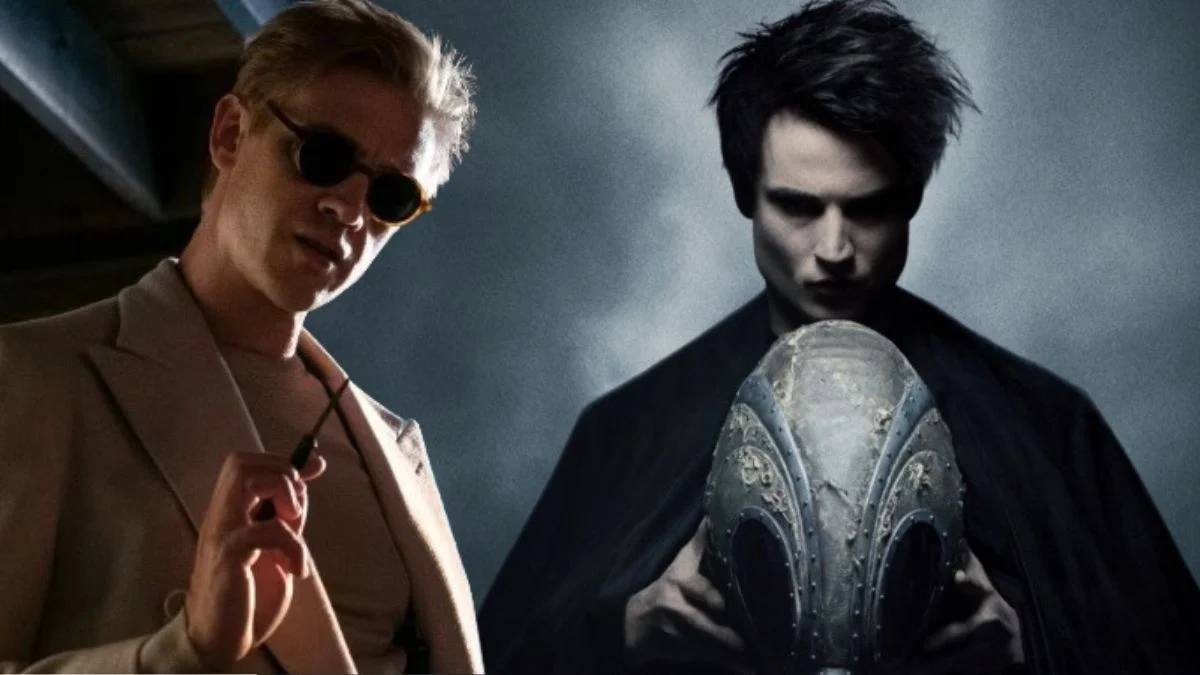


Netflix’s ‘The Sandman’ (2022) brings Neil Gaiman’s iconic comic to life, weaving a surreal tale of dreams, nightmares, and cosmic beings. It follows Morpheus, the Lord of Dreams, as he navigates a complex world after a century of captivity, reclaiming his power and rebuilding his realm, The Dreaming.
The show is visually stunning and packed with philosophical depth, but some moments leave you scratching your head. From timeline quirks to character choices, I’ve pinpointed ten elements that don’t quite add up, diving into why they feel so perplexing.
10. Lyta Hall’s Rapid Pregnancy
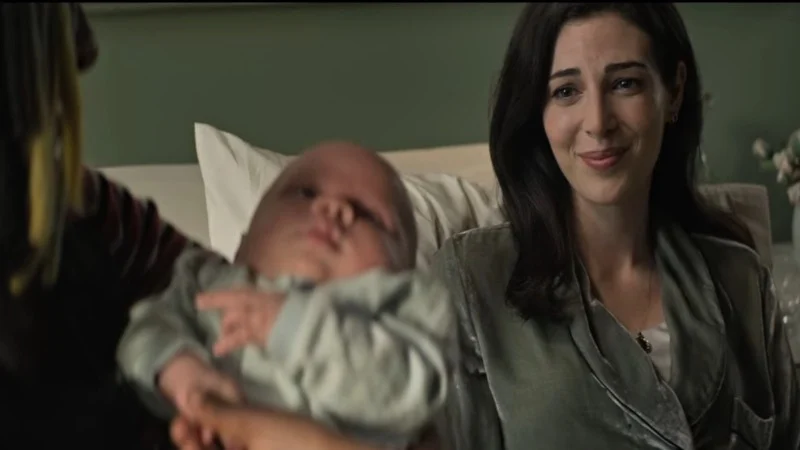
Lyta Hall’s pregnancy in the show unfolds at a breakneck pace. She goes from no visible signs to nearly full-term in what feels like days, defying human biology.
This rushed timeline clashes with the show’s otherwise grounded take on mortal characters. How can a dream-induced pregnancy progress so fast, and why does an incorporeal entity like a dream even cause it? The lack of explanation makes this plot point feel jarring.
9. The Cereal Convention’s Loose Security
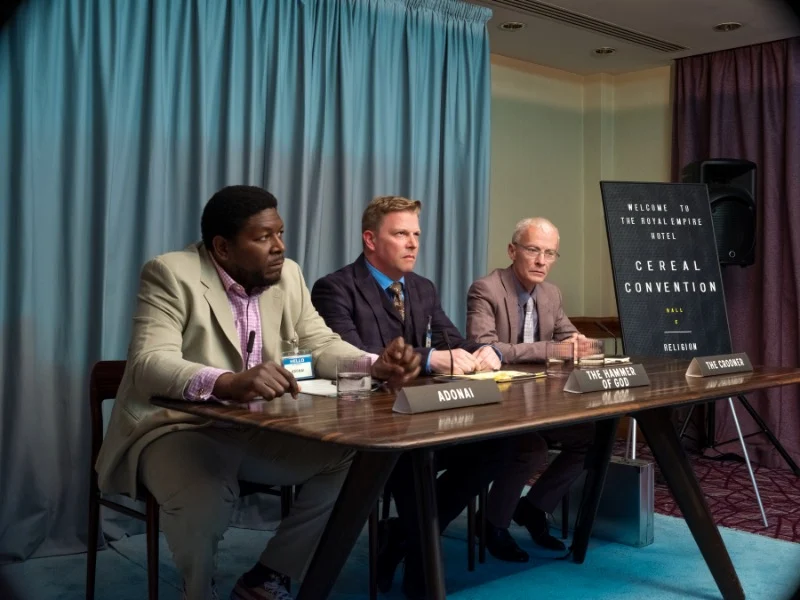
The Corinthian, a rogue nightmare, organizes a secret gathering of serial killers called the Cereal Convention. It’s a clever nod, but the event’s security is shockingly lax for a group hiding from the law.
Hundreds of criminals mingle openly, using fake names, yet no one seems worried about exposure. You’d expect tighter measures for such a high-stakes meeting, making this setup feel oddly careless.
8. Unity Kincaid’s Ageless Appearance
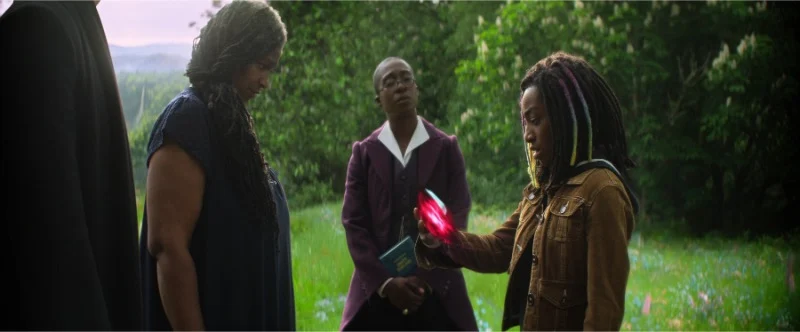
Unity Kincaid, a young girl when Morpheus is captured in 1916, somehow looks youthful over a century later. Unlike others who age normally, she lacks any magical protection to explain this.
Her preserved appearance defies logic, especially when compared to characters like Alex Burgess, who ages naturally. The show glosses over this, leaving a gap in its otherwise detailed world-building.
7. Ethel’s Amulet and Rapid Aging
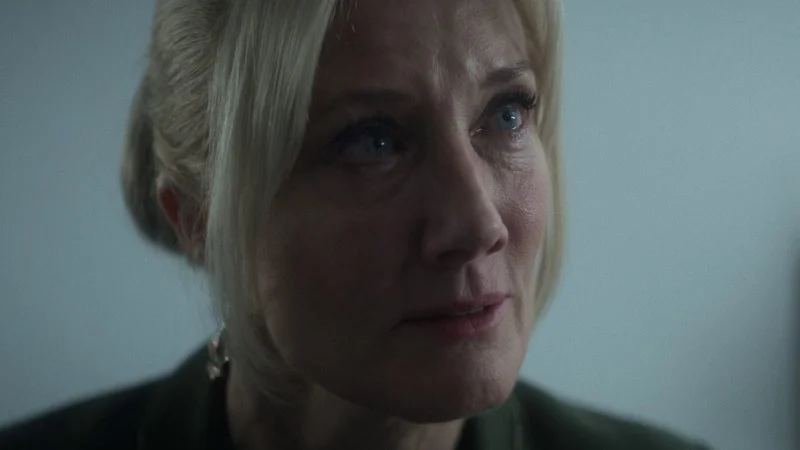
Ethel Cripps steals Morpheus’s tools and wears an amulet that slows her aging for decades. When she gives it to her son, she ages instantly and dies.
This sudden transformation feels overly convenient. Why does the amulet’s protection vanish so abruptly, and how does it even work? The show doesn’t clarify, making this plot device feel like a rushed shortcut.
6. Death’s Absence at Key Moments
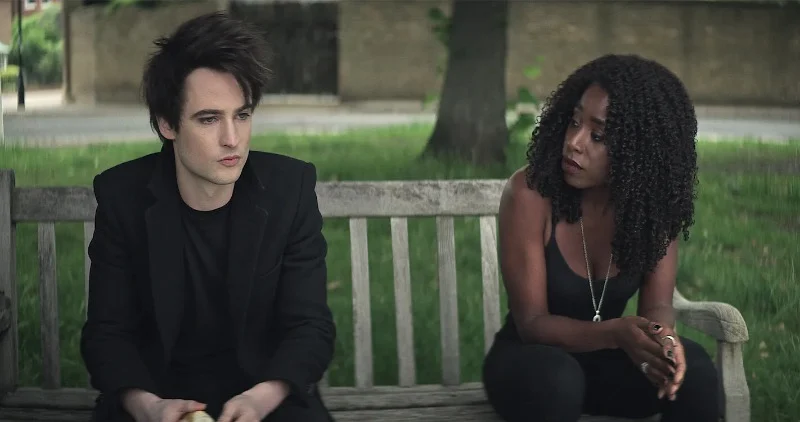
Death, one of the Endless, appears during random accidents in the series but is conspicuously absent when Jessamy the raven or Roderick Burgess dies. These are pivotal moments tied to Morpheus’s story.
Her selective presence raises questions. Why skip these deaths but show up for minor ones? This inconsistency undermines the rules governing the Endless and their roles.
5. Morpheus’s Tools and Power Dependency
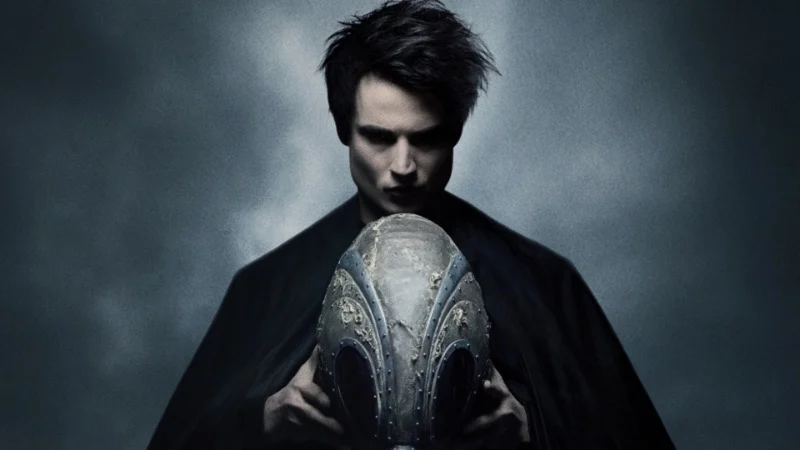
Morpheus pours his power into three tools—a helm, ruby, and sand pouch—yet struggles without them after his escape. These are his creations, so why is he so weakened?
The show implies he needs them to function, but their creation process and his dependency are never explained. It feels like an arbitrary limitation for a being as powerful as Dream.
4. The Corinthian’s Cult of Killers

The Corinthian builds a cult of serial killers with ease, charming them into following him. His nightmare abilities help, but the sheer scale of his influence is hard to swallow.
How does one entity convince so many humans to form a cohesive group so quickly? The show doesn’t explore this, leaving the cult’s rapid formation feeling implausible.
3. Jessamy’s Failed Rescue Attempt
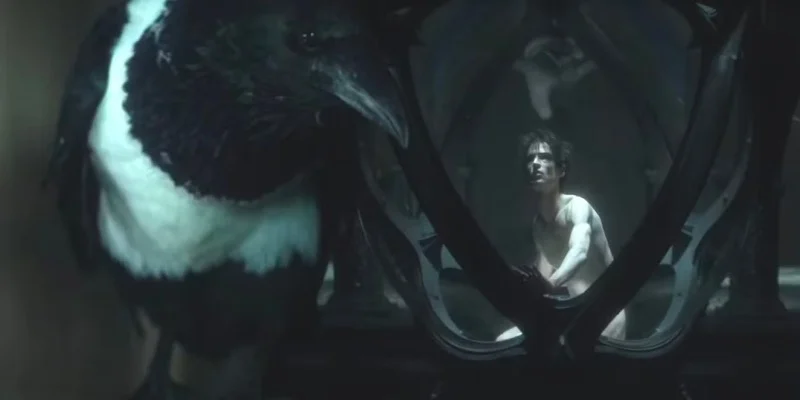
Jessamy, Morpheus’s loyal raven, tries to free him from his glass prison but is abruptly killed. Her efforts seem futile, and her death feels like a cheap shock.
Why does a creature tied to The Dreaming lack the power or strategy to succeed? This moment feels like a missed opportunity to show her significance, making it confusingly abrupt.
2. Time’s Inconsistent Passage
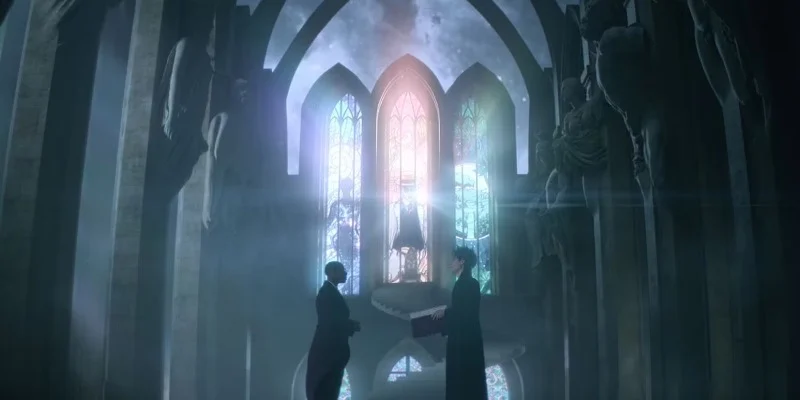
The show spans over a century, from Morpheus’s 1916 capture to his escape, yet the passage of time feels uneven. Some characters age, others don’t, and the timeline jumps without clear markers.
This inconsistency muddles the narrative. Without a clear explanation of how time affects The Dreaming or its inhabitants, these shifts feel disorienting and poorly defined.
1. Calliope’s Imprisonment
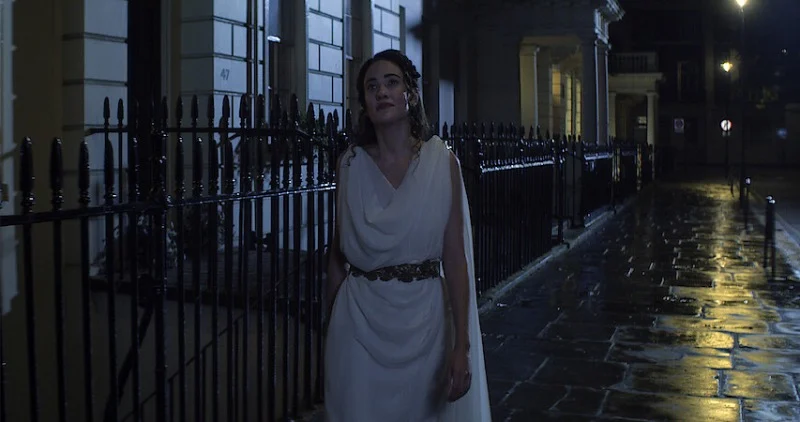
Calliope, a muse, is held captive for years, a plot point that mirrors Morpheus’s own imprisonment. Yet, Morpheus initially refuses to help her, despite his own experience.
This contradiction in his character feels off. Why would a being who suffered captivity show such indifference? It’s a perplexing choice that clashes with his arc of growth.
Which moment in ‘The Sandman’ left you most confused, or did I miss a head-scratcher? Drop your thoughts in the comments!