


10 Things About the Star Wars Sequel Trilogy That Made Absolutely No Sense

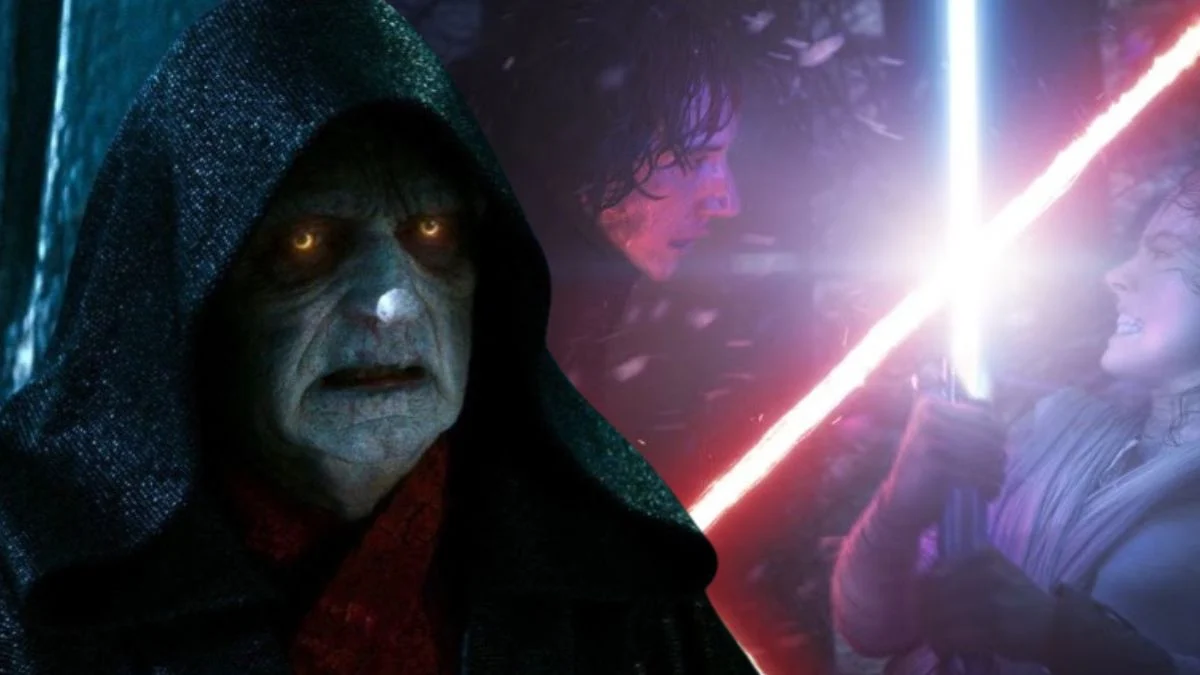


The Star Wars sequel trilogy, spanning three films from 2015 to 2019, aimed to carry forward the saga’s legacy with new heroes, familiar faces, and epic battles. Fans like me were thrilled to dive back into this galaxy, but certain choices left many of us puzzled, debating what worked and what didn’t.
While the trilogy brought stunning visuals and fresh energy, some story decisions felt like they came out of nowhere, clashing with the established universe or leaving plot threads dangling. Let’s break down ten moments across these films that had me scratching my head, wondering what the filmmakers were thinking.
10. Rey’s Sudden Mastery of the Force in ‘The Force Awakens’ (2015)
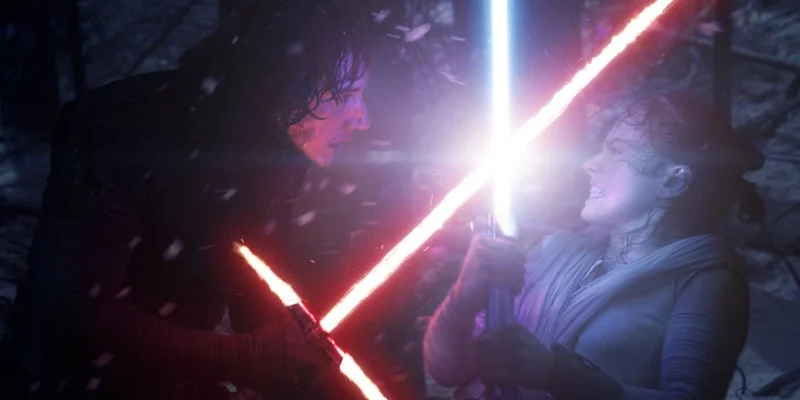
Rey, played by Daisy Ridley, discovers her Force abilities in ‘The Force Awakens’ and quickly becomes a powerhouse. She defeats Kylo Ren in a lightsaber duel with no prior training, which feels like a stretch even for a gifted character.
This rapid skill jump skips over the slow, disciplined training seen in earlier Star Wars films, like Luke’s time with Yoda. While Rey’s potential as a Force user is exciting, her instant expertise left me questioning how she could outmatch a trained Sith like Kylo so soon.
9. Finn’s Underused Arc in ‘The Last Jedi’ (2017)
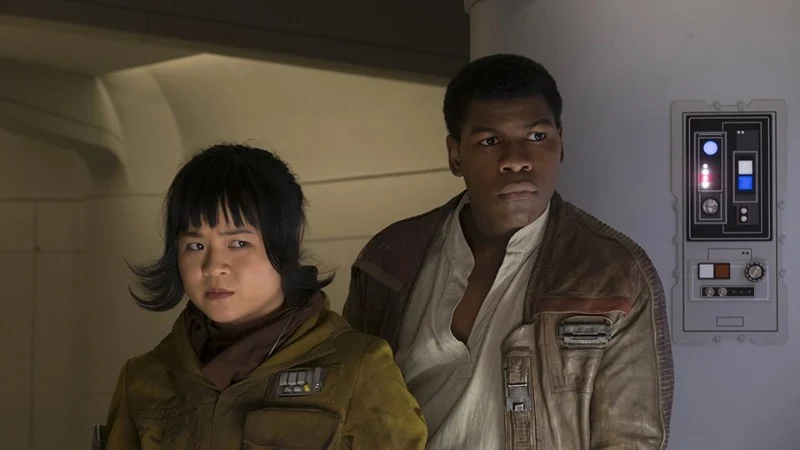
Finn, portrayed by John Boyega, starts as a stormtrooper turned rebel in ‘The Force Awakens’, but his journey in ‘The Last Jedi’ feels like a detour. His side mission with Rose to Canto Bight eats up screen time without advancing his growth or the main plot.
The casino adventure introduces themes about war profiteering, but it lacks connection to Finn’s personal stakes as a former stormtrooper. I wanted to see more of his struggle with his past, not a side quest that ultimately fizzles out.
8. Snoke’s Abrupt End in ‘The Last Jedi’ (2017)
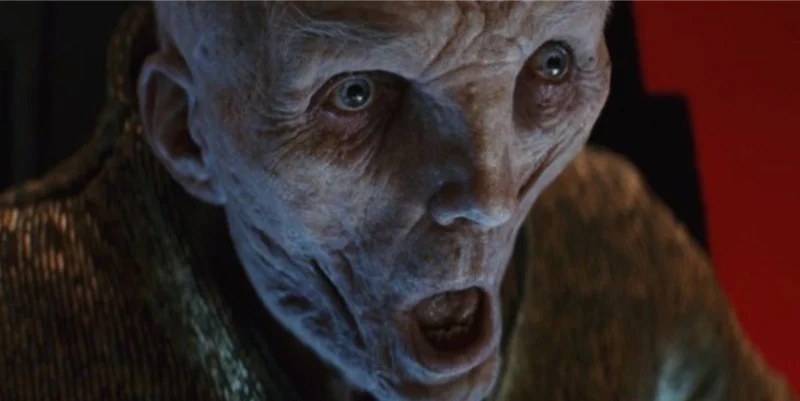
Supreme Leader Snoke, a menacing figure in ‘The Force Awakens’, gets built up as a major threat, only to be killed off by Kylo Ren in ‘The Last Jedi’ with little explanation. His death feels shockingly sudden for such a pivotal villain.
Without exploring Snoke’s origins or motives, his exit leaves a gap in the story. As a fan, I was left wondering why such a powerful character was discarded so quickly, with no deeper insight into his role in the galaxy.
7. The Return of Palpatine in ‘The Rise of Skywalker’ (2019)
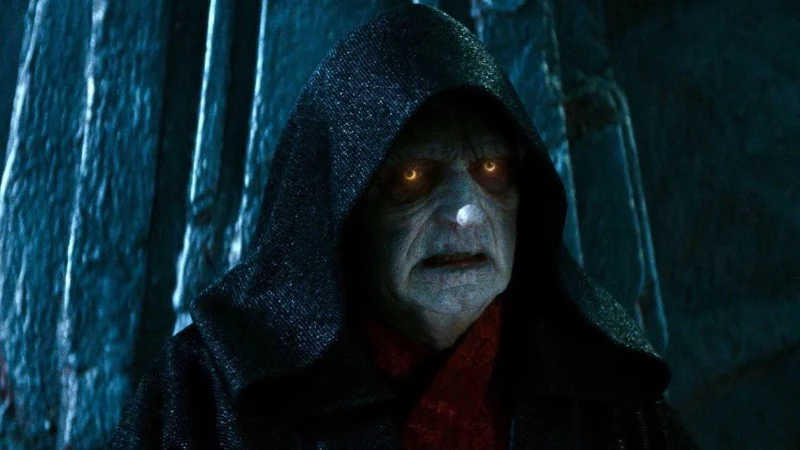
Emperor Palpatine’s comeback in ‘The Rise of Skywalker’ is a bombshell that feels tacked on. After his death in ‘Return of the Jedi’, his sudden reappearance as the mastermind behind the First Order lacks clear setup in the prior films.
The explanation of cloning and dark rituals feels rushed and vague, leaving me confused about how Palpatine survived. His return undermines the original trilogy’s victory and needed more groundwork to feel earned.
6. Leia’s Force Flight in ‘The Last Jedi’ (2017)
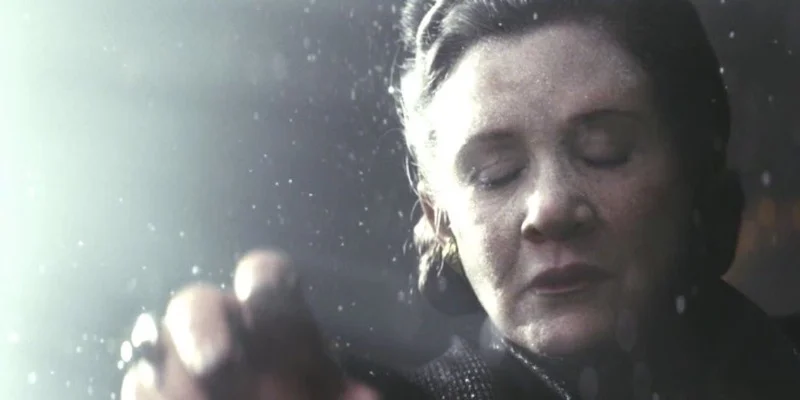
In ‘The Last Jedi’, Leia, played by Carrie Fisher, survives an explosion in space and uses the Force to float back to her ship. This moment, while visually striking, comes out of nowhere for a character never shown wielding the Force so dramatically.
Leia’s Force sensitivity is hinted at in earlier films, but this supernatural feat feels jarring without prior examples of her training. I was left marveling at the visuals but questioning why this ability surfaced so abruptly.
5. The Holdo Maneuver’s Logic in ‘The Last Jedi’ (2017)
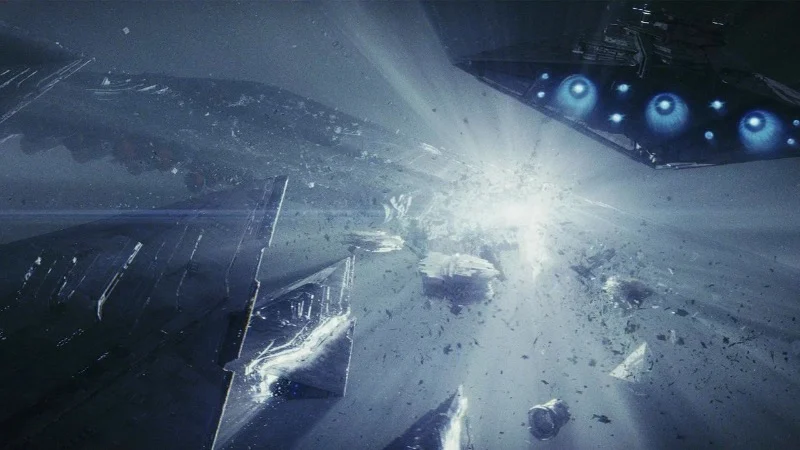
Admiral Holdo’s lightspeed ramming of a First Order ship in ‘The Last Jedi’ is a breathtaking scene, but it raises questions about Star Wars’ rules. If a single ship can cause such devastation, why isn’t this tactic used more often?
The maneuver’s impact feels like a one-off spectacle rather than a consistent part of the universe’s warfare. As a fan, I couldn’t help but wonder why this game-changing strategy was never mentioned before or after.
4. Rey’s Parentage Flip-Flop in ‘The Rise of Skywalker’ (2019)
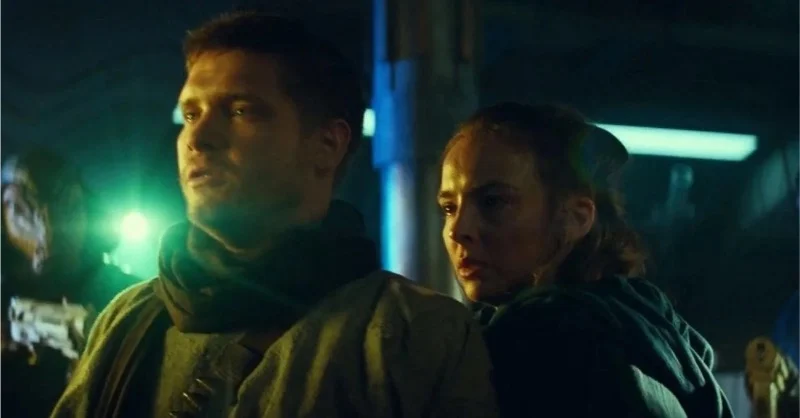
In ‘The Last Jedi’, Rey learns her parents were nobodies, a refreshing twist that made her strength her own. But ‘The Rise of Skywalker’ reveals she’s Palpatine’s granddaughter, reversing this for a less satisfying legacy tie.
This back-and-forth muddles Rey’s arc and feels like a reaction to fan debates rather than a cohesive plan. I was disappointed that the trilogy couldn’t stick to one vision for her identity.
3. Poe’s Spice Runner Backstory in ‘The Rise of Skywalker’ (2019)
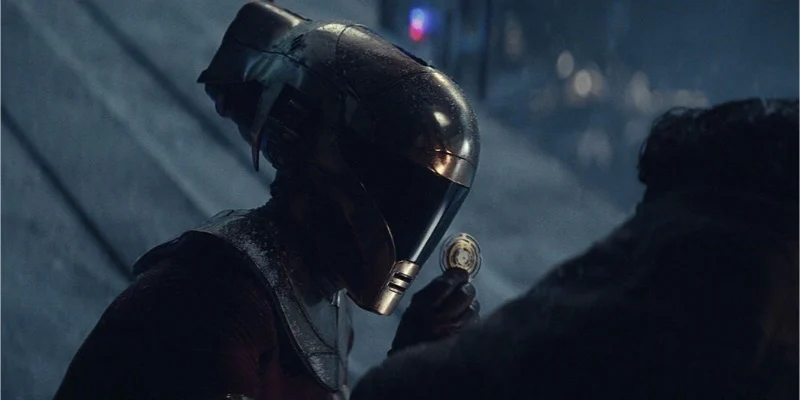
Poe Dameron, played by Oscar Isaac, is revealed as a former spice runner in ‘The Rise of Skywalker’, a detail that comes out of left field. This backstory adds little to his character and feels like an attempt to give him more edge.
With no hints of this past in earlier films, it feels forced and disconnected from his role as a Resistance pilot. I wanted more focus on his leadership growth, not a random criminal phase.
2. The Force Healing Power in ‘The Rise of Skywalker’ (2019)
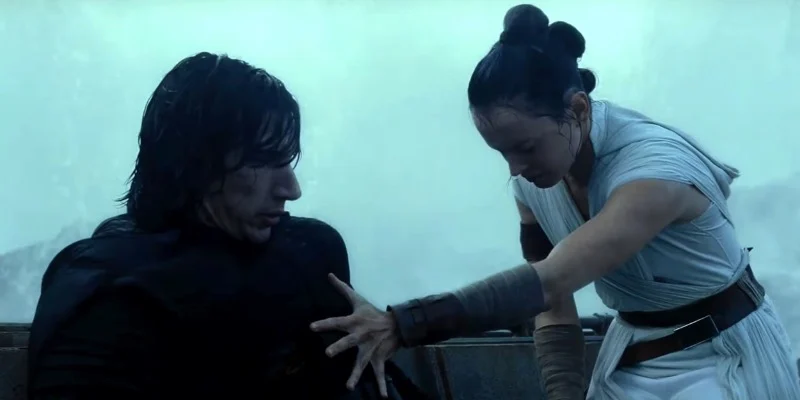
Force healing, introduced in ‘The Rise of Skywalker’, allows Rey and others to heal wounds or even revive the dead. This new ability feels like a convenient plot device that breaks established Force rules.
If such a powerful skill existed, why was it never used in prior films, like to save Qui-Gon or Anakin’s mother? As a longtime fan, I found this addition jarring and poorly explained.
1. The Lack of a Unified Plan Across the Trilogy
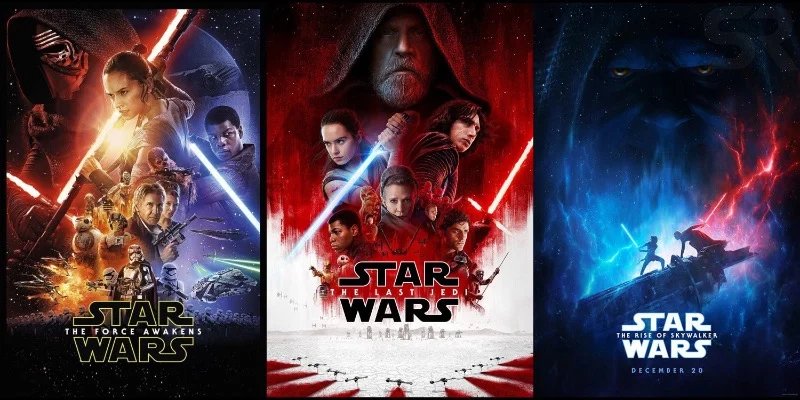
The sequel trilogy feels disjointed, with each film—‘The Force Awakens’, ‘The Last Jedi’, and ‘The Rise of Skywalker’—pulling in different directions. Unlike the original trilogy’s cohesive arc, the sequels lack a clear overarching story.
Directors J.J. Abrams and Rian Johnson’s conflicting visions create abrupt shifts, like Rey’s parentage or Snoke’s role, leaving me frustrated as a viewer. A unified plan could have tied the trilogy together more smoothly.
Which sequel trilogy moment confused you the most, or did I miss a puzzling detail? Drop your thoughts in the comments!