


5 Things About ‘The Wire’ That Made Zero Sense and 5 Things About It That Made Perfect Sense

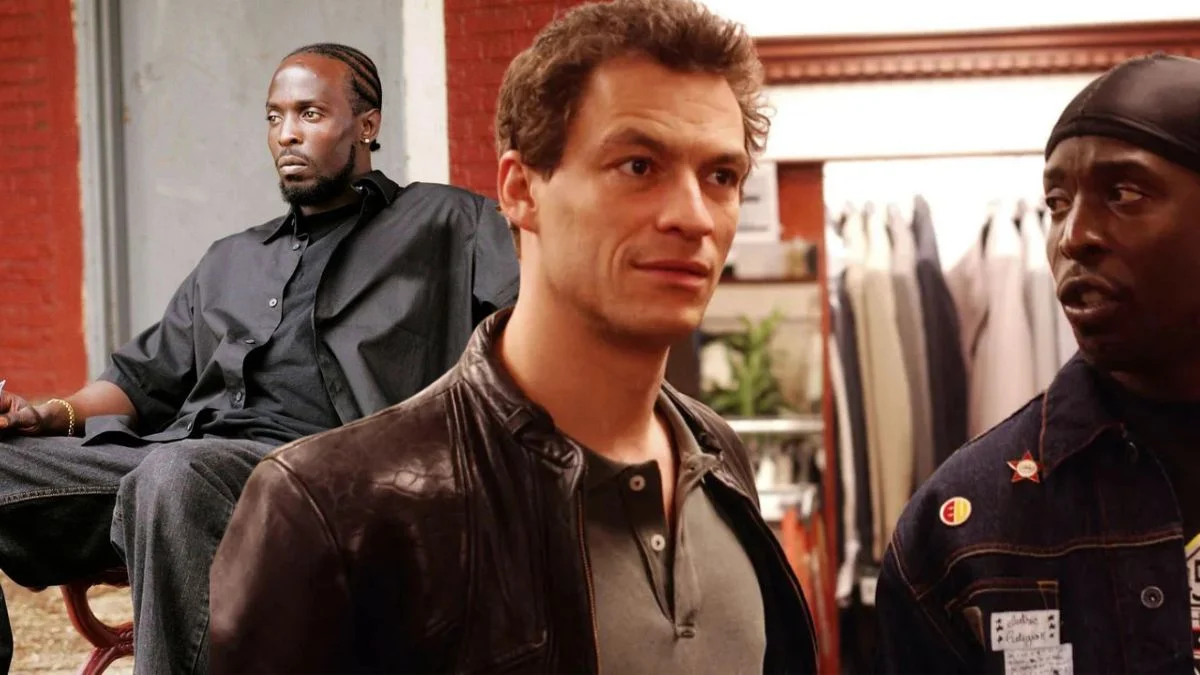


‘The Wire’ built its reputation on close attention to institutions in Baltimore and on storylines that follow real procedures and incentives. It covers the police department, drug organizations, the port, city hall, schools, and the newsroom with a scope that changes each season while keeping characters and cases in view across years. The show uses detail from surveillance paperwork to corner slang to make each move understandable.
Even with that focus on process, some moments can seem out of place or hard to reconcile on a first watch. Other choices line up directly with how agencies and crews actually operate, right down to how a wiretap application gets written or how statistics drive decision making. Here are five examples that look puzzling at first and five that fit the world the show builds.
Zero Sense: Season 2 Shift
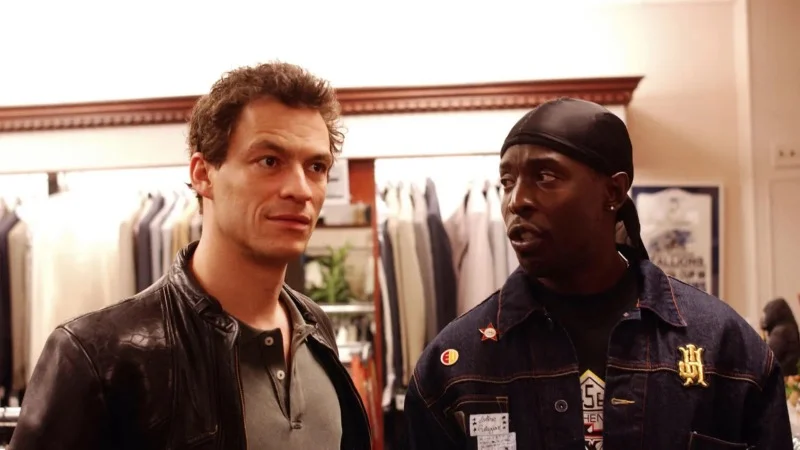
Season two moves the main setting from the West Baltimore drug trade to the stevedores at the port and a smuggling pipeline tied to a figure called The Greek. The Barksdale organization is still present but it is no longer the center of the investigation for most episodes in that season.
This change arrives after season one spends thirteen episodes building the detail around the Barksdale case through surveillance, controlled buys, and court orders. Viewers return to that case later, but the second season spends its hours on the union hall, the containers, and the international route that brings contraband into the city.
Perfect Sense: Wiretap Procedure
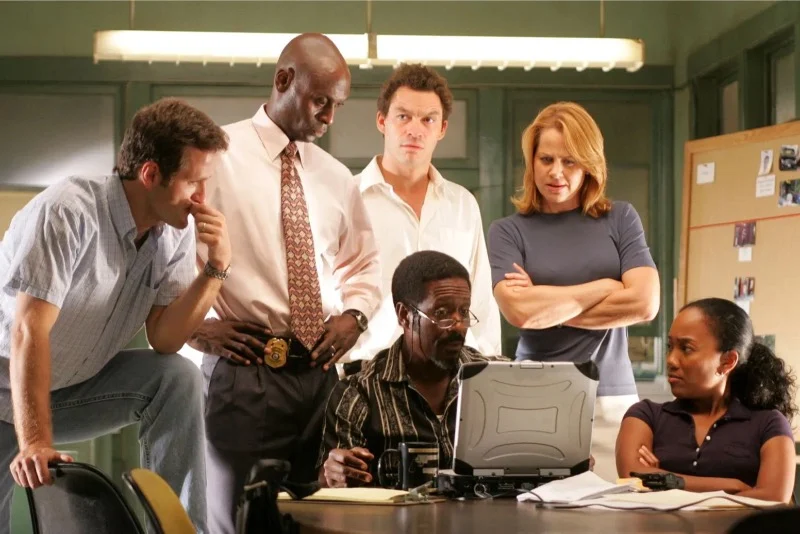
The show depicts Title III wiretaps with affidavits, pen registers, and minimization rules before audio surveillance starts. Detectives assemble probable cause using buys, pager data, and visual surveillance, then an assistant state’s attorney reviews the packet and a judge signs the order.
When phones change, investigators show that the same conspiracy controls the new numbers through pattern analysis and fresh buys before renewing the tap. The paperwork on screen mirrors the chain that real units follow, including inventory of recordings and logs of monitored calls.
Zero Sense: Serial Killer Ruse

In season five, a fake serial case pulls overtime and resources into homicide through staged crime scenes and anonymous tips. The hoax uses coded calls to draw media attention and to pressure city leadership into funding lab work and surveillance.
This scheme crosses several desks and leverages gaps between patrol, homicide, and the mayor’s office. The show presents it as operating for weeks while clearing funds, lab priorities, and public statements, even as normal case auditing and chain of custody reviews continue around it.
Perfect Sense: COMSTAT Reality
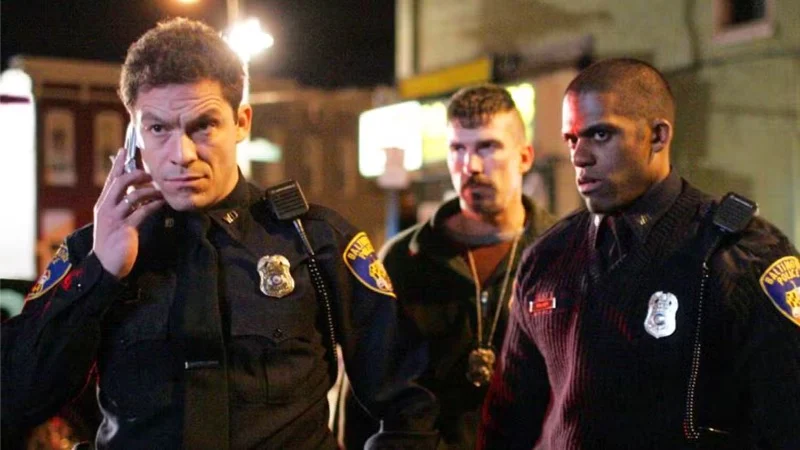
COMSTAT meetings in the show track robberies, shootings, and homicides by post, with commanders answering for spikes and explaining deployment. Charts and weekly targets shape tactics, including shifts to high visibility patrols and buy-busts when numbers rise.
Supervisors push for clearance rates and reductions because promotions and assignments depend on those metrics. The pressure explains why units shift focus to crimes that move the numbers and why some squads prefer quick arrests over long wire cases.
Zero Sense: Herc’s Consequences
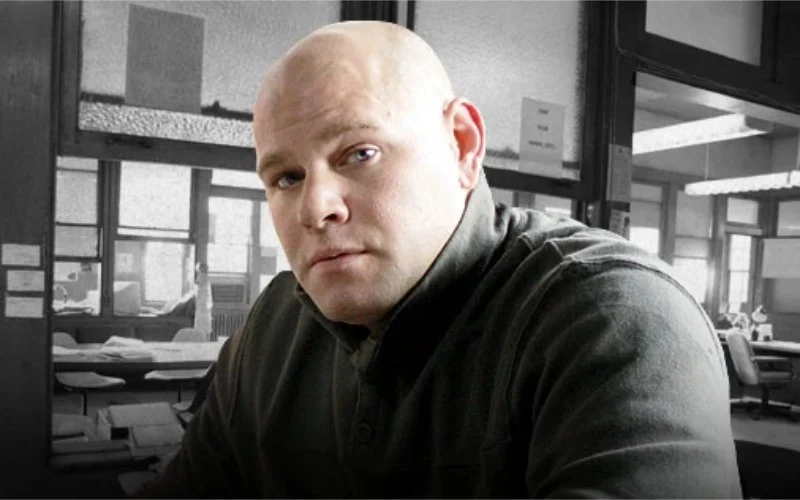
Officer Herc appears across seasons with repeated procedural mistakes and complaints, then later turns up working security for city leadership and dealing information to investigators from outside the department. His trajectory shows internal transfer and new roles after high profile blunders.
Internal Affairs interviews and paper trails appear in his story, but the outcomes place him in positions with continued access to sensitive information. That path allows him to influence cases even after disciplinary issues and damaged relationships with former partners.
Perfect Sense: Burners And Codes

Street crews rotate prepaid phones and avoid speaking in clear terms about shipments or meetings. Couriers pass messages face to face, lieutenants use time and place codes, and numbers change on a regular schedule to break surveillance chains.
Investigators respond with clone phones, pen registers, and pattern analysis on brief calls that contain no explicit incriminating language. This chess match mirrors how low level communications limit exposure while detectives build circumstantial links across changed numbers.
Zero Sense: Vacants Hidden

Bodies in boarded houses go undiscovered for long stretches while patrol units respond only when someone calls something in. The buildings remain sealed behind fresh drywall and hidden entries, which keeps property checks from finding evidence until a tip or a dedicated search arrives.
The backlog of housing inspections and the volume of abandoned properties on some blocks mean many structures are not opened unless neighbors complain or a case points to a specific address. The show uses that context to explain why remains stay inside for months.
Perfect Sense: Budget Pressures
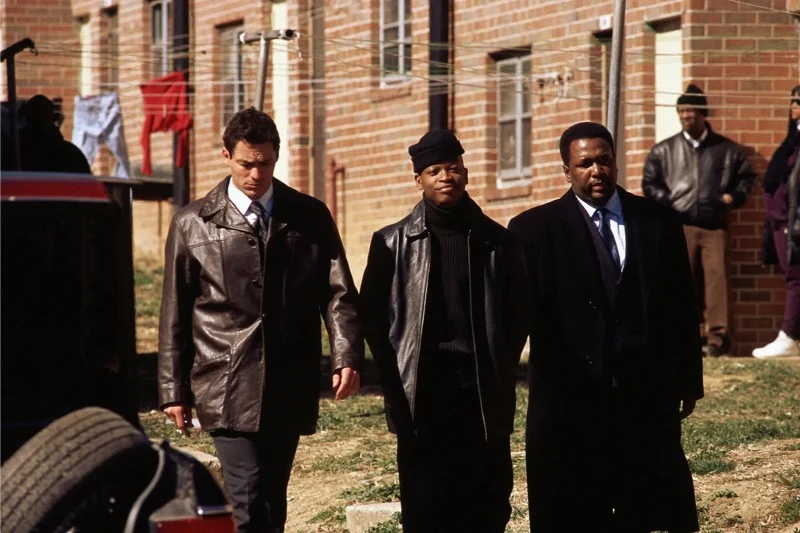
Funding limits shape overtime approvals, lab turnarounds, and the number of hours a case can use on surveillance. Detectives track overtime slips and supervisors decide whether wire work or stakeouts get staffed, especially when a citywide hiring or equipment freeze is in effect.
When the mayor and council set priorities, departments redirect resources to visible initiatives. The show links that budgeting process to case progress, showing how investigations speed up or stall when funds open or close.
Zero Sense: Dukie’s Timeline

Dukie finishes middle school in season four, then in season five struggles with housing, work, and addiction as months pass between seasons. His path moves from a classroom support program to street level survival within a relatively short span of story time.
The episodes mark the time skip through returning to school, election cycles, and newsroom staffing changes. Those markers place his decline between the end of one school year and the next, which compresses several major life changes into a brief window.
Perfect Sense: Institutional Cycles
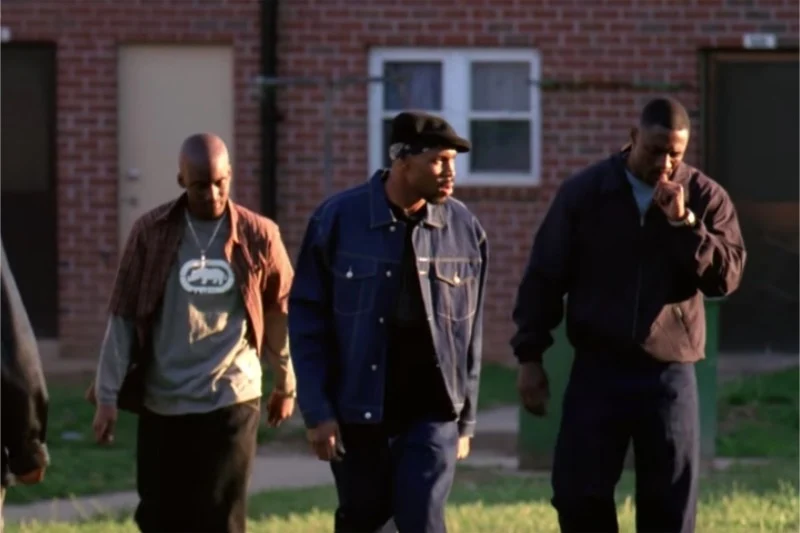
The final montage shows replacements taking the places of people who exit or fall. Corners get new lookouts, a young stickup man adopts the coat and shotgun, and a new deputy rises at the department while old cases close or fade.
This handoff matches the show’s thesis that roles persist even as names change. The same incentives keep the drug trade, politics, and policing moving, so the next person steps in and the patterns continue with only faces and small tactics altered.
Share your own picks from ‘The Wire’ in the comments and tell us which moments you would add to each side.