


5 Things About ‘Trainspotting’ movie That Made Zero Sense and 5 Things About It That Made Perfect Sense

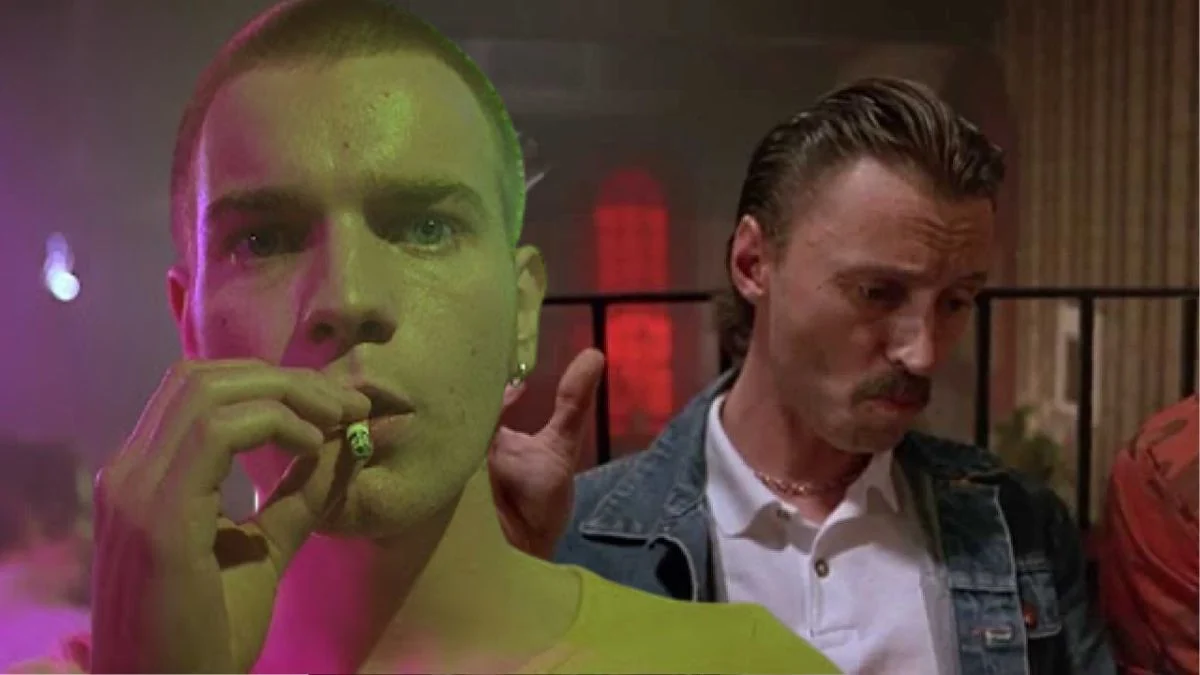


‘Trainspotting’ follows a group of friends in Edinburgh whose lives revolve around heroin, petty crime, and the constant pull between escape and relapse. The film adapts Irvine Welsh’s novel and blends gritty realism with heightened style to show how addiction distorts choices, friendships, and any attempt at change. It frames its story inside a specific social and economic moment in Scotland while using sharp editing and music to keep the narrative moving even when the characters are stuck.
The movie is packed with unforgettable scenes that spark debate about what feels authentic and what strains credibility. Some moments stretch plausibility for effect, while others align closely with public health realities and social conditions of the time. Here are five things that do not add up on close inspection and five that track with how addiction, violence, and youth culture actually play out.
Zero Sense: The toilet capsules
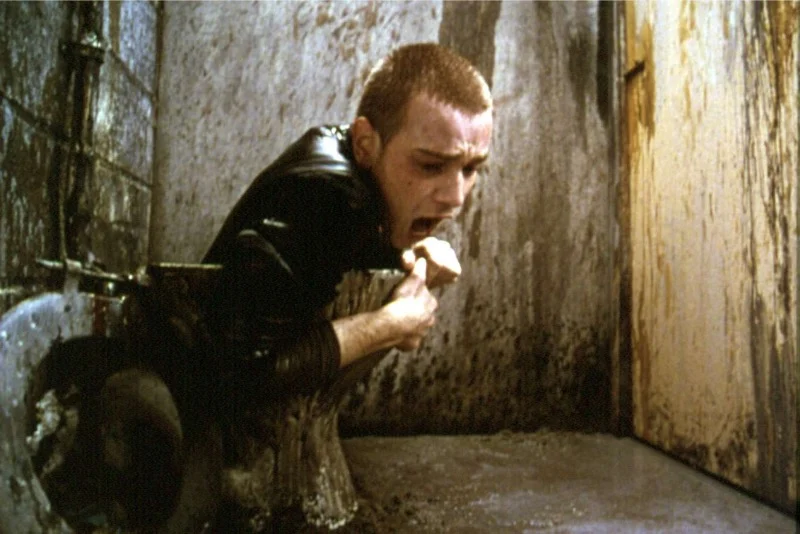
The scene where opium suppositories are retrieved from a filthy toilet ignores how quickly common gelatin shells break down in warm water. Capsule materials are designed to dissolve so that drugs are released in the body, and water exposure speeds that process, which means the contents would disperse and become difficult to recover in a usable form. Even if a shell remained partly intact, contamination would be immediate, and the risk of infection from exposure to human waste would be high.
Opium in that scenario would not remain stable or clean enough for effective use. Active compounds can degrade when mixed with contaminated water and would carry significant health risks if reinserted. The sequence delivers a vivid metaphor, but the practical outcome of retrieving intact, potent suppositories from that environment is not supported by how capsules perform or how contamination works.
Perfect Sense: The addiction loop
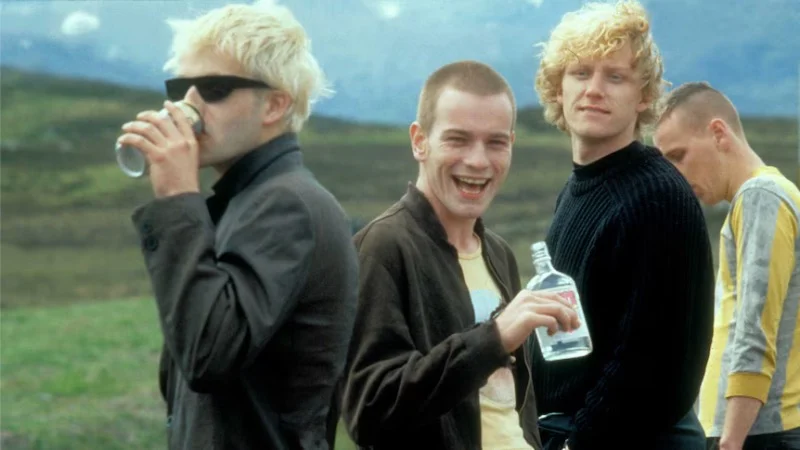
The depiction of repeated relapse matches what clinical literature describes as a chronic relapsing condition driven by cues and stress. Environmental triggers such as familiar friends, neighborhoods, and routines can produce conditioned cravings that undermine short detox attempts. That explains why the characters cycle through brief resolutions followed by rapid returns to use.
The movie also shows how sudden positive plans often fail when people return to the same social context. Without changes to housing, employment, or peer groups, relapse rates remain high for opioid use disorder. The story reflects that pattern through scenes where small wins are undone by the gravitational pull of the group and the places they frequent.
Zero Sense: Detox speed and hallucinations
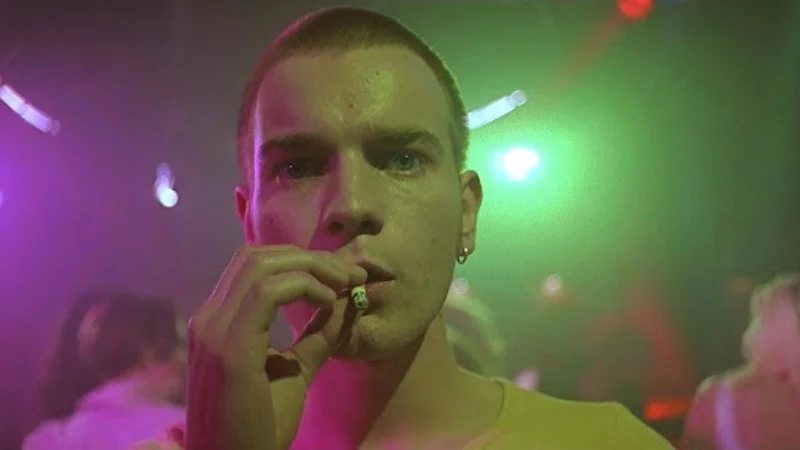
The bedroom detox compresses time and symptoms in ways that do not reflect typical heroin withdrawal. Opioid withdrawal usually begins within hours of the last dose, peaks within one to two days, and eases after several days, with severe anxiety, muscle pain, sweating, and nausea as common features. Vivid visual hallucinations are not a defining feature of opioid withdrawal and are more characteristic of withdrawal from other substances.
While sleep disruption and intense dreams can occur, the severity and immediacy of those visions are exaggerated for dramatic effect. The scene communicates the distress of withdrawal, but its timeline and symptom profile are presented in a way that heightens horror rather than tracks closely with the most common medical course.
Perfect Sense: Needle sharing risks
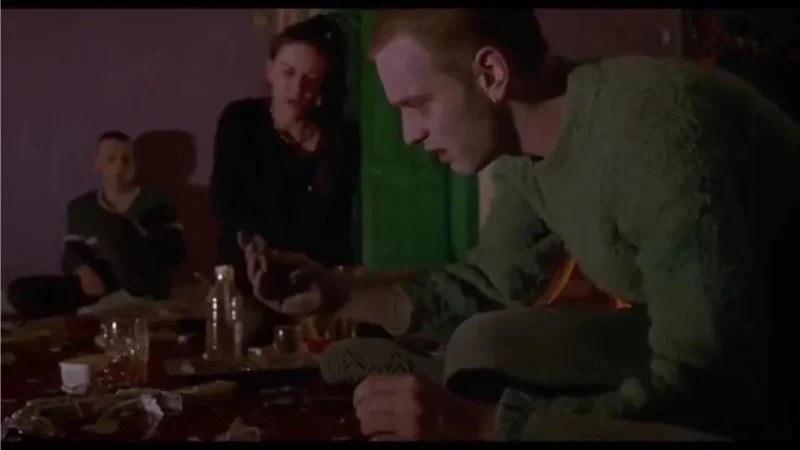
The storylines involving shared equipment align with well documented risks for blood borne infections. Using non sterile syringes and paraphernalia is a known route for transmission of viruses such as HIV and hepatitis C, especially in settings where access to clean supplies is limited or not used. The film shows how one lapse can have long consequences for health.
It also reflects the importance of harm reduction services that provide sterile equipment and testing. The characters’ choices map to known pathways from sharing to infection and illness, which situates the personal tragedy inside a broader public health pattern that was particularly acute in parts of Scotland during the period portrayed.
Zero Sense: Diane’s legal situation
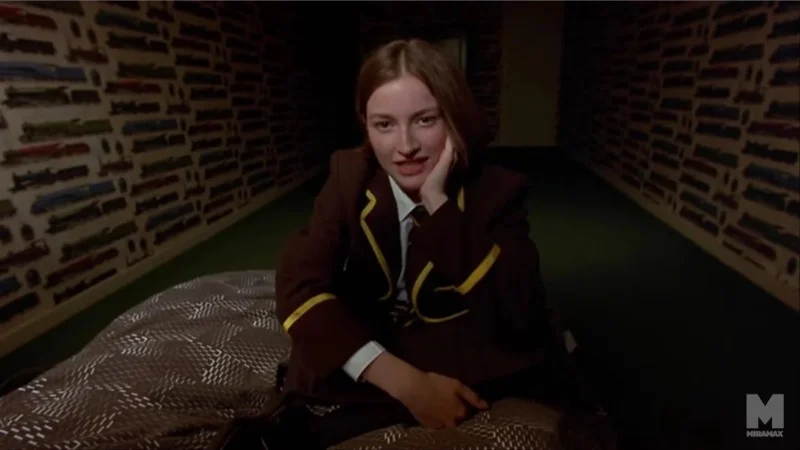
The plot point involving a school age partner raises legal issues that the film treats quickly. In Scotland the age of consent is sixteen, and sexual activity with someone under that threshold is a criminal offense even when the younger person misrepresents their age. The story resolves the encounter through private ultimatum rather than legal fallout, which compresses a scenario that would likely involve investigation and consequences.
The film uses the situation to force the protagonist into ongoing contact, but the legal reality would be more complicated. There would be risks involving criminal charges and potential registration requirements, and even the possession of any related materials would create additional liability. The brisk way the subplot moves on does not reflect those likely steps.
Perfect Sense: Begbie’s violence
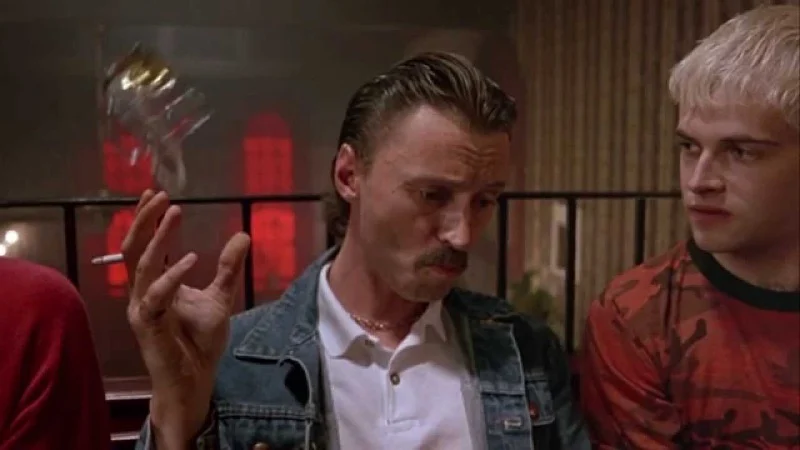
The portrayal of Begbie as a volatile offender fits research on antisocial traits and impulsive aggression. Individuals with persistent patterns of disregard for others often show a low threshold for violent outbursts, especially in alcohol fueled environments such as pubs or parties. That profile explains the constant danger his presence creates for the group.
The film shows how proximity to someone like this raises the risk of being drawn into assaults, thefts, and police scrutiny. Friends and associates of violent offenders face higher exposure to harm even when they do not initiate conflicts. The character’s behavior therefore functions as a credible catalyst for the others to seek distance or escape.
Zero Sense: The easy London job
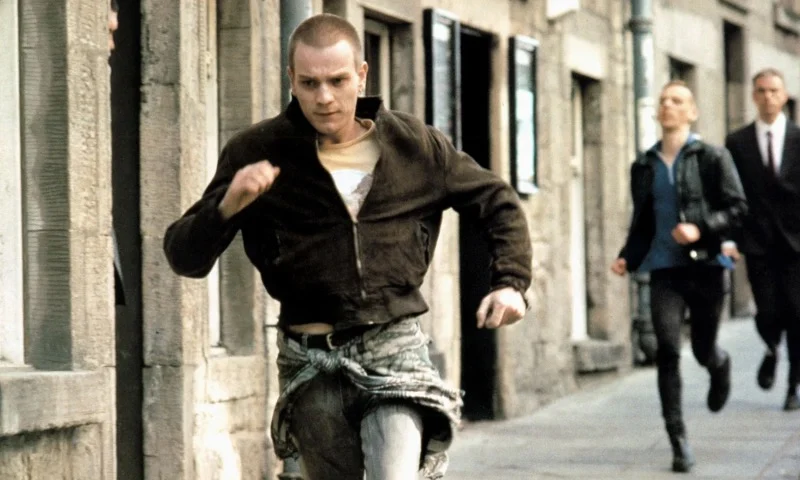
The rapid shift from heavy use to stable work in a letting agency overlooks common barriers to employment of that type. Roles that handle rent payments and keys usually require references, proof of reliability, and some basic knowledge of tenancy rules and handling of client money. Employers also favor candidates with customer facing experience and consistent attendance.
The film uses the job to set up contrast with the old life, but hiring and retention would be difficult without documented work history or evidence of stability. Abrupt improvement in appearance and routines would not address training needs or the checks that most agencies apply before trusting staff with properties and funds.
Perfect Sense: Social backdrop and place
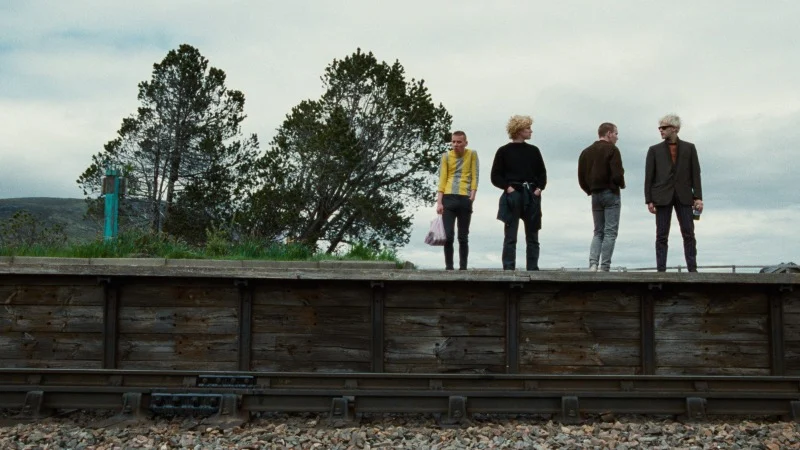
The settings in Leith and Edinburgh reflect how economic change and unemployment contributed to a local heroin scene in the period shown. Former industrial areas and housing schemes provided the backdrop for tightly knit peer groups where drug availability and shared routines reinforced daily use. The film ties specific locations to specific behaviors, which grounds the characters in real streets and pubs rather than generic spaces.
That attention to place also explains how escape feels both possible and impossible. Moving a few miles can change social pressures, yet returning to the same flats and bars quickly rebuilds the old patterns. The geography in the film supports the narrative by showing how environment can either lock in habits or open a door to change.
Zero Sense: The big deal logistics
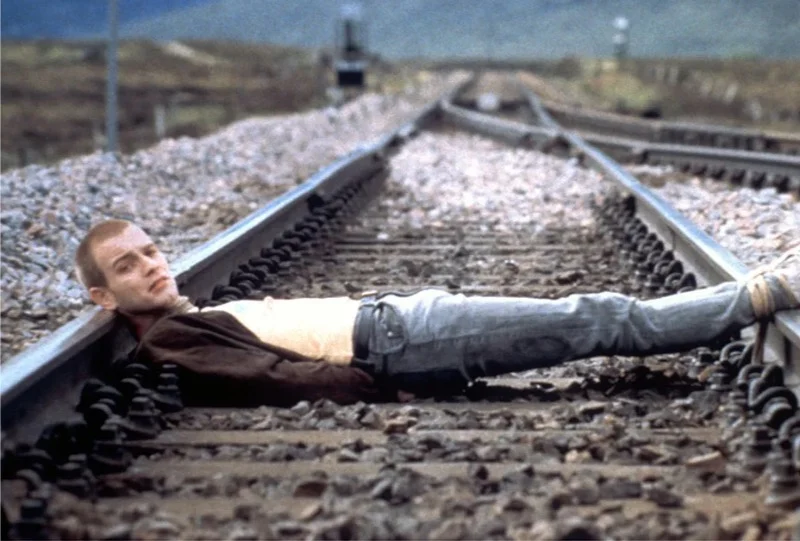
The final drug deal unfolds with minimal screening, simple packaging, and a single handoff, which does not align with how higher value heroin transactions are usually guarded. Buyers and sellers typically verify quality with test doses, use intermediaries, and split meetings to reduce exposure to theft and police surveillance. Large sums also demand layers of trust built over time.
The group’s ability to source quantity, move it across city lines, and conclude a sale with one meeting simplifies a complex chain. Transport risks, inconsistent purity, and the need for established contacts are downplayed to keep the story moving. The outcome serves the plot but sidesteps common safeguards and pitfalls found in real markets.
Perfect Sense: Music as narrative engine
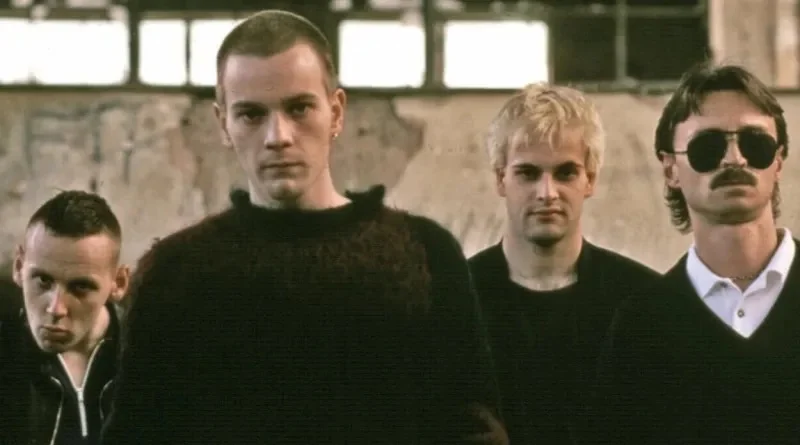
The soundtrack choices map scenes to cultural signals from the era and guide audience understanding of mood and momentum. Tracks associated with club culture and Britpop frame nights out and comedown mornings, while other selections underline sprinting escapes or decision points. Music placement supports character arcs by marking cycles of euphoria, despair, and resolve.
This approach mirrors how many people remember periods of their lives through songs tied to places and friends. By using well known tracks at key beats, the film anchors its timeline in the broader youth culture of the time and turns personal episodes into shared cultural memory that viewers can place instantly.
Share your take in the comments on which moments in ‘Trainspotting’ worked for you and which ones pulled you out of the story.