


5 Things About ‘You’ That Made Absolutely No Sense and 5 Things That Made Perfect Sense




The Netflix series ‘You’ has hooked audiences with its chilling dive into obsession, love, and murder, following Joe Goldberg, a bookstore manager turned stalker with a knack for justifying his dark deeds. Penn Badgley’s portrayal of Joe, blending charm with menace, keeps viewers glued, even as the show swings between gripping drama and head-scratching moments.
Across its four seasons, with a fifth on the way, ‘You’ thrives on psychological tension and sharp twists, but it’s not without flaws. Some plot points click perfectly, while others leave me baffled. Below, I break down five things about ‘You’ that made no sense and five that nailed it, exploring what makes this show a wild ride.
Things That Made No Sense
Joe’s Endless Getaways
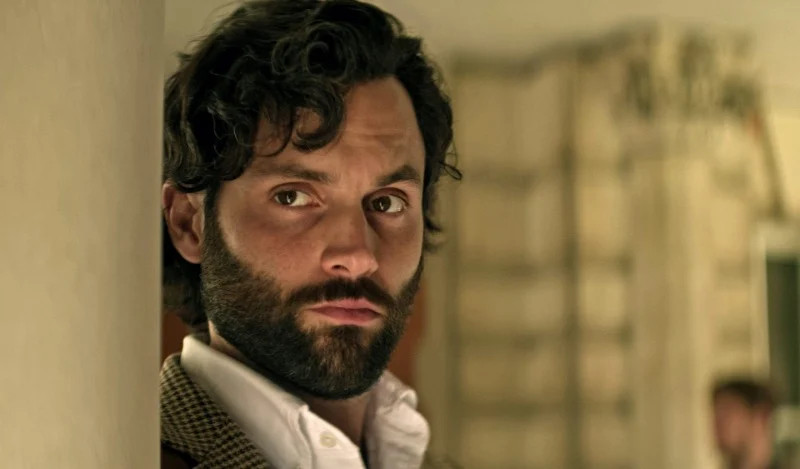
Joe’s ability to dodge consequences feels like a stretch. He commits murders, manipulates people, and leaves evidence everywhere, yet he slips through the cracks season after season. Whether it’s New York, Los Angeles, or London, law enforcement seems blind to his patterns, even with bodies piling up. By season four, his knack for escaping justice—often through sheer luck or convenient plot devices—strains belief. A sharper focus on realistic investigations could’ve grounded the chaos.
The show leans hard on Joe’s charm and cunning, but it’s tough to buy that no one connects the dots. His fake identities, like moving to London as Jonathan Moore, work too smoothly. Realistically, someone with his body count would’ve been flagged by now. It’s a fun ride, but the plot armor feels thicker than it should.
Love’s Impulsive Turn

Love Quinn, played by Victoria Pedretti, starts as a layered character in season two—a baker with a dark side that mirrors Joe’s. But her arc in season three veers into cartoonish impulsiveness. Her sudden violent outbursts, like killing neighbors over minor slights, feel forced and clash with her earlier calculated nature. It’s as if the writers cranked her instability to eleven without buildup.
This shift cheapens her complexity. Love’s descent into chaos could’ve been a slow burn, showing her struggle with her impulses. Instead, her actions—like impulsively murdering for little reason—make her feel more like a plot device than a believable partner-in-crime for Joe. It’s a missed chance to deepen her story.
Beck’s Blind Trust
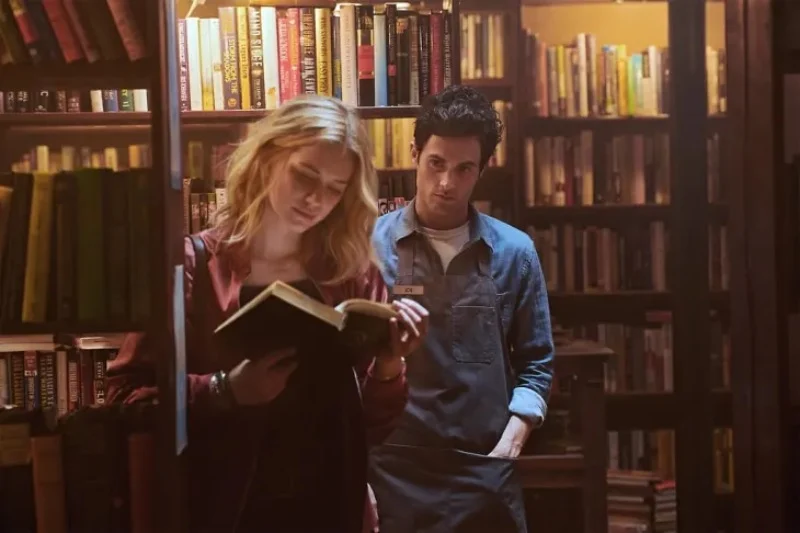
In season one, Guinevere Beck, played by Elizabeth Lail, falls for Joe despite red flags that scream danger. She ignores his odd behavior, like his obsessive knowledge of her life, and stays smitten even after creepy encounters. Her naivety feels exaggerated, especially for a New Yorker who should know better. The show needs her to be oblivious to keep the plot moving, but it makes her feel less human.
A savvier Beck could’ve suspected Joe earlier, adding tension without breaking the story. Her blind trust undermines her as a character, reducing her to a damsel who exists to be stalked. A touch of skepticism would’ve made her arc more compelling and realistic.
The Glass Cage Plot Device
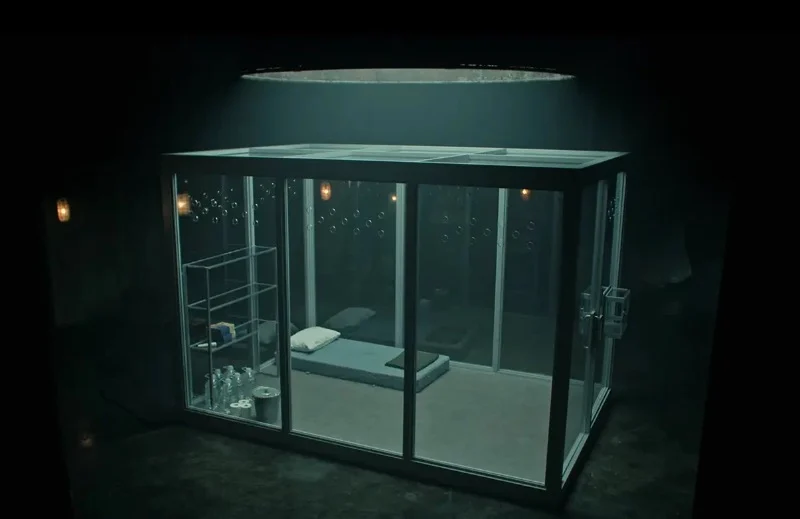
Joe’s soundproof glass cage, where he traps victims, is a cool visual but becomes absurdly convenient. He builds one in every city he moves to—New York, LA, London—like it’s no big deal. Constructing a high-tech cage requires money, time, and secrecy, yet Joe, a bookstore clerk or librarian, pulls it off effortlessly. By season four, it’s a running joke that defies logic.
The cage’s overuse dulls its impact. Instead of relying on it as a crutch, the show could’ve explored other ways for Joe to control his victims. Its constant reappearance feels lazy, pulling me out of the story with its sheer improbability.
Peach’s Convenient Death

Peach Salinger, Beck’s controlling friend in season one, meets a suspicious end that’s brushed off too easily. Joe kills her, staging it as a suicide, and no one digs deeper despite her wealth and connections. Her family and friends accept the narrative without question, which feels unrealistic for a character with her social status. A high-profile death should’ve sparked more scrutiny.
This quick resolution serves the plot but undermines the stakes. A proper investigation into Peach’s death could’ve raised the tension, forcing Joe to work harder to cover his tracks. Instead, her exit feels like a tidy way to clear the board for Joe’s next move.
Things That Made Perfect Sense
Joe’s Inner Monologue
Joe’s voiceover, narrated by Penn Badgley, is the show’s backbone. His twisted logic—rationalizing murder as love or protection—pulls you into his warped mind. It’s chilling yet captivating, making you root for him even when you shouldn’t. The monologue grounds the show, giving insight into his psyche without excusing his actions.
This device works because it’s consistent and well-written. Badgley’s delivery, dry yet intense, makes Joe’s thoughts feel real, whether he’s obsessing over a new love or plotting his next kill. It’s a brilliant way to keep viewers hooked while exposing the horror of his mindset.
The Social Media Obsession

‘You’ nails how social media fuels stalking. Joe uses platforms like Instagram and Twitter to track his targets, learning their habits and weaknesses. In season one, he builds a detailed picture of Beck’s life from her posts, which feels scarily plausible. The show highlights how oversharing online can expose anyone to danger.
This theme stays relevant across seasons. From Beck’s selfies to Marienne’s posts in season four, the show mirrors real-world vulnerabilities. It’s a sharp commentary on our digital age, showing how easy it is for someone like Joe to exploit public profiles.
Love as Joe’s Mirror
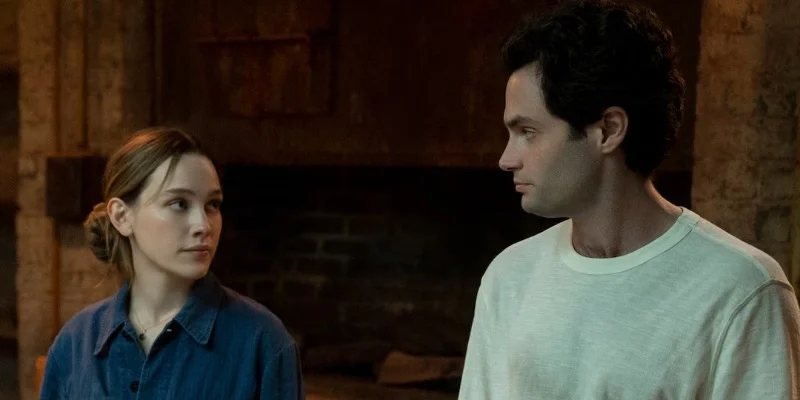
Introducing Love Quinn as Joe’s equal in season two is a stroke of genius. She’s not just a love interest—she’s a killer with her own dark streak, challenging Joe’s self-image as a misunderstood hero. Their toxic dynamic, especially in season three, exposes Joe’s hypocrisy as he judges her for actions he’d excuse in himself. It’s a brilliant twist that keeps the show fresh.
Love’s role works because it forces Joe to confront his flaws. Their relationship, equal parts passion and destruction, feels authentic to their warped personalities. It’s a dynamic that elevates the stakes and deepens the show’s psychological core.
The Supporting Cast’s Depth
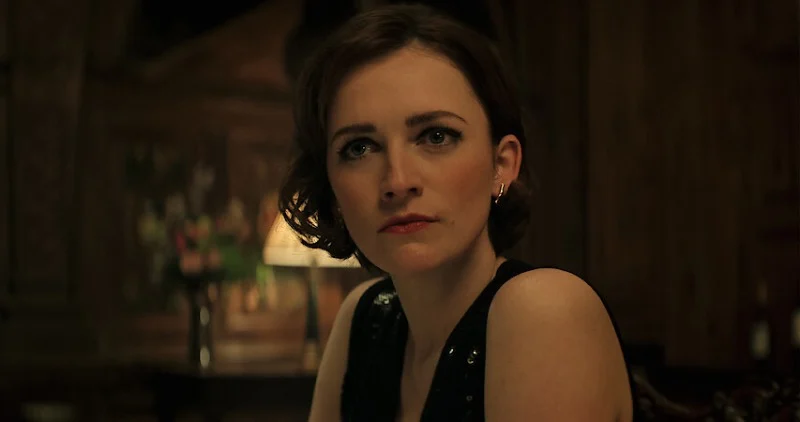
The side characters, from Beck’s friends in season one to the suburban neighbors in season three, feel real and layered. Take Paco in season one or Ellie in season two—they’re not just props but people with their own struggles, caught in Joe’s orbit. Their stories, like Ellie’s fight to survive after her sister’s death, add emotional weight to the chaos.
This grounding makes the show more than a thriller. The supporting cast’s authenticity contrasts with Joe’s delusion, making his actions hit harder. Their flaws and dreams make the world feel lived-in, elevating every season.
The Cycle of Obsession
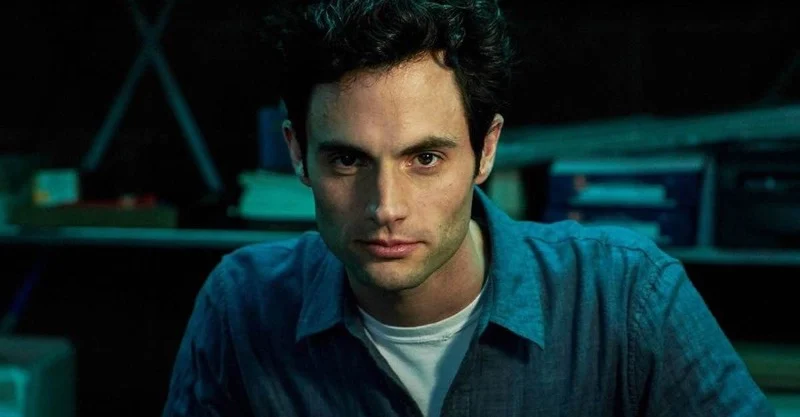
Joe’s pattern of fixating on a new woman each season—Beck, Love, Marienne—feels painfully real. His obsession isn’t just plot fuel; it’s a study of a man trapped by his own compulsions. Each season shows him chasing a new ‘you’ to fix himself, only to crash into the same destructive cycle. It’s a dark but believable portrayal of addiction.
This repetition works because it’s true to Joe’s character. He’s not a cartoon villain but a broken man who can’t escape his urges. The show’s focus on this cycle keeps it cohesive, making each season feel like part of a larger, tragic story.
What’s your take on ‘You’—which moments left you confused or completely hooked? Drop your thoughts in the comments!