


10 Things That Made Zero Sense About the ‘Harry Potter’ Movies

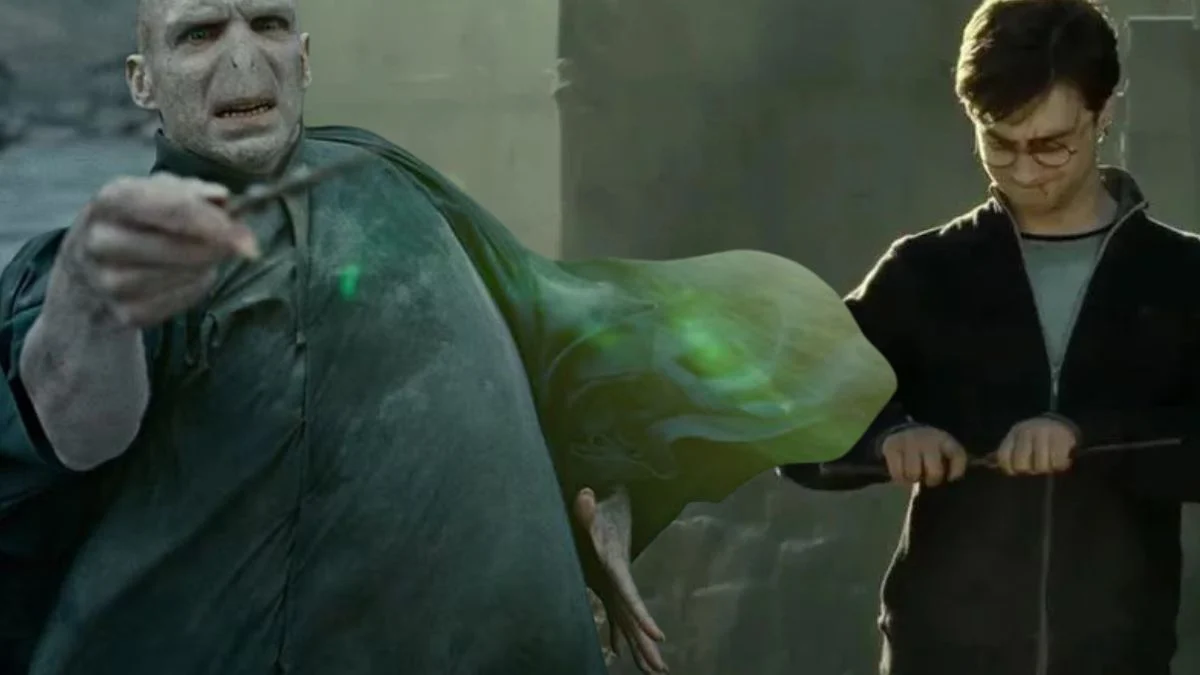


The Harry Potter films brought J.K. Rowling’s magical world to life, captivating audiences with spells, potions, and epic battles. From ‘Harry Potter and the Sorcerer’s Stone’ (2001) to ‘Harry Potter and the Deathly Hallows: Part 2’ (2011), the series is a beloved staple for many.
Yet, as much as I love these movies, some moments make no sense at all. Plot holes, odd choices, and missing explanations left me puzzled. Here are 10 things in the Harry Potter films that just don’t add up.
10. Harry’s Unfixable Eyesight in ‘Harry Potter and the Chamber of Secrets’ (2002)
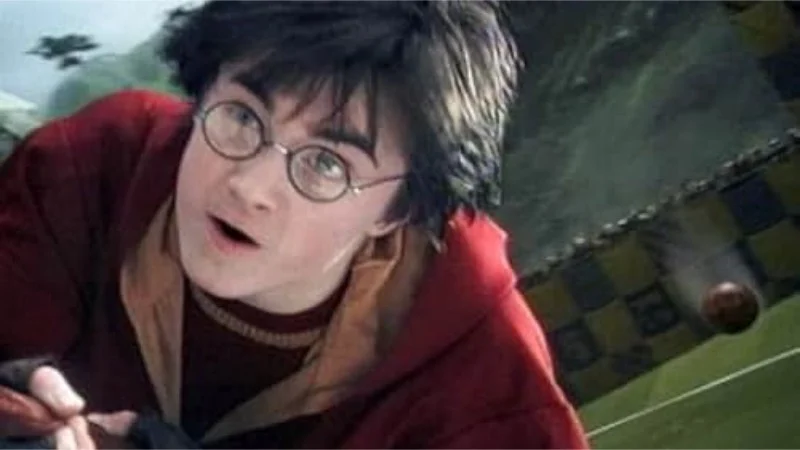
Wizards can regrow bones overnight, as seen when Harry’s arm heals after a Quidditch mishap. So why can’t they fix his eyesight? Harry wears glasses throughout the series, despite magic that can mend broken bones or vanish injuries.
This feels like a missed opportunity. A simple spell could’ve corrected his vision, especially since wizards like Madam Pomfrey handle far more complex injuries. It’s odd that Harry, the Boy Who Lived, is stuck with glasses when magic seems limitless.
9. The Triwizard Tournament’s Boring Spectacle in ‘Harry Potter and the Goblet of Fire’ (2005)
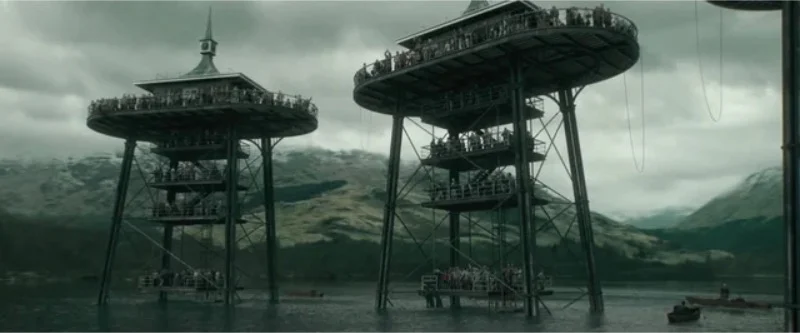
The Triwizard Tournament is hyped as a thrilling event, but two of the tasks are dull for spectators. Watching champions dive into a lake or disappear into a maze leaves crowds staring at nothing for ages. Why design a tournament that’s so unexciting to watch?
The film doesn’t explain how this is entertaining for the audience. In a world with flying broomsticks and magical displays, you’d expect a more engaging setup for such a prestigious competition.
8. Quidditch’s Unbalanced Scoring in ‘Harry Potter and the Sorcerer’s Stone’ (2001)
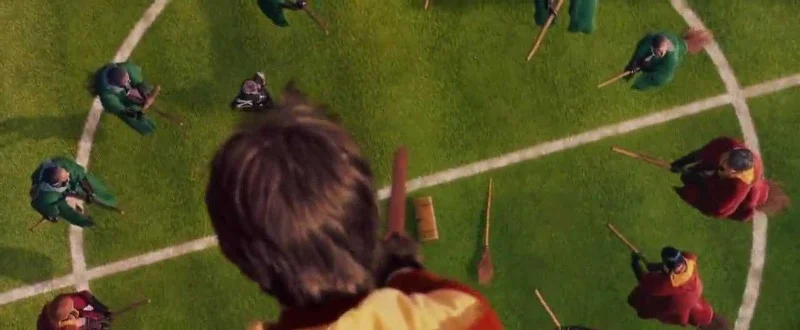
Quidditch is a fun sport, but its scoring system is bizarre. A goal earns 10 points, while catching the Snitch scores 150 and ends the game. This makes the Seeker’s role—Harry’s position—way too important, rendering most matches predictable.
The films never address this imbalance. Unless one team massively outscores the other, the Snitch decides everything. It’s a strange design for a sport meant to showcase teamwork and skill.
7. Wizards’ Ignorance of Muggle Life in ‘Harry Potter and the Sorcerer’s Stone’ (2001)
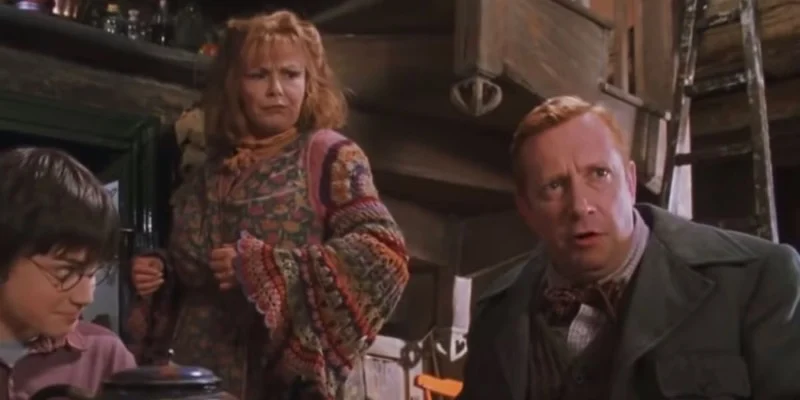
Wizards like Arthur Weasley are clueless about muggle items like phones or money, despite living in a world dominated by muggles. You’d think they’d pick up some basics, especially those who interact with the non-magical world.
The films don’t explain this disconnect. Even Harry, raised by muggles, seems unaware of muggle culture at times. It’s confusing how wizards remain so out of touch in a blended society.
6. The Sorting Hat’s Unknown Purpose in ‘Harry Potter and the Sorcerer’s Stone’ (2001)
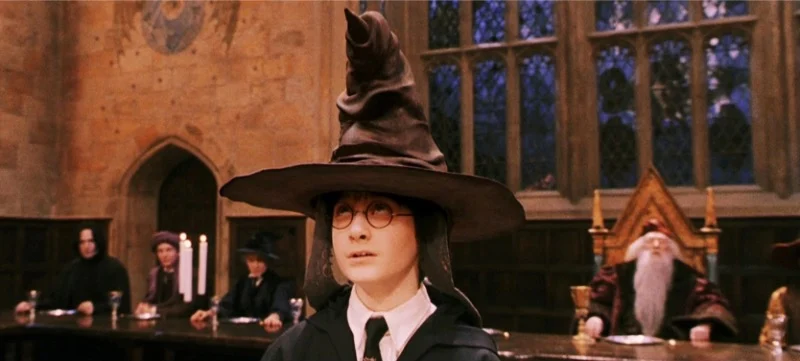
First-year students, including Ron with his wizarding family, act shocked by the Sorting Hat ceremony. How do none of them know about this iconic Hogwarts tradition? Ron’s brothers and parents would’ve mentioned it.
The movie doesn’t clarify this gap. It’s strange that even pure-blood kids like Draco Malfoy are clueless about a ritual central to Hogwarts life, making the scene feel forced.
5. The Elder Wand’s Destruction in ‘Harry Potter and the Deathly Hallows: Part 2’ (2011)
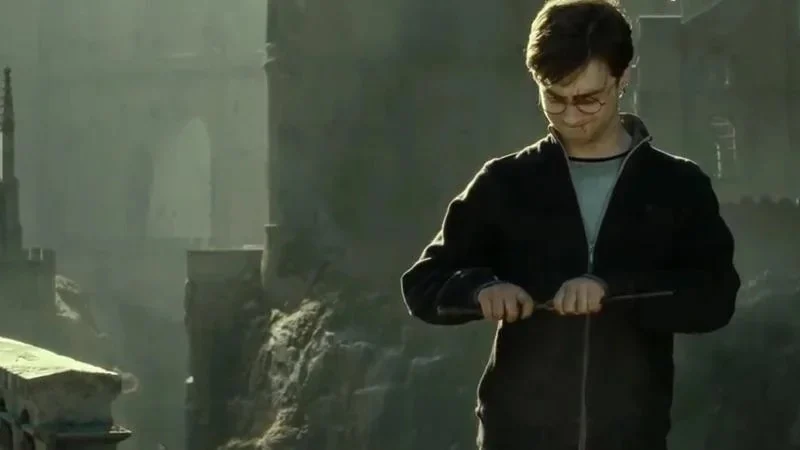
Harry snaps the Elder Wand in half to destroy its power, but this makes no sense. The wand is a legendary artifact, nearly indestructible in the books, where Harry buries it instead. Breaking it feels like a lazy cinematic choice.
The film ignores the wand’s unique lore. Its power is tied to complex magic, not physical strength. Harry’s decision undermines the wand’s mythical status and leaves a plot hole.
4. Neville’s Missing Backstory in ‘Harry Potter and the Order of the Phoenix’ (2005)
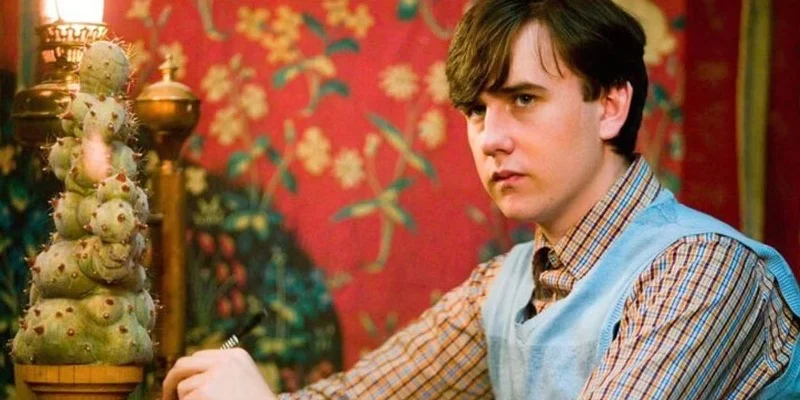
Neville Longbottom shines in the films, but his rich backstory is barely touched. The books reveal his parents’ tragic fate and his potential as the Chosen One, adding depth to his growth. The movies skip this entirely.
Without this context, Neville’s bravery in later films feels sudden. His transformation into a hero lacks the emotional weight it deserves, leaving casual viewers confused about his importance.
3. The Killing Curse’s Underuse in ‘Harry Potter and the Deathly Hallows: Part 2’ (2011)
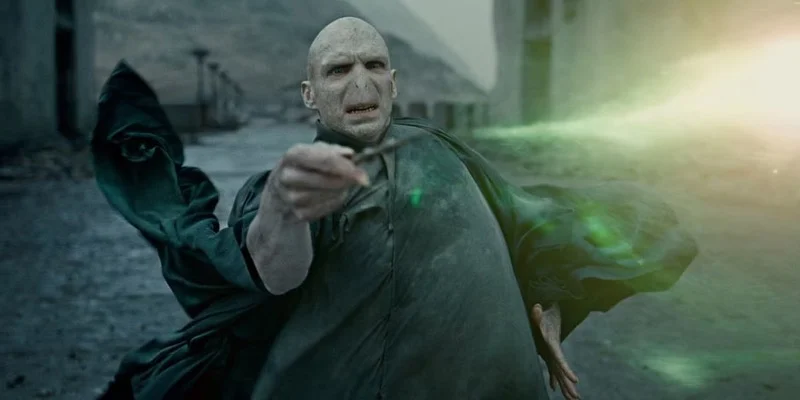
The Killing Curse, Avada Kedavra, is unstoppable and lethal, yet Death Eaters rarely use it in battles. Instead, they fire less effective spells during life-or-death fights. Why avoid the one spell guaranteed to win?
The films don’t explain this tactical flaw. In a war where killing is the goal, it’s baffling that villains rely on weaker magic, making their duels feel inconsistent.
2. Hogwarts’ Limited Curriculum in ‘Harry Potter and the Prisoner of Azkaban’ (2003)
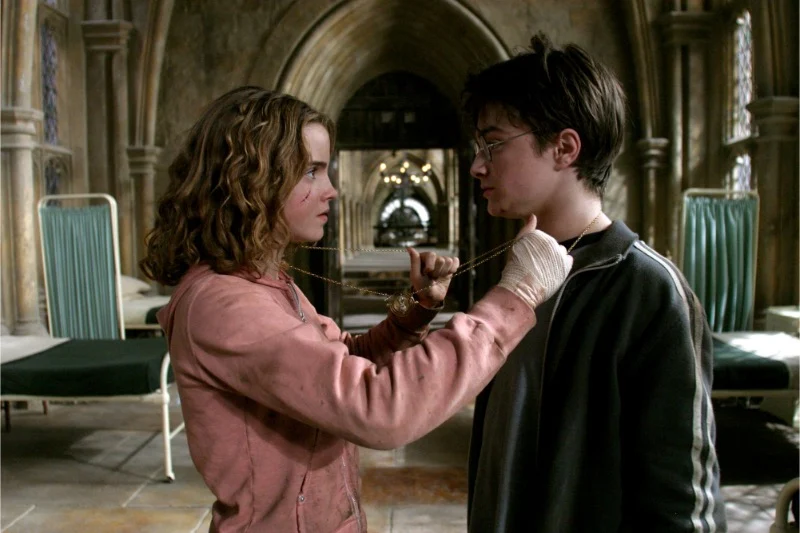
Hogwarts teaches Potions, Herbology, and Defense Against the Dark Arts, but where’s math, history, or science? Wizards need practical skills to navigate the world, especially as muggles grow more influential. The films never show a broader education.
This gap makes Hogwarts feel incomplete. Students like Hermione excel, but without basic subjects, they’re unprepared for life beyond magic, which the movies don’t address.
1. Dumbledore’s Tolerance of the Dursleys in ‘Harry Potter and the Sorcerer’s Stone’ (2001)
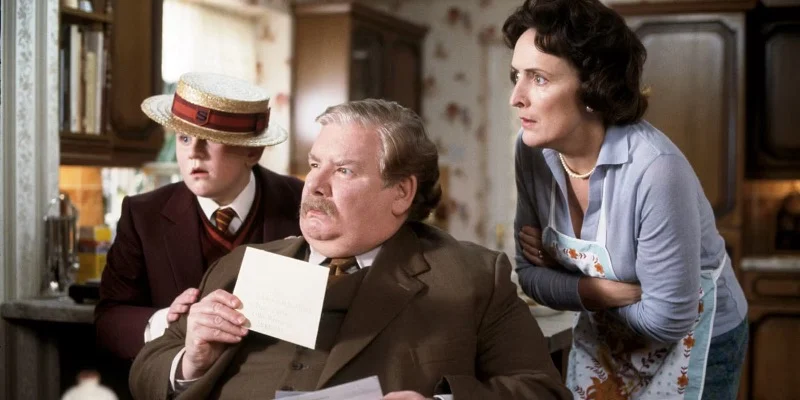
Dumbledore leaves Harry with the Dursleys, who mistreat him for years, despite knowing their cruelty. As a powerful wizard, he could’ve ensured Harry’s safety or checked on him more. Why let Harry suffer?
The films gloss over this choice. Dumbledore’s inaction feels out of character for someone so wise, leaving a major question about his judgment unanswered.
Which Harry Potter movie moment confused you the most, or did I miss a puzzling detail? Share your thoughts in the comments!