


10 Things You Probably Didn’t Know About ‘Fight Club’




‘Fight Club’ is a cult classic that hit theaters in 1999, shaking up audiences with its raw energy and bold ideas. Directed by David Fincher and starring Brad Pitt, Edward Norton, and Helena Bonham Carter, it’s a film that dives deep into rebellion, identity, and consumerism, leaving viewers questioning society’s rules.
Based on Chuck Palahniuk’s novel, the movie didn’t start as a box office hit but grew into a cultural phenomenon. Its gritty style and shocking twists still spark debates and inspire fans. Here are 10 surprising facts about ‘Fight Club’ that you might not know.
The Book Was Inspired by Real Fights
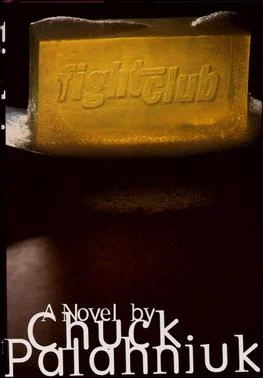
Chuck Palahniuk wrote the novel after getting into a real brawl during a camping trip. His bruised face shocked coworkers, but their refusal to ask about it sparked the idea of people ignoring chaos around them.
This real-life moment shaped the story’s themes of rebellion and secrecy. Palahniuk used his experience to craft a world where underground fight clubs let men release their frustrations.
Brad Pitt Pushed for a Darker Tone

Brad Pitt, who played Tyler Durden, wanted the film to stay true to the book’s gritty vibe. He worked closely with Fincher to keep the movie’s edge, even when the studio pushed for a lighter version.
Pitt’s commitment led to bold choices, like keeping the film’s violent scenes and dark humor intact. His influence helped make Tyler a chaotic, unforgettable character.
The Narrator Has No Name
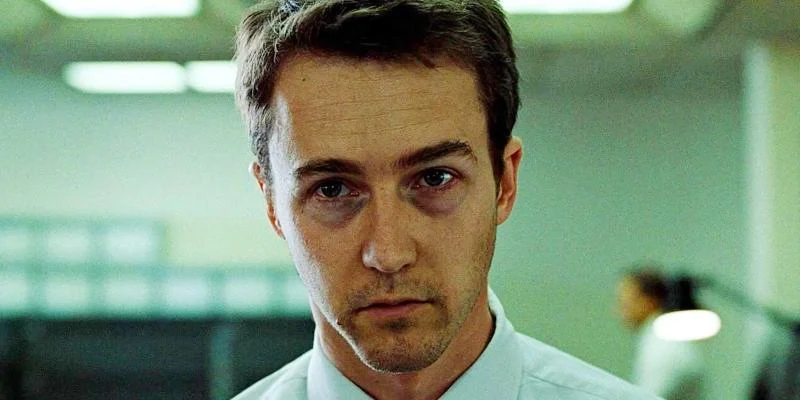
Edward Norton’s character is never given a proper name in the movie. He’s called “the Narrator” in the credits, and fans often refer to him as “Jack” based on a line about “Jack’s smirking revenge.”
This lack of a name ties into the story’s themes of identity loss. It makes the Narrator feel like an everyman, someone anyone could relate to.
Helena Bonham Carter’s Role Was Almost Different
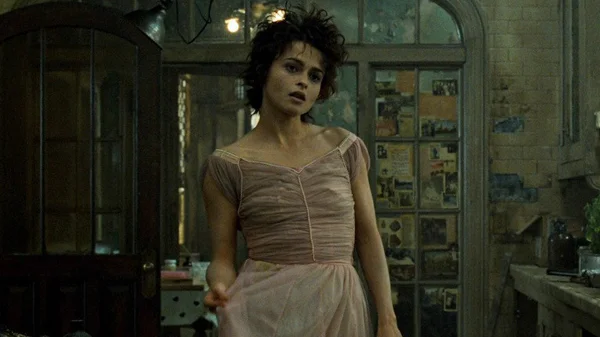
Helena Bonham Carter’s performance as Marla Singer is iconic, but she almost didn’t get the part. The studio considered other actresses, like Reese Witherspoon, before Fincher fought for Carter.
Carter prepared by studying chain-smoking and chaotic personalities to nail Marla’s unpredictable energy. Her unique take made Marla a standout in the film.
The Film Bombed at the Box Office

Despite its popularity now, ‘Fight Club’ was a financial flop when it came out. It earned only $37 million in the U.S. against a $63 million budget, and critics were divided.
Over time, home video sales and word-of-mouth turned it into a cult hit. Fans embraced its rebellious spirit, proving its lasting impact.
Real Brands Were Used for a Reason
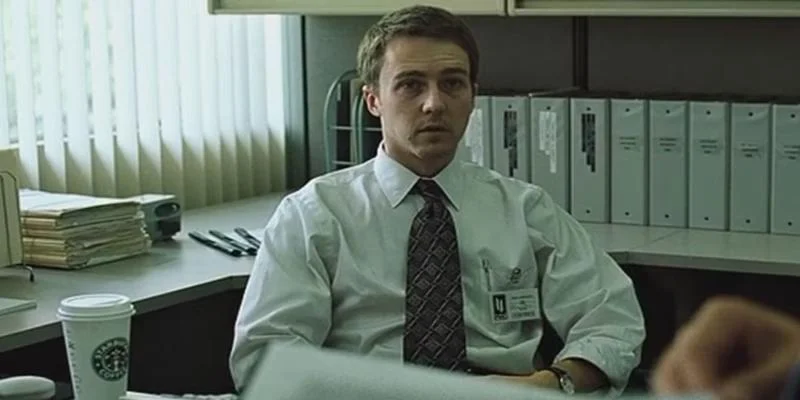
The movie is packed with real brand names, like IKEA and Starbucks, to mock consumer culture. Fincher used them to show how products define modern life, a key theme of the story.
This choice made the film’s world feel real and relatable. It also made the critique of materialism hit harder for audiences.
The Fight Scenes Were Carefully Planned
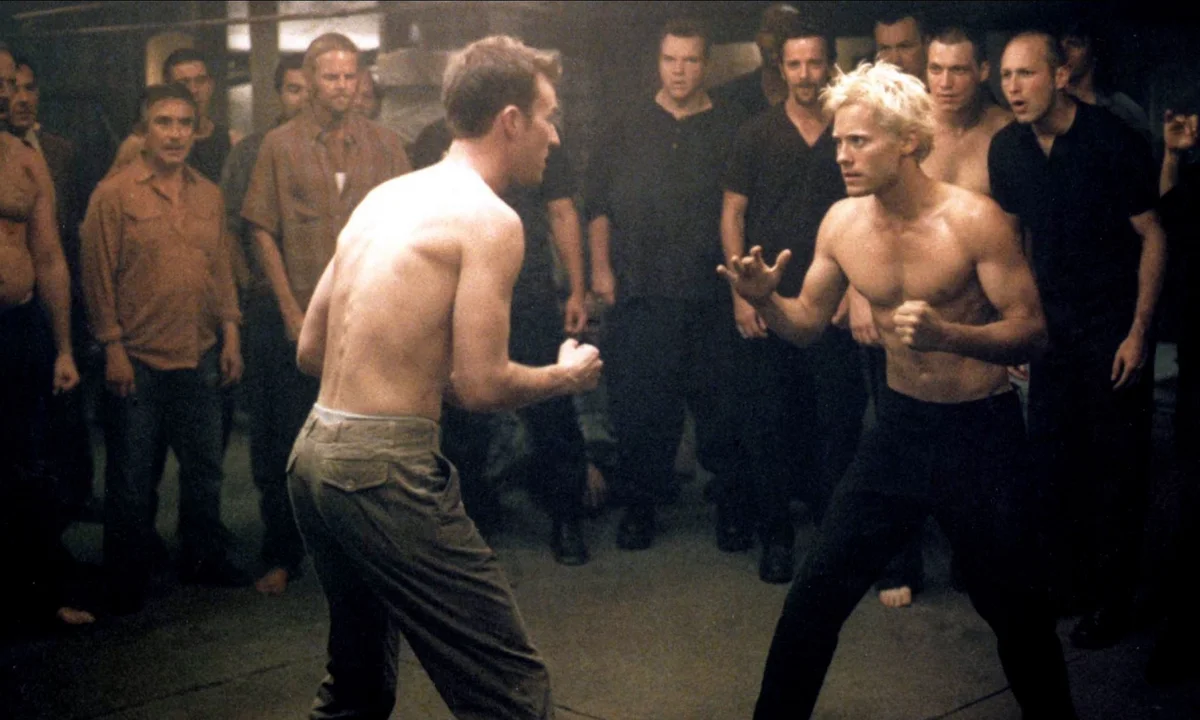
The brutal fight scenes look chaotic, but they were tightly choreographed. Fincher used stunt coordinators and special effects to make every punch feel real without harming the actors.
Behind-the-scenes footage shows how Pitt and Norton trained to make the fights believable. Their hard work paid off, creating some of the most intense scenes in the movie.
Tyler’s Flashes Were a Big Hint

Tyler Durden appears in quick flashes before his full introduction, a clue to his true nature. These subliminal moments, like a single frame in a scene, were Fincher’s way of teasing the big twist.
Fans often rewatch the movie just to spot these hidden glimpses. They add a layer of mystery that rewards careful viewers.
The Studio Hated the Ending
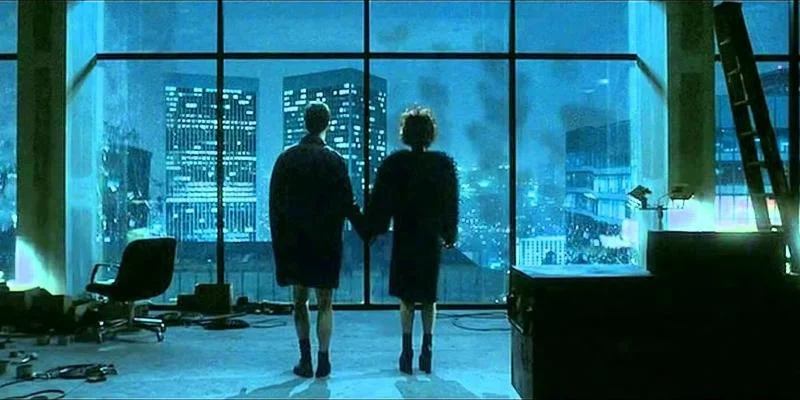
The film’s explosive ending, where buildings collapse, caused a fight with the studio. Executives wanted a less violent conclusion, but Fincher and the cast pushed to keep it.
The final version stayed true to the book’s shocking spirit. It’s now one of the most memorable endings in modern cinema.
It Inspired Real Fight Clubs
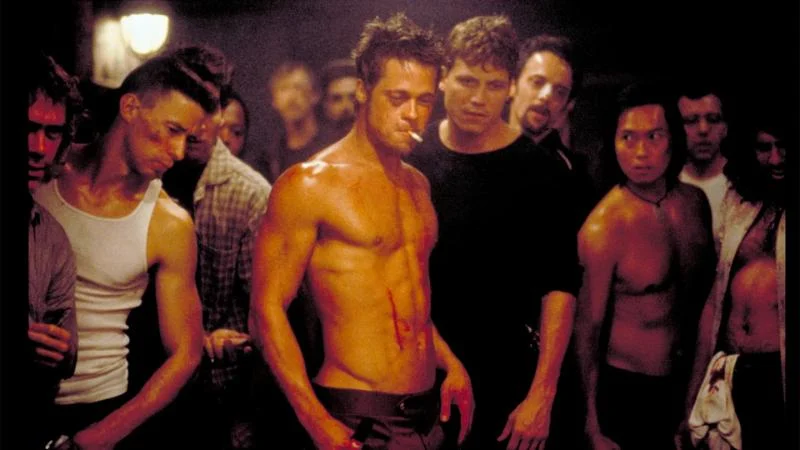
After the movie came out, real underground fight clubs popped up in some cities. Fans, inspired by the story, started their own groups to mimic the film’s raw energy.
These clubs raised concerns about safety and legality, but they showed the movie’s powerful influence. It proved ‘Fight Club’ wasn’t just a film—it was a movement.
What’s your favorite ‘Fight Club’ moment or fact—share it in the comments!