


10 Things You (Probably) Didn’t Know About Fight Club

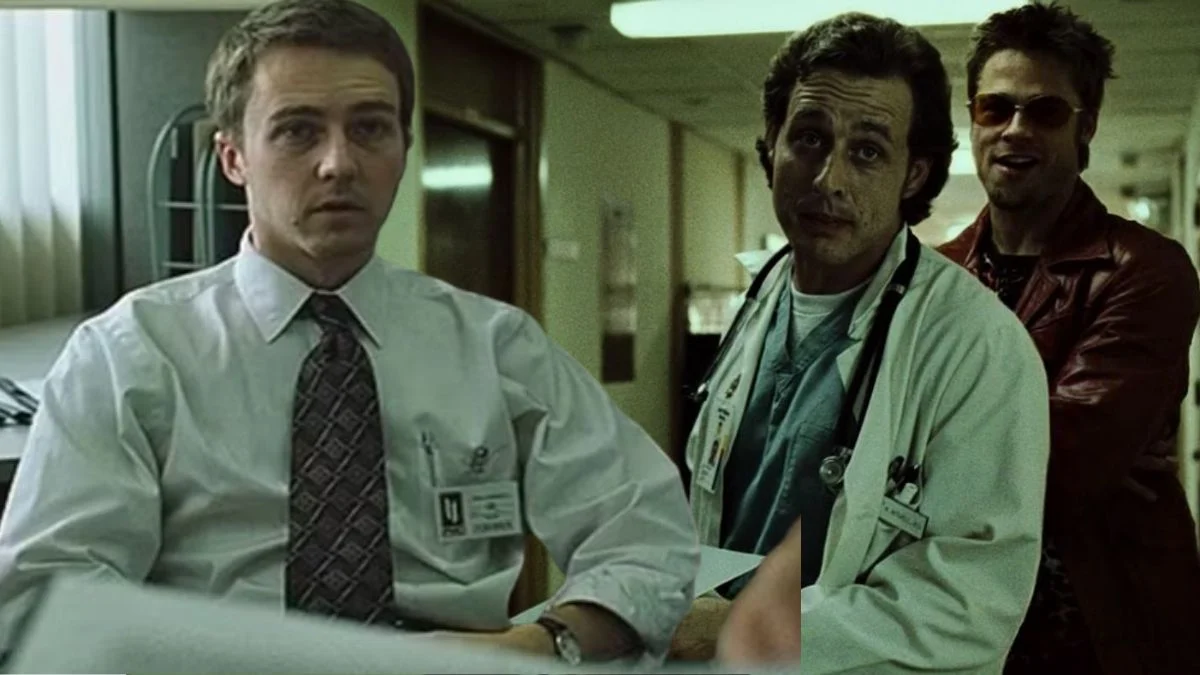


There is more to ‘Fight Club’ than its twist and quotable rules, and a lot of it hides in the details that zip by on screen. From the way the story began to the tricks used during production, the film is packed with choices that reward a closer look. These are the behind the scenes tidbits, visual gags, and book connections that deepen what you are seeing. Read on to catch the things most viewers miss the first time.
The Story Began As A 1996 Novel
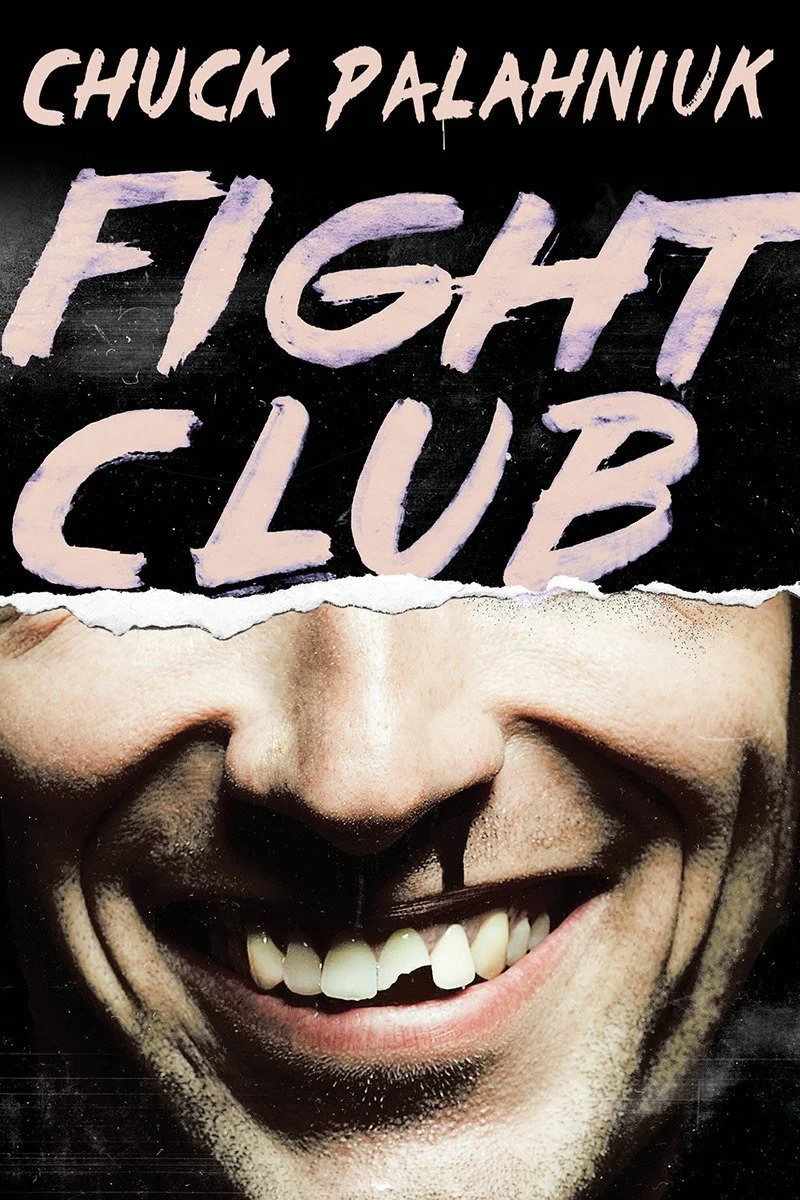
‘Fight Club’ started as a short story that author Chuck Palahniuk expanded into a novel in 1996. Producer Laura Ziskin and Fox optioned the book soon after publication as it built a word of mouth following. David Fincher signed on to direct after reading the manuscript and seeing how its themes could be visualized. The adaptation kept the core premise and voiceover style so the film could carry over the narrator’s interior monologue.
Tyler Appears In Subliminal Single Frames
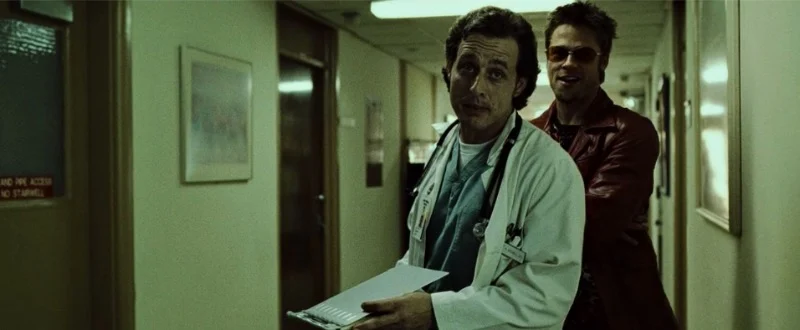
Before Tyler Durden formally meets the narrator, he flashes on screen for a single frame in several early scenes. These brief appearances are inserted at the edges of cuts, which makes them easy to miss at normal speed. The idea mirrors Tyler’s prank of splicing a single frame into a film reel inside the story. It tells viewers that Tyler exists in the narrator’s world before they know it.
A Starbucks Cup Pops Up All Over
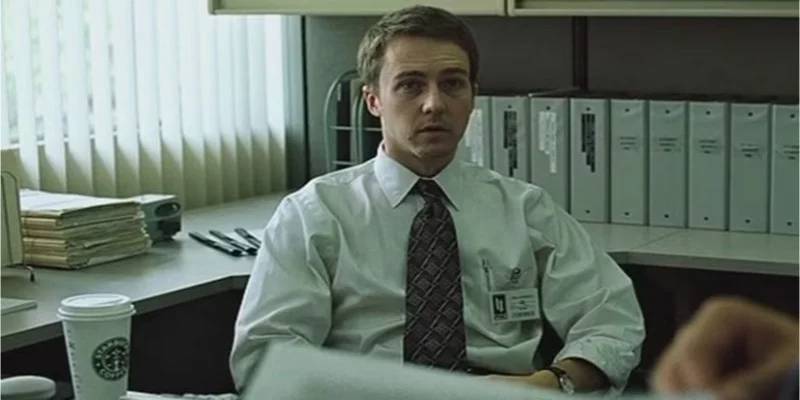
David Fincher approved the placement of a Starbucks cup in many scenes as a quiet running joke about consumer culture. The cups show up on desks, counters, and background tables in offices and public spaces. The production did not place a cup in the scene that shows a coffee bar getting destroyed to keep the gag from turning into an ad. Once you notice the cups, you start spotting them throughout the film.
The Ikea Apartment Is A Complex VFX Shot
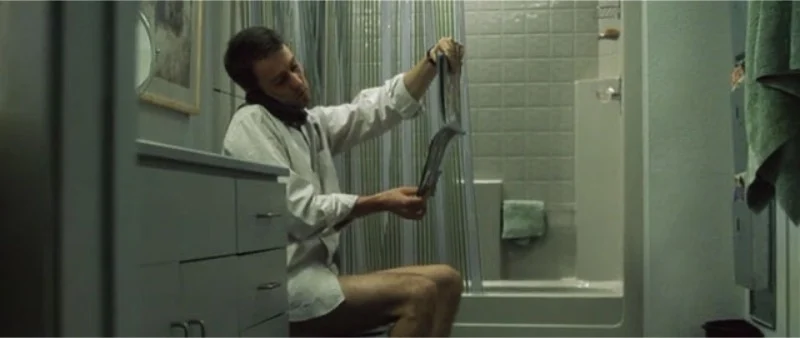
The early walkthrough of the narrator’s apartment is staged like a moving catalog page to show his shopping habit. Visual effects artists built a digital camera move that glides through the room while product callouts appear beside each item. The team created a blend of live action plates and computer graphics so labels could track perfectly with furniture. It turns a simple set into a living inventory that explains his life in seconds.
The Opening Titles Start Inside A Brain

The title sequence begins at the synapse level and pulls out to reveal the narrator’s face with a gun in his mouth. Digital Domain produced the sequence by animating a trip from neural pathways to skin pores and then out through a bead of sweat. This sets the tone for a story that moves between inner thoughts and external chaos. It also anchors the film in the narrator’s point of view from the first frame.
Brad Pitt Showed Up With A Chipped Tooth

Brad Pitt had a cap removed from one of his front teeth so Tyler would look like he actually fought. He kept the chipped look throughout production until filming wrapped. In the parking lot scene where the narrator punches Tyler, Edward Norton really hit him once to capture a genuine reaction. The choice adds a rough edge that matches the character’s lifestyle.
Meat Loaf Wore A Heavy Prosthetic Suit
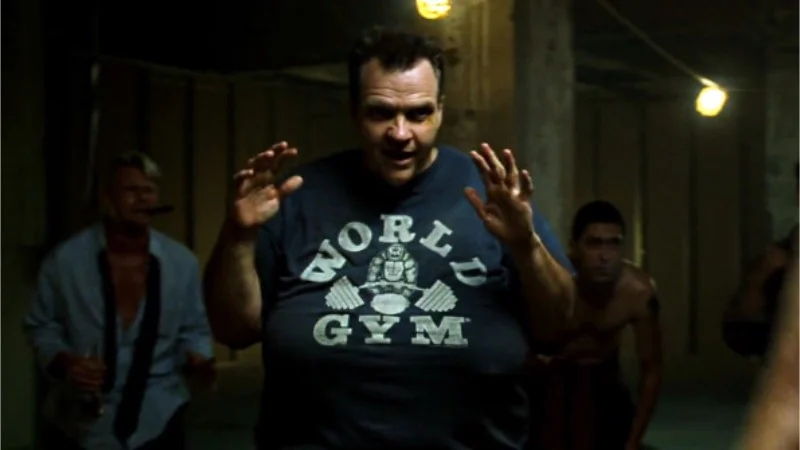
To play Robert Paulson, Meat Loaf wore a silicone fat suit that weighed around 90 pounds. The suit included a cooling system to help manage body heat under the lights. Makeup artists added texture and subtle sheen so the skin looked natural on camera. The added weight changed his posture and movement, which helped sell the character.
The Lye Burn Used Realistic On Set Methods

For the chemical burn scene, makeup teams created layered prosthetics that could bubble and redden under controlled conditions. Actors rehearsed the timing so the reactions matched the application of the lye and the quenching with vinegar. Safety teams kept neutralizing agents and rinse stations nearby during each take. The result looks painfully authentic without putting anyone at risk.
The Book’s Ending Is Different From The Film
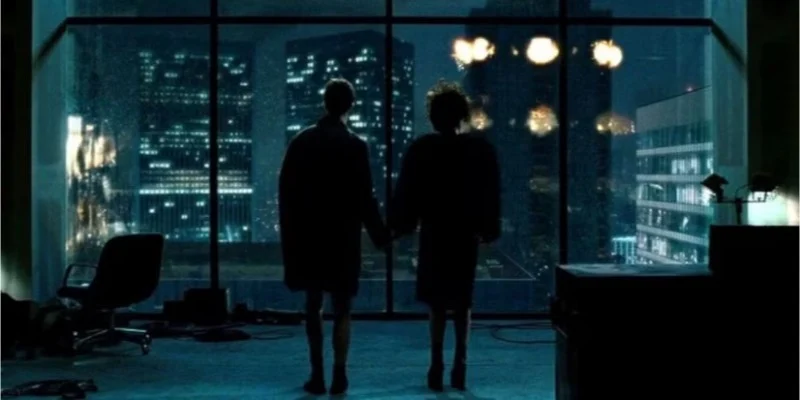
In the novel, the narrator survives and project members reveal that buildings were evacuated before explosions, which undercuts the spectacle. He then wakes in a psychiatric hospital while project members still treat him as a leader. The film ends with the narrator and Marla watching buildings collapse while the Pixies play, which gives the story a visually final note. The change emphasizes closure on screen while the book leans into lingering uncertainty.
Those ‘I Am Jack’s’ Lines Came From Old Articles
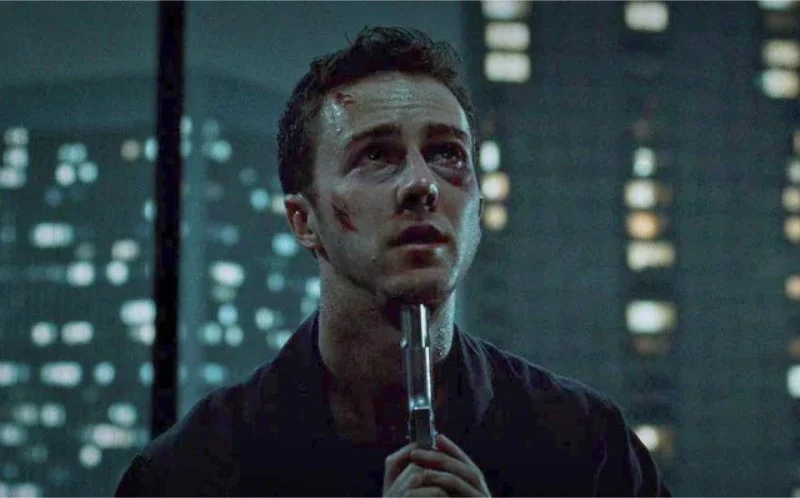
The narrator’s habit of quoting body parts with lines like I am Jack’s smirking revenge comes from a real series of magazine essays. The book references vintage Reader’s Digest articles written in the first person from organs like the stomach and colon. The film keeps the bit as running commentary during tense moments to show his dissociation. It ties a quirky literary source to the narrator’s inner voice.
Share your favorite hidden detail from ‘Fight Club’ in the comments so everyone can compare notes.