


10 Things You (Probably) Didn’t Know About Harry Potter and the Philosopher’s Stone

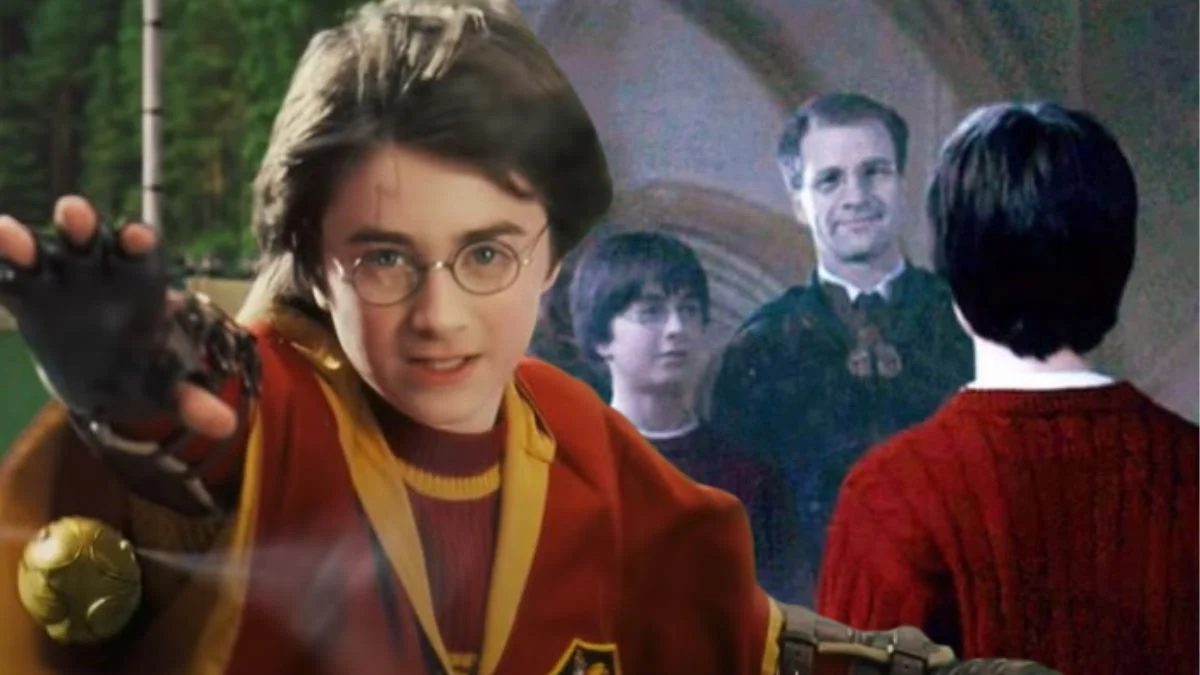


When people think back to where the wizarding world on screen began, they remember the first time they saw Hogwarts, the first time they heard that theme, and the first time a letter found its way to a cupboard under the stairs. What they might not know is how many clever tricks, unusual decisions, and behind the scenes solutions brought those moments to life.
From a last minute change to a famous line to practical effects that filled entire studios with feathers and wax, the production team solved problems in creative ways. The cast and crew also made choices that shaped the look and feel of the whole series, setting patterns that future films kept building on.
Two Different Titles Led to Double Takes On Set
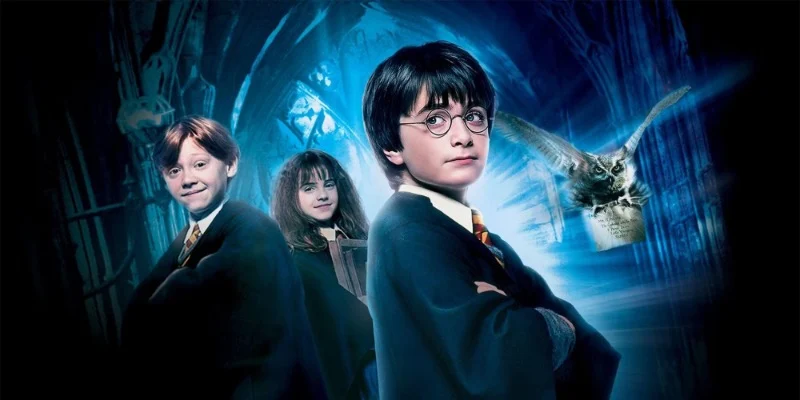
In many countries the film kept the title ‘Harry Potter and the Philosopher’s Stone’, while the United States release used ‘Harry Potter and the Sorcerer’s Stone’. To make everything match, the young cast shot certain lines twice so dialogue would sync cleanly with whichever title an audience saw on screen.
This meant props and signage had to be checked carefully during set dressing. Audio teams prepared alternate mixes, and editors kept two versions of certain scenes ready so the cut could slide smoothly into either title without distracting continuity glitches.
JK Rowling Pushed For A British And Irish Cast
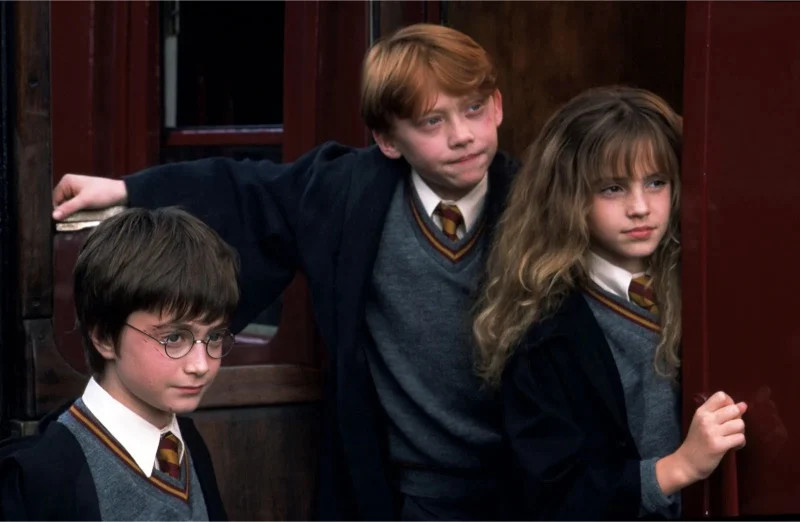
Producers sought performers from the United Kingdom and Ireland for the main roles, and this approach shaped the tone of classrooms, common rooms, and Diagon Alley shop counters. It also meant the film drew heavily from stage talent, bringing in actors with deep theater experience for professors and Ministry figures.
Casting directors ran large open calls for young roles and sourced seasoned performers for mentors and villains. The mix gave the school a believable range of ages and accents, which helped the later films keep a consistent sense of place across changing directors and expanding storylines.
The Great Hall’s Floating Candles Were Real At First
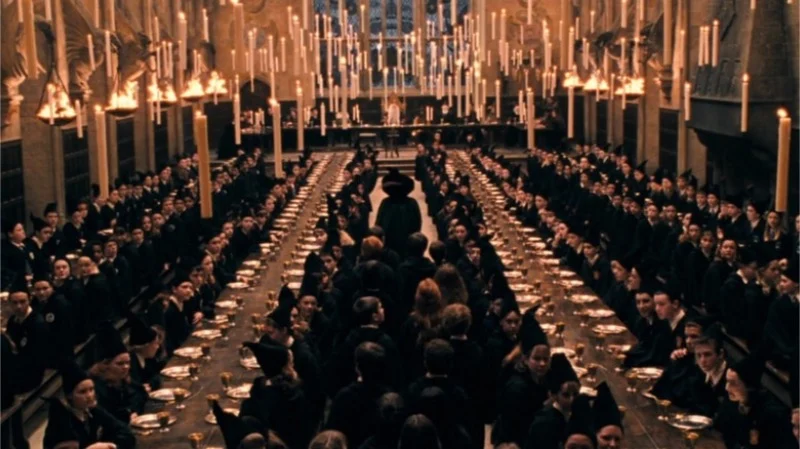
During early shooting, hundreds of real wax candles were rigged on nearly invisible wires to float over the Great Hall tables. Heat from the flames weakened some wires and a few candles dropped, so the team switched to safer approaches that combined controlled practicals with visual effects.
The set itself was built at full scale with long house tables, a stone flagged floor, and working fireplaces. The ceiling effect came from carefully planned lighting and post production work, echoing the way the books describe a bewitched sky without risking open flames above the child actors.
The Hogwarts Letters Required A Small Paper Factory
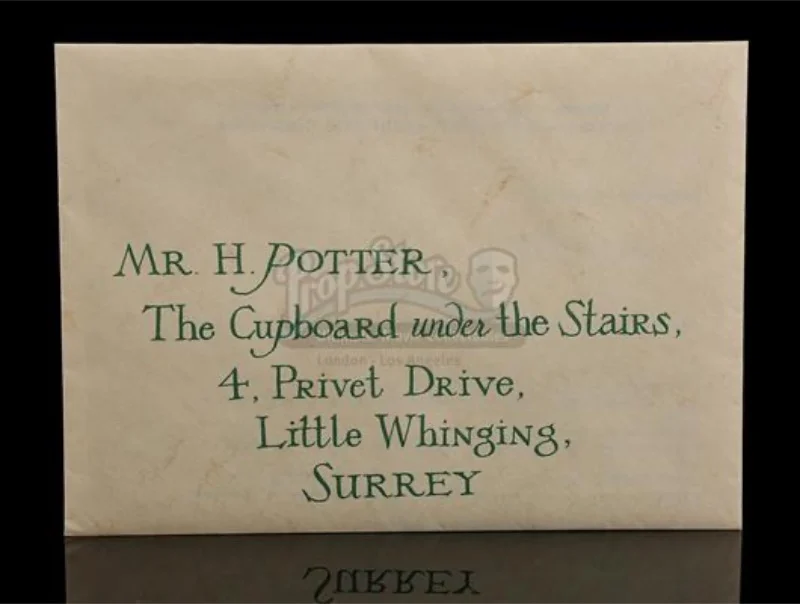
The production printed thousands of envelopes with a distinctive green address and a wax seal, then aged them so they looked handled by owls and postroom clerks. For the Dursley home sequence, rigging teams fed letters through hidden fans and chutes so paper would whirl naturally through the living room.
To make the envelopes fly believably, the art department tested different paper weights and seal materials, balancing stiffness with motion. Trainers worked with live owls for exterior shots, and for precise moments, puppeteers and visual effects filled in where animal timing could not hit exact marks.
The Mirror Of Erised Hides A Secret Message
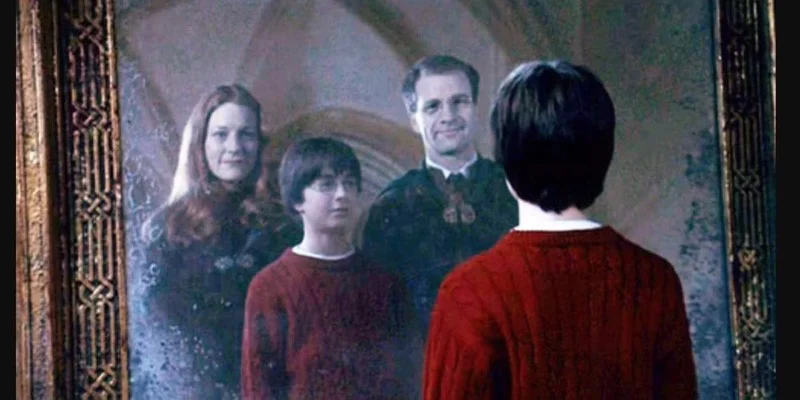
The inscription around the frame looks cryptic at first glance. When read backward and spaced differently, it spells out a simple sentence that explains the mirror’s magic in plain English. This design choice let the prop serve as a puzzle in the scene without requiring extra exposition from the characters.
The mirror prop used layered glass and lighting to place reflections and doubles exactly where the camera needed them. Performers hit taped marks so eye lines matched their heart’s desire, and the cinematography kept the surface clear enough to read while still feeling mysterious.
Quidditch Was A Blend Of Harnesses, Rigs, And Animation
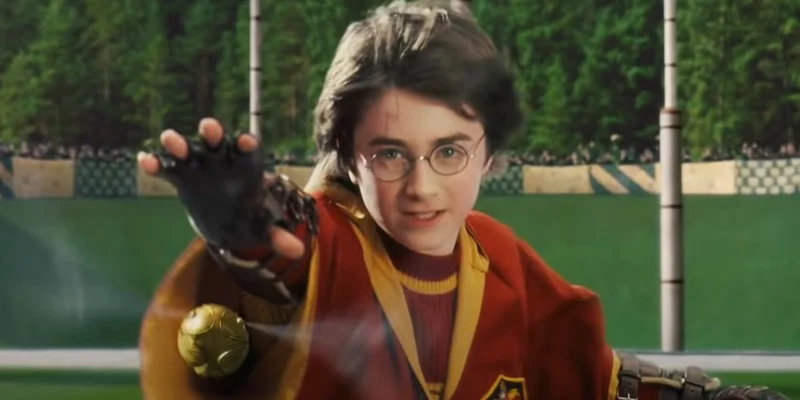
Actors sat on broom rigs mounted to gimbals that could pitch and roll, allowing wind machines to sell speed while blue screen surrounded the setup. Stunt coordinators rehearsed takeoffs and dives with safety lines, and animators added bludgers, snitches, and stadium crowds to complete the match.
Costume designers reinforced robes and sleeves so fabric would move dramatically without tearing under fans and harness points. Prop teams built multiple broom versions for close ups, flying shots, and quick handoffs, each one balanced to keep performers steady during long shooting days.
The Moving Staircases Started As Miniatures
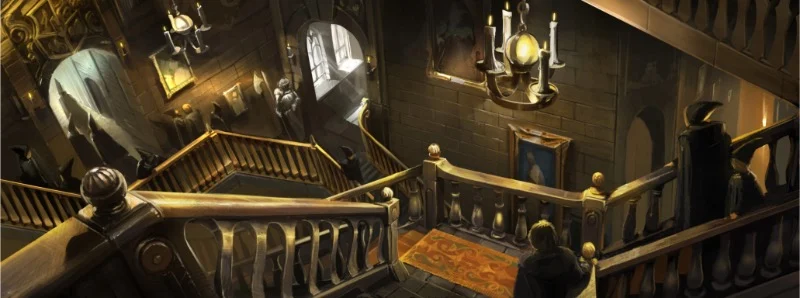
Before computers filled in the castle, model makers built detailed miniature staircases that could pivot and lock into place. These sections were filmed separately under controlled light, then composited with live action plates to give Hogwarts a shifting maze that still felt solid and physical.
On the full size sets, practical steps and landings matched the miniature’s scale and texture. This allowed the edit to cut from a wide shot of stairs sliding into a new position to a close shot of students stepping off a landing, keeping the geography readable for the audience.
A Real Suburban Street Became Privet Drive
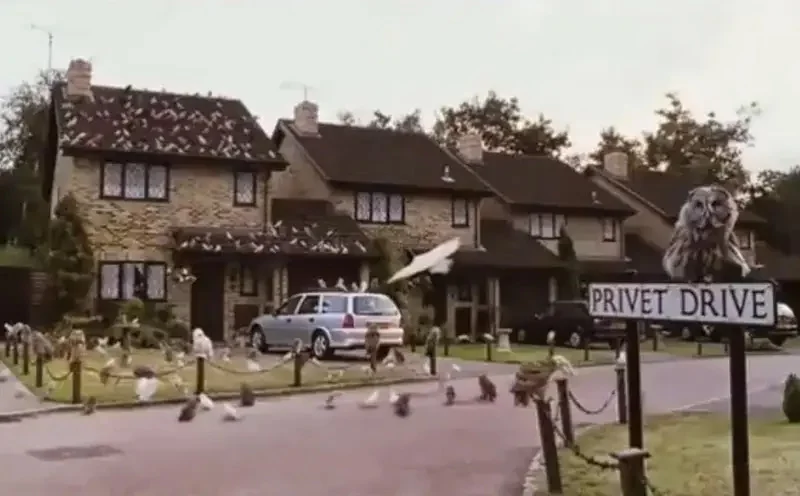
The Dursley home exterior came from a quiet cul de sac chosen for its neat gardens, brickwork, and uniform look. Crews dressed the garage, door, and windows with recognizable details and worked with residents so filming trucks and lights could move in and out with minimal disruption.
Interior scenes were built on soundstages so walls could fly out for cameras and lighting. Set decorators matched carpet and paint colors to the location, then added family photos, kitchen magnets, and tidy clutter so the house felt lived in without distracting from the story beats.
The Invisibility Cloak Used Old School Camera Tricks
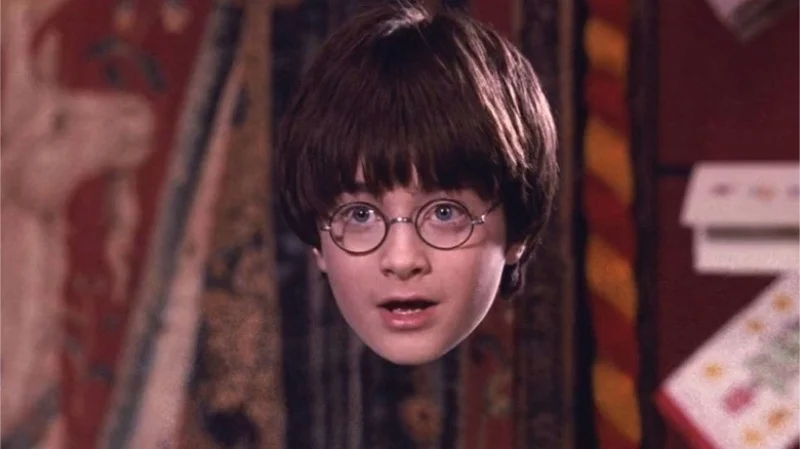
To make Harry vanish, the team shot plates of empty rooms and then filmed the same setup with Daniel Radcliffe wearing a blue or green lined cloak. Compositors removed the fabric color and revealed the clean background, which made the cloak look like it erased whatever it covered.
Costume and effects departments coordinated on fabric weight so the cloak would drape nicely over shoulders while still keying cleanly. Marks on the floor kept positions consistent between passes, and the lighting crew matched shadows carefully so the illusion held up in close ups.
Nicolas Flamel Comes From Real World Alchemy
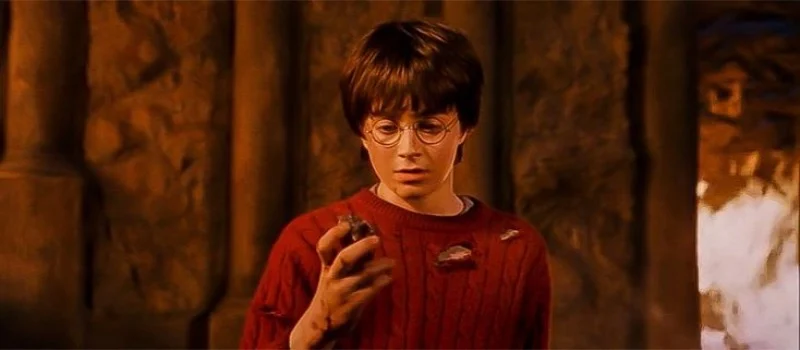
The character who created the Stone is named after a historical figure tied to European alchemical legends. In folklore, that name is linked to the idea of a red stone that could transform metals and grant longevity, which is why the story places such high stakes on protecting it.
The prop Stone used in the film was designed with a rough, translucent look, catching light in a way that felt mystical without looking like a polished jewel. Art departments prepared multiples for pockets, close shots, and stunt work, each one color matched so continuity stayed tight.
Share your favorite hidden detail from ‘Harry Potter and the Philosopher’s Stone’ in the comments so everyone can compare notes on the magic behind the magic.