


10 Things You Probably Didn’t Know About ‘The Godfather’

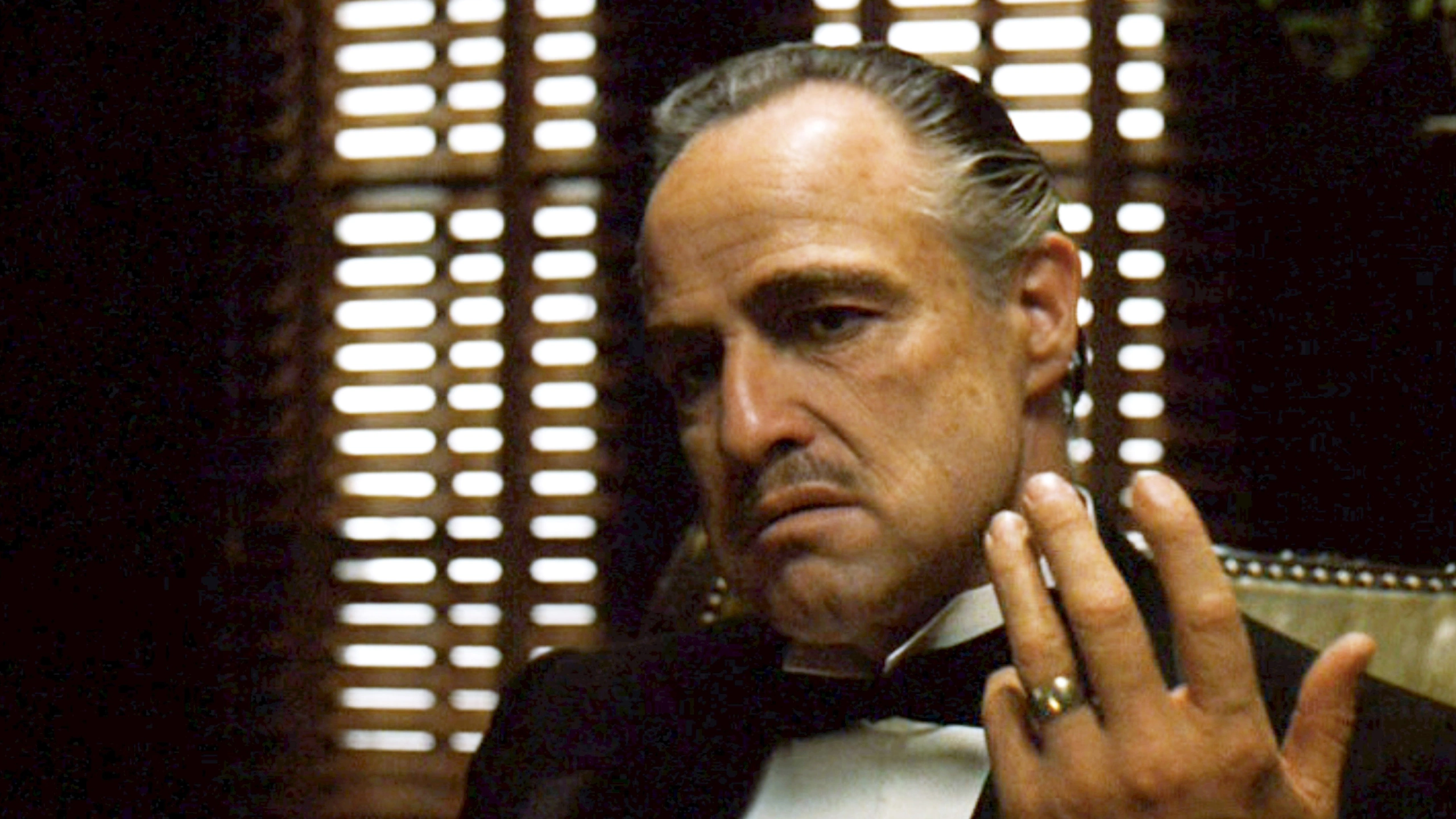


‘The Godfather’ is a legendary film that redefined the gangster genre. It follows the Corleone family, led by Vito Corleone, as they navigate power, loyalty, and betrayal in the mafia world. Its gripping story and iconic performances by Marlon Brando and Al Pacino made it a cultural milestone. Even today, it’s hailed as one of the greatest movies ever made.
Behind the scenes, the making of ‘The Godfather’ was filled with drama and surprises. From casting battles to real-life mafia ties, the production was as intense as the film itself. Here are 10 things you probably didn’t know about ‘The Godfather’.
A Stray Cat Stole the Show
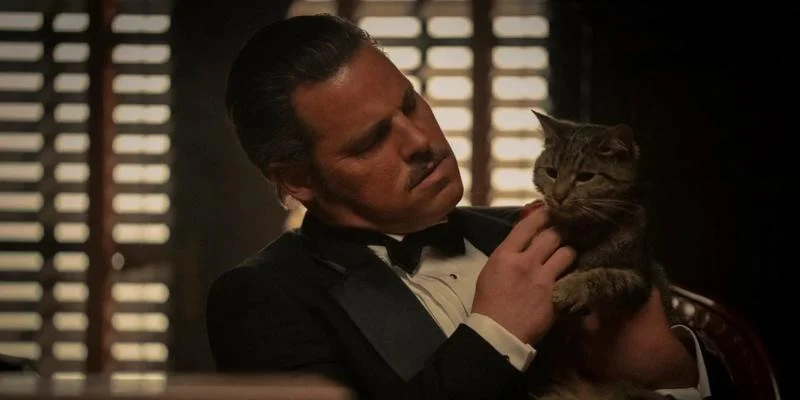
In the opening scene, Vito Corleone holds a cat while hearing requests. The cat wasn’t in the script—director Francis Ford Coppola found it wandering the Paramount lot and gave it to Marlon Brando. The cat’s purring was so loud it drowned out Brando’s lines, forcing some dialogue to be re-recorded.
Brando improvised with the cat, making the scene feel natural. Its presence softened Vito’s image, showing his humanity despite his ruthless nature. The cat became an iconic part of the film. Fans still love how it added charm to the intense opening.
The Studio Didn’t Want Brando
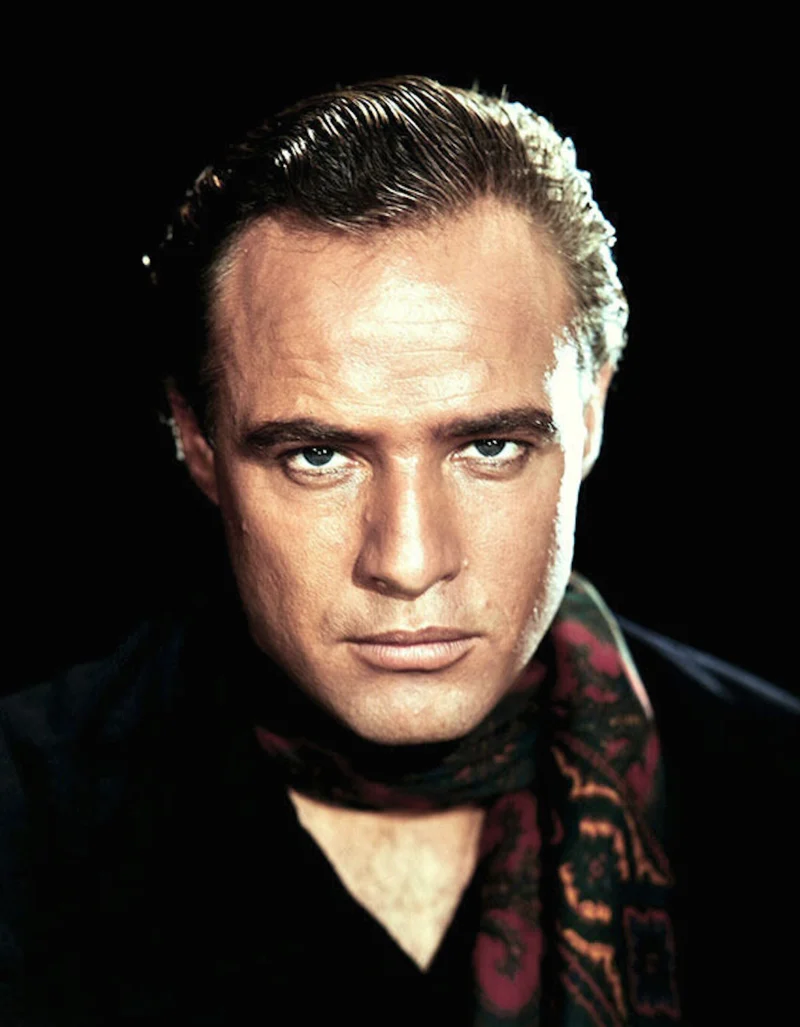
Marlon Brando was Coppola’s top choice for Vito Corleone, but Paramount executives strongly disagreed. They thought Brando was unreliable and past his prime, preferring actors like Ernest Borgnine or George C. Scott. Coppola tricked Brando into a “makeup test” that was actually a screen test, which convinced the studio.
Brando’s performance, complete with his improvised cotton-stuffed cheeks, became legendary. He won an Oscar, though he famously rejected it in protest. Without Coppola’s persistence, the film might have looked very different. His casting gamble paid off big.
Real Mob Ties Influenced Production
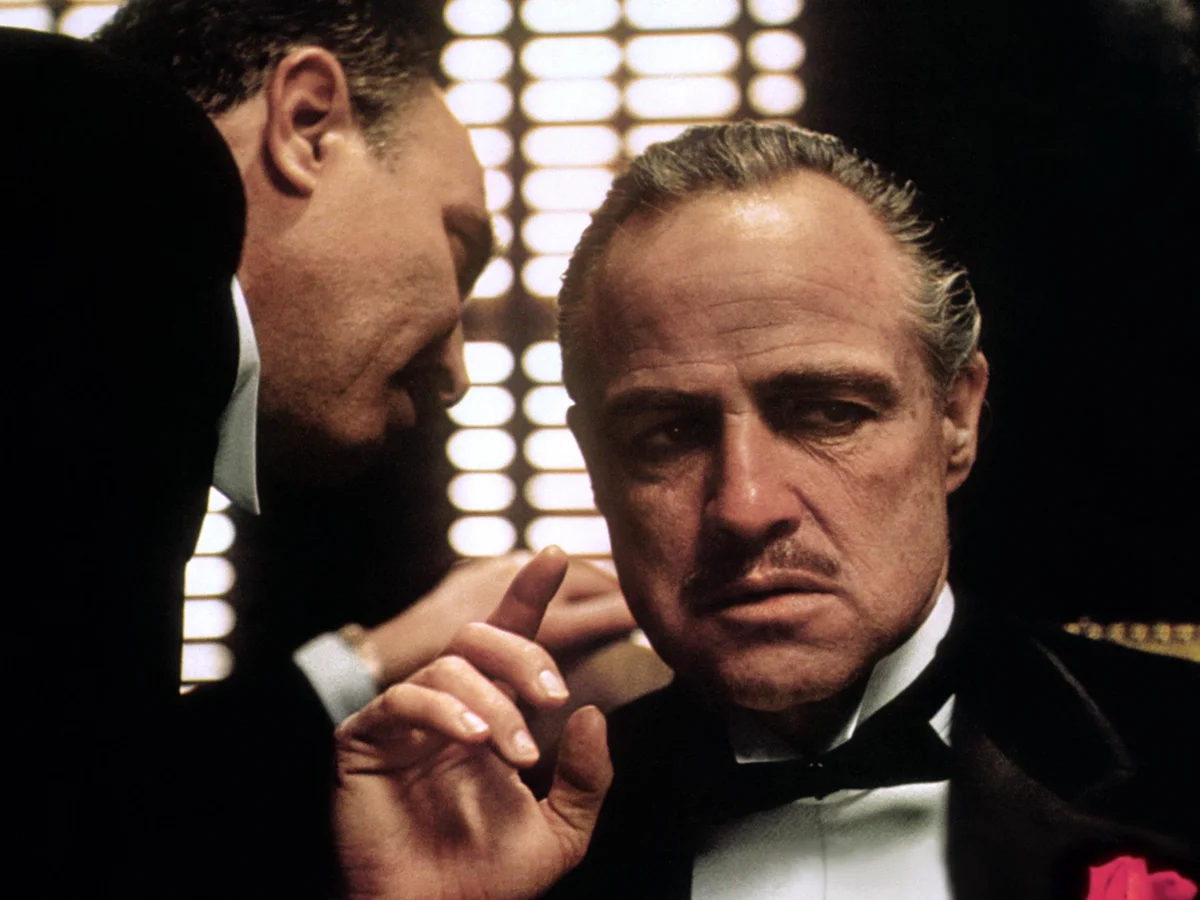
The Italian-American Civil Rights League, led by mob boss Joseph Colombo Sr., protested the film, fearing it would stereotype Italians. Producer Albert Ruddy met with Colombo and agreed to remove the words “mafia” and “Cosa Nostra” from the script. In return, the League allowed filming to proceed.
Some mobsters even visited the set, and a few were cast as extras. This real-world connection added authenticity but also tension. The compromise kept the peace while letting Coppola tell his story.
The Horse Head Was Real
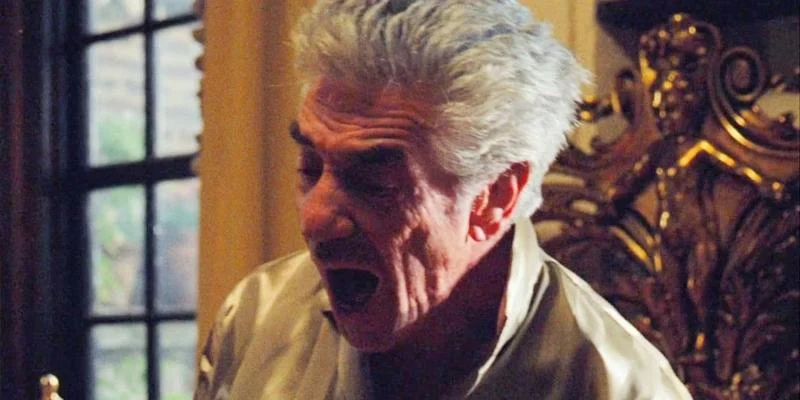
The infamous horse head scene, where a studio executive wakes up to a bloody surprise, shocked audiences. The head wasn’t a prop—it came from a real horse, sourced from a dog food company. Coppola used it to make the scene more gruesome and realistic.
Actor John Marley’s terrified screams were genuine because Coppola swapped a fake head for the real one during filming. No animals were harmed for the scene, but the choice was controversial. It remains one of the film’s most unforgettable moments.
Al Pacino Was Almost Fired
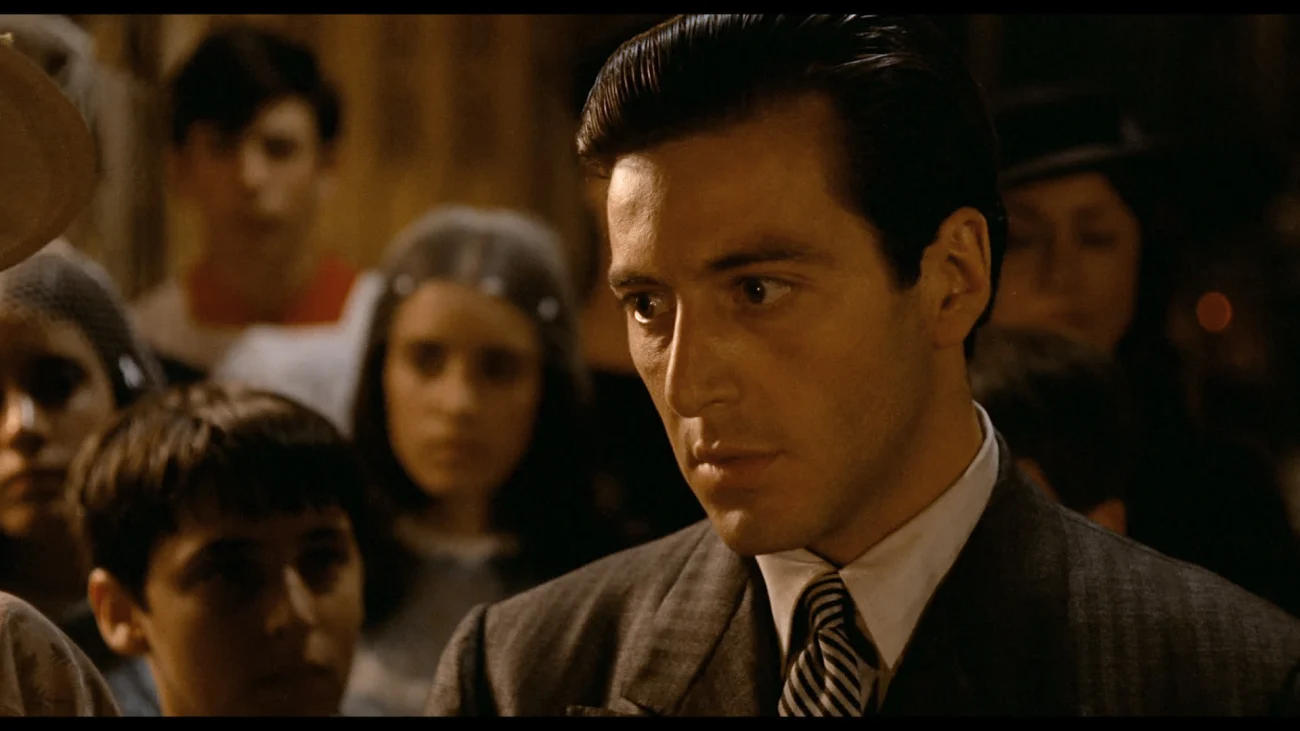
Paramount didn’t want Al Pacino as Michael Corleone, favoring bigger names like Robert Redford or Ryan O’Neal. Coppola fought hard to keep Pacino, believing he fit the role perfectly. Early in filming, executives thought Pacino’s quiet performance was too subdued and nearly fired him.
Coppola rushed to shoot the scene where Michael kills Sollozzo and McCluskey to prove Pacino’s talent. The intensity of that scene saved his job. Pacino’s subtle, powerful performance earned him an Oscar nomination and made Michael iconic.
Improvised Lines Became Iconic
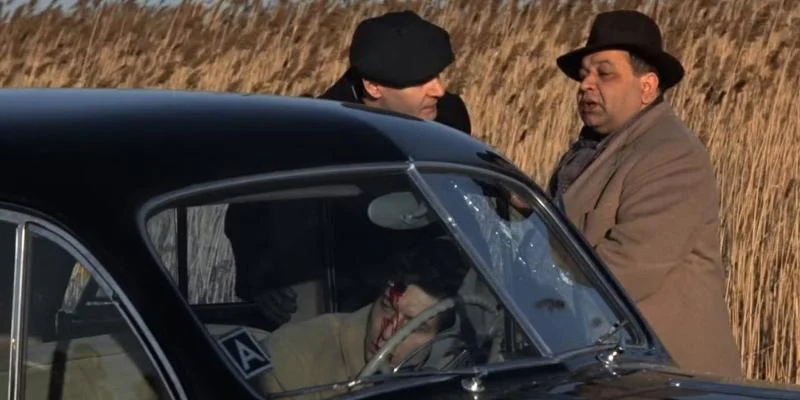
The famous line “Leave the gun, take the cannoli” wasn’t in the original script. Actor Richard Castellano, playing Clemenza, ad-libbed it after Coppola added a line about Clemenza’s wife asking for cannoli. The spontaneous addition became one of the film’s most quoted moments.
Other improvisations, like James Caan’s actions in Sonny’s fight scenes, added grit. Caan broke a broom and threw money at a photographer, drawing from his own experiences. These unscripted moments gave the film its authentic feel.
Oranges as a Death Symbol
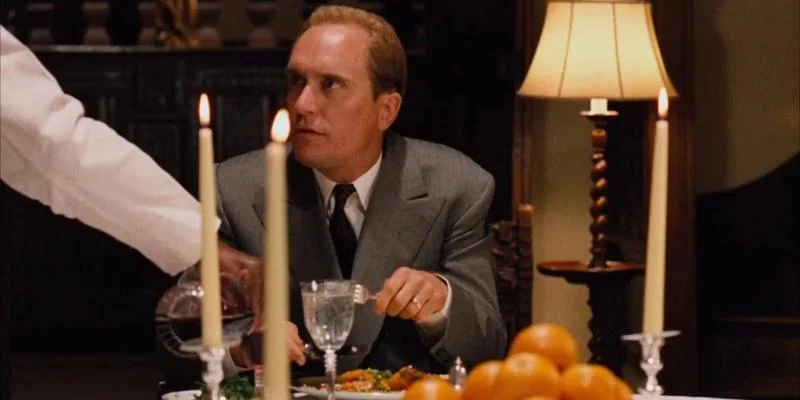
Oranges appear throughout the film, often before a character’s death or a violent event. For example, Vito buys oranges before his assassination attempt, and they’re seen before other key deaths. Production designer Dean Tavoularis used oranges to add visual contrast, not as a deliberate symbol.
Fans have debated whether the oranges were intentional foreshadowing. Coppola later said it was a happy accident, but it’s become a famous detail. The fruit’s bright color against the film’s dark tone makes it stand out.
Coppola Almost Lost His Job
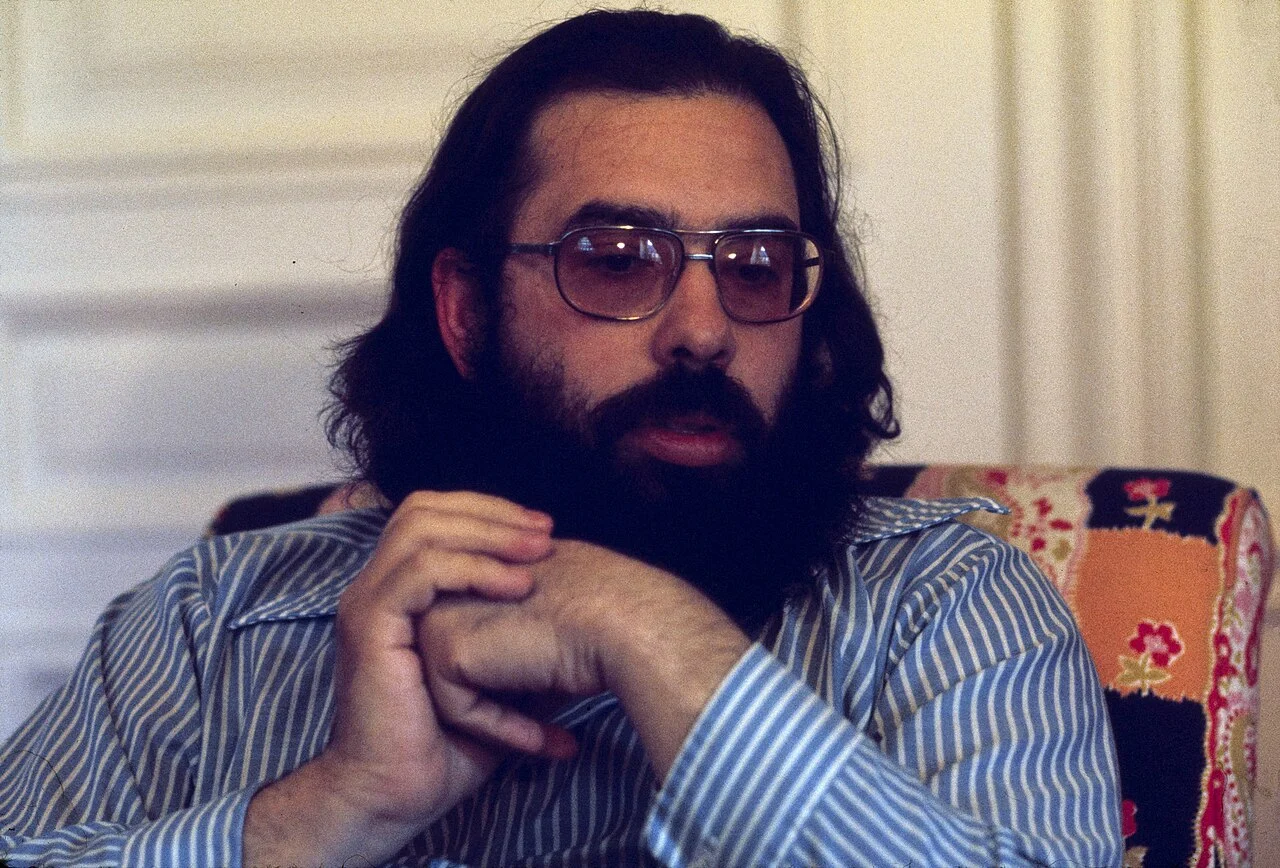
Coppola wasn’t Paramount’s first choice to direct—he got the job after directors like Elia Kazan and Arthur Penn turned it down. The studio doubted his ability, especially since his previous film, ‘The Rain People’, flopped. During production, they threatened to fire him, unhappy with the film’s slow, moody tone.
Coppola won them over by shooting the restaurant scene early, proving the film’s potential. His determination kept him in the director’s chair. Without his fight, ‘The Godfather’ might not have been the masterpiece it became.
The Wedding Scene Was Chaos
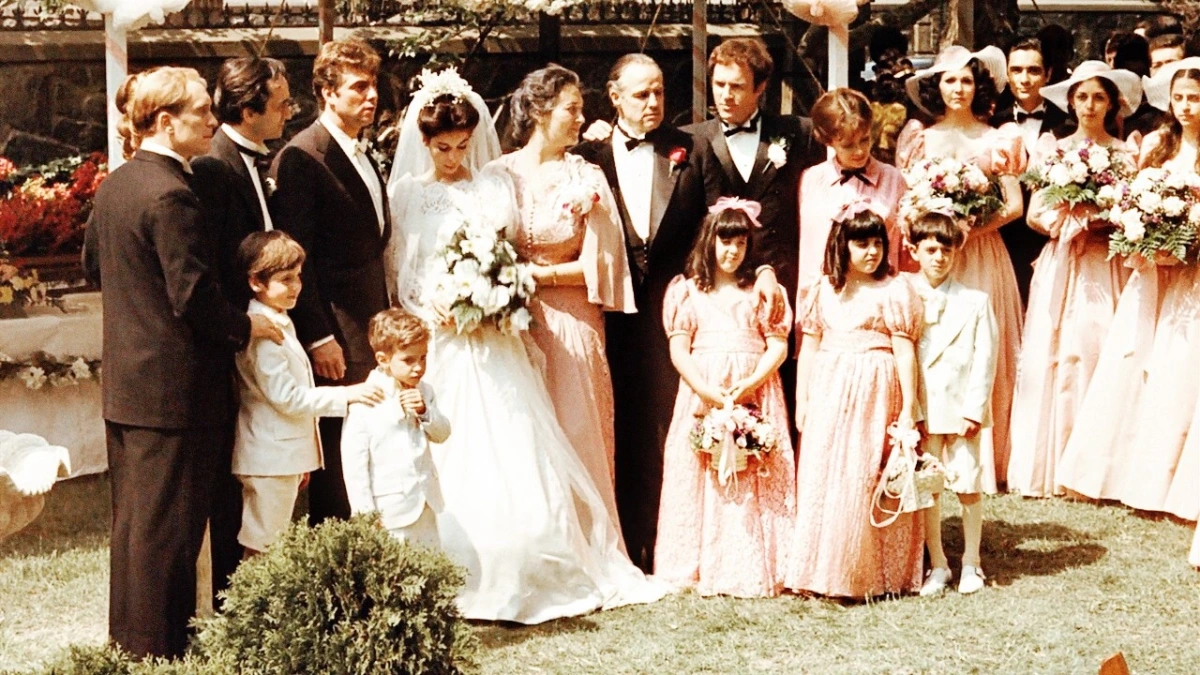
The opening wedding scene, with hundreds of extras, was shot in just two days. Coppola let the cast improvise in the background to create a lively, authentic atmosphere. Real food, music, and dancing added to the chaotic, festive vibe.
The scene’s realism came at a cost—Al Pacino and Diane Keaton got drunk while filming, bonding over their fear the film would fail. The Staten Island mansion used for the Corleone home was real and sold for nearly $3 million in 2014. The chaos worked, making the scene iconic.
Brando’s Makeup Was a Secret

To keep Brando’s aged look as Vito Corleone under wraps, the crew took extreme measures. During outdoor scenes, like the assassination attempt in Little Italy, the NYPD chased off photographers to prevent leaks. Cinematographer Gordon Willis used dark lighting to hide Brando’s makeup and enhance the film’s moody tone.
Brando stuffed cotton in his cheeks to create Vito’s jowly look, an idea he came up with during his screen test. This secrecy and creativity made his transformation believable. It helped cement Vito as a cinematic legend.
Which of these ‘The Godfather’ facts surprised you the most? Share your favorite in the comments