Tightest 12-Episode Anime You Can Binge Tonight

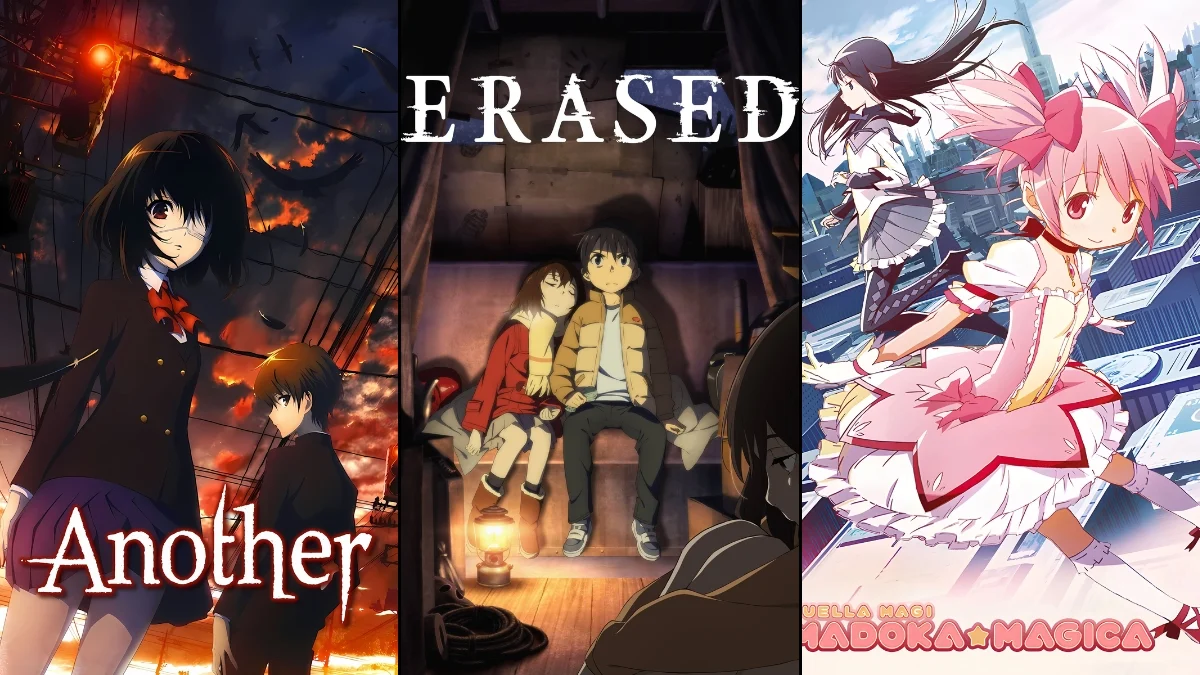

Short on time but craving a complete story arc? These 12-episode anime series deliver compact plots, clean pacing, and satisfying conclusions without dragging on. Each pick keeps the commitment light while still offering distinct genres, strong production credits, and memorable hooks you can finish in an evening or two. If you want thrillers, sports, comedy, or supernatural twists, you’ll find a tight season here that fits perfectly into a busy schedule.
‘Erased’ (2016)
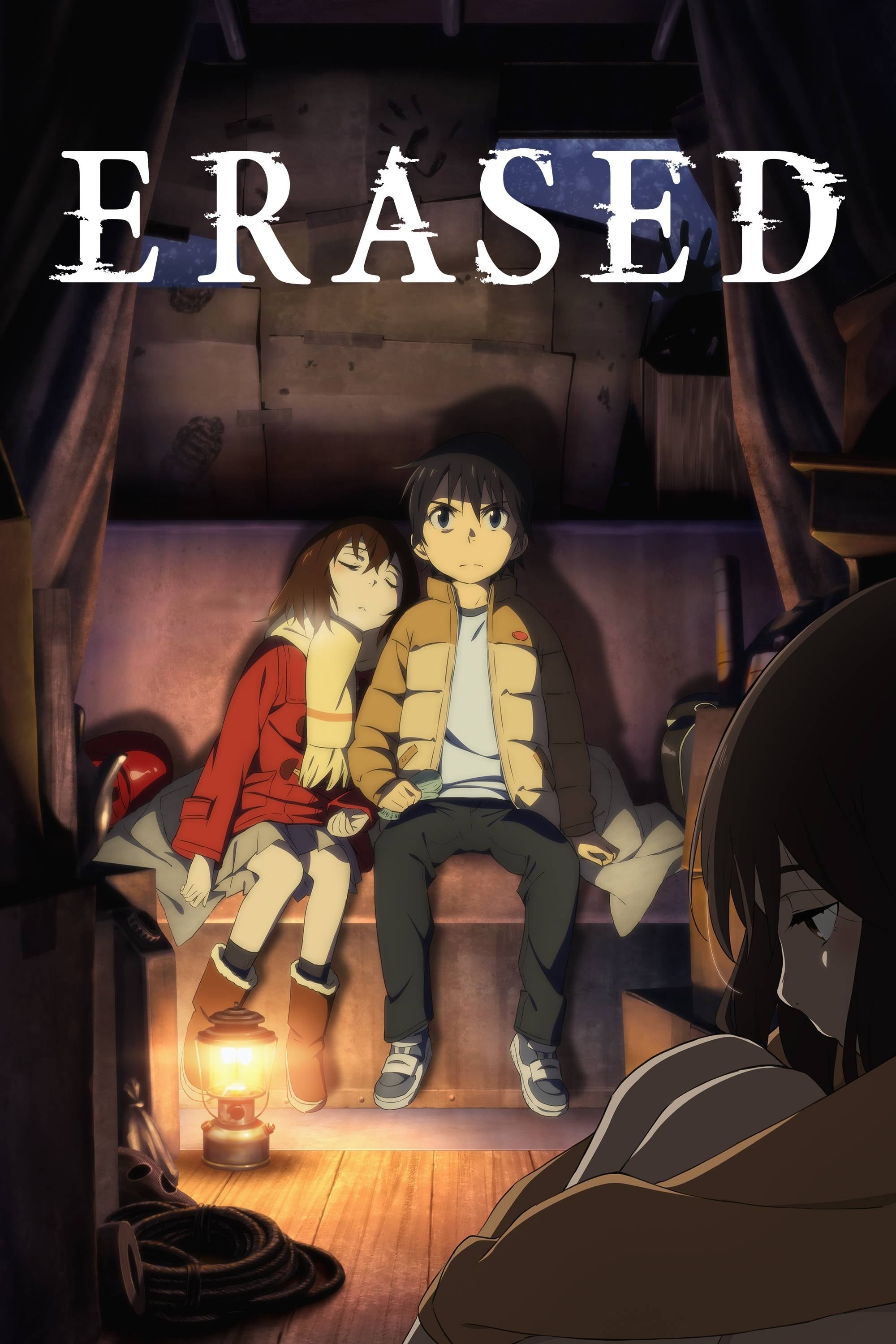
This mystery-thriller follows a manga artist who involuntarily time-slips to prevent tragedies, centering on a kidnapped classmate from his childhood. The series adapts Kei Sanbe’s manga and was animated by A-1 Pictures with Tomohiko Itō directing. It blends crime investigation with coming-of-age elements and frequent time jumps between an adult and elementary-school timeline.
‘Death Parade’ (2015)
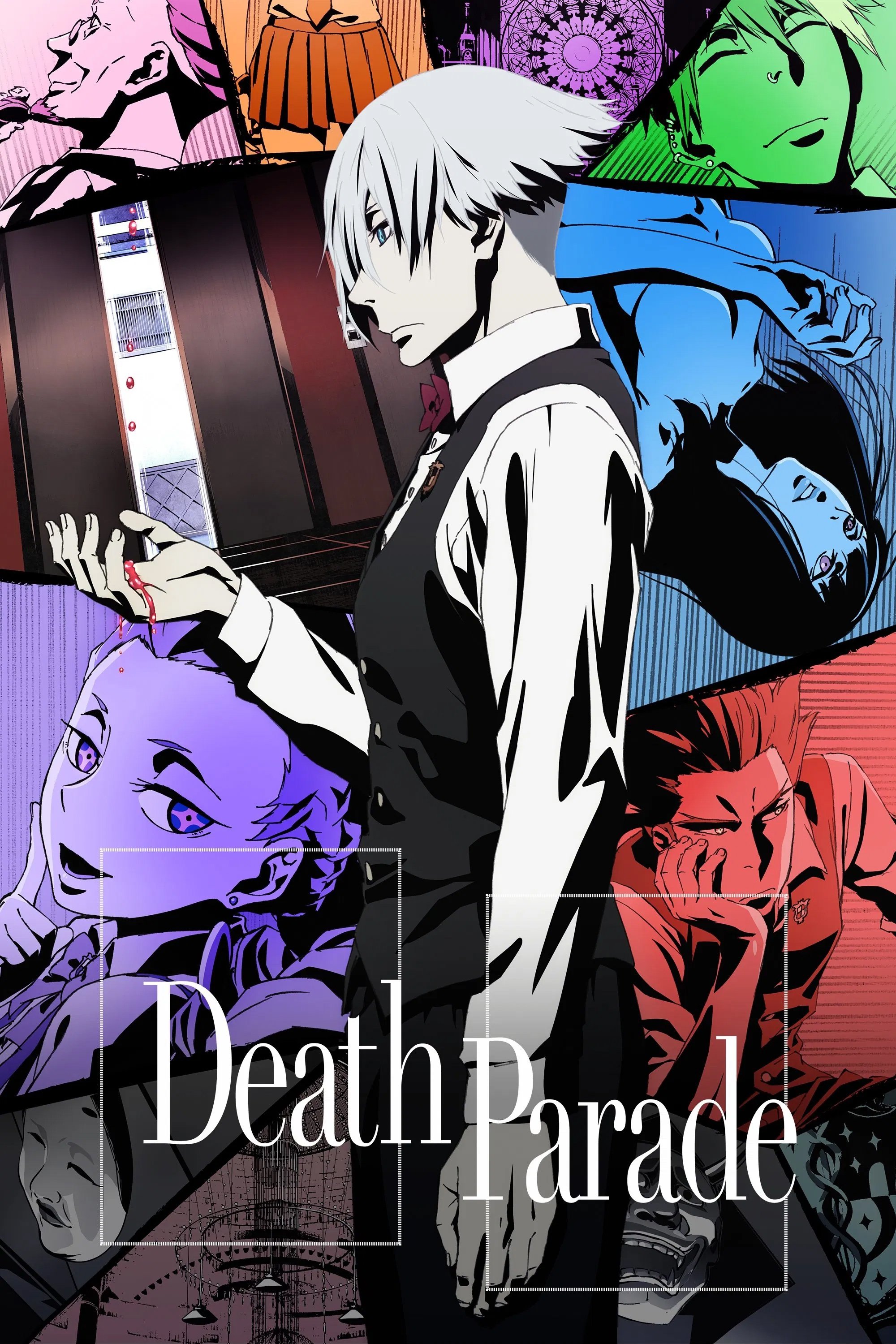
Set in a bar where the recently deceased face games that judge their souls, this original anime explores morality through self-contained duels. Madhouse produced it with Yuzuru Tachikawa directing, expanding on the short ‘Death Billiards’. The series uses psychological matchups—darts, bowling, and more—to reveal characters’ pasts during arbitration. Its episodic structure feeds a broader storyline about the arbiters and their system.
‘Another’ (2012)
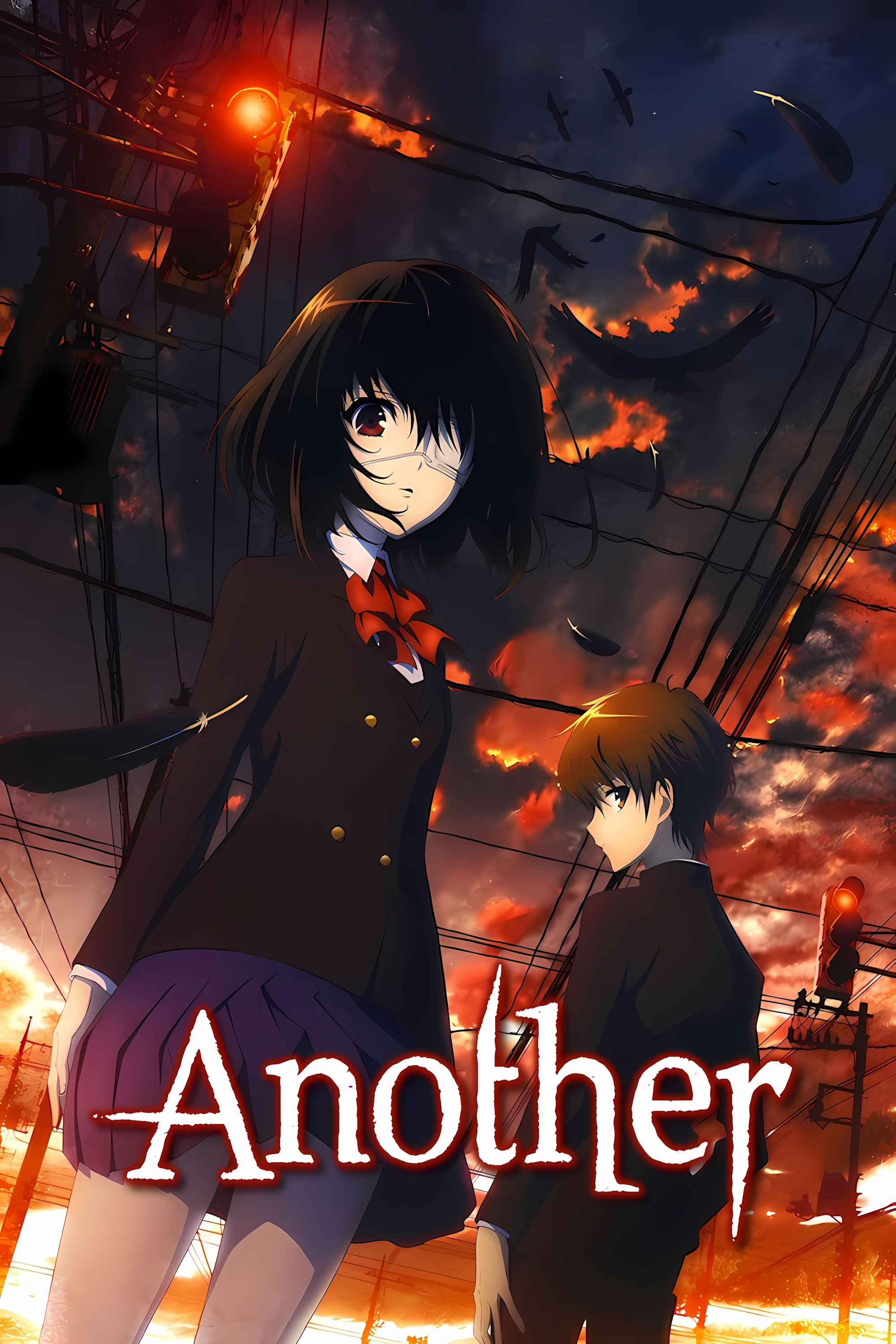
This horror series centers on a cursed middle-school class where unexplained deaths occur after a student’s transfer. Adapted from Yukito Ayatsuji’s novel, it was produced by P.A. Works and directed by Tsutomu Mizushima. The narrative mixes urban-legend rules with procedural clue-gathering as students test methods to halt the calamity. Visual design emphasizes atmosphere—weather, lighting, and props—to escalate dread across the semester.
‘No Game No Life’ (2014)
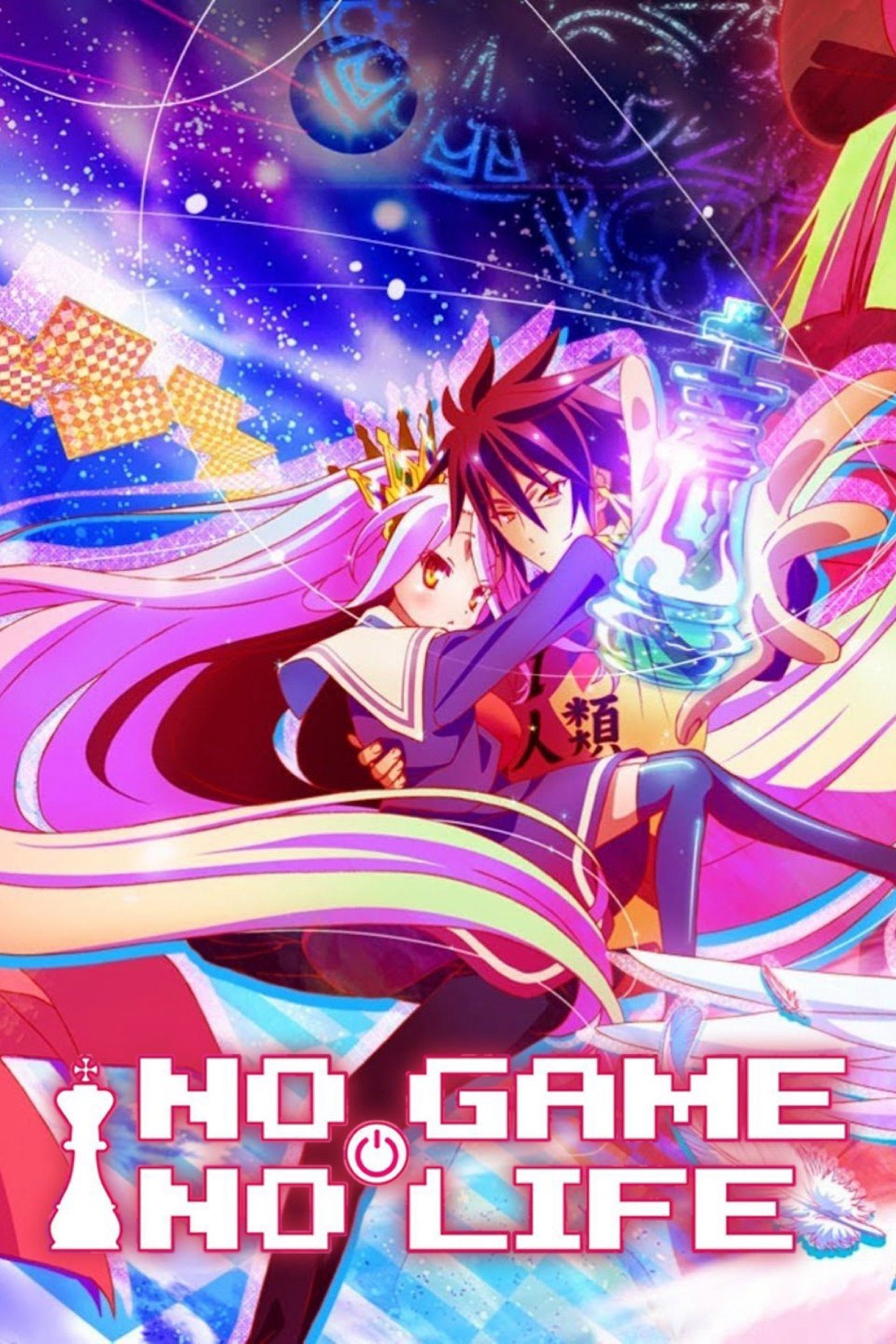
Two shut-in siblings famed online as a genius gamer team are transported to a world where all conflict is decided by games. Based on Yuu Kamiya’s light novels, the series was animated by Madhouse with a vivid, saturated palette. Each episode focuses on rule-centric contests—chess, wordplay, and strategy matches—anchored by strict game mechanics. The season covers multiple races in Disboard as the duo challenges increasingly powerful opponents.
‘Puella Magi Madoka Magica’ (2011)
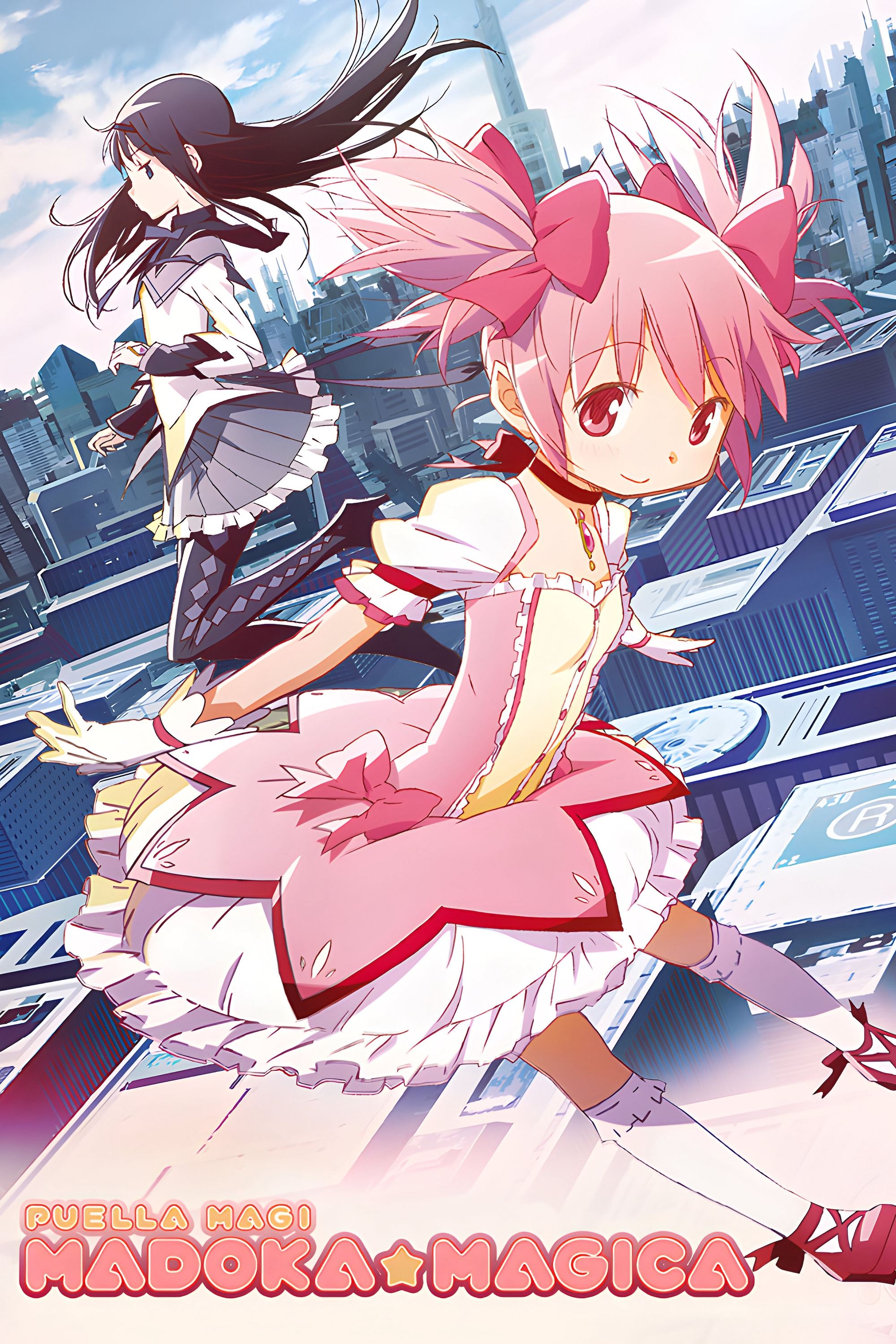
This dark fantasy deconstructs the magical-girl premise through Faustian contracts and time-loop stakes. Shaft produced it with Akiyuki Shinbo as chief director and Gen Urobuchi writing, noted for stylized layouts and collage-like witch realms. The story tracks a small group of middle-schoolers navigating the cost of power and secrecy. Composer Yuki Kajiura’s choral motifs reinforce the series’ mythic framing and escalating tension.
‘Yuri!!! on ICE’ (2016)
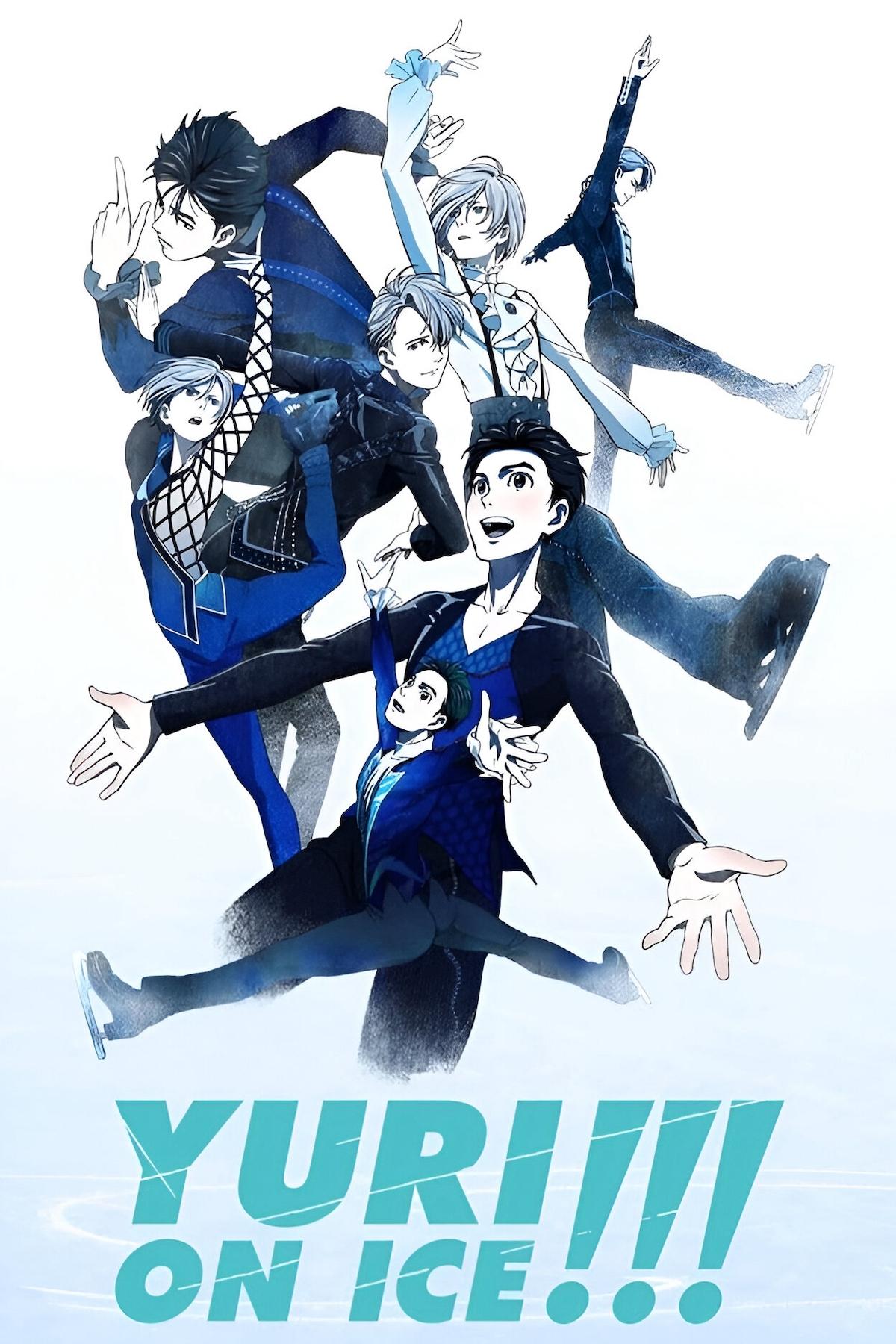
A figure skater regroups after a major loss and teams up with a world champion coach to rebuild his programs and confidence. MAPPA handled animation, with Sayo Yamamoto directing and a production team that consulted skating professionals. The season highlights Grand Prix events, original routines, and program component scores as part of the competition arc. Its music direction assigns character-specific pieces that recur as performance leitmotifs.
‘Kabaneri of the Iron Fortress’ (2016)
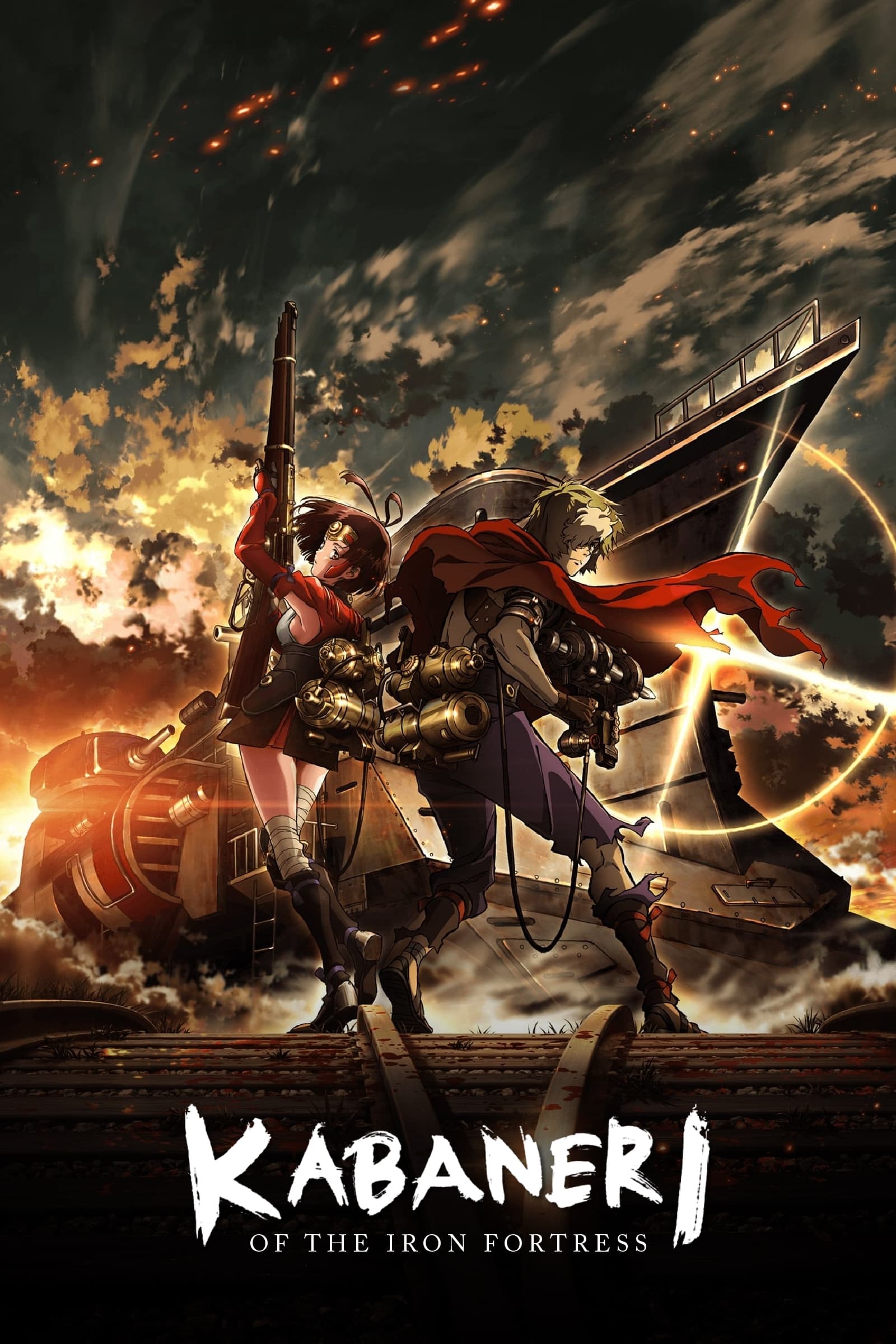
Humanity shelters in fortified stations and travels by armored trains while battling zombie-like creatures called Kabane. Produced by Wit Studio and directed by Tetsurō Araki, it pairs steampunk weaponry with high-energy action setpieces. The plot follows engineers and soldiers maintaining rail lines, rolling stock, and defensive protocols. Hiroyuki Sawano’s score underscores large-scale battles and convoy emergencies.
‘Btooom!’ (2012)
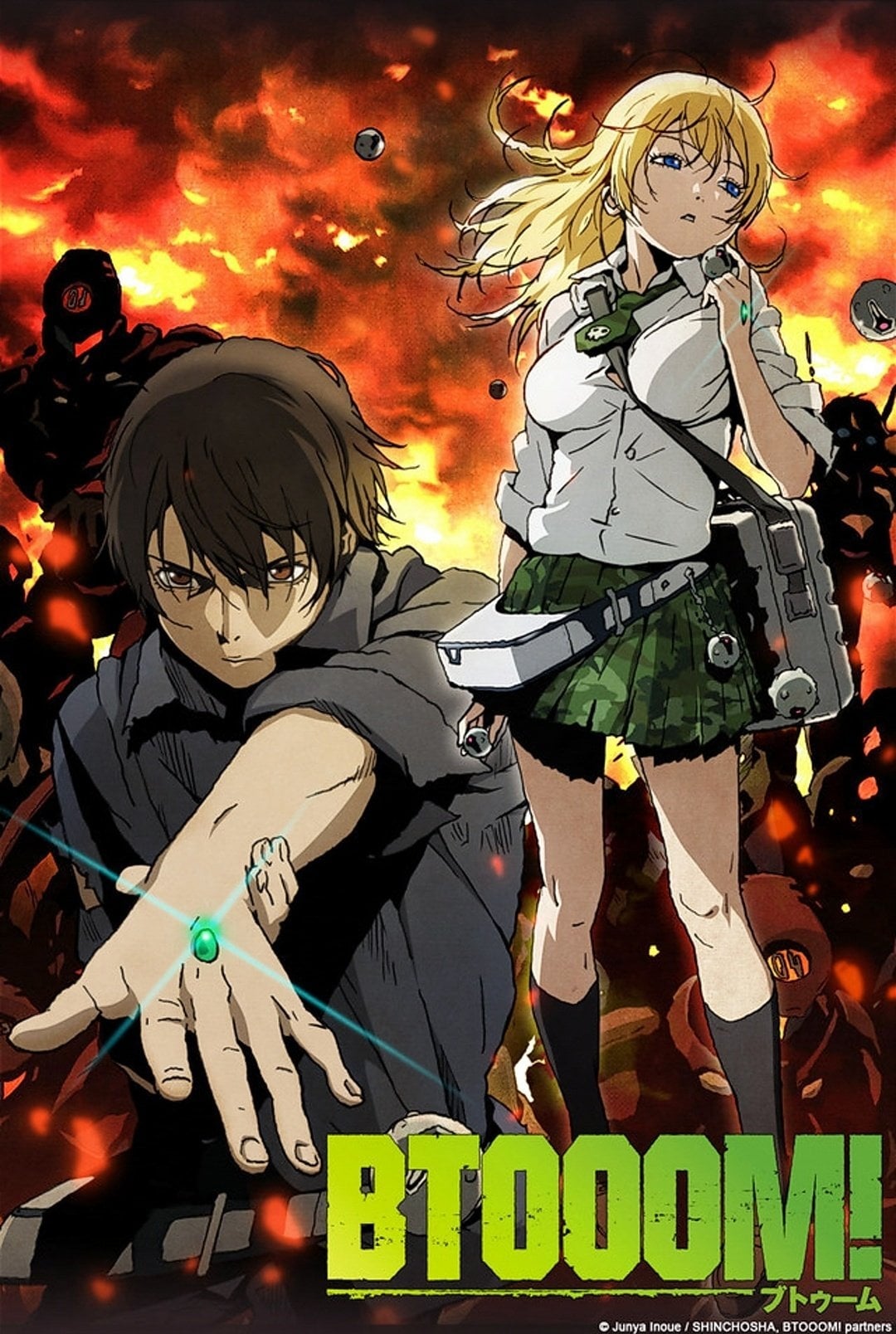
A top-ranked player of a bomb-based video game awakens on an island where contestants must kill to collect chips and escape. Based on Junya Inoue’s manga, this survival thriller adapts game mechanics—varied bomb types and counters—into real-world tactics. The season details alliances, supply hunts, and terrain exploitation under strict rules. It weaves flashbacks that explain each participant’s selection and psychological profile.
‘Barakamon’ (2014)
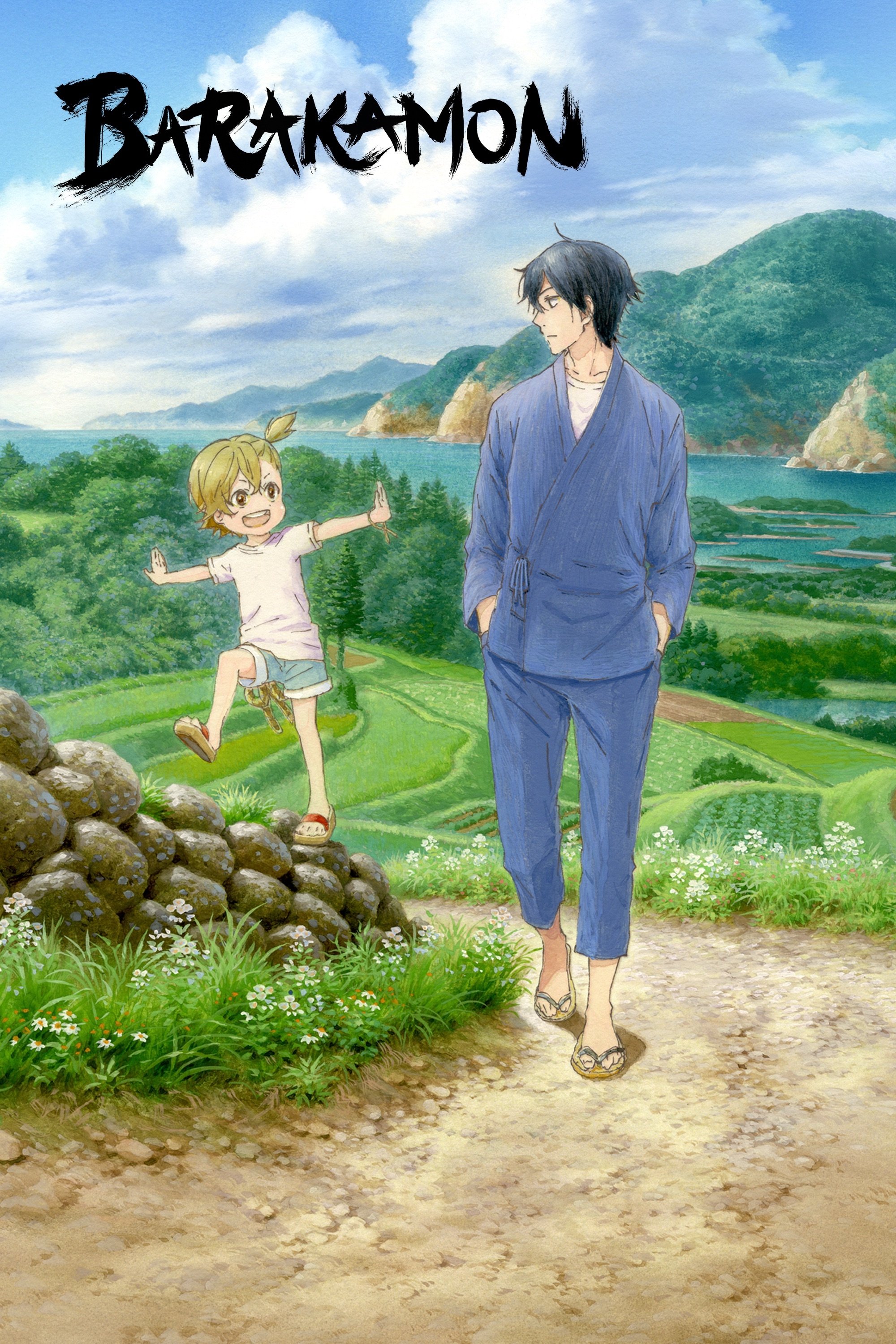
After a professional setback, a young calligrapher relocates to a remote island and interacts with local residents who upend his routine. The series adapts Satsuki Yoshino’s manga and was produced by Kinema Citrus. Slice-of-life episodes focus on craft practice, community events, and dialect-rich conversations. Calligraphy demonstrations and exhibition deadlines frame the protagonist’s growth in technique and mindset.
‘Hinamatsuri’ (2018)
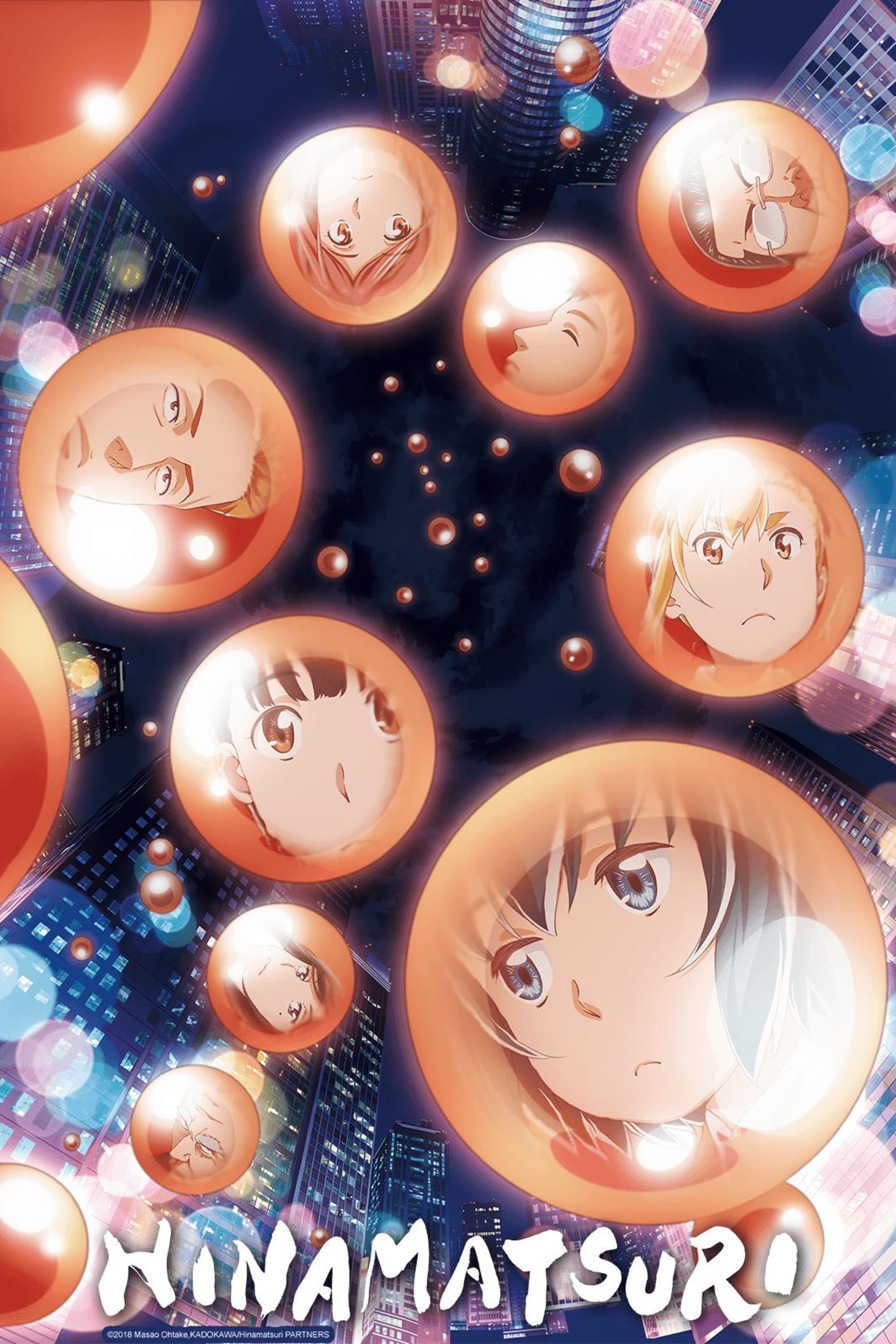
A yakuza member’s life changes when a telekinetic girl literally drops into his apartment, leading to strange domestic arrangements. Based on Masao Ōtake’s manga, the show balances supernatural powers with workplace and school comedy. Episodes incorporate social-services systems, part-time jobs, and urban nightlife as recurring settings. Multiple espers appear, creating parallel arcs that intersect through gags and small emotional turns.
‘Zombie Land SAGA’ (2018)
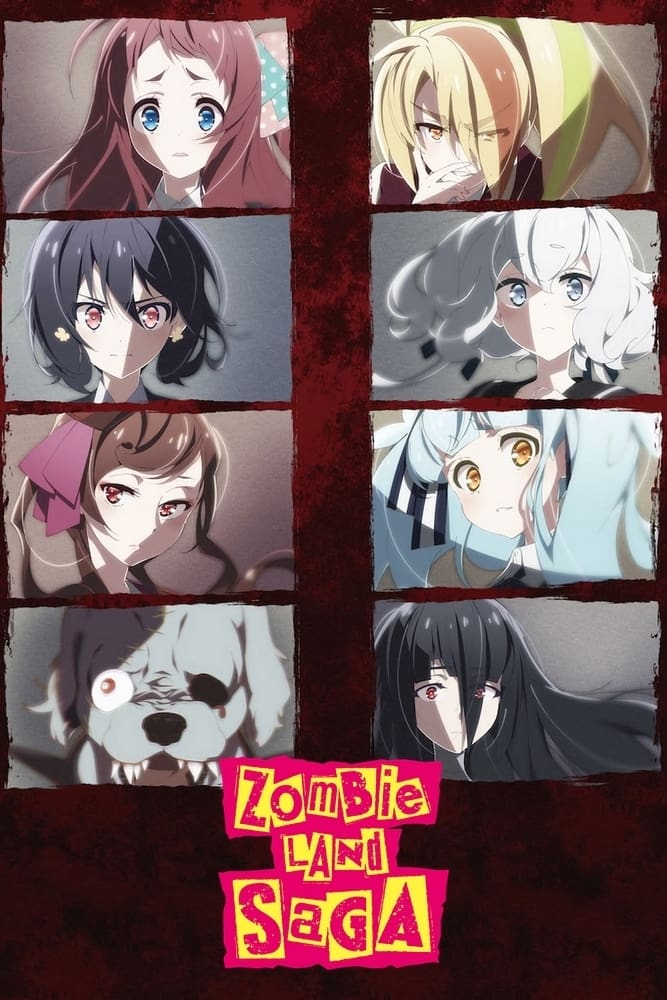
A mysterious producer revives seven girls from different eras to form an idol group that promotes their prefecture. MAPPA produced the series, blending idol-industry routines with regional tourism notes from Saga Prefecture. Each episode features rehearsals, stage costumes, and genre-shifting performances. The show uses character backstories to explain vocal ranges, choreography hurdles, and group dynamics.
‘School-Live!’ (2015)
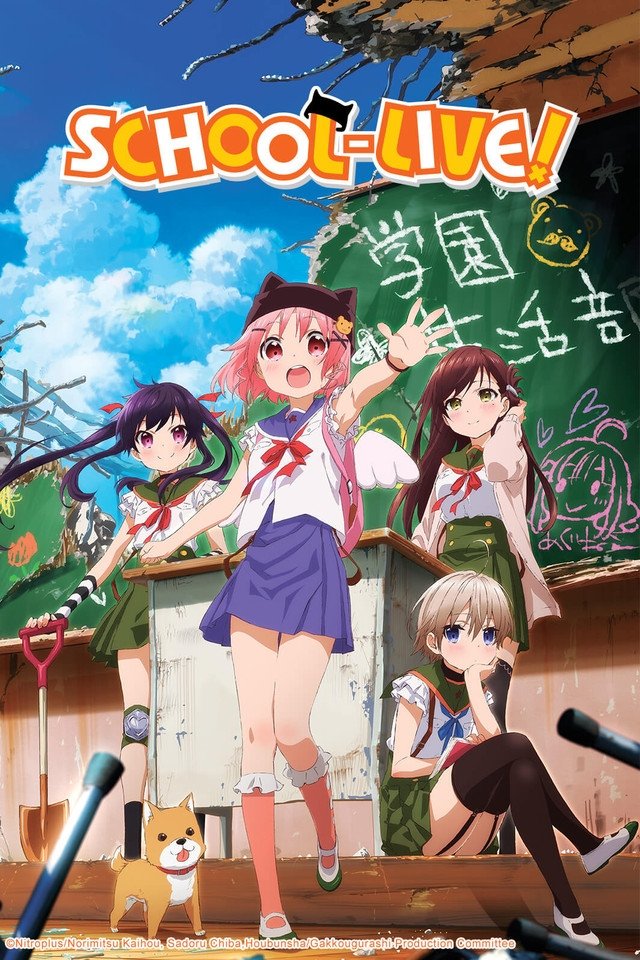
At first glance a cheerful school-club story, the series reveals a survival scenario centered on a group of students living inside their school. Lerche produced the adaptation of Norimitsu Kaihō and Sadoru Chiba’s manga. The narrative employs unreliable-perception devices, shelter management, and resource-gathering detail. Club activities double as protective routines, covering barricades, supply inventories, and schedules.
‘Maria the Virgin Witch’ (2015)
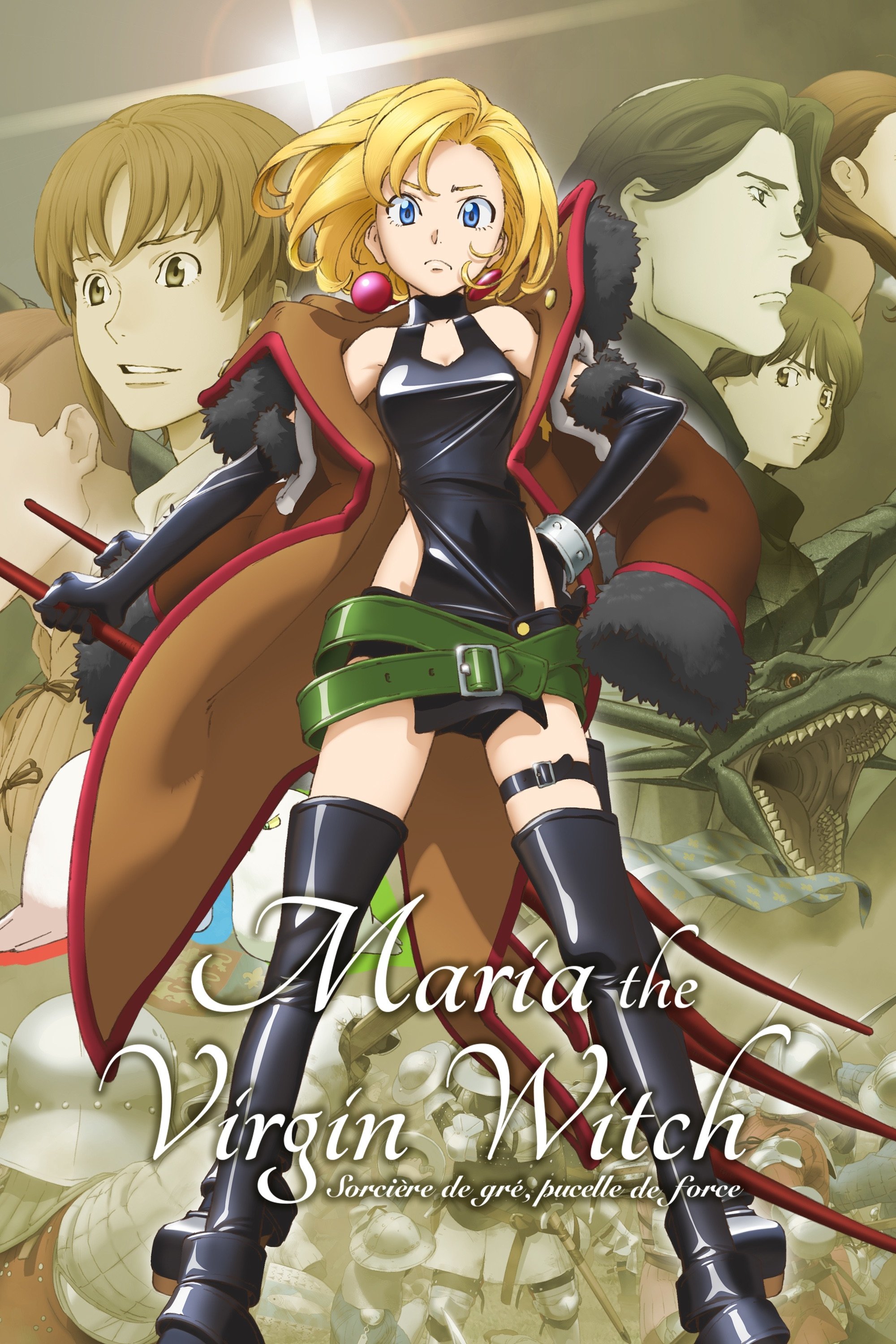
Set during the Hundred Years’ War, this fantasy follows a pacifist witch who interferes in battles to save lives. Animated by Production I.G and adapted from Masayuki Ishikawa’s manga, it mixes medieval history with church politics and folklore. The plot examines magical non-intervention rules, angelic oversight, and local village relations. Battles, mercenary contracts, and propaganda are depicted alongside spellcraft and familiars.
‘Gangsta.’ (2015)
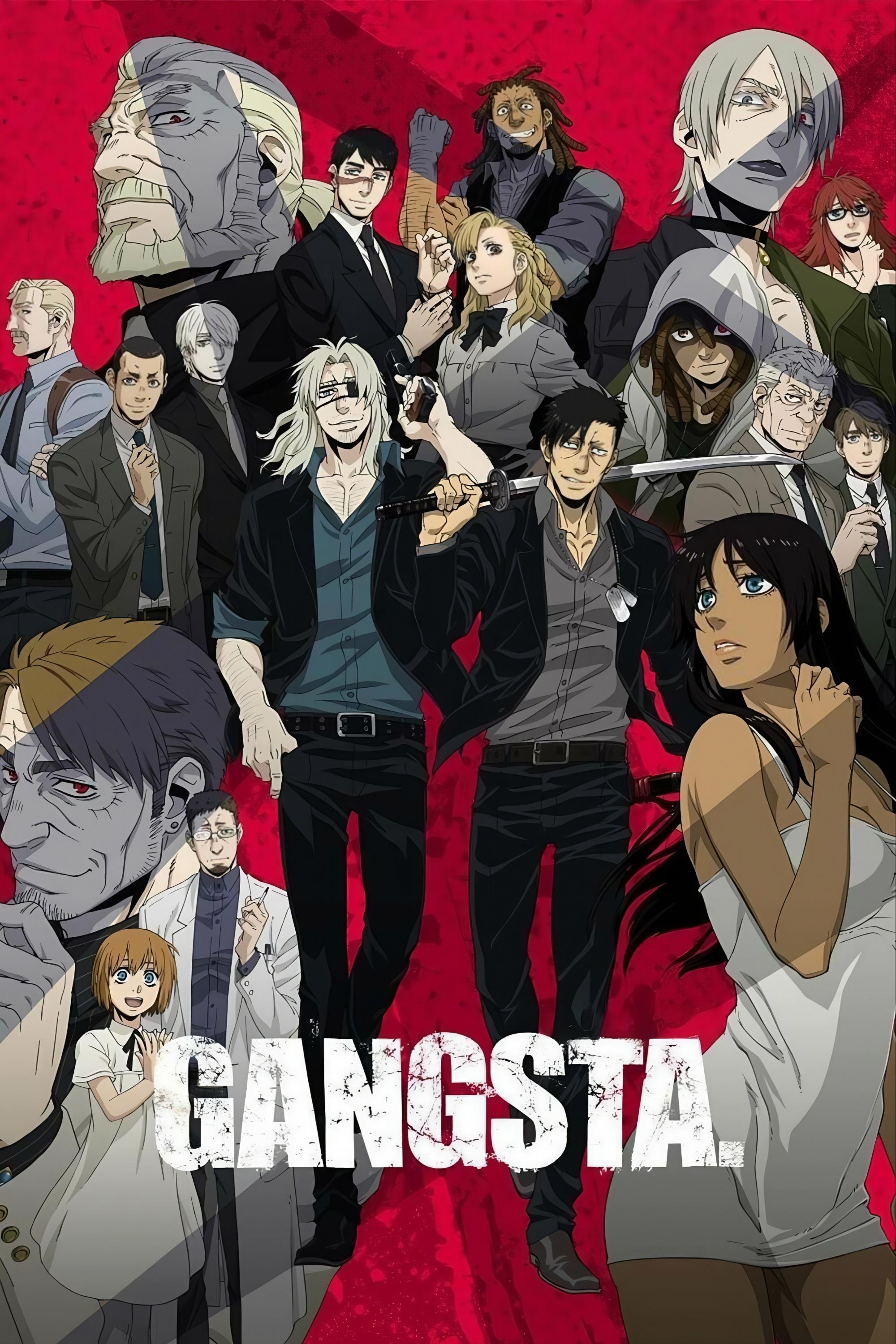
In a crime-ridden city, two freelance contractors take jobs from both the police and the mafia, many involving genetically enhanced fighters. Manglobe produced the adaptation of Kohske’s manga, emphasizing underworld politics and disability representation through one lead’s deafness. The season maps neighborhood zones, syndicate hierarchies, and special-classification Tags. Weapon types, hand signs, and combat rankings feature prominently in action scenes.
‘High School of the Dead’ (2010)
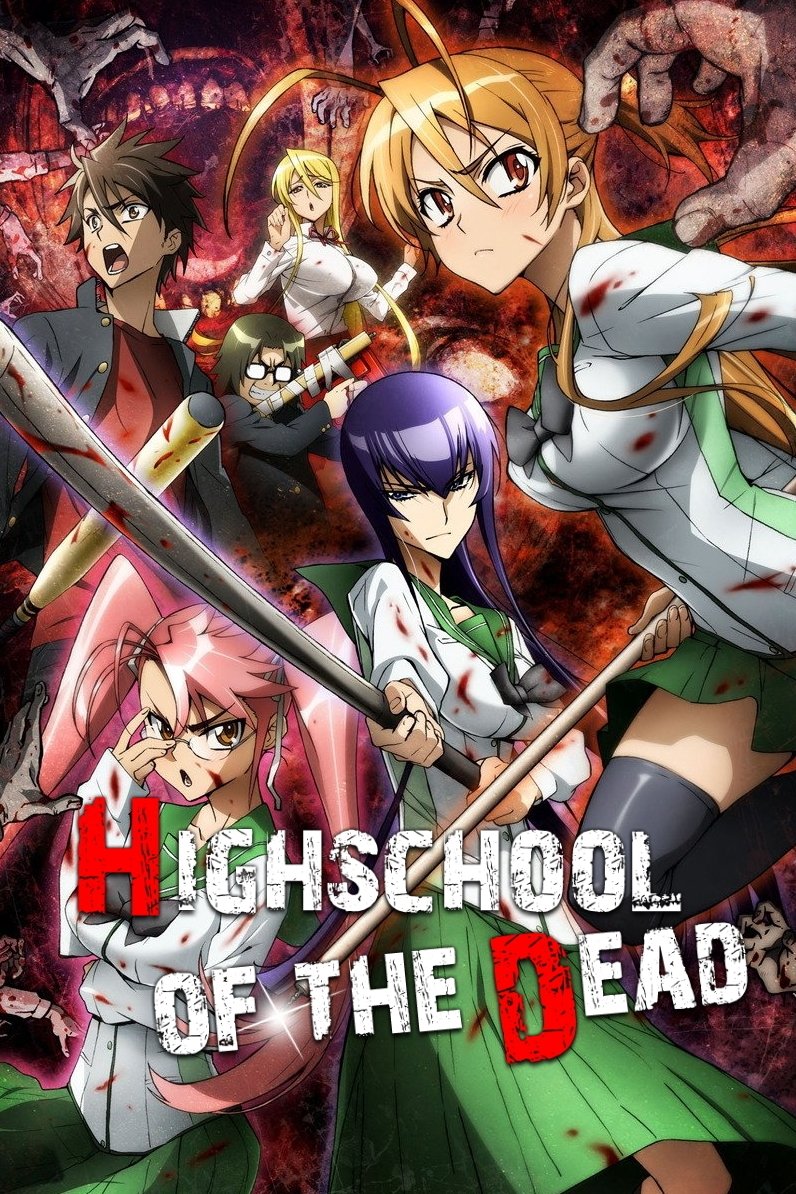
A sudden outbreak transforms Japan into a battlefield where a group of students and faculty fight to reach safety. Based on Daisuke Satō and Shōji Satō’s manga, the series showcases survival strategies in urban and suburban settings. Episodes focus on evacuation routes, supply runs, and vehicle use under constant threat. The production highlights weapon handling, barricade tactics, and group coordination.
‘Citrus’ (2018)
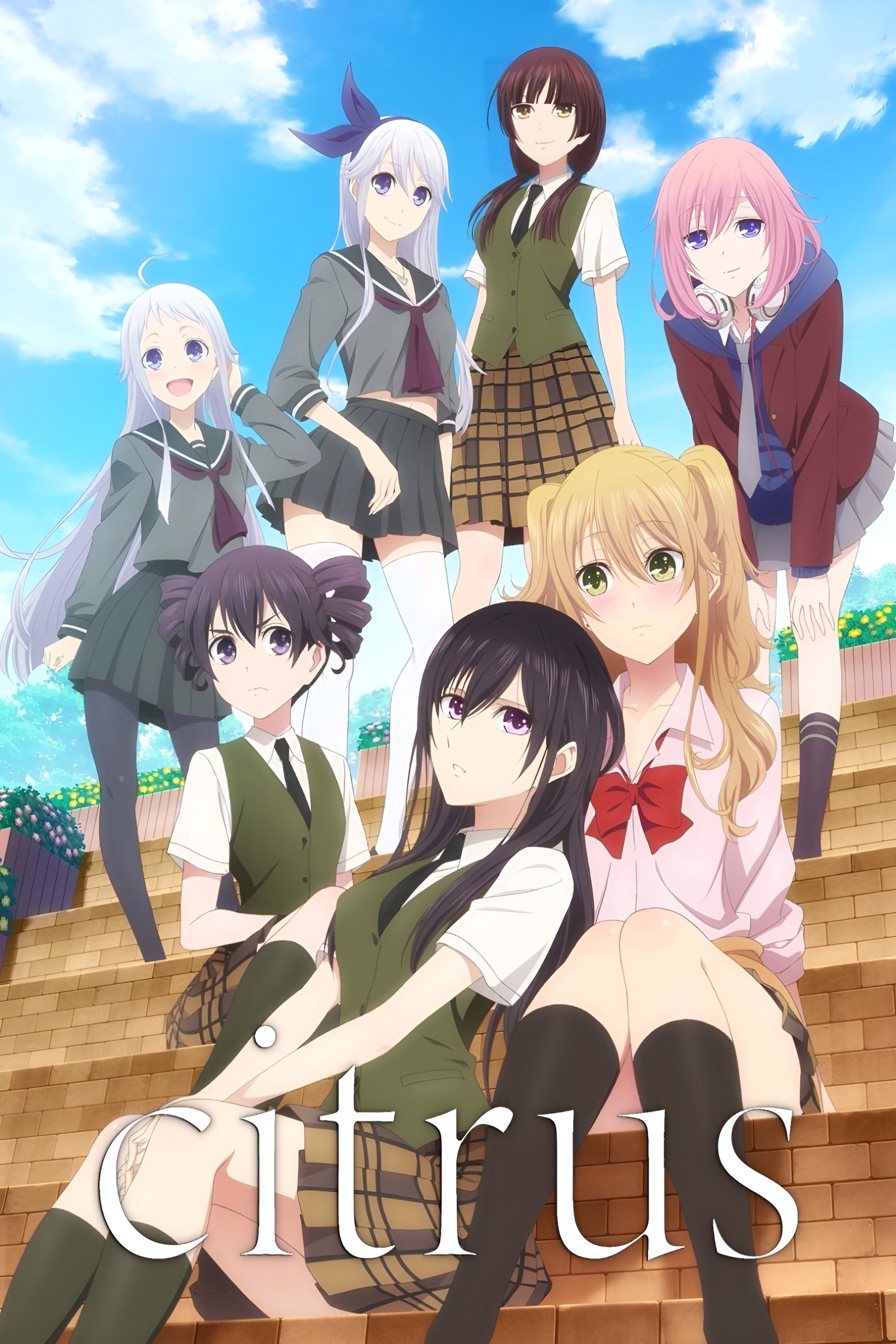
After a school transfer, two students with contrasting personalities navigate a complicated relationship under strict academy rules. Studio Passione adapted Saburouta’s manga with emphasis on uniform codes, student council governance, and dorm arrangements. The season tracks class schedules, club activities, and disciplinary procedures that shape interactions. Family circumstances and guardianship issues drive key plot turns across the semester.
‘House of Five Leaves’ (2010)

A timid rōnin becomes entangled with a kidnapping group in Edo, learning their motives and internal codes. Manglobe adapted Natsume Ono’s manga with a muted aesthetic and period-accurate settings. The narrative emphasizes clan politics, ransom practices, and the economics of late Edo. Swordplay is present but secondary to conversations, planning, and changing loyalties.
‘Kino’s Journey – The Beautiful World – The Animated Series’ (2017)
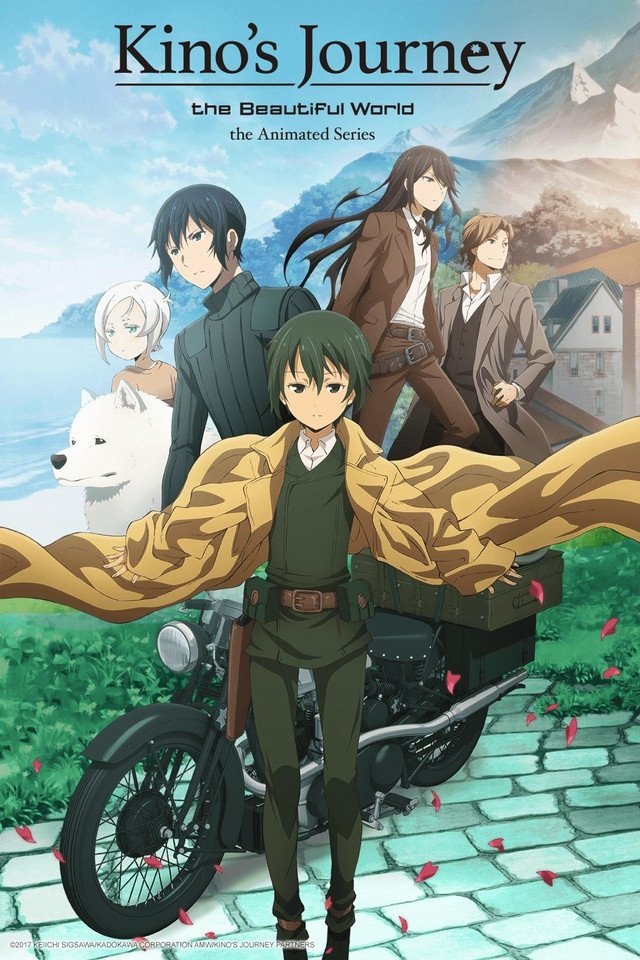
This anthology follows a traveler and talking motorcycle visiting countries with distinct, often extreme social rules. Lerche produced this adaptation of Keiichi Sigsawa’s light novels, presenting mostly stand-alone episodes. Each stop explores a single premise—laws, customs, or technologies—tested by brief observation. Minimalist action supports world-building, diaries, and ethical thought experiments.
‘Scum’s Wish’ (2017)
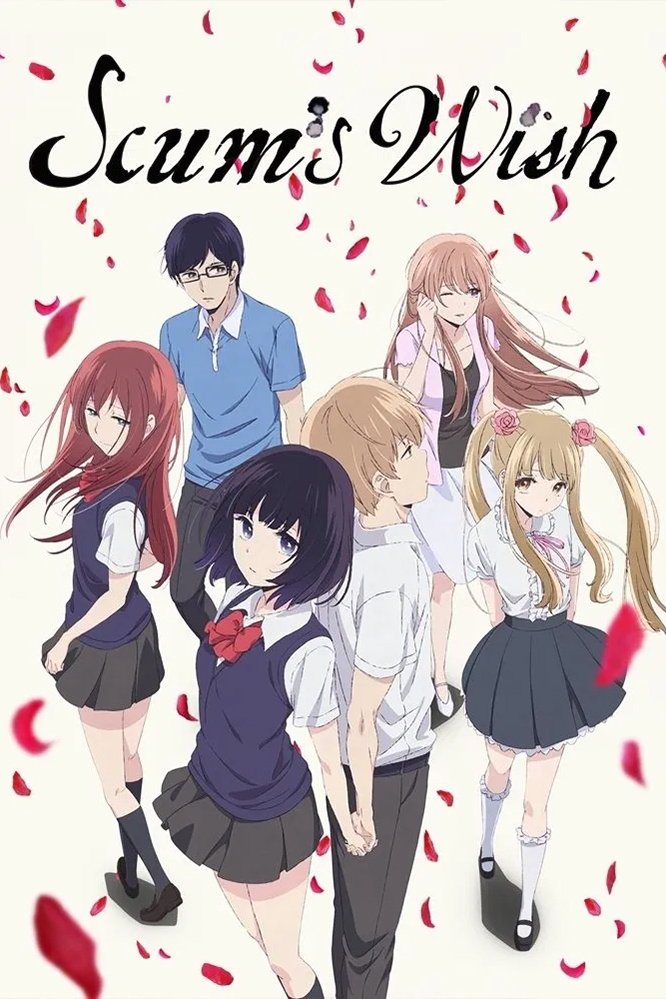
Two students form a relationship to cover unrequited feelings for others, setting strict boundaries that complicate their lives. Lerche adapted Mengo Yokoyari’s manga with a focus on classroom dynamics, clubrooms, and apartment settings. The series details communication failures, rumors, and consequences within school policies. Visual framing uses split-screens and inner monologues to track shifting agreements.
‘Akudama Drive’ (2020)
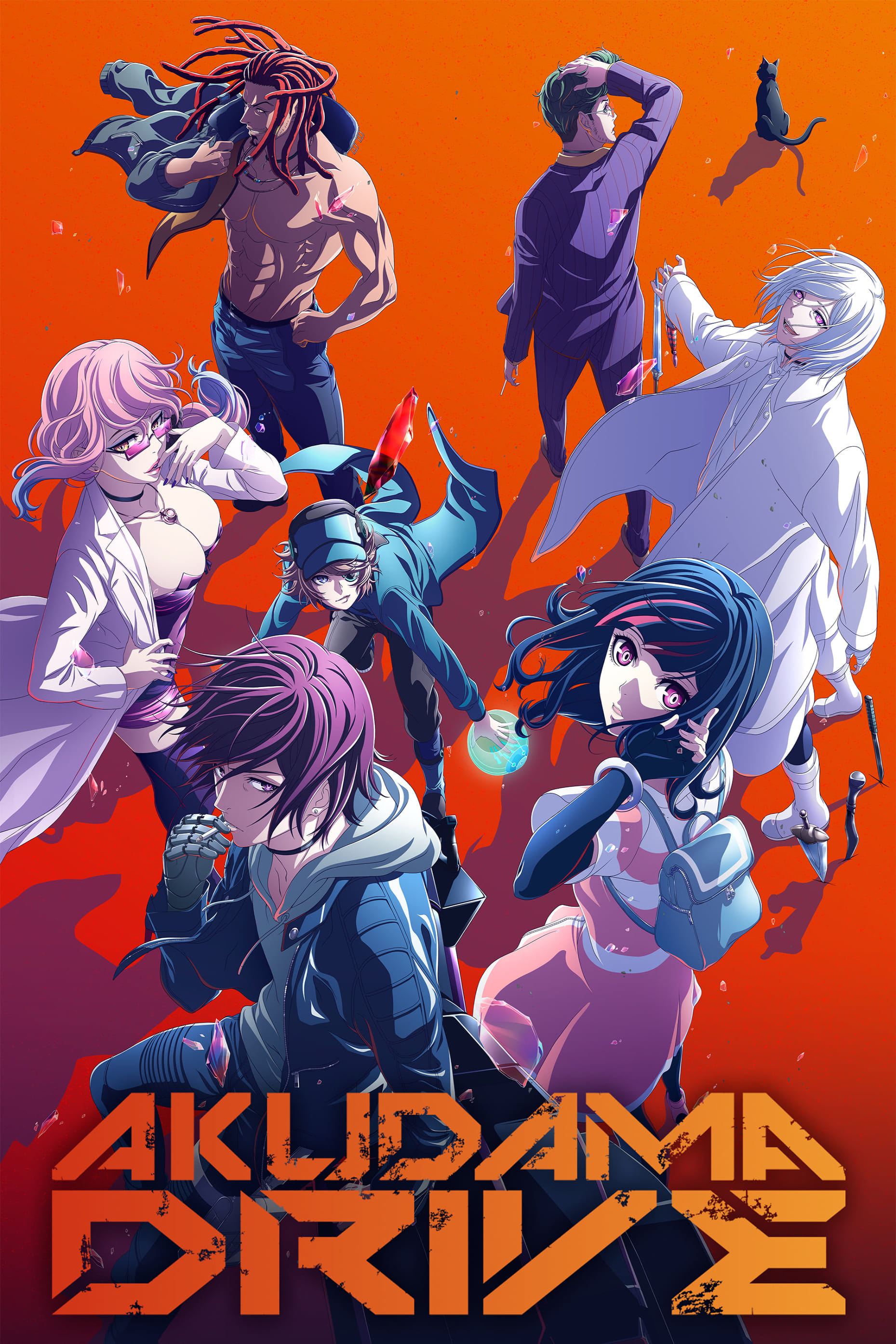
In a cyberpunk Kansai, notorious criminals accept high-risk courier jobs that escalate into a large conspiracy. Studio Pierrot and Too Kyo Games developed the original concept, with episode missions structured like heists. The worldbuilding explains corporate-state divisions, public transport systems, and bounty mechanisms. Character codenames reflect specialized roles that drive the operation flow each episode.
Share your favorite tight 12-episode picks—and any hidden gems we missed—in the comments!