


21 Times Gay Celebs Were Forced Back Into the Closet by Studios

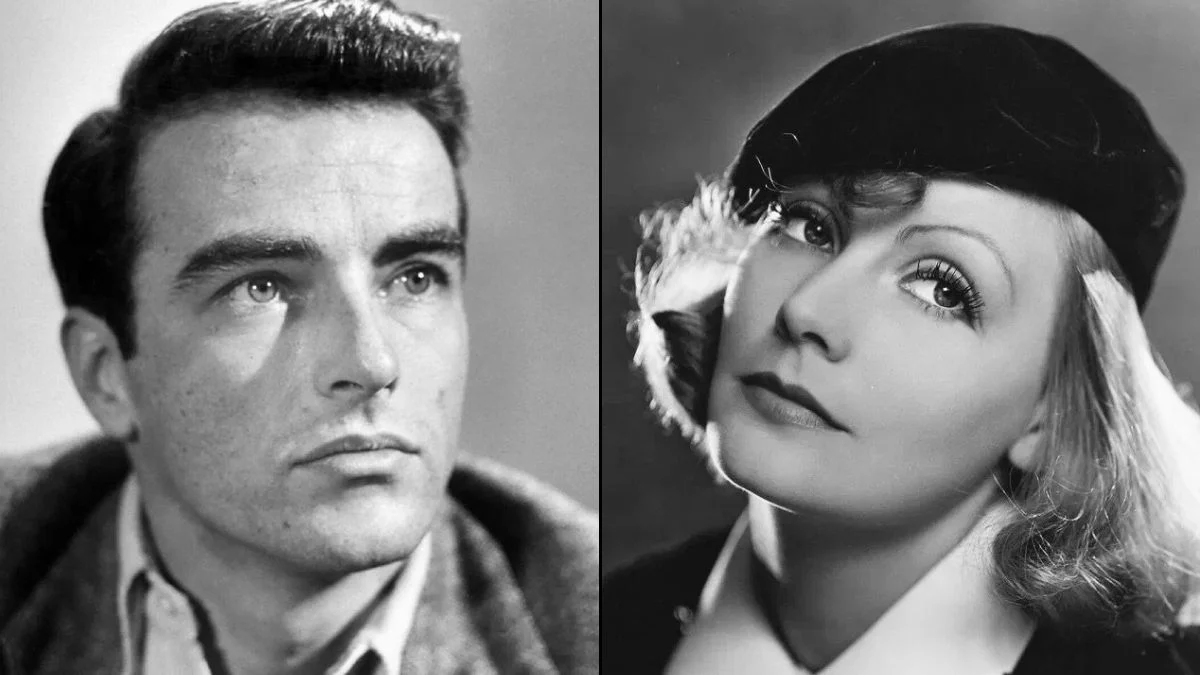


Hollywood’s studio system often controlled everything from an actor’s wardrobe to the stories printed about their personal lives, which meant many gay celebs were pressured to hide who they were in order to keep working. Publicists arranged fake dates, traded gossip with magazines, and created entire backstories to protect the image studios believed audiences demanded. These attempts to manage careers came with intense limitations on what stars could reveal. The examples below reflect moments when the system pushed people into silence while shaping the public versions of their lives.
Rock Hudson
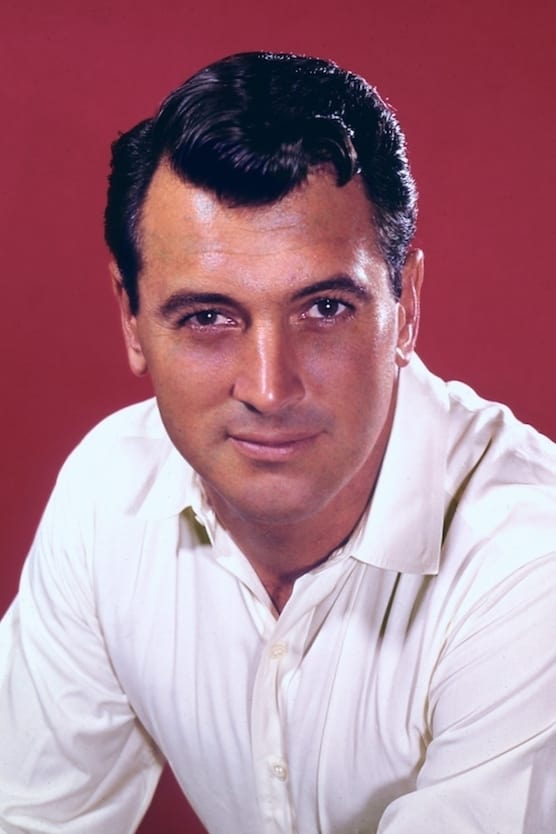
Rock Hudson’s studio arranged highly public dates with popular actresses whenever rumors began to circulate about his private life. Publicists stepped in and created a carefully controlled persona that kept his relationships with men completely hidden. At one point they even negotiated with a scandal magazine to bury a story that might have exposed him. This elaborate system helped maintain his status as a dependable leading man while protecting the studio’s interests.
Tab Hunter
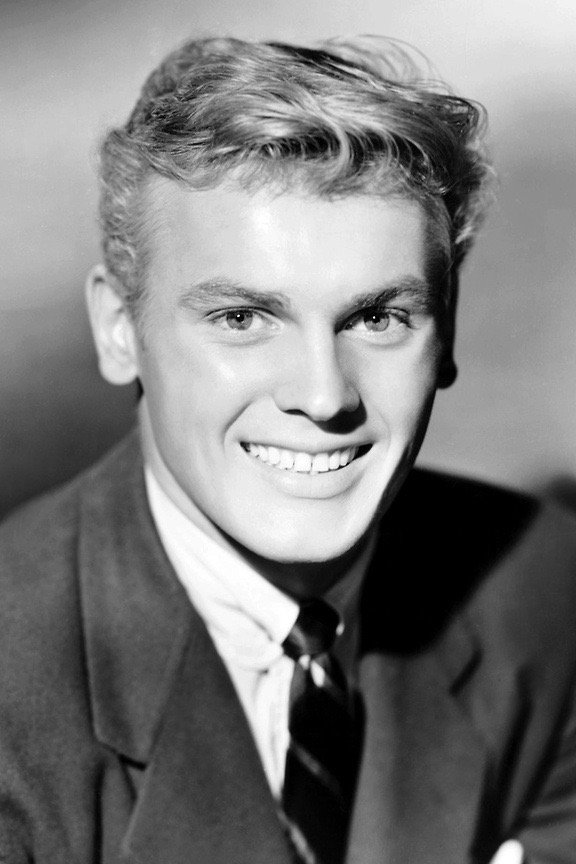
Tab Hunter was pushed into a long string of staged outings with Natalie Wood to keep fans focused on an image that felt safe to the studio. After his arrest at a private gathering threatened to attract attention to his personal life, the studio worked behind the scenes to make the incident disappear. Publicists routinely assigned him to attend events with women to counter rumors. These choices kept his career on track while limiting what he could share publicly.
Raymond Burr
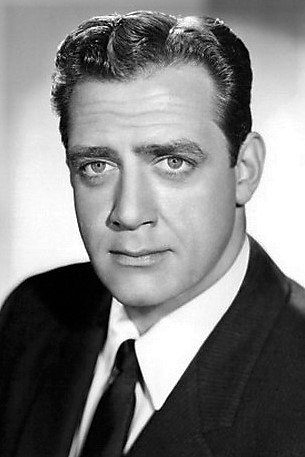
Raymond Burr’s studio crafted detailed stories about tragic romances with women to direct attention away from his long term relationships with men. Publicists released accounts of fiancées and wives who supposedly passed away, even though these relationships never existed. Interviews were tightly controlled so he would not face questions that conflicted with those narratives. This approach created a public persona that aligned with what the industry expected from a leading actor.
Anthony Perkins
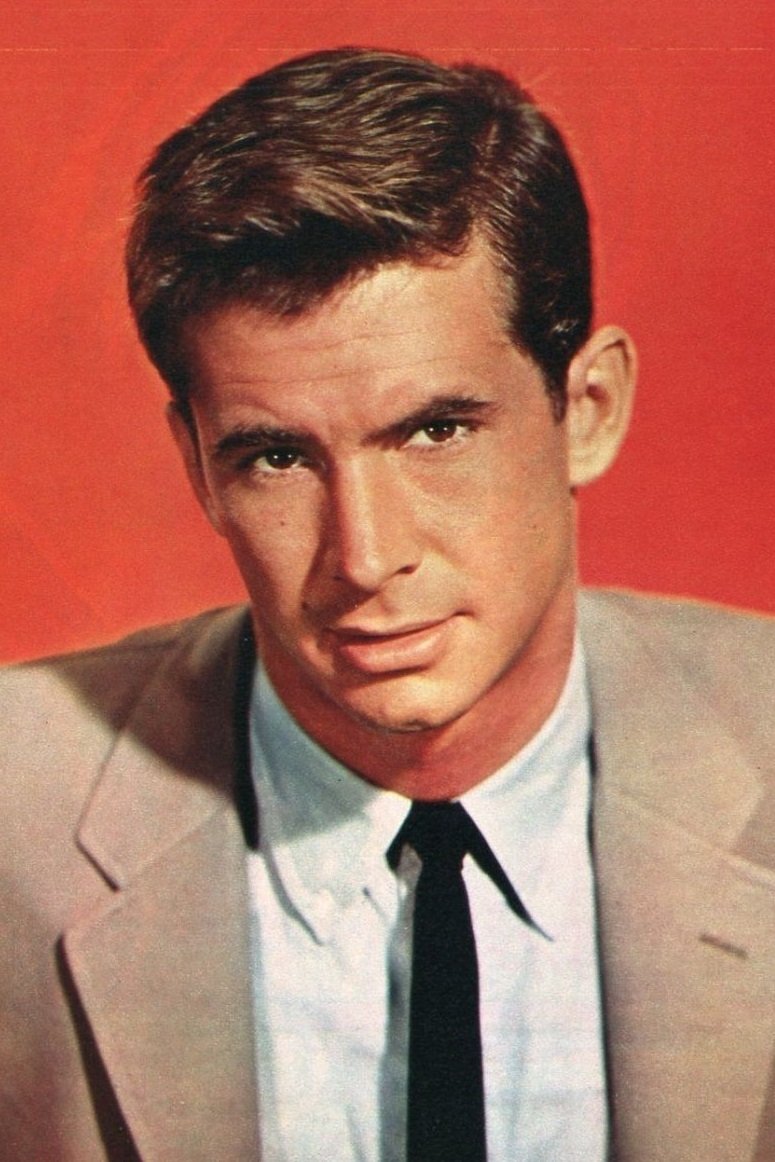
Anthony Perkins faced pressure to appear at public events with actresses when his studio worried that stories about his private life might impact his rising career. Handlers steered him into highly visible dates that supported the romantic image they wanted audiences to believe. While he was quietly in a relationship with Tab Hunter, the studio kept that part of his life far from the press. This system shaped everything from promotional tours to magazine features.
Sal Mineo
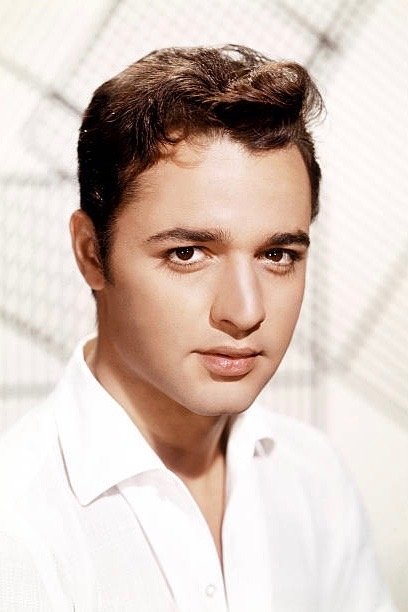
Sal Mineo’s studio carefully controlled access to him whenever tabloids hinted at questions about his relationships. Publicists arranged public appearances with women in an effort to maintain his young heartthrob aura after his most famous roles. Interviews were planned to highlight work and avoid personal subjects. These tactics were used repeatedly to protect the version of him that the studio considered marketable.
Ramon Novarro
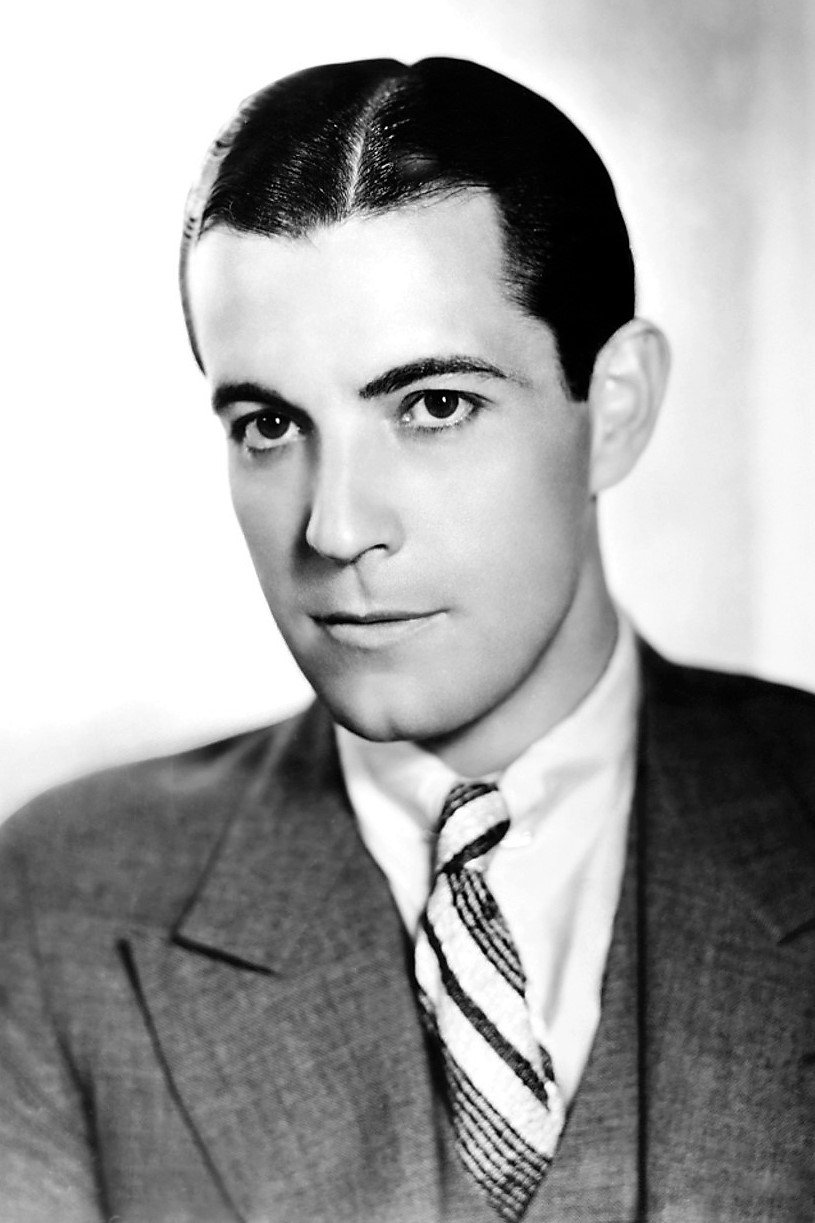
Ramon Novarro had his relationships with men actively concealed by publicists who believed his fanbase expected a traditional leading man image. Whenever reporters asked about his personal life, the studio pushed stories linking him romantically with well known actresses. Press agents redirected coverage to maintain his status as an international star. This constant management kept his private world firmly out of public conversation.
William Haines
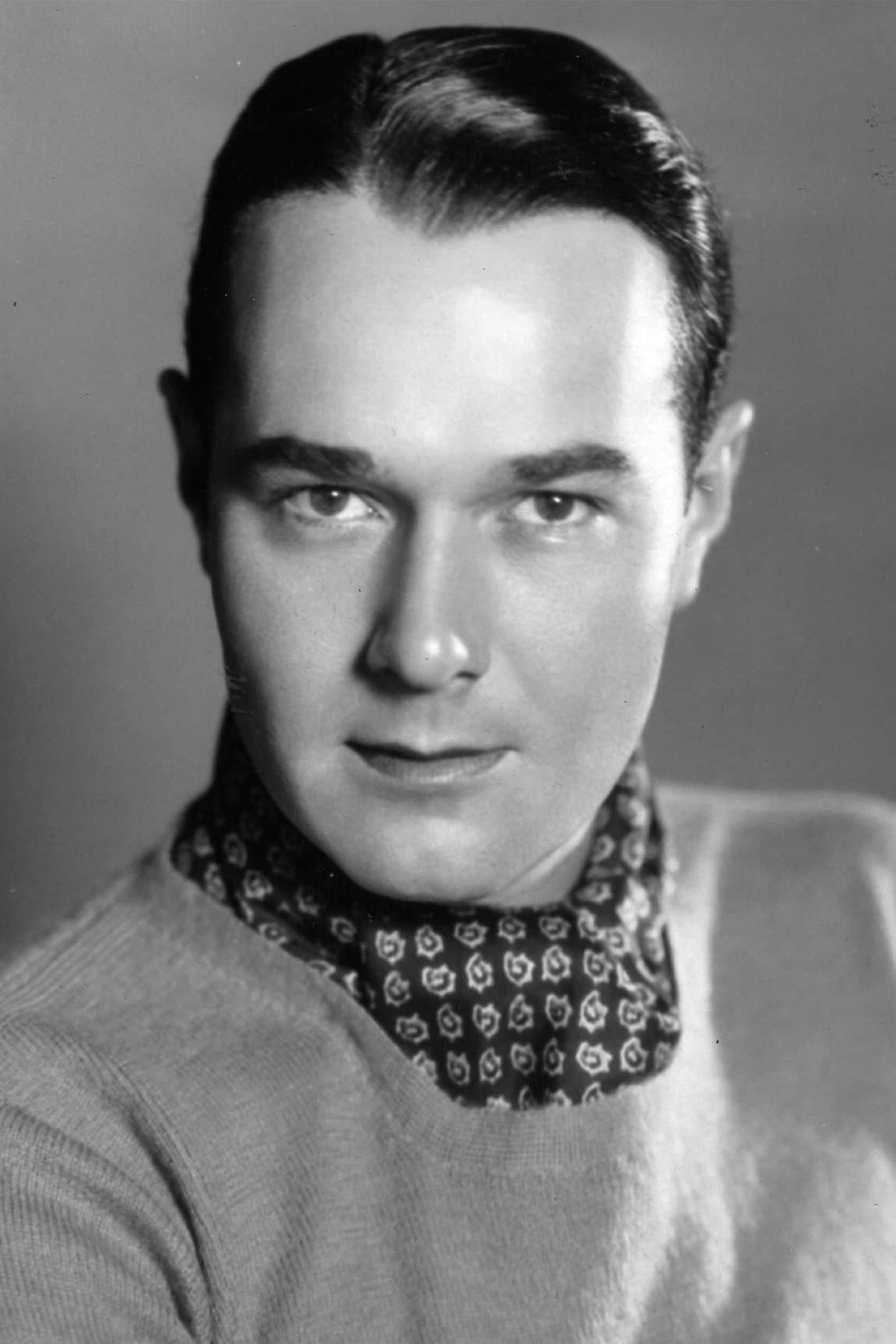
William Haines was pressured by executives to end his relationship and enter a marriage that fit the studio’s expectations. When he refused, the studio withdrew its support and ended his leading man career. Publicists had spent years trying to control the narrative around him before that moment. His experience became one of the clearest examples of how far studios went to maintain control over personal image.
Barbara Stanwyck
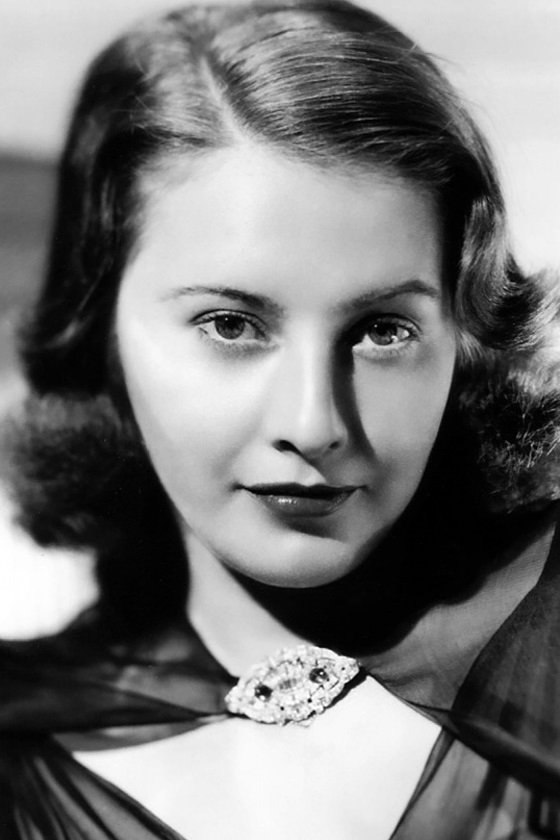
Barbara Stanwyck’s studio team continuously shaped stories about her relationships to keep rumors from shifting public perception. Publicists routinely paired her with male co stars for magazine features and photo ops that aligned with the studio’s plans for her career. Any discussion that hinted at her close relationships with women was quietly discouraged in interviews. This approach helped maintain the persona the studio felt audiences expected from her.
Greta Garbo
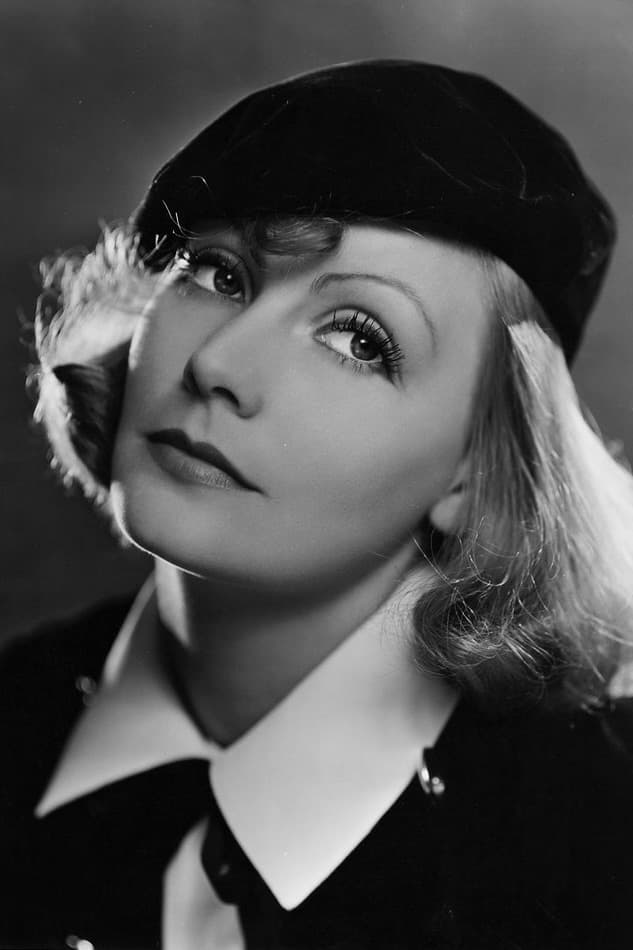
Greta Garbo’s studio maintained tight control of her public life and kept questions about her relationships away from reporters. Publicists managed her interviews to avoid discussion of her private connections with women. Stories about her romantic life were shaped to create a sense of mystery rather than accuracy. This carefully designed image supported her status as one of the era’s most iconic stars.
Marlene Dietrich
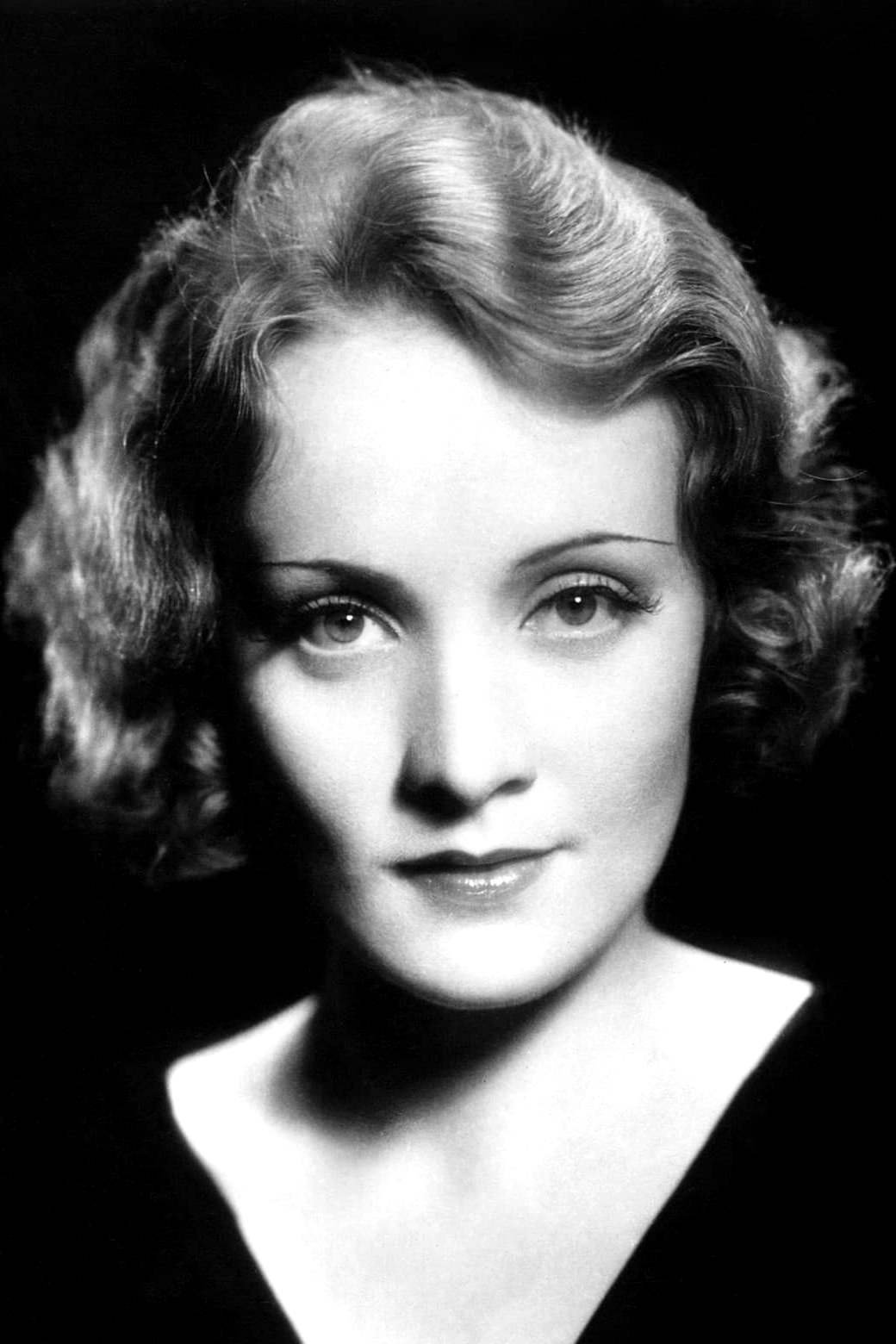
Marlene Dietrich’s relationships with women were kept far from the press through a combination of studio pressure and selective publicity. When journalists grew curious about her personal life, publicists redirected attention to her glamorous fashion or her work on screen. Studio handlers focused on reinforcing her alluring persona instead of acknowledging her actual relationships. This method helped the studio preserve the image they believed audiences wanted.
Clifton Webb
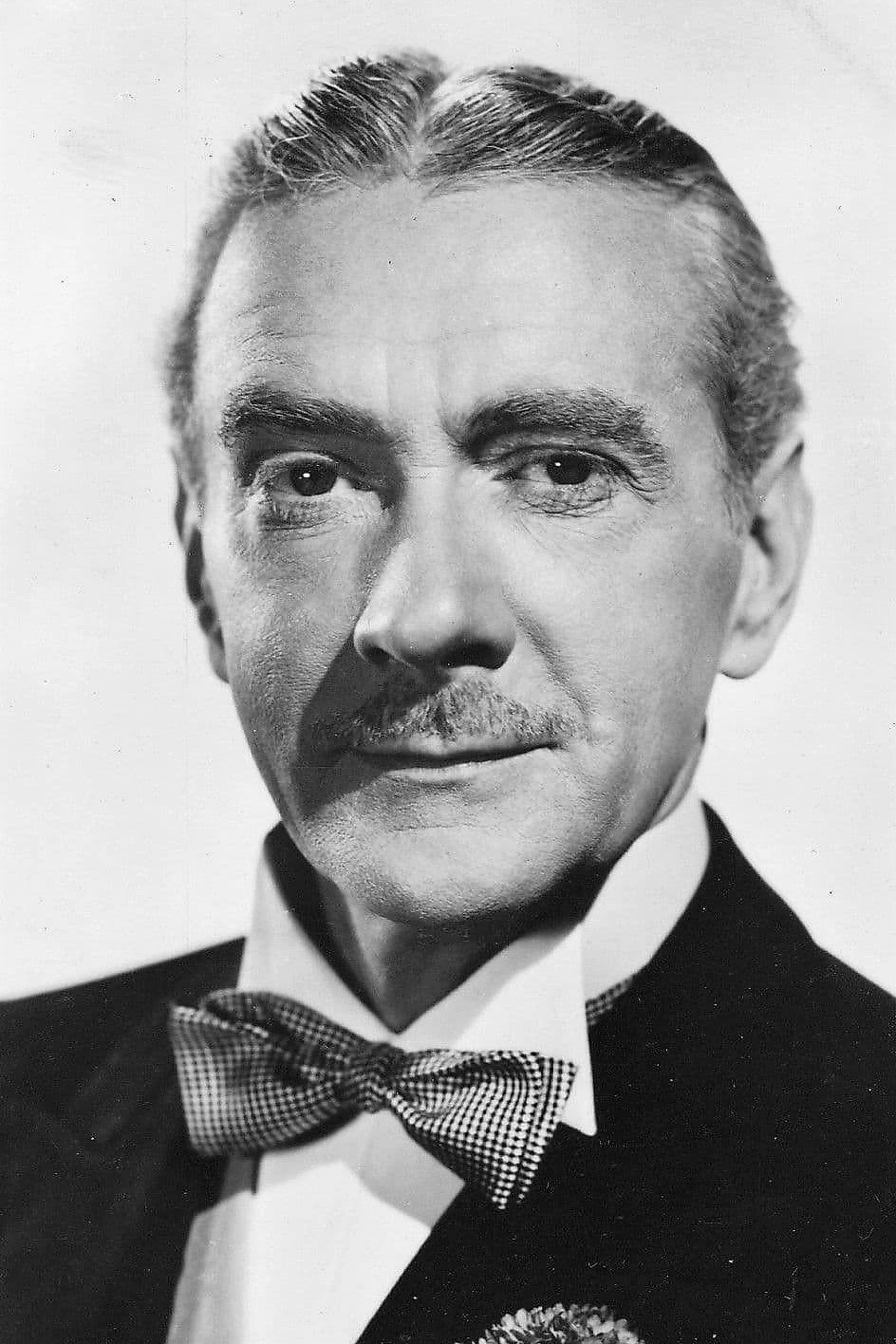
Clifton Webb lived openly among his friends and colleagues, yet his studio prevented that openness from reaching the public. Publicists guided interviews toward his elegant onscreen roles and avoided any questions that touched on romance. Magazine profiles highlighted his refined lifestyle rather than personal details. These choices created a version of him that fit the expectations of the era.
Charles Laughton
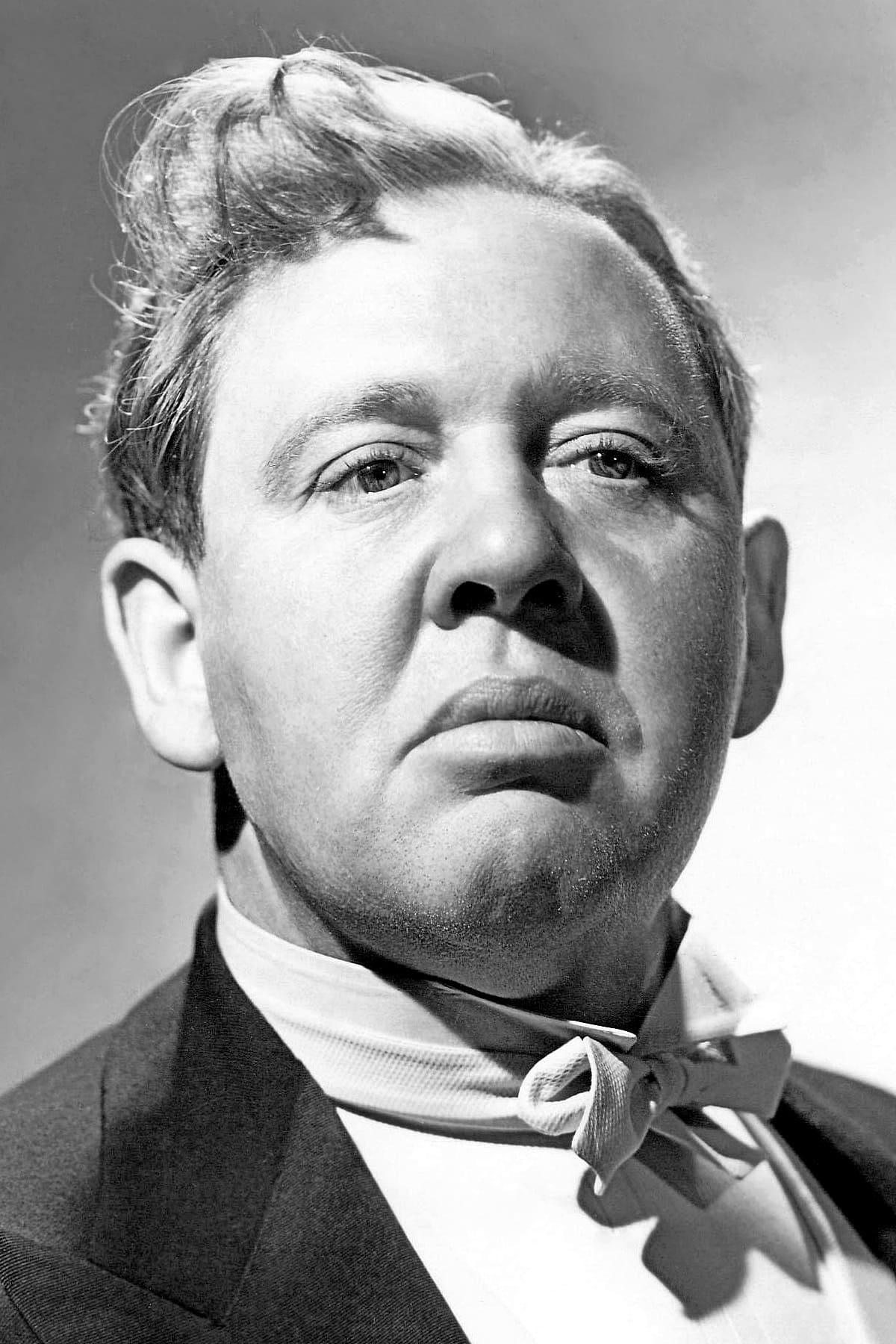
Charles Laughton’s long term relationships with men were kept out of the press through coordinated efforts by his studio and publicists. Interviews focused on his stage work and awards so fans would not look too closely at his personal life. His marriage to Elsa Lanchester functioned as a protective public partnership that allowed him to avoid scrutiny. This setup ensured his career continued without conflict from outside attention.
Montgomery Clift

Montgomery Clift’s studio closely monitored his relationships and carefully shaped stories about his private life to maintain a marketable image. Publicists arranged friendly outings with actresses so reporters would focus on his social circle rather than his real romantic partners. Interviews emphasized his dedication to work and avoided personal questions. These tactics shielded him from scrutiny while keeping his career in line with studio expectations.
Cary Grant
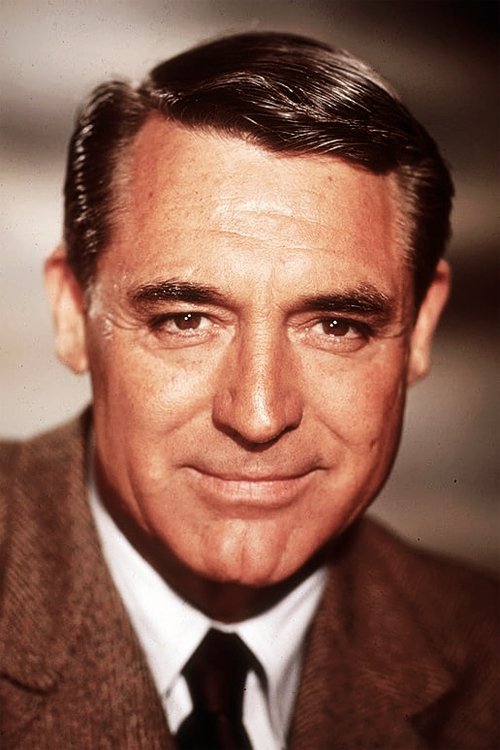
Cary Grant’s long partnership with Randolph Scott was kept out of public conversation through coordinated efforts between the studio and the gossip press. Publicists worked to suppress photos of the two living together and instead promoted stories linking Grant to actresses. Magazine features were crafted to highlight charming romances that fit his leading man persona. This approach created a controlled narrative that protected his career.
Spencer Tracy
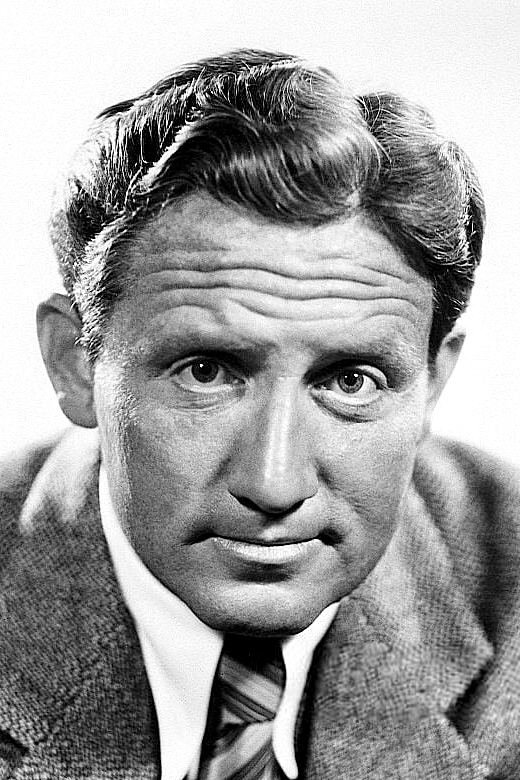
Spencer Tracy’s longtime relationship with Katharine Hepburn became a studio approved public pairing that kept attention away from his private life with men. Publicists used the relationship to reinforce a romantic image that audiences embraced. Interviews avoided personal matters and highlighted his professional achievements instead. This structure provided stable cover while protecting the studio’s investment in him.
Dirk Bogarde
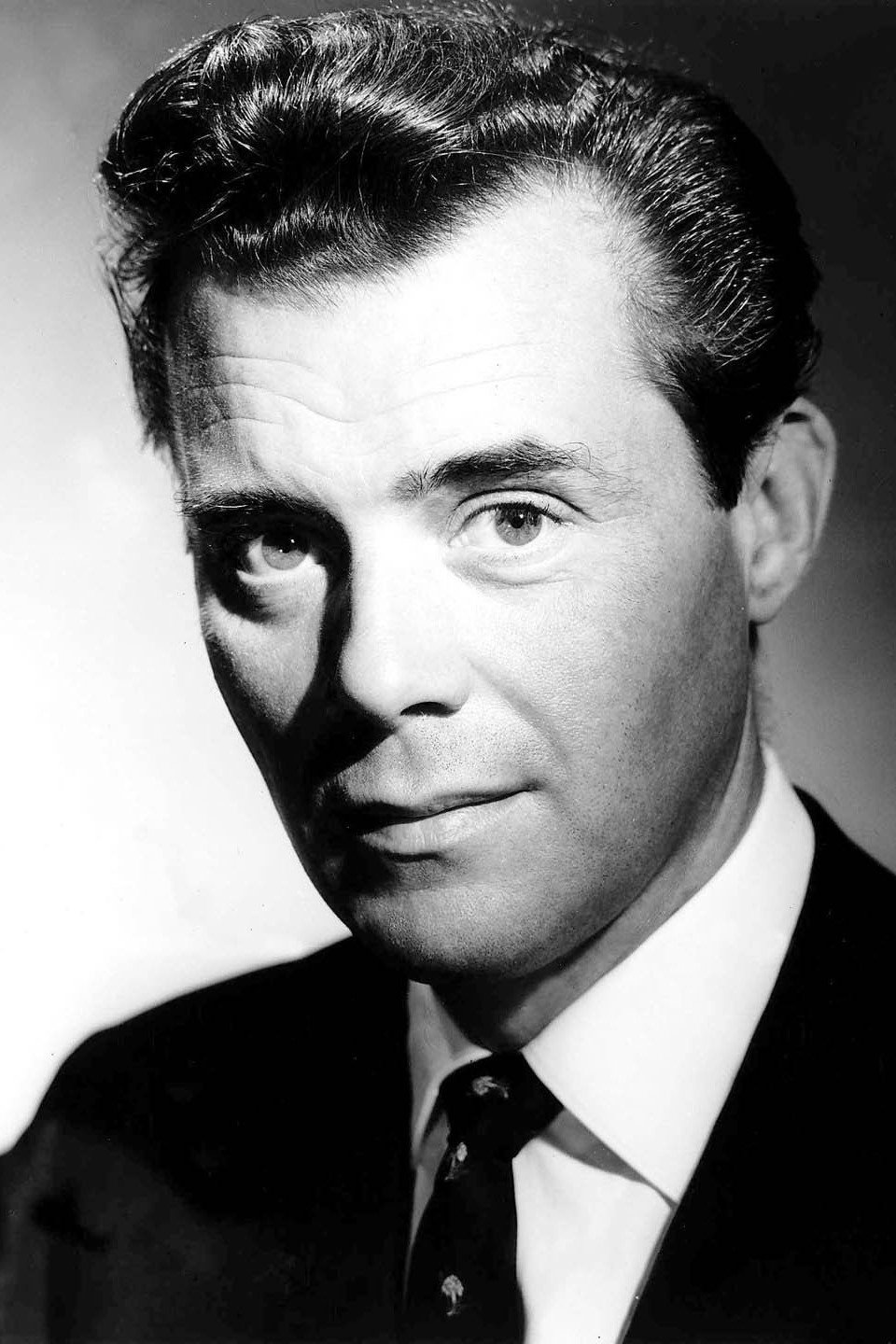
Dirk Bogarde faced pressure from his management to keep his long term same sex partnership out of the public eye. Publicists steered him into photo shoots that reinforced a conventional bachelor image. Interviews were edited to remove hints about his home life. These efforts kept attention away from anything that might complicate his standing as a major star.
Laurence Olivier
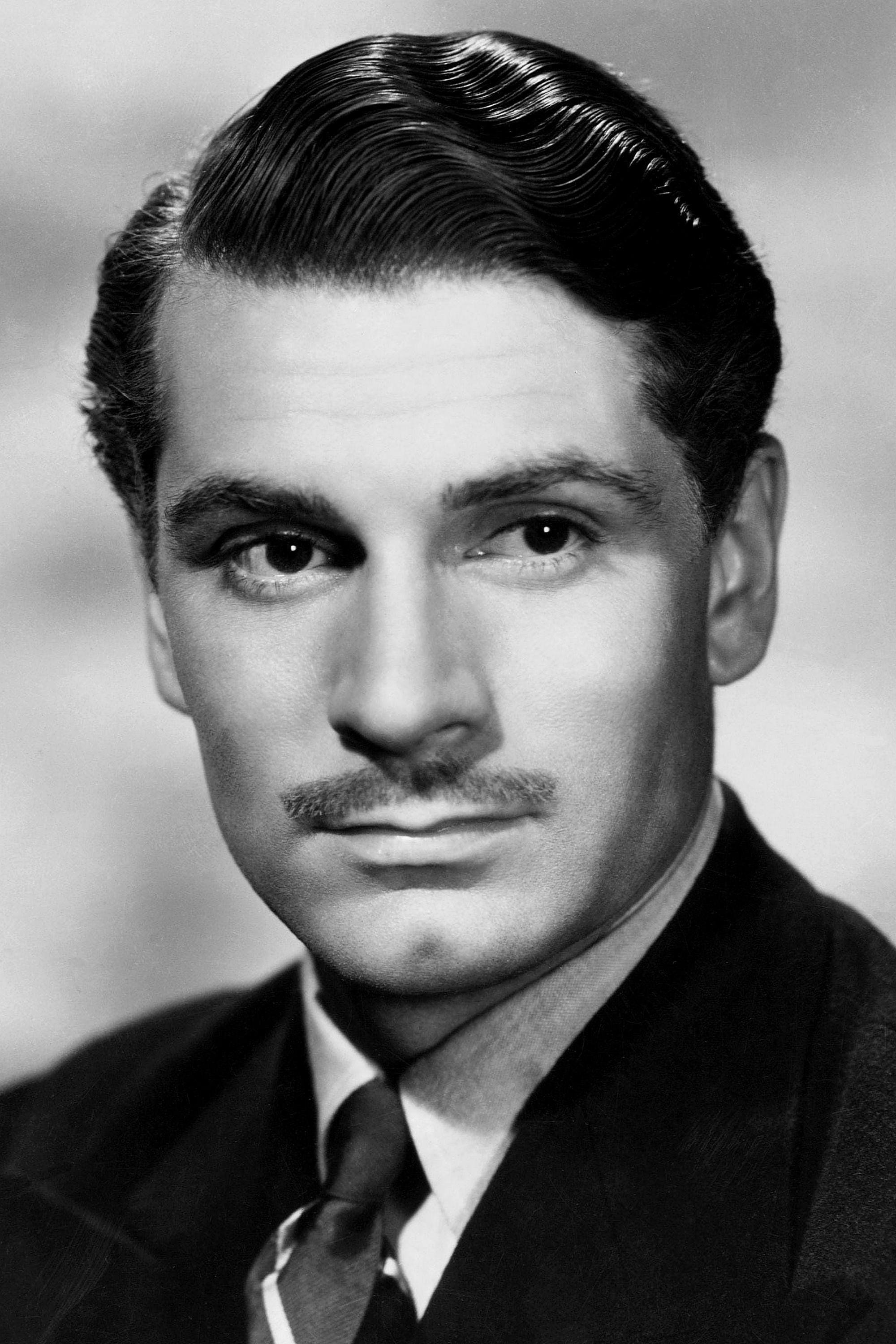
Laurence Olivier’s studio discouraged any press attention toward his relationships with men and amplified stories about his marriages. Publicists focused on framing his personal life around his well known partnerships with female stars. Interviews emphasized work, technique, and theatre to avoid sensitive subjects. This careful management maintained an image that aligned with industry expectations.
Cesar Romero
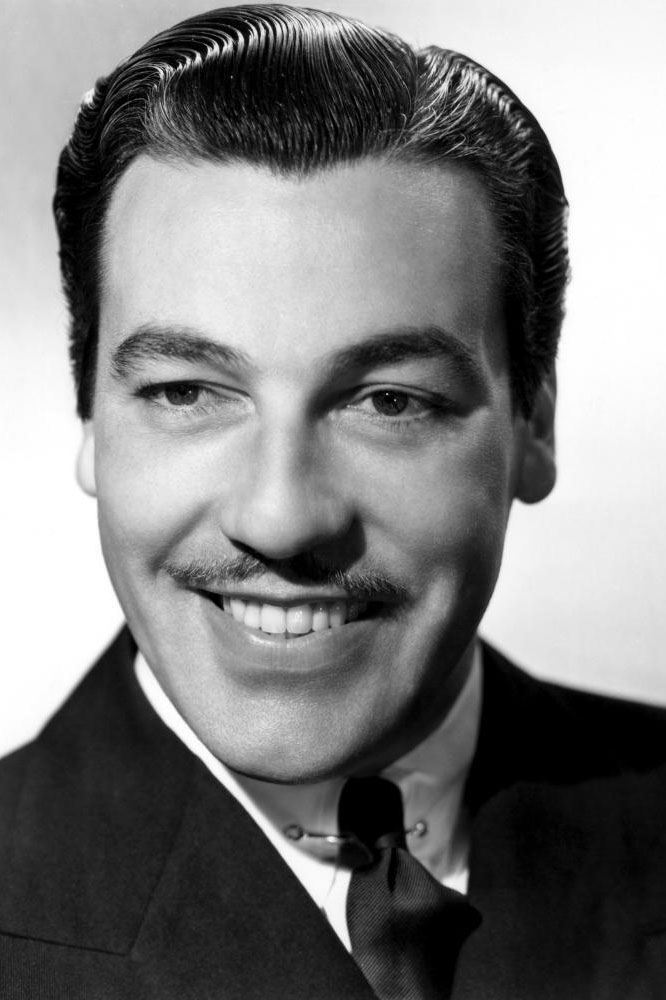
Cesar Romero’s public persona was shaped by publicists who kept his relationships with men private while arranging social appearances with actresses. Studio handlers made sure gossip columnists only received stories that reinforced his glamorous bachelor reputation. His interviews were tailored to avoid topics that might spark curiosity. This strategy allowed him to maintain steady roles without unwanted attention.
George Nader
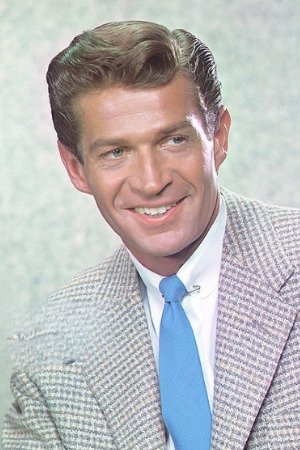
George Nader’s studio intervened repeatedly when tabloids threatened to publish stories about his private life. To protect him, publicists traded unrelated gossip to redirect attention away from him. They crafted press materials that focused solely on his career and stayed away from anything personal. These maneuvers helped him avoid public scrutiny, though they restricted what he could acknowledge.
Farley Granger
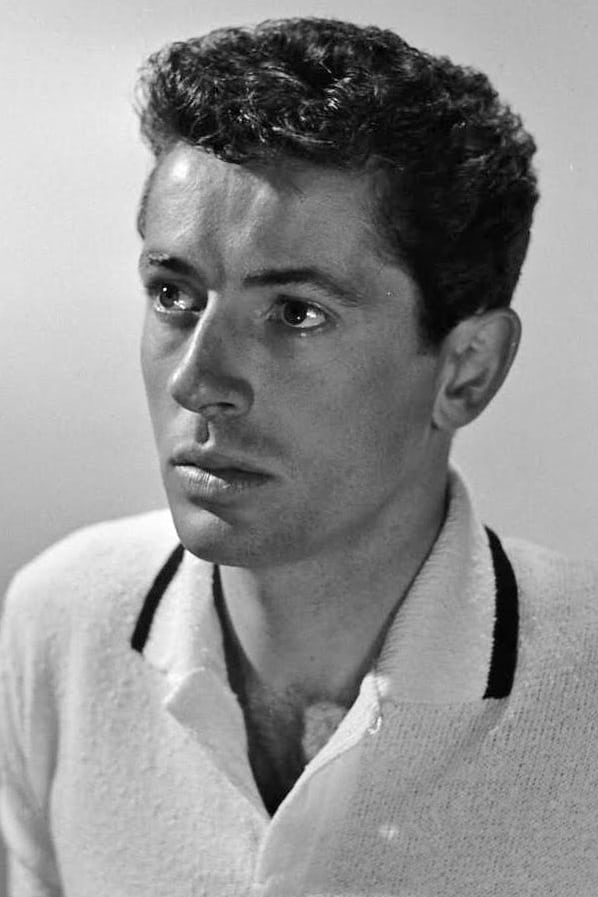
Farley Granger’s relationships with men were quietly omitted from his press coverage by studio publicity teams. He was guided into public appearances with actresses to reinforce the image expected of young leading men. Reporters were given pre approved topics to prevent difficult questions. This controlled environment shaped how audiences perceived him.
Leonard Frey
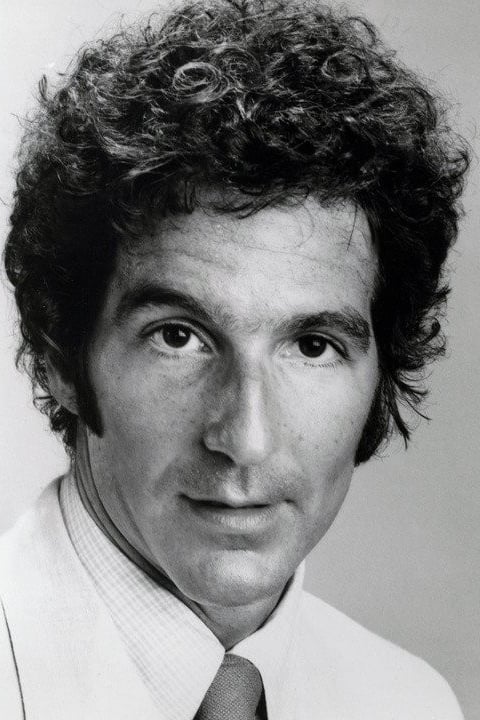
Leonard Frey worked in an environment where producers encouraged him to avoid discussing his private relationships. Interviews were arranged to focus on his acting process and humor rather than personal matters. Publicists discouraged journalists from digging into his life outside the spotlight. These efforts allowed him to maintain steady work while navigating an industry still resistant to honesty about orientation.
Share your thoughts about these stories in the comments.