


15 Times Hollywood’s Gender and Race Swaps Went Horribly Wrong



Hollywood loves to shake things up with remakes and reboots, often swapping the gender or race of iconic characters to bring fresh energy to familiar stories. These changes aim to reflect diversity or modernize classics, but they don’t always land well, sparking debates among fans and critics alike.
When done poorly, these swaps can feel forced, disrupt the story’s core, or alienate audiences who cherish the originals. Here are 15 times Hollywood’s attempts at gender and race swaps in movies and TV shows went wrong, leaving viewers frustrated or disappointed.
15. ‘The Hustle’ (2019)
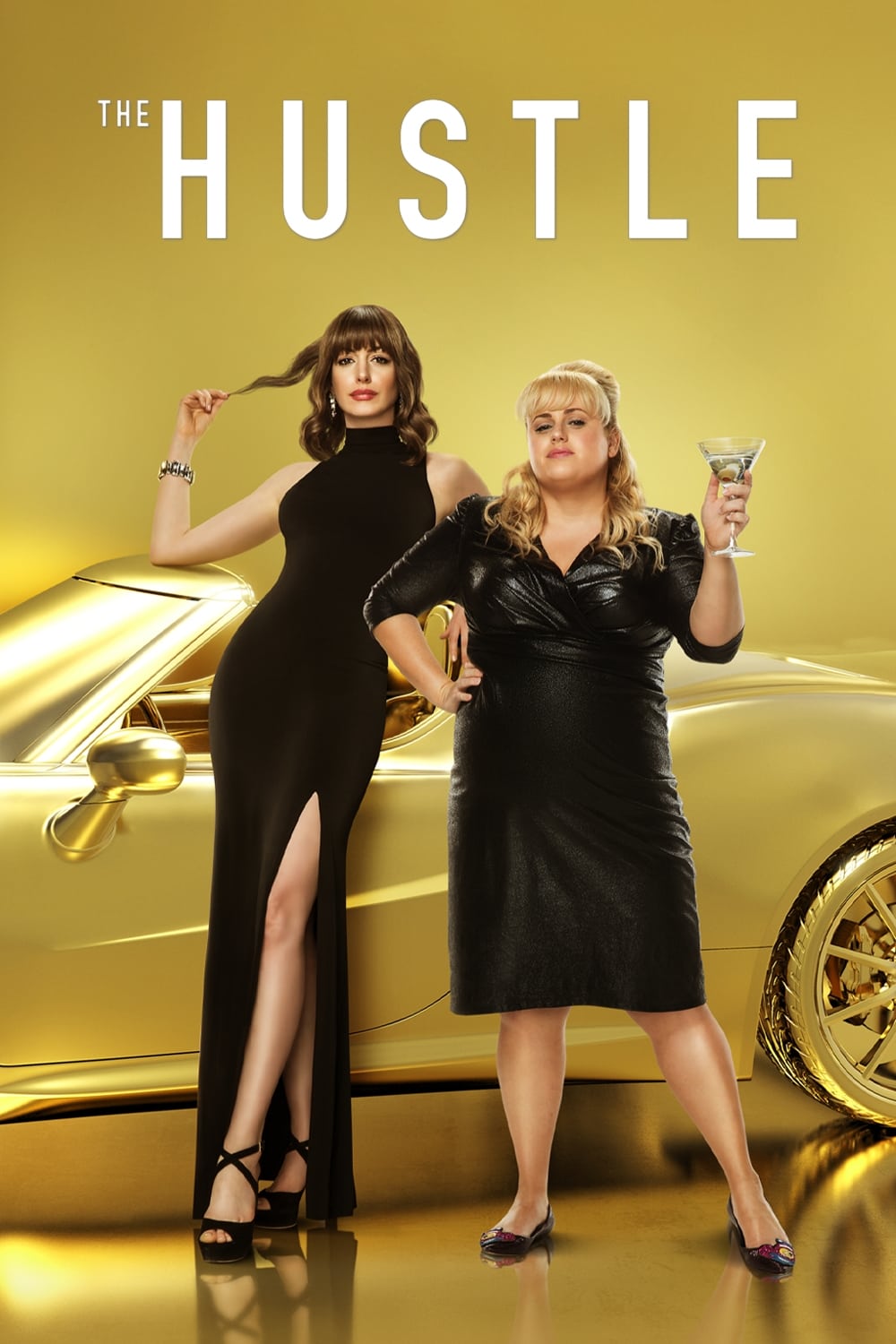
This comedy remake of ‘Dirty Rotten Scoundrels’ (1988) swapped the male leads for Anne Hathaway and Rebel Wilson as con artists. The original’s sharp wit and charm were replaced with a messy plot and flat humor that failed to capture the same magic.
Critics panned it for lazy writing and a lack of chemistry between the leads, making the gender swap feel like a gimmick. The movie earned $97 million but was slammed for not living up to the original’s cleverness. Fans felt it was a cash grab that didn’t justify the change.
14. ‘What Men Want’ (2019)
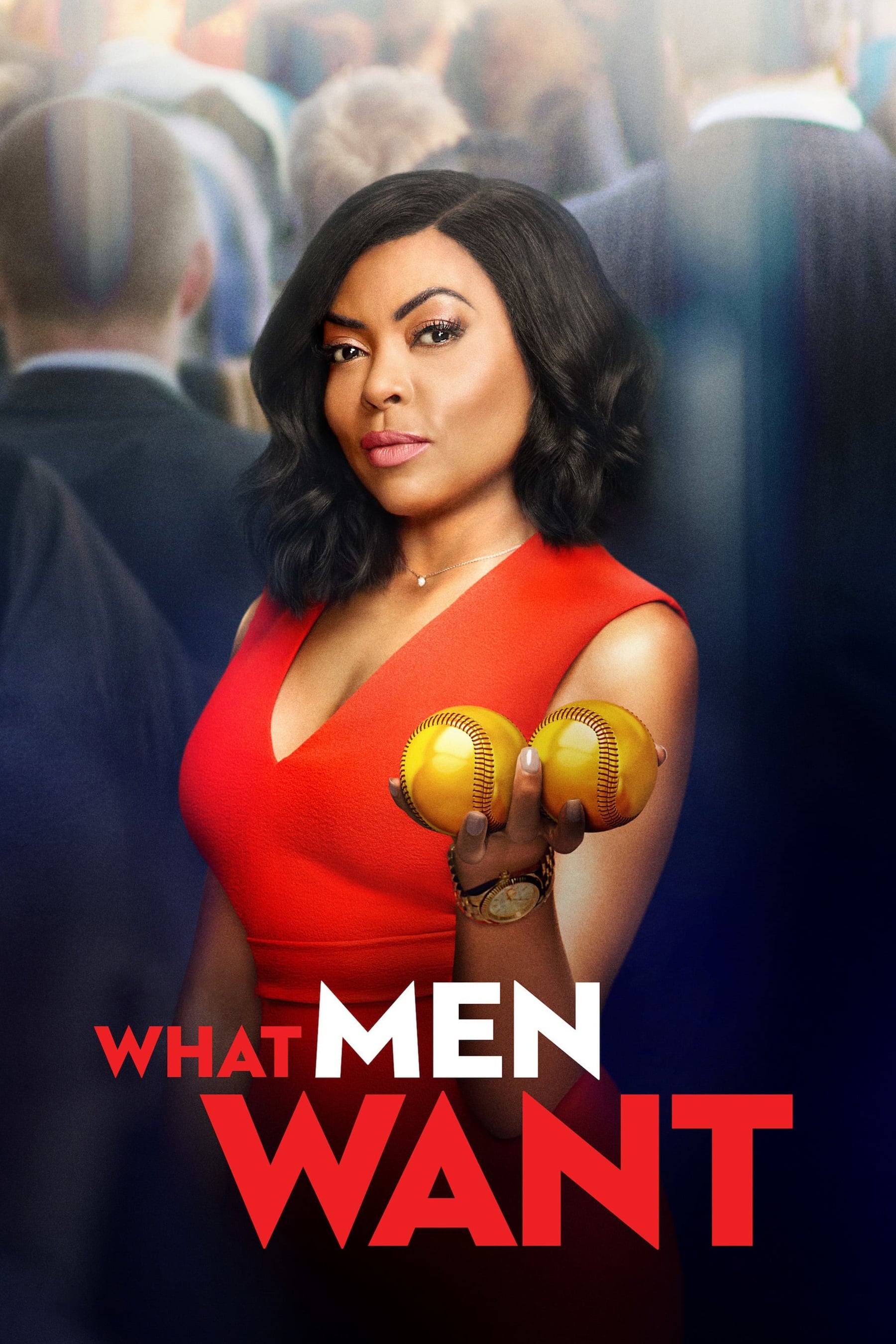
A gender-flipped take on ‘What Women Want’ (2000), this film cast Taraji P. Henson as a sports agent who gains the ability to hear men’s thoughts. The premise had potential, but the execution leaned on stereotypes about men, undermining the story’s depth.
The film struggled to balance comedy and social commentary, feeling like a watered-down version of the original. It grossed $72 million but was criticized for not exploring the gender swap in a meaningful way. Audiences wanted a fresh take, not a rehash with cliches.
13. ‘Ocean’s Eight’ (2018)
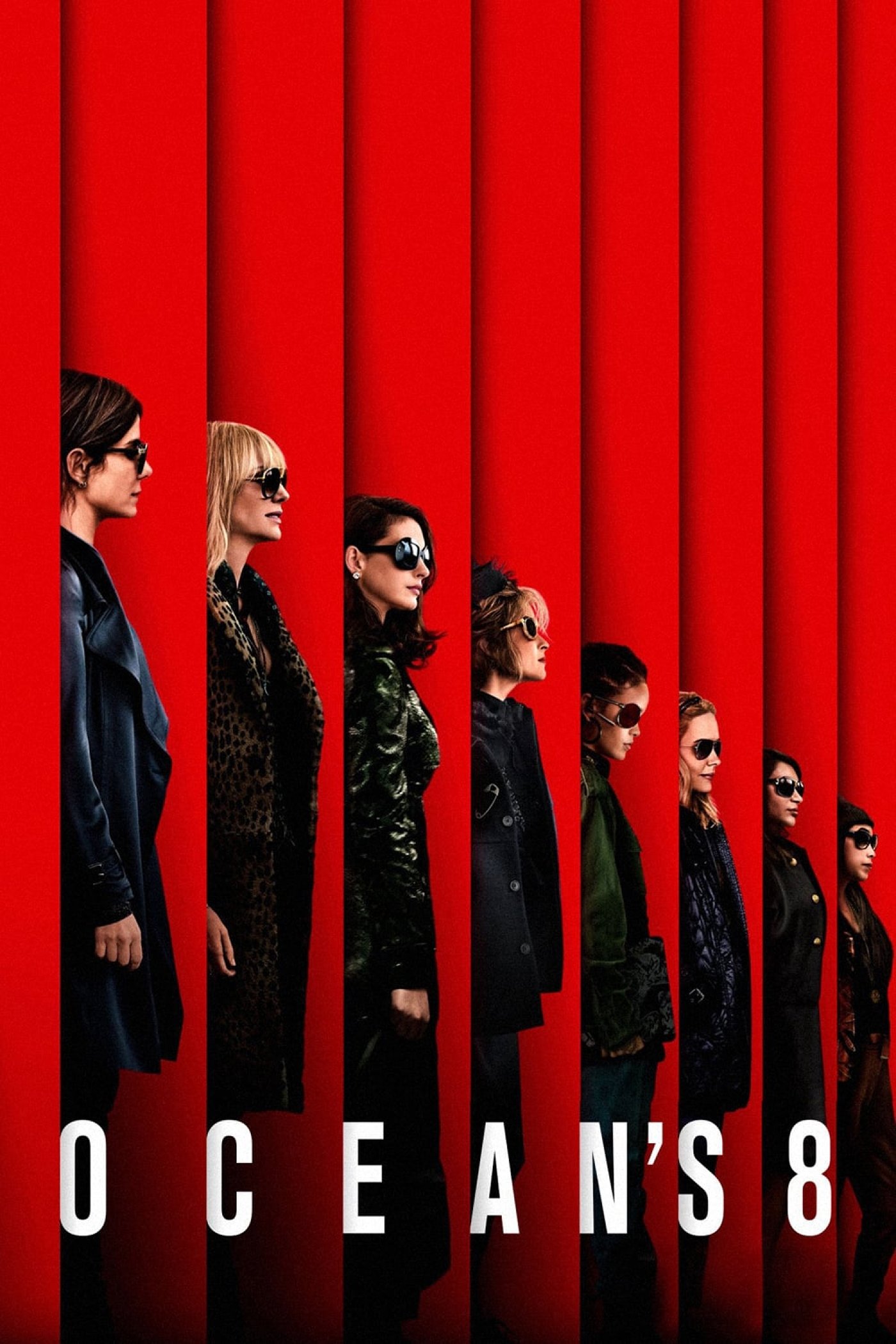
This female-led spin-off of ‘Ocean’s Eleven’ (2001) starred Sandra Bullock as Debbie Ocean, leading a heist crew. While the cast was stellar, the plot felt predictable and lacked the original’s slick pacing and tension.
The gender swap wasn’t the core issue, but the film’s reliance on familiar beats made it feel unnecessary. It earned over $200 million but disappointed fans expecting the same thrill. The talented ensemble couldn’t save a story that felt like a pale imitation.
12. ‘The Tempest’ (2010)
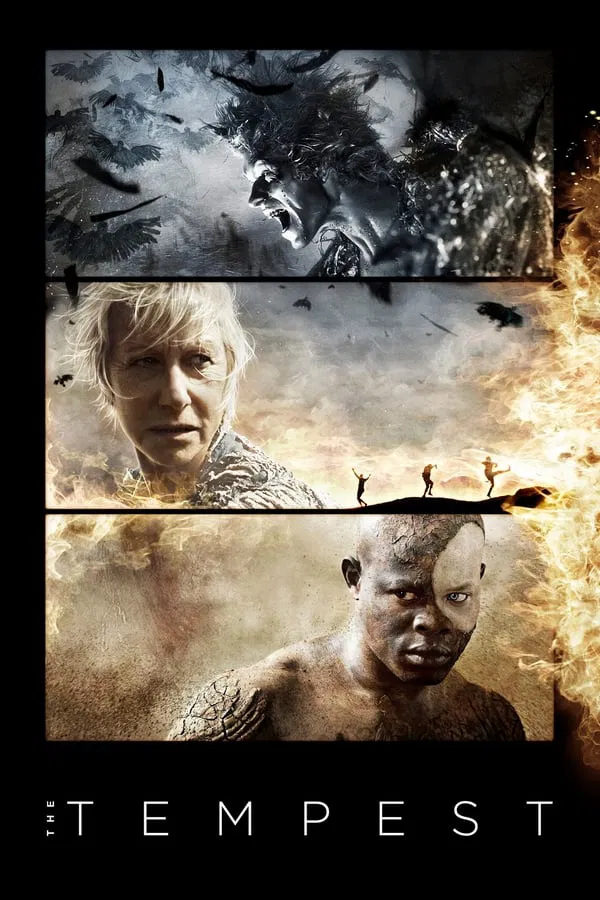
Shakespeare’s classic got a gender swap with Helen Mirren as Prospera, a female version of Prospero. Mirren’s performance was strong, but the film’s slow pacing and uneven tone failed to engage audiences.
The gender change didn’t add much to the story and felt like a creative choice without purpose. With a box office of just $350,000, it was a commercial flop. Even Mirren’s brilliance couldn’t lift the muddled adaptation.
11. ‘The Incredible Shrinking Woman’ (1981)
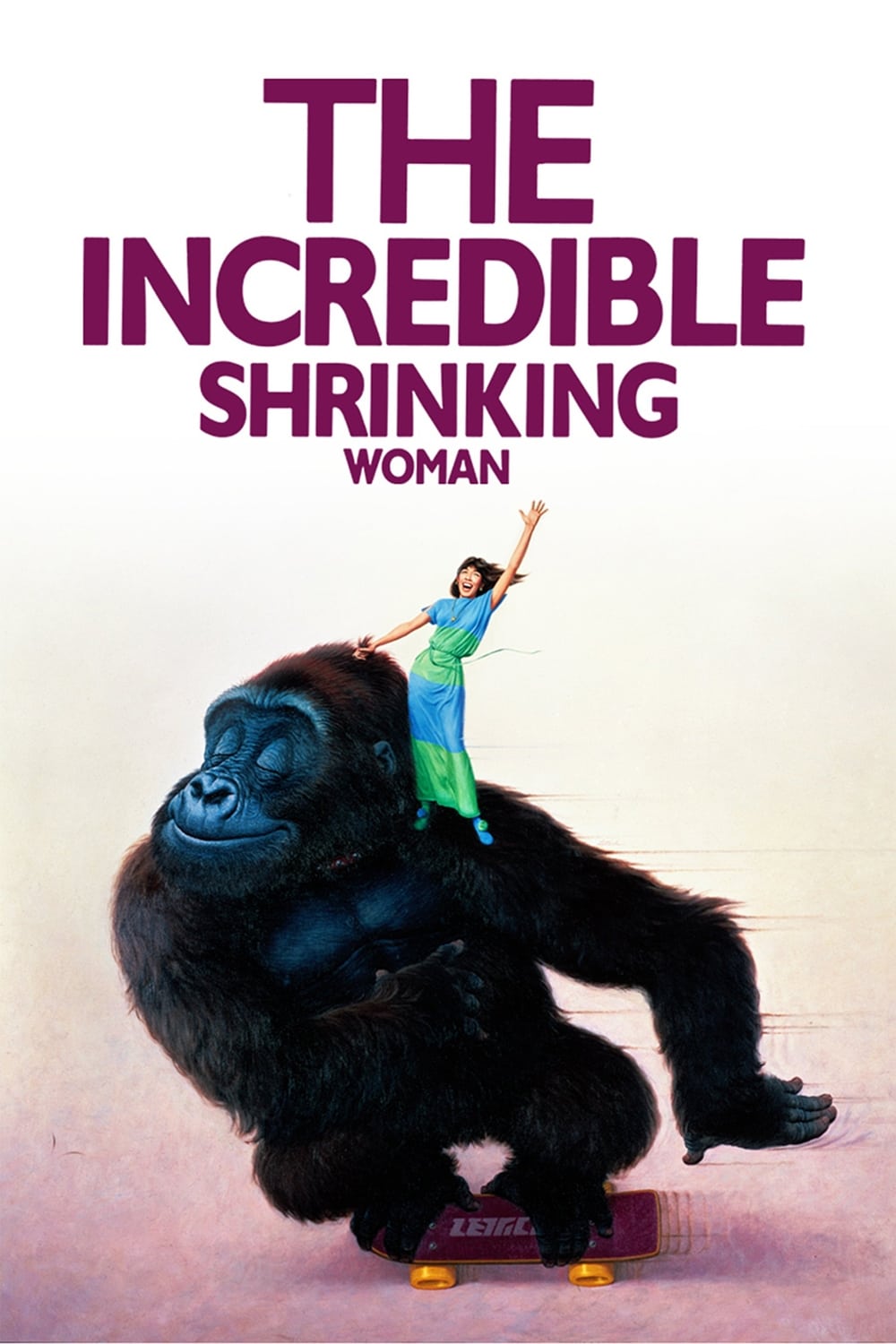
A gender-swapped remake of ‘The Incredible Shrinking Man’ (1957), this film starred Lily Tomlin in a comedic take on the sci-fi classic. The shift to parody diluted the original’s existential weight, turning it into a forgettable comedy.
The gender swap didn’t enhance the story, and the humor fell flat for many. It failed to resonate at the box office or with critics. Fans of the original felt it strayed too far from what made the first film compelling.
10. ‘Ghostbusters’ (2016)
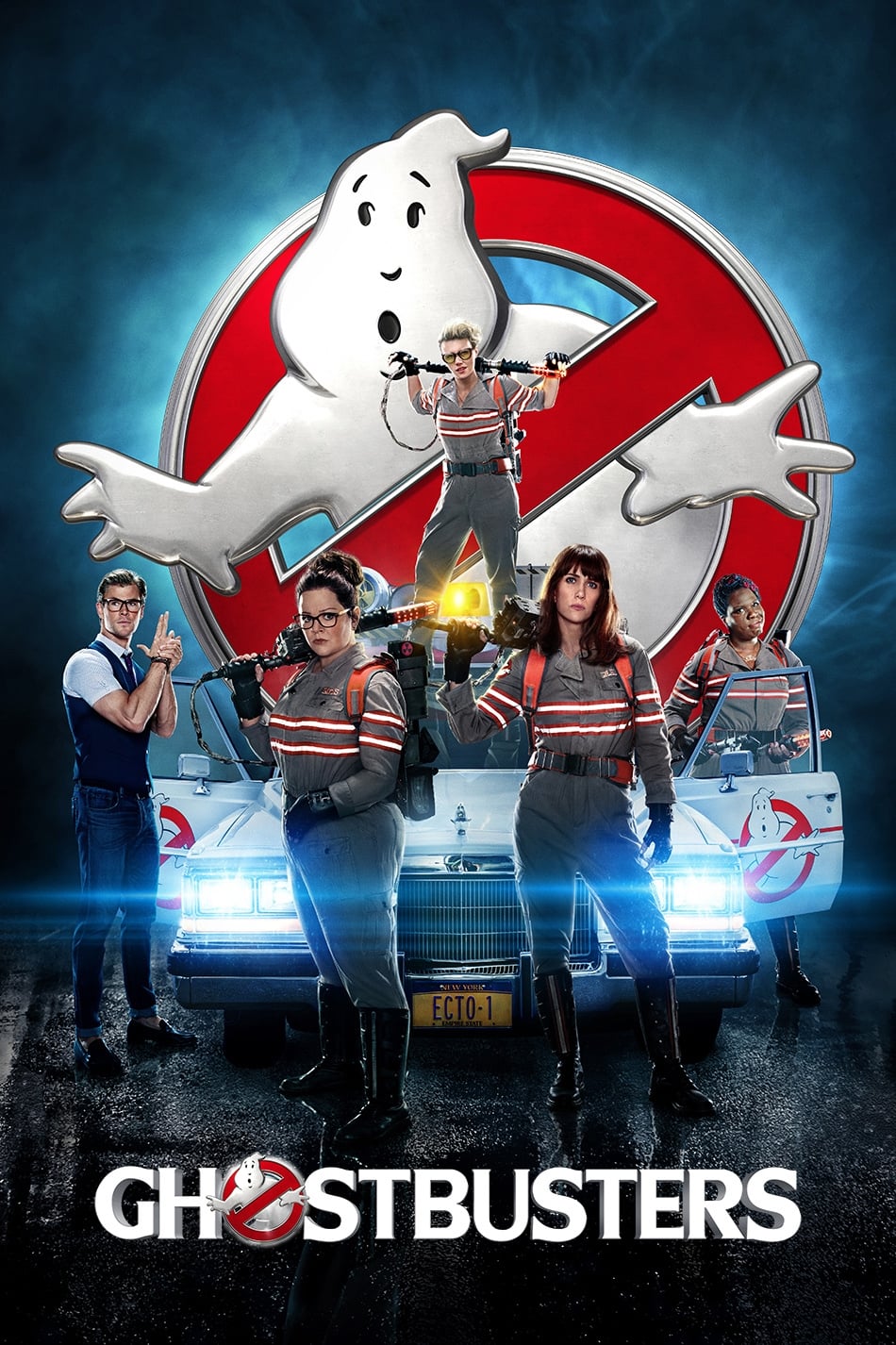
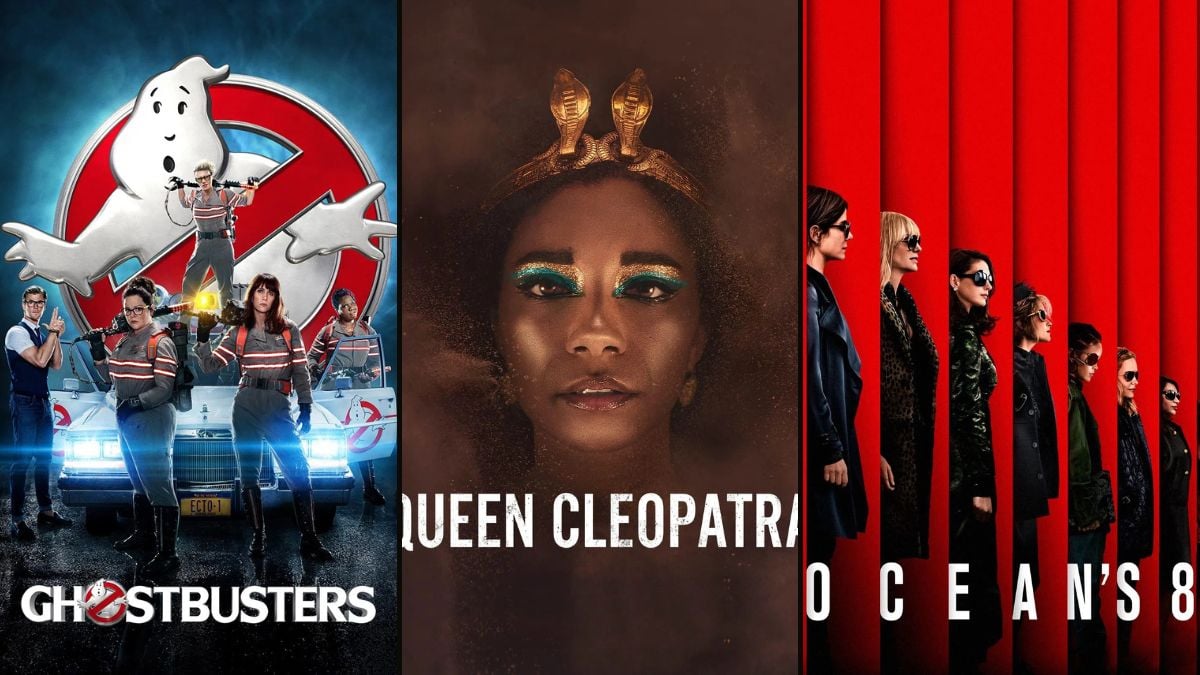
This all-female reboot of ‘Ghostbusters’ (1984) featured Kristen Wiig, Melissa McCarthy, Kate McKinnon, and Leslie Jones. The talented cast couldn’t overcome a weak script, lackluster jokes, and a backlash from fans who felt the gender swap was forced.
The film grossed $229 million but faced harsh criticism for not capturing the original’s charm. The controversy overshadowed the performances, leaving audiences divided. It felt more like a marketing stunt than a meaningful reimagining.
9. ‘The Last Airbender’ (2010)
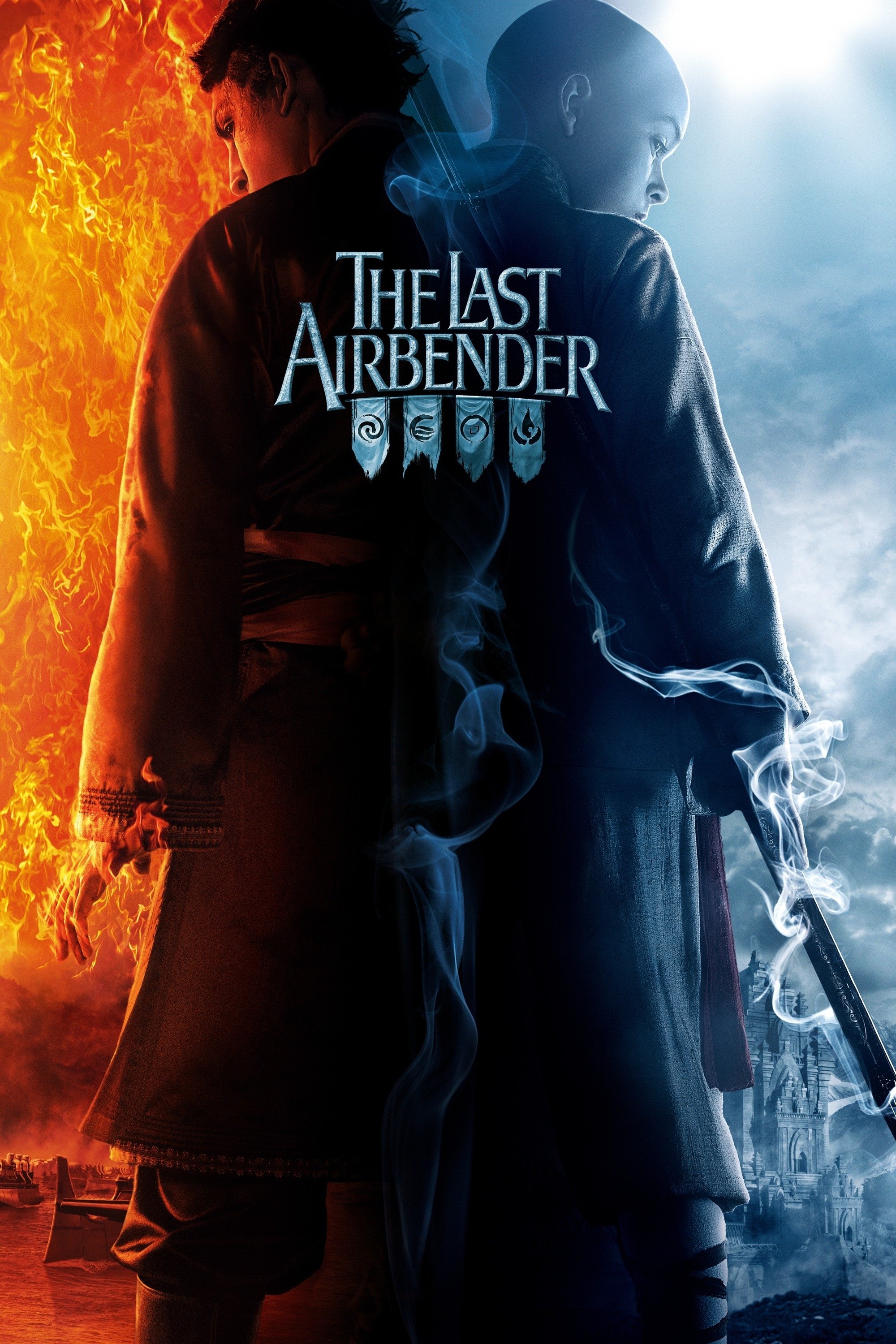
M. Night Shyamalan’s live-action adaptation of ‘Avatar: The Last Airbender’ (2005-2008) cast white actors like Noah Ringer as Aang, a character of East Asian descent, and others in roles coded as Inuit. This whitewashing sparked outrage for erasing the show’s cultural roots.
The film was panned for stiff acting, poor visuals, and a rushed story, grossing $319 million but failing critically. Fans felt betrayed by the casting choices, which ignored the source material’s diversity. It remains a textbook case of race-swapping gone wrong.
8. ‘Prince of Persia: The Sands of Time’ (2010)
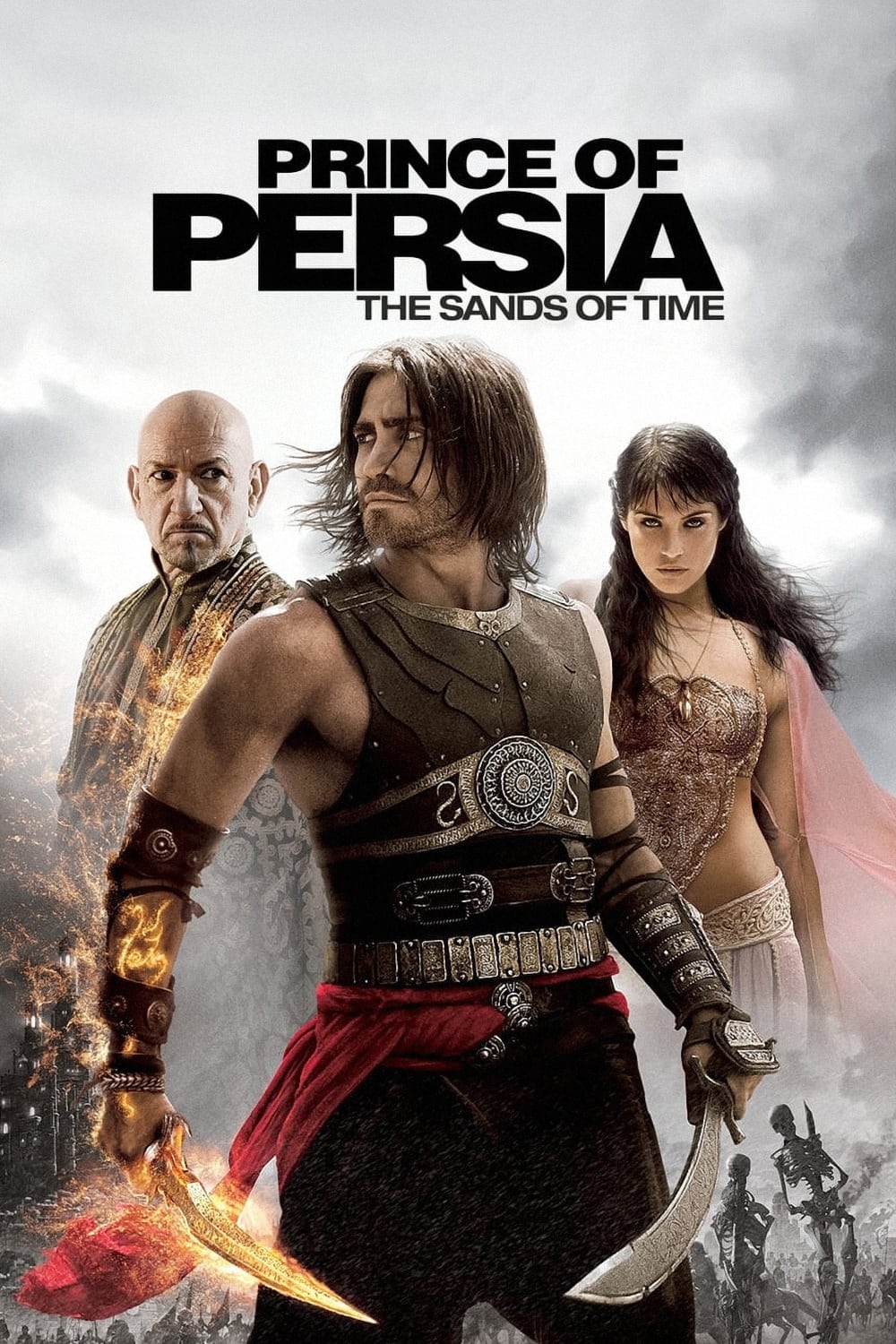
This adaptation of the video game cast Jake Gyllenhaal as the Persian prince Dastan, a choice criticized for whitewashing a Middle Eastern character. The film leaned on stereotypes and lacked cultural authenticity, disappointing fans of the game.
It earned $336 million but was slammed for its generic action and weak script. The casting felt like a missed opportunity to honor the story’s setting. Audiences wanted a hero who reflected the character’s heritage, not a Hollywood star.
7. ‘Ghost in the Shell’ (2017)
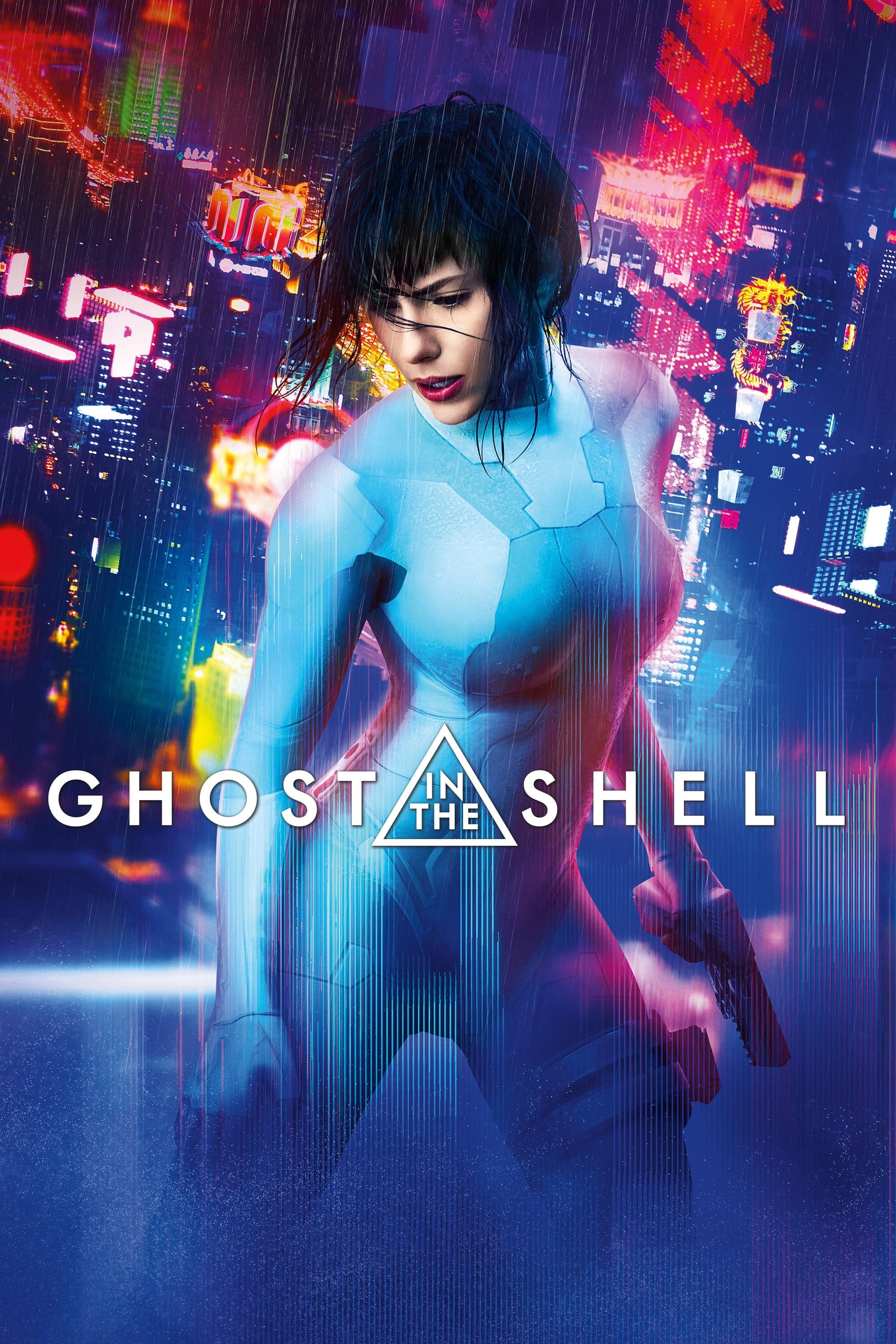
Scarlett Johansson’s casting as Motoko Kusanagi, a Japanese character from the manga, drew accusations of whitewashing. The film’s futuristic setting didn’t justify ignoring the story’s cultural context, alienating fans of the original.
With a $169 million box office and poor reviews, it failed to capture the anime’s depth. The controversy overshadowed the visuals, and the race swap felt like a lazy choice. Fans argued an Asian actress could have brought authenticity to the role.
6. ‘Queen Cleopatra’ (2023)
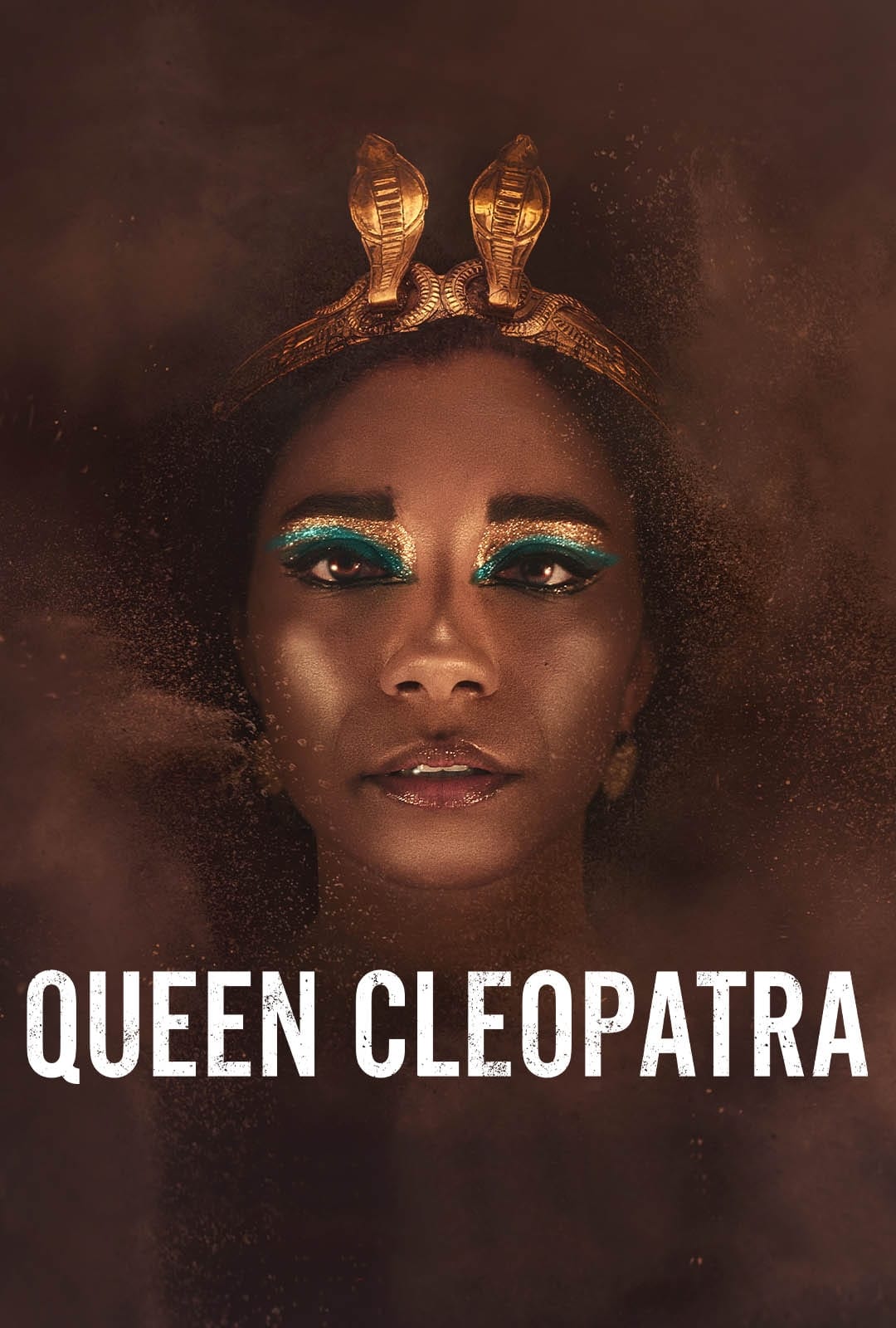
Netflix’s docuseries cast Adele James as Cleopatra, portraying the Macedonian queen as Black, which sparked debate over historical accuracy. Critics argued the choice ignored Cleopatra’s Greek heritage, turning the series into a lightning rod for controversy.
Viewers found the storytelling uneven and the casting divisive, overshadowing the production. The series aimed for inclusivity but stumbled by altering a historical figure’s identity. It left audiences questioning the balance between representation and fact.
5. ‘Anne Boleyn’ (2021)
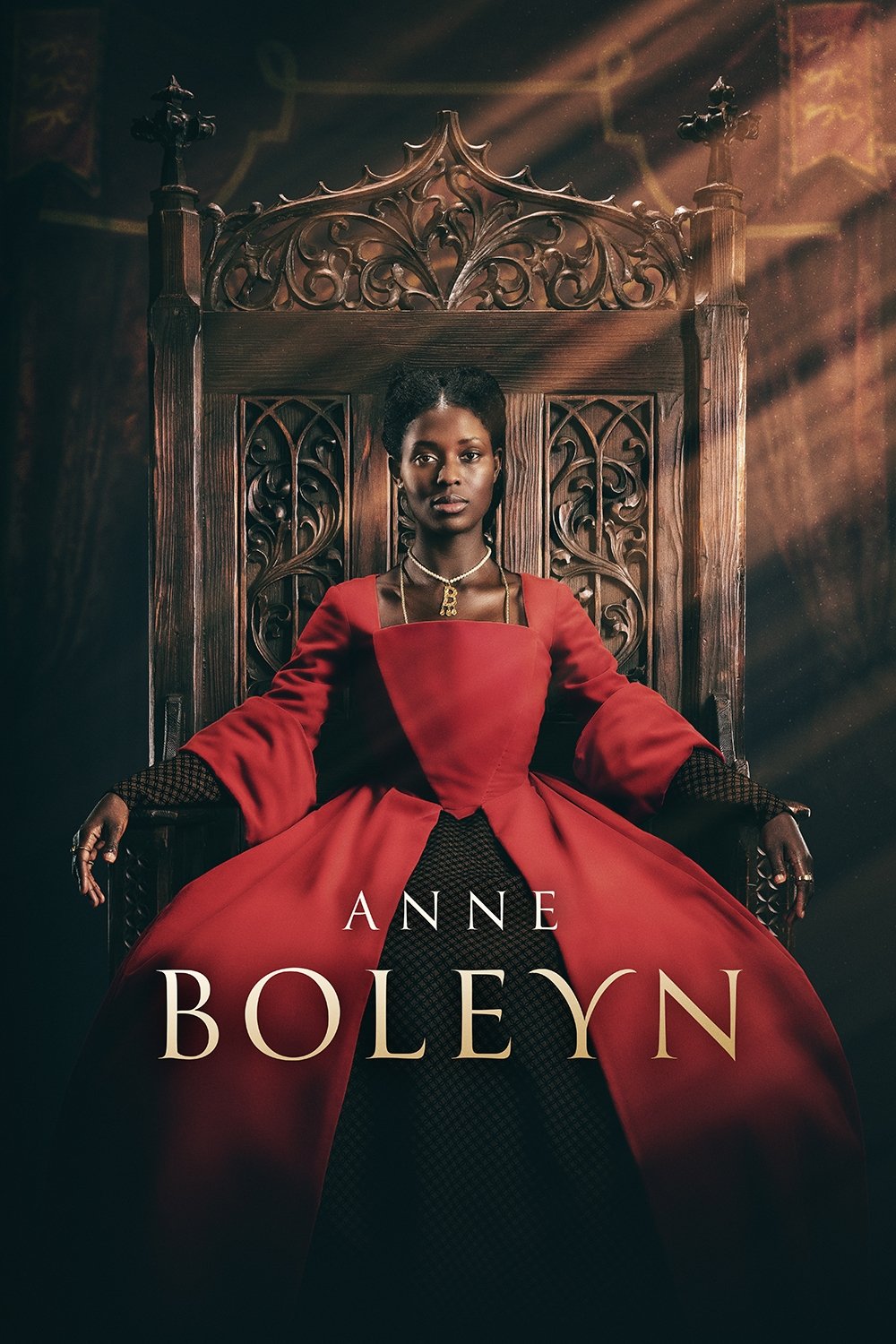
Jodie Turner-Smith played the historically white Anne Boleyn in this Channel 5 miniseries, a casting choice that stirred backlash for straying from historical accuracy. The series aimed to reframe the Tudor story but felt disjointed and unconvincing.
The race swap didn’t add depth to the narrative, and the show struggled with pacing and focus. Critics and viewers felt it prioritized provocation over storytelling. It failed to resonate, leaving many frustrated by the creative liberties.
4. ‘Peter Pan & Wendy’ (2023)
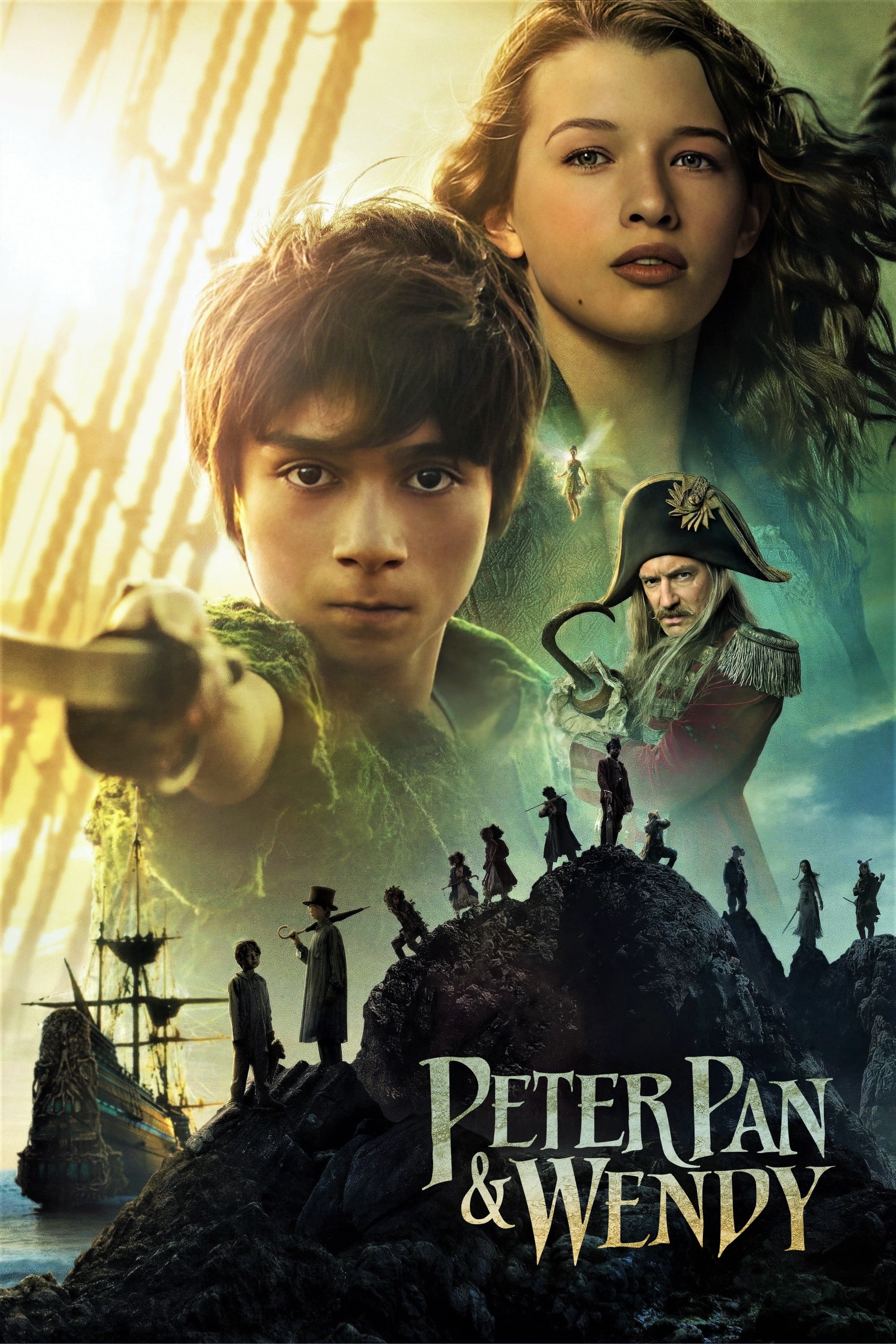
Disney’s live-action remake cast Yara Shahidi as Tinkerbell, traditionally a white fairy. The race swap drew criticism for feeling arbitrary, and the film itself was panned for lackluster visuals and a bland script.
It failed to capture the magic of the 1953 animated classic, with the casting controversy adding to the disappointment. The movie felt like a hollow update, and the swap didn’t enhance the story. Fans wanted a Tinkerbell true to the original’s spirit.
3. ‘Velma’ (2023)
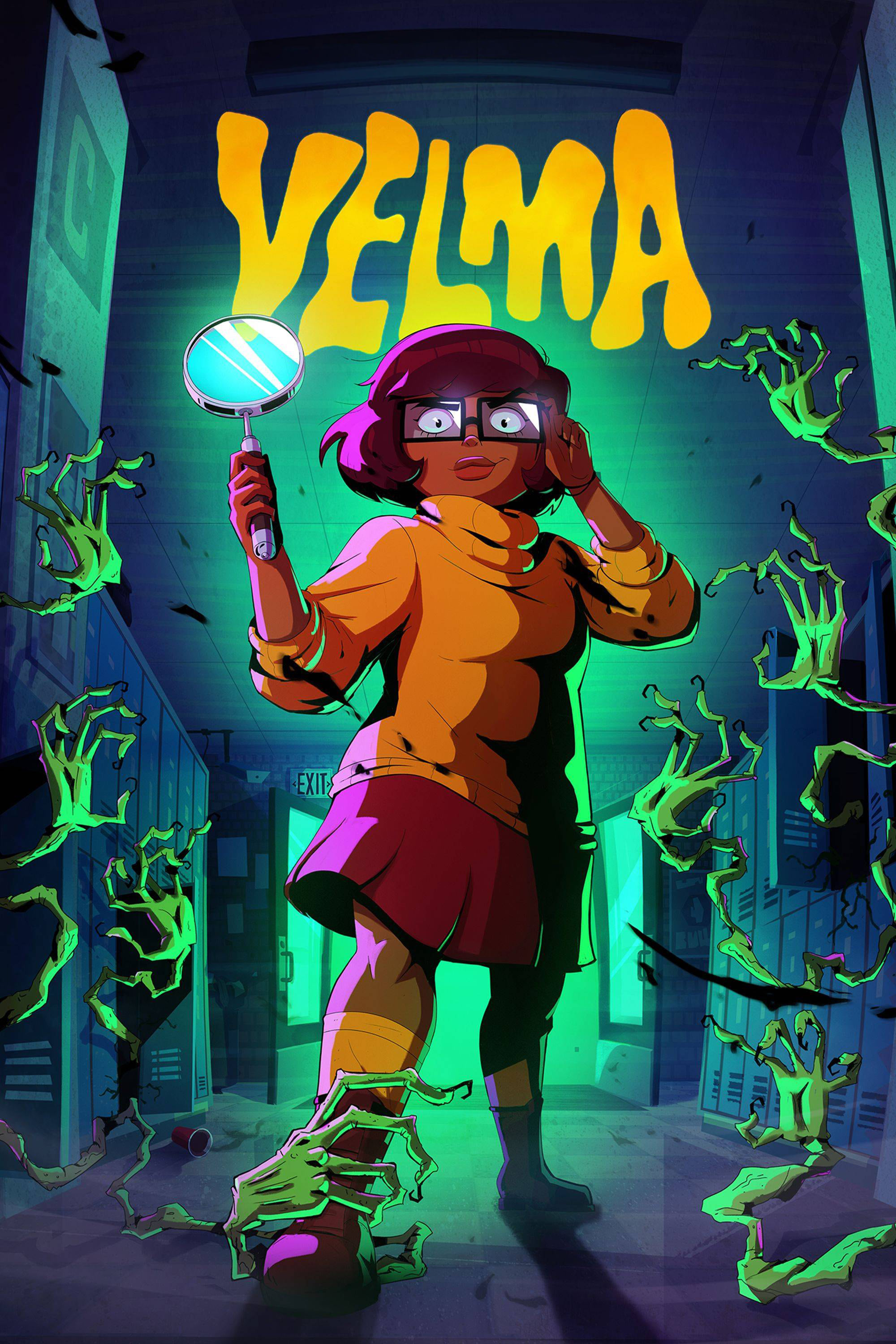
This animated ‘Scooby-Doo’ spin-off reimagined Velma as South Asian, voiced by Mindy Kaling, and focused on a darker, adult tone. The race and gender shifts felt forced, and the show’s humor and story alienated fans of the classic series.
Critics slammed its departure from the source material, and viewers rejected the edgy approach. The show struggled to find an audience, feeling like a betrayal of the original’s lighthearted charm. It was a bold swing that missed entirely.
2. ‘The Little Mermaid’ (2023)

Halle Bailey’s casting as Ariel, a traditionally white, red-haired mermaid, sparked heated debate. While Bailey’s performance was praised, the live-action remake was criticized for its dull visuals and lack of the original’s enchantment.
The race swap felt like a superficial nod to diversity, and the film grossed $569 million but divided fans. Many felt it failed to justify the changes or capture the 1989 classic’s heart. The controversy overshadowed a talented lead’s effort.
1. ‘Death Note’ (2017)
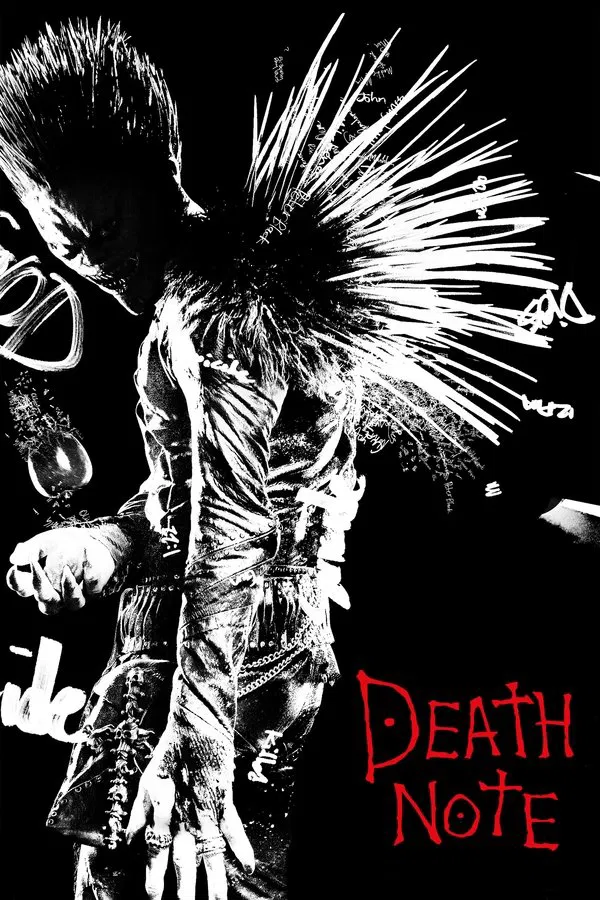
Netflix’s adaptation of the Japanese manga cast Nat Wolff as Light Turner, a whitewashed version of Light Yagami. The race swap stripped the story of its cultural context, turning a complex psychological thriller into a generic teen drama.
The film was slammed for poor pacing and shallow characters, failing to capture the original’s intensity. Fans of the manga felt the casting ignored the story’s Japanese roots. It was a creative fumble that alienated its core audience.
What’s your take on Hollywood’s gender and race swaps—any flops I missed or ones you think worked? Drop your thoughts in the comments!