

20 Times Pay-To-Win Mechanics Destroyed A Great Game Overnight



Players can overlook bugs and balance issues, but pay to win is the one thing that can sink even the strongest game almost instantly. When developers add mechanics that give spending players a real advantage over everyone else, it often shatters the community, drives away long-time fans, and leaves a once-beloved title struggling to recover.
‘Dungeon Keeper’
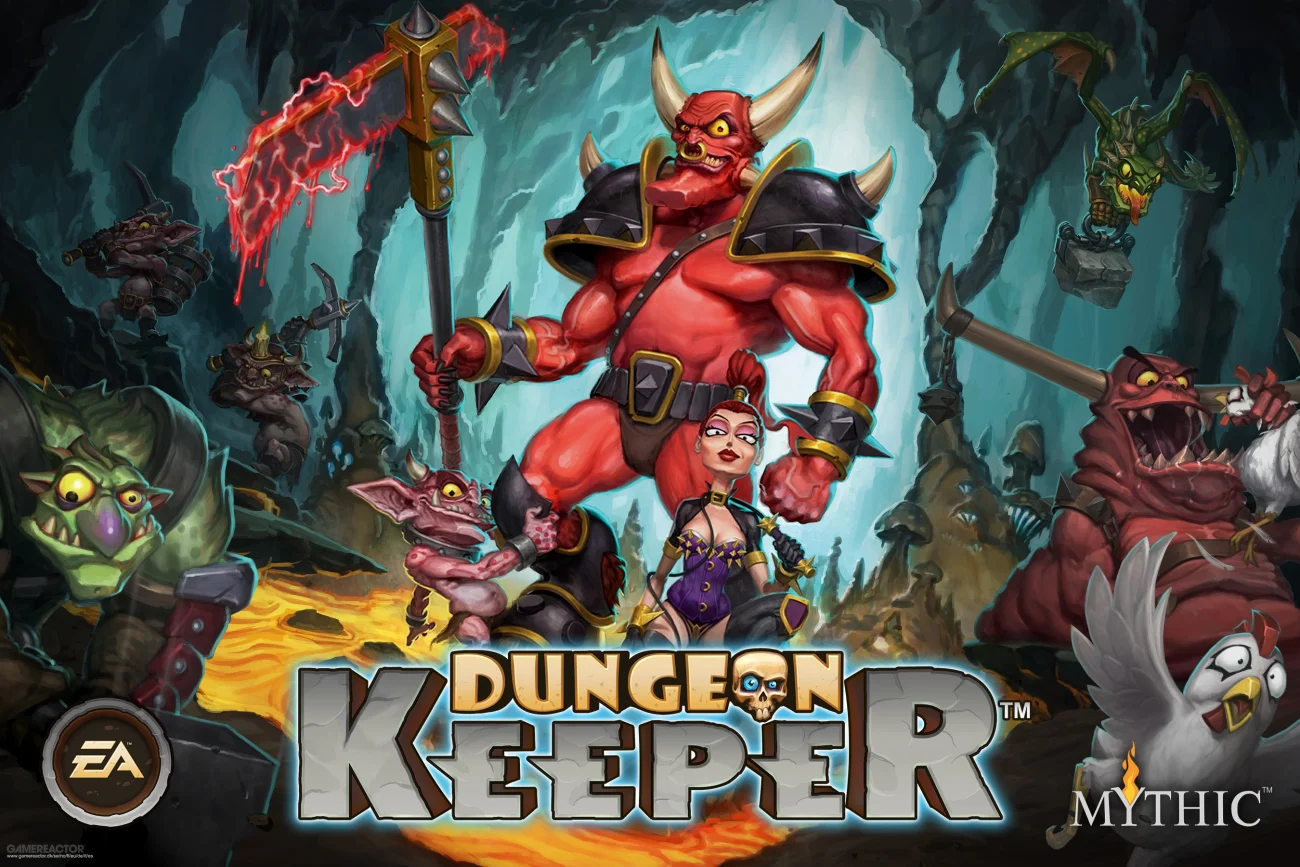
The mobile version introduced timers that locked progress unless players paid to speed things up. Building and digging became nearly impossible without spending real money. Longtime fans immediately criticized how quickly the gameplay pushed them toward microtransactions. The backlash caused many players to abandon the game.
‘Star Wars Battlefront II’
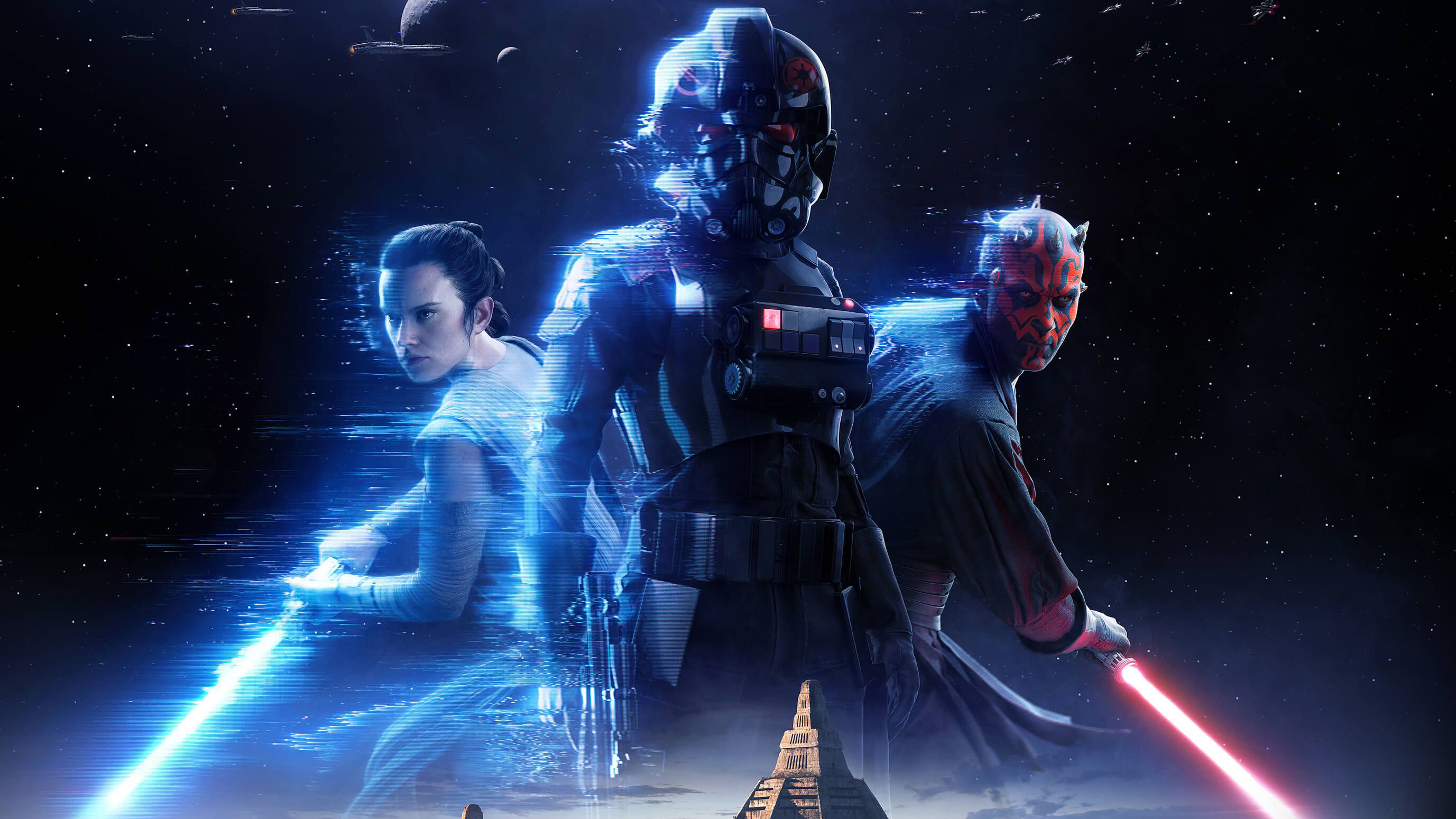
The game launched with loot boxes that gave players power advantages in multiplayer. Stronger abilities and upgrades were tied directly to random rewards bought with real money. Fans argued that this created an uneven playing field from the start. The controversy led to major design changes after the damage was already done.
‘Clash of Clans’
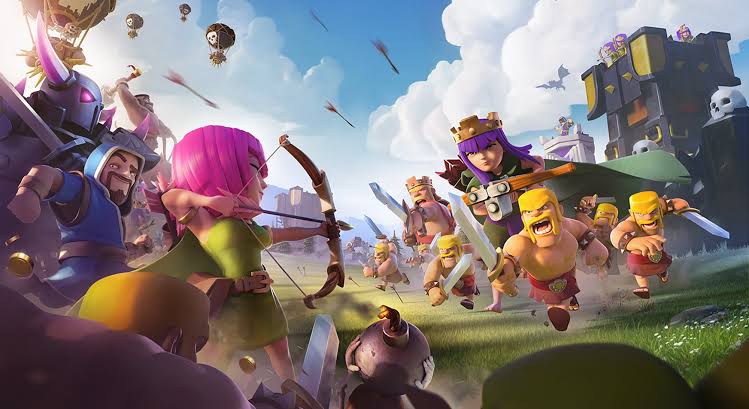
The game’s later updates made high-level progression heavily dependent on spending. Upgrades took extremely long unless players bought premium currency. Competitive clan wars began favoring players who spent more to speed up their armies. Many casual players felt left behind.
‘NBA 2K18’
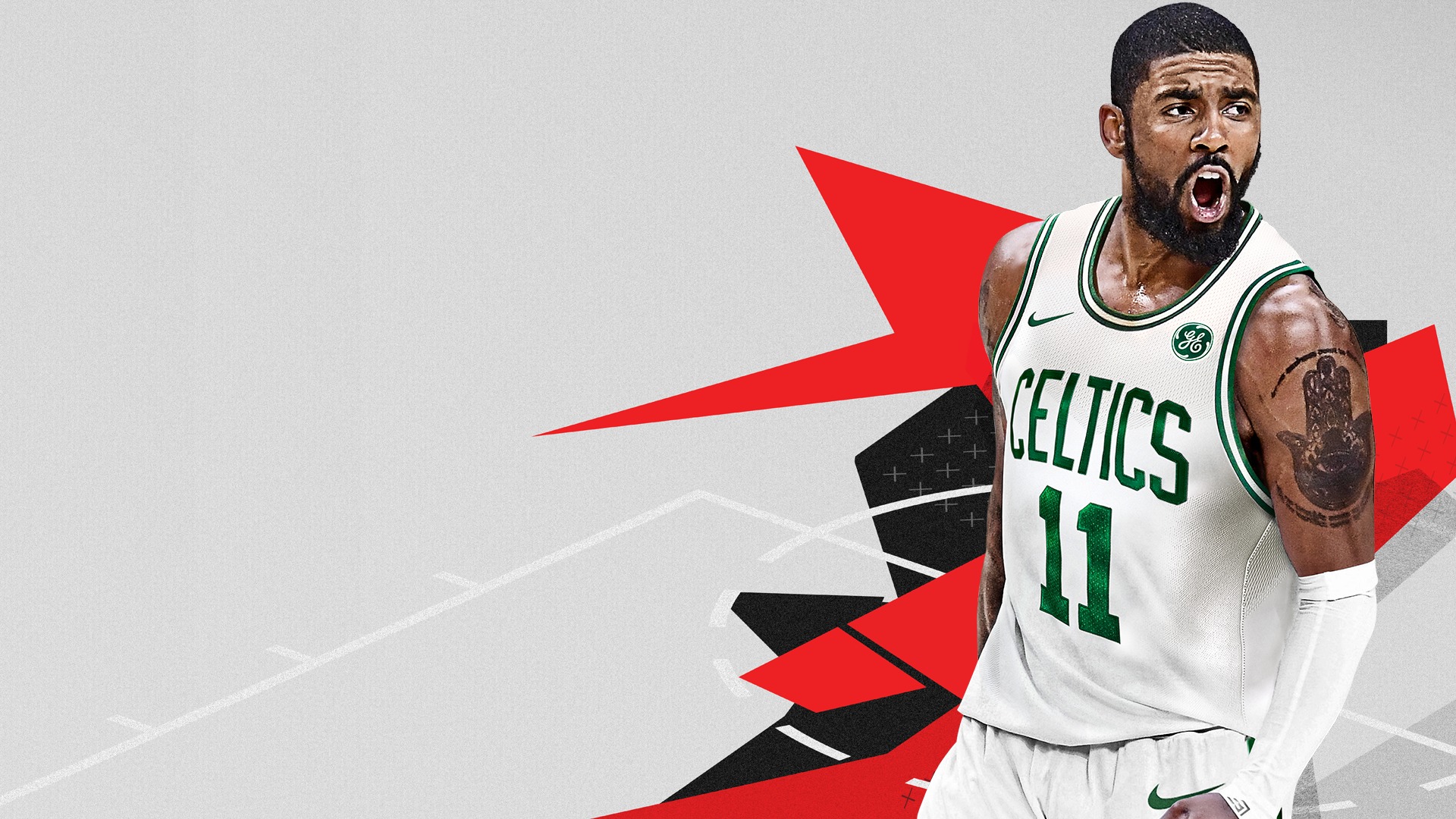
The introduction of aggressive virtual currency sales pushed players toward buying boosts. Character progression slowed to a crawl for anyone not spending money. Essential gameplay features required currency that was difficult to earn naturally. This turned the experience into a grind unless players opened their wallets.
‘Warframe’
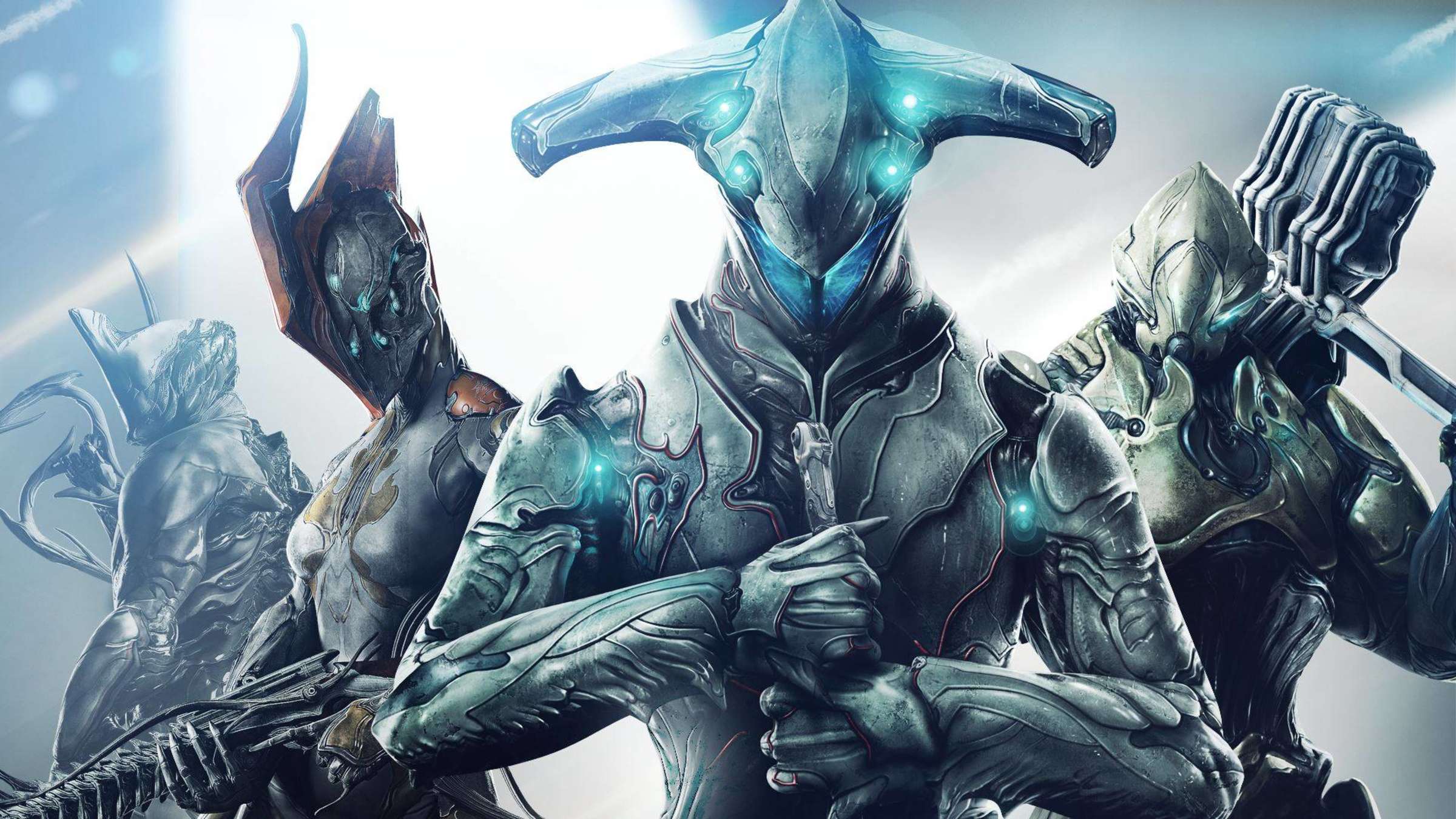
An update once tied certain powerful items to long build timers while offering premium currency as a shortcut. Many players felt forced toward the cash shop instead of enjoying the crafting system. It created tension within the community about fairness. The developers later adjusted the system after widespread complaints.
‘FIFA Ultimate Team’
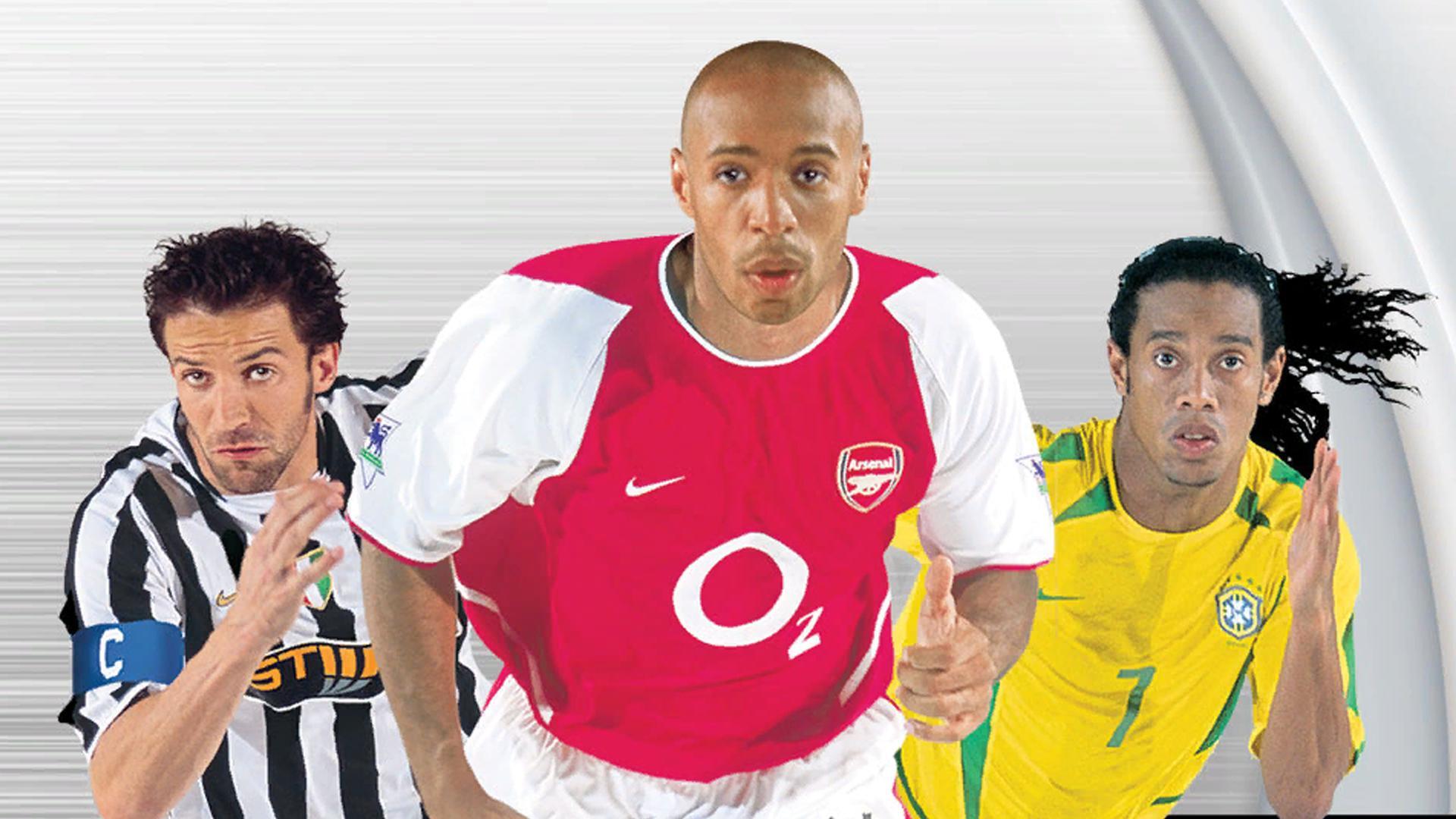
Card packs allowed players to buy their way into stronger teams. Competitive modes became dominated by squads built from expensive premium pulls. Many players felt that spending was the only realistic path to compete. The system pushed the game further toward monetization every year.
‘The Lord of the Rings: Rise to War’
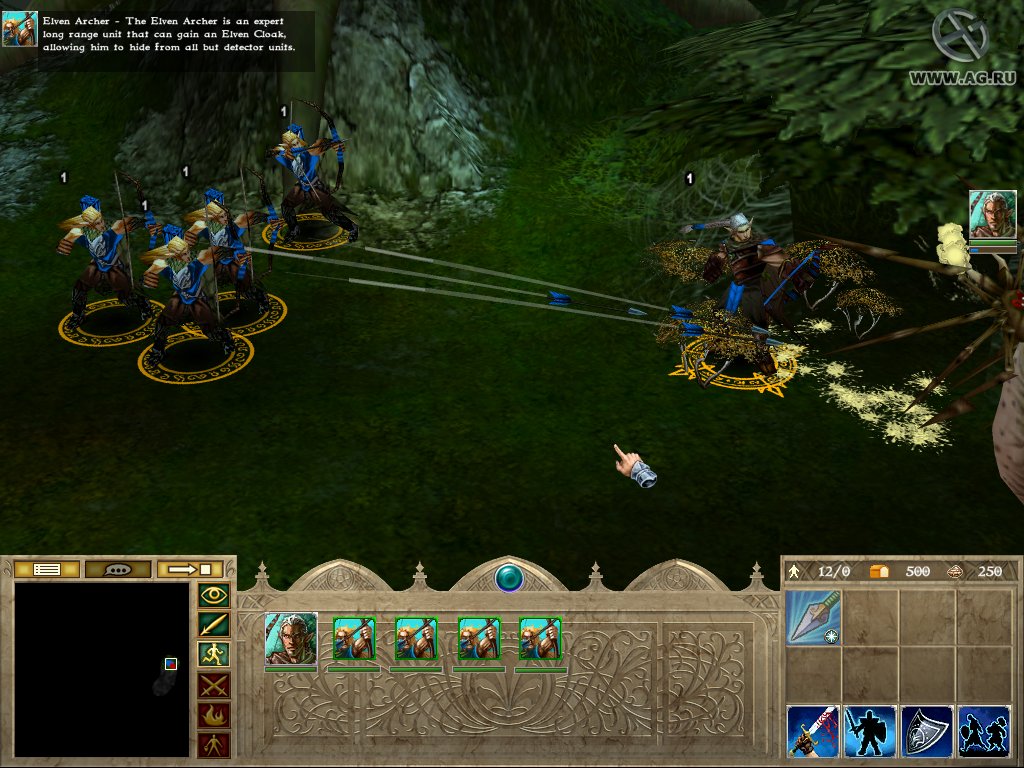
The game offered powerful commanders and upgrades primarily through paid loot boxes. Free players struggled to keep up in large-scale territory battles. Competitive groups quickly became gated behind heavy spending. This caused many guilds to lose longtime members.
‘Mobile Legends: Bang Bang’
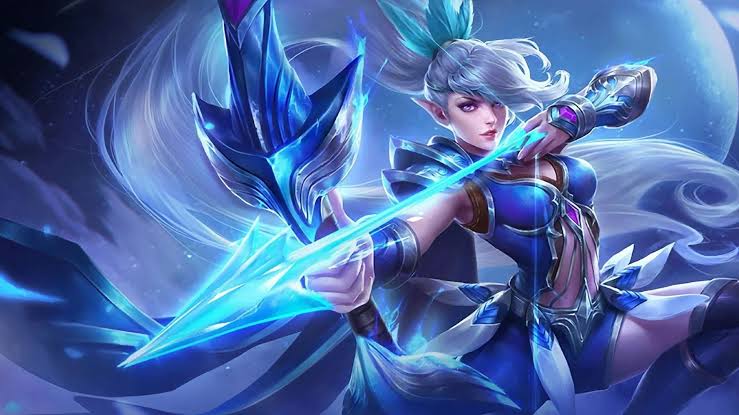
Certain premium heroes and upgrades gave major stat advantages. Players often felt pressured to buy the newest releases just to stay competitive. Matches leaned heavily toward those who invested more in power boosts. Community frustration grew with each imbalanced update.
‘Genshin Impact’
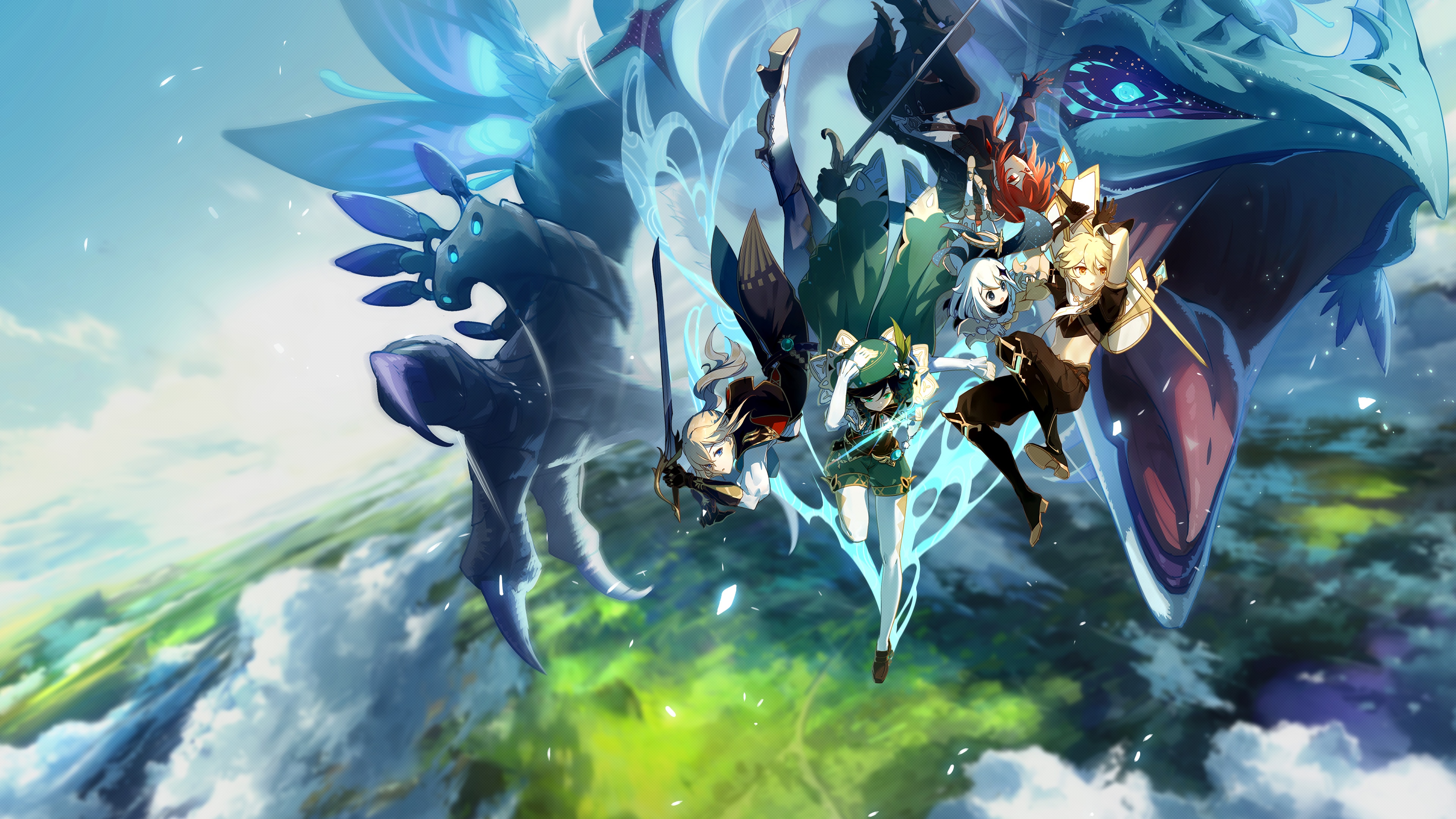
Some high-value characters became essential for top-tier content, and they were locked behind random gacha pulls. Players who spent more had a clear advantage in difficult encounters. The resin system limited free progression while encouraging purchases. Many felt the late-game balance favored paying users.
‘Heroes of the Storm’
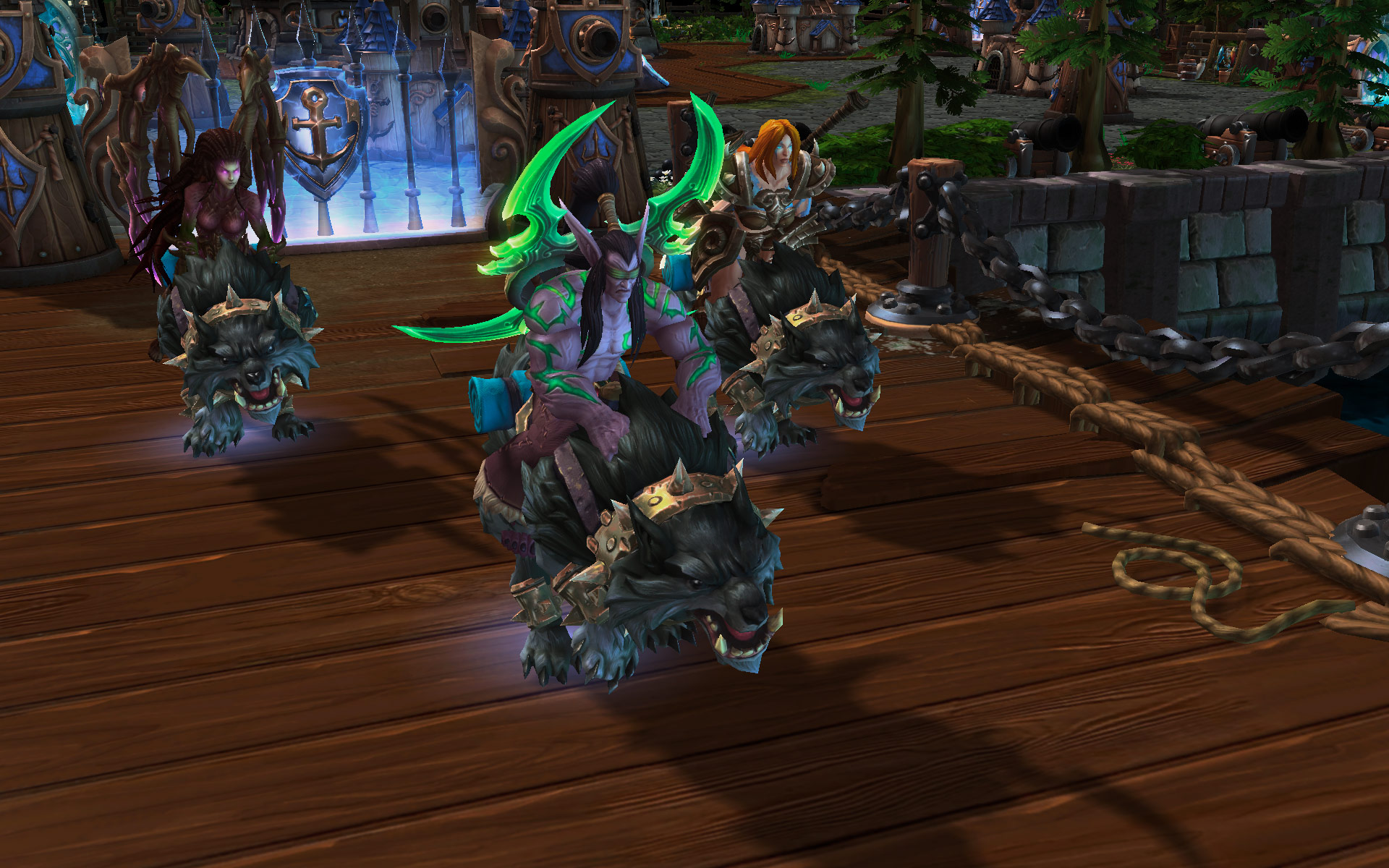
At one point the game introduced pay-only boosts that affected match rewards. This created a divide between players who could accelerate their progress and those who could not. Some community members felt progression became tied too closely to spending. The shift contributed to a decline in player engagement.
‘MapleStory’
Cash shop items once gave powerful stat bonuses that outclassed regular equipment. This pushed the game into a state where paying players gained massive advantages. High-level content became nearly unreachable for those avoiding the shop. Many longtime fans left due to the imbalance.
‘Apex Legends’
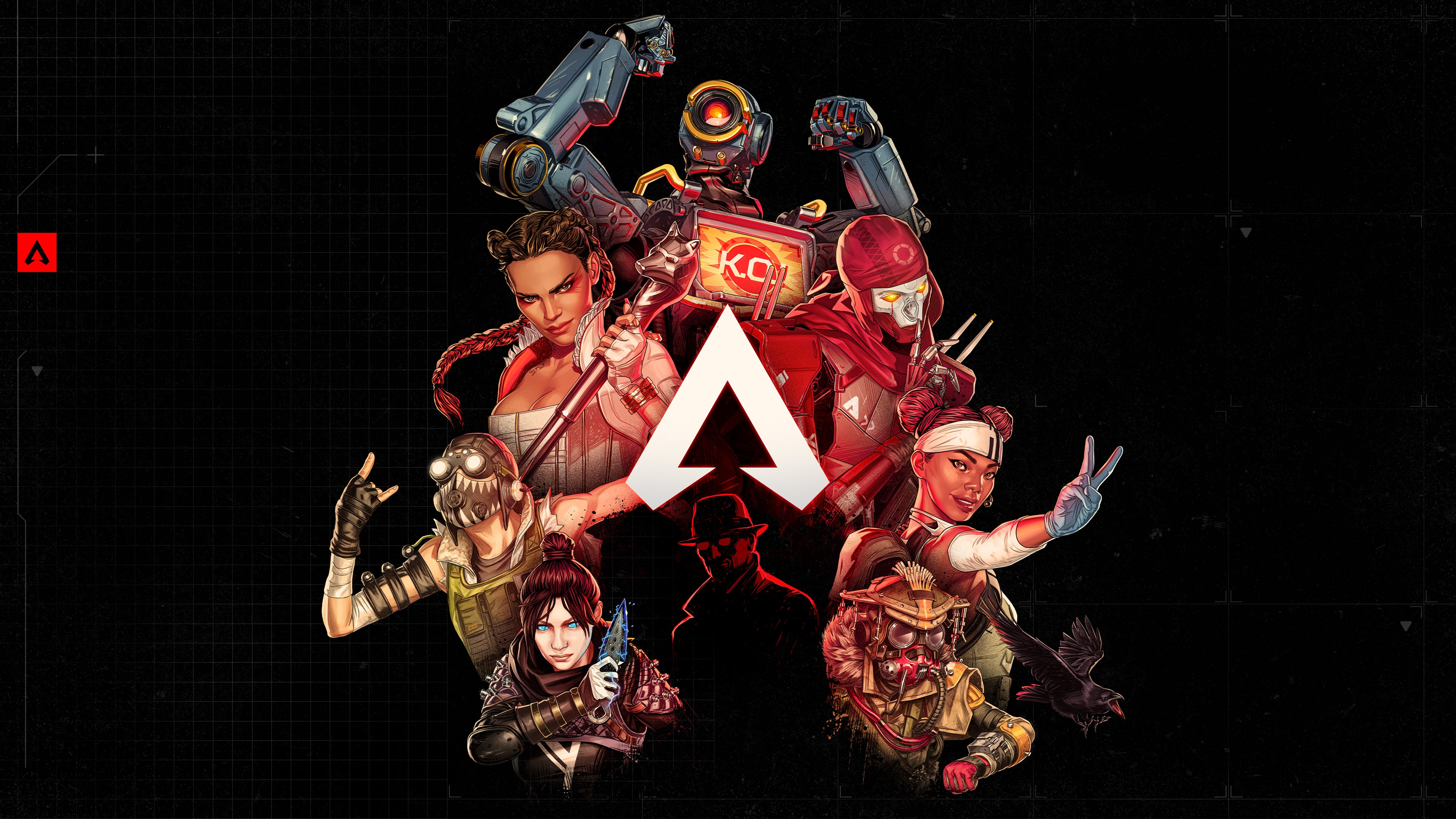
An event introduced expensive loot boxes tied to powerful melee cosmetics that affected gameplay visibility. Players felt pressured to spend large amounts to obtain them. The pricing structure sparked widespread criticism. The incident created lasting distrust toward the game’s monetization.
‘Diablo Immortal’
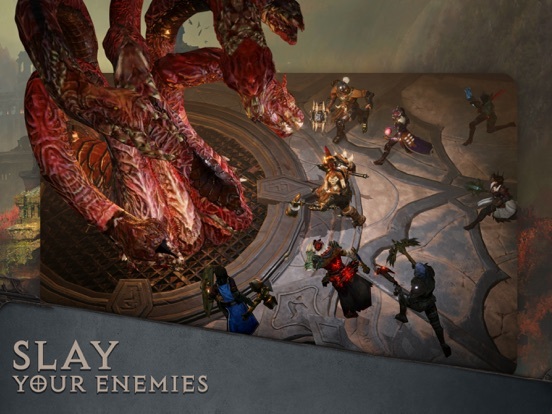
The game tied high-tier gear progression to paid legendary crest runs. Players who invested money could acquire significantly stronger builds. Free players were locked out of competitive opportunities due to the gear gap. This caused an immediate community uproar.
‘EVE Online’
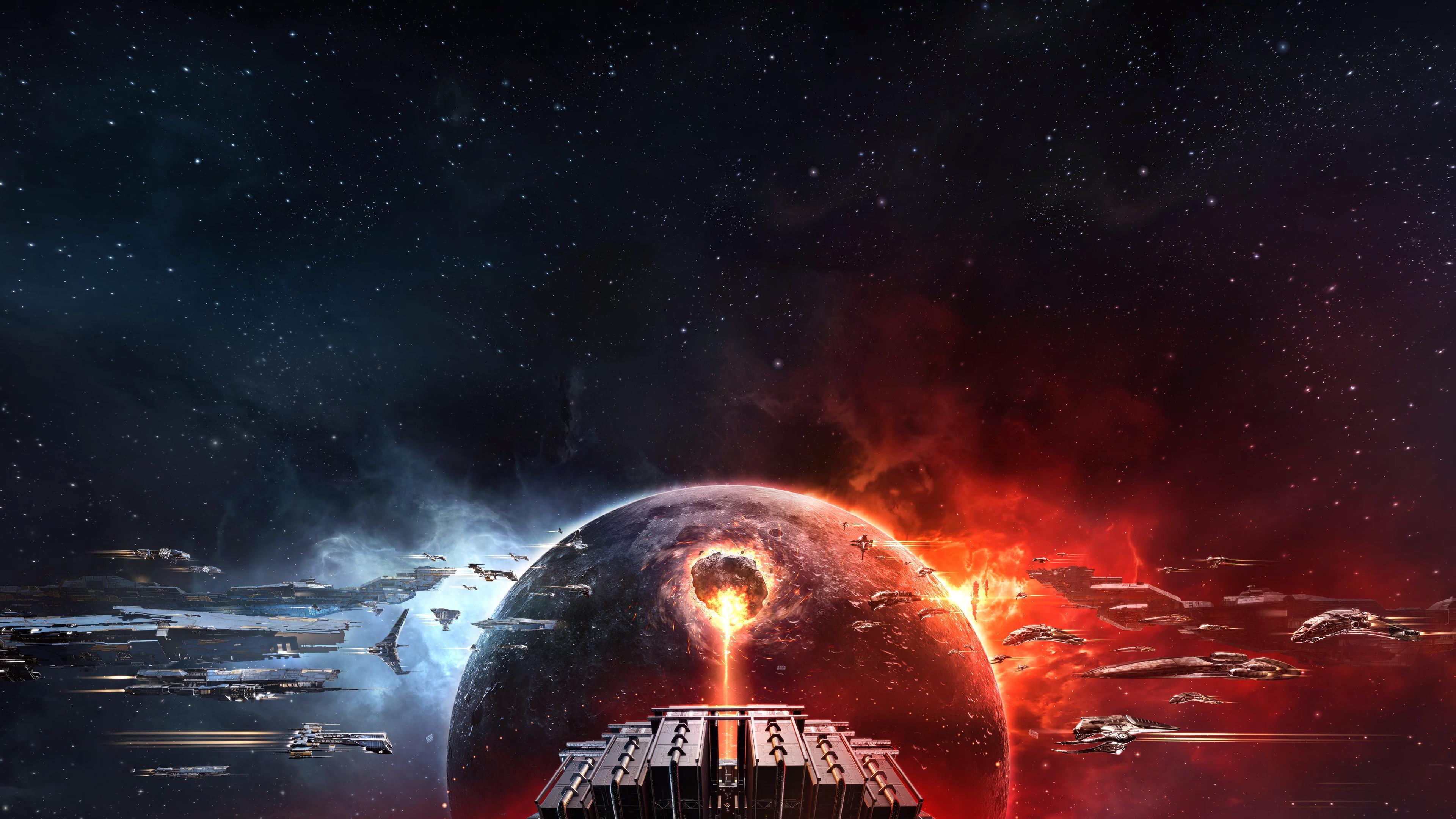
A major update added purchasable skill boosters that let players bypass long training times. Veterans argued this undermined the core progression system. The change created friction between paying and non-paying pilots. The community pushback was intense.
‘Call of Duty: Mobile’
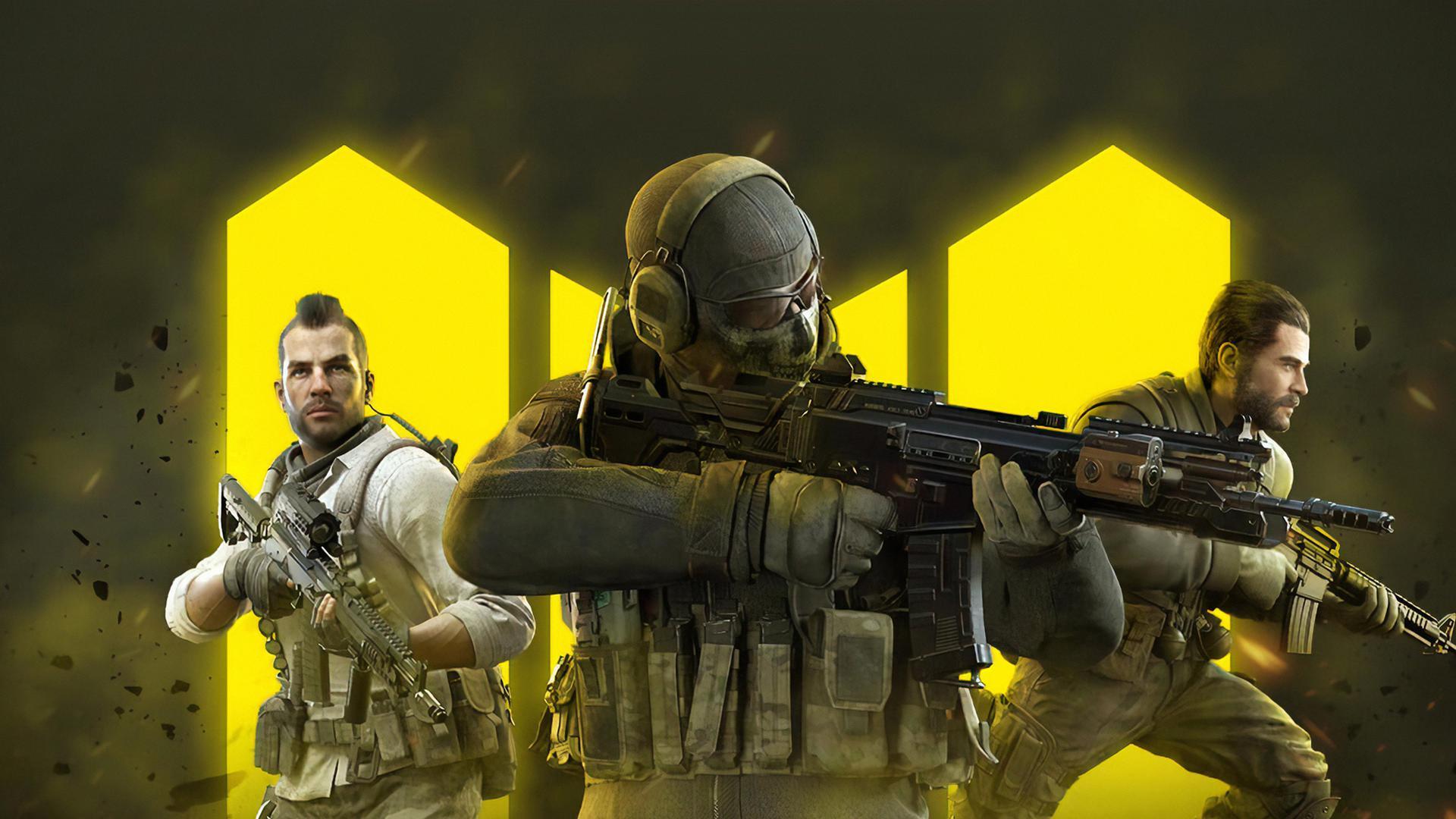
Weapon crates offering stat-boosted versions of guns created heavy imbalance. Certain premium variants outperformed standard weapons. Competitive matches began favoring players who bought better gear. This caused widespread complaints about fairness.
‘Vikings: War of Clans’
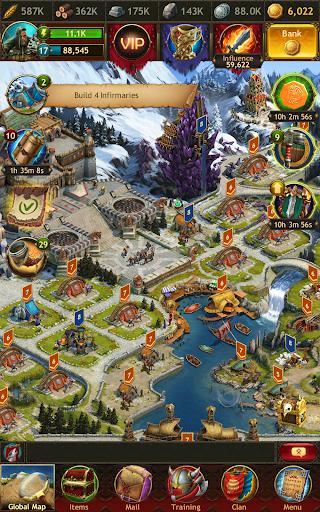
The game encouraged spending through power boosts that affected battles and kingdom events. Larger clans often required members to invest money just to stay competitive. Resource-based mechanics heavily favored premium upgrades. Many free players felt pushed out of endgame play.
‘CrossFire’
The introduction of premium weapons with superior stats caused immediate imbalance. Matches became dominated by players who purchased top-tier items. The shift reduced interest among competitive fans. Community sentiment turned sharply negative.
‘Hearthstone’
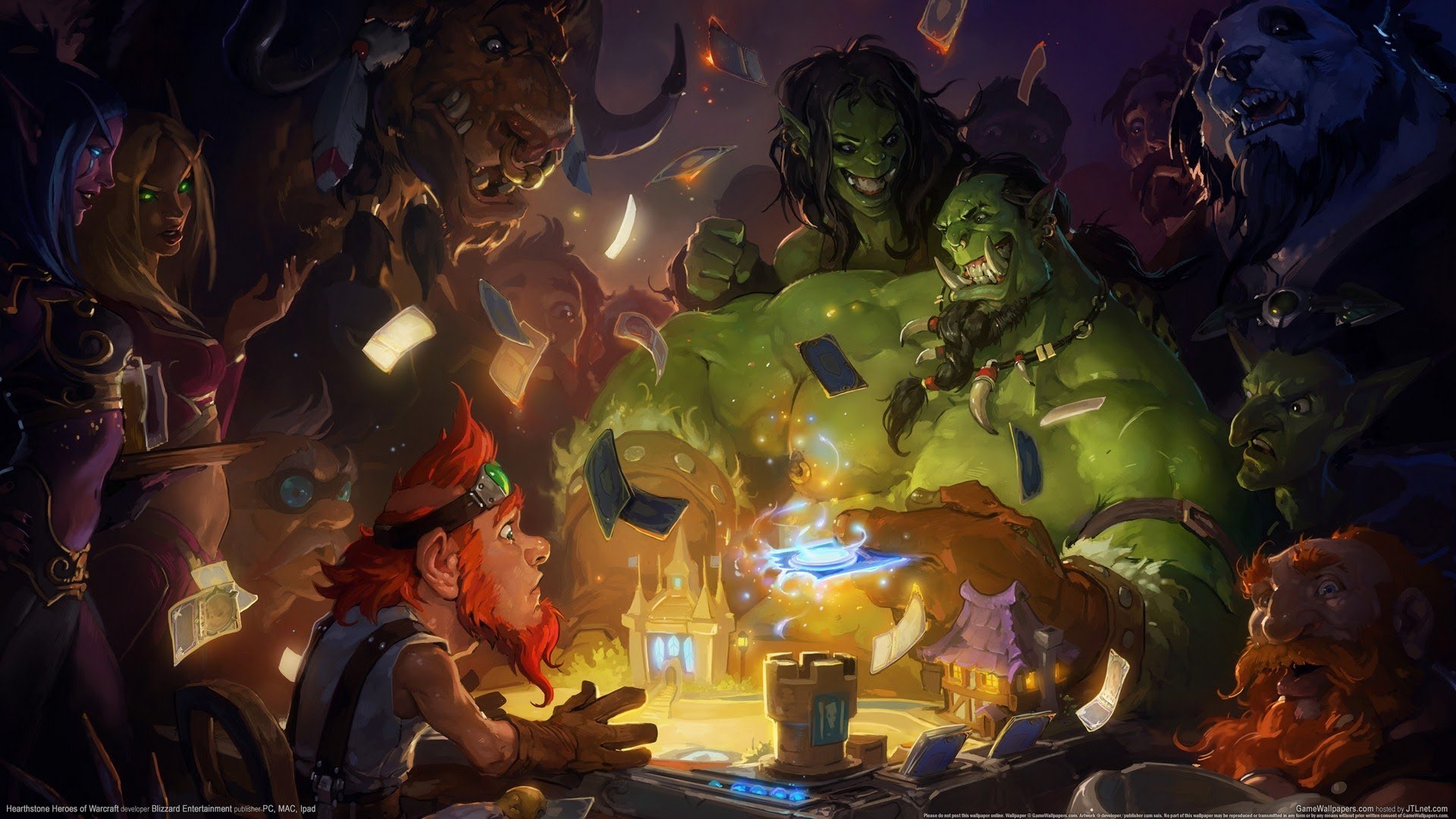
Certain expansions introduced powerful cards locked behind expensive packs. Players who bought large bundles gained immediate advantages in ranked play. Free players struggled to build viable decks without significant grinding. The gap between spending and non-spending users grew noticeably.
‘World of Tanks’
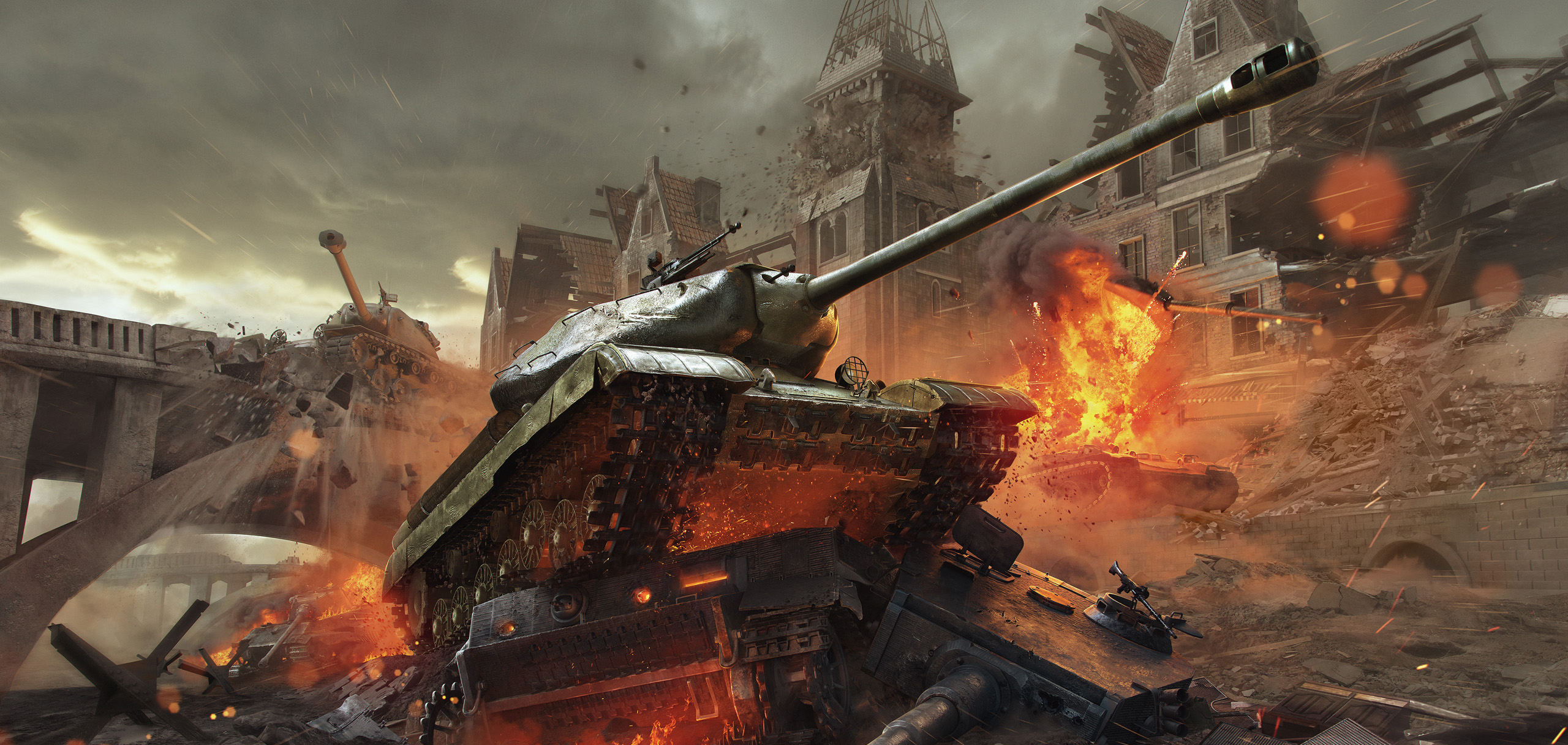
Premium ammunition gave paying players a clear advantage in armored battles. Matches often felt one-sided due to these upgraded shells. Many players argued that strategy mattered less than purchasing power. Community trust in the game’s balance declined.
‘Archero’
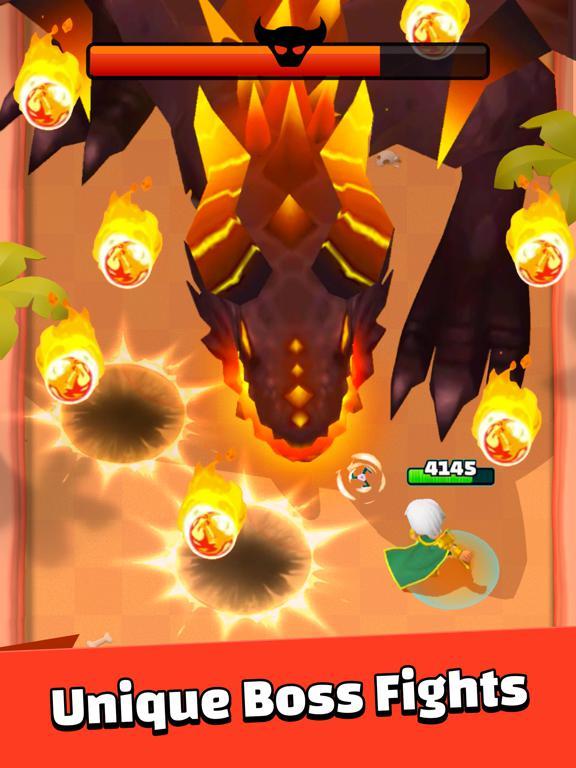
Updates added pay-exclusive gear sets with significant stat boosts. Progression slowed dramatically for players who refused to spend. High-level stages became nearly impossible without premium upgrades. The game lost many users due to increasing reliance on monetization.
Share your thoughts in the comments and let everyone know which game you think was hurt the most by pay to win.