

15 Times Real-Life Tragedy Changed an Anime Forever



Real life has a way of pushing into the world of anime, sometimes with heartbreaking force. When disaster strikes a studio, a creator passes away, or a public crisis unfolds, shows can be delayed, recast, or even reshaped to fit a new reality. The changes do not just affect schedules or credits. They can leave permanent marks on characters, themes, and the way future entries are made.
This list looks at moments when tragedy forced an anime to change course. You will see delays that turned into tributes, roles that passed to new voices, and broadcasts that were paused while teams regrouped. Each entry explains what happened and how the series adjusted so you can see the exact ways a show’s path shifted after the worst kinds of news.
‘Miss Kobayashi’s Dragon Maid’ (2017)
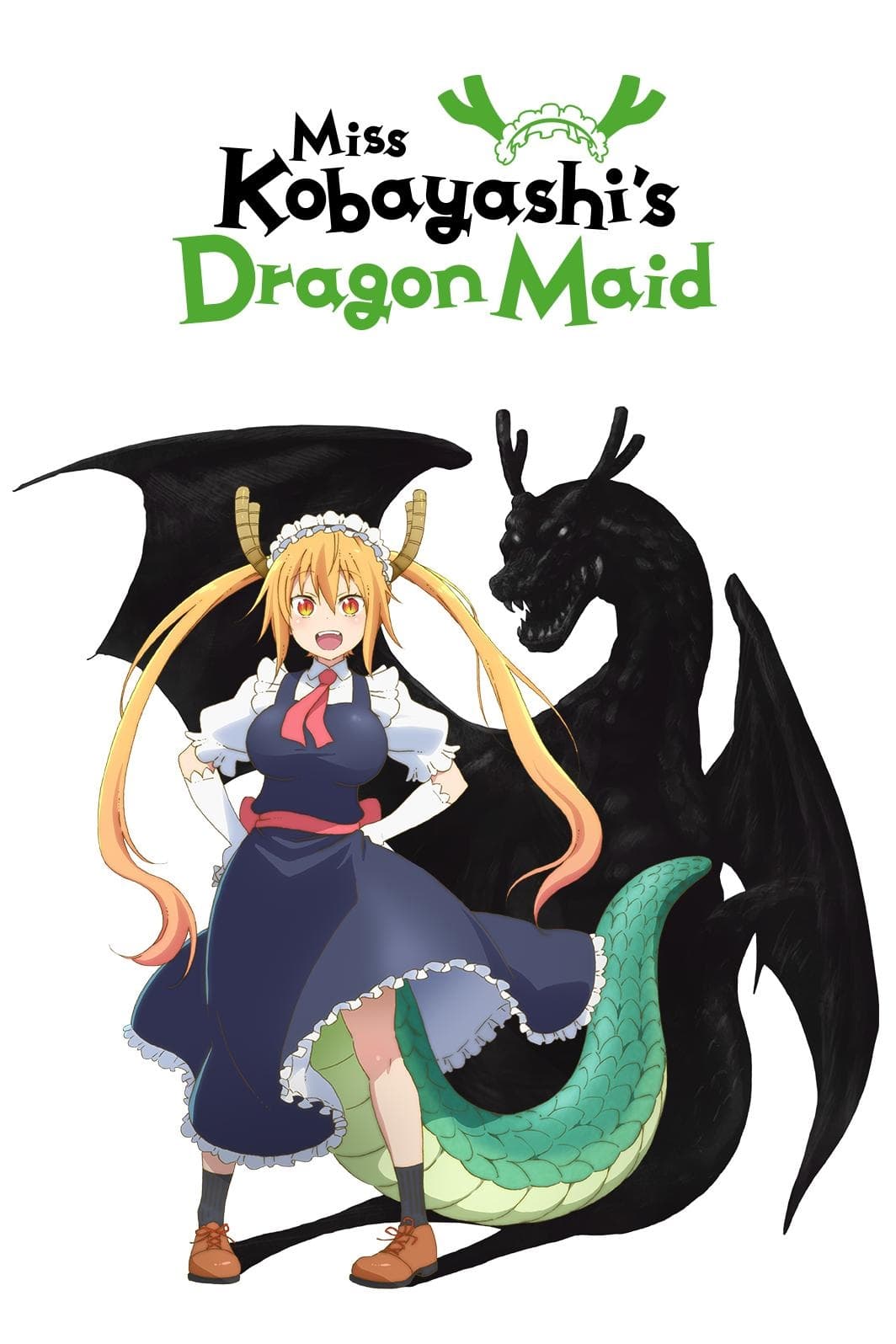
After the fatal attack on Kyoto Animation, the team behind ‘Miss Kobayashi’s Dragon Maid’ lost director Yasuhiro Takemoto. Production for the next season was rebuilt under a new director, with workflows rearranged and staff roles reassigned to keep the show moving and to protect the people making it.
When the series returned, the credits carried a dedication to the late director and the studio adopted steadier pacing in its public schedule. Marketing and interviews framed the comeback as a careful continuation, and the finished season kept designs and story beats consistent so viewers could follow the handoff without confusion.
‘Violet Evergarden’ (2018)
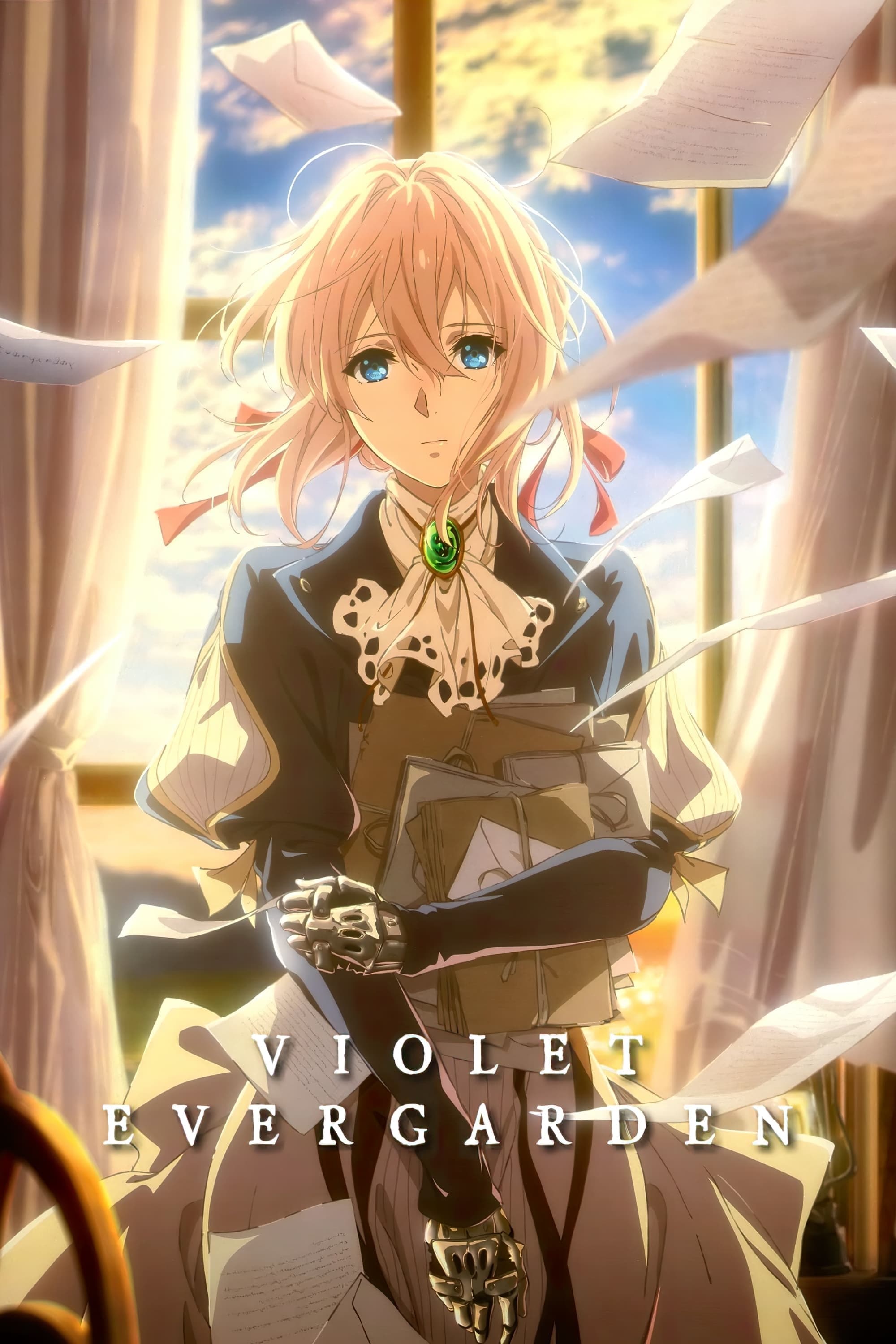
Work on the theatrical continuation of ‘Violet Evergarden’ was halted while Kyoto Animation recovered. The feature was postponed, and the studio restructured internal teams so they could complete the film safely with revised timetables.
When the movie finally opened, it included acknowledgments that honored staff who were lost. The release plan shifted to a measured rollout, and the finished film preserved the series look and music while quietly functioning as a memorial for the people who had built it.
‘Free!’ (2013)
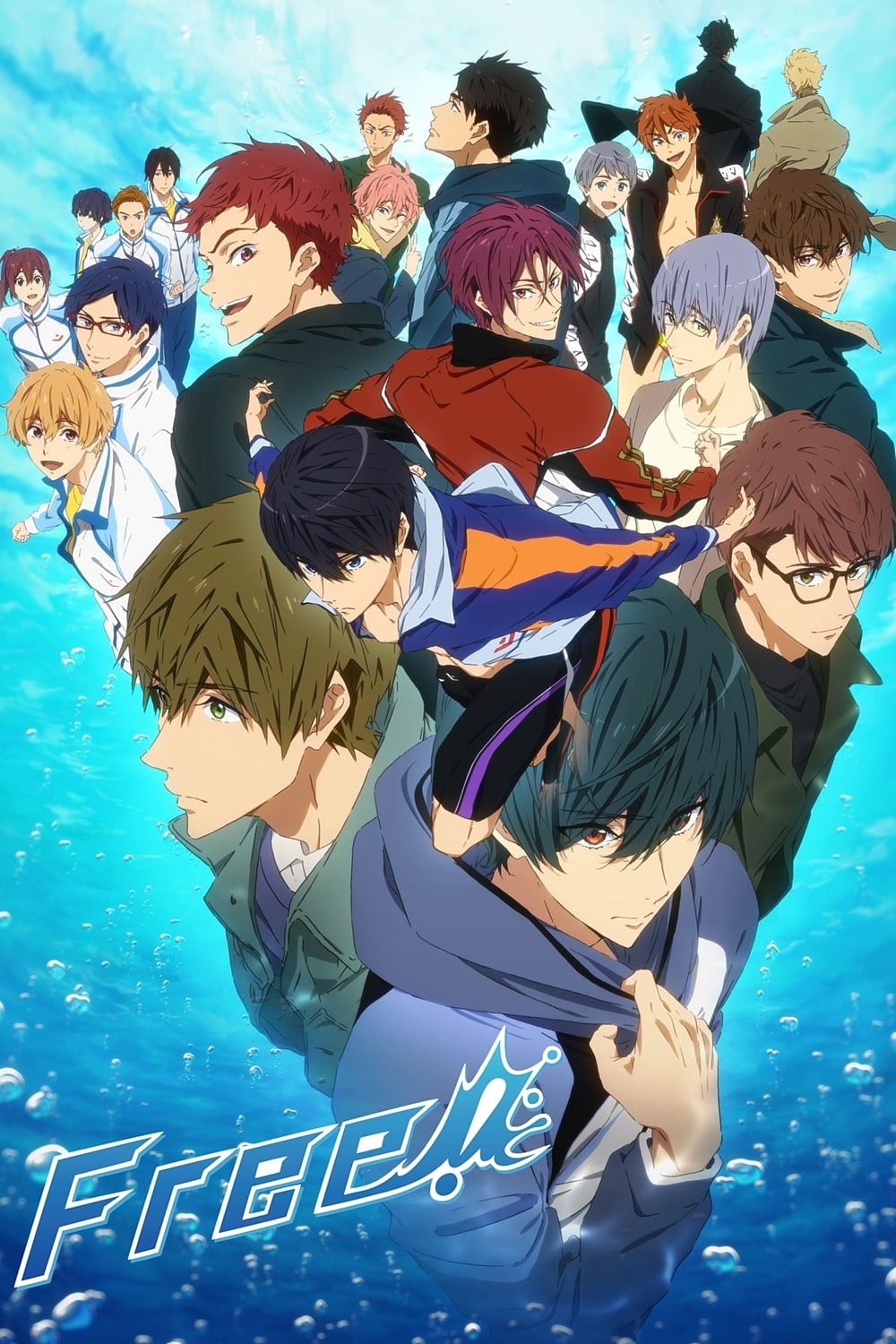
The ‘Free!’ franchise had a final chapter planned that needed significant rescheduling after the Kyoto Animation tragedy. Production windows were adjusted, promotional tie ins were revised, and the rollout shifted to give the team time to complete new footage.
The result was a two part theatrical sendoff that arrived on a later timeline. Messaging around the films emphasized the studio’s recovery, and the credits and program notes guided audiences through a respectful farewell that matched the franchise style while reflecting the loss felt inside the company.
‘Berserk’ (1997)
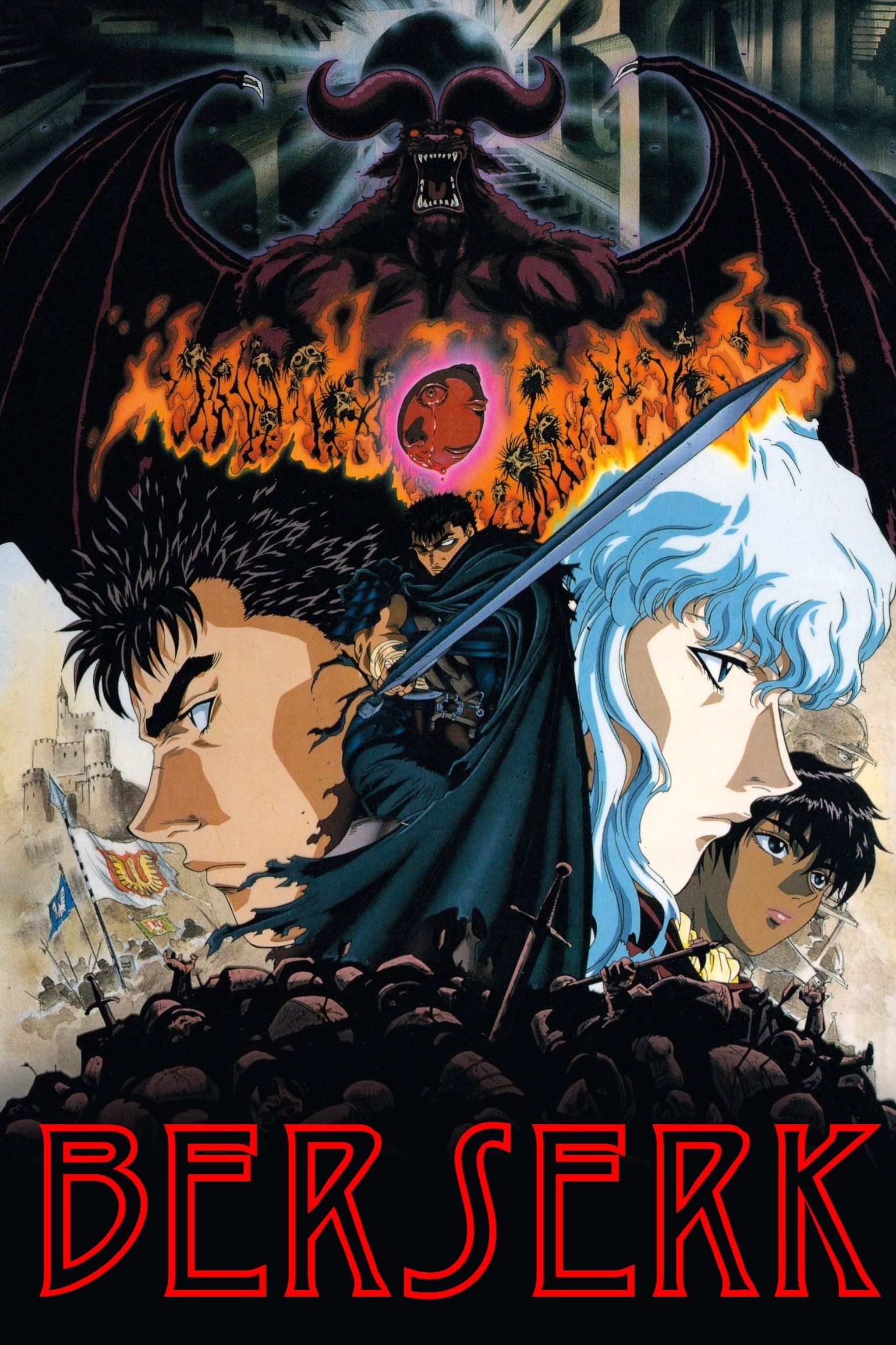
After the passing of creator Kentaro Miura, all parts of the ‘Berserk’ franchise faced difficult choices. On the anime side, the Golden Age films were revisited and re edited for television as a memorial cut, with added scenes and newly arranged music that aimed to present a definitive view of that arc.
These broadcasts helped set a baseline for how the story would be presented in animation going forward. Production notes highlighted stewardship by close collaborators, and the re release became a reference point that later projects could follow to keep tone and imagery aligned with the author’s vision.
‘Shin Chan’ (1992)
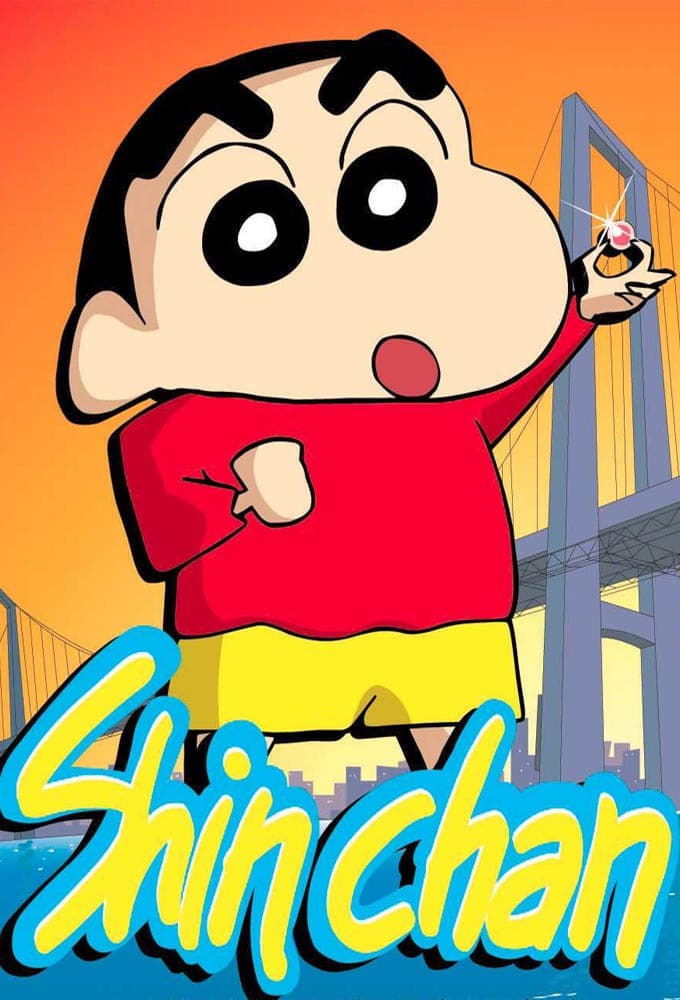
When original author Yoshito Usui died, ‘Crayon Shin-chan’ had manuscripts and gags in progress. The studio finished pending material, then shifted to a writer’s room model that preserved character voices and family dynamics while new stories were created.
The yearly film tradition continued under the guidance of producers who had worked with the author for years. Credits and marketing clarified the handover to the staff collective, and the series kept its visual language intact while honoring the creator in anniversary programs and exhibits.
‘Pokémon’ (1997)

A single broadcast of a ‘Pokémon’ episode caused a wave of illness among viewers, which led to a pause in airing while networks and studios created stricter guidelines for flashing effects. The episode was permanently shelved, and color cycling rules and frame timing standards were adopted across the industry to prevent a repeat.
Later, the show experienced another change when Unshō Ishizuka, the narrator and the voice of Professor Oak, passed away. A new actor took over both duties and the production adjusted narration scripts to match the successor’s delivery, keeping continuity for long running segments and recap lines.
‘Golden Kamuy’ (2018)

During the broadcast of a later season of ‘Golden Kamuy’, a key staff member died. The production committee paused new episodes from the midpoint of the run, then restarted the season from the beginning to give the team time to reorganize.
The schedule change ensured consistent animation quality and allowed departments to redistribute workload. Credits acknowledged the loss, and the final stretch of episodes arrived with the same visual standards and historical detail that defined the series from the start.
‘Lupin the 3rd’ (1971)
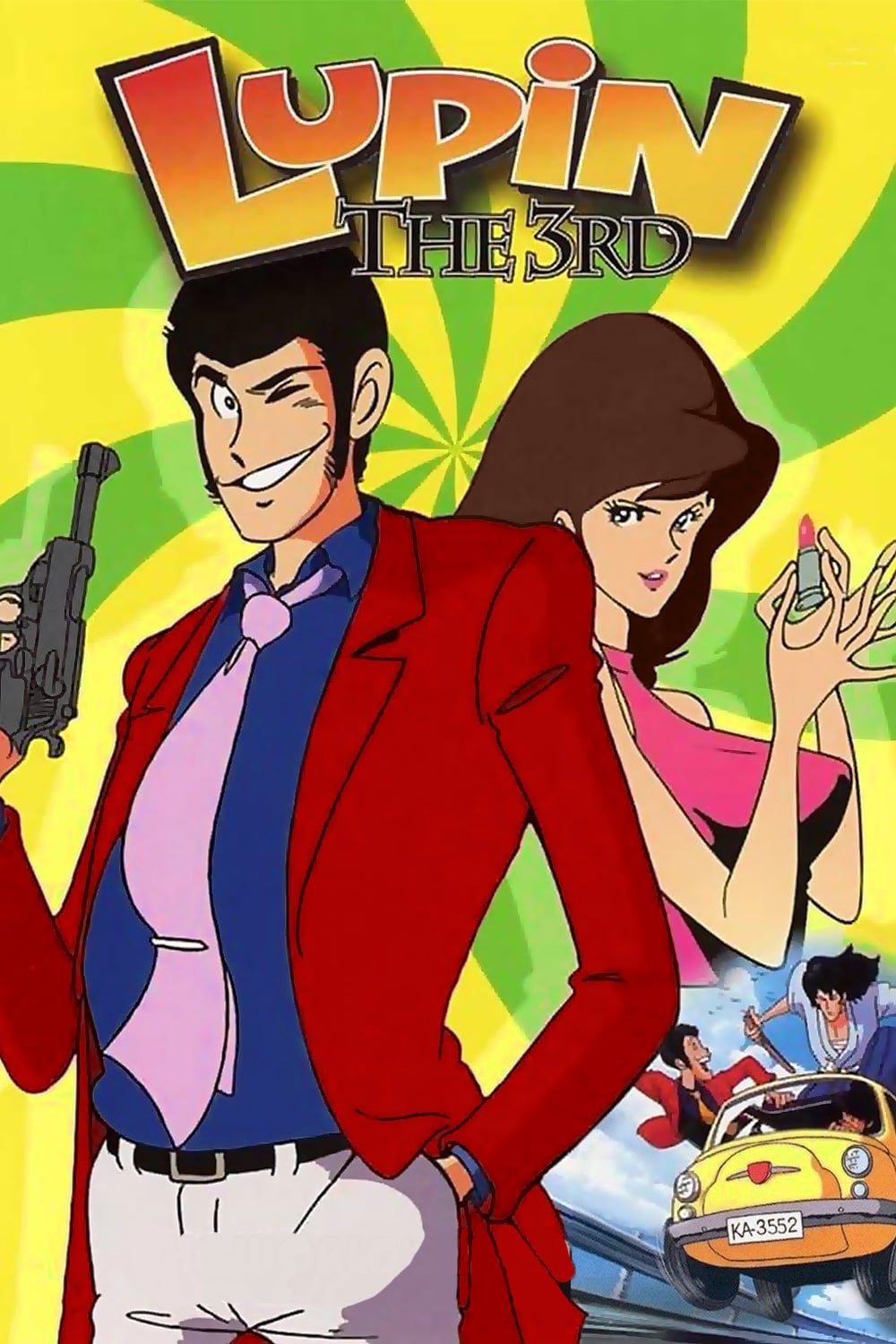
‘Lupin the Third’ changed forever when Lupin’s original voice actor, Yasuo Yamada, passed away. The role moved to Kanichi Kurita, whose performance was carefully aligned with the character’s timing and banter so that films, specials, and television entries could continue without breaking continuity.
Over time the franchise updated casting sheets, ADR direction, and promo spots to cement the new voice as Lupin’s sound. This approach later informed how the team managed other recasts, which helped the long running series maintain a stable identity while respecting performers who were gone.
‘Go! Anpanman’ (1988)
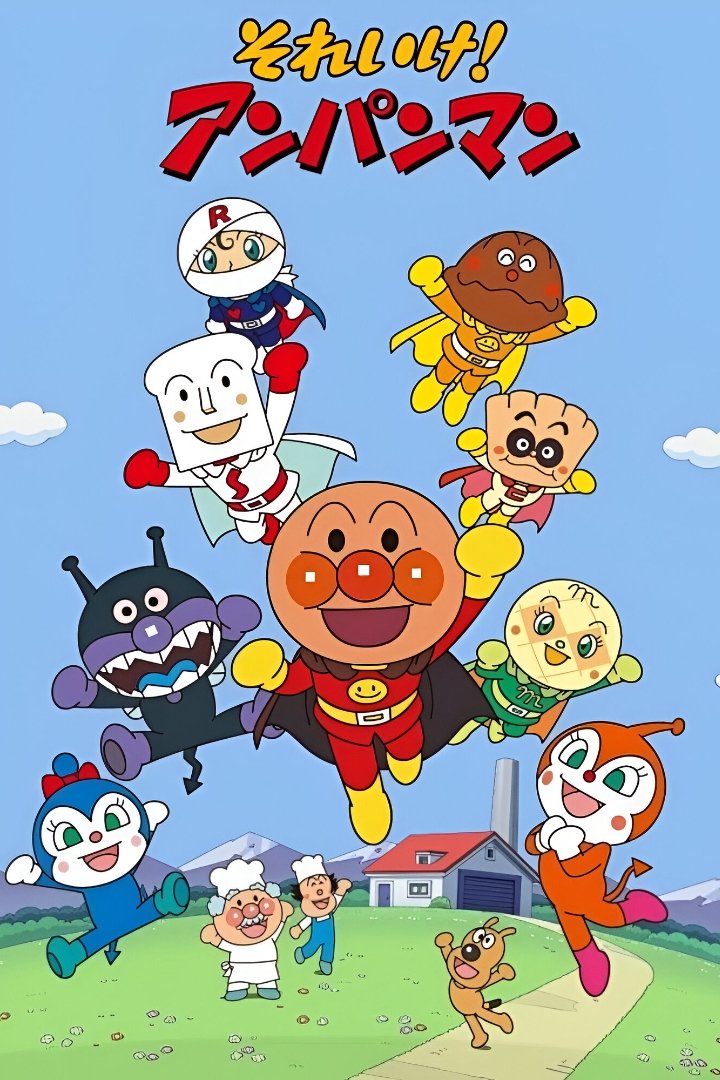
The death of creator Takashi Yanase led to a managed transition on ‘Anpanman’. The studio kept the pipeline of shorts and yearly films in place while senior staff formalized story guidelines and design rules that Yanase had set during his career.
Several long standing characters also changed voices following performer deaths. Roles were recast with actors who studied vocal phrasing and line rhythm from past recordings. This preserved the show’s gentle tone and allowed the series to continue with minimal disruption for children who watched every week.
‘Puella Magi Madoka Magica’ (2011)
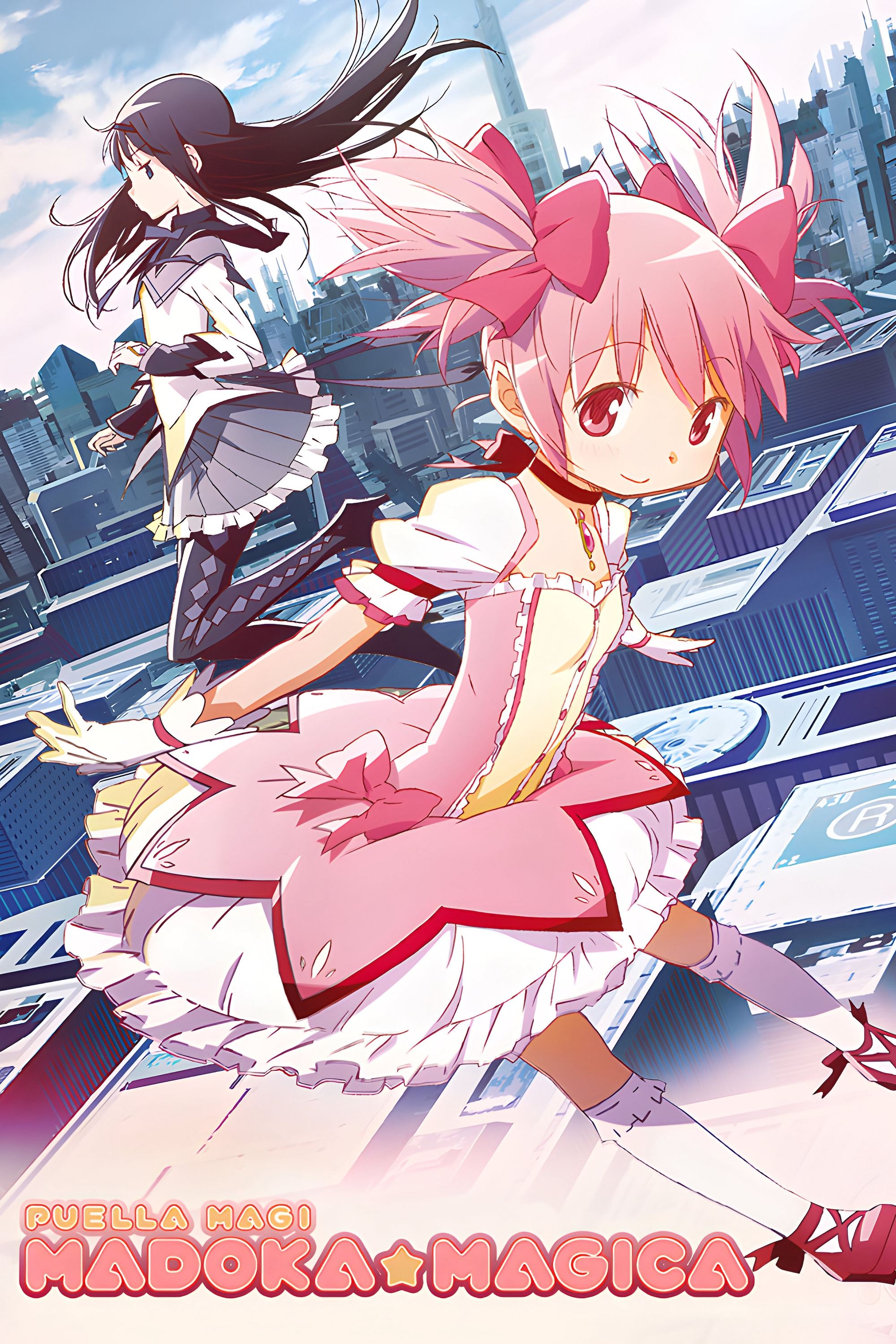
After a major natural disaster struck Japan, television stations paused and reshuffled programming. The final episodes of ‘Puella Magi Madoka Magica’ were delayed for several weeks while broadcasters focused on news coverage and sensitivities around scenes of urban destruction.
When the show returned, the network scheduled a grouped airing that let viewers experience the climax in one block. Home video later presented the completed version, and the release became a model for how to handle sensitive imagery while still delivering a creator’s intended ending.
‘Cowboy Bebop’ (1998)
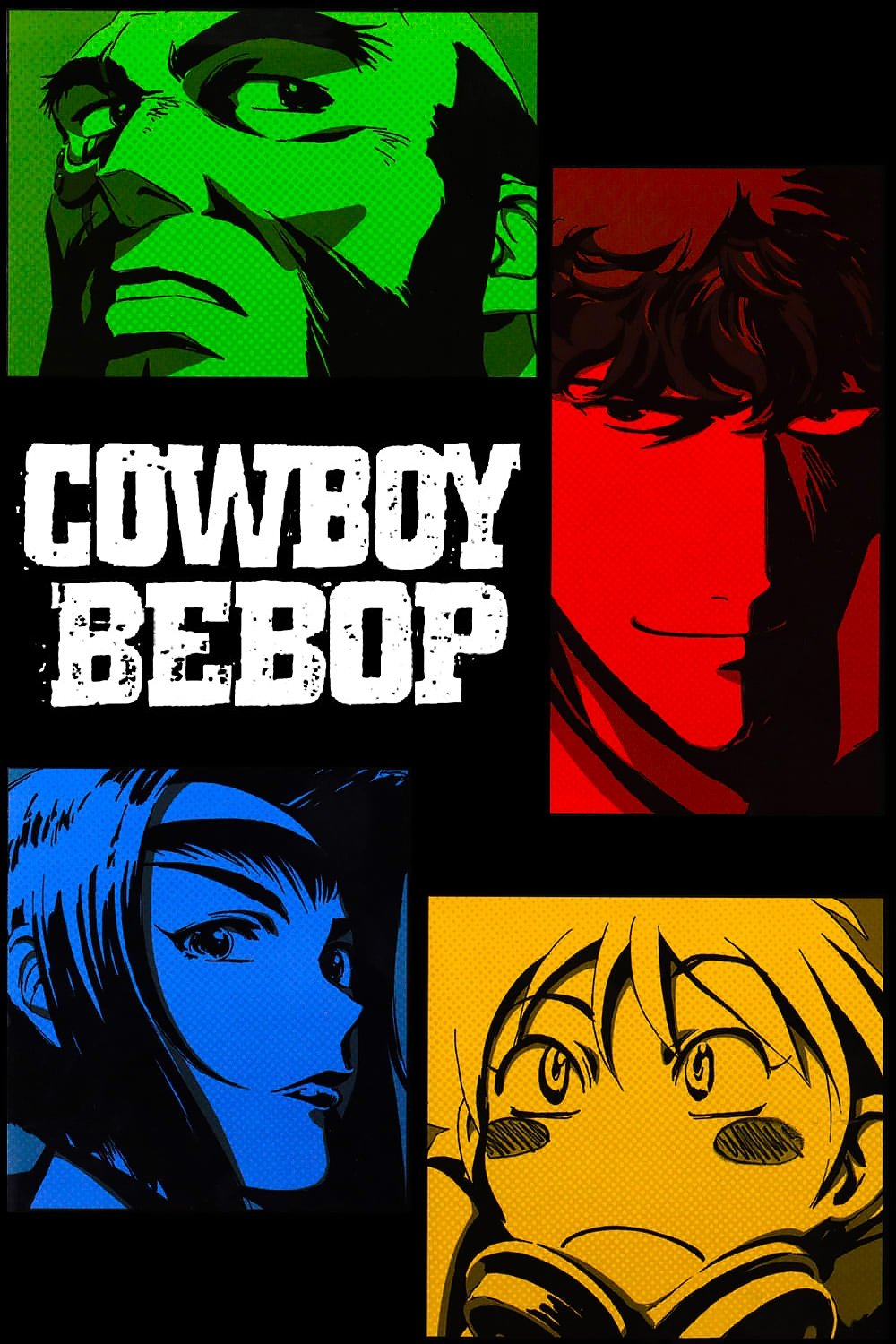
In the wake of terror attacks in the United States, the initial American television run of ‘Cowboy Bebop’ held back several episodes with bombing and hijacking themes. The airing order was adjusted, and the network added advisory cards to prepare late night audiences for heavier content.
Subsequent reruns restored the full set in the intended flow. The experience influenced how distributors planned late night anime blocks, with new review passes for scenes that might echo current events and with more careful programming notes around violent episodes.
‘Mobile Suit Gundam’ (1979)
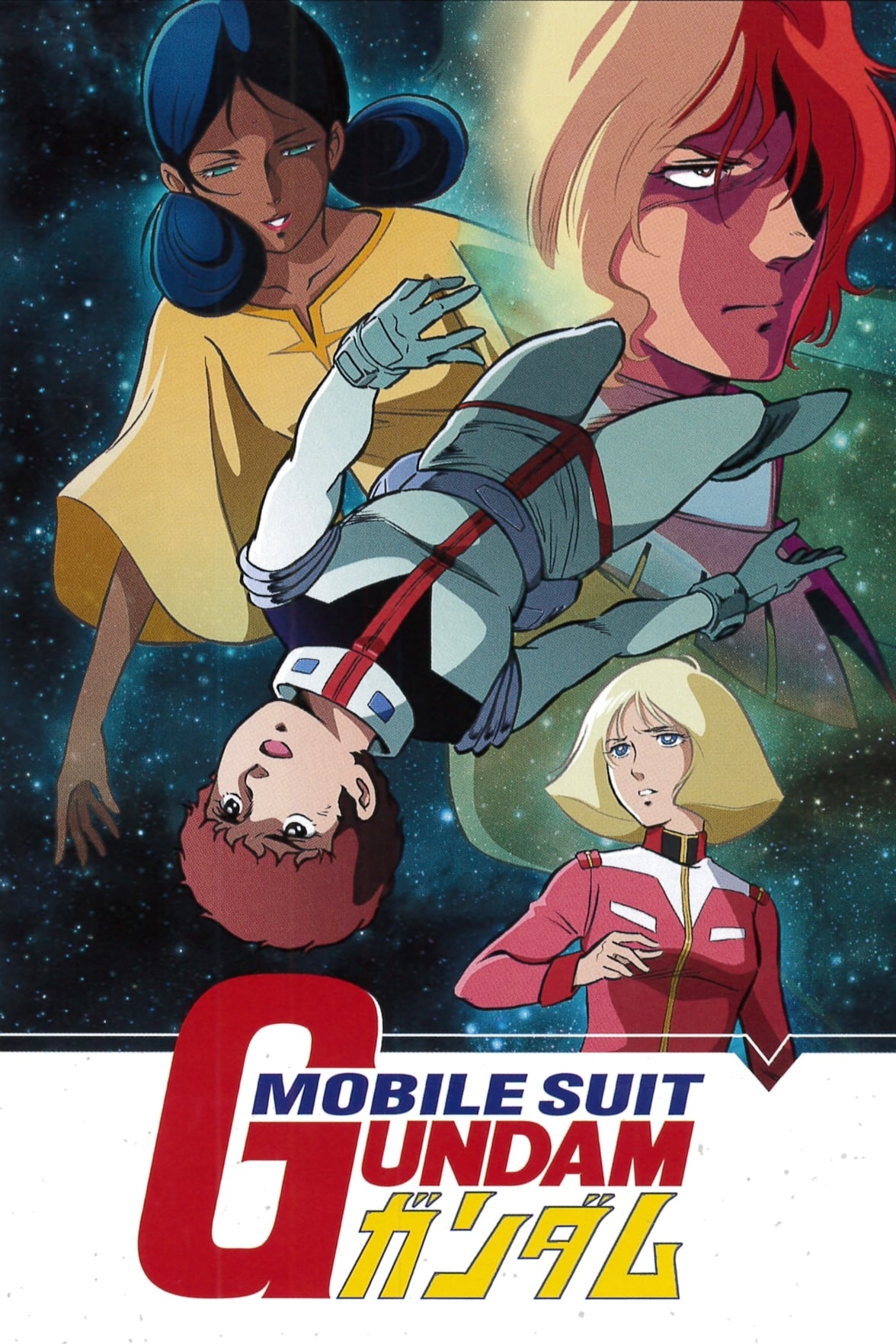
Bright Noa’s original actor, Hirotaka Suzuoki, died during the long life of the ‘Mobile Suit Gundam’ franchise. Later installments cast Ken Narita as Bright, and recording sessions focused on matching cadence, command tone, and even breaths between phrases so that the character would feel continuous across eras.
Credits, guidebooks, and event panels documented the handover in detail, which established a reference for future recasts in the Gundam universe. The approach balanced respect for the late actor with the practical need to keep a central commander active in new stories.
‘Aria’ (2005)
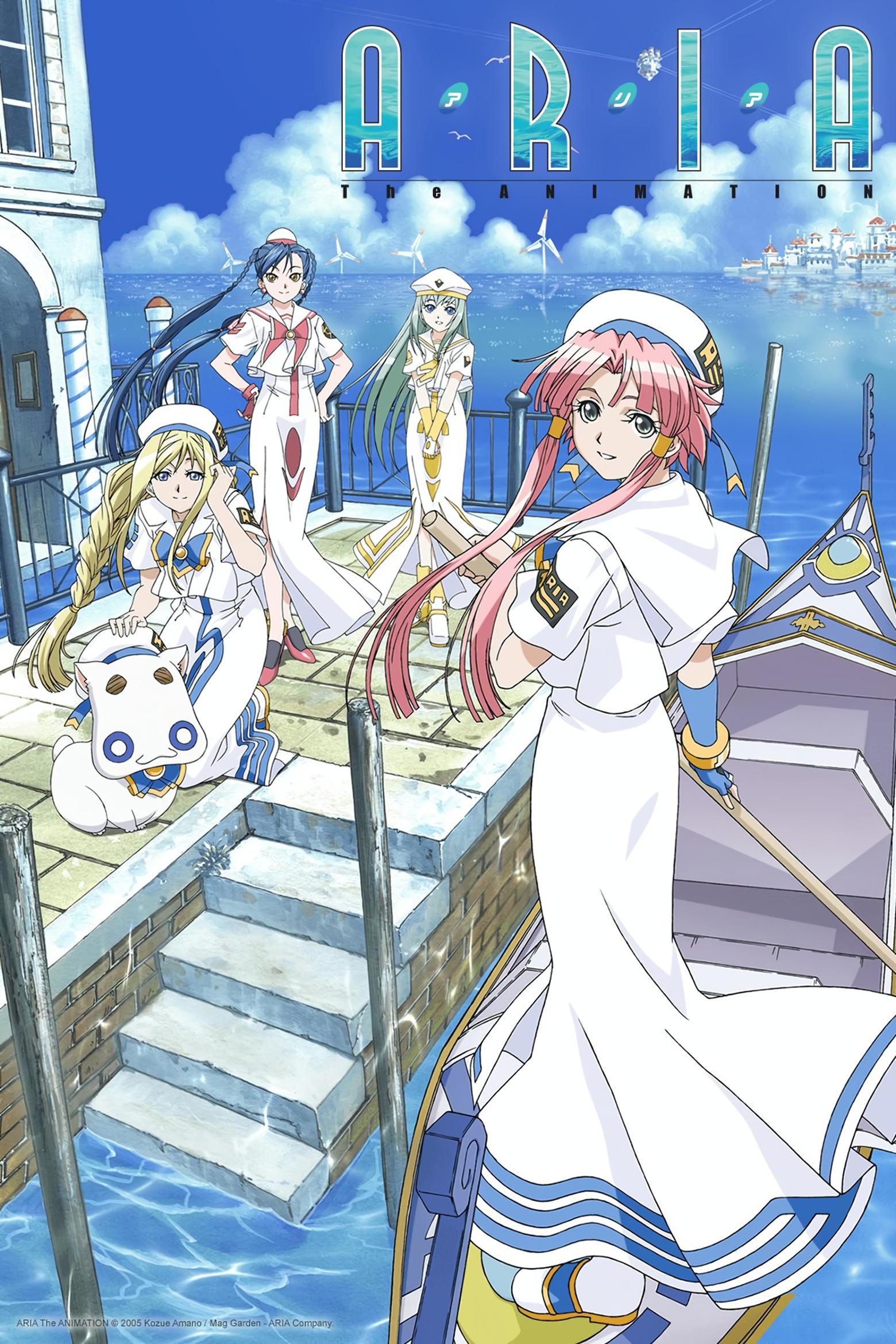
After Tomoko Kawakami died, ‘Aria’ needed a new voice for Athena Glory. The production selected a successor who studied the soft timbre and unhurried delivery that defined the character, then re recorded songs and harmonies to keep choral blends consistent.
Later theatrical chapters included memorial notes and careful sound direction so that ensemble pieces still felt like the same group of undines. The films used sound mixing and phrasing choices that echoed earlier sessions, which helped old and new performances sit together naturally.
‘NANA’ (2006)
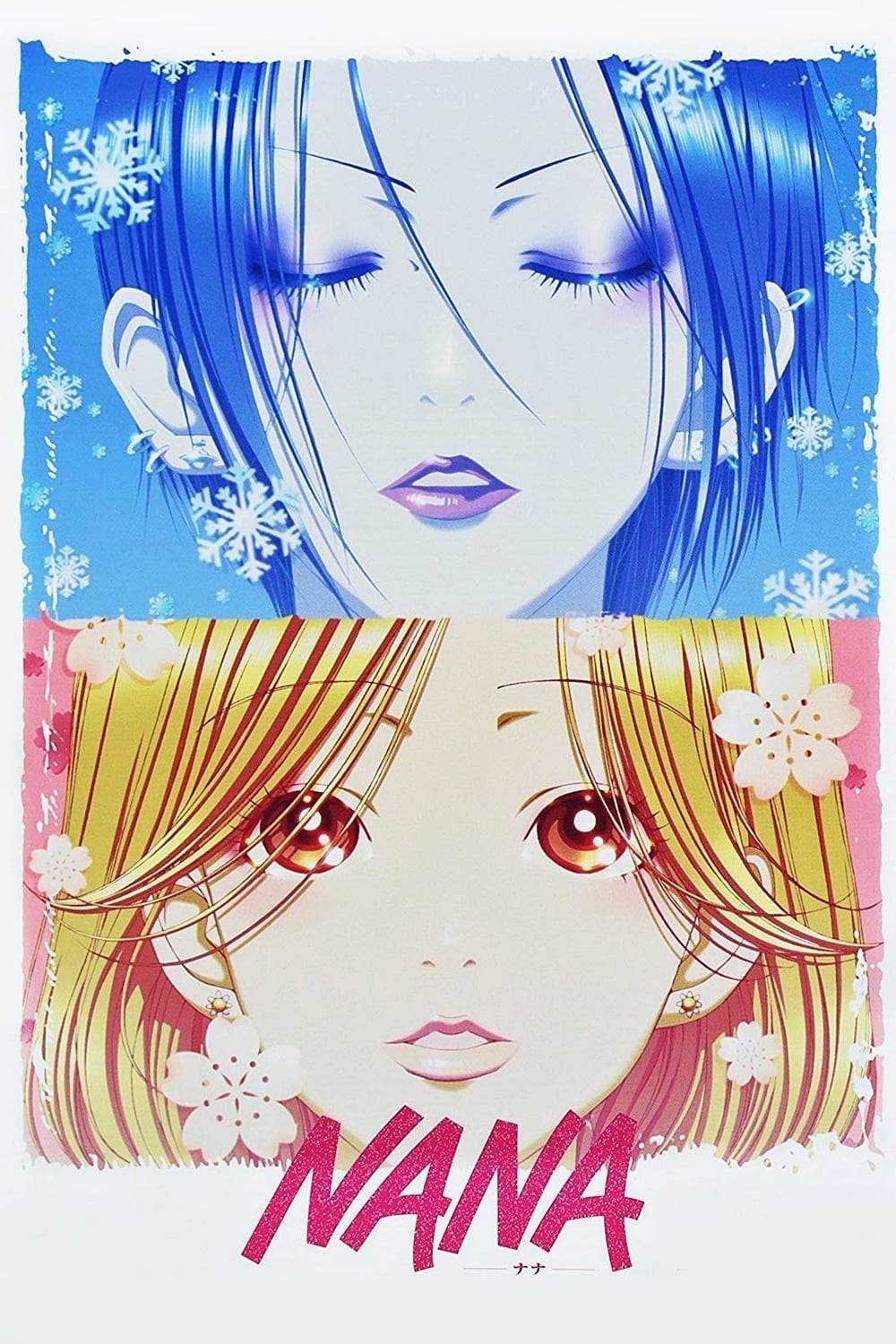
Author Ai Yazawa fell seriously ill, and the manga paused with no date to resume. Without fresh material to adapt, the ‘NANA’ anime ended with no follow up season, and licensing plans for future arcs were set aside.
The production committee kept the brand alive through music releases and reruns, yet the televised story remained unfinished. The pause became one of the most discussed cases of a popular show that could not continue because the creator’s health took priority over publication and adaptation.
‘Detective Conan’ (1996)
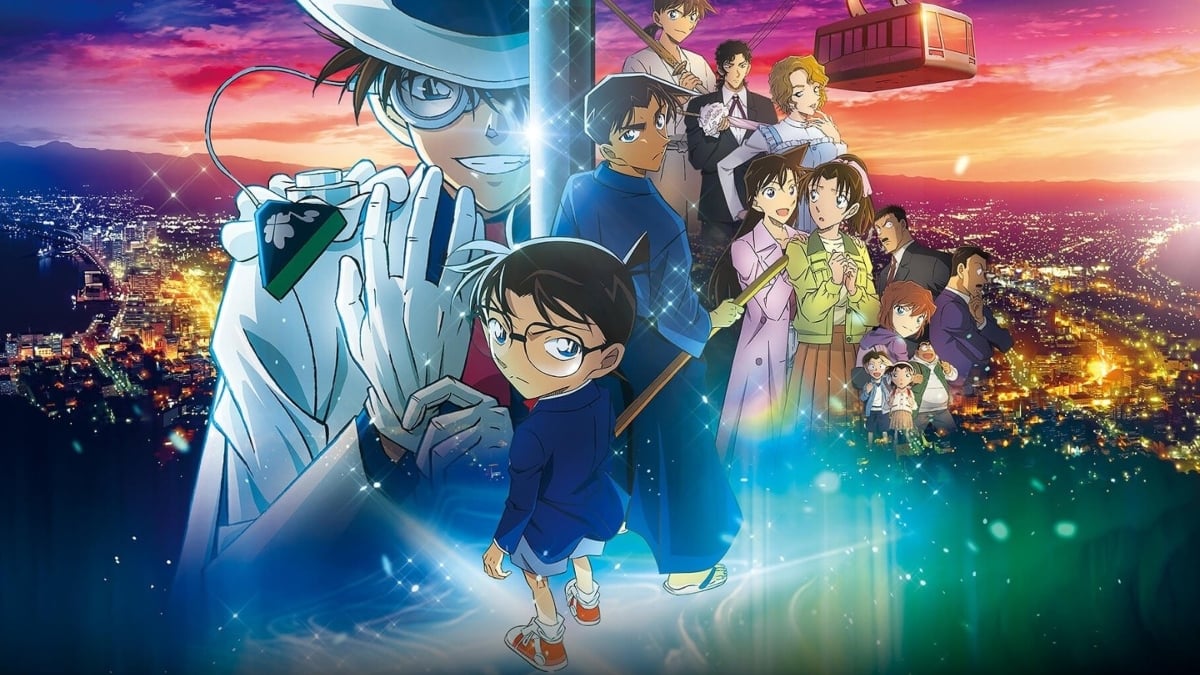
TMS EntertainmentSinger Izumi Sakai of ZARD died while an opening theme was in progress for ‘Detective Conan’. The production finished the track from her demo and arranged it for broadcast as a posthumous release, then used the song as the show’s opening to honor her memory.
The credits reflected the unusual circumstances and the single’s rollout explained how the materials were completed. The decision preserved a long relationship between the series and the artist, and it showed how a music team can carry a final work across the finish line with care.
Share the moments you remember most and tell us which other anime were reshaped by real life in the comments.