


20 Times Reality Was Stranger Than the Movie It Inspired



Some stories are so wild they seem made for the big screen, yet they spring from real life. Truth can be stranger than fiction, and the movies inspired by these events often pale in comparison to the actual events. From daring escapes to bizarre encounters, these tales push the boundaries of belief.
I’ve dug into 20 real-life stories that inspired films and shows, each one more astonishing than its cinematic version. I’ll share the true events and how the screen adaptation compares.
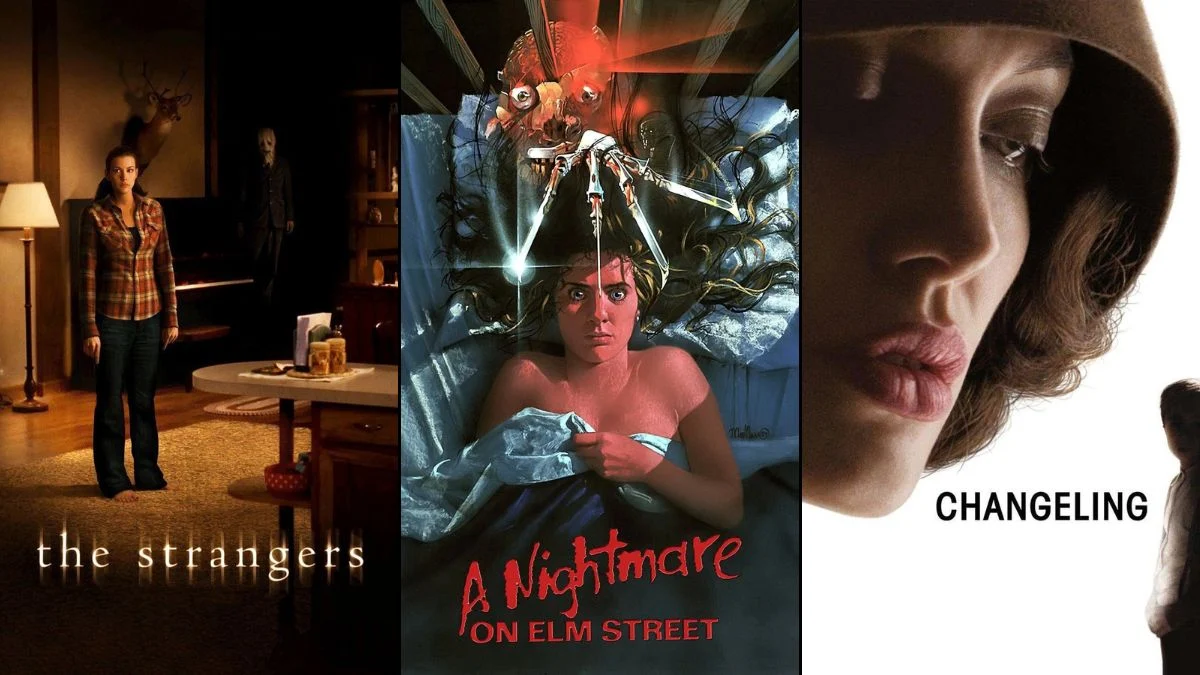
The Strangers (2008)
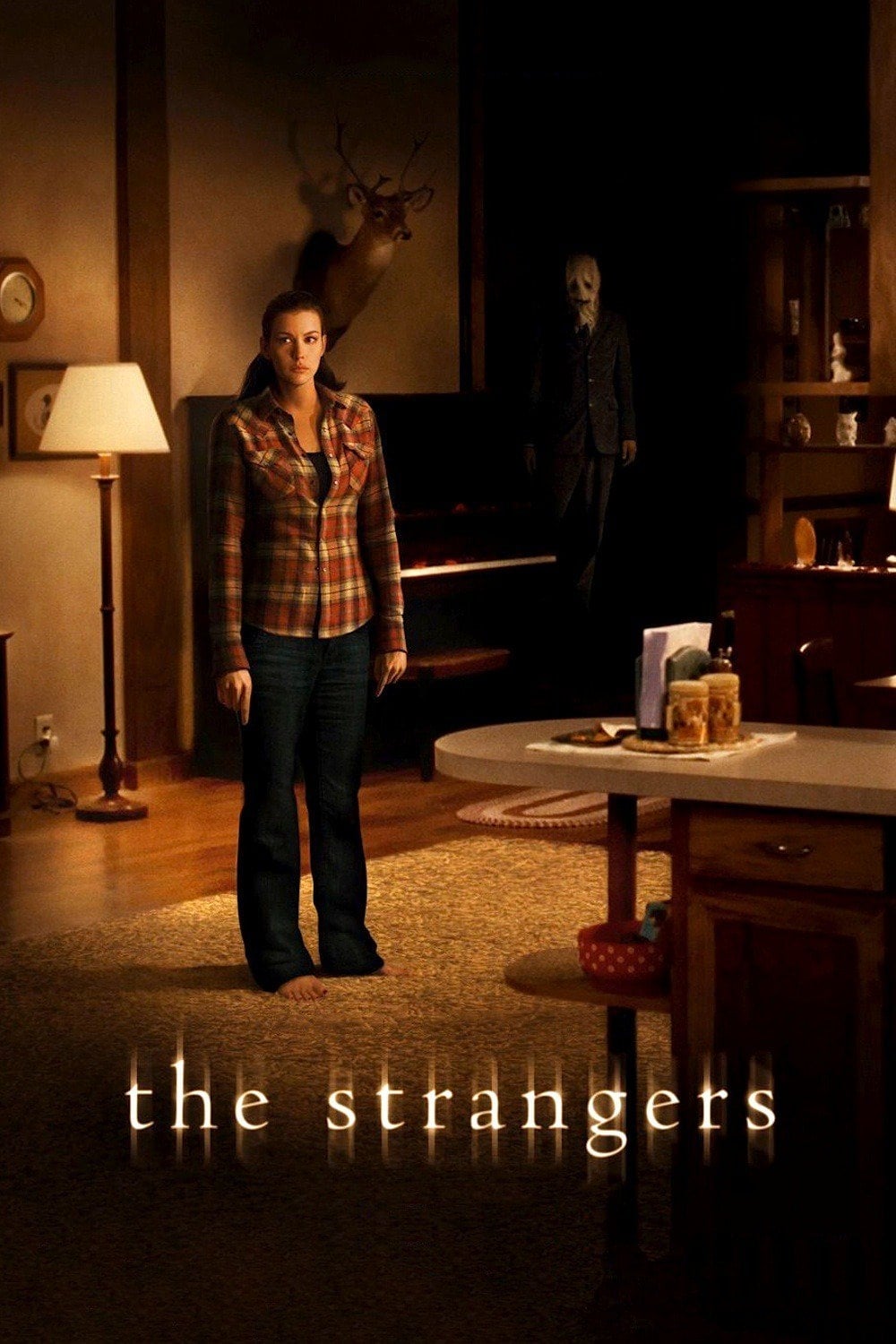
A couple’s quiet vacation turns into a nightmare when three masked intruders terrorize them. ‘The Strangers’ draws from writer-director Bryan Bertino’s childhood memory of strangers knocking on his door, asking for someone who didn’t live there. He later learned they were casing houses, breaking into empty ones.
The real twist? Bertino also pulled from the Manson Family murders of 1969, where cult members invaded homes with chilling randomness. The film’s ‘because you were home’ line captures that eerie motive, but the real-life chaos of the Manson crimes feels even more unsettling.
Changeling (2008)

A mother’s son vanishes, and the police return a boy she insists isn’t hers. ‘Changeling’ is based on the 1928 Wineville Chicken Coop Murders in California. Christine Collins’ son Walter disappeared, and the LAPD, under pressure, presented a different boy, gaslighting her into accepting him.
The true story is darker. Gordon Northcott, the real killer, murdered multiple boys on his farm. Collins never reunited with Walter, and the film softens the grim reality of Northcott’s crimes, which shook public trust in law enforcement.
Cocaine Bear (2023)
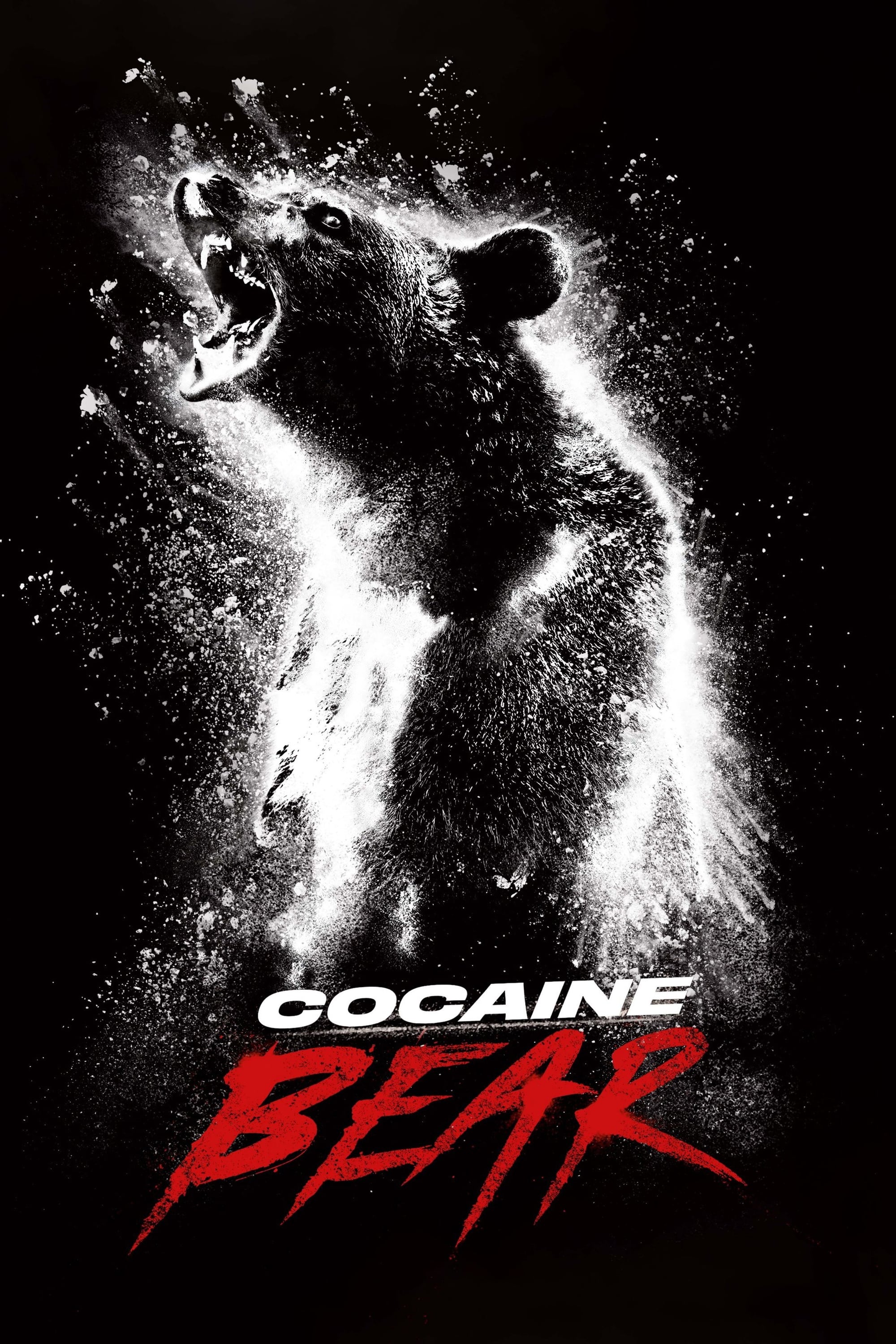
A bear goes on a rampage after eating cocaine dropped in a forest. ‘Cocaine Bear’ takes its cue from a 1985 incident in Georgia, where a black bear consumed 40 pounds of cocaine dropped by drug smuggler Andrew Thornton II, who died when his parachute failed.
The real bear didn’t wreak havoc like in the movie—it overdosed and died quickly. The film’s wild, gory chase scenes are pure fiction, but the idea of a bear stumbling onto a drug stash is bizarre enough to steal the show.
The Straight Story (1999)
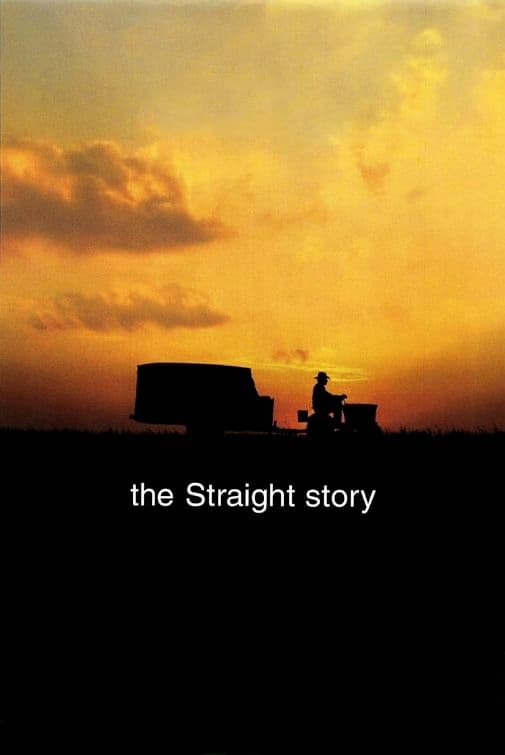
An elderly man rides a lawnmower across states to visit his dying brother. ‘The Straight Story’ tells the true journey of Alvin Straight, who, in 1994, traveled 240 miles from Iowa to Wisconsin on a John Deere mower at 73, battling poor health and eyesight.
The film stays close to the facts, capturing Alvin’s stubborn grit. Yet, the real trip’s sheer oddity—navigating highways at 5 mph with no license—feels even more surreal than David Lynch’s gentle, heartfelt portrayal.
The Exorcist (1973)

A girl possessed by a demon undergoes a harrowing exorcism. ‘The Exorcist’ draws from a 1949 case in Maryland, where a 14-year-old boy, pseudonymized as Roland Doe, exhibited disturbing behavior—levitating objects, speaking in voices, and violent outbursts.
The real case involved Jesuit priests performing exorcisms over months, with less theatrical flair than the film’s head-spinning horror. The boy’s recovery remains debated, but the raw fear of the unknown in the true story lingers.
The Conjuring (2013)
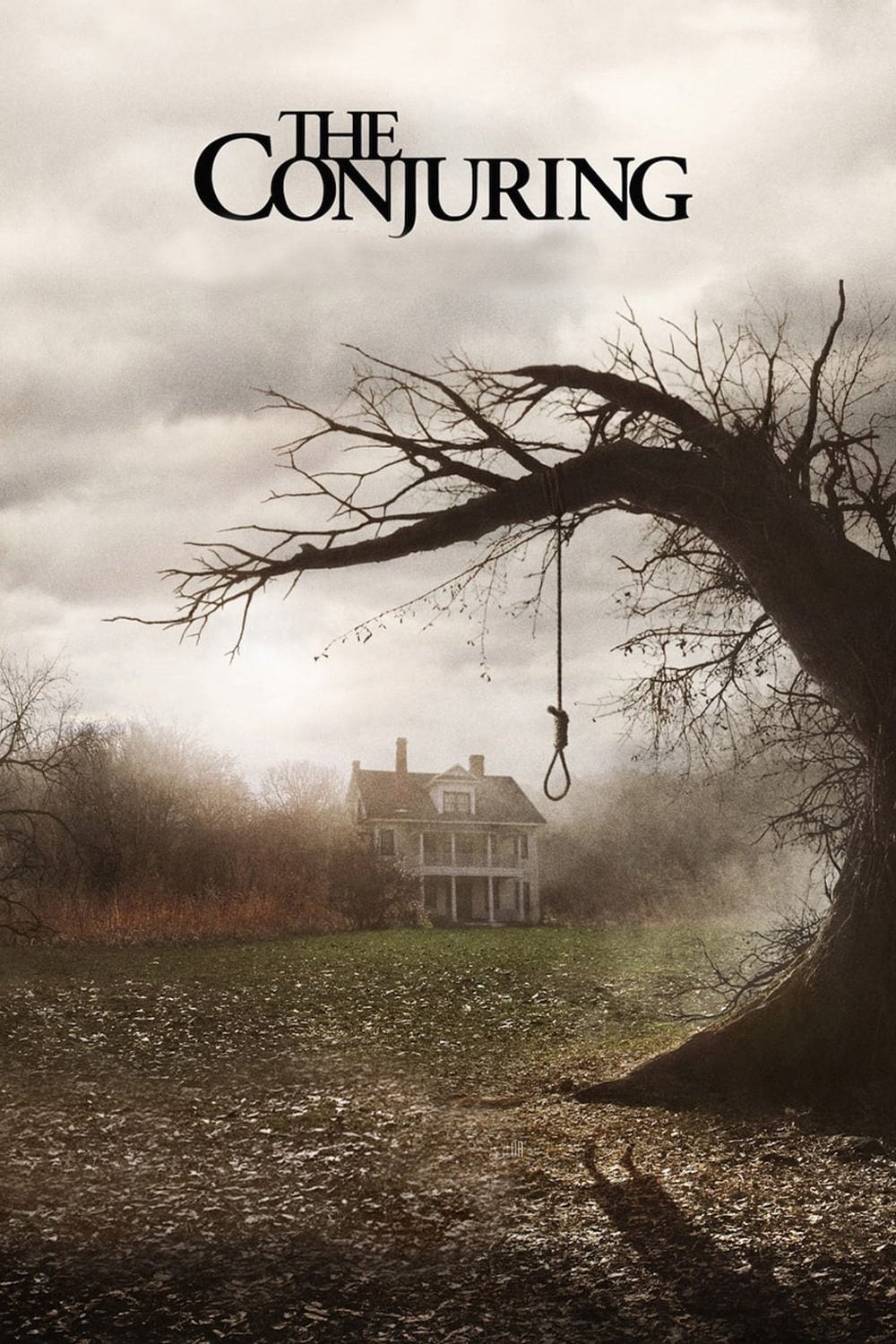
A family faces paranormal terror in a haunted farmhouse. ‘The Conjuring’ is inspired by the Perron family’s 1970s experiences in Rhode Island, where they reported ghostly apparitions and oppressive forces, investigated by paranormal experts Ed and Lorraine Warren.
The real events were less structured than the film’s polished scares. The Perrons’ decade-long ordeal included unexplained noises and fleeting visions, making their reality a slower, creepier burn than the movie’s jump-scare intensity.
Rain Man (1988)
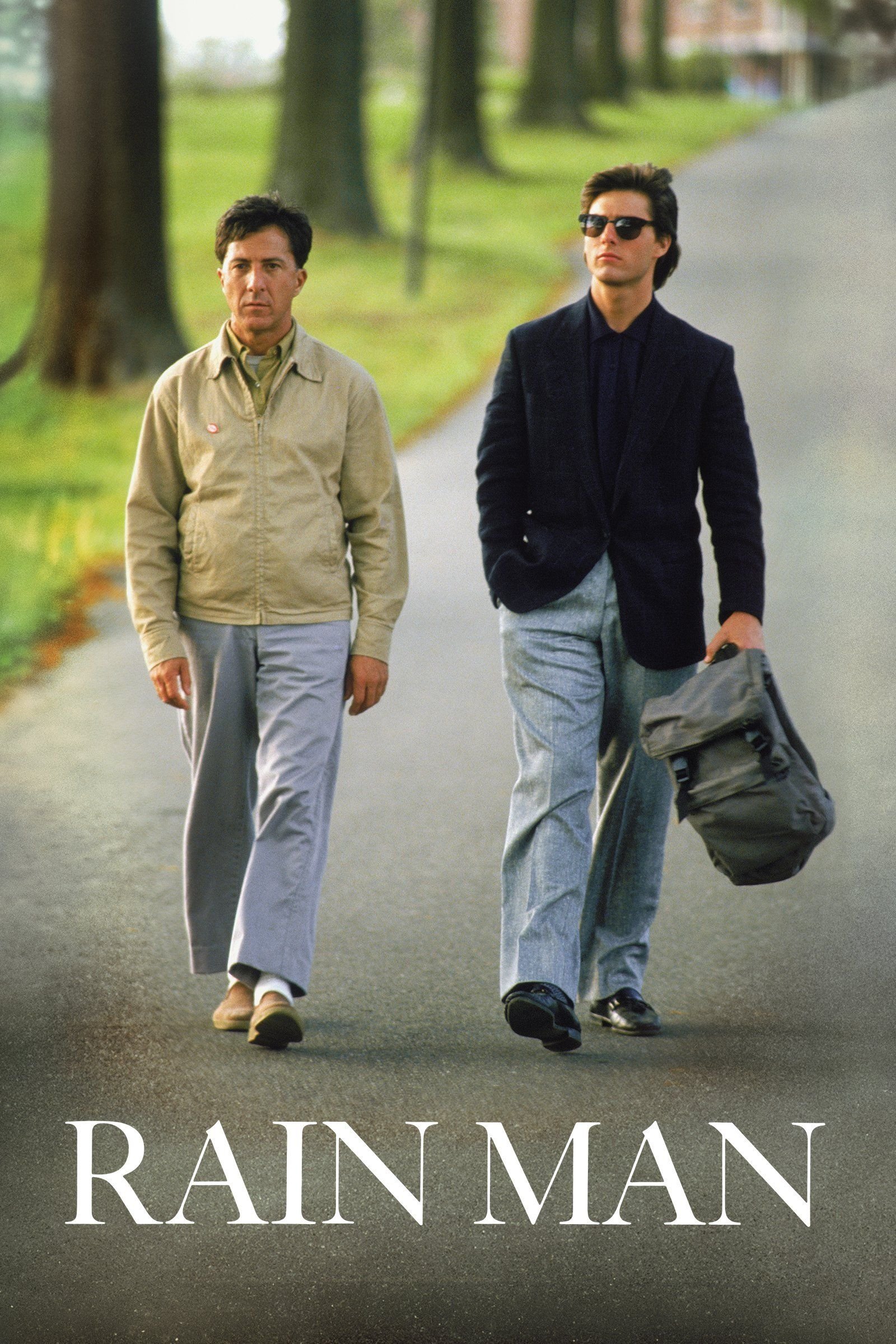
A man discovers his autistic savant brother inherits their father’s fortune. ‘Rain Man’ is inspired by Laurence Kim Peek, a savant with extraordinary memory who could recall entire books but struggled with daily tasks. He met writer Barry Morrow, sparking the story.
Unlike the film’s road-trip bonding, Peek never lived with family or inherited wealth. His real-life abilities, like reading two pages simultaneously, were more astonishing than the movie’s depiction, grounded in his unique mind.
Moneyball (2011)
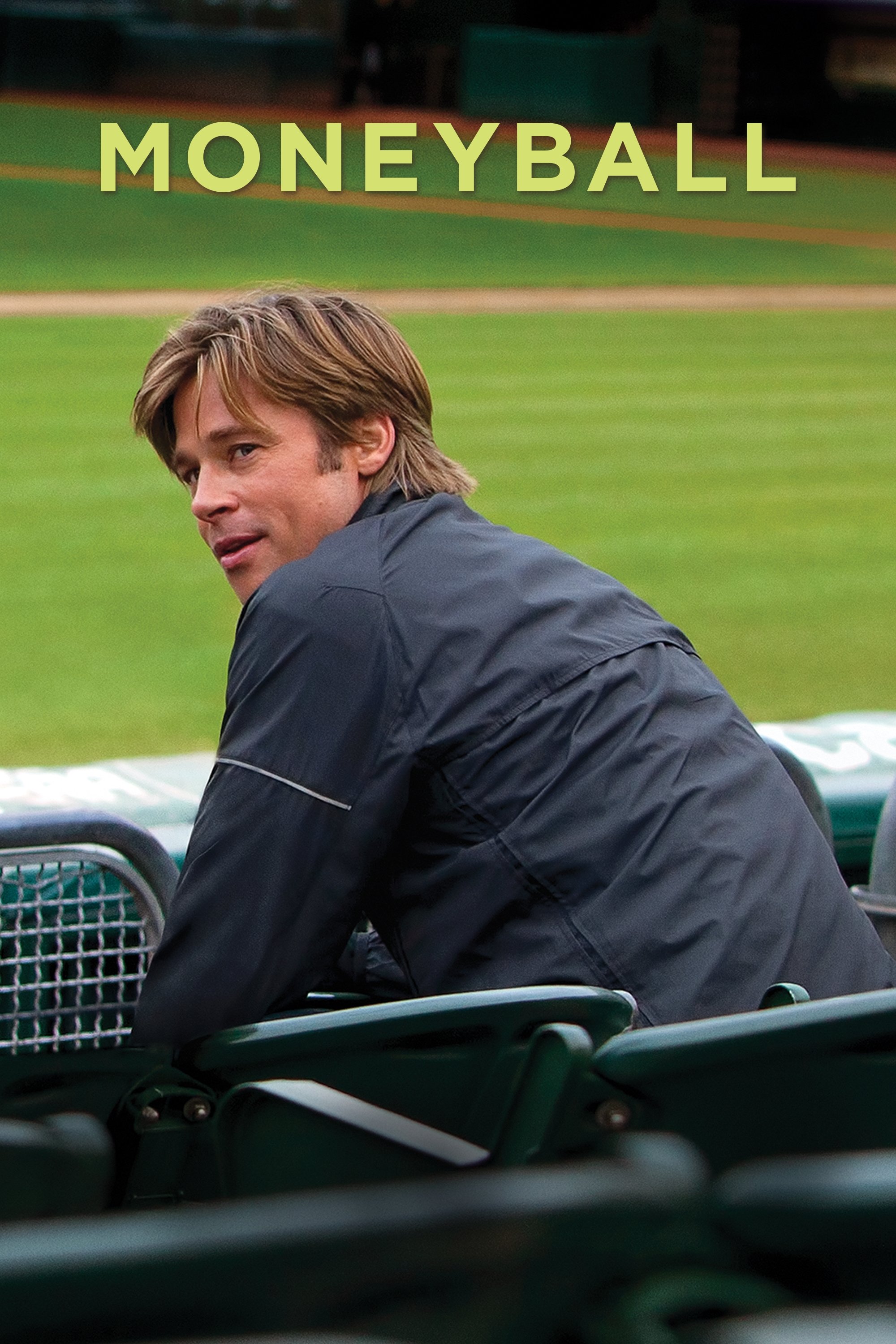
A baseball manager uses stats to build a winning team on a budget. ‘Moneyball’ follows Billy Beane’s 2002 Oakland A’s season, where he and analyst Peter Brand used sabermetrics to scout undervalued players, defying traditional baseball wisdom.
The real revolution was less dramatic but more impactful. Beane’s data-driven approach changed how teams scout talent, and the film underplays the long-term ripple effect across sports, making the truth a quieter game-changer.
One Night in Miami (2020)
Four icons—Malcolm X, Muhammad Ali, Jim Brown, and Sam Cooke—meet in a hotel room. ‘One Night in Miami’ imagines a 1964 night after Ali’s boxing victory, based on a real gathering. They discussed civil rights, but details of their talk are scarce.
The film fills in the gaps with fictional dialogue, yet the real meeting’s weight—four Black leaders navigating fame and activism—carries a raw power the movie can only hint at, grounded in their historic roles.
Schindler’s List (1993)

A businessman saves Jewish workers during the Holocaust. ‘Schindler’s List’ portrays Oskar Schindler, a German industrialist who protected over 1,200 Jews by employing them in his factories, risking his life to defy Nazi orders.
The real Schindler’s cunning—bribing officials and faking records—was even riskier than the film shows. His moral shift from profiteer to savior, amidst unimaginable horror, makes the true story profoundly heroic.
The Sound of Music (1965)
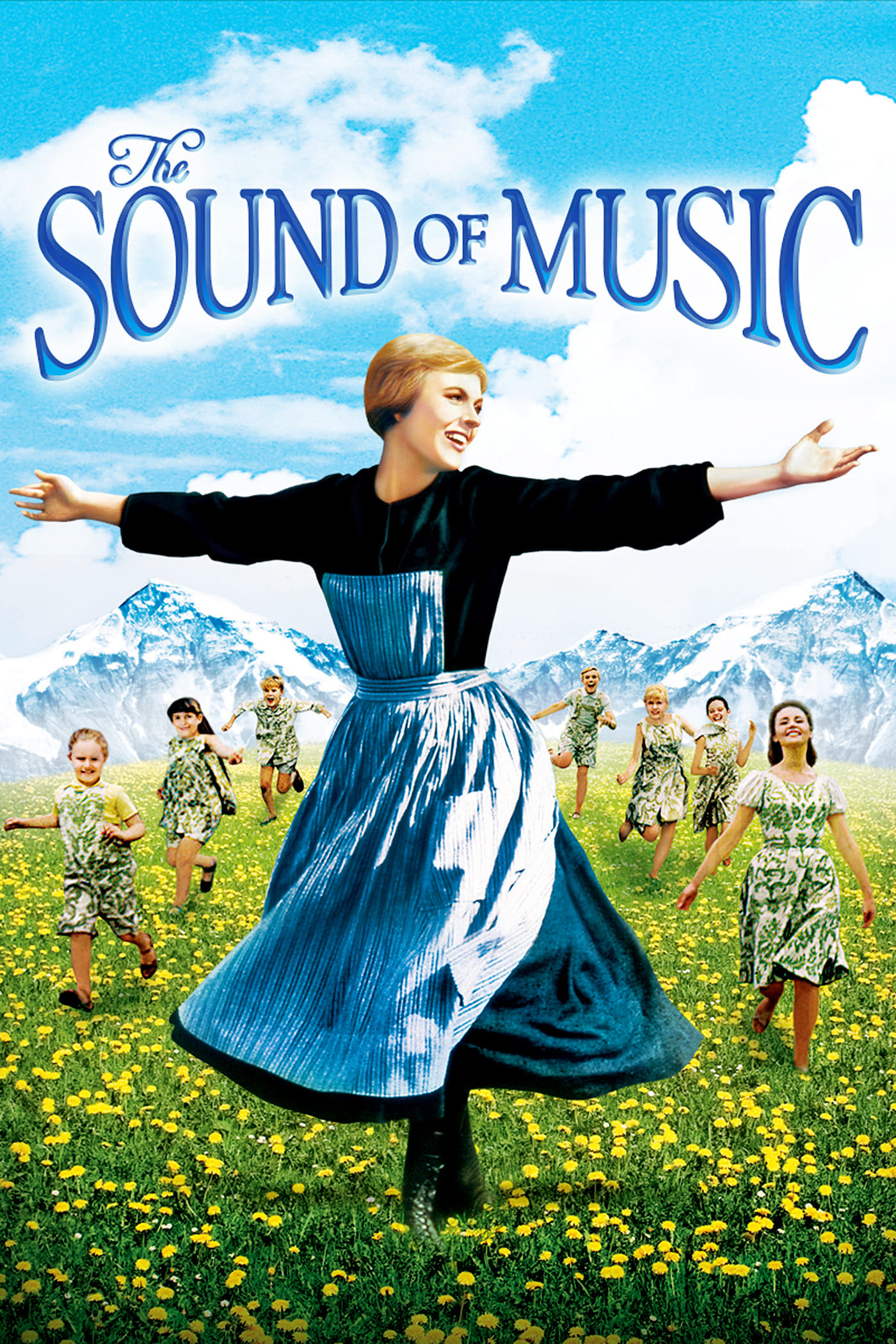
A nun becomes a governess for a singing family fleeing Nazis. ‘The Sound of Music’ is based on Maria von Trapp’s memoir about her family’s musical career and 1938 escape from Austria. She was fiery, unlike the film’s sweet Maria.
The real von Trapps didn’t hike over mountains but took a train to Italy. Their complex family dynamics and Maria’s temper add a grittier edge to the truth, outshining the film’s sugary charm.
Hustlers (2019)

Strippers scam wealthy clients in a bold scheme. ‘Hustlers’ stems from a 2015 New York Magazine article about dancers drugging Wall Street men to run up their credit cards, led by Roselyn Keo and Samantha Barbash.
The real hustle was messier, with legal battles and betrayal among the group. The film glamorizes the crime, but the raw ambition and fallout of the true story feel like a wilder ride.
The Farewell (2019)
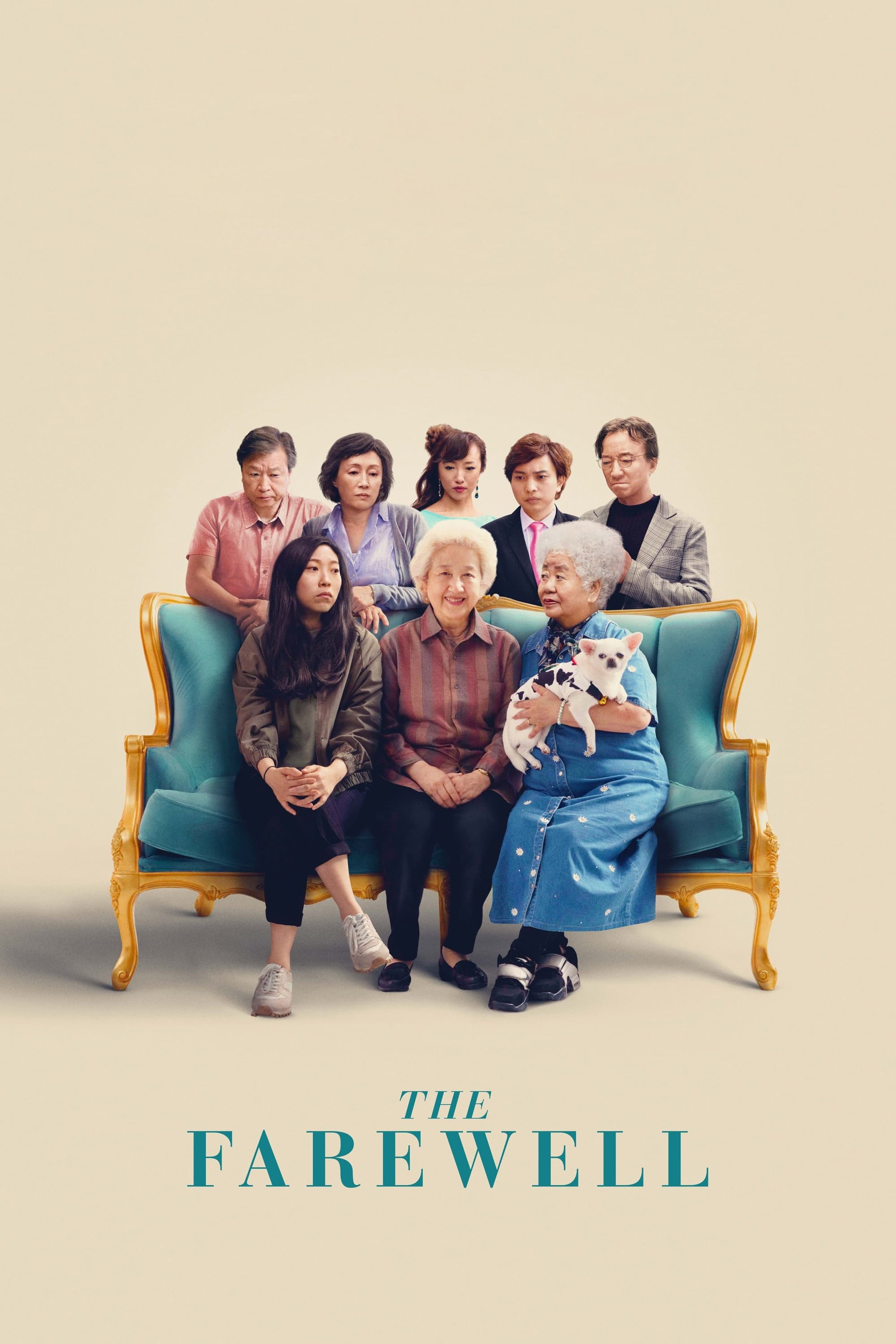
A family hides a grandmother’s illness with a fake wedding. ‘The Farewell’ reflects director Lulu Wang’s experience, where her family staged a cousin’s wedding in China to gather without revealing her grandmother’s cancer diagnosis.
The real event was emotionally raw, with Wang grappling with cultural differences over truth-telling. The film captures the heart but softens the family’s tension, making the reality a deeper clash of love and secrecy.
Julie & Julia (2009)

A blogger cooks every recipe in Julia Child’s cookbook. ‘Julie & Julia’ intertwines Julie Powell’s 2002 blog project with Julia Child’s rise as a chef. Both women faced personal struggles while chasing their culinary passions.
The real Powell’s blog was less polished, filled with raw frustration, and Child herself disapproved of it. The film smooths their stories, but the messy ambition of both women shines brighter in reality.
Spotlight (2015)

Journalists uncover a Catholic Church abuse scandal. ‘Spotlight’ follows the Boston Globe’s 2002 investigation into systemic priest abuse, revealing decades of cover-ups across the city’s parishes.
The real reporting, led by figures like Walter Robinson, was a grueling, years-long effort that faced intense pushback. The film captures the drama but can’t match the investigation’s real-world impact, shaking an institution to its core.
King Richard (2021)

A father coaches his daughters to tennis stardom. ‘King Richard’ portrays Richard Williams’ relentless drive to train Venus and Serena into champions, starting from Compton’s public courts in the 1980s.
The real Richard’s methods were unconventional, like using broken rackets, and his bold predictions about his daughters drew skepticism. The film tones down his intensity, but the truth of his vision is almost mythic.
I, Tonya (2017)

A figure skater’s life unravels amid a rival’s assault. ‘I, Tonya’ recounts Tonya Harding’s 1994 scandal, where her ex-husband orchestrated an attack on Nancy Kerrigan, tarnishing Harding’s career.
The real story is murkier—Harding’s involvement remains debated, and her abusive upbringing was harsher than shown. The film’s dark humor can’t fully capture the chaotic, tragic reality of her life.
The Tender Bar (2021)
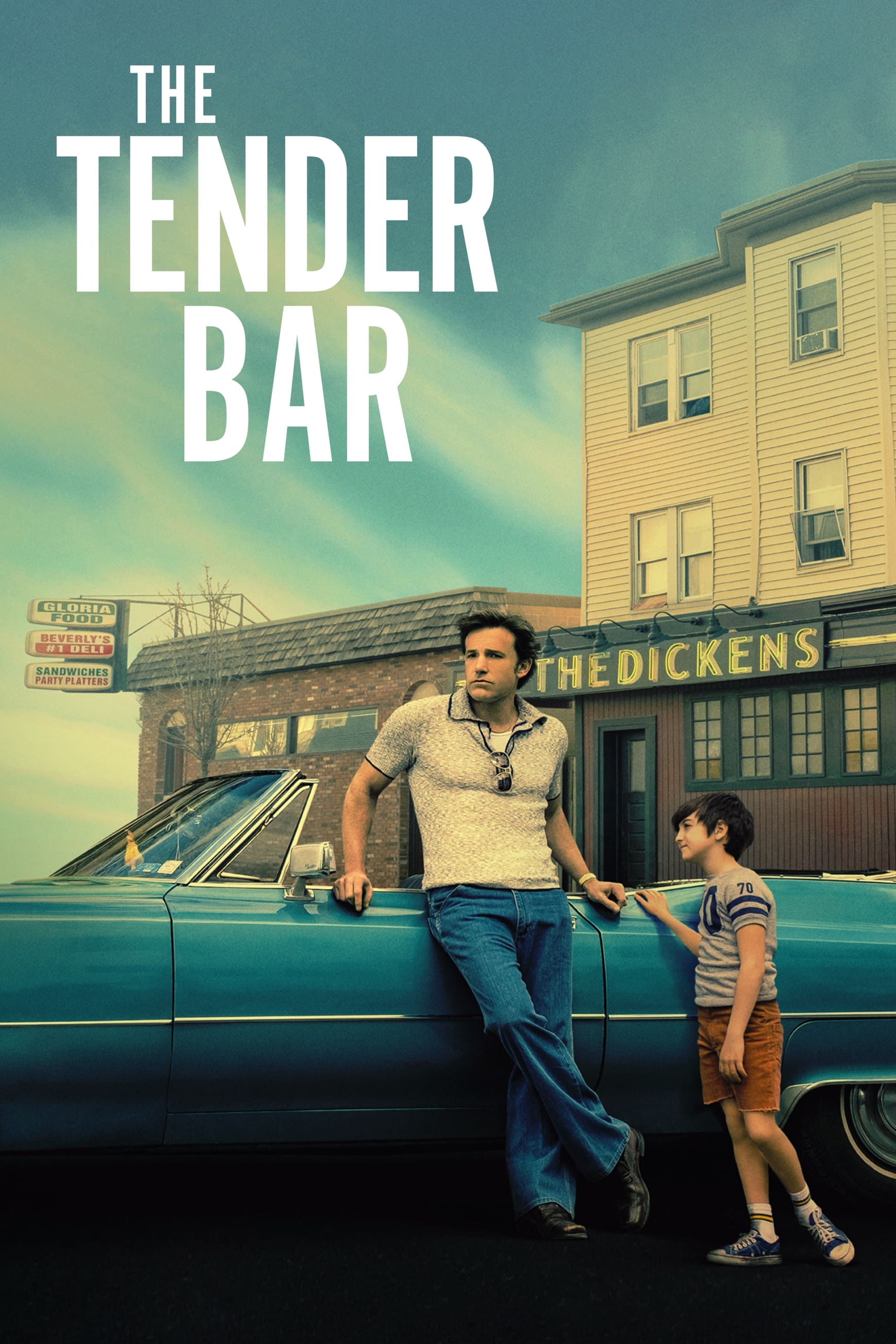
A boy finds mentorship in his uncle’s bar. ‘The Tender Bar’ is based on J.R. Moehringer’s memoir about growing up on Long Island, seeking father figures among bar patrons while chasing a writing career.
The real Moehringer’s bond with his uncle Charlie was less tidy, marked by raw, unpolished moments. The film leans sentimental, but the gritty reality of barroom wisdom feels more vivid.
Jaws (1975)
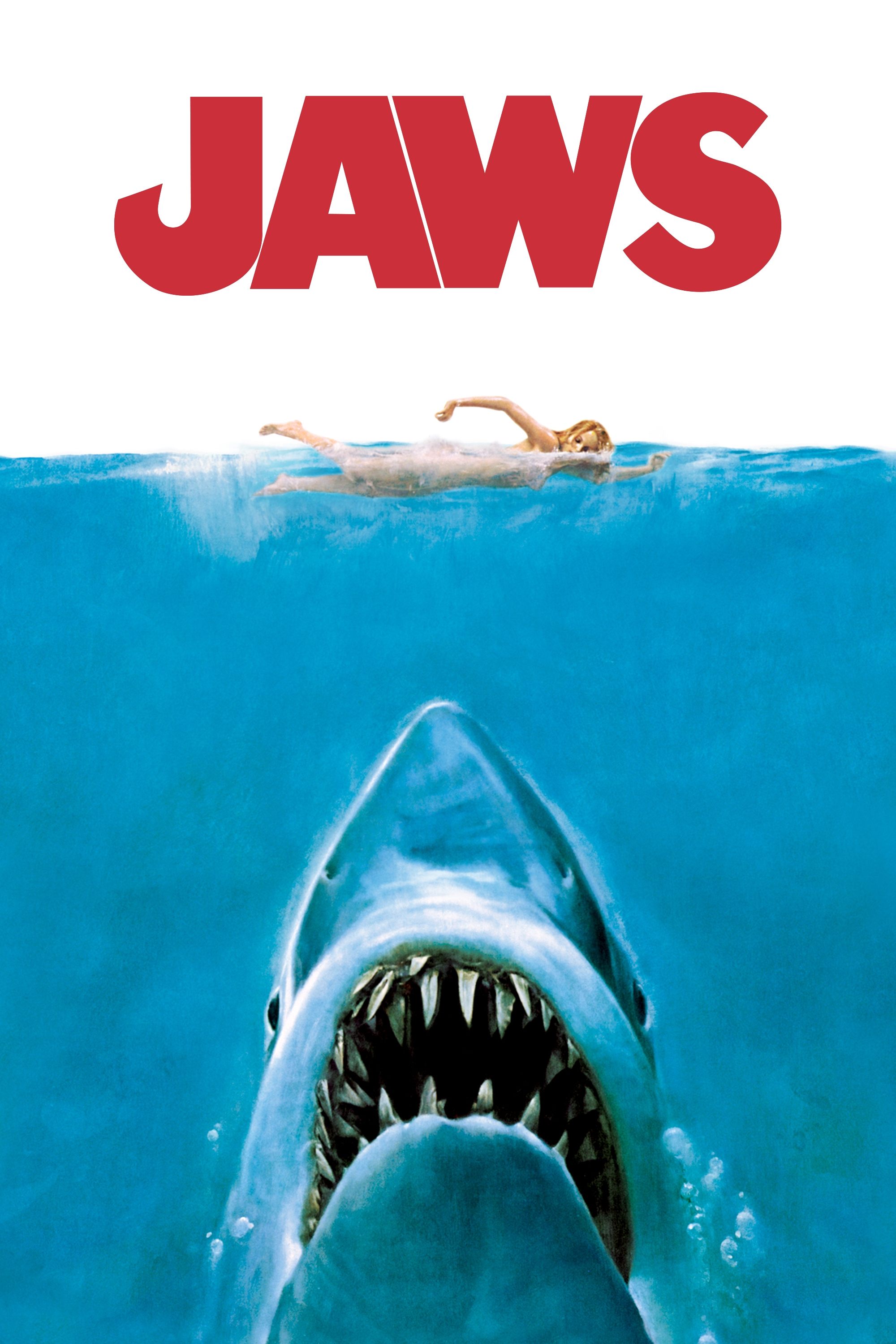
A shark terrorizes a beach town. ‘Jaws’ draws from the 1916 Jersey Shore shark attacks, where four people died over 12 days, sparking panic and changing how people viewed ocean swimming.
The real attacks were less cinematic but more chaotic, with no clear hero like the film’s Quint. The public’s fear and the era’s limited shark knowledge made the true story a raw, primal shock.
A Nightmare on Elm Street (1984)
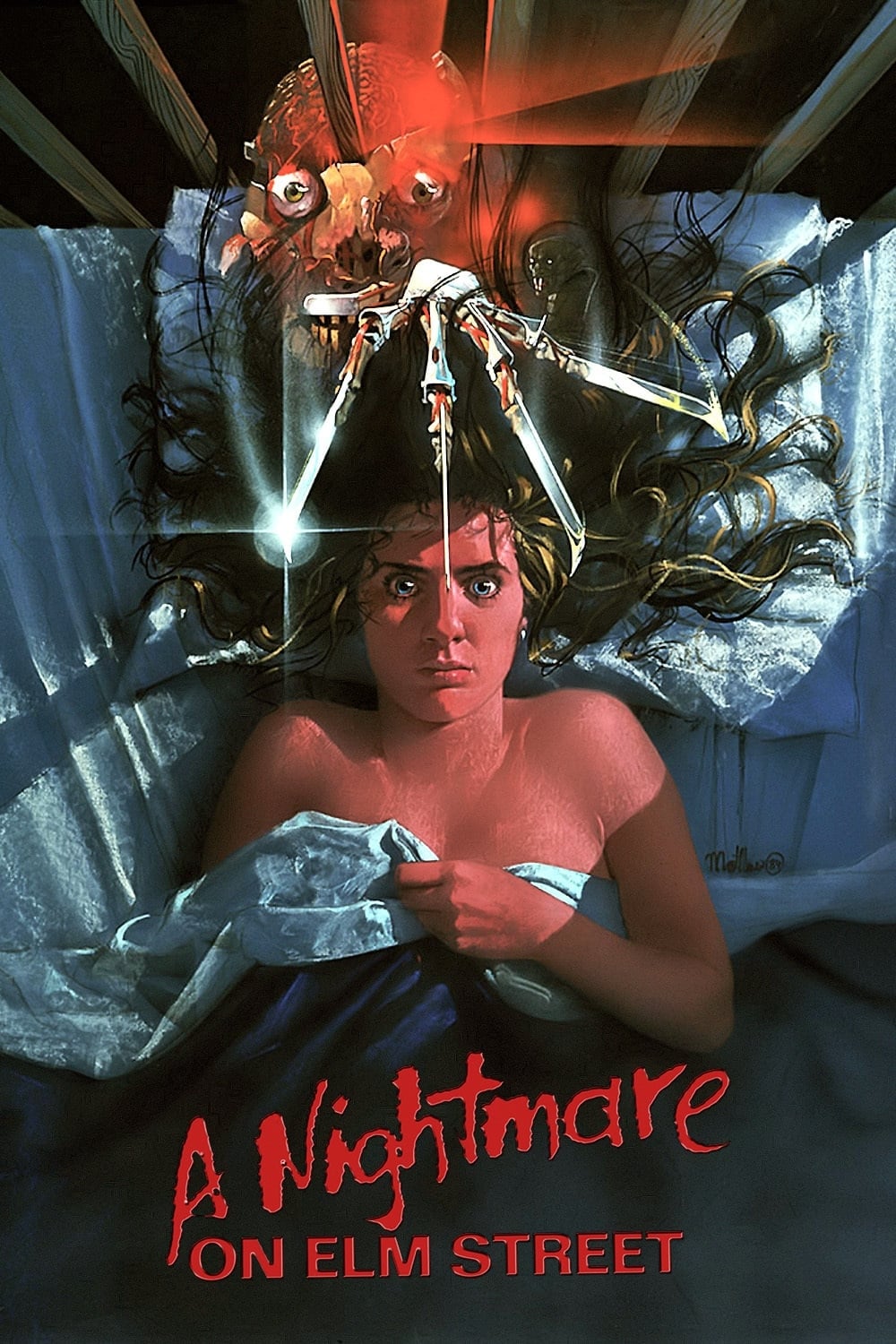
A killer stalks teens in their dreams. ‘A Nightmare on Elm Street’ was inspired by Wes Craven reading about Sudden Unexplained Nocturnal Death Syndrome, where young men, often Southeast Asian refugees, died screaming in their sleep.
The real cases, linked to stress and heart issues, lacked Freddy Krueger’s flair but carried a haunting mystery. The film’s supernatural horror can’t match the eerie, unexplained reality of those deaths.
Which real-life story shocked you the most, or did I miss a wild tale that deserves a spot? Share your thoughts in the comments!