


Times TV Shows Completely Failed Their Audience



Television history is filled with series that captivated viewers for years only to stumble significantly in their final moments or later seasons. These disappointments often stem from questionable creative decisions that unravel long-standing character arcs or plot threads. Audiences invest massive amounts of time into these stories and expect payoffs that respect the narrative journey. When a show fails to deliver a satisfying conclusion or direction, the backlash can tarnish its legacy permanently.
‘Game of Thrones’ (2011–2019)
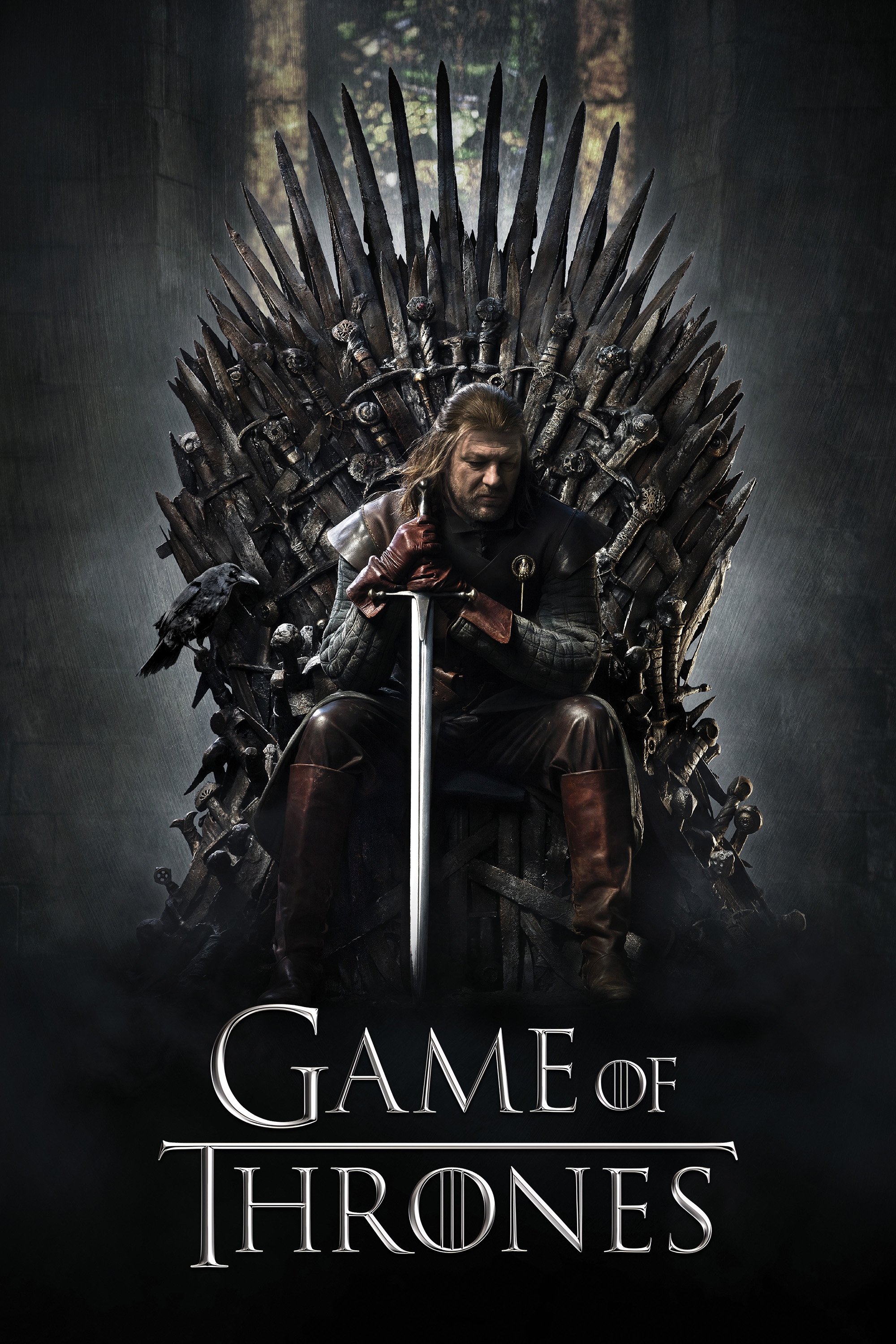
The final season of this fantasy epic is frequently cited as one of the most divisive conclusions in television history. Viewers criticized the compressed storytelling that rushed through critical character developments and major conflicts. Daenerys Targaryen underwent a sudden descent into madness that felt unearned to many fans who had followed her journey for years. The selection of Bran Stark as the ruler of Westeros confused audiences who felt his character had been sidelined narratively. The rapid pacing ultimately undermined the complex political maneuvering that defined the show’s earlier success.
‘How I Met Your Mother’ (2005–2014)
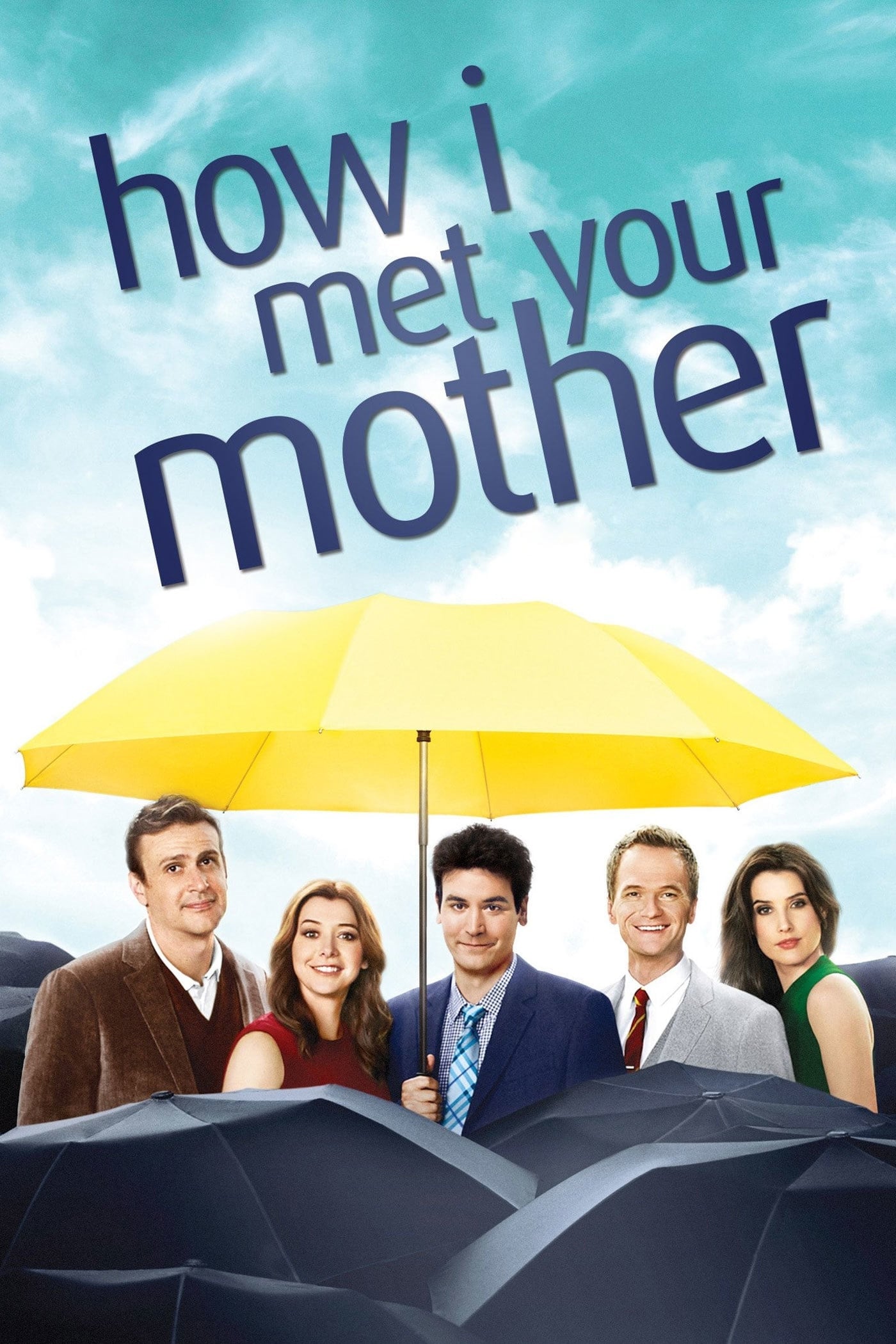
Fans spent nine seasons waiting for Ted Mosby to meet the titular mother in a heartwarming romantic conclusion. The finale controversially chose to kill off the mother shortly after her introduction to reunite Ted with Robin Scherbatsky. This decision negated years of plot development that established why Ted and Robin were incompatible as a couple. Additionally, the episode undid the character growth of Barney Stinson by dismantling his marriage to Robin within minutes. The reversal left many viewers feeling that the entire final season set at the wedding was a waste of time.
‘Lost’ (2004–2010)
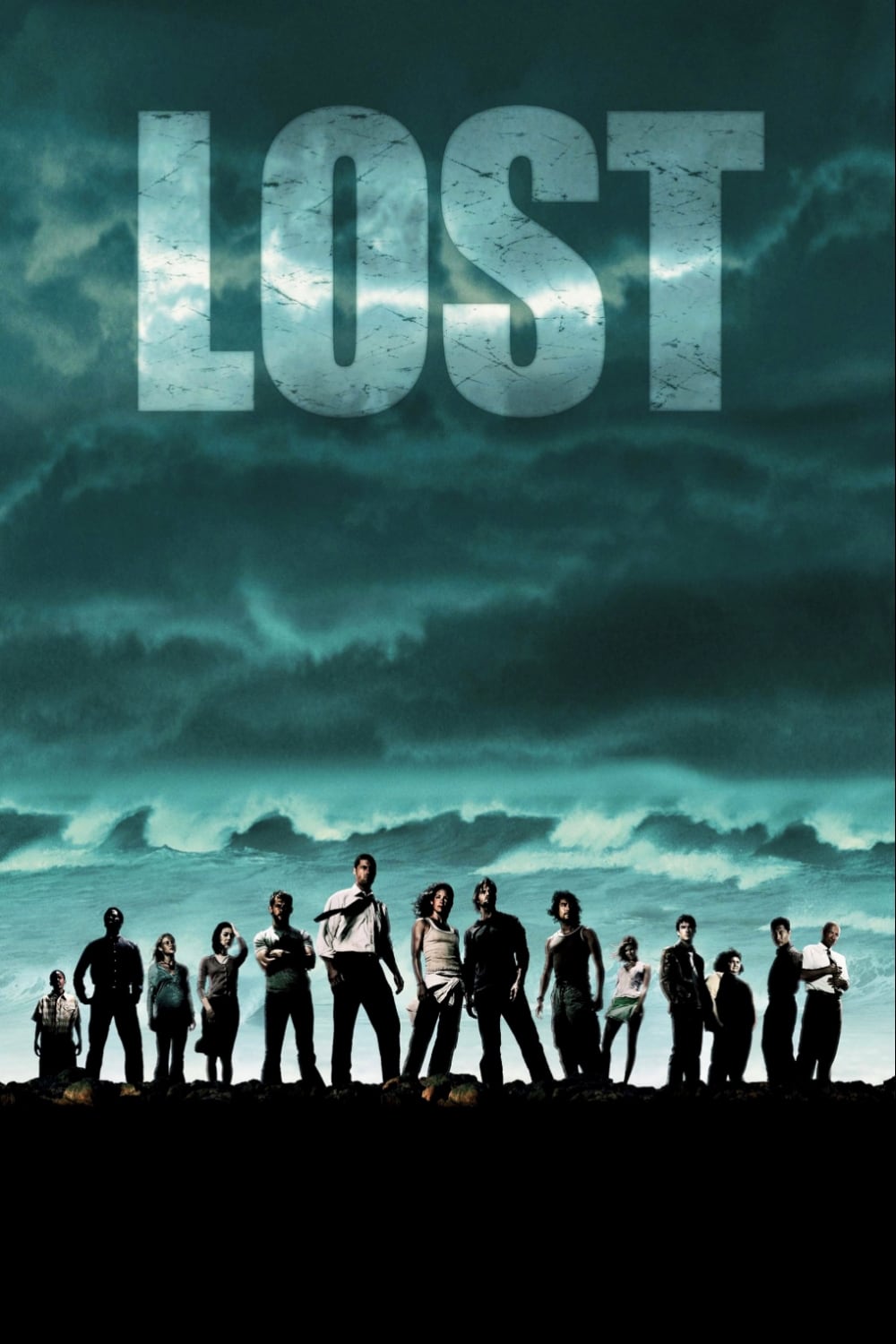
This mystery series captivated audiences with its complex mythology and ensemble cast stranded on a supernatural island. The finale garnered criticism for leaving many of the show’s most pressing questions unanswered or resolving them with spiritual ambiguity. Viewers were divided over the revelation of the “flash-sideways” timeline functioning as a form of purgatory. While the character resolutions were emotional, the lack of concrete scientific or narrative explanations frustrated those who analyzed every clue. The ending remains a primary example of a show struggling to wrap up its own sprawling mystery.
‘Dexter’ (2006–2013)
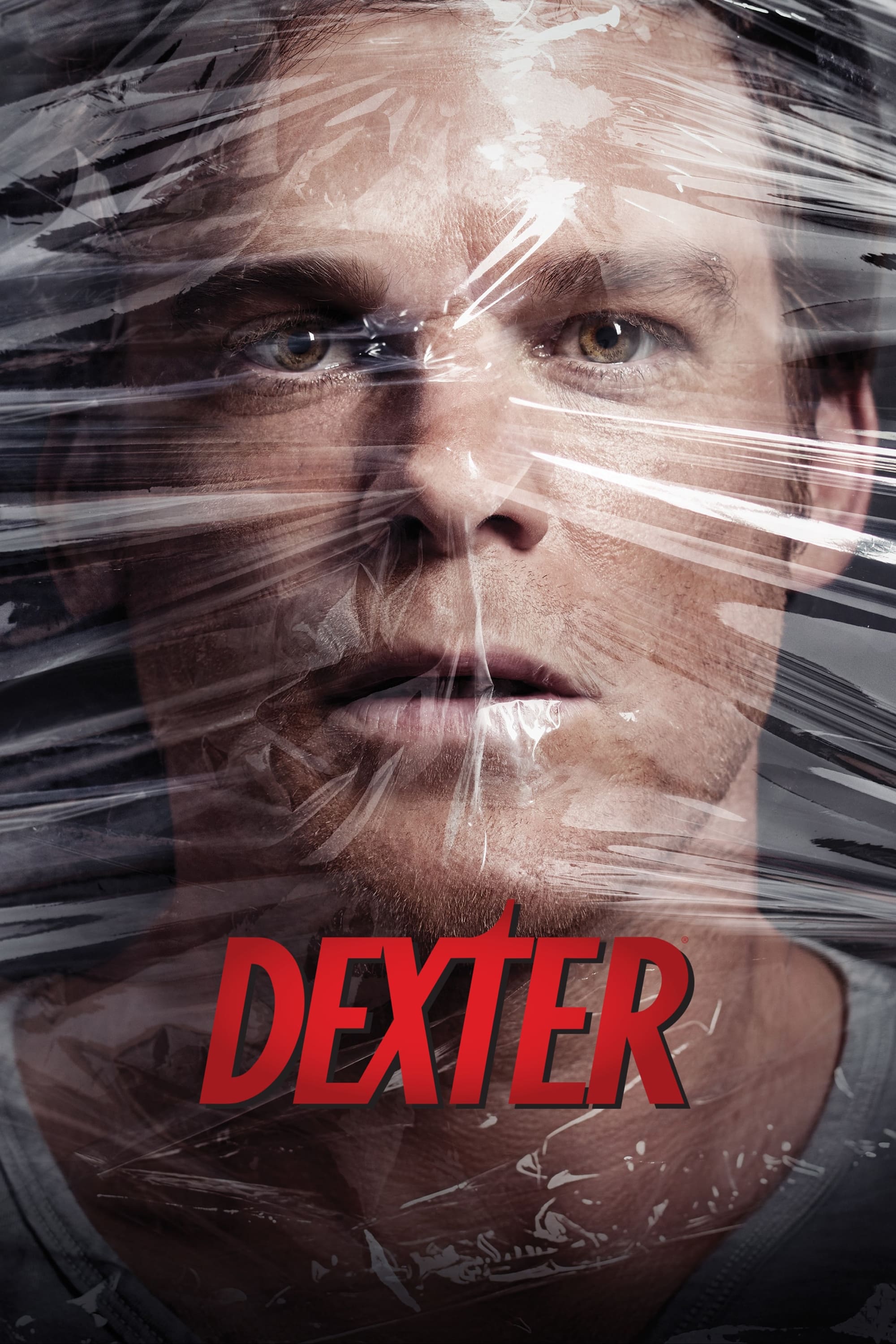
The original run of this crime drama ended on a note that baffled loyal viewers and critics alike. Dexter Morgan faked his own death during a hurricane and abandoned his son to become a lumberjack in Oregon. The finale failed to provide a sense of justice or consequence for the serial killer’s years of vigilantism. Major character arcs, including that of his sister Debra, were concluded in ways that felt disrespectful to their importance. This ending was so poorly received that it eventually prompted a revival series to attempt a correction.
‘Scrubs’ (2001–2010)
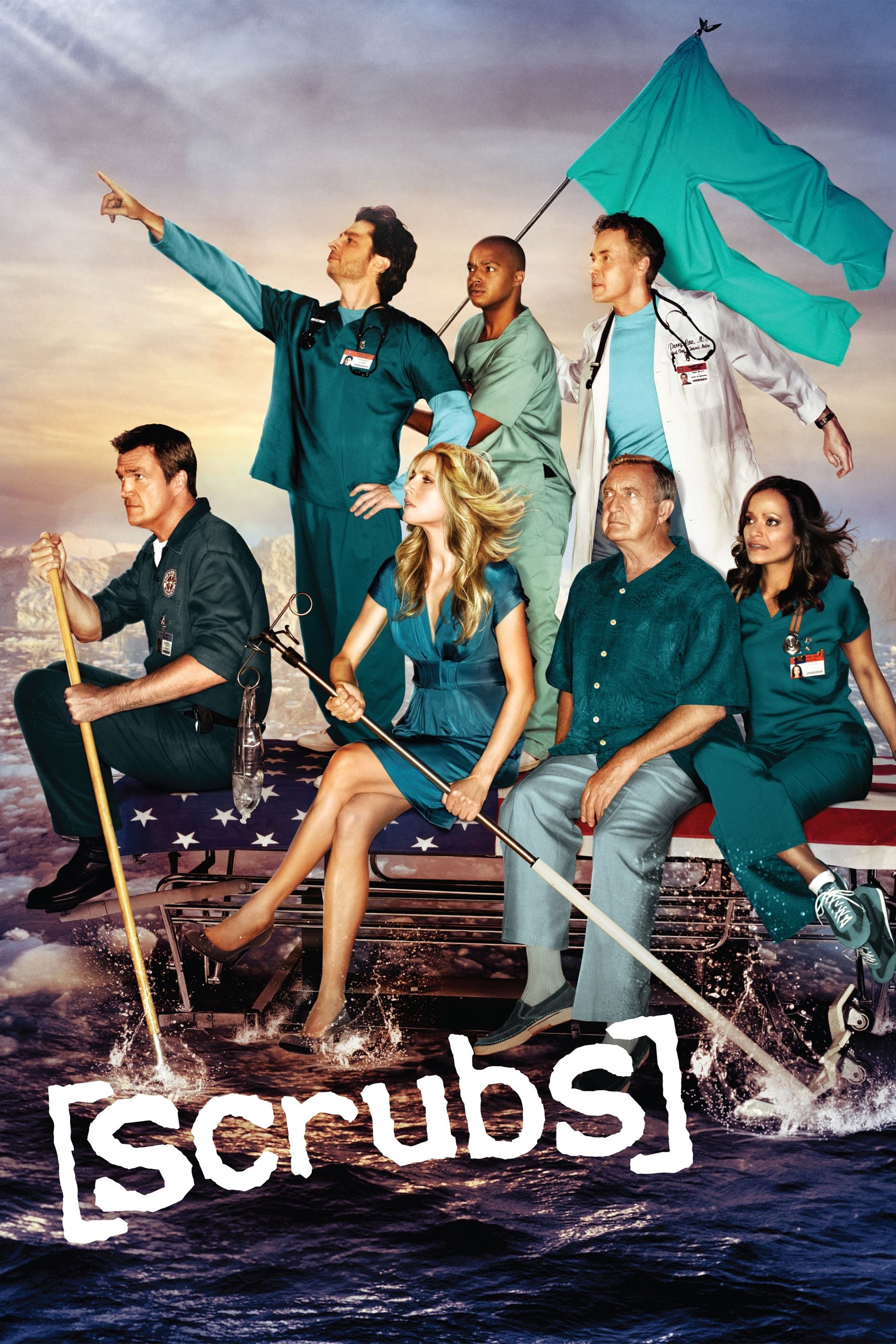
The medical comedy had a widely praised finale at the end of its eighth season that offered perfect closure for the main characters. However, the network decided to bring the show back for a ninth season with a mostly new cast and a different setting. The original protagonist became a supporting character and the new interns failed to capture the chemistry of the previous ensemble. Fans and critics largely ignored this continuation or considered it a spin-off that tarnished the perfect ending of the previous year. The attempt to extend the brand ultimately diluted the impact of the show’s true conclusion.
‘The Walking Dead’ (2010–2022)
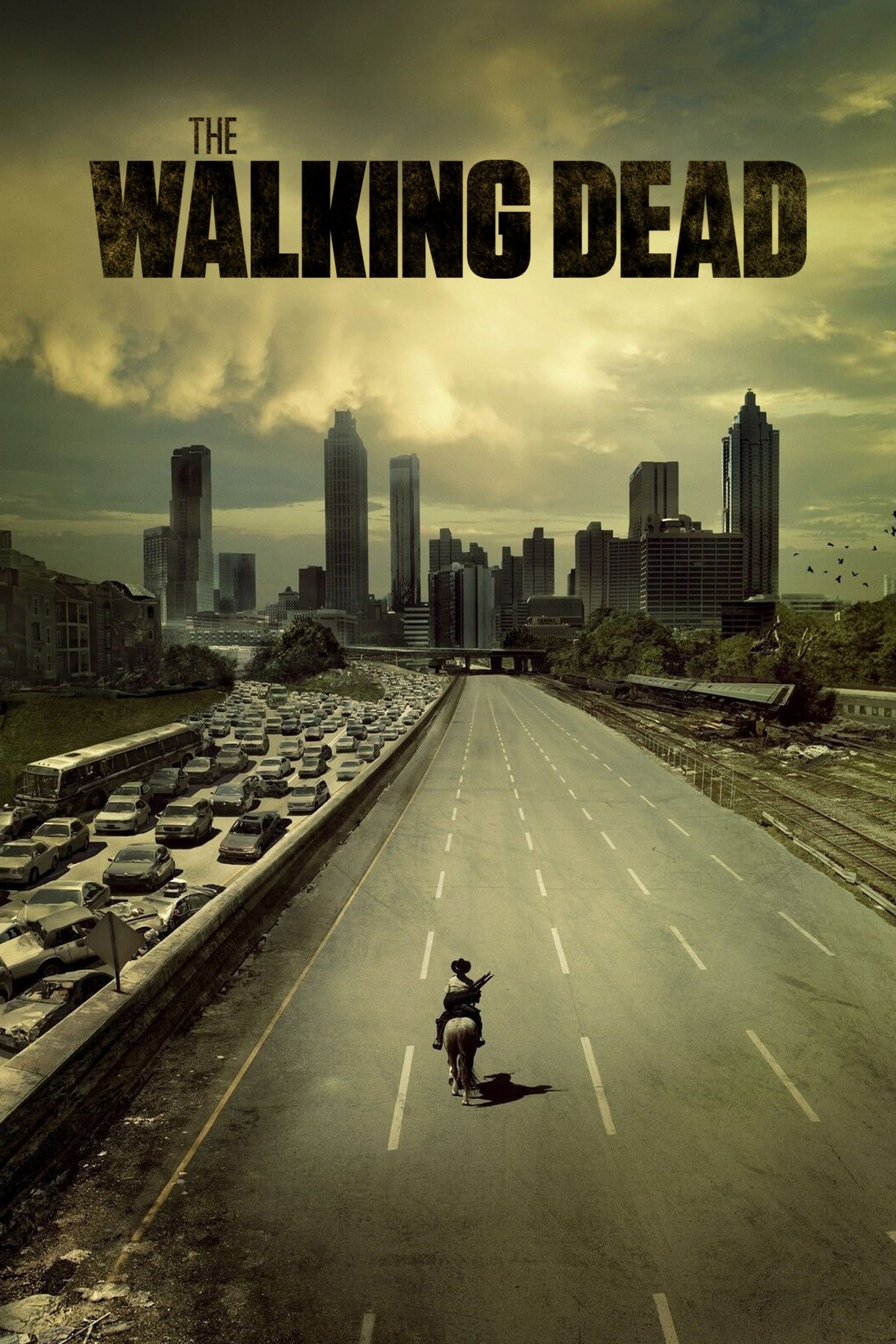
This zombie apocalypse drama faced a massive viewer revolt during the premiere of its seventh season. The showrunners chose to resolve a months-long cliffhanger by brutally killing two beloved characters, Glenn and Abraham, in graphic detail. Many viewers felt the excessive violence and the psychological torture of the protagonists crossed a line into misery porn. The decision to fake out the audience regarding who died in the previous finale was seen as a cheap ratings ploy. This specific event marked a significant turning point where viewership began a steady decline.
‘Killing Eve’ (2018–2022)
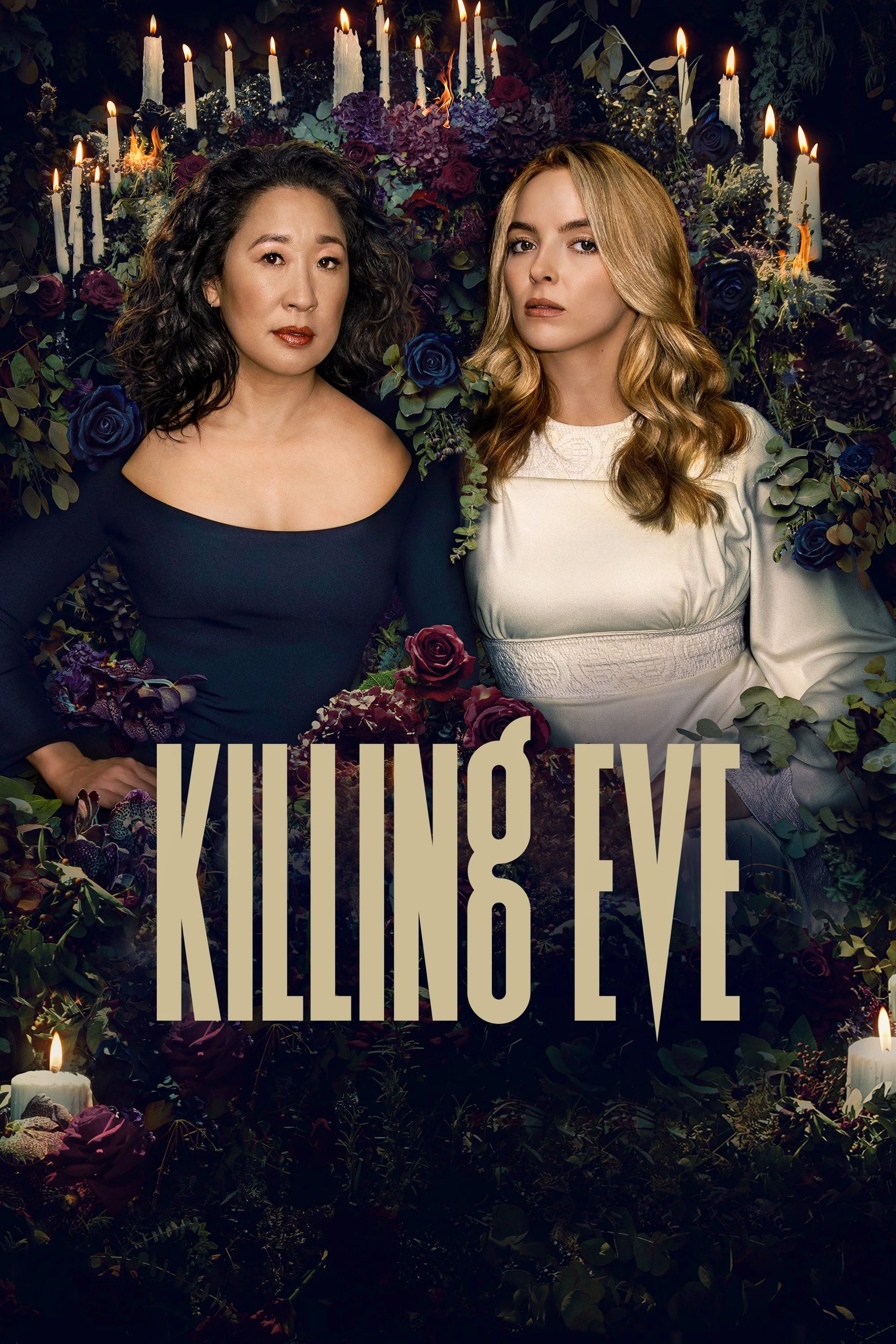
The relationship between Eve Polastri and the assassin Villanelle drove the tension of this spy thriller for four seasons. In the final moments of the series, the writers brought the couple together only to kill Villanelle moments later. The sudden tragedy played into the harmful “Bury Your Gays” trope that audiences have long criticized in media. The finale denied the characters a happy ending after years of complex development and mutual obsession. Fans felt the conclusion was cruel and thematically inconsistent with the show’s subversive tone.
‘Sherlock’ (2010–2017)
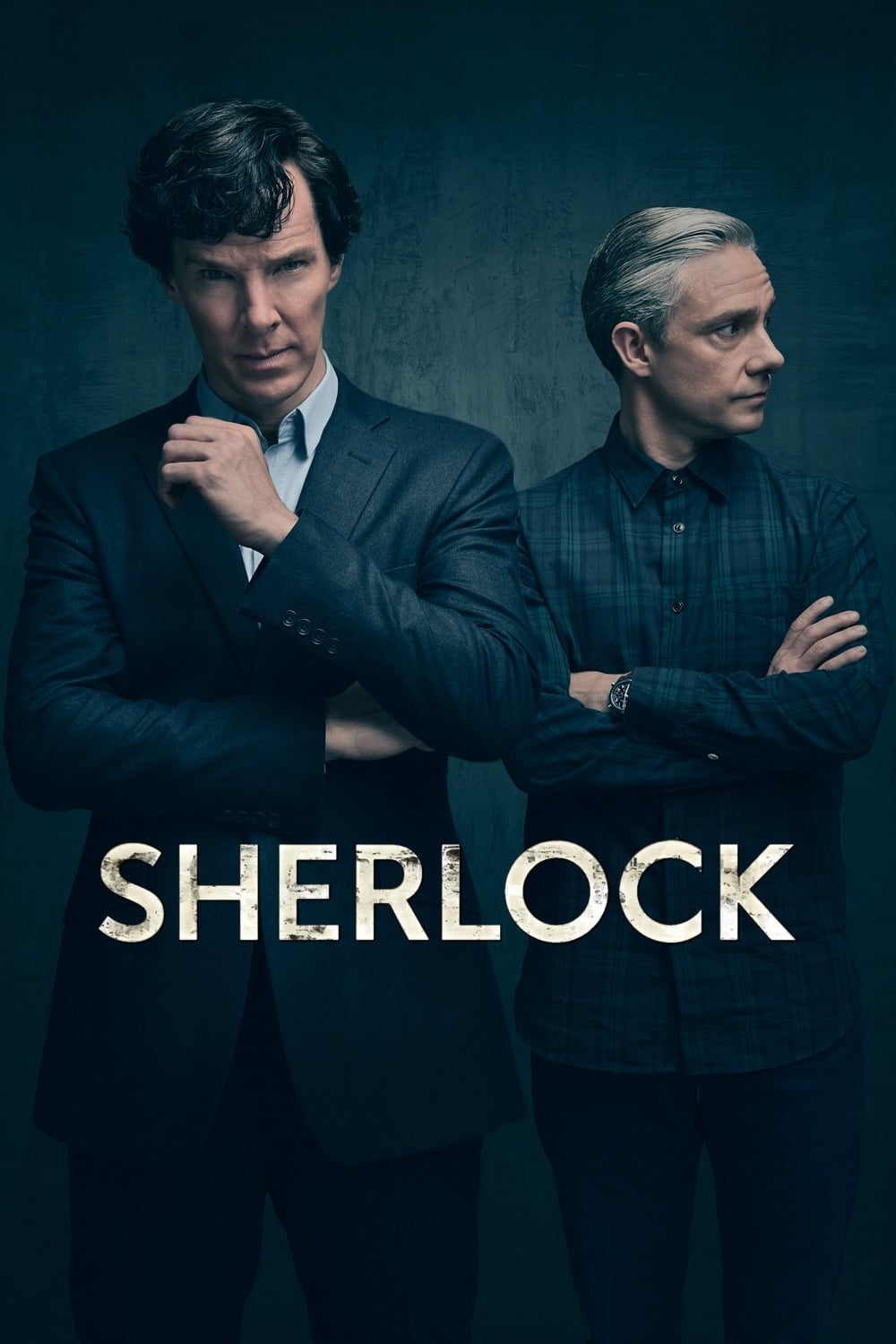
The fourth season of this modern detective adaptation strayed far from the grounded deduction that made the early episodes popular. The introduction of a secret super-powered sister named Eurus Holmes pushed the show into the realm of unbelievable melodrama. Plots became overly convoluted and relied on twists that defied logic rather than clever sleuthing. The characterization of Sherlock shifted from a high-functioning sociopath to an action hero involved in espionage plots. Audiences missed the simpler, case-of-the-week format that highlighted the chemistry between Holmes and Watson.
‘Gossip Girl’ (2007–2012)
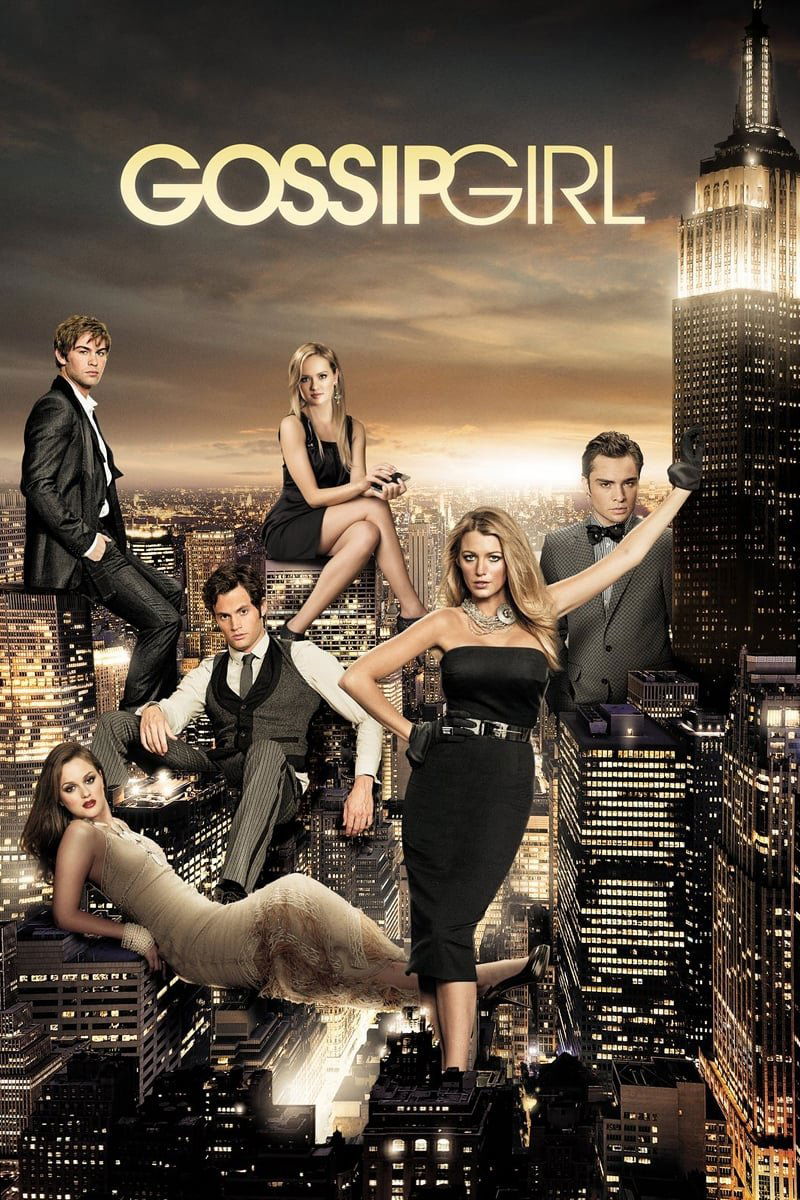
The central mystery of the show revolved around the identity of the anonymous blogger documenting the lives of Manhattan’s elite. The finale revealed Dan Humphrey as the blogger, a twist that contradicted countless plot points from earlier seasons. Viewers pointed out instances where Dan reacted with genuine shock to blasts he supposedly wrote himself. The reveal suggested a level of sociopathy in the character that the show glossed over to provide a romantic ending. This narrative inconsistency frustrated fans who had paid attention to the show’s internal logic.
‘Pretty Little Liars’ (2010–2017)
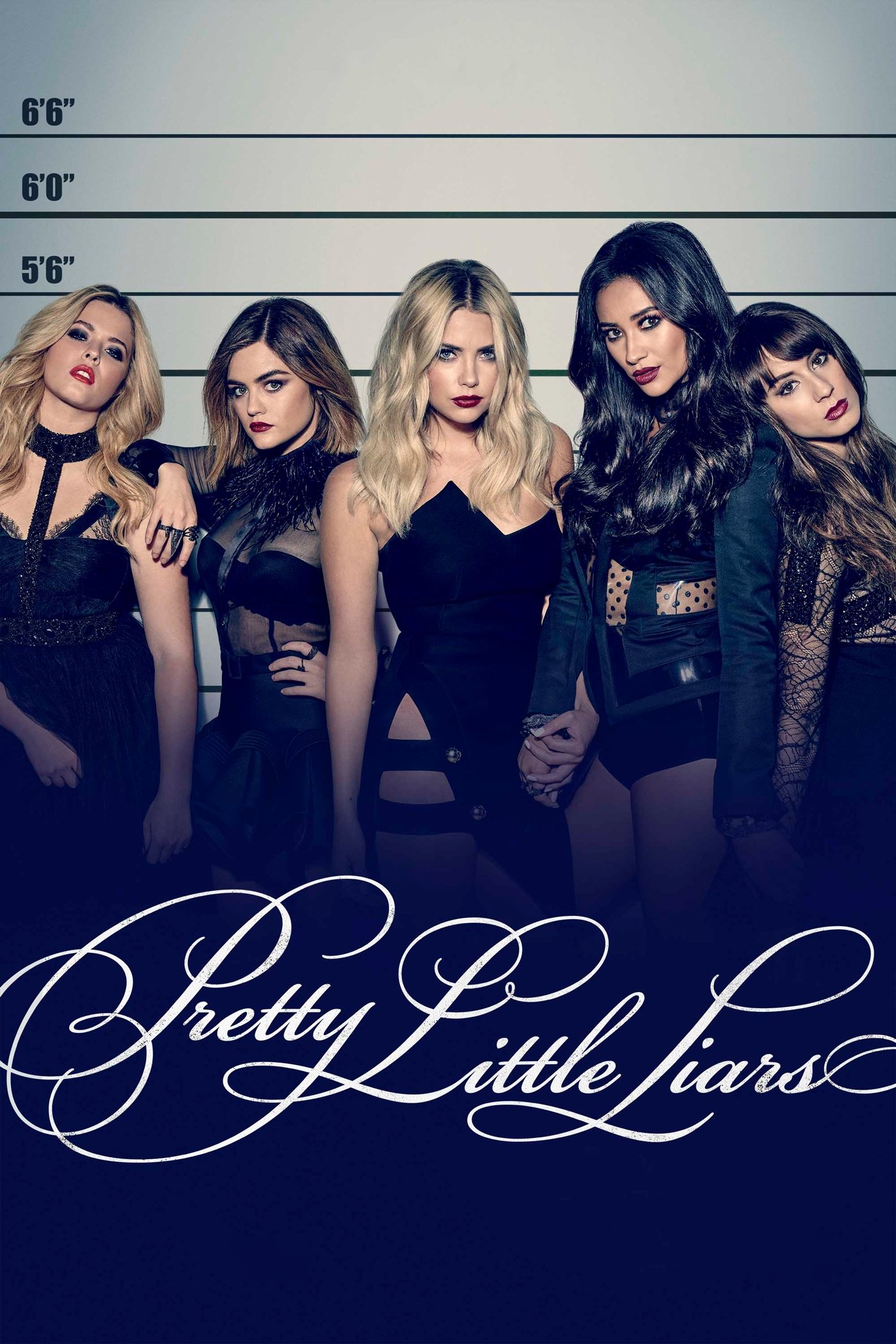
After seven seasons of mysteries, the final reveal of the antagonist “Uber A” disappointed a large portion of the fanbase. The villain was revealed to be a previously unmentioned evil twin of a main character, Spencer Hastings. This British twin, Alex Drake, had no prior presence in the series and felt like a last-minute addition. The explanation relied on a classic soap opera trope that felt cheap compared to the intricate theories fans had constructed. It invalidated years of clue-hunting by introducing a character the audience had never actually met.
‘House of Cards’ (2013–2018)
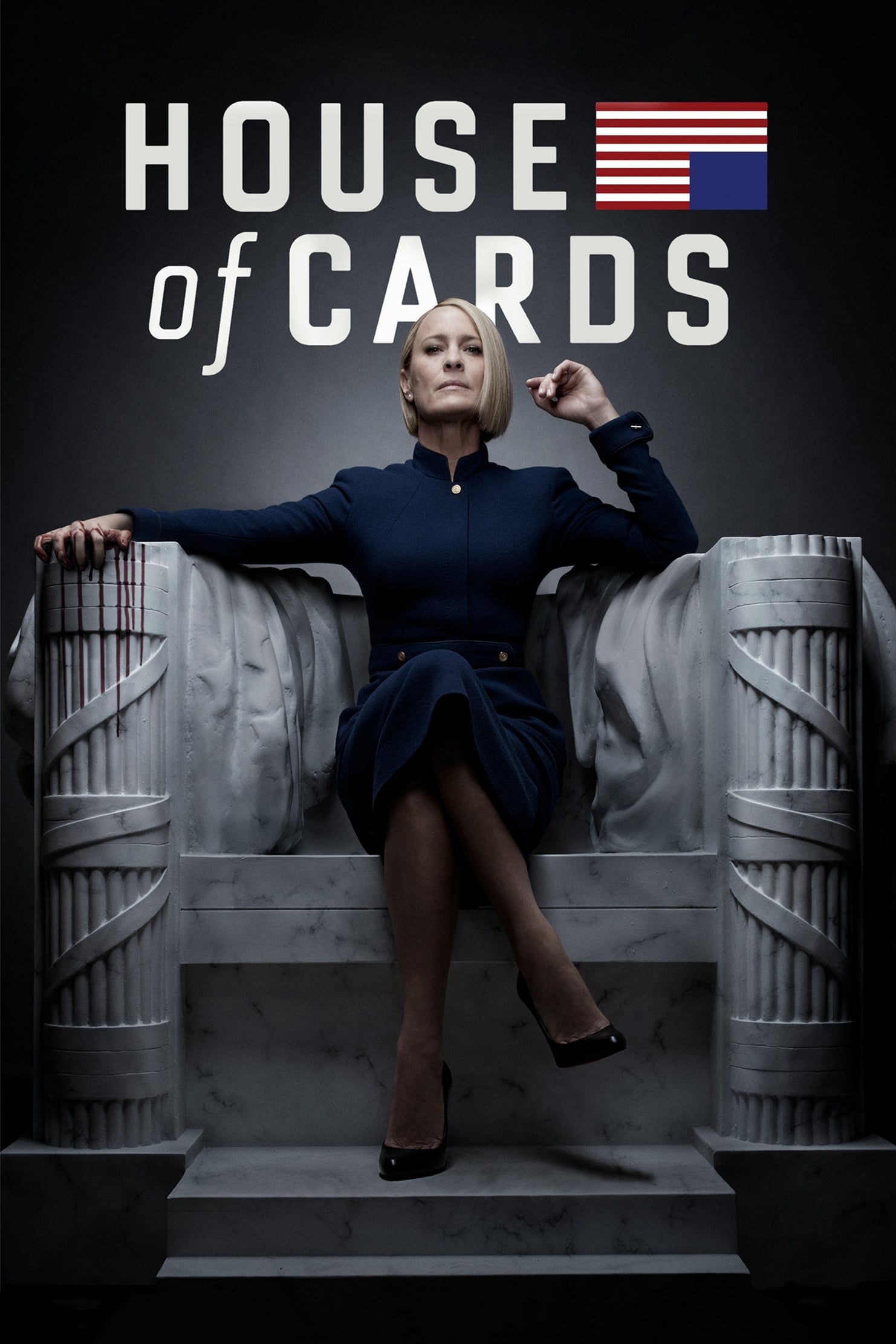
The departure of lead actor Kevin Spacey due to sexual misconduct allegations forced a major rewrite for the final season. The focus shifted entirely to Claire Underwood, but the writing struggled to compensate for the loss of the central dynamic. The plot became increasingly bizarre and disconnected from the political maneuvering of earlier seasons. The series finale ended abruptly with a violent confrontation that left the ultimate fate of the presidency ambiguous. Viewers felt the show limped to the finish line rather than going out with a calculated bang.
‘Veronica Mars’ (2004–2019)
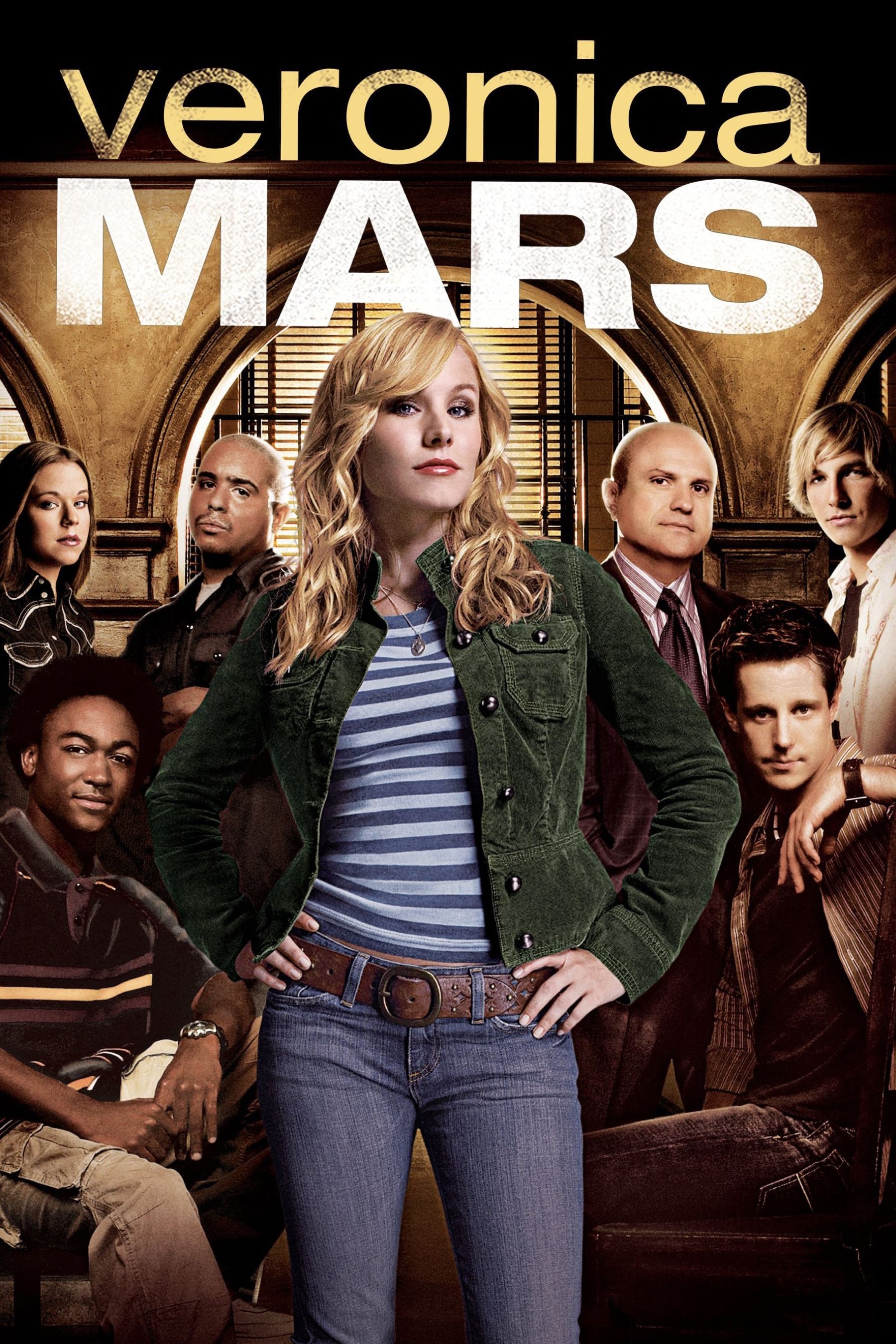
The Hulu revival of this noir mystery series was initially celebrated by fans who had campaigned for its return. However, the final minutes of the new season killed off Logan Echolls, the protagonist’s primary love interest. Creator Rob Thomas made the decision to sever the romantic tie to allow Veronica to solve crimes as a lone wolf. The fanbase reacted with fury, arguing that the tragedy was unnecessary and undid the happiness the characters had earned. The backlash was so severe that it effectively killed enthusiasm for any future seasons.
‘Gilmore Girls: A Year in the Life’ (2016)
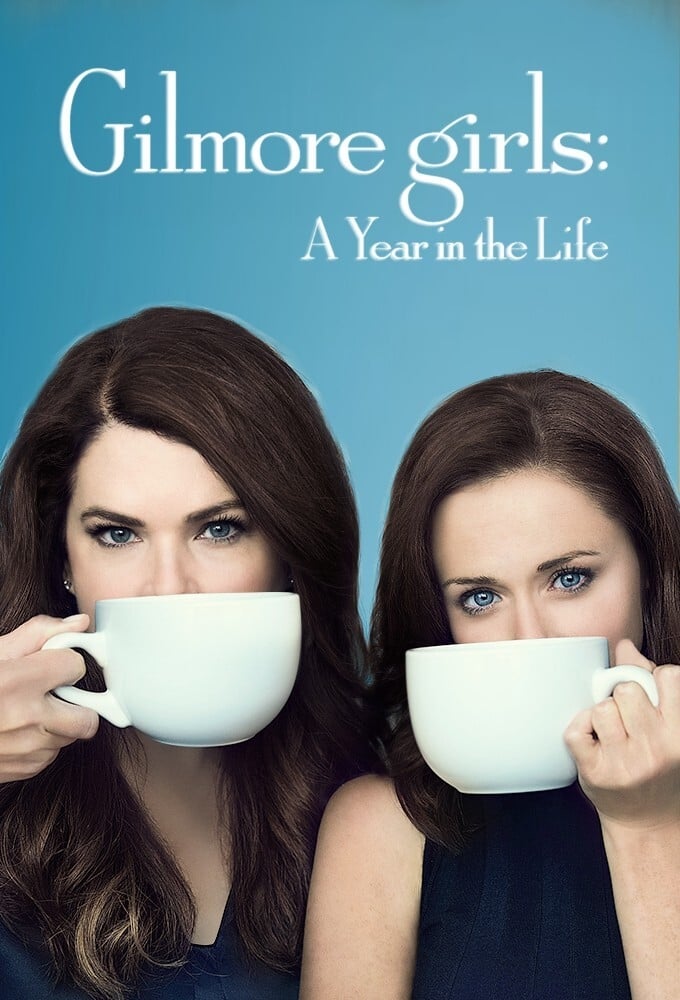
This revival miniseries aimed to give fans the closure they didn’t get when the original series ended. Instead, viewers found the characters in states of arrested development that made them unlikeable. Rory Gilmore was portrayed as an entitled cheater with no career direction, while Luke and Lorelai had failed to communicate for a decade. The famous “final four words” revealed a pregnancy that felt like a trapped-cycle ending rather than a hopeful future. The revival soured the memory of the show’s cozy, comforting atmosphere for many longtime fans.
‘Arrested Development’ (2003–2019)
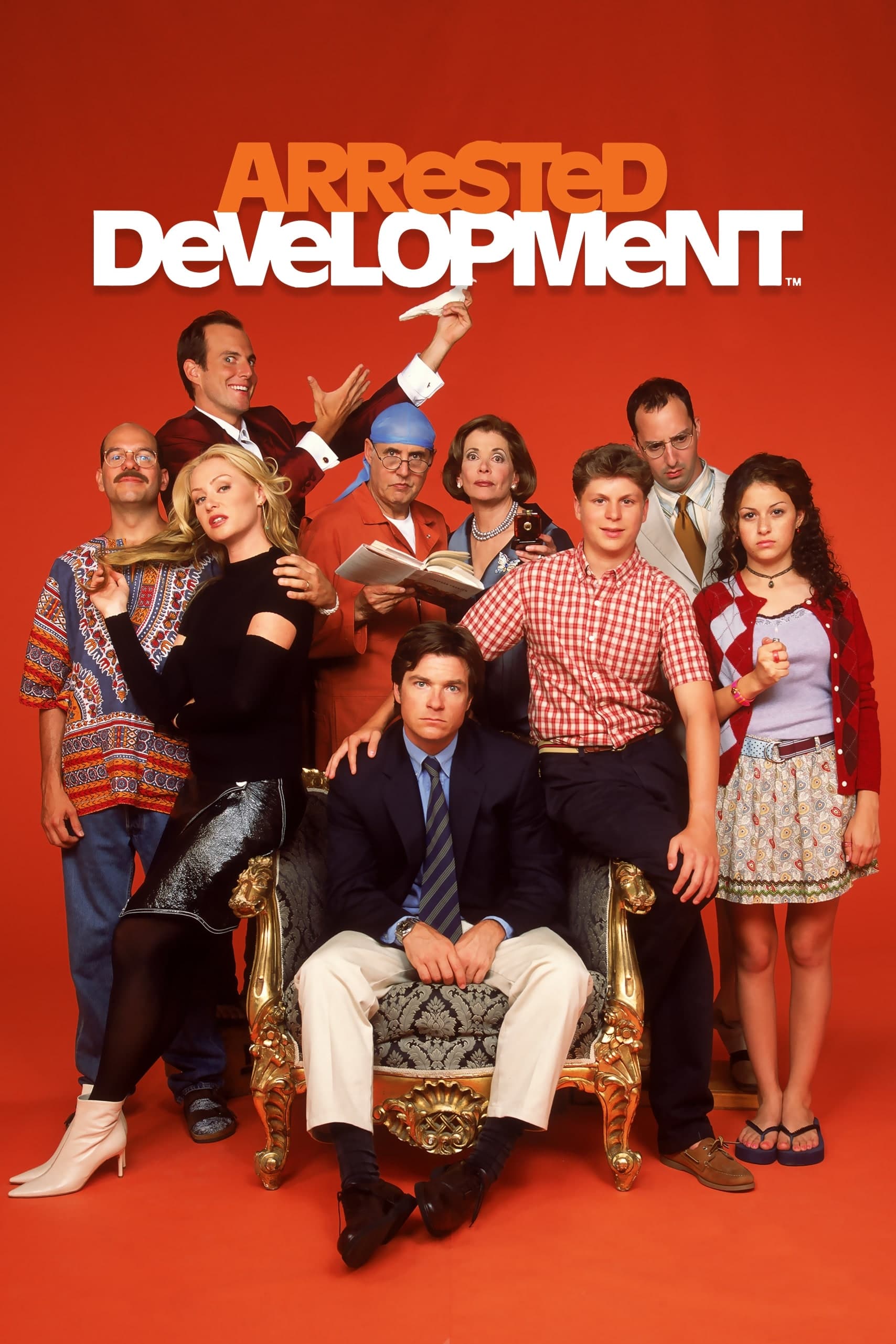
The fourth and fifth seasons produced by Netflix failed to capture the magic of the original three seasons. Due to scheduling conflicts, the cast rarely appeared in scenes together during the fourth season, destroying the ensemble chemistry. The plot became overly complicated with confusing timelines that required a recut to be intelligible. The humor felt mean-spirited and lacked the tight writing that characterized the show’s initial run. Fans generally pretend the revival seasons do not exist in the show’s canon.
‘Star Trek: Enterprise’ (2001–2005)
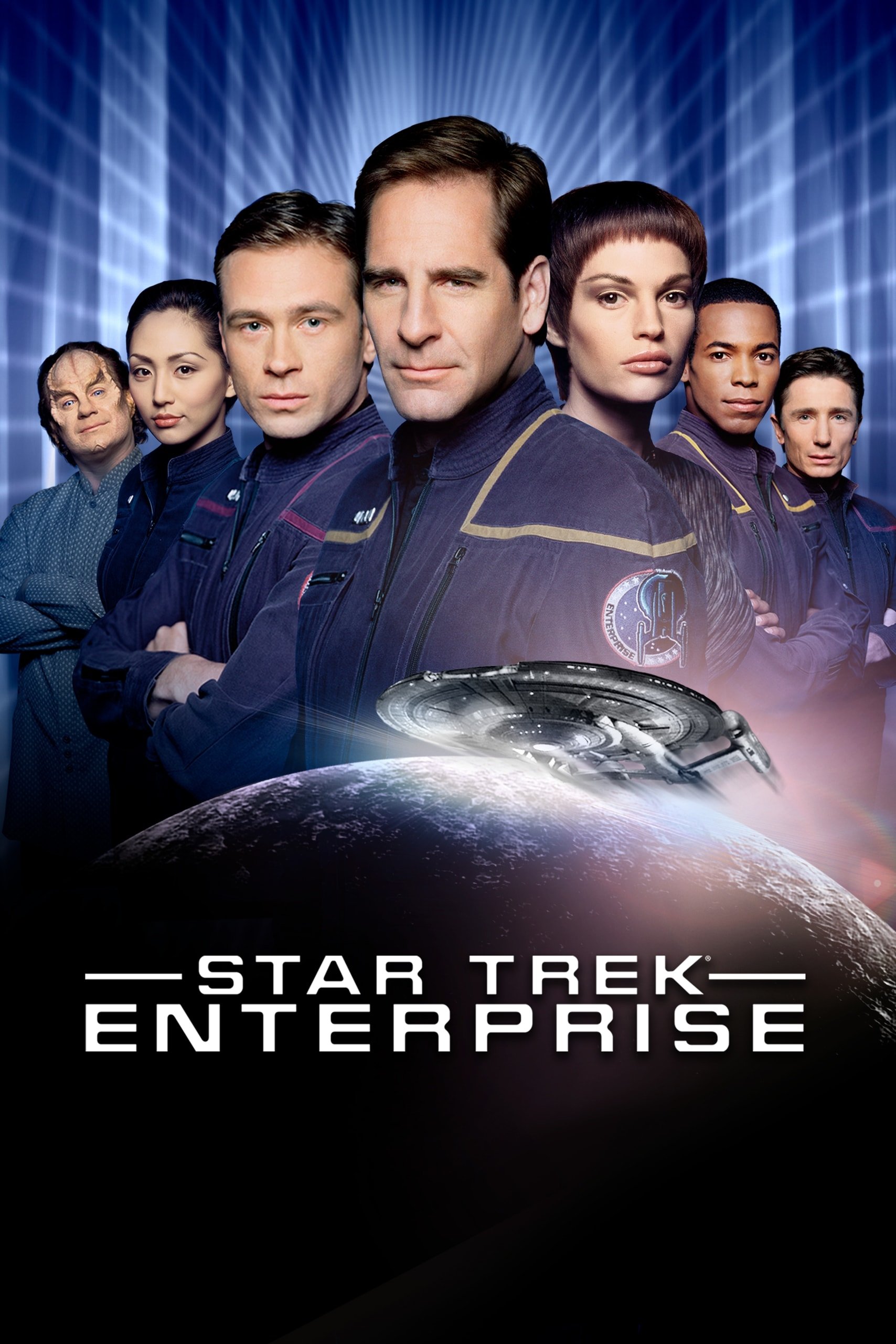
The finale of this prequel series is widely considered one of the worst in the entire Star Trek franchise. The episode was framed as a holodeck simulation being watched by characters from Star Trek: The Next Generation. This framing device reduced the main cast of Enterprise to supporting players in their own finale. Major emotional beats, including the death of Trip Tucker, were rushed and lacked impact due to the external perspective. It was viewed as a disrespectful goodbye to the crew and the fans who supported the show.
‘True Blood’ (2008–2014)

As this vampire drama progressed, the storylines became increasingly chaotic and detached from the initial small-town premise. The final season ignored many of the supernatural rules established early on and focused on unpopular subplots. Sookie Stackhouse ended the series married to an unnamed, faceless man rather than any of her major love interests. Fan-favorite character Bill Compton chose a controversial suicide that many viewers found pointless. The finale lacked the bite and sexiness that had originally defined the series.
‘Roseanne’ (1988–1997)
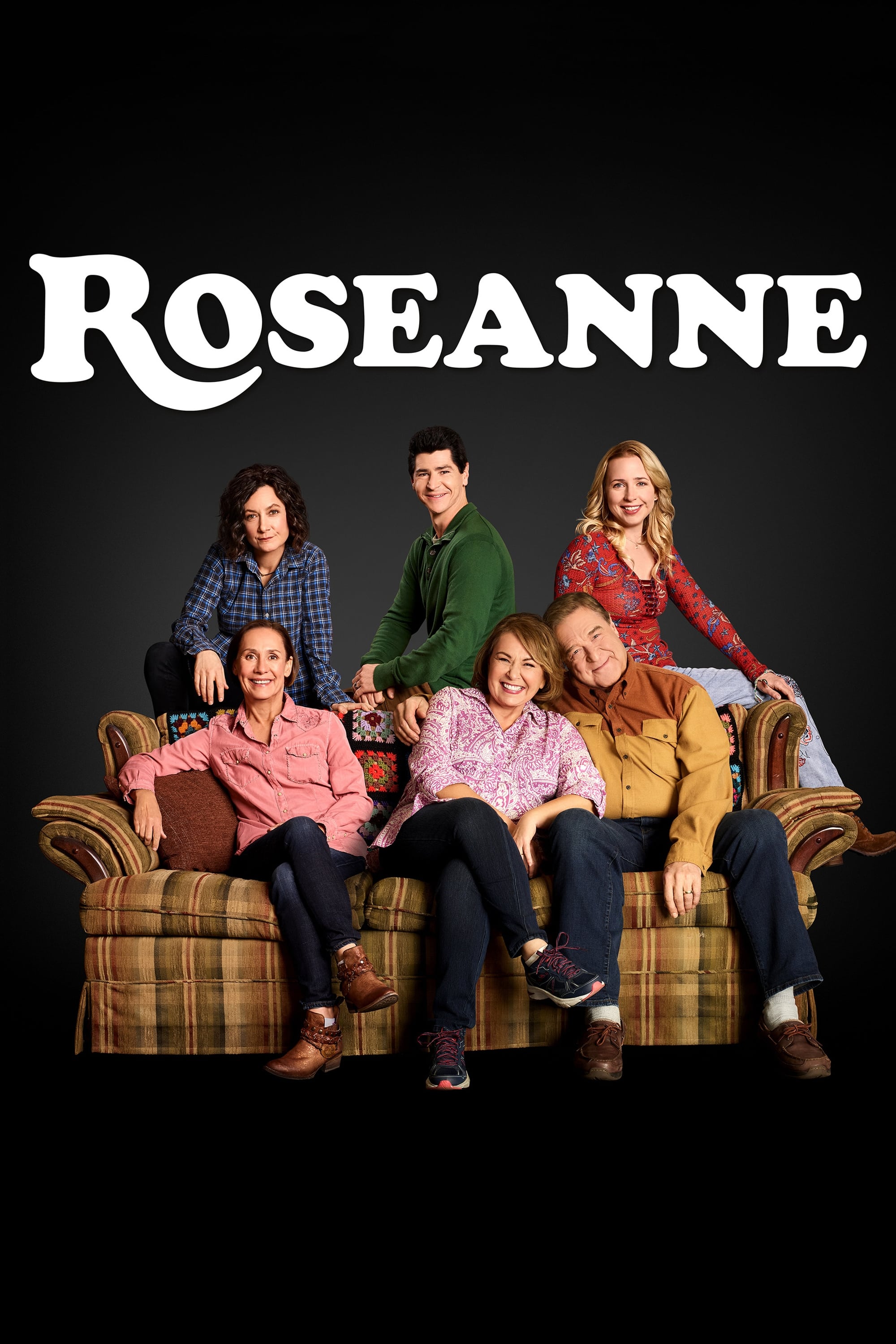
The ninth season of this working-class sitcom completely abandoned its roots when the Conner family won the lottery. The episodes shifted to bizarre parodies and dream sequences that involved terrorists and royalty. In the finale, it was revealed that the entire season was a fiction written by Roseanne to cope with Dan’s death. This depressing twist negated the events of the season and left the audience with a bleak conclusion. The revival years later retconned this season entirely, acknowledging its failure.
‘Two and a Half Men’ (2003–2015)
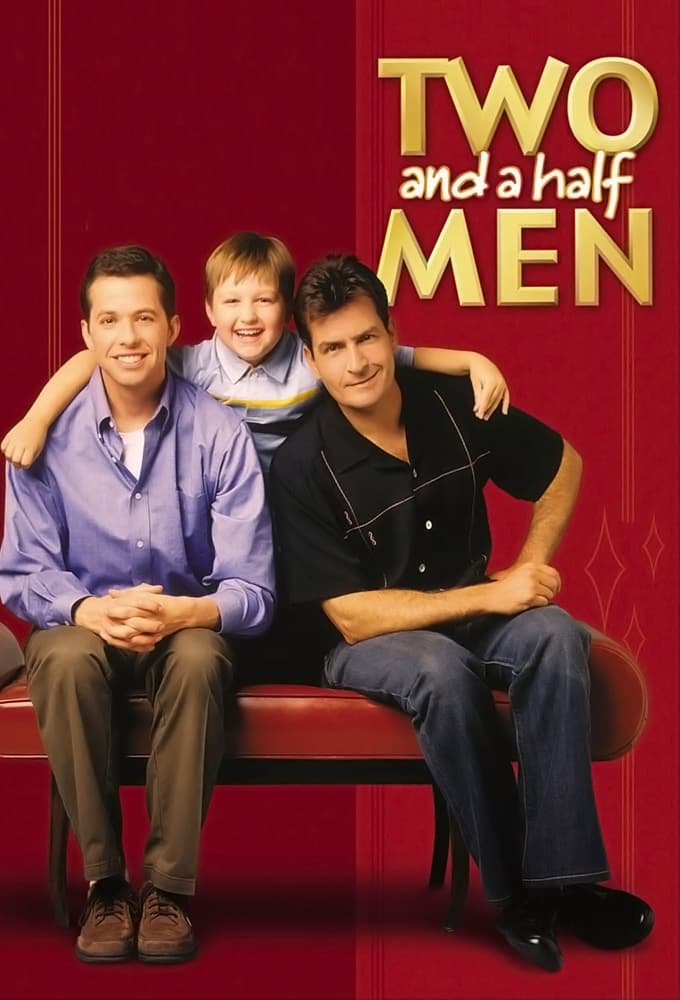
The show struggled to maintain its identity after the firing of Charlie Sheen and the introduction of Ashton Kutcher. The series finale teased the return of Charlie Harper for the entire hour, building anticipation for a reunion. Instead, the episode ended with a body double being crushed by a falling piano while the creator Chuck Lorre turned to the camera to say “Winning.” Audiences felt the meta-joke was a petty display of the creator’s feud with Sheen rather than a proper ending. It was a confusing and spiteful way to close out a long-running sitcom.
‘Heroes’ (2006–2010)
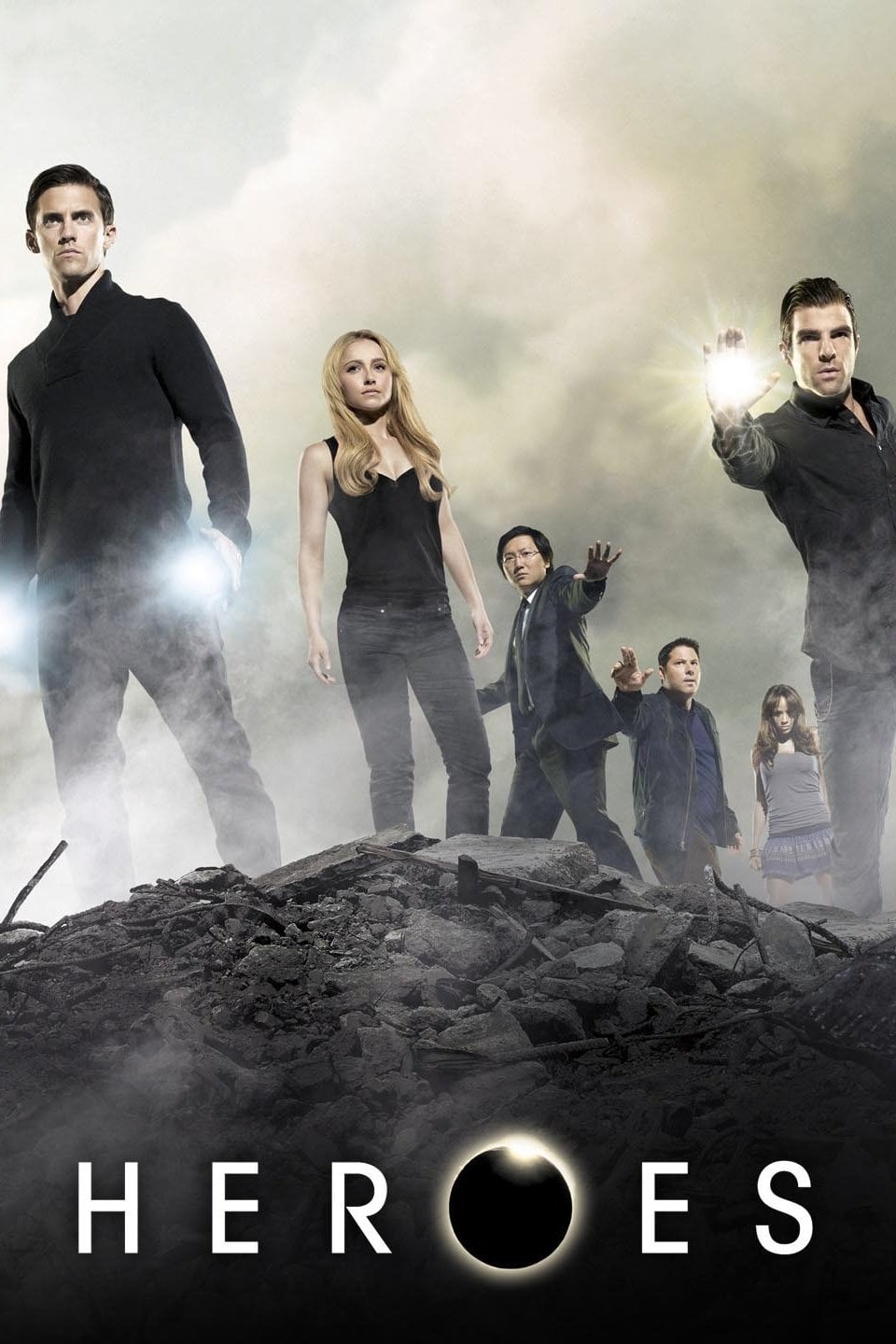
The first season of this superhero drama was a massive cultural phenomenon, but quality dropped sharply in subsequent years. The writers struggled to handle the overpowered abilities of the characters, leading to constant nerfs and memory wipes. Season two was derailed by the writers’ strike, and the plot never fully recovered its momentum. Characters frequently changed motivations without logic, and the overarching story became repetitive. By the time it was cancelled, the audience had largely abandoned the show due to its lack of direction.
‘The 100’ (2014–2020)
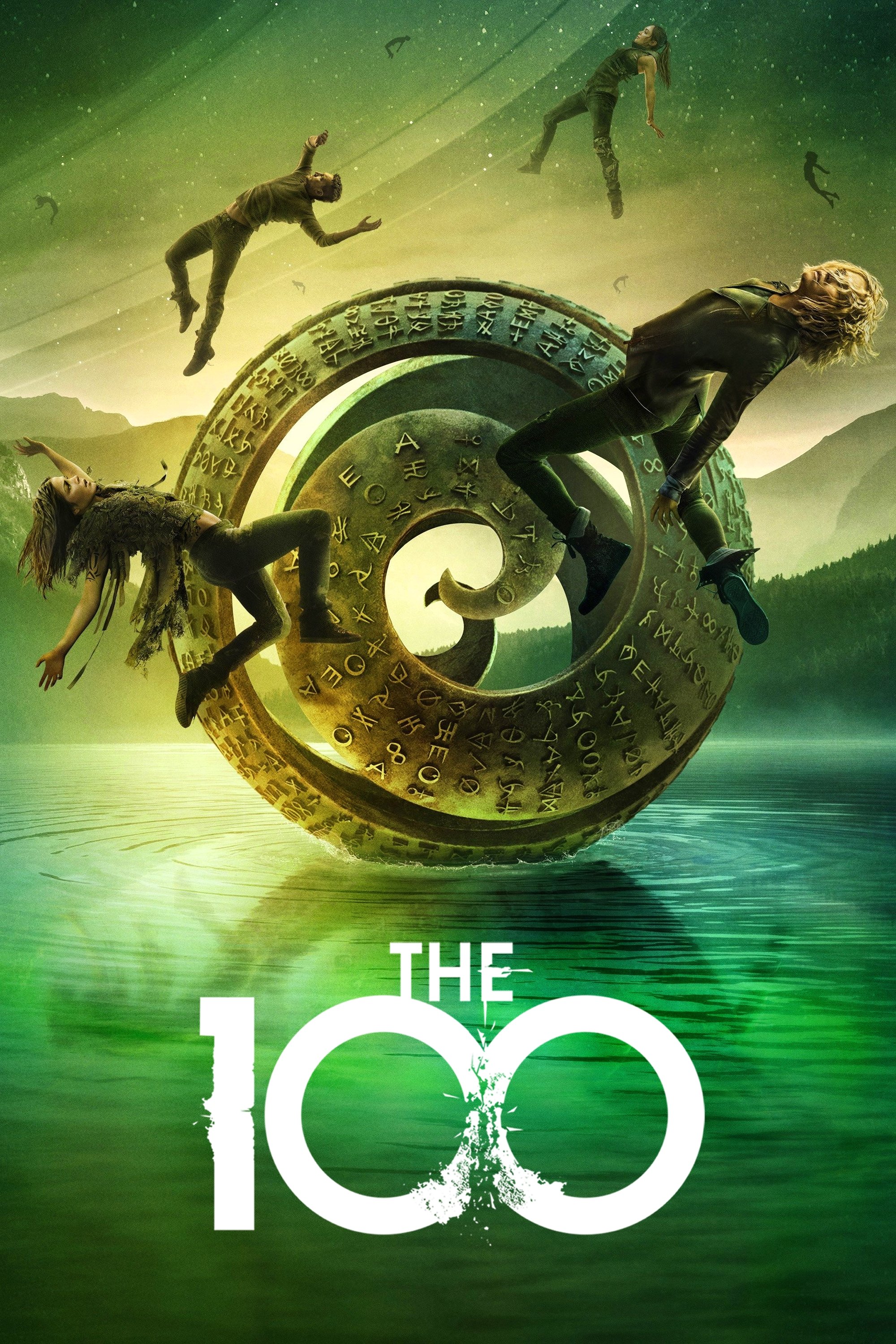
In the final season, the showrunner made the controversial decision to kill off male lead Bellamy Blake. He was shot by his best friend Clarke Griffin over a sketchbook, a death that felt avoidable and meaningless. Bellamy had been absent for most of the season, and his return only served to dismantle his character arc before his execution. The series ended with humanity transcending into a hive mind, a concept that contradicted the show’s theme of human survival. Fans were outraged by the treatment of a core character and the nihilistic conclusion.
‘The Promised Neverland’ (2019–2021)
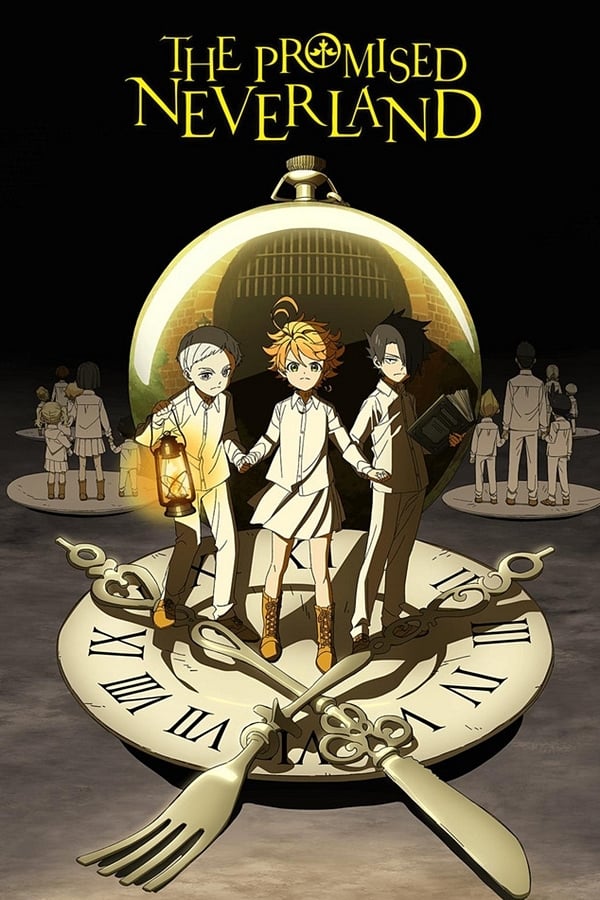
The second season of this anime adaptation is infamous for deviating completely from the popular manga source material. The studio cut out entire story arcs and beloved characters, rushing to the conclusion at a breakneck pace. Complex battles and psychological mind games were replaced with a montage that summarized chapters of content in seconds. Anime-only viewers were confused by the plot holes, while manga readers were furious at the disrespect shown to the original work. It stands as a prime example of a failed adaptation destroying the potential of a franchise.
‘Secret Invasion’ (2023)
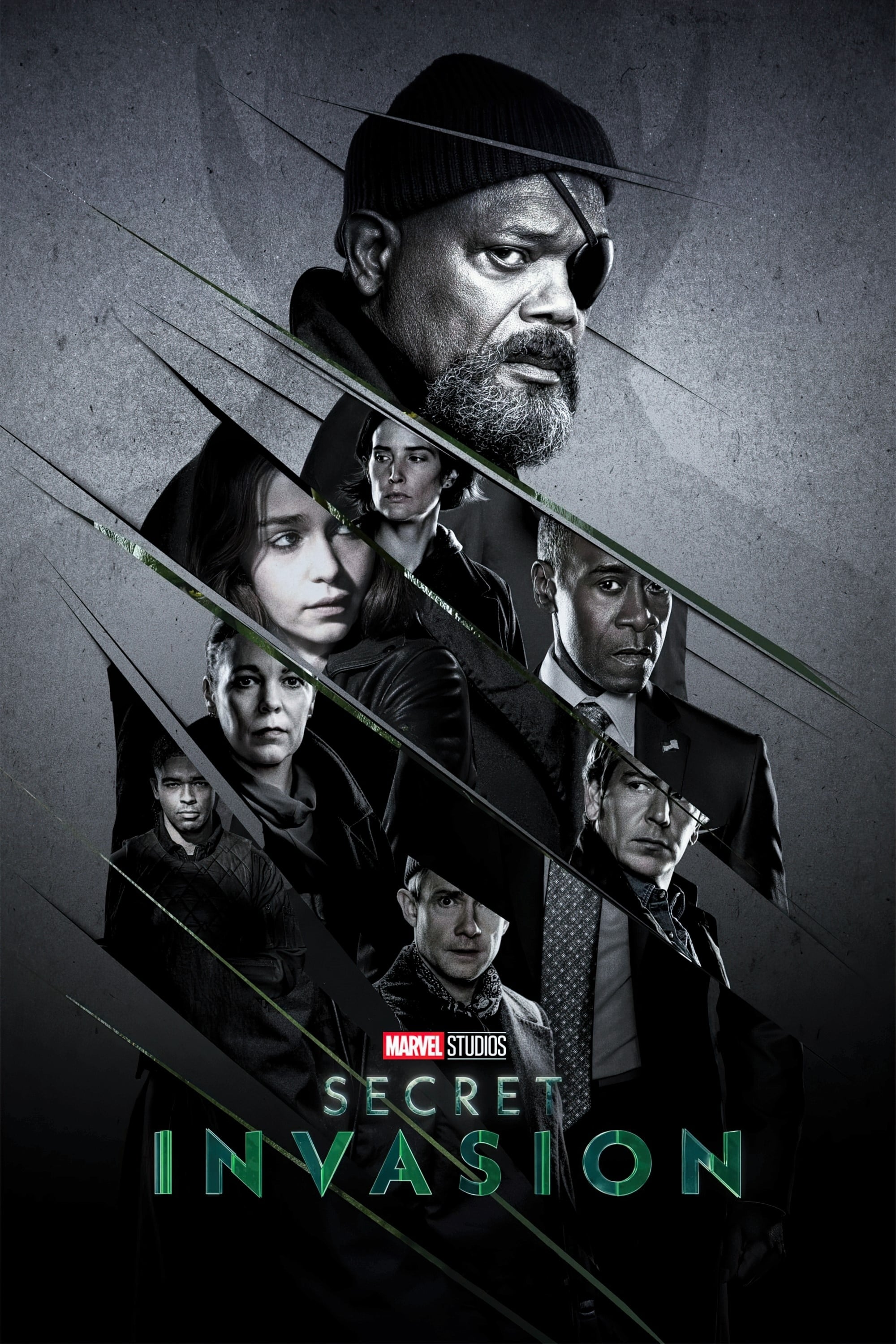
This Marvel series promised a paranoid thriller about shapeshifting aliens infiltrating Earth’s highest governments. Instead, it delivered a sluggish plot with low-budget action sequences and questionable character choices. The finale featured a widely mocked CGI fight where the protagonist gained every superpower in the cinematic universe. It also controversially revealed that a founding Avenger had been an alien imposter for years, undermining previous emotional movie moments. The show is often cited as the low point of the MCU’s television expansion.
‘The Idol’ (2023)
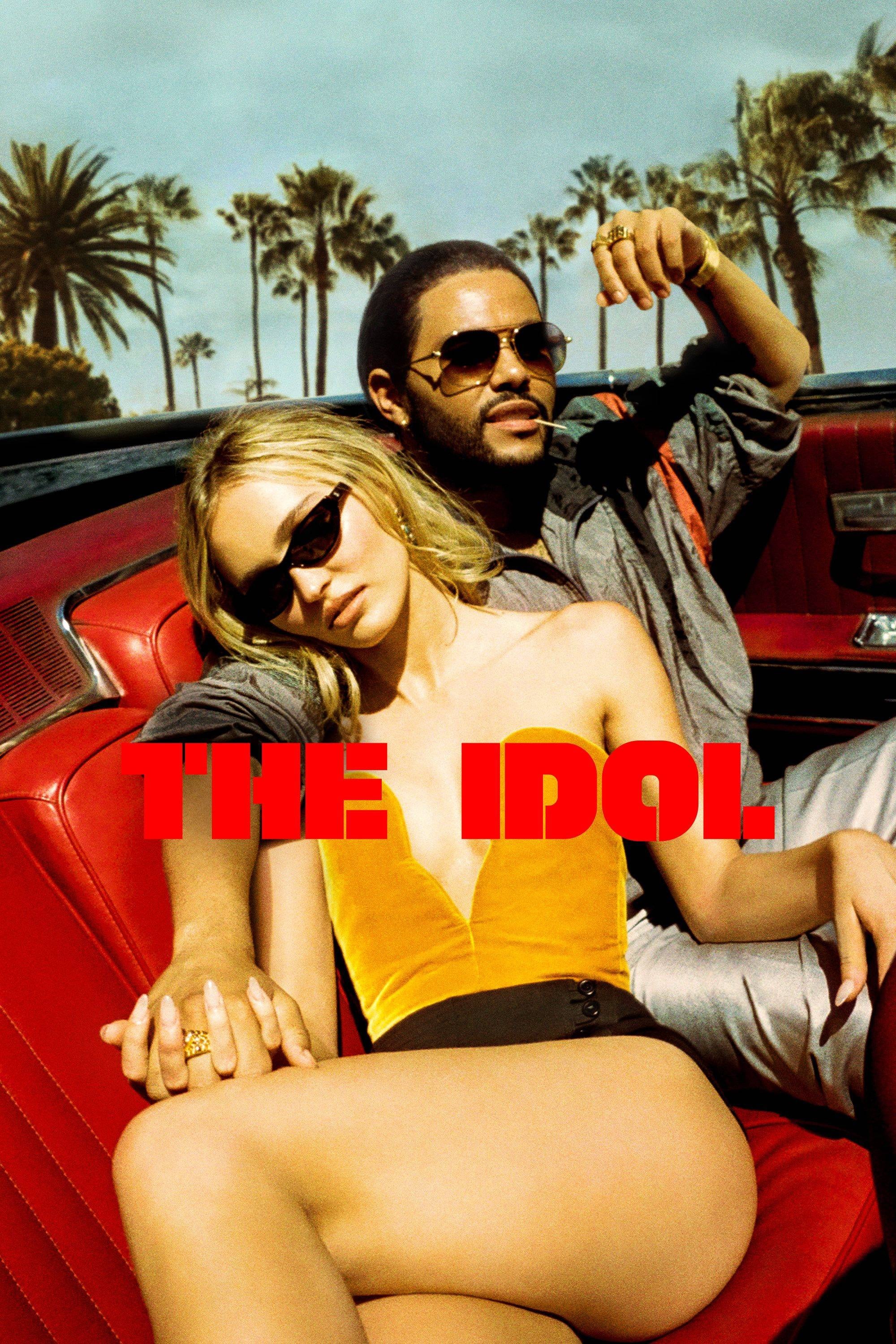
Hyped as a provocative look at the music industry, this series was met with near-universal disdain upon release. Critics and audiences labeled the explicit content as gratuitous and the storytelling as disjointed. The production was plagued by reports of on-set toxicity and creative overhauls that were evident in the messy final product. The characters lacked depth, making the drama feel hollow rather than edgy. HBO cancelled the show after one shortened season due to the overwhelming negative reception.
‘Velma’ (2023–2024)
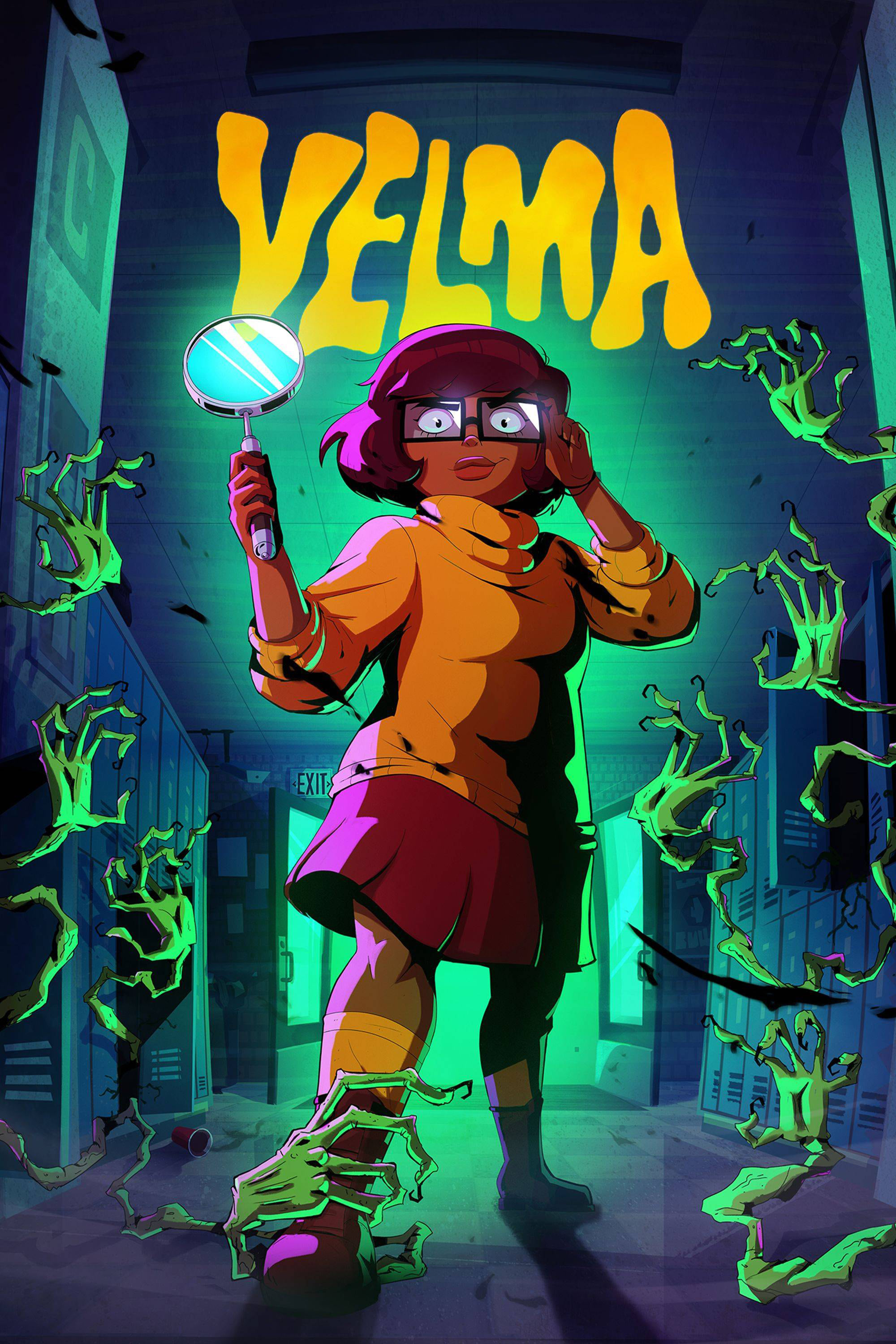
This animated prequel to Scooby-Doo attempted to deconstruct the franchise with adult humor and meta-commentary. However, the writing was criticized for being mean-spirited and fundamentally misunderstanding the appeal of the original characters. The titular character was written as unlikable and judgmental, alienating the audience she was supposed to represent. The removal of Scooby-Doo himself from the show confused fans who tuned in for the mystery-solving team. It became one of the lowest-rated animated series in history due to its antagonistic tone toward its own source material.
‘Westworld’ (2016–2022)
The first season was a masterpiece of puzzle-box storytelling, but later seasons struggled to maintain that balance. As the plot moved outside the park, the show lost the unique atmosphere that made it special. The narrative became overly convoluted, with characters frequently dying and returning in ways that lowered the stakes. Viewers found it increasingly difficult to care about the philosophical ramblings as the plot became impenetrable. The show was cancelled before it could air its planned final season, leaving the story unresolved.
‘Battlestar Galactica’ (2004–2009)
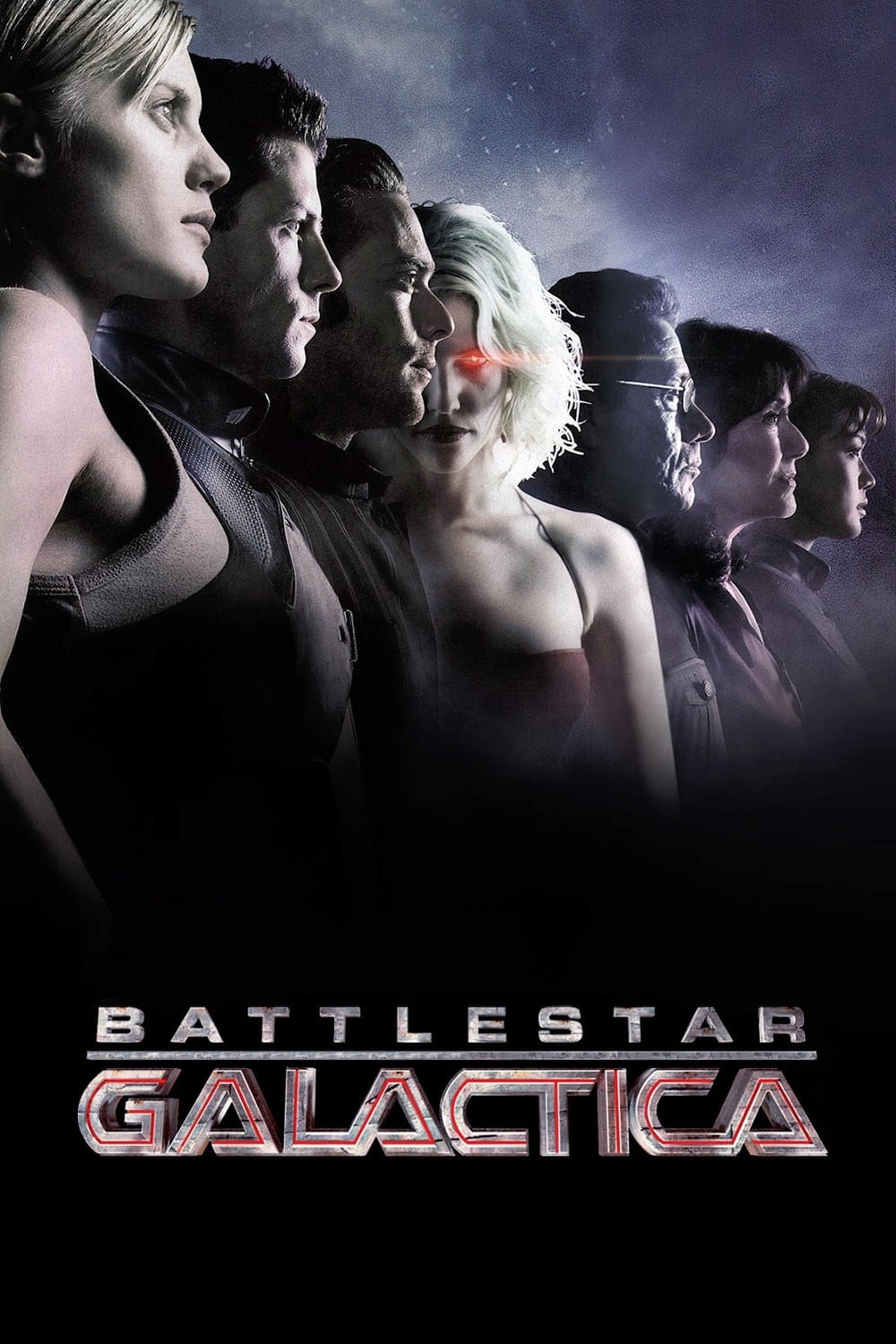
While the series is acclaimed for its gritty sci-fi realism, the finale left many questions regarding the mythology unresolved. The revelation that “God did it” was the explanation for many of the show’s mysteries felt like a cop-out to secular viewers. Starbuck’s arc ended with her vanishing into thin air, offering no concrete answer to her true nature. The decision for the survivors to abandon their technology and live as primitives on Earth strained suspension of disbelief. It was a spiritual ending to a political and military drama that didn’t land for everyone.
‘Castle’ (2009–2016)
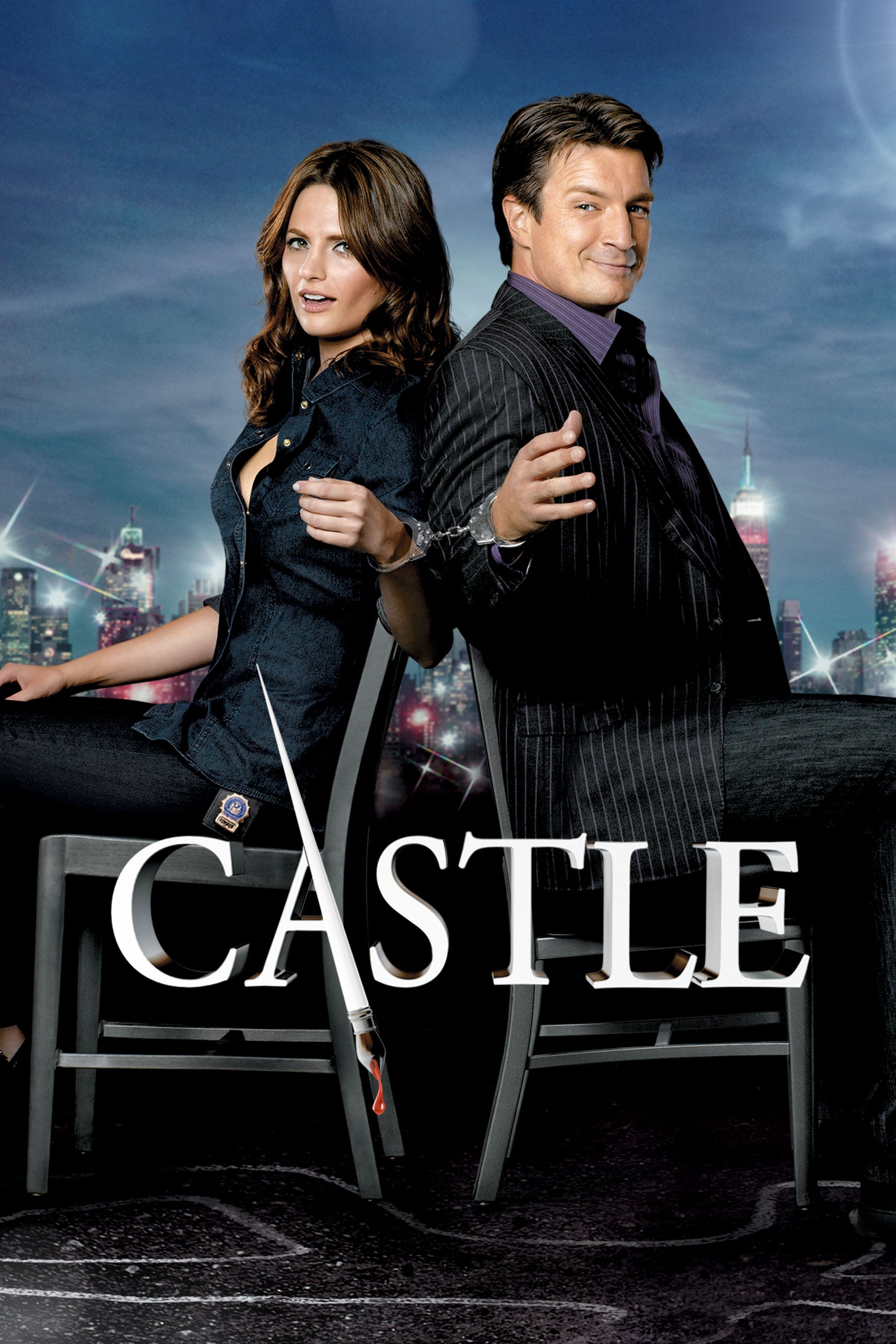
The eighth season of this procedural suffered from behind-the-scenes conflict between the two leads. The chemistry that drove the show evaporated as the actors rarely shared the screen. The network announced that Stana Katic would not return for a potential ninth season, planning to kill off her character. After a massive fan outcry, the show was cancelled instead, and a disjointed “happy ending” montage was tacked onto the final episode. The chaotic conclusion marred the legacy of a once-charming romantic dramedy.
‘Sleepy Hollow’ (2013–2017)
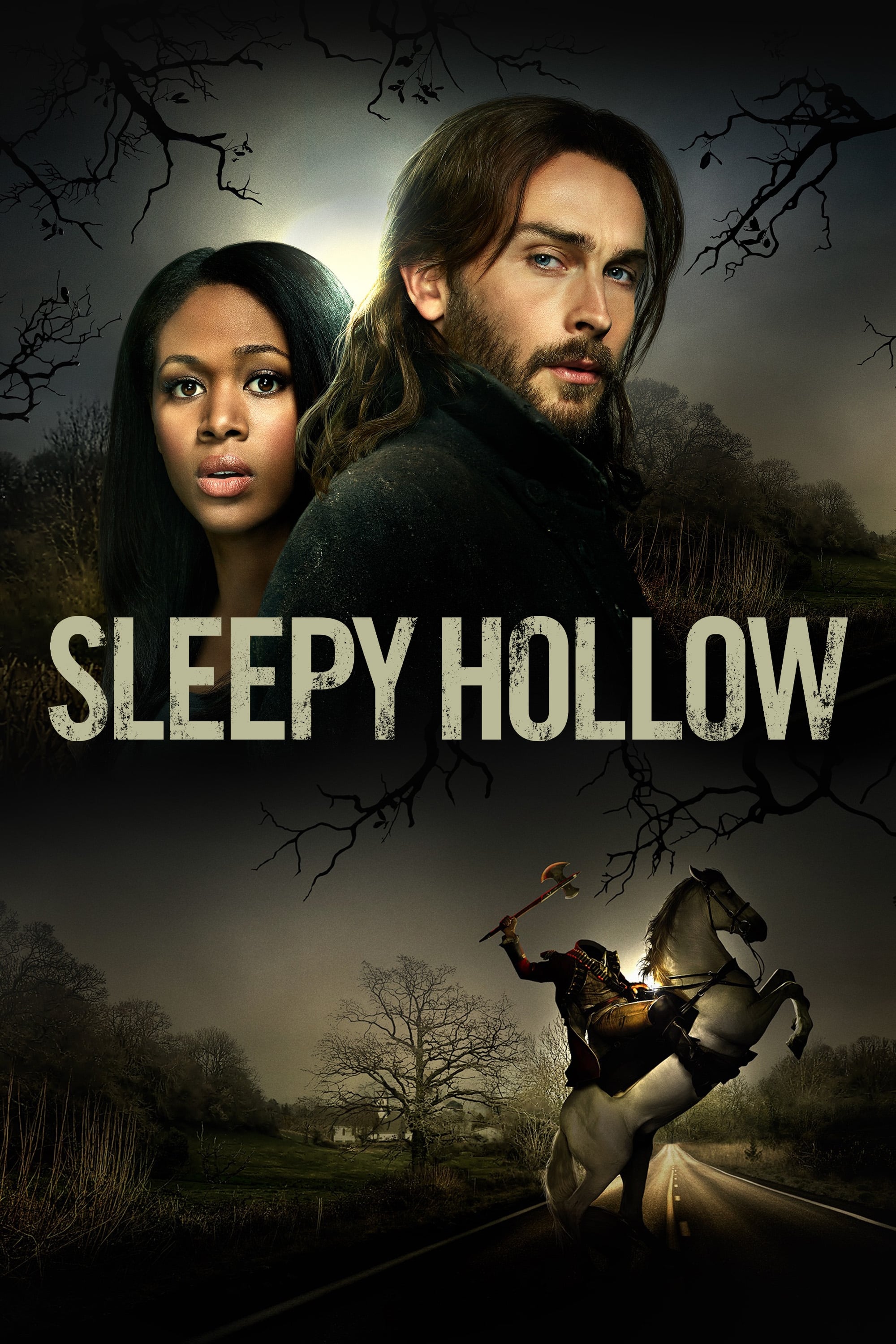
The chemistry between Ichabod Crane and Abbie Mills was the heart of this supernatural drama. In the third season finale, the writers killed off Abbie Mills, effectively destroying the show’s core dynamic. The decision was met with accusations of sidelining a minority lead character for shock value. The fourth season attempted to reboot with a new partner, but the audience had already tuned out in protest. The show was cancelled shortly after, proving the series could not survive without its leading lady.
’13 Reasons Why’ (2017–2020)
The first season told a self-contained story based on the novel, but the show was renewed for three more seasons due to popularity. The subsequent seasons were criticized for unnecessary trauma, including a graphic sexual assault scene in season two. The plot became a murder mystery that attempted to humanize the rapist antagonist from the first season. Viewers felt the show exploited serious issues for entertainment rather than handling them with care. The quality decline turned a poignant conversation starter into a melodramatic soap opera.
‘Riverdale’ (2017–2023)
What started as a moody murder mystery based on Archie Comics quickly descended into chaos. The show introduced plotlines involving organ-harvesting cults, superpowers, and time travel. The dialogue became internet-famous for its absurdity (“the epic highs and lows of high school football”). While some fans enjoyed the campiness, many original viewers stopped watching as the show lost all semblance of coherence. The sheer randomness of the plot twists alienated those looking for a structured narrative.
‘Glee’ (2009–2015)
The first season was a sharp satire of high school life, but the show quickly lost its biting edge. As the original cast graduated, the series split its focus between New York and Ohio, diluting the storytelling. The introduction of a new generation of glee club members felt like a pale imitation of the original characters. Public service announcement episodes became preachy and handled sensitive topics with a heavy hand. By the end, the show had become a caricature of itself, far removed from its acclaimed beginning.
‘Once Upon a Time’ (2011–2018)
This fantasy series effectively wrapped up most of its storylines at the end of season six. However, the network ordered a soft reboot for season seven, casting aside most of the main characters. The narrative shifted to an adult Henry Mills and a new curse, repeating the beats of the first season with less impact. The absence of fan favorites like Emma Swan and Snow White made the new episodes feel hollow. Fans viewed the final season as an unnecessary addendum that dragged on too long.
‘The Witcher’ (2019–Present)
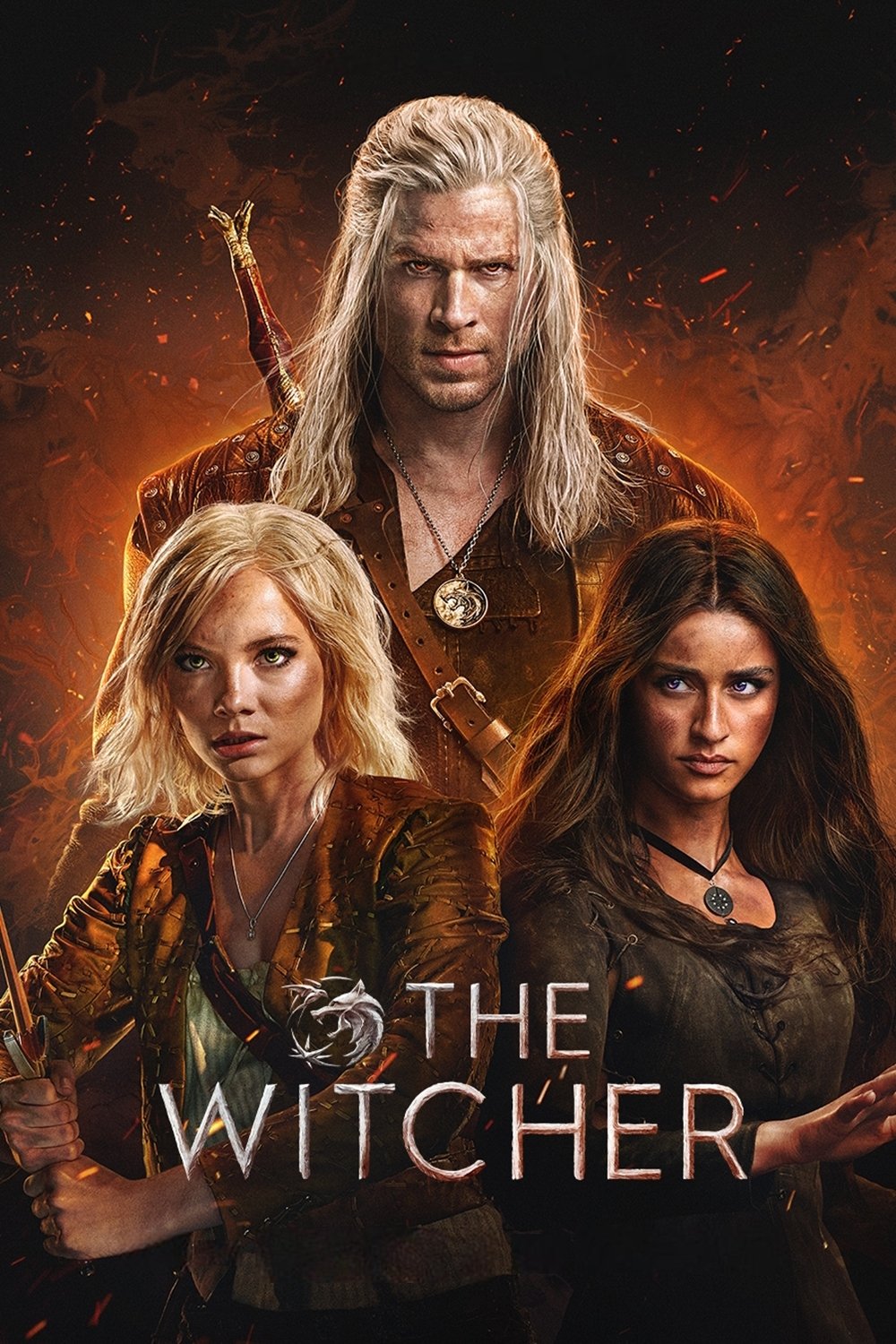
Fans of the books and games grew increasingly frustrated with the show’s deviation from the source material. The writers introduced new plotlines that contradicted the established lore and sidelined Geralt of Rivia in his own show. The announcement that Henry Cavill, a passionate fan of the books, would leave the series cited creative differences as a likely cause. This news caused a massive revolt among the fanbase, who viewed Cavill as the show’s saving grace. Viewership for the subsequent season dropped as trust in the adaptation eroded.
‘Fear the Walking Dead’ (2015–2023)
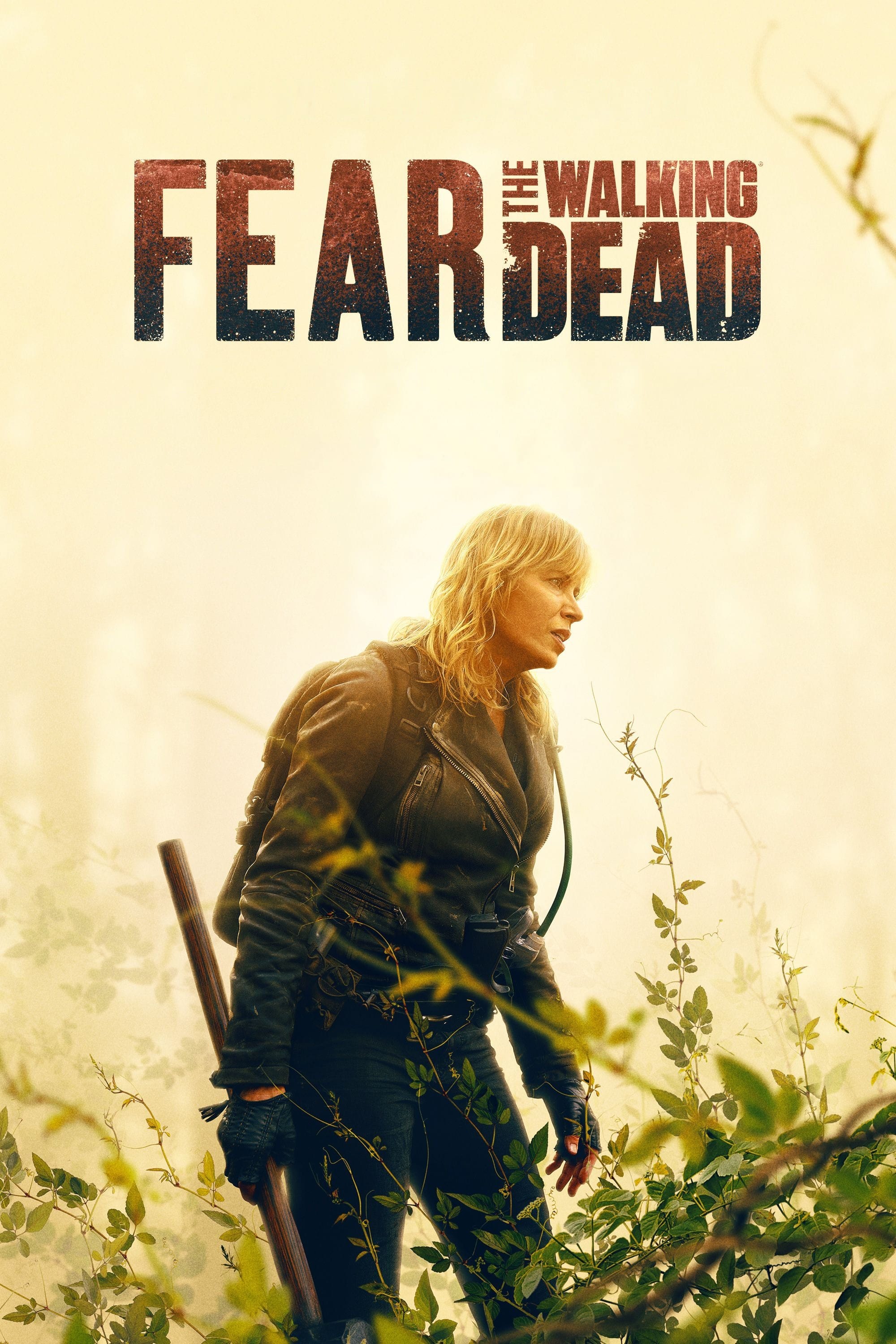
Initially a prequel about the onset of the apocalypse, the show was soft-rebooted in season four to cross over with the main series. The original protagonist, Madison Clark, was seemingly killed off to make room for Morgan Jones from the parent show. The tone shifted from a gritty family drama to a moralistic western that frustrated long-time viewers. The writing became infamous for characters making illogical decisions solely to drive the plot. By the time Madison returned in the final seasons, the narrative damage was irreversible.
‘Shameless’ (2011–2021)
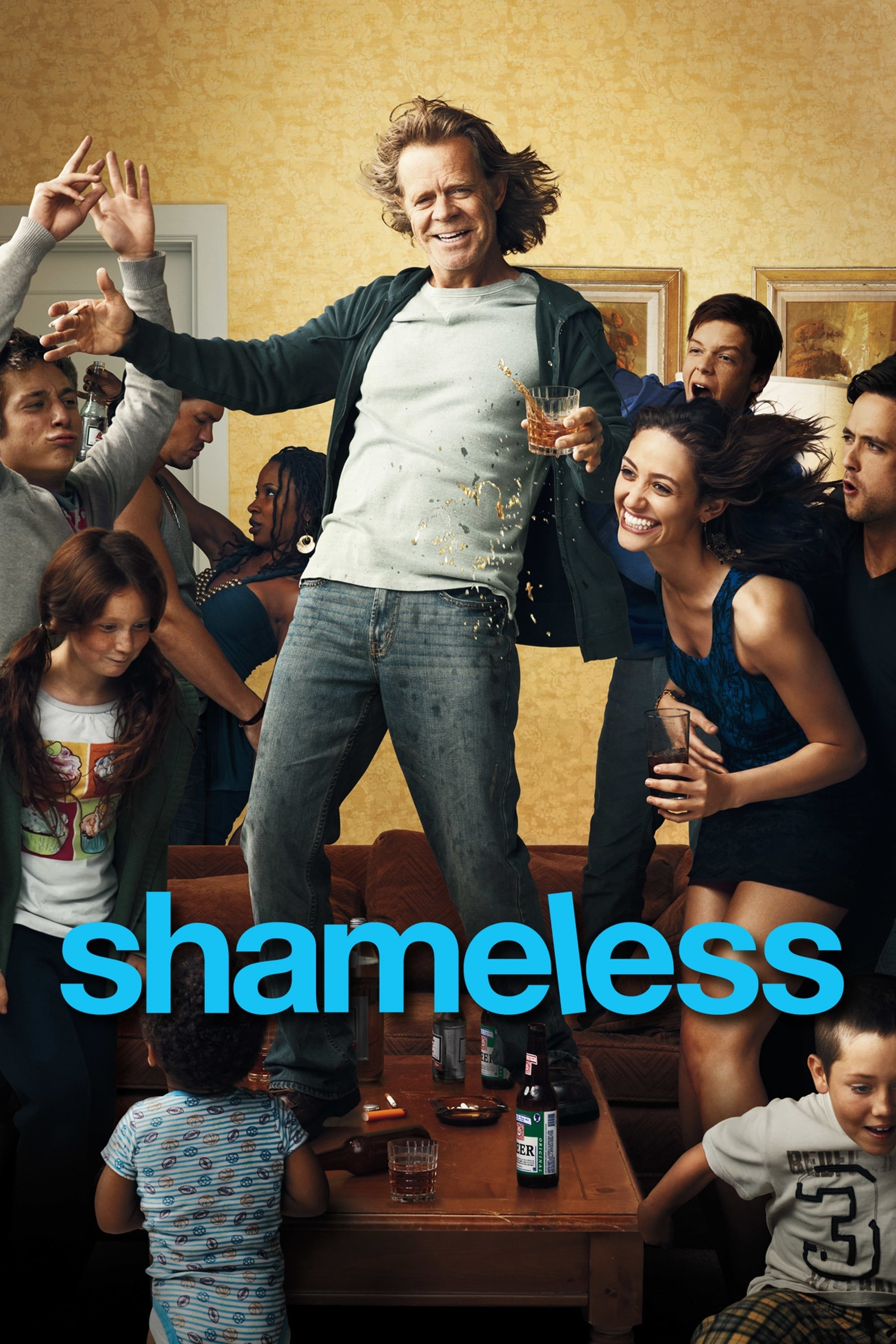
The departure of Emmy Rossum, who played the de facto matriarch Fiona Gallagher, left a void the show could not fill. The remaining seasons struggled to find a grounding emotional center without her character. Frank Gallagher’s antics became repetitive, and the gentrification storylines felt heavy-handed. The finale was criticized for failing to mention Fiona or give the Gallagher family a definitive send-off. It felt like the show simply ran out of steam rather than reaching a conclusion.
‘Supernatural’ (2005–2020)
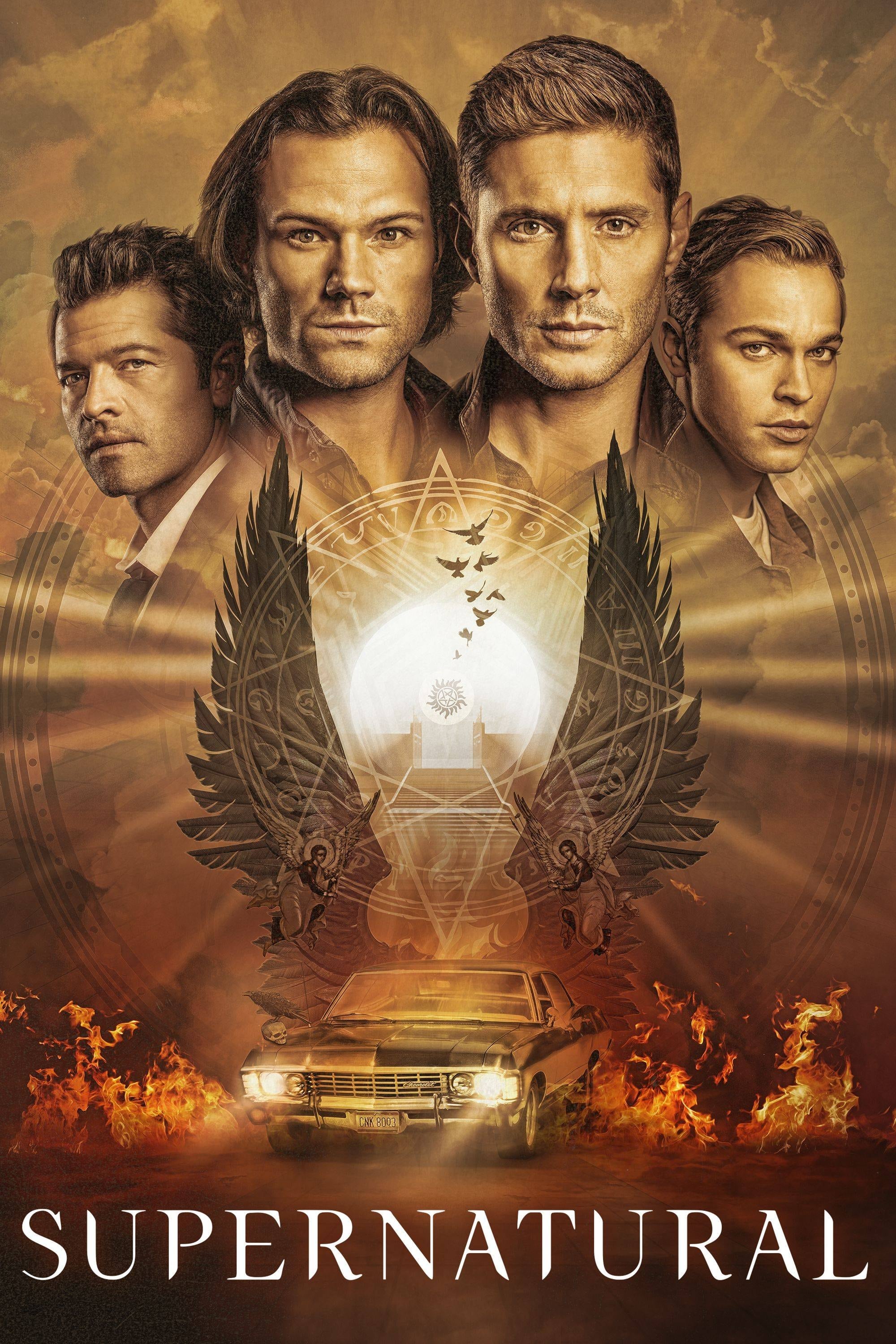
After fifteen seasons of saving the world, Dean Winchester was killed by a rusty nail during a minor vampire fight. Fans felt this mundane death was an insult to a character who had survived battles with God and the Devil. The finale also lacked the presence of Castiel, a major character who had confessed his love for Dean just episodes prior. The lack of closure regarding Castiel’s fate and the “heaven” montage felt incomplete to many. The ending sparked a massive social media controversy regarding the show’s handling of its themes.
‘The X-Files’ (1993–2018)
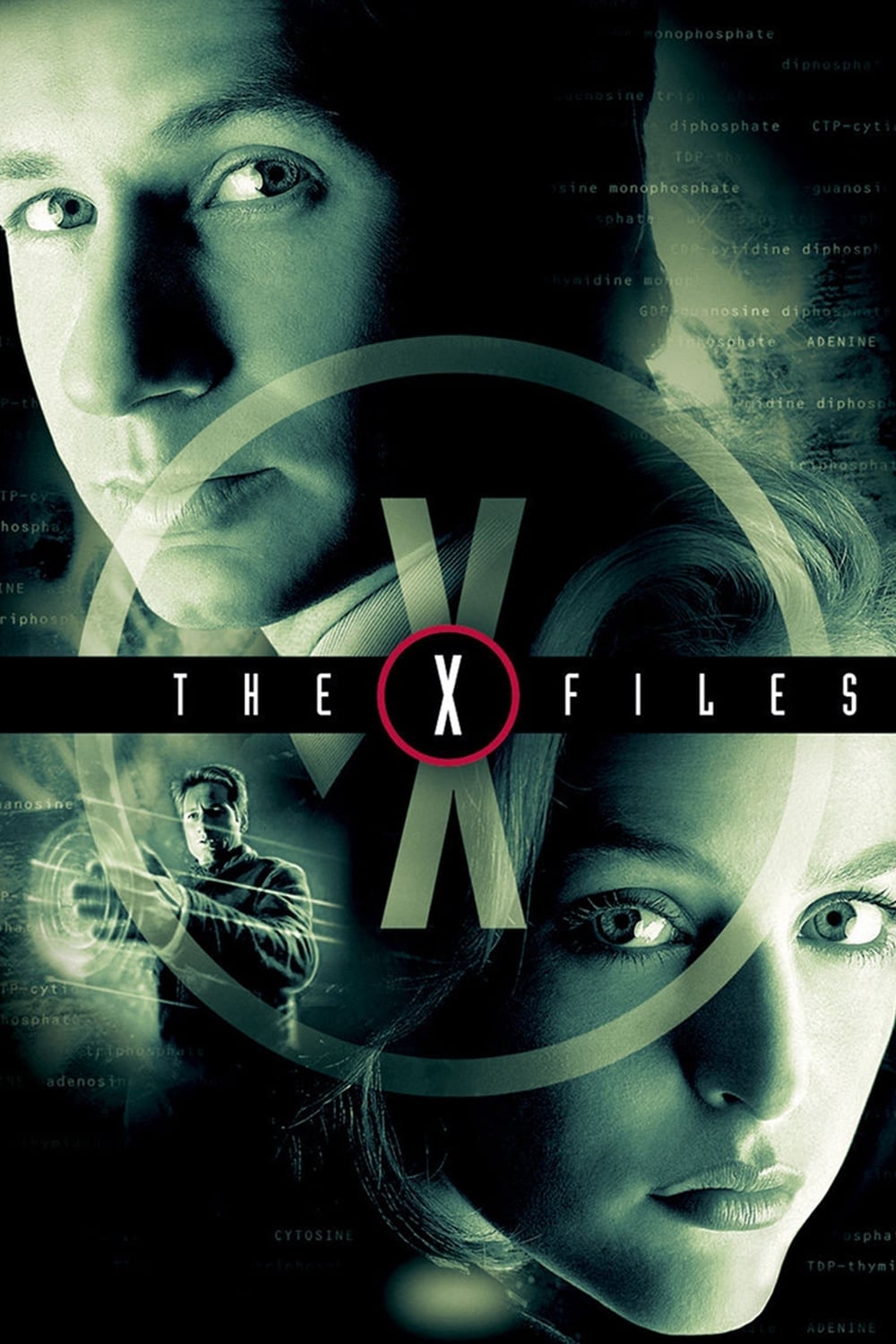
The revival seasons struggled to recapture the magic of the original run, particularly in the “mythology” episodes. The season 11 finale revealed that Scully’s son William was not Mulder’s child, but the result of a medical experiment by the Smoking Man. This twist horrified fans, as it implied a violation of Scully and undermined the emotional core of the duo’s relationship. Gillian Anderson stated she would not return after this script, effectively ending the franchise on a sour note. It was a shocking dismantling of the show’s central romance and history.
‘My Name Is Earl’ (2005–2009)
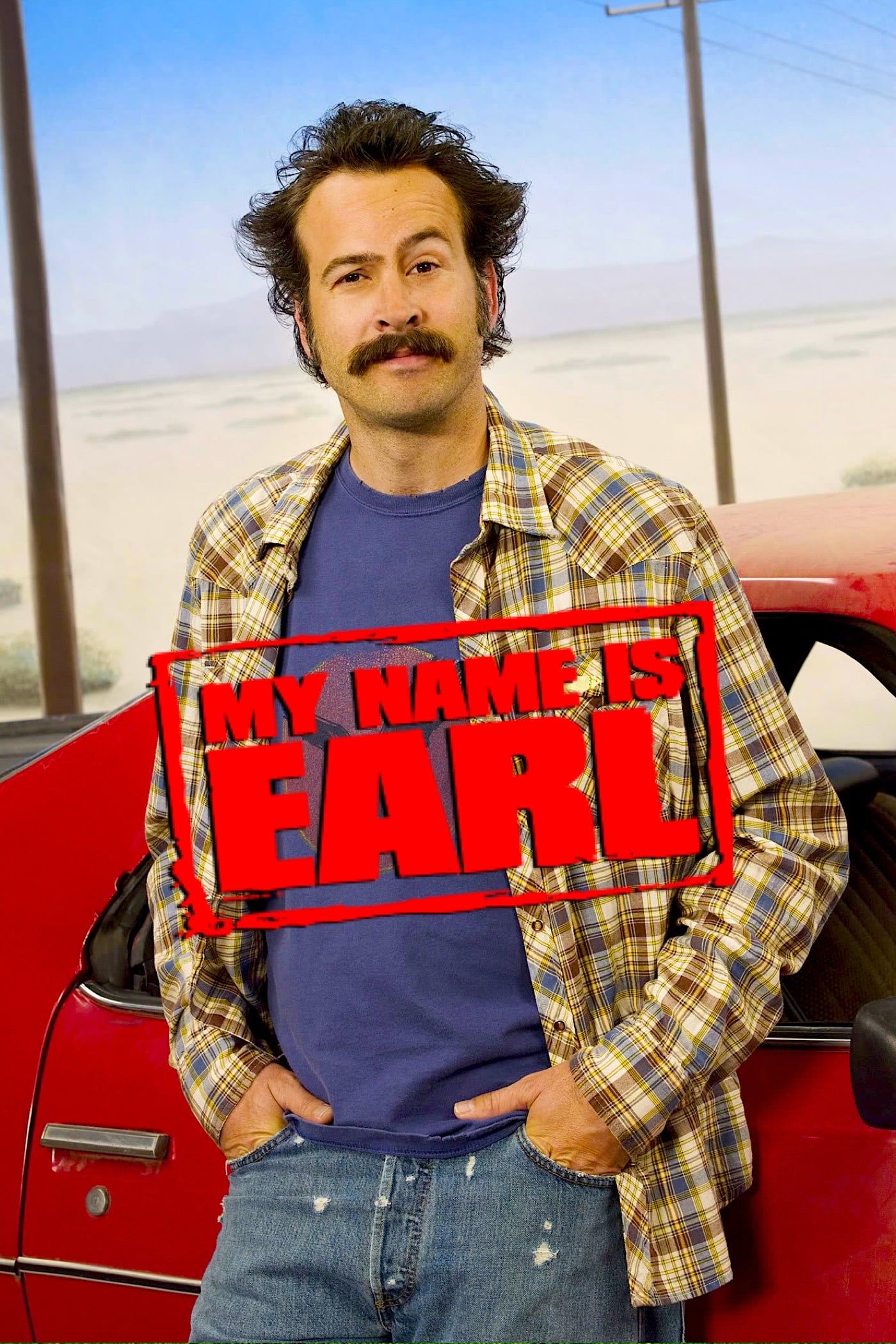
The show ended on a cliffhanger with the title card “To Be Continued” because the network unexpectedly cancelled it. Earl Hickey never finished his list, and the mystery of Dodge’s father was left unresolved in the broadcast. The creator later revealed how the show would have ended in an interview, but fans were denied a proper on-screen conclusion. The abrupt cancellation betrayed the premise of the show, which was built entirely around the goal of finishing the list. It remains one of the most frustrating unfinished stories in sitcom history.
‘Alf’ (1986–1990)
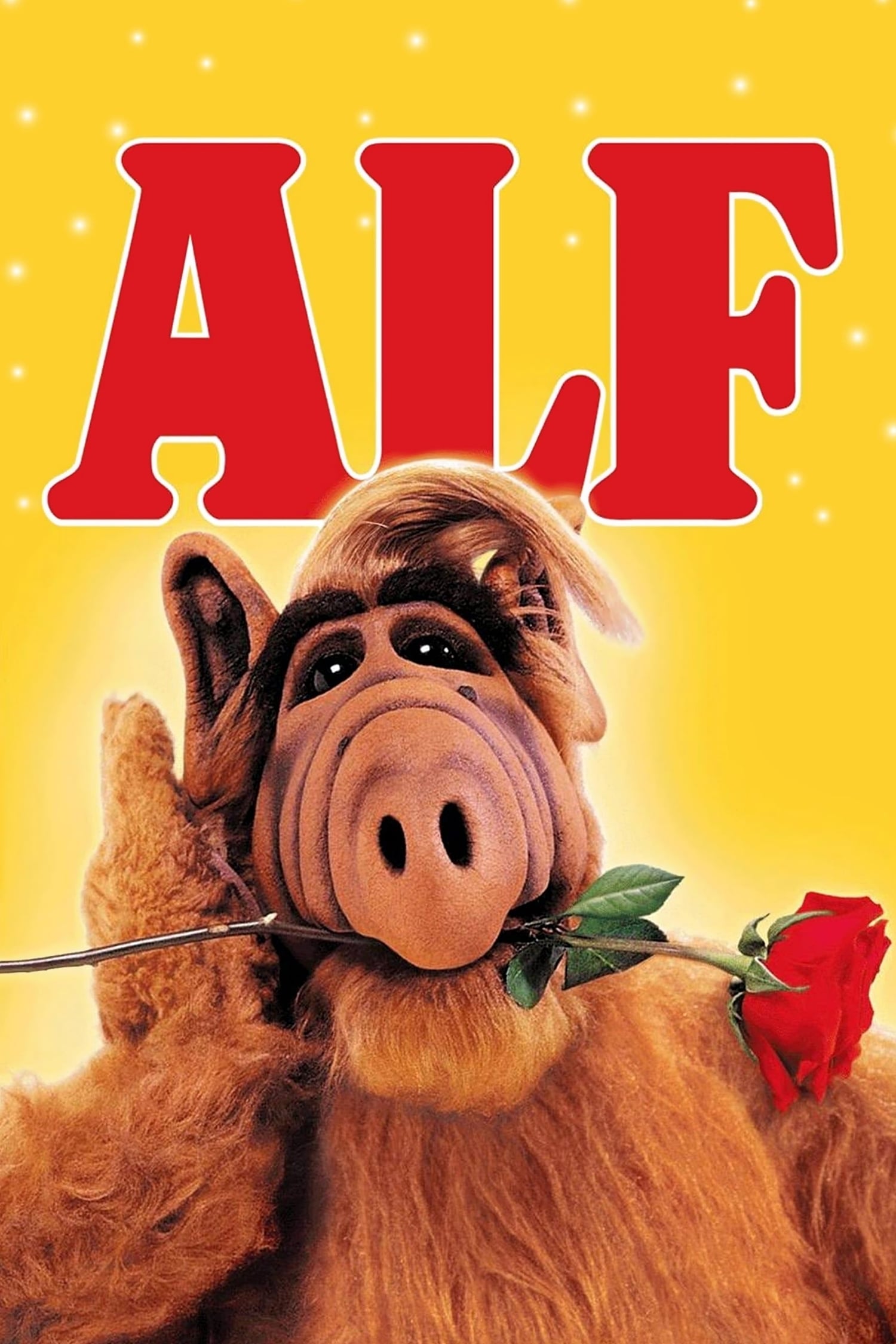
This family sitcom ended with a finale that traumatized its young audience. The alien Alf was captured by the government task force that had been hunting him, and the screen faded to black. The planned TV movie to resolve the cliffhanger didn’t air until years later, leaving children to believe Alf had been dissected. It was a surprisingly dark and terrifying note to end a lighthearted comedy on. The eventual movie failed to rectify the tonal whiplash of that final broadcast episode.
Share your own list of TV disappointments in the comments.