


20 Times White Actors Were Accused Of Taking Roles From Trans, Black, And Asian Talent

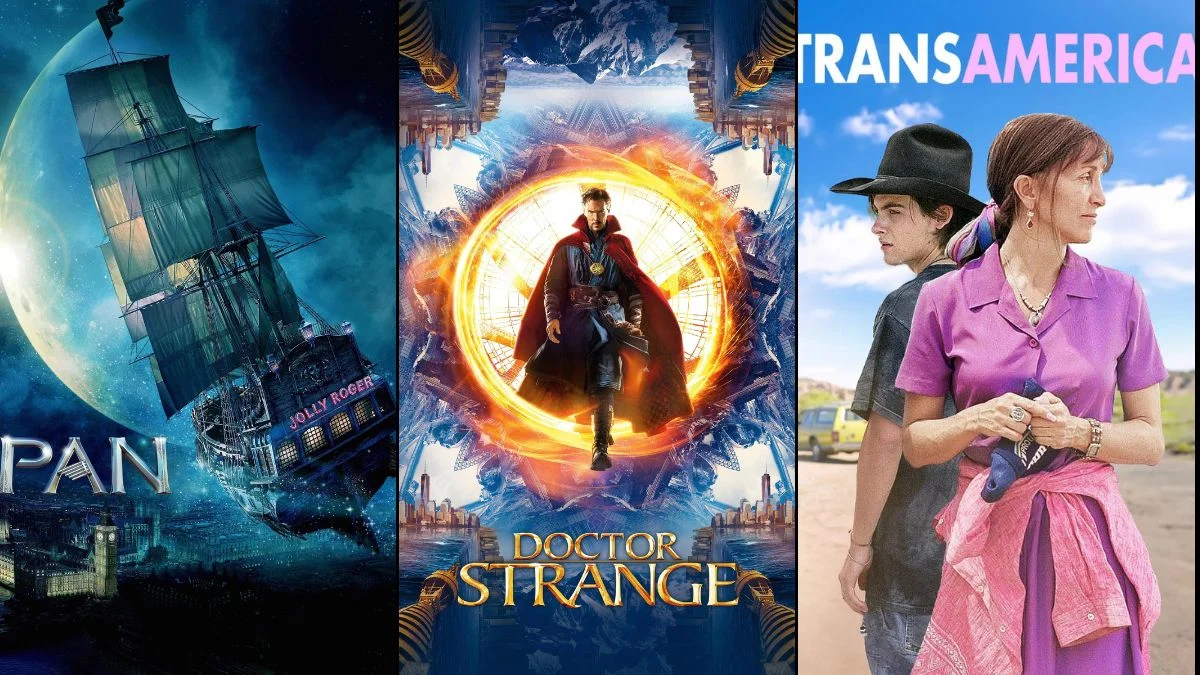


The conversation surrounding representation in Hollywood has intensified in recent years, specifically regarding the casting of white cisgender actors in roles written for transgender people or characters of color. While the industry has made strides toward inclusivity, history is filled with high-profile instances where marginalized talent was overlooked in favor of established white stars. Critics argue that these casting decisions not only limit opportunities for underrepresented communities but often result in inauthentic portrayals of nuanced lived experiences. The following examples highlight significant moments where casting choices sparked widespread debate about erasure and privilege in the entertainment industry.
‘Stonewall’ (2015)

Roland Emmerich’s drama about the 1969 Stonewall riots faced immediate backlash for centering the narrative on a fictional white, cisgender protagonist played by Jeremy Irvine. Historical accounts credit transgender women of color, such as Marsha P. Johnson and Sylvia Rivera, as pivotal figures in the uprising, yet they were relegated to supporting roles. Critics argued that the film whitewashed a crucial moment in LGBTQ+ history by erasing the primary contributions of Black and Latinx trans activists. The casting choice was viewed as a calculated attempt to appeal to mainstream audiences at the expense of historical accuracy.
‘Ghost in the Shell’ (2017)
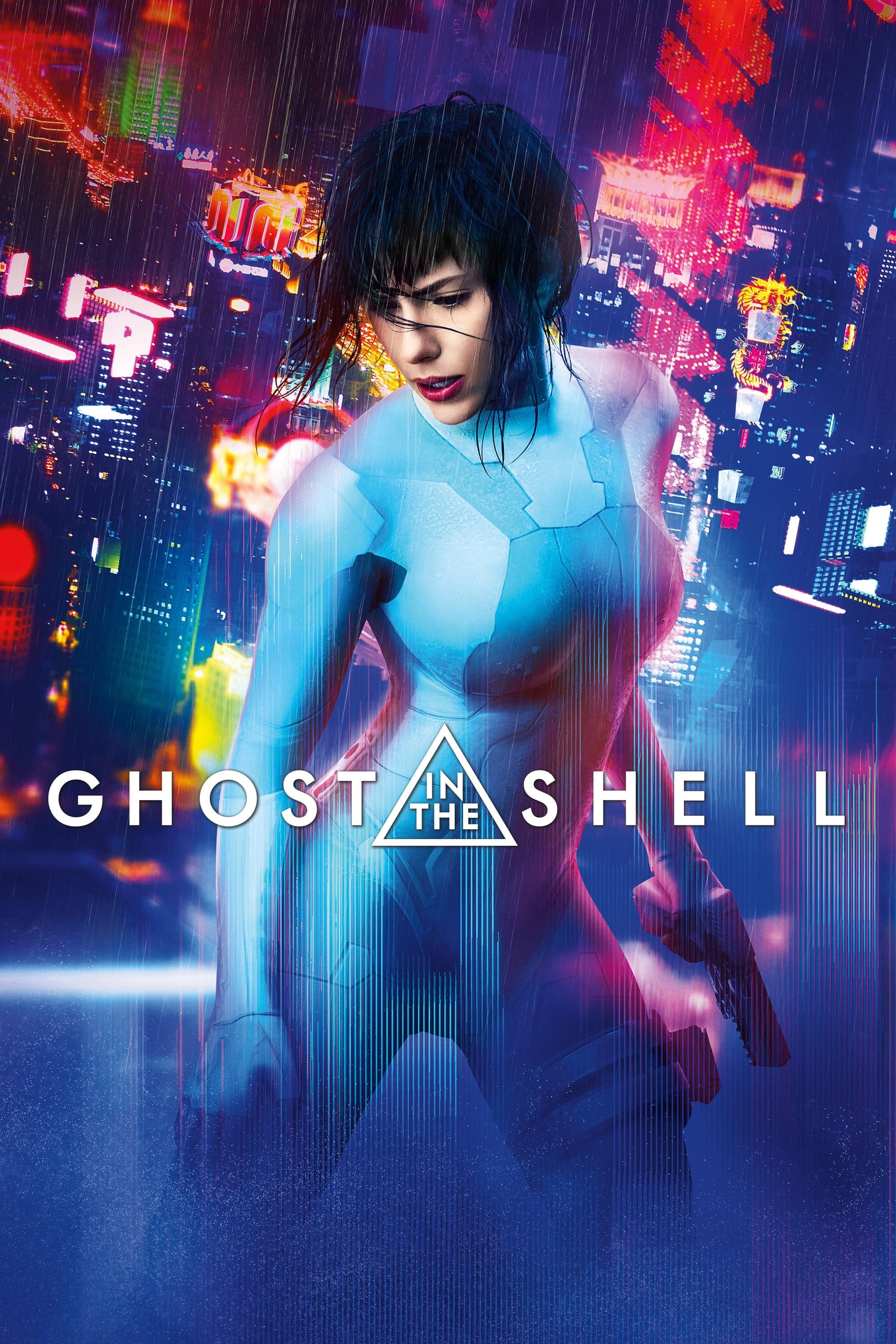
The casting of Scarlett Johansson as Major Motoko Kusanagi in the live-action adaptation of the iconic Japanese manga drew accusations of whitewashing. Although the studio attempted to justify the decision by claiming the character’s cyborg shell lacked a specific ethnicity, fans pointed out the distinctly Japanese cultural context of the source material. The controversy highlighted the scarcity of lead roles available to Asian actors in big-budget Hollywood productions. This film became a primary example in the ongoing discussion about the erasure of Asian identities in Western media adaptations.
‘Rub & Tug’ (2002)
Scarlett Johansson faced criticism again when she was announced to star as Dante “Tex” Gill, a real-life crime boss who was identified as a trans man. Transgender actors and advocates argued that the role should have gone to a trans performer, noting the industry’s habit of rewarding cisgender actors for mimicking trans experiences. The backlash was severe enough that Johansson eventually withdrew from the project, acknowledging the insensitivity of the casting. This incident marked a turning point in how studios approach the casting of transgender biographical roles.
‘The Danish Girl’ (2015)

Eddie Redmayne starred as Lili Elbe, one of the first known recipients of gender confirmation surgery, in this biographical drama. While Redmayne received an Oscar nomination for his performance, the film was criticized for casting a cisgender man to play a trans woman. Critics argued that this practice reinforces the harmful misconception that trans women are merely men in costume. The casting decision reignited debates about the need for authentic trans representation to capture the complexity of the transition experience.
‘Doctor Strange’ (2016)

Tilda Swinton was cast as the Ancient One, a character originally depicted as an elderly Tibetan man in the Marvel comic books. Marvel Studios stated they changed the character to a Celtic woman to avoid promoting racial stereotypes, but this explanation did not quell accusations of whitewashing. Many Asian American media watchdogs felt that erasing a prominent Asian character was a step backward for representation in the superhero genre. The choice demonstrated the difficulties studios face when attempting to modernize problematic source material without excluding the community originally represented.
‘Dallas Buyers Club’ (2013)

Jared Leto won an Academy Award for his portrayal of Rayon, a fictional HIV-positive transgender woman. Despite the acclaim, the casting was criticized by trans activists who felt the role relied on stereotypes and should have been played by a trans woman. The performance was viewed by some as “transface,” where cisgender actors are lauded for their bravery in playing marginalized characters while trans actors remain unemployed. This role remains a central point of contention in discussions about who gets to tell trans stories.
‘Aloha’ (2015)

Emma Stone was cast as Allison Ng, a character described in the script as being of quarter Chinese and quarter Hawaiian descent. The casting was widely mocked and criticized for erasing the specific multiracial identity central to the character’s background. Director Cameron Crowe later apologized, admitting that the casting was ill-advised and ignored the reality of Asian-Pacific Islander representation. The controversy underscored the lack of visibility for mixed-race actors in romantic lead roles.
‘Pan’ (2015)

Rooney Mara was cast as Tiger Lily, a Native American princess, in this reimagining of the Peter Pan mythology. The decision to cast a white actress in a role explicitly tied to Indigenous identity drew protests and a petition with thousands of signatures. The production team claimed they wanted a multi-ethnic world, yet the primary Native character was played by a white woman. This instance is often cited as a clear example of Hollywood continuing to ignore Native American talent for significant roles.
‘Nina’ (2016)

Zoe Saldana, a light-skinned Afro-Latina actress, was cast to play the legendary singer and civil rights activist Nina Simone. To achieve Simone’s likeness, Saldana wore skin-darkening makeup and a prosthetic nose, which sparked intense outrage regarding colorism in Hollywood. Critics and Simone’s estate argued that the role should have gone to a dark-skinned Black actress who naturally embodied Simone’s specific phenotype and struggles. The film sparked a painful conversation about how the industry often favors lighter-skinned actors even when telling the stories of dark-skinned icons.
‘Exodus: Gods and Kings’ (2014)

Ridley Scott’s biblical epic featured a predominantly white cast, including Christian Bale and Joel Edgerton, playing ancient Egyptians and Hebrews. The director defended the casting by citing financing concerns, claiming he could not mount a high-budget film without established white stars. This excuse was met with skepticism and anger from audiences who pointed out the erasure of Middle Eastern and North African history. The film fueled the #OscarsSoWhite conversation by highlighting the systemic barriers facing actors of color in historical epics.
‘Gods of Egypt’ (2016)
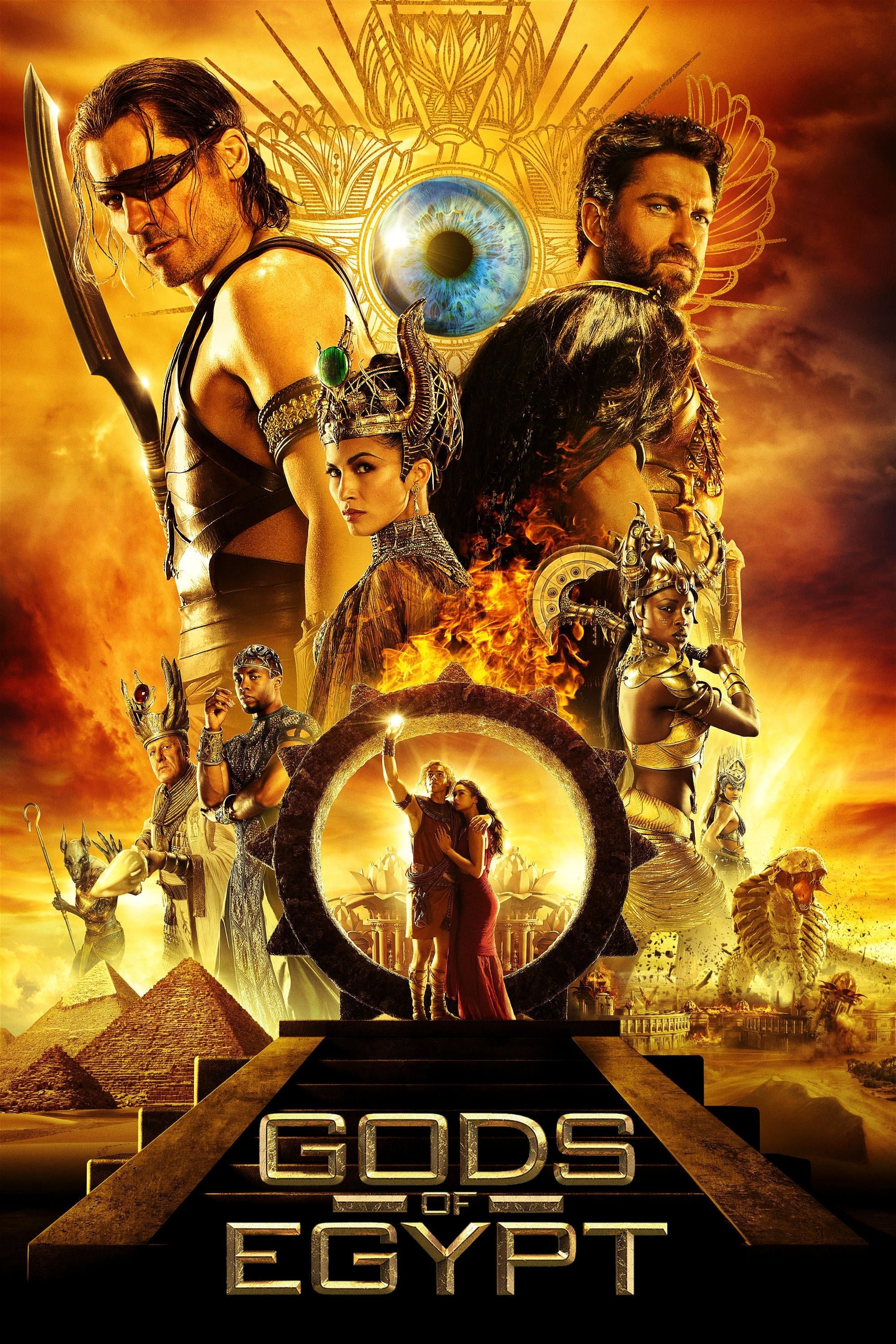
Similar to Exodus, this fantasy film cast white actors like Gerard Butler and Nikolaj Coster-Waldau as Egyptian deities. The movie was ridiculed before its release for its inaccurate portrayal of the region’s demographics and mythology. The director and studio issued apologies before the film even hit theaters, acknowledging the insensitivity of the casting choices. It served as a rare instance where a studio admitted fault regarding whitewashing prior to the film’s commercial failure.
‘The Lone Ranger’ (2013)

Johnny Depp played Tonto, a Native American character, wearing face paint and a stuffed bird on his head. While Depp claimed partial Native ancestry, the casting was criticized for relying on redface and perpetuating mystical stereotypes about Indigenous people. Native American advocacy groups expressed disappointment that a Native actor was not chosen to reclaim and modernize the character. The film’s critical and commercial struggle was partly attributed to the outdated and offensive nature of the portrayal.
‘Prince of Persia: The Sands of Time’ (2010)
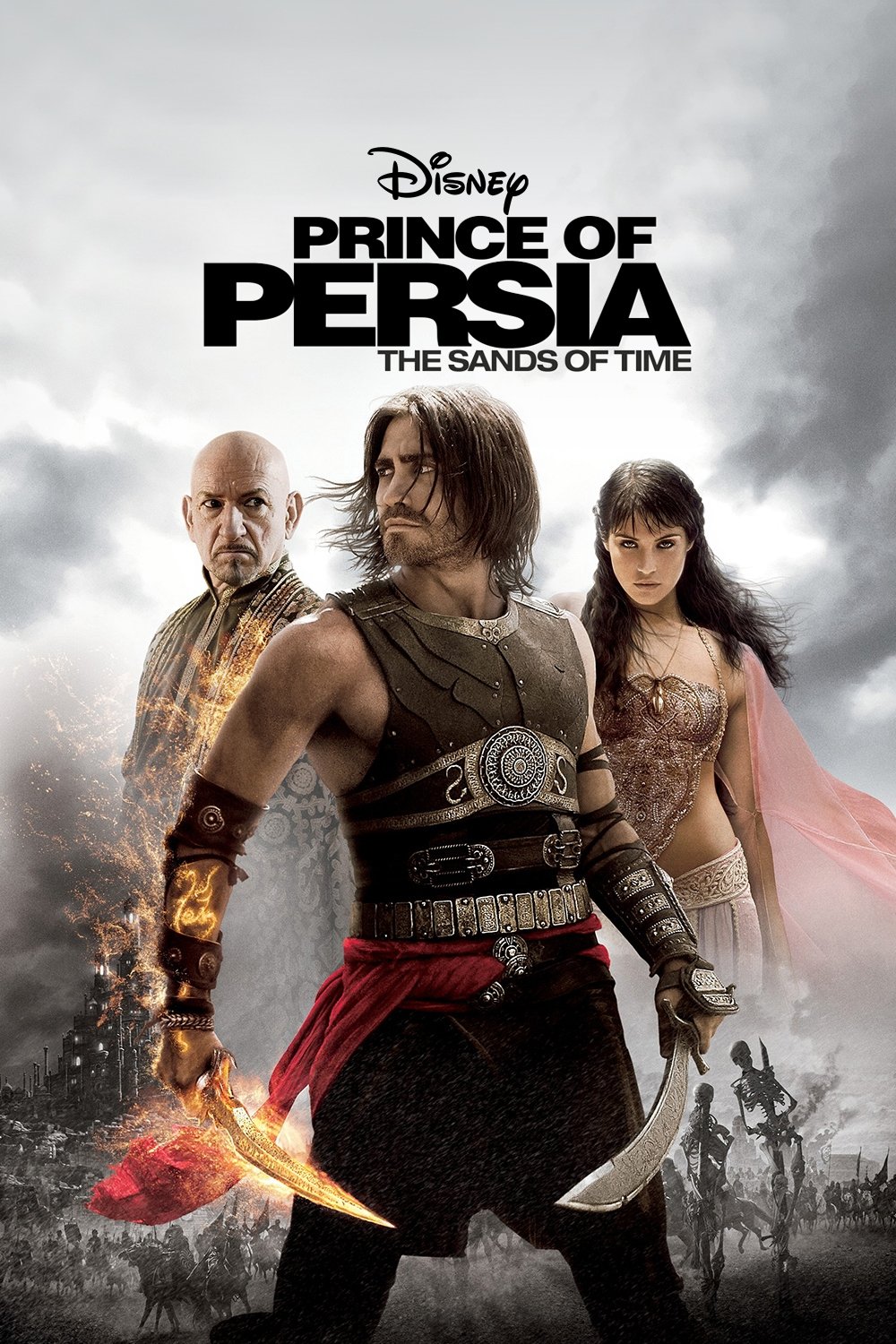
Jake Gyllenhaal was cast as the titular Persian prince in this video game adaptation. The film ignored the opportunity to cast an actor of Iranian or Middle Eastern descent in a blockbuster lead role. It stands as a prominent example of how Hollywood frequently conflates distinct ethnic identities or ignores them entirely for the sake of star power. The visual inconsistency of a white actor with a tan playing a Persian character remains a point of criticism for the film.
‘Dragonball Evolution’ (2009)
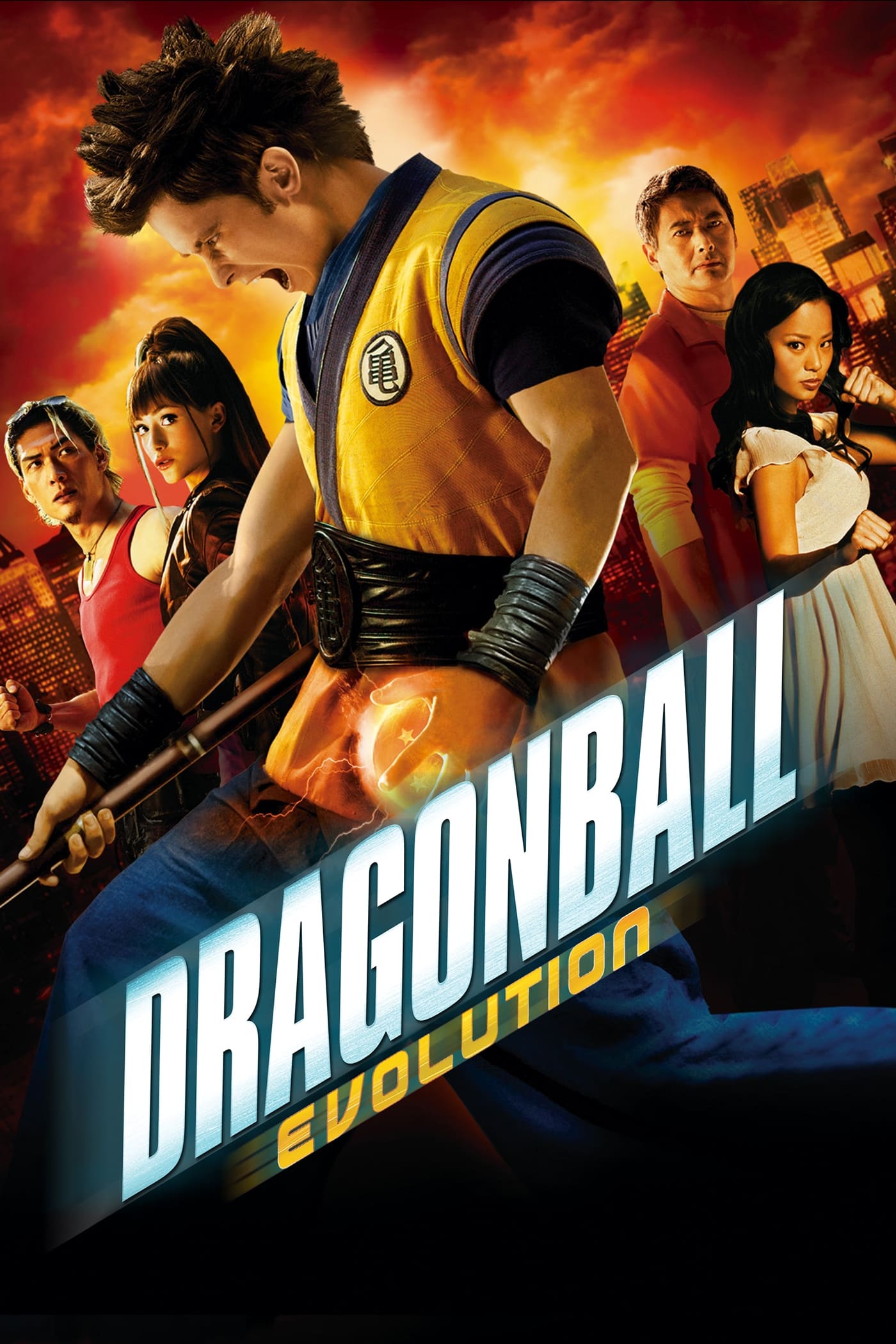
Justin Chatwin was cast as Goku, the protagonist of the beloved Japanese manga and anime series. The adaptation was universally panned, with the whitewashing of the main cast being a primary complaint from fans worldwide. The film stripped away the cultural nuances of the original story, replacing them with a generic American high school setting. It is frequently cited by anime fans as the worst example of Western adaptations failing to respect the source material’s cultural roots.
‘The Last Airbender’ (2010)
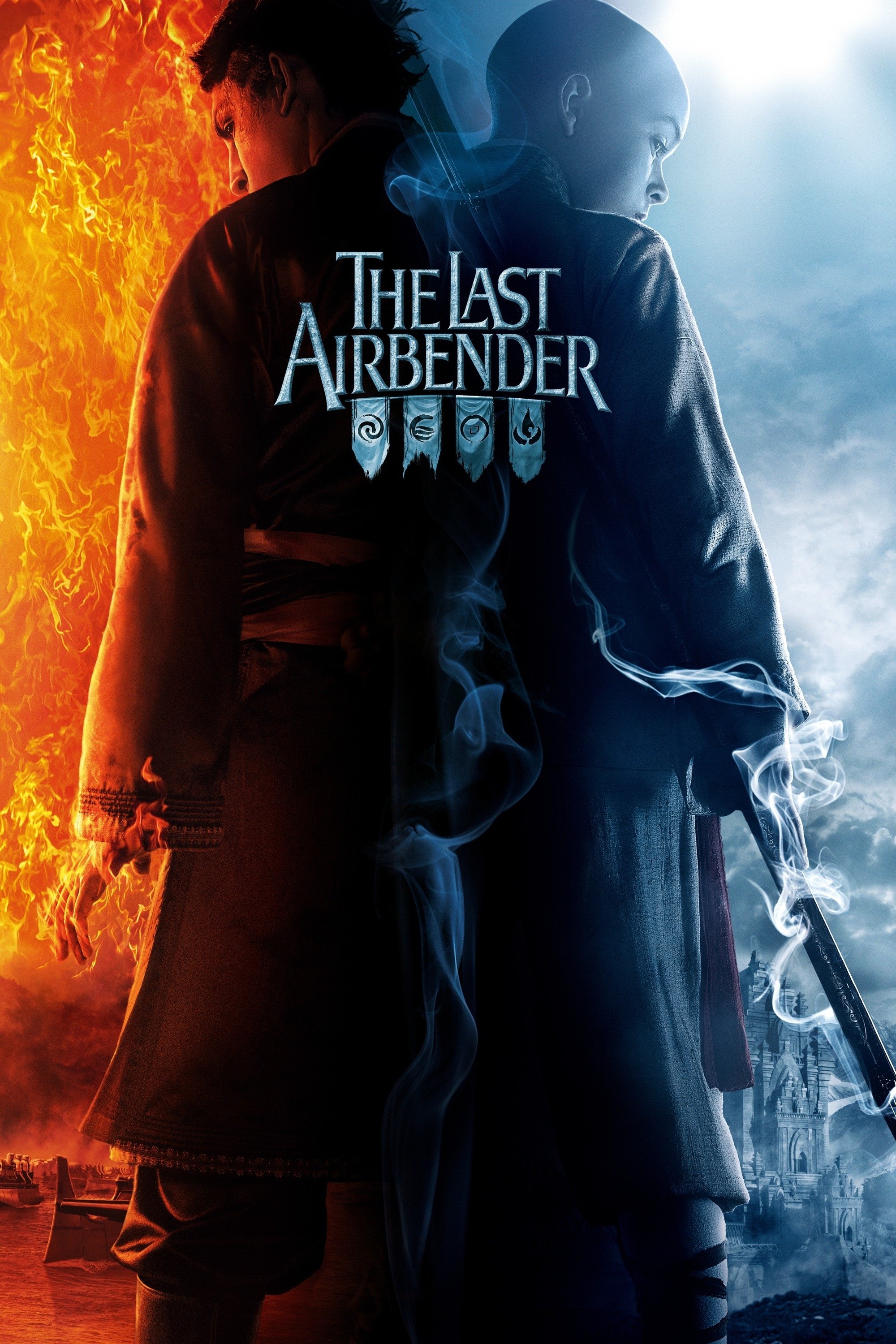
M. Night Shyamalan’s adaptation of the animated series cast white actors as the heroes Katara and Sokka, who were based on Inuit and Indigenous cultures. Conversely, the villains of the Fire Nation were played by actors of Indian and Middle Eastern descent, creating a problematic racial coding. The casting sparked a massive letter-writing campaign and protests from the organization Racebending.org. The film serves as a case study in how color-blind casting can inadvertently enforce racial hierarchies when not handled with care.
‘3 Generations’ (2015)
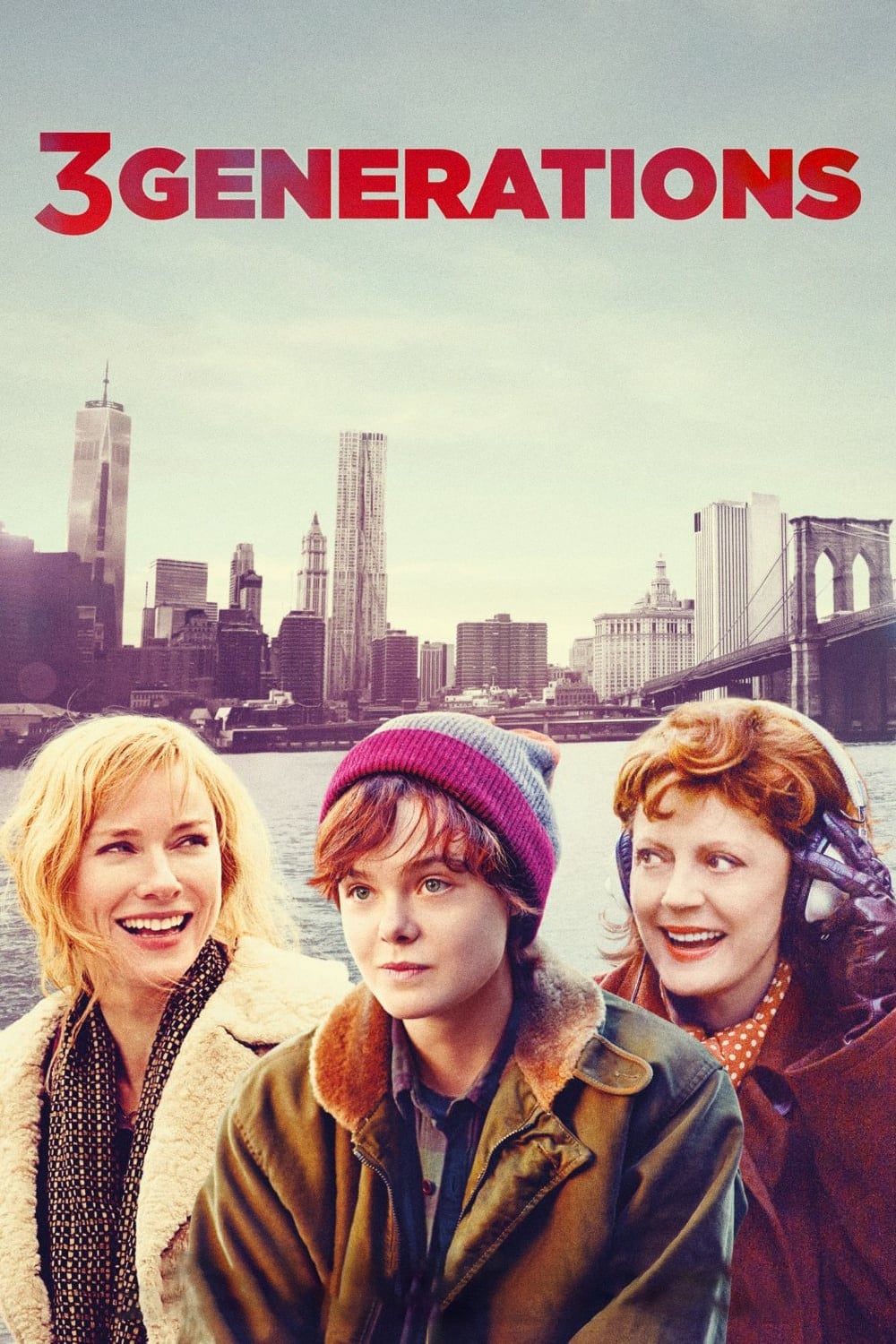
Elle Fanning played a teenage trans boy named Ray in this drama about a family dealing with a transition. While the director stated that Fanning’s casting was necessary to show the character pre-transition, critics argued that trans actors are perfectly capable of portraying different stages of transition. The film was seen as another missed opportunity to give a young trans actor a breakout role. It contributed to the “cis gaze” critique, where trans stories are filtered through the comfort levels of cisgender audiences.
‘Anything’ (2017)

Matt Bomer was cast as a transgender sex worker in this drama produced by Mark Ruffalo. The casting was met with immediate backlash from the trans community, who pointed out that Bomer is a cisgender man. Critics argued that casting men to play trans women fuels violence against trans women by validating the idea that they are “men in dresses.” Ruffalo later addressed the criticism, admitting he had been unaware of the depth of the conversation regarding authentic casting.
‘Transamerica’ (2005)
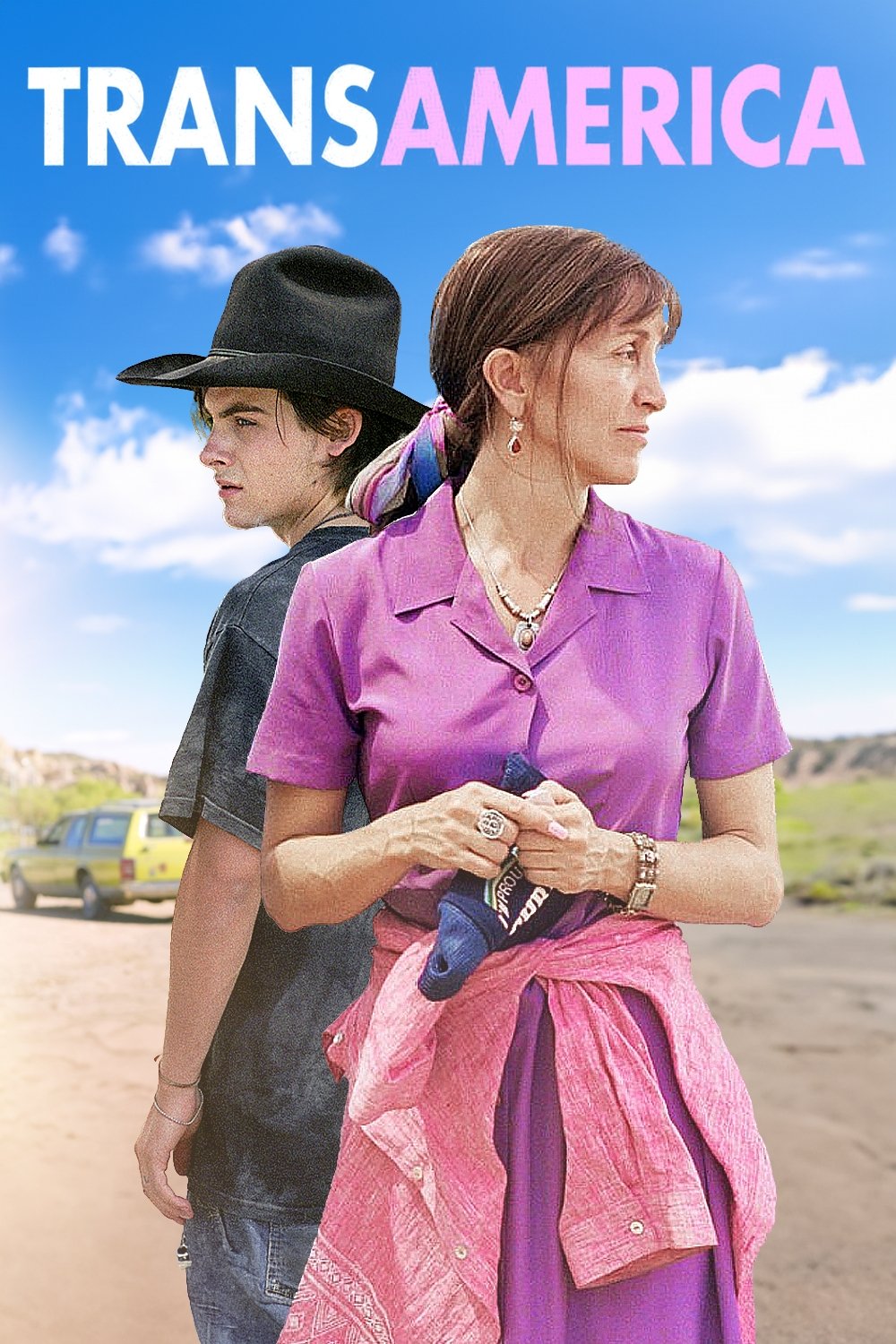
Felicity Huffman received a Golden Globe and an Oscar nomination for her role as Bree, a transgender woman on a road trip. While the performance was praised at the time, modern retrospective analysis views it as problematic for employing a cisgender woman to play a trans woman. The film is often cited in discussions about how perceptions of acceptable representation have evolved rapidly over the last two decades. It highlights an era where prosthetics and “transformative” acting were valued over lived experience.
‘Breakfast at Tiffany’s’ (1961)

Mickey Rooney’s portrayal of Mr. Yunioshi is one of the most infamous examples of yellowface in cinema history. The character was a grotesque caricature of a Japanese man, complete with taped eyelids and buck teeth. Even in contemporary reviews, the performance is widely condemned as racist and offensive. It serves as a stark reminder of the historical dehumanization of Asian people in Hollywood that set the stage for modern struggles for authentic representation.
‘A Mighty Heart’ (2007)
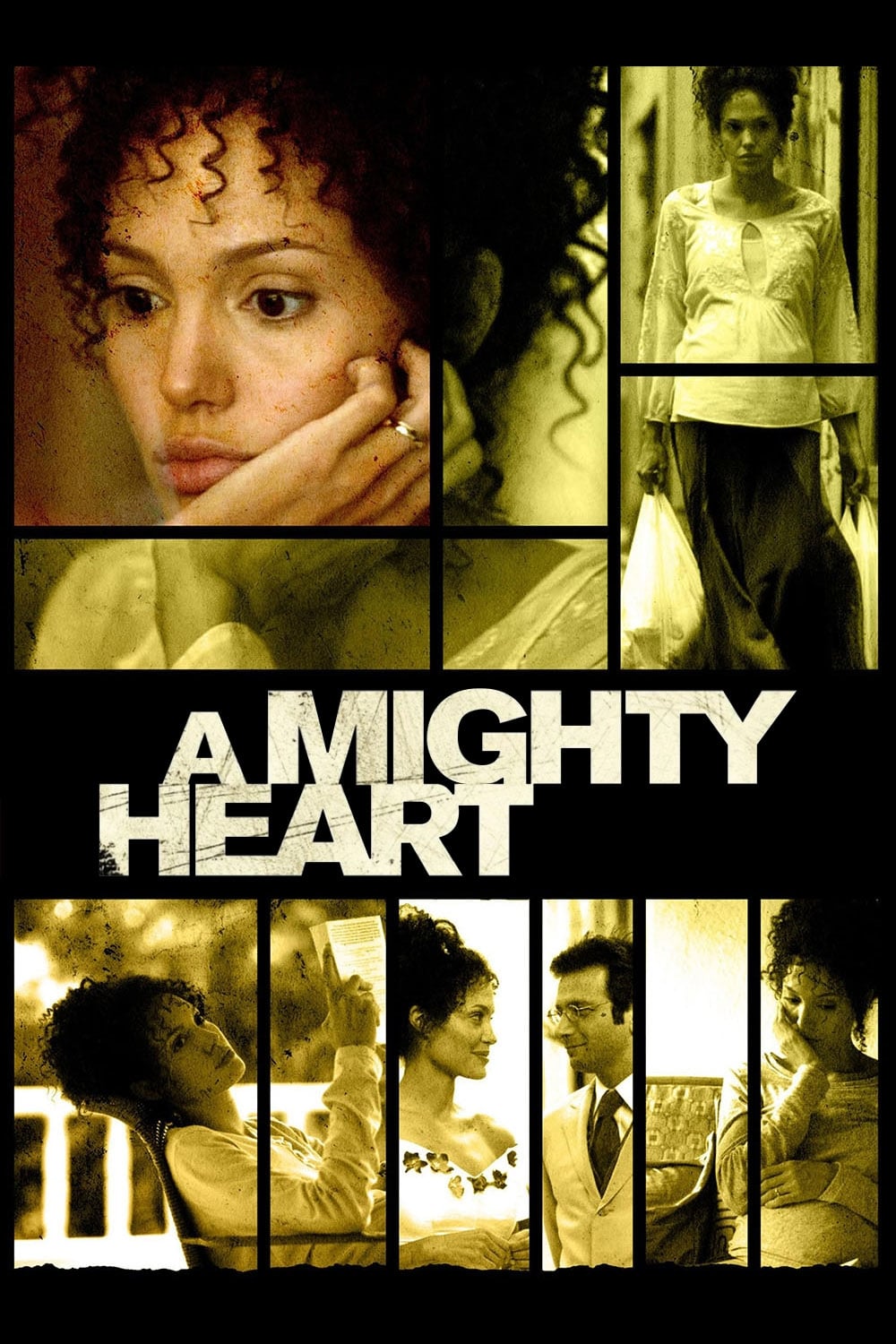
Angelina Jolie starred as Mariane Pearl, a journalist of Afro-Cuban and Chinese descent. Jolie, who is white, darkened her skin and wore a curly wig to play the role, sparking debate about racial mimicry. While Mariane Pearl herself supported the casting, many critics felt it was an unnecessary instance of blackface/brownface that took a role away from a mixed-race actress. The controversy highlighted the complexities of casting for multi-ethnic public figures.
Please share your thoughts on these casting controversies and the importance of authentic representation in the comments.