


Top 10 Coolest Things About Al Pacino

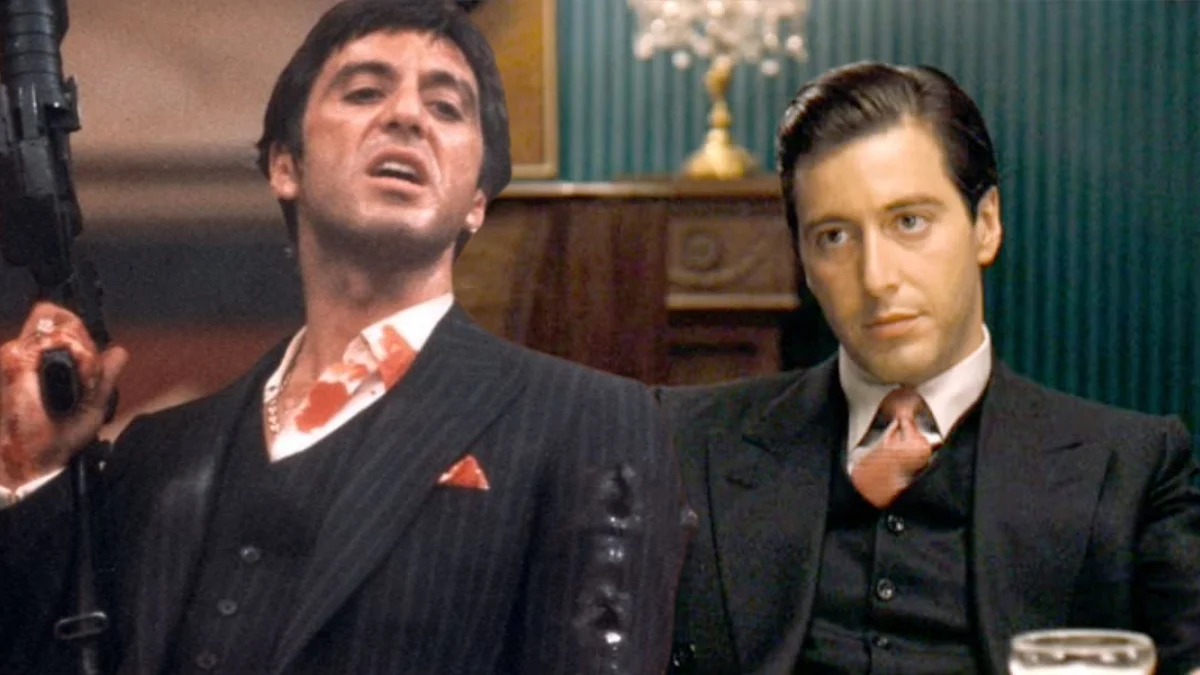


Al Pacino’s career stretches across stage, film, and television, with roles and projects that helped define entire eras of screen acting. Born Alfredo James Pacino in New York City, he studied his craft seriously from a young age, worked his way up through theater, and then moved into films that became keystones of American cinema. Along the way he collected major awards, collaborated with influential directors, and kept returning to the stage and small screen with the same intensity that marked his breakout performances.
What makes Pacino stand out isn’t just longevity—it’s how consistently he has anchored complex stories, often portraying characters under enormous pressure. He has carried crime epics, intimate character studies, and ensemble dramas, while also directing and producing passion projects about Shakespeare and classic plays. Below are ten grounded, fact-filled highlights that show how his training, choices, and collaborations shaped a body of work that continues to be studied and referenced.
‘The Godfather’ (1972)
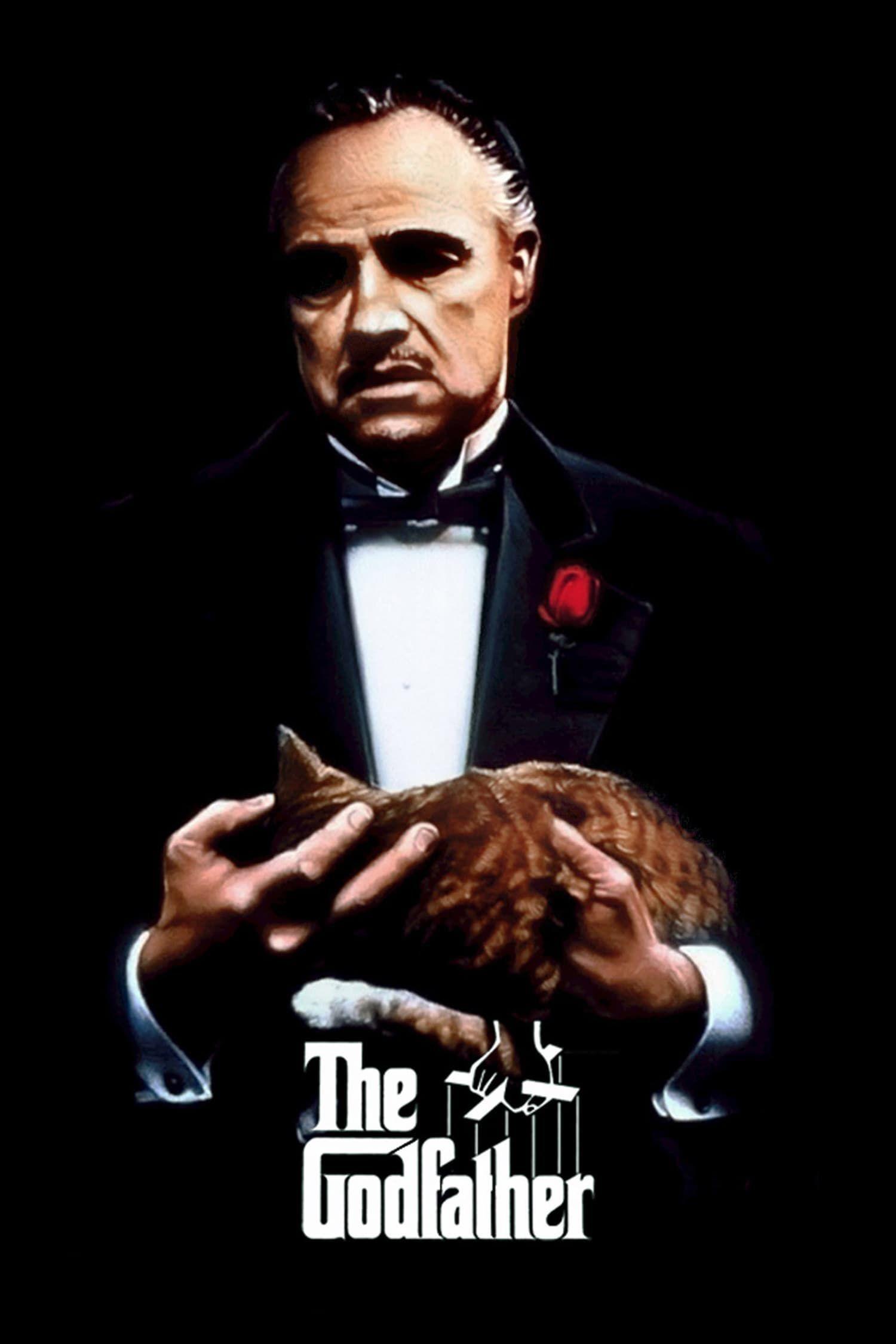
Pacino’s portrayal of Michael Corleone traces a carefully calibrated transformation from reserved war veteran to calculating crime boss across the trilogy, with the first chapter establishing the character’s quiet, strategic approach. His casting came after director Francis Ford Coppola advocated strongly for him; the role positioned Pacino at the center of a large ensemble and required sustained development across multiple films, including courtroom and family power-transfer sequences that hinge on his restrained line readings.
Behind the scenes, Pacino used technique learned in New York studios to modulate Michael’s progression—minimizing outward emotion while tightening physical stillness as the character assumes control. Production accounts note that he filmed pivotal scenes after long discussions about motivation and subtext, aligning performance choices with story beats such as shifting loyalties, internalized grief, and the consolidation of authority within the Corleone family.
‘Scarface’ (1983)

As Tony Montana, Pacino collaborated with director Brian De Palma and screenwriter Oliver Stone on a remake that re-set the narrative in Miami’s cocaine economy. The production featured extensive location work, stylized violence, and a focus on the mechanics of cartel operations, with Pacino centering the film around a character arc built on ambition, paranoia, and rapid escalation.
Pacino prepared by studying speech patterns and movement, then leaning into physical intensity during long takes that tracked the character’s rise and collapse. The film’s iconography—set design, wardrobe, and dialogue—has been widely sampled and referenced in music, sports, and fashion, keeping the role in circulation well beyond its initial release and making it a recurring case study in crime-genre mythmaking.
‘Dog Day Afternoon’ (1975)
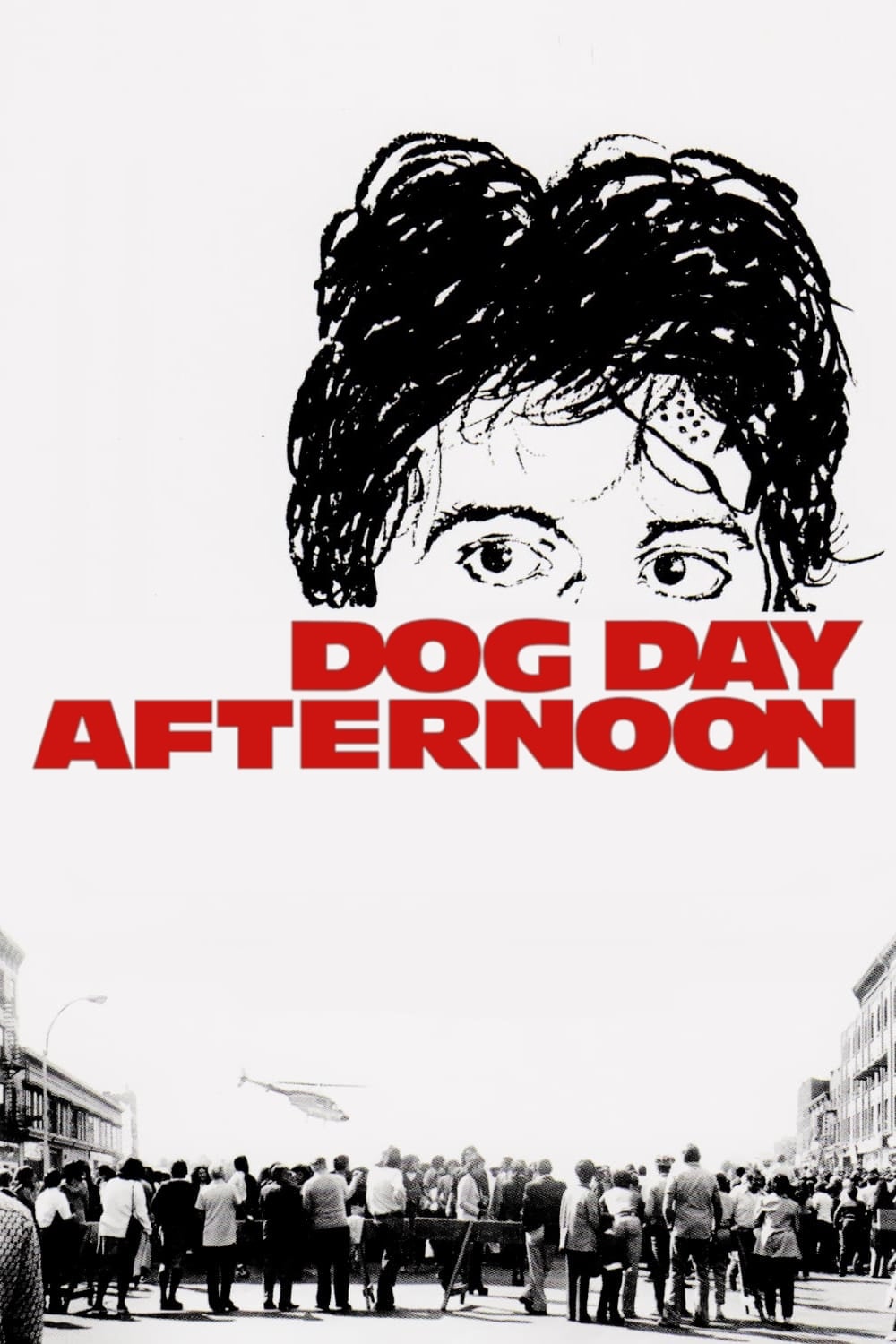
Working with director Sidney Lumet, Pacino played Sonny Wortzik in a bank-robbery story based on a real event, shot largely on location with a semi-documentary approach. The film’s structure follows the immediate aftermath of a robbery gone wrong, emphasizing crowd dynamics, media presence, and police negotiation tactics in the heat of a New York summer.
Pacino’s performance relied on sustained tension across extended scenes, incorporating moments of improvisation within Lumet’s rehearsal-heavy process. The movie is frequently cited in discussions of on-screen media spectacle and early mainstream treatments of LGBTQ subject matter, with Pacino carrying the narrative through press interactions, shifting public sympathy, and the logistics of a siege that plays out in real time.
‘Heat’ (1995)
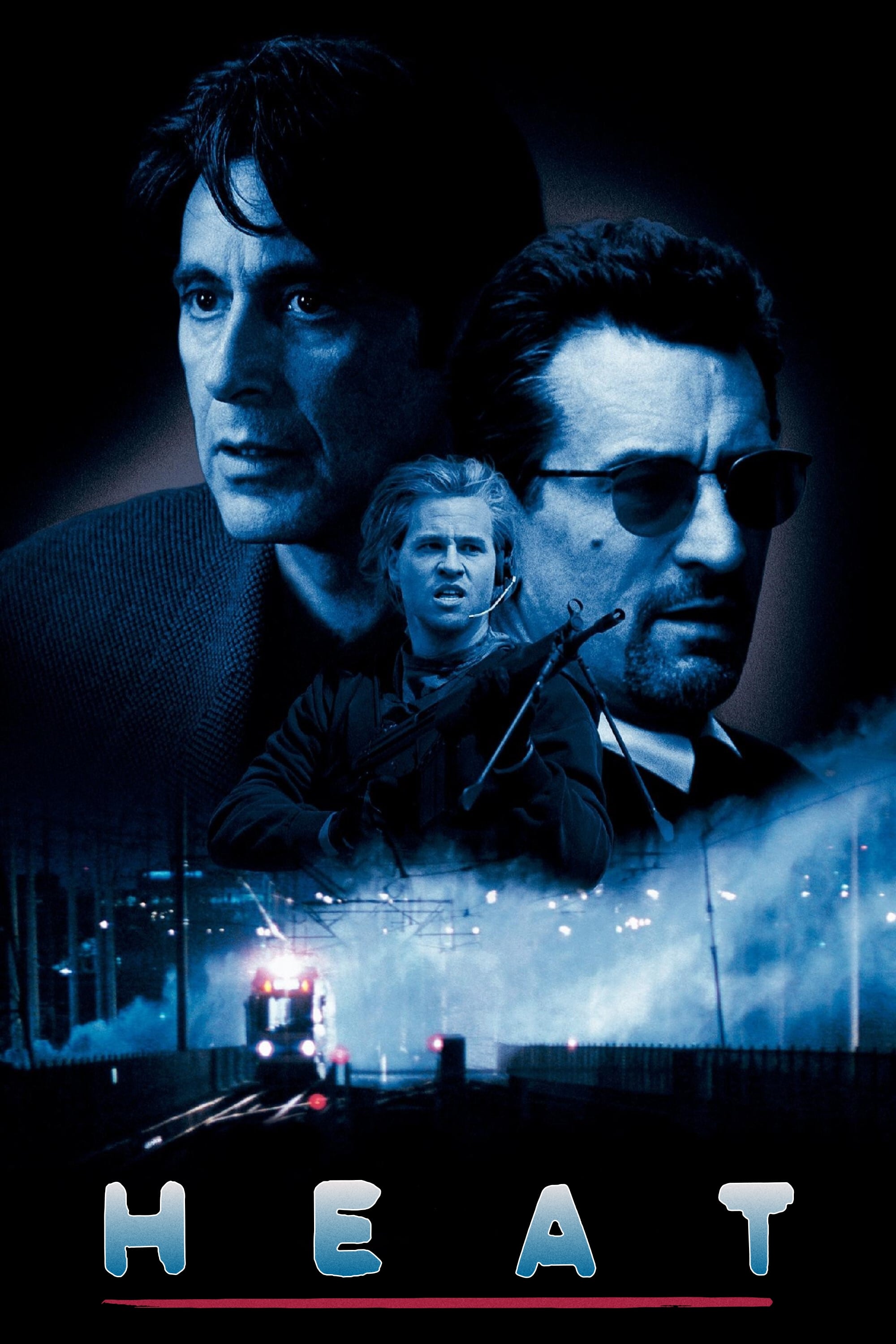
Pacino’s portrayal of Lt. Vincent Hanna set him opposite Robert De Niro in a Los Angeles crime saga directed by Michael Mann, known for meticulous research into police procedure and professional heist operations. The film integrates surveillance tactics, inter-agency coordination, and urban geography into its chase structure, culminating in sequences that have been studied for their staging and sound design.
The celebrated diner encounter between Pacino and De Niro was constructed to highlight overlapping codes of conduct on both sides of the law, and Pacino’s scenes with his investigative team map how information is gathered and acted upon under time pressure. His performance threads personal turmoil with professional focus, showing how the character’s methods—briefings, informants, and rapid decision-making—shape the pursuit.
Triple Crown of Acting
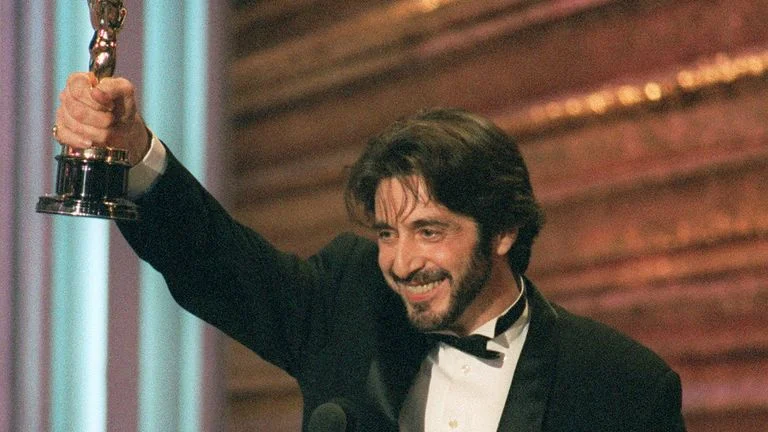
Pacino holds the “Triple Crown of Acting,” having won competitive Academy, Tony, and Primetime Emmy awards. His Academy Award for Best Actor recognizes his work in ‘Scent of a Woman’. On Broadway, he earned Tony Awards for ‘Does a Tiger Wear a Necktie?’ and ‘The Basic Training of Pavlo Hummel’, reflecting a stage career that predates and then runs parallel to his film work.
For television, his Primetime Emmys honor performances in ‘Angels in America’ and ‘You Don’t Know Jack’, both noted for their ensemble casts and demanding lead roles. Together, these awards document excellence across three mediums, illustrating range from Shakespeare-rooted theater technique to modern limited-series storytelling and feature-length film leads.
Stage Roots and the Actors Studio
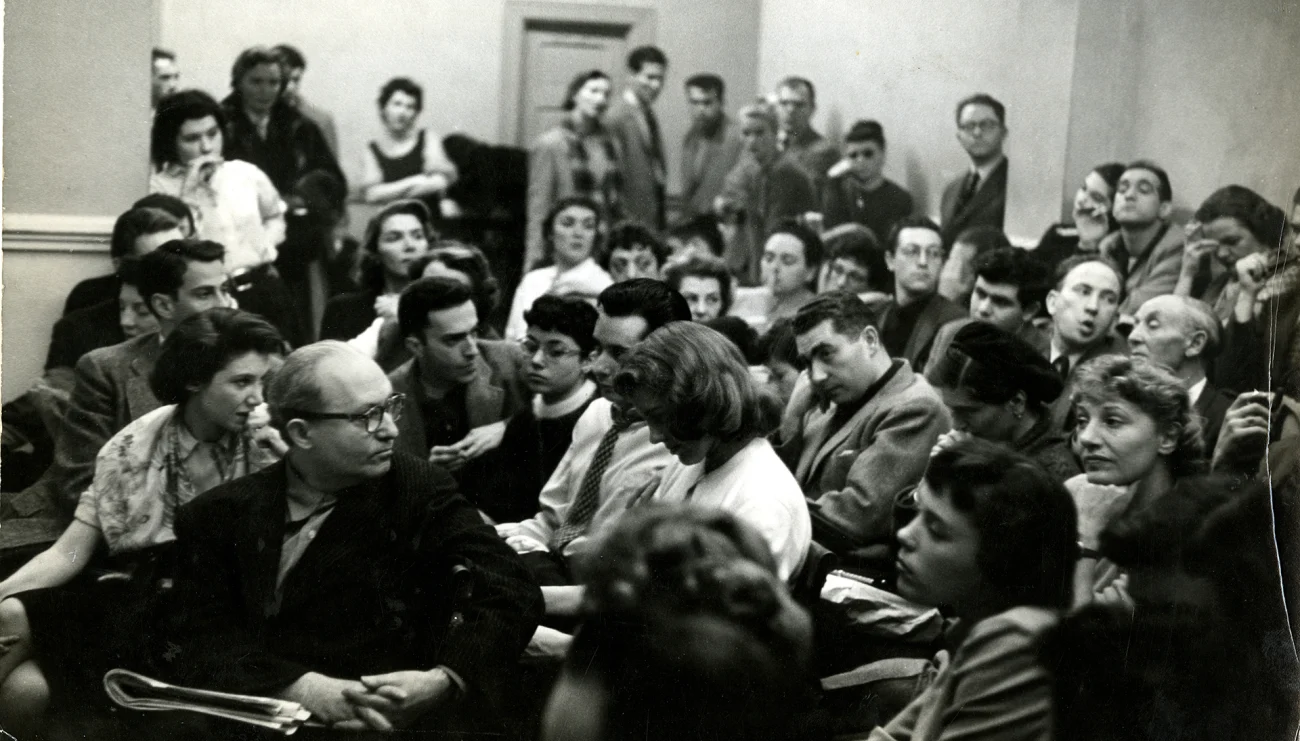
Pacino trained at HB Studio and the Actors Studio in New York, studying with teachers associated with Stanislavski-based methods and later serving in a leadership capacity at the Actors Studio. Early stage work in off-Broadway and Broadway productions provided the foundation for the internal focus and scene discipline that became a hallmark of his screen performances.
He has repeatedly returned to the stage in projects such as ‘American Buffalo’, ‘Salome’, and ‘The Merchant of Venice’, often pairing classic texts with contemporary staging. These ventures maintain direct ties to live-performance rehearsal processes—table work, textual analysis, and iterative scene exploration—that inform his approach to screen roles as well.
Director and Documentarian
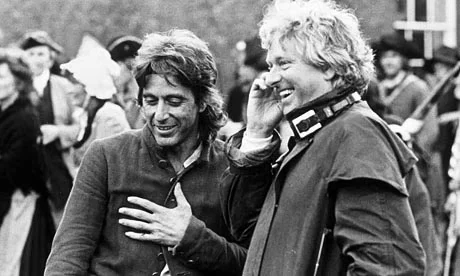
Pacino has directed projects that fuse documentary and performance, most prominently ‘Looking for Richard’, which explores Shakespeare’s ‘Richard III’ through rehearsals, street interviews, and staged scenes. The film breaks down textual challenges for modern audiences, showing how verse speaking, cuts, and staging choices affect clarity and momentum.
He extended this hybrid approach with ‘Chinese Coffee’ and ‘Wilde Salomé’, using intimate settings and literary source material to examine character and authorship. In each case Pacino uses camera placement and rehearsal footage to show how interpretation evolves, offering a window into script analysis, actor collaboration, and the practicalities of bringing dense texts to the screen.
Collaboration with Influential Directors
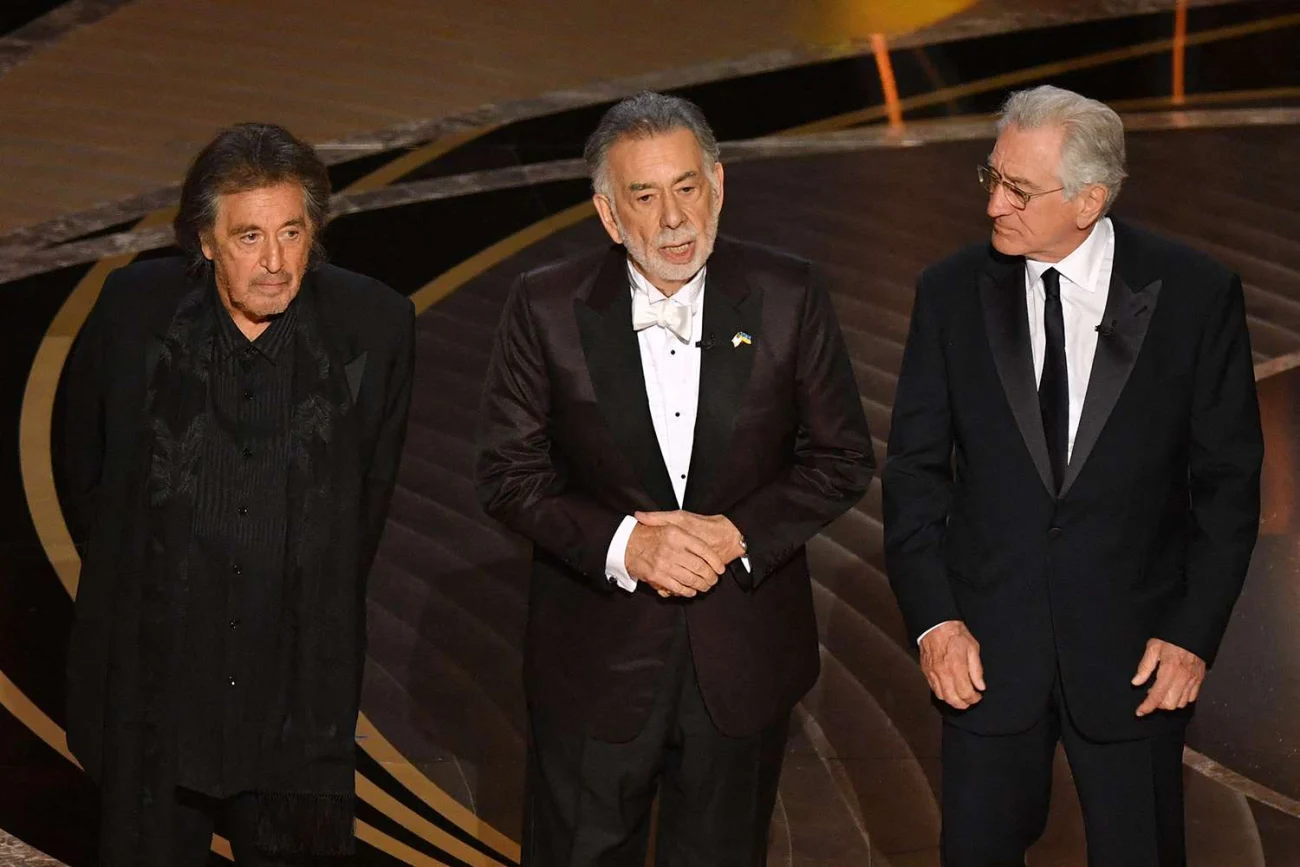
Across decades, Pacino has worked with directors whose styles demanded different acting calibrations—Francis Ford Coppola’s operatic crime storytelling, Sidney Lumet’s procedural realism, Brian De Palma’s heightened visual language, and Michael Mann’s precision-engineered action. Those collaborations positioned him within films that are frequently taught in courses on editing, staging, and narrative structure.
He has also partnered with Barry Levinson on television films such as ‘You Don’t Know Jack’, and with directors focused on language-driven drama, including ‘Glengarry Glen Ross’ with its dense David Mamet dialogue. This range illustrates how Pacino adapts to varying rehearsal methods, shot-planning tempos, and approaches to performance modulation from wide shot to close-up.
Television Highlights
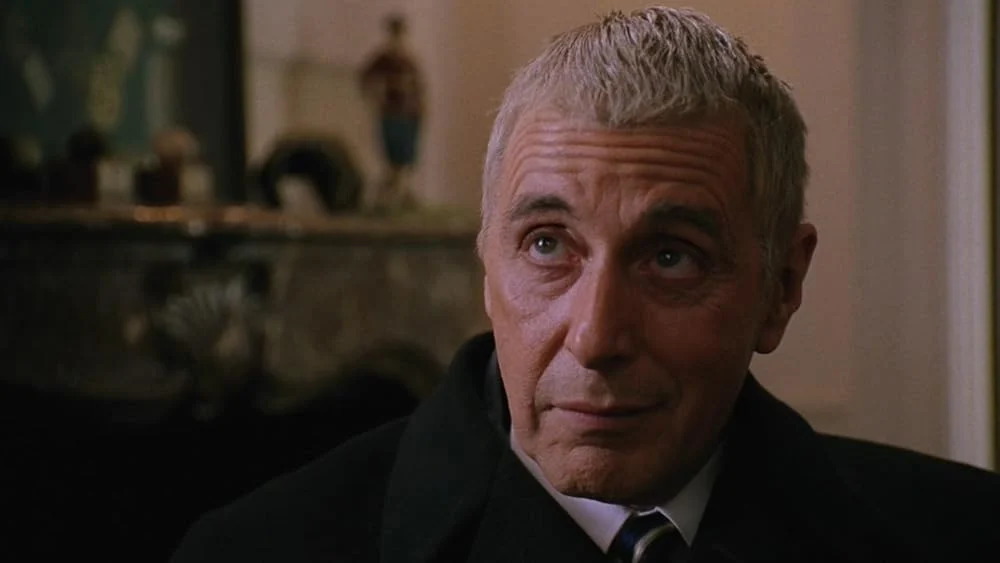
Pacino’s television work delivered major roles in prestige projects, notably the HBO miniseries ‘Angels in America’, where he navigated intersecting themes of politics, identity, and illness across ensemble storylines. He later portrayed Jack Kevorkian in ‘You Don’t Know Jack’, a biographical film that required detailed research into medical ethics debates, legal proceedings, and archival interviews.
More recently, he appeared in the series ‘Hunters’, playing a mentor figure within a conspiracy-driven narrative that moves between period sequences and contemporary investigation. These TV roles demonstrate how he uses limited-series structures—longer run time per character, episodic arcs, and parallel plotlines—to build detailed portraits outside the constraints of a single feature film.
Memorable Courtroom and Interrogation Scenes
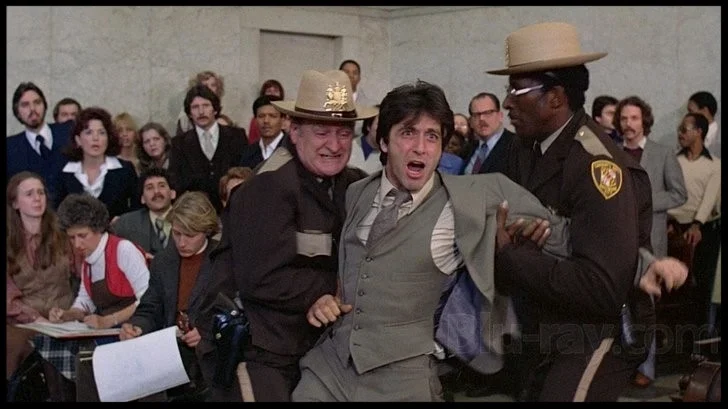
A recurring feature of Pacino’s filmography is the centrality of courtroom, negotiation, or interrogation sequences that hinge on verbal strategy. Examples include press-packed standoffs in ‘Dog Day Afternoon’, formal hearings and family councils in the ‘The Godfather’ cycle, and mid-case debriefs in ‘Heat’ that rely on information exchange rather than spectacle.
These scenes are often constructed with long takes and minimal cutaways, placing emphasis on rhythm, pauses, and escalating stakes. Pacino’s preparation for such sequences typically involves precise cueing and breath control, allowing shifts in tone and tempo to mark power changes inside the scene without resorting to overt physical action.
Enduring Cultural Footprint
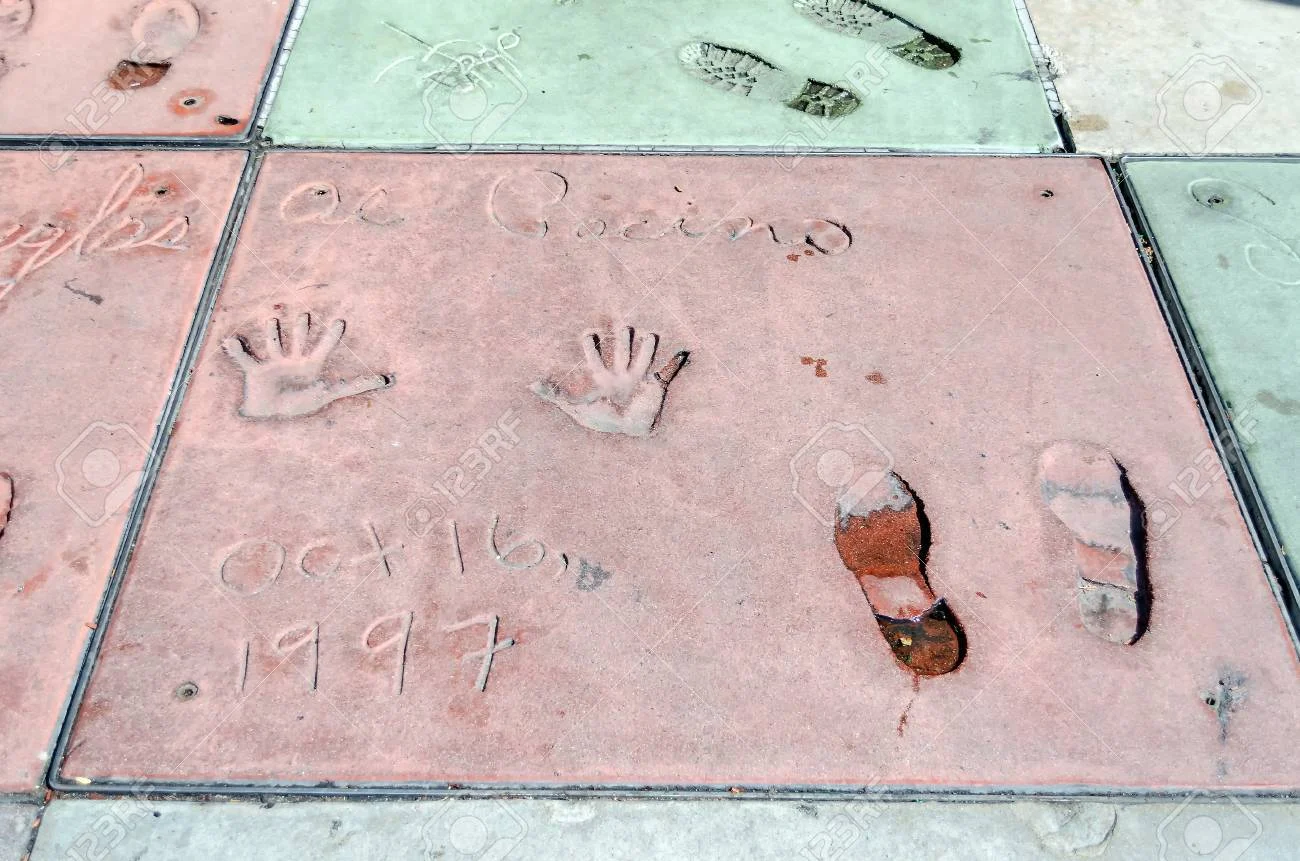
Pacino’s image and dialogue have circulated widely in music, advertising, and sports, with lines and gestures from roles like ‘Scarface’ and ‘The Godfather’ quoted and referenced across media. This cultural presence keeps his performances active in public memory, drawing new viewers to earlier films and sustaining academic interest in how genre characters influence real-world style and rhetoric.
His career also shows continuity through mentorship, festival appearances, and readings, where he presents scenes from works such as ‘Salome’ and ‘Richard III’ to audiences in curated events. By moving between mainstream releases, television projects, stage revivals, and director-driven documentaries, he maintains a portfolio that is both historically significant and regularly revisited.
Share your favorite Al Pacino moments and roles in the comments—what would you add to the list?