

Top 10 Coolest Things About Asuka Langley Soryu




Asuka Langley Soryu burst onto the scene in the anime ‘Neon Genesis Evangelion’ as the Second Child, bringing a mix of technical skill, assertive communication, and international background to the Evangelion pilot roster. Within the franchise, she becomes closely associated with EVA Unit-02, a production-model Evangelion that emphasizes high-agility combat and close-quarters capability. Her introduction reshapes team dynamics and expands how the series explores synchronization, tactics, and the real-world infrastructures that support piloted mecha.
Across the original TV series, ‘The End of Evangelion’, and the ‘Rebuild of Evangelion’ films, Asuka’s story intersects with the franchise’s larger themes—identity, trauma, and the costs of weaponizing adolescence. Her character has multiple continuities, distinct technical loadouts, and varied outcomes that highlight how Evangelions function, how pilots are selected, and how organizations like NERV operate. The result is a character who serves as both a combat specialist and a lens on the franchise’s operational and psychological machinery.
Multinational Origins and Multilingual Skills
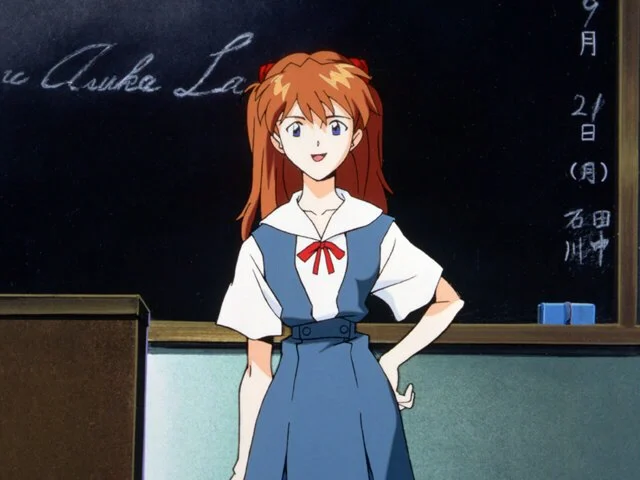
Asuka’s background spans several countries: she is introduced with German ties through her mother’s research work and upbringing, she operates under NERV’s international framework, and she communicates across languages inside and outside the cockpit. In the original continuity, she demonstrates spoken German on-screen and navigates Japanese in daily life, reflecting the multinational staffing and pilot recruitment that the franchise builds into its world. This setup mirrors how NERV coordinates research, maintenance, and field operations across borders.
These linguistic details are not just flavor—they inform mission briefings, inter-divisional coordination, and how Asuka interacts with specialists attached to EVA-02. They also underscore the Marduk Institute’s broad selection pipeline, which identifies Child candidates globally and places them into local education and training tracks before deployment. Asuka’s ease with multiple languages helps explain why she integrates quickly into Tokyo-3’s command structure and can interpret technical documentation and procedures originating from different branches.
EVA Unit-02: Production-Model Mastery
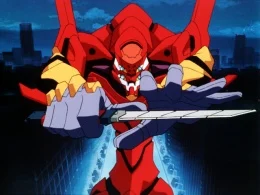
EVA-02 is presented as the first true production model in the franchise, engineered for frontline combat rather than proof-of-concept testing. Its configuration emphasizes mobility, high-throughput weapon interchange, and durability under sustained engagement, which aligns with Asuka’s training and preferences for direct action. The unit frequently deploys pallet rifles, progressive knives, and specialized gear sourced from NERV’s logistics, giving Asuka flexible responses to close-, mid-, and situational long-range threats.
Operationally, Asuka’s sorties highlight how EVA-02’s subsystems are exploited under real-time constraints—switching power feeds, timing egress to umbilical-cable limits, and coordinating with naval or ground assets when missions extend beyond Tokyo-3. The show uses her piloting to demonstrate production-model reliability: rapid startup sequences, smoother synchronization handoffs, and consistent compatibility with auxiliary equipment. These details collectively illustrate how NERV intended Evangelion deployment to look outside pure testing scenarios.
Early Recruitment as the Second Child

Asuka’s designation as the Second Child places her near the beginning of NERV’s pilot program timeline, following the test-bed successes attributed to earlier units and pilots. That status implies an extended period of training, simulator time, and exposure to live protocols before her on-screen arrival. The franchise frames these preparations through references to preliminary sync tests, pilot eligibility assessments, and the psychological profiling that precedes operational clearance.
Being an early recruit also means Asuka is familiar with prototype limitations and the incremental improvements that lead to EVA-02’s production specifications. She arrives with an understanding of how to work within synchronization tolerances, what to monitor in the entry plug during loadout, and how to interpret field telemetry when mission parameters change mid-operation. Her background thus explains her confidence in pre-combat planning and her attention to technical procedure.
Tactical Coordination and Synchronization Drills
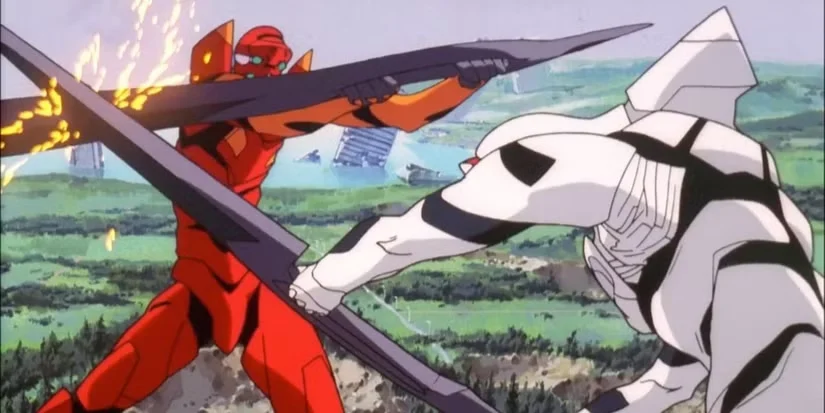
Asuka’s missions often require coordinated maneuvers with fellow pilots, showing how NERV trains synchronization beyond individual sync ratios. The franchise depicts rehearsed timing routines, alternating attack windows, and forced-rhythm drills designed to execute pincer movements or simultaneous strikes against complex targets. These sequences reveal the operational logic behind dual- or multi-pilot engagements and the role of command relays from the tactical bridge.
In practice, Asuka’s coordination highlights practical concerns: communications latency between units, loadout deconfliction to prevent redundant gear, and contingency trees if one pilot loses synchronization or power. The material illustrates how pilots cross-train on one another’s tactics to maintain cohesion, and how these drills translate into efficient resource use—ammunition counts, remaining cable time, and fallback routes—under severe time pressure.
Distinct Visual Design and Plugsuit Engineering
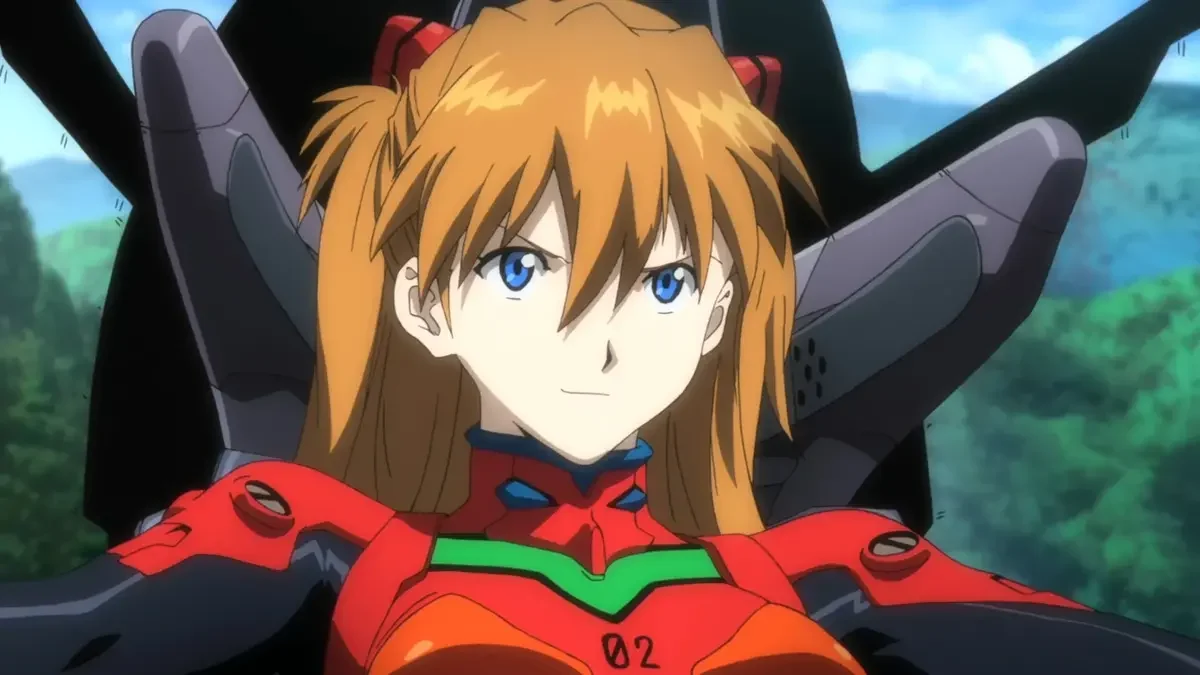
Asuka’s red plugsuit is a recognizable element of the franchise’s visual language and ties directly to EVA-02’s production-model identity. The suit’s visible connectors, pressure seals, and interface attachments reflect its function as a life-support and neural-interface garment rather than simple attire. The design situates sensors and contact points where the A10-nerve interface processes pilot input, aligning with cockpit instrumentation and control grips inside the entry plug.
Character designer Yoshiyuki Sadamoto’s choices reinforce quick silhouette recognition in multi-unit combat scenes, helping viewers track pilot-to-unit associations during rapid cuts. The color coding and helmet/clip design aid diegetic clarity for technicians as well, indicating suit status and connection readiness during launch sequences. In-universe, the plugsuit’s fit and material behavior are consistent with pressure management, electrical insulation, and tactile feedback needed for high-G maneuvers and emergency ejection.
Psychological Depth Grounded in Canon Events

Asuka’s arc incorporates documented experiences—family history, competitive drive, and mission stressors—that intersect with the franchise’s examination of pilot mental states. The series portrays how these factors affect synchronization stability, responsiveness to command, and recovery after combat exposure. Scenes in ‘Neon Genesis Evangelion’ and ‘The End of Evangelion’ use internal-vision sequences and debrief-style dialogue to connect specific events to pilot mindset and performance.
These depictions are not abstract; they map to operational outcomes such as temporary sync degradation, altered threat assessment, or reluctance to accept backup orders. By tying psychological data to concrete mission metrics, the franchise shows why NERV embeds counseling, isolation testing, and recalibration sessions into pilot schedules. Asuka’s experience becomes a case study in the feedback loop between mental state and Evangelion control fidelity.
Multiple Continuities: Soryu and Shikinami

Asuka appears in parallel continuities: Asuka Langley Soryu in the original continuity and Asuka Langley Shikinami in the ‘Rebuild of Evangelion’ films. The latter iteration includes changes to personal history, inter-pilot relationships, and certain mission outcomes, along with visual updates such as an eyepatch linked to specific plot events. These differences allow the franchise to explore alternate operational decisions and their cascading effects on NERV’s missions.
From a technical standpoint, the Shikinami version pilots updated configurations and participates in set-pieces designed around new equipment, altered threat behaviors, and revised command strategies. This provides comparative material on how similar pilots adapt to variant technology stacks and engagement doctrines. Viewers can trace how continuity changes affect synchronization approaches, readiness checks, and the risk profiles assigned to her sorties.
Signature Combat Set-Pieces

Asuka’s catalog of engagements includes operations at sea, urban defense within Tokyo-3’s retractable infrastructure, and coordinated strikes requiring precise timing. These missions showcase EVA-02’s amphibious adaptations through external platforms and field-improvised tactics—using conventional assets as force multipliers, shifting between ranged suppression and close-quarters finishes, and exploiting an Angel’s split-form or regenerative weaknesses when identified by the bridge crew.
The series uses these set-pieces to walk through NERV’s mission lifecycle: intelligence gathering, loadout selection, launch sequencing, initial contact, and after-action debrief. Asuka’s role often illustrates the transition from textbook plans to adaptive execution, highlighting how pilots parse telemetry, obey or override timing constraints, and manage power and ammunition budgets while protecting civilian infrastructure embedded in the battlefield.
Voice Acting and Localization Footprint
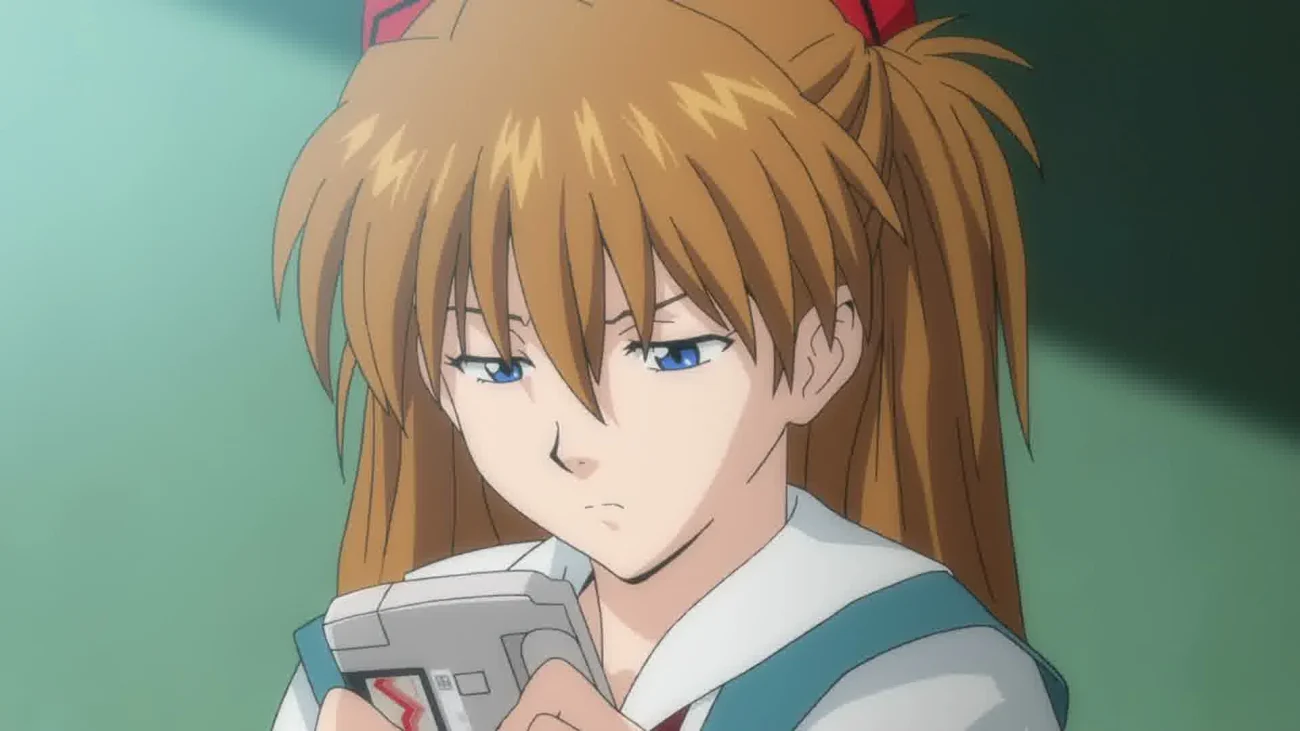
Asuka’s portrayal is anchored by well-known voice talent across languages, with Yūko Miyamura voicing her in Japanese releases and Tiffany Grant in early English localizations. Their performances include sequences where Asuka switches languages, aligning with the character’s background and the franchise’s international setting. This multilingual delivery adds authenticity to mission chatter and personal dialogue that references training or scientific work.
The character’s localization history extends to dubbing practices, script adaptations, and re-releases, which refine terminology for technical systems, ranks, and operational jargon. These changes affect how audiences understand cockpit procedures, bridge commands, and NERV organizational structure. Asuka’s widely distributed voice work thus functions as an accessible guide to the franchise’s specialized vocabulary across regions.
Cross-Media Presence Within the Franchise
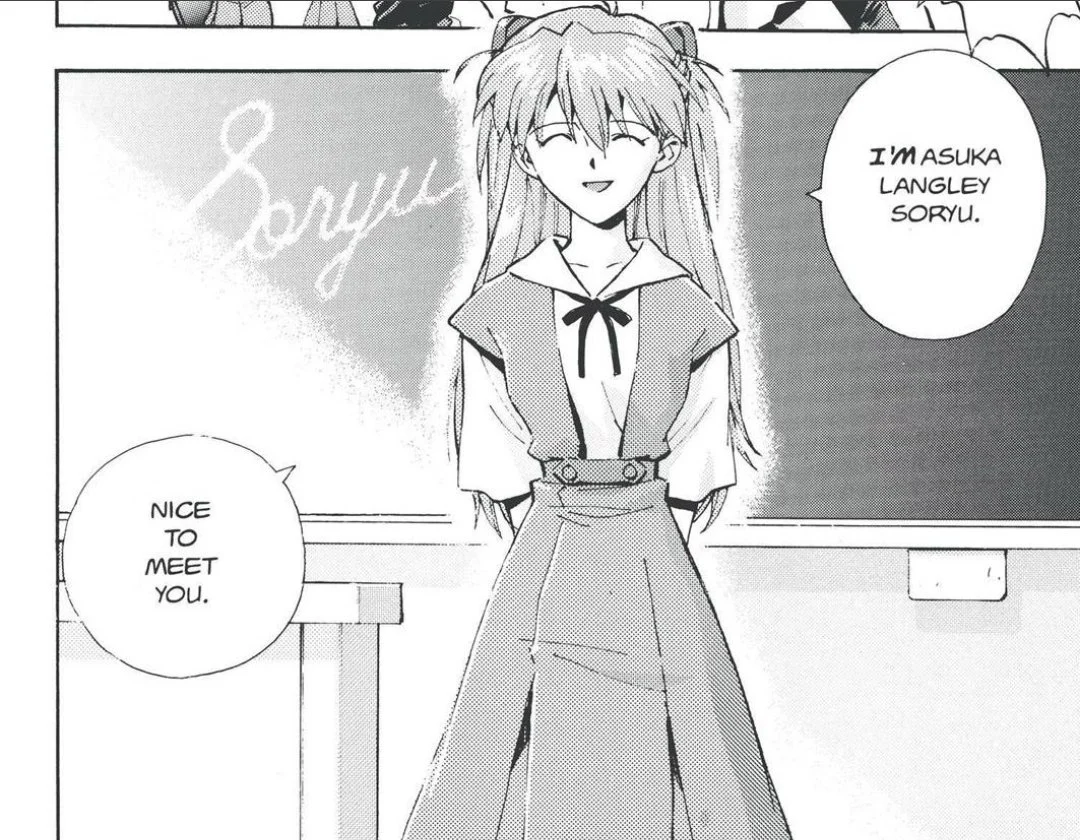
Asuka appears across ‘Neon Genesis Evangelion’, ‘The End of Evangelion’, and the ‘Rebuild of Evangelion’ films, providing a continuous thread through varied production styles and narrative scopes. Each appearance offers new data points about pilot selection criteria, EVA-02’s evolving capabilities, and NERV’s shifting doctrine under different leadership decisions. Her presence ensures that updates to technology and tactics remain connected to a known pilot profile.
Beyond the core anime entries, Asuka features in official print adaptations and licensed media that expand on training routines, interpersonal dynamics, and alternative mission scenarios. While these works sit at different levels of canonicity, they commonly retain the technical frameworks—synchronization metrics, equipment schematics, and operational hierarchies—that define the franchise. This consistency allows viewers to compare how Asuka is deployed under varied storytelling constraints.
Share your favorite Asuka moments and details in the comments so everyone can compare notes on what stands out most about the Second Child.